The Ultimate Vegetable Watering Schedule For Pennsylvania Gardeners
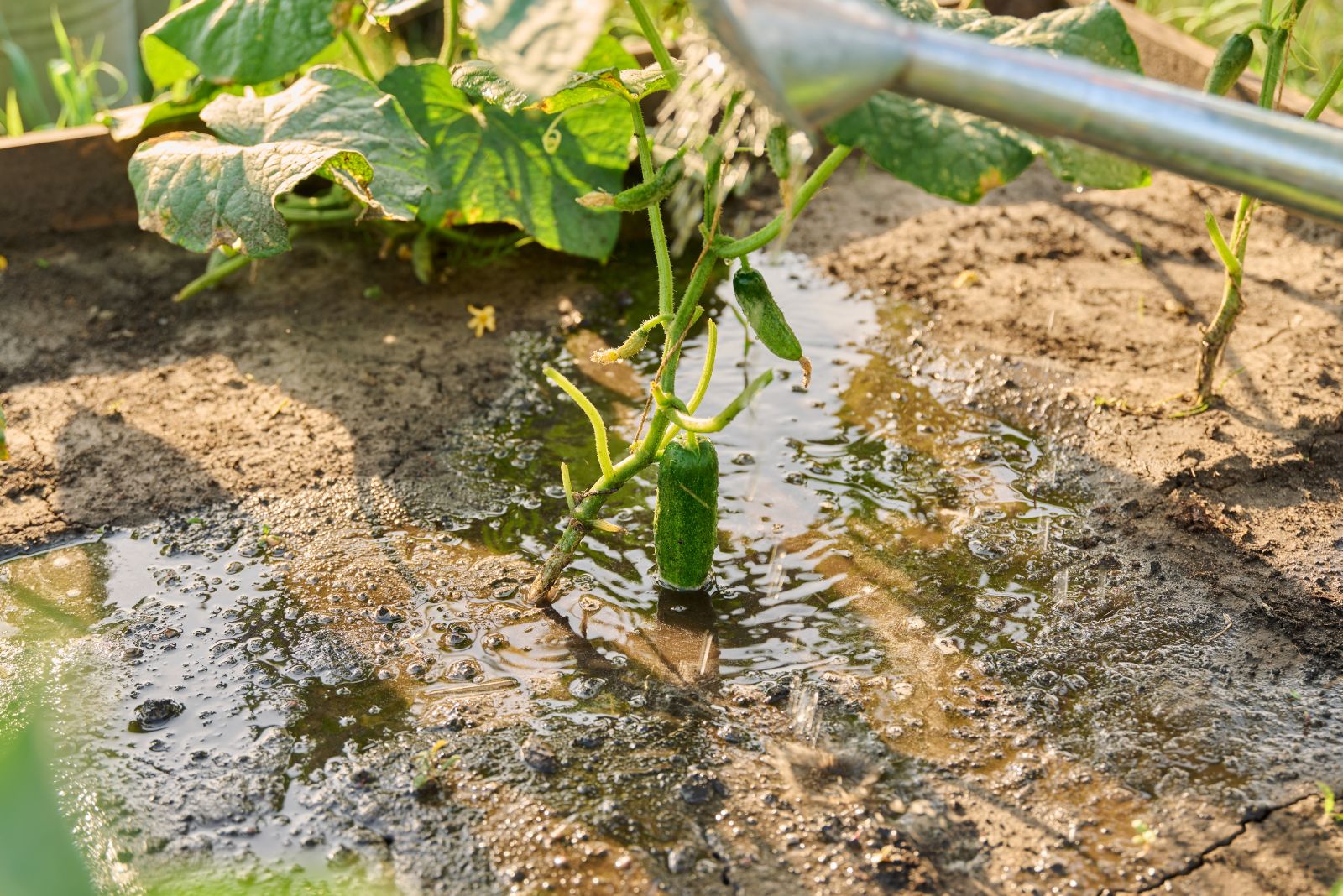
Watering vegetables sounds straightforward until you’re standing in your garden in July wondering why your tomatoes are cracking, your pepper leaves are curling, and your zucchini looks like it’s staging a protest despite the fact that you’ve been watering consistently all season.
The reality is that consistent doesn’t always mean correct, and in Pennsylvania’s variable climate, the difference between the two shows up pretty clearly in your harvest.
Pennsylvania throws a lot at vegetable gardeners across a single growing season. Late spring rain gives way to dry July stretches, August humidity changes how quickly soil moisture evaporates, and the needs of your plants shift dramatically from seedling stage through full production.
A watering schedule that worked in June might be completely wrong for the same plants in August. Getting the timing, frequency, and method right for Pennsylvania’s specific conditions is what separates a vegetable garden that just survives from one that genuinely produces.
1. Tomatoes
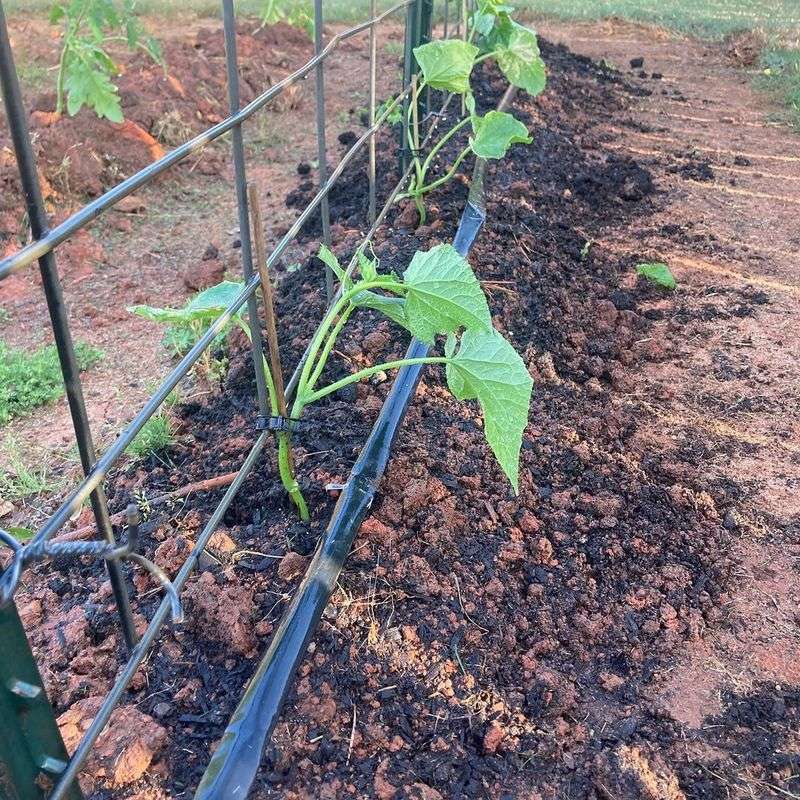
Ask any Pennsylvania gardener what they love growing most, and tomatoes will almost always top the list.
These sun-loving plants are a staple in backyard gardens from Erie to Lancaster, and watering them correctly is the single most important thing you can do for a big, juicy harvest.
Tomatoes need deep watering two to three times per week. Each watering session should soak the soil at least six inches deep.
This encourages roots to grow downward, making plants stronger and more resistant to dry spells during Pennsylvania’s hot summer months.
Avoid daily light watering. Light, shallow watering keeps roots near the surface, which makes plants weaker and more stressed during heat waves.
Weak roots also lead to problems like blossom end rot and cracked fruit, both of which are frustrating to deal with after months of careful growing.
Always water at the base of the plant, not on the leaves. Wet leaves invite fungal diseases, which spread quickly in Pennsylvania’s humid summer air. Watering in the early morning is best because it gives foliage time to dry before evening.
A simple trick is to check the soil before reaching for the hose. Push your finger about two inches into the soil near the plant. If it feels dry at that depth, it is time to water. If it still feels moist, wait another day.
Consistent moisture, not overwatering, is what tomatoes truly thrive on across Pennsylvania gardens.
2. Peppers
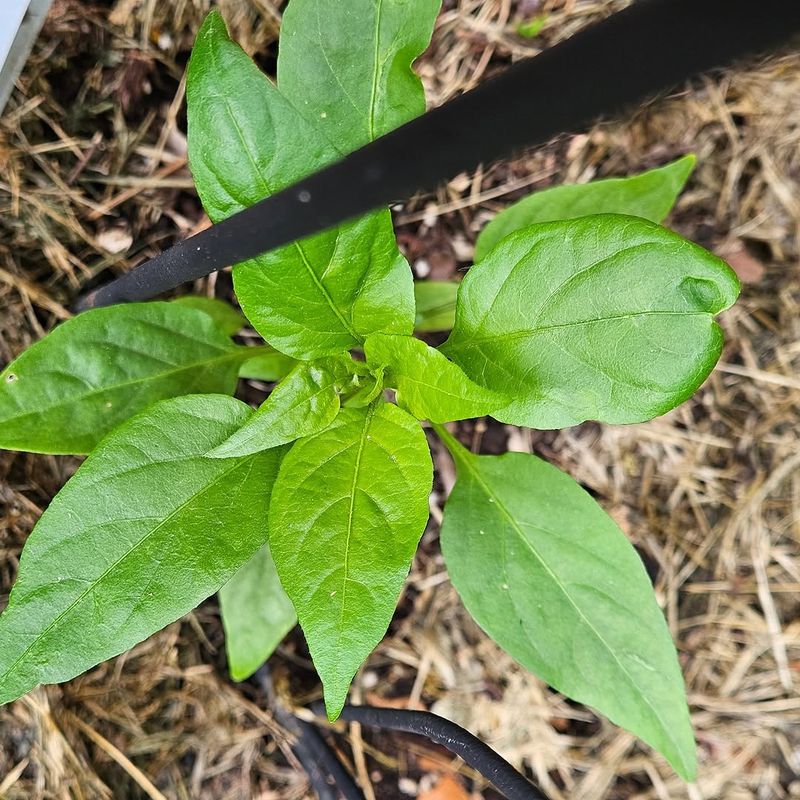
Peppers are a little more patient than tomatoes when it comes to water, but that does not mean you can ignore them.
Getting the watering schedule right for peppers is the key to avoiding one of the most common gardening headaches in Pennsylvania: blossom drop. Water your pepper plants every three to four days. Before you water, check the top inch of soil.
It should feel slightly dry to the touch. This small dry period between waterings actually encourages the plant to send roots deeper into the ground, which improves overall plant health.
Blossom drop happens when peppers experience sudden swings between dry and wet soil. When the moisture level is inconsistent, flowers fall off before they can turn into peppers.
Your Pennsylvania Garden Changes Every Week. Your Plan Should Too.
Gardening in Pennsylvania changes quickly throughout the season. Every Friday you’ll receive a simple weekly plan showing exactly what to plant, prune, fertilize, harvest, and protect so you never miss the right timing.
Keeping a steady, predictable watering routine prevents this problem and keeps your plants producing all season long.
During Pennsylvania’s peak summer heat in July and August, you may need to water a little more often. Hot, dry stretches can dry out garden beds faster than expected.
Placing a two to three inch layer of mulch around your pepper plants helps hold moisture in the soil between waterings and keeps root temperatures stable.
Morning watering is always the smartest choice for peppers. It gives the plant a full drink before the afternoon heat arrives.
Avoid watering in the evening because sitting moisture overnight can lead to root and stem diseases that weaken your plants over time in Pennsylvania’s humid climate.
3. Cucumbers
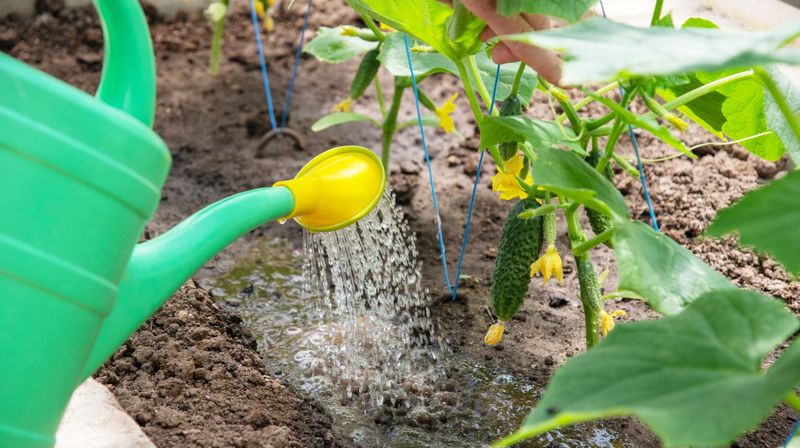
Cucumbers are one of the thirstiest vegetables you can grow, and they are not shy about showing it. When cucumbers do not get enough water, they turn bitter, grow crooked, or stop producing altogether.
Consistent moisture is not optional for this vegetable; it is essential. In Pennsylvania, plan to water cucumbers two to three times per week with a deep, thorough soak each time. The goal is to keep the soil consistently moist, not soggy.
Cucumbers have shallow roots, so they dry out faster than other vegetables during warm summer days.
Uneven watering is one of the top reasons home gardeners in Pennsylvania end up with bitter cucumbers. When the plant swings between dry and wet conditions, it triggers the production of a bitter compound called cucurbitacin.
Keeping moisture levels steady prevents this from happening and keeps your cucumbers crisp and sweet.
Mulching is especially helpful for cucumbers. A thick layer of straw or wood chips around the base of the plant locks in soil moisture and keeps roots cool during Pennsylvania’s hottest weeks.
It also reduces how often you need to water, which saves time and effort. One more tip: always water at the soil level and keep the leaves dry. Cucumber leaves are very prone to powdery mildew, a common fungal disease in Pennsylvania gardens.
Watering from above speeds up the spread of this disease. A soaker hose or drip system works perfectly for cucumbers and keeps your plants healthy all season.
4. Lettuce
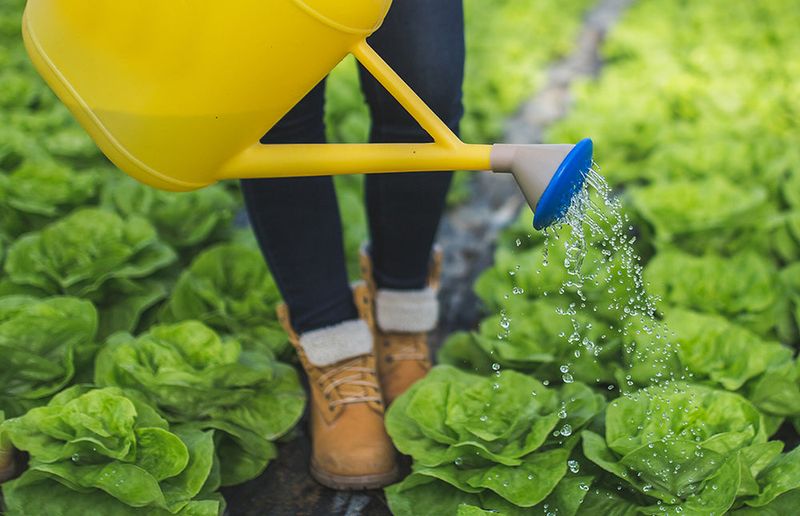
Lettuce is one of the easiest vegetables to grow in Pennsylvania, but it has one quirky demand: it likes to stay cool and consistently moist. Unlike most other garden vegetables, lettuce does not handle dry soil well at all.
Even a short dry spell can push it to bolt, which means it sends up a flower stalk and turns bitter fast.
Water lettuce lightly but frequently, ideally every one to two days. The goal is not to soak the soil deeply but to keep the top few inches consistently moist.
Lettuce roots are shallow, so they dry out quickly, especially during warm spring and early summer days in Pennsylvania.
During May and June, when Pennsylvania temperatures start climbing, pay extra attention to your lettuce. Heat is its biggest enemy.
Frequent, light watering helps cool the soil around the roots and slows down the bolting process. Planting lettuce in a spot with afternoon shade also buys you extra growing time during warmer weeks.
A gentle spray nozzle or a watering can with a rose head works great for lettuce. These tools deliver a soft, even flow of water that will not disturb shallow roots or wash away seeds in newly planted rows. Avoid strong streams of water that compact the soil surface.
Adding a thin layer of mulch between lettuce rows is a smart move for Pennsylvania gardeners.
It holds moisture in the soil, keeps the ground cooler, and reduces how often you need to grab the hose during busy summer weeks. Consistent care keeps lettuce sweet and crisp right through harvest.
5. Carrots
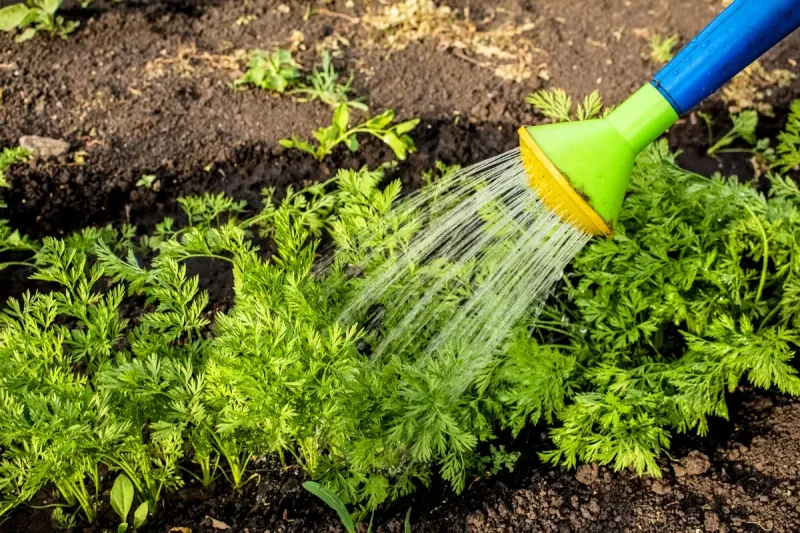
Carrots are one of those vegetables that look simple to grow but can surprise you with a few challenges.
One of the biggest problems Pennsylvania gardeners run into is pulling up carrots that are misshapen, forked, or cracked. More often than not, uneven watering is the cause.
Plan to water carrots every two to three days, keeping the moisture level as even as possible throughout the growing season.
Carrots grow deep into the soil, so each watering session should soak the ground at least eight to ten inches down. This encourages straight, healthy root development and reduces splitting.
Cracked or forked carrots happen when the soil dries out and then receives a sudden heavy watering. The carrot root expands rapidly in response to the moisture surge, causing it to split.
Steady, consistent watering prevents this frustrating problem and gives you smooth, uniform roots worth showing off at the farmers market.
Pennsylvania’s spring and early summer weather can be unpredictable, with stretches of rain followed by dry periods. Keep a close eye on your soil during these transitions.
A rain gauge in your garden helps you track how much natural water your beds are already receiving so you do not accidentally overwater.
Loose, well-draining soil is just as important as the watering schedule for carrots. Compacted or clay-heavy soil holds too much moisture and can cause roots to rot.
Mixing compost or sand into your Pennsylvania garden beds before planting gives carrots the loose, airy environment they need to grow long, straight, and delicious.
6. Zucchini
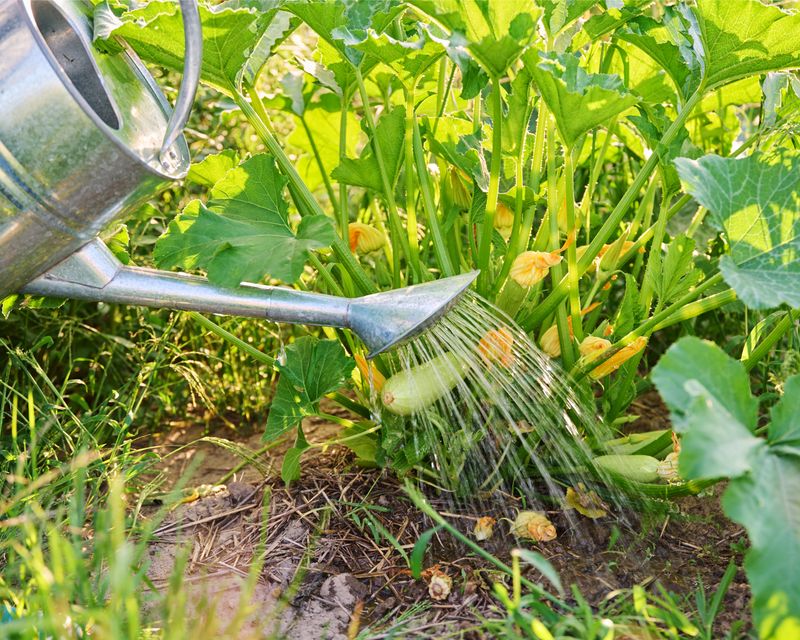
Zucchini has a well-earned reputation for being one of the most productive vegetables in any Pennsylvania garden. Once it gets going in midsummer, it seems like you can almost watch it grow.
But behind all that productivity is a plant that needs steady, deep watering to keep producing at full speed.
Water zucchini two to three times per week with a long, deep soak each time. The plant has a large root system that benefits from water reaching six to eight inches below the soil surface.
Shallow watering leads to stressed plants that produce fewer fruits and are more vulnerable to pests and disease.
One of the most important rules for watering zucchini is to keep the leaves dry. Zucchini leaves are very large and tend to trap moisture, which creates the perfect environment for powdery mildew and other fungal diseases.
Pennsylvania summers are already humid enough without adding extra moisture to the leaf surface.
Always direct the water to the base of the plant. A drip hose or soaker hose works wonderfully for zucchini because it delivers water slowly and directly to the root zone.
If you are using a regular hose, aim low and keep the flow gentle to avoid splashing soil up onto the leaves.
Mulching around zucchini plants is a game changer for Pennsylvania gardeners. A thick layer of straw or shredded leaves keeps the soil moist between waterings, reduces weed competition, and helps maintain a steady soil temperature during the summer heat.
Less stress on the plant means more zucchini on your dinner table.
7. Green Beans
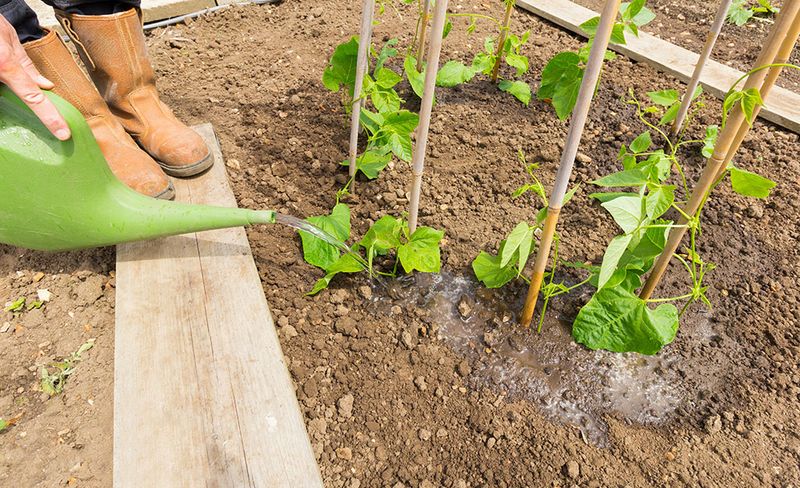
Green beans are a summer favorite for Pennsylvania gardeners, and for good reason. They are fast-growing, productive, and incredibly satisfying to harvest.
But here is something many first-time growers overlook: green beans are surprisingly sensitive to inconsistent watering, especially during pod development.
Water green beans every two to three days, keeping the soil evenly moist throughout the growing season. When the soil dries out too much between waterings, plants respond by producing fewer pods.
In some cases, pods that do form may be tough, stringy, or underdeveloped, which is disappointing after weeks of careful tending.
The most critical time to stay on top of watering is when flowers appear and pods begin to set. This window, which usually falls in mid to late summer in Pennsylvania, is when consistent moisture matters most.
Letting the soil dry out during this stage directly reduces your overall harvest. Green beans do not like to sit in waterlogged soil either. Good drainage is just as important as regular watering.
If your Pennsylvania garden has heavy clay soil, mix in compost before planting to improve drainage and help the soil hold moisture more evenly without becoming soggy.
Watering in the early morning is the best habit to build for green beans. It gives the plants a full supply of moisture heading into the warmest part of the day.
Evening watering leaves moisture on leaves and stems overnight, which raises the risk of mold and fungal disease in Pennsylvania’s warm, humid summer conditions. Morning watering keeps plants healthy and harvests heavy all season long.