These Are The Only Roses That Actually Thrive In Florida Heat
Roses in Florida have a reputation, and not a great one. You hear the same story over and over.
They look stunning for a minute, then the heat rolls in and everything starts slipping. It makes a lot of gardeners write them off before they even begin.
That might be the biggest mistake of all. Hidden in plain sight are a handful of roses that seem to shrug at Florida’s heat and keep right on blooming like nothing changed.
No drama, no constant fuss, no disappointment halfway through the season. Once you discover which ones actually hold their ground, it changes how you see roses in this climate entirely.
Suddenly, that idea of a yard filled with color all summer does not feel unrealistic at all. It feels like something you should have tried sooner.
1. Grow Knock Out Roses For Reliable Heat Tolerance
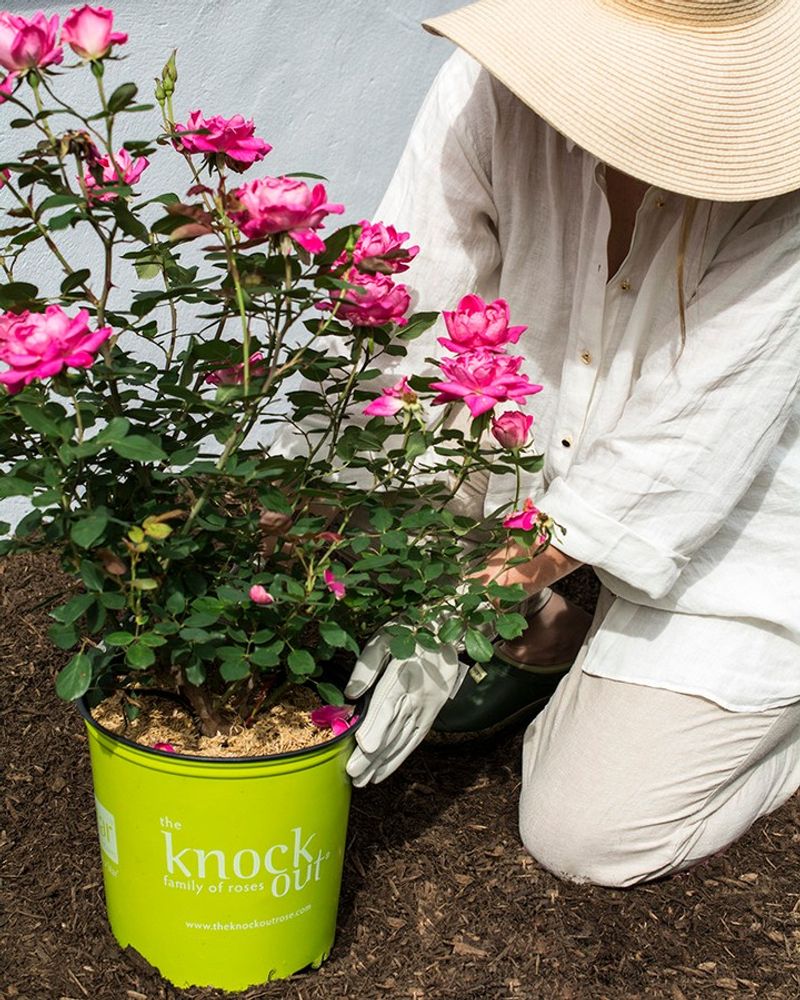
Walk through almost any Florida neighborhood in midsummer and you will notice one rose that keeps blooming while everything else looks exhausted.
Knock Out roses have become a go-to choice for Florida gardeners because they were specifically bred to handle the kind of punishing heat and humidity that destroys more delicate varieties.
Their disease resistance is genuinely impressive, especially when it comes to black spot, which spreads rapidly in Florida’s wet summer months.
The University of Florida IFAS Extension has supported Knock Out roses as reliable performers for Florida landscapes, and that endorsement carries real weight.
These are modern shrub roses that repeat bloom almost continuously from spring through late fall, which means your yard gets consistent color without constant intervention.
The shrub habit also works well in Florida landscapes because good airflow around the canes helps reduce fungal pressure naturally.
Spacing matters more than most gardeners realize. Planting Knock Outs at least four to five feet apart allows air to circulate freely and keeps moisture from building up between canes after afternoon rains.
They prefer full sun, ideally six or more hours per day, and perform best in well-amended soil rather than raw Florida sand. Adding compost at planting time improves drainage while also helping sandy soil retain just enough moisture between waterings.
Knock Outs are not completely immune to every Florida pest. Chilli thrips, a serious pest in Florida rose gardens, can still cause bronzing and distorted growth on new foliage.
Monitoring plants regularly and treating early makes a big difference. Overall though, for a gardener who wants reliable color, manageable care, and strong performance in Florida heat, Knock Out roses consistently deliver results that are hard to argue with.
2. Choose Mrs. B. R. Cant For Proven Florida Performance
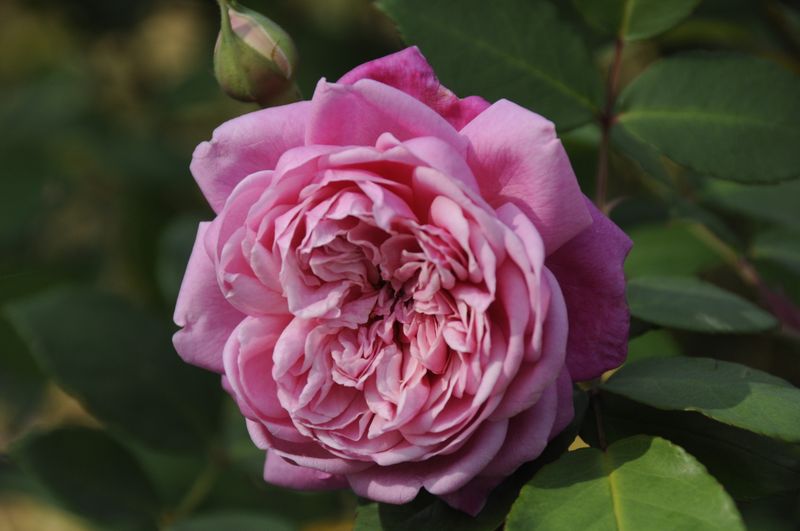
Some roses earn their reputation through decades of real performance rather than marketing campaigns, and Mrs. B. R.
Cant is exactly that kind of rose. This Victorian-era tea rose has been growing in Southern gardens since the late 1800s, and it remains one of the standout performers in University of Florida IFAS rose trials.
When researchers evaluated roses specifically for Florida conditions, Mrs. B. R. Cant consistently came out near the top.
Your Florida Garden Changes Every Week. Your Plan Should Too.
Gardening in Florida changes quickly throughout the season. Every Friday you’ll receive a simple weekly plan showing exactly what to plant, prune, fertilize, harvest, and protect so you never miss the right timing.
Tea roses as a group tend to handle Florida heat better than many modern hybrid teas because they were originally developed in warm climates and carry genes suited to humid conditions.
Mrs. B.R. Cant takes that natural advantage further with vigorous growth, a tendency to push new blooms regularly, and better tolerance for the kind of fungal pressure that Florida summers dish out.
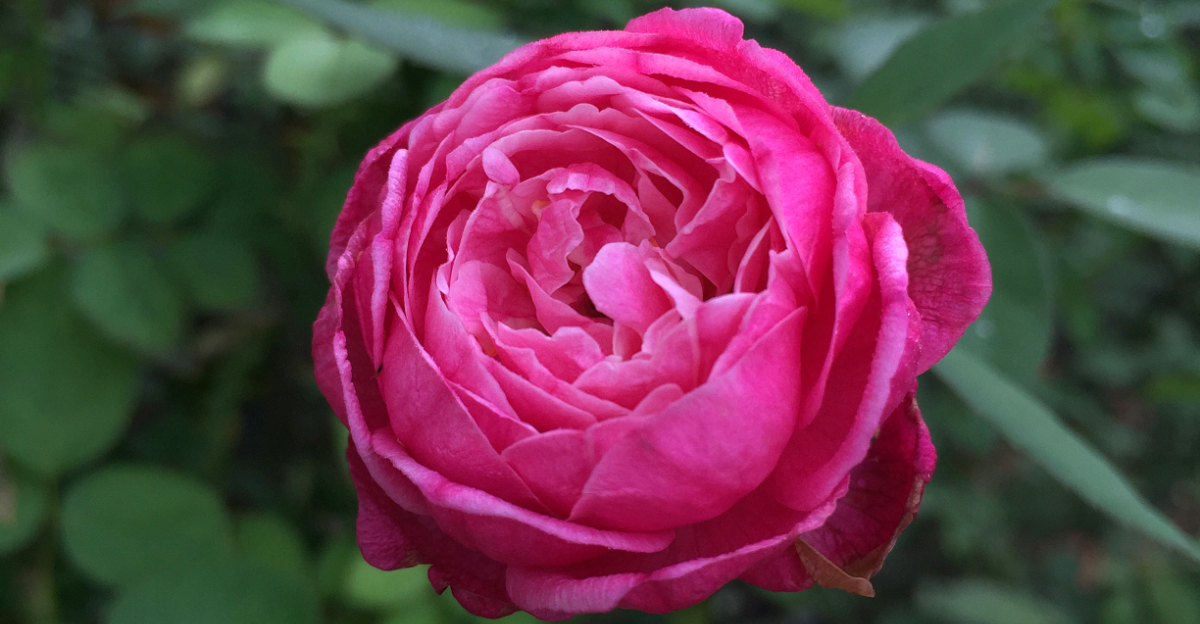
The flowers are a deep silvery pink with a classic quartered form and a soft fragrance that feels right at home in a Southern garden.
For best results in Florida, plant this rose in a location with full sun and good drainage.
Sandy Florida soils benefit from generous compost amendments before planting, and a layer of mulch around the base helps moderate soil temperature during the hottest months.
Grafting onto Rosa fortuniana rootstock, which is widely recommended by UF/IFAS for Florida conditions, gives this rose an even stronger start because fortuniana handles sandy soils and nematodes far better than common rootstocks.
Mrs. B. R. Cant is not completely carefree. Like most roses in Florida, it benefits from regular monitoring for chilli thrips and occasional fungal treatment during the wettest stretches of summer.
Still, its track record in actual Florida trials makes it one of the most credible recommendations on this list.
3. Plant Louis Philippe For Old Florida Garden Strength
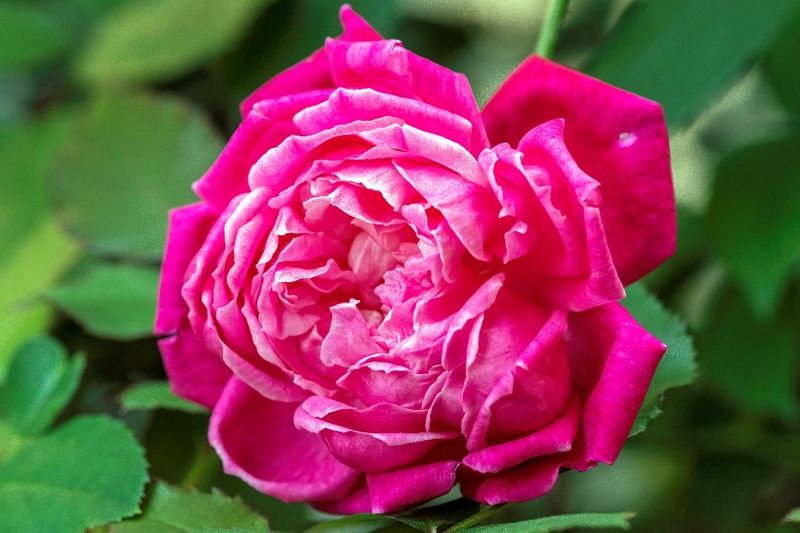
There is a reason you find Louis Philippe growing around old Florida homesteads, historic properties, and century-old Southern gardens.
This rose has been in Florida so long that it has earned the informal nickname the Florida Cracker Rose, a term that reflects just how well it has adapted to the state’s punishing climate over generations.
It belongs to the China rose family, a group known for thriving in warm, humid conditions where many other roses simply give up.
Louis Philippe handles Florida heat with the kind of quiet confidence that comes from long adaptation. It blooms in deep crimson with a cupped form, and it pushes new flowers with impressive regularity even during the hottest stretches of summer.
The plant itself grows into a dense, arching shrub that can reach five or six feet in good conditions, so it works well as a landscape specimen or informal hedge rather than a formal garden rose.
One of the reasons old Florida gardeners have always trusted this rose is its tolerance for the difficult combination of heat, humidity, and poor sandy soil.
It does not demand perfect conditions to perform, which makes it forgiving for gardeners who are still learning Florida’s growing rhythms.
That said, like any rose in this climate, it performs better with some soil improvement at planting and a consistent watering schedule during dry spells in spring and fall.
Louis Philippe is generally resilient but not flawless. Fungal issues can appear during the wettest parts of summer, and chilli thrips remain a threat worth watching for.
Planting in full sun with adequate spacing keeps airflow moving through the canopy and reduces the chance of serious disease buildup. For gardeners who want a piece of authentic Florida rose history, this one delivers.
4. Try Spice Rose For Compact Heat Loving Color
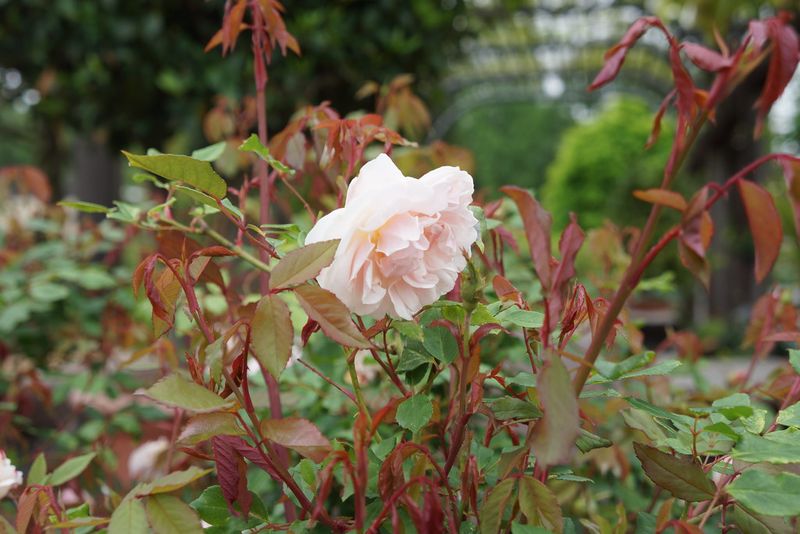
Not every Florida gardener has room for a sprawling six-foot rose shrub, and that is exactly where Spice earns its place on this list. Known as one of the Bermuda mystery roses, Spice has a fascinating backstory.
It was rediscovered growing in old Bermuda gardens with no clear documentation of its original name or origin, which adds a layer of intrigue to an already impressive plant. What matters most for Florida gardeners, though, is how it performs in heat and humidity.
Spice showed up as one of the standout performers in University of Florida IFAS rose trials, which puts it in genuinely credible company.
Its compact growth habit makes it easier to manage in smaller Florida yards, and it produces soft, lightly fragrant pink blooms with steady consistency through the warm months.
The plant stays tidy without requiring aggressive pruning, which is a practical advantage in Florida where summer maintenance time is limited by afternoon thunderstorms and oppressive heat.
Florida’s fungal pressure is a real challenge for most roses, and Spice handles it reasonably well compared to more disease-susceptible varieties. It is not immune, and gardeners should still keep an eye out for black spot during the wettest parts of the rainy season.
Morning watering rather than evening watering helps keep foliage drier overnight, which reduces fungal spread significantly in Florida’s humid air.
Full sun is non-negotiable for Spice, as shaded conditions reduce blooming and increase disease pressure at the same time. Amending planting beds with compost gives the roots a better environment than raw Florida sand alone.
For gardeners who want a proven, compact, and historically interesting rose that holds up in Florida heat, Spice is a genuinely worthwhile choice backed by real trial data.
5. Grow Belinda’s Dream For Strong Disease Resistance
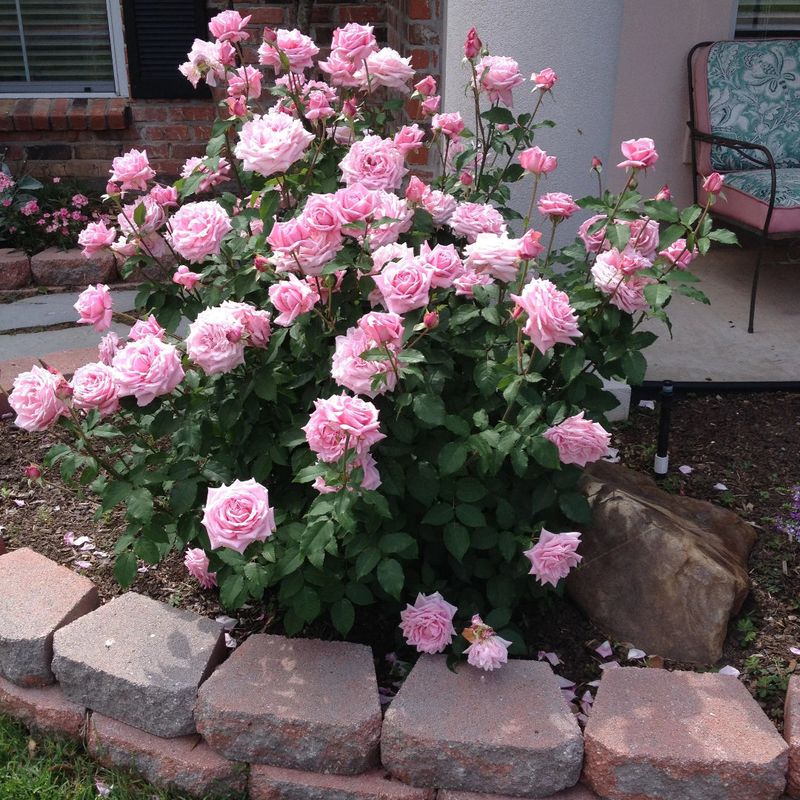
Picture a rose that a busy Florida homeowner can actually keep alive through a long, humid summer without a cabinet full of fungicide sprays. Belinda’s Dream was bred with exactly that kind of gardener in mind.
Developed at Texas A&M University, it earned recognition in the Earth-Kind rose program, a designation that carries serious weight because Earth-Kind roses are evaluated for their ability to perform with minimal water, fertilizer, and chemical inputs in challenging climates.
Earth-Kind status is not handed out easily. Roses earn it by surviving real-world testing in difficult conditions without the kind of intensive care that most gardeners cannot realistically provide.
For Florida gardeners dealing with black spot, downy mildew, and the general fungal chaos that summer brings, Belinda’s Dream offers a level of disease resistance that makes it genuinely easier to manage than many alternatives. Its large, full, soft pink blooms also happen to be beautiful, which never hurts.
The plant grows as a medium-sized shrub, typically reaching four to five feet tall and wide, which fits comfortably into most Florida residential landscapes.
It repeats bloom reliably through the warm months and handles heat without shutting down the way some more delicate roses do when temperatures stay consistently above ninety degrees.
That kind of thermal resilience matters enormously in Florida where summer heat is not a brief event but a months-long reality.
Belinda’s Dream is not completely hands-off in Florida. Chilli thrips can still cause damage on new growth, and plants benefit from regular inspection during spring and early summer when thrips pressure tends to peak.
Planting in full sun with good air circulation around the shrub gives it the best possible start. For gardeners who want lower-maintenance beauty with real disease tolerance, this rose is a strong and honest recommendation.
6. Add Mutabilis For Vigorous Warm Climate Growth
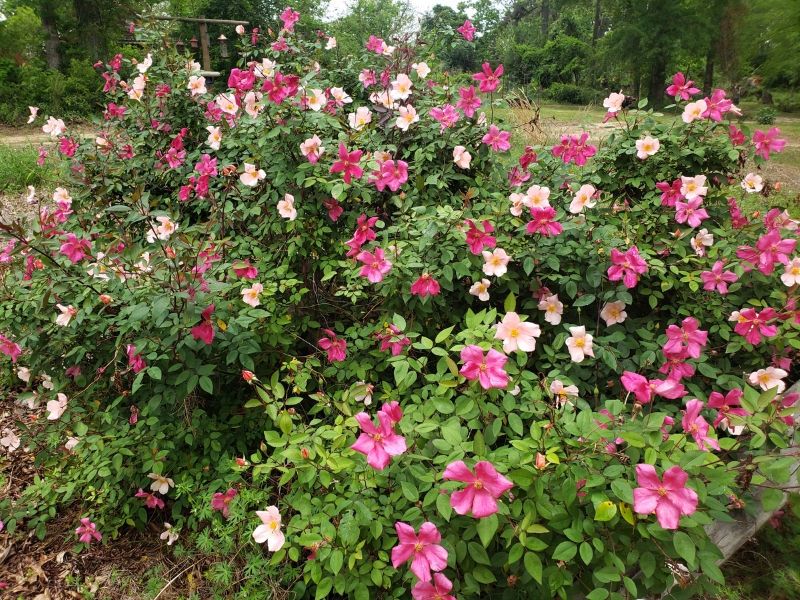
Few roses put on a show quite like Mutabilis, and Florida’s warm climate happens to bring out the best in it.
This old garden rose, sometimes called the Butterfly Rose for the way its single blooms flutter in a breeze, produces flowers that open pale yellow, shift to soft pink, and deepen to crimson as they age.
A single shrub can carry all three colors at once, which creates a display that stops people in their tracks when they first see it.
Mutabilis thrives in warm climates because it was developed for them. It belongs to the China rose family, which means it carries the same heat-loving genetics that make Louis Philippe so well suited to Florida conditions.
Given space and sun, Mutabilis grows with genuine vigor, sometimes reaching eight feet tall or more in South Florida landscapes where winters barely interrupt its growth cycle.
That size makes it better suited as a large specimen, a wall climber, or a dramatic informal hedge rather than a small garden bed plant.
The need for space is worth emphasizing honestly. Gardeners who plant Mutabilis in a tight spot will spend a lot of time managing its exuberant growth.
Proper spacing, ideally six to eight feet from other plants and structures, lets it develop naturally and keeps air moving through the dense canopy.
Good airflow is especially important in Florida because crowded canes trap humidity and create ideal conditions for fungal disease.
Sandy Florida soils benefit from compost amendments at planting, and a consistent fertilization schedule through the growing season supports the vigorous growth this rose is capable of.
Mutabilis is generally considered Florida-Friendly and performs well across much of the state, though its most spectacular growth tends to happen in Central and South Florida where winters are mild enough to keep it growing nearly year-round.
7. Choose Carefree Beauty For Tough Summer Bloom Power
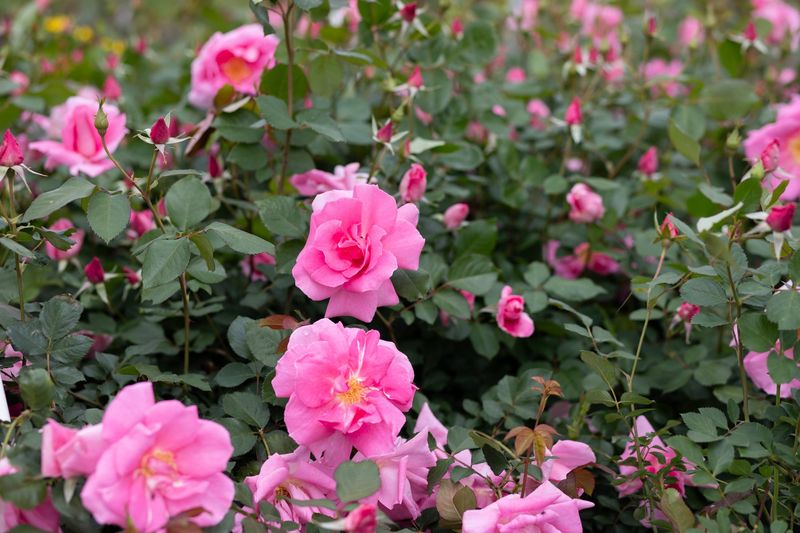
By the time August rolls around in Florida, most gardeners have quietly given up on their more demanding plants and are just trying to keep things alive. Carefree Beauty was practically built for that moment.
Developed by Dr. Griffith Buck at Iowa State University, this modern shrub rose was designed to survive tough conditions with minimal pampering, and it has proven its toughness in climates far more challenging than where many gardeners might expect it to perform.
University of Florida IFAS has included Carefree Beauty among its recommendations for tough roses suited to Florida growing conditions, which gives it credible standing alongside the other varieties on this list.
The blooms are a warm, clear pink with a semi-double form and a light fragrance, and the plant pushes new flower cycles consistently through the warm months rather than fading out when summer heat peaks.
That repeat-flowering habit is one of its most practical qualities for Florida gardeners who want continuous color from a single plant.
Disease resistance is solid but not absolute. Carefree Beauty handles black spot better than many roses in its class, which matters enormously in Florida’s rainy season when fungal pressure builds rapidly.
Planting in full sun with generous spacing between shrubs reduces the likelihood of serious disease outbreaks by keeping foliage drier and allowing better air movement around the canes after afternoon rains.
Sandy soils should be amended with compost before planting, and a balanced fertilizer applied monthly during the growing season helps replace nutrients that leach quickly through Florida’s porous ground.
Carefree Beauty grows to about four or five feet in most Florida gardens, making it manageable for average residential landscapes.
For gardeners who want a proven, lower-maintenance rose that keeps performing even when summer conditions get brutal, this one is genuinely worth planting.