Don’t Plant These Near Lavender In Oregon Gardens
Lavender has main-character energy in an Oregon garden. It smells dreamy, looks effortlessly chic, and somehow makes bees act like they just found the best brunch spot in town.
But here’s the catch: lavender is picky about its neighbors. Not in a dramatic reality-show way, but close.
It likes sun, lean soil, sharp drainage, and a little personal space. Pair it with plants that crave soggy roots, rich compost, or constant pampering, and suddenly your lavender starts sulking like it was invited to the wrong garden party.
In Oregon gardens, the trouble often starts when well-meaning plant pals bring too much thirst, shade, or leafy chaos to lavender’s tidy little world.
Some companions crowd its roots, block airflow, or keep the soil damp longer than this fragrant Mediterranean diva can tolerate.
So before you tuck anything beside those purple spikes, let’s talk about the plants that should absolutely not sit at lavender’s lunch table.
1. Hostas
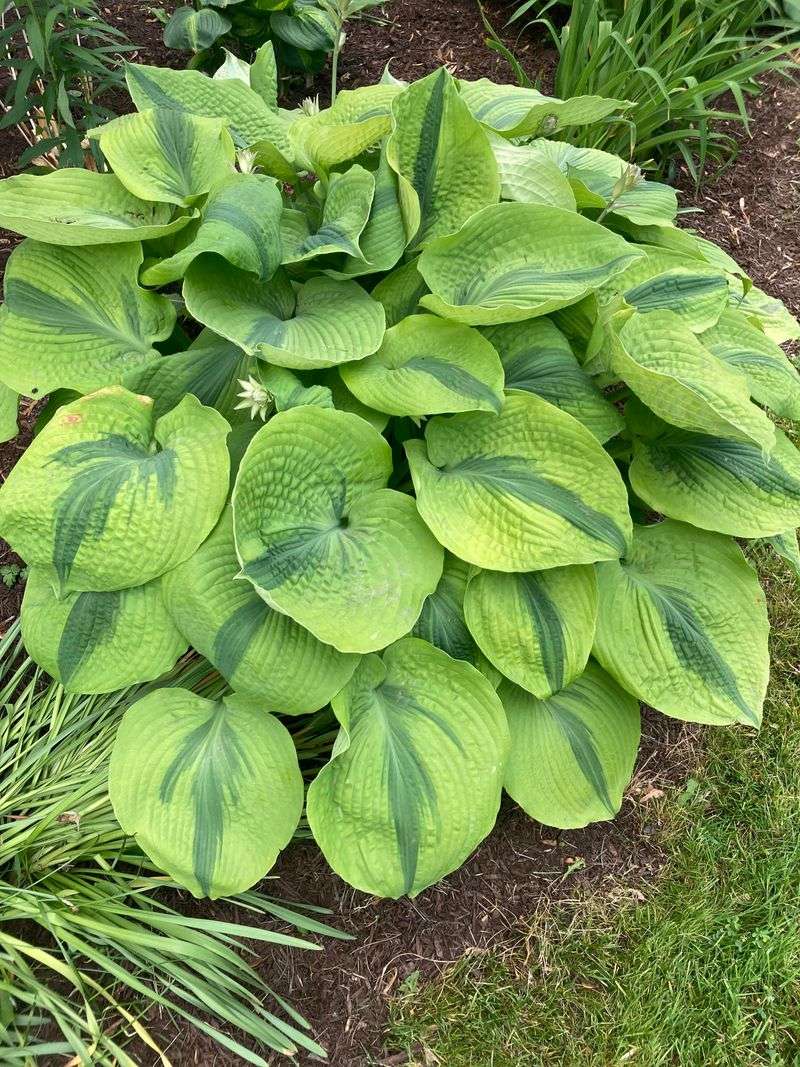
Hostas are gorgeous, no doubt about it. Their big, bold leaves bring a lush look to any Oregon garden.
But here’s the problem: hostas and lavender are basically opposites when it comes to what they need to grow well.
Hostas love shade and moist soil. Lavender needs full sun and soil that drains quickly.
When you plant them close together, one of them is going to lose, and it’s almost always the lavender.
If you water hostas enough to keep them happy, you’re also soaking the roots of your lavender. Lavender roots sitting in wet soil can develop root rot, which weakens the plant fast.
Oregon’s rainy seasons already push lavender to its limits.
Hostas also grow wide and tall, casting shade over nearby plants. Lavender needs at least six to eight hours of direct sunlight every day.
Even partial shade from a hosta’s broad leaves can reduce blooming and make lavender grow thin and weak.
In Oregon gardens, it’s smarter to plant hostas in a separate shaded bed near a fence or under trees. Give your lavender its own sunny, well-drained spot with plants that share its love of dry, bright conditions.
Keeping them apart makes both plants happier.
2. Ferns
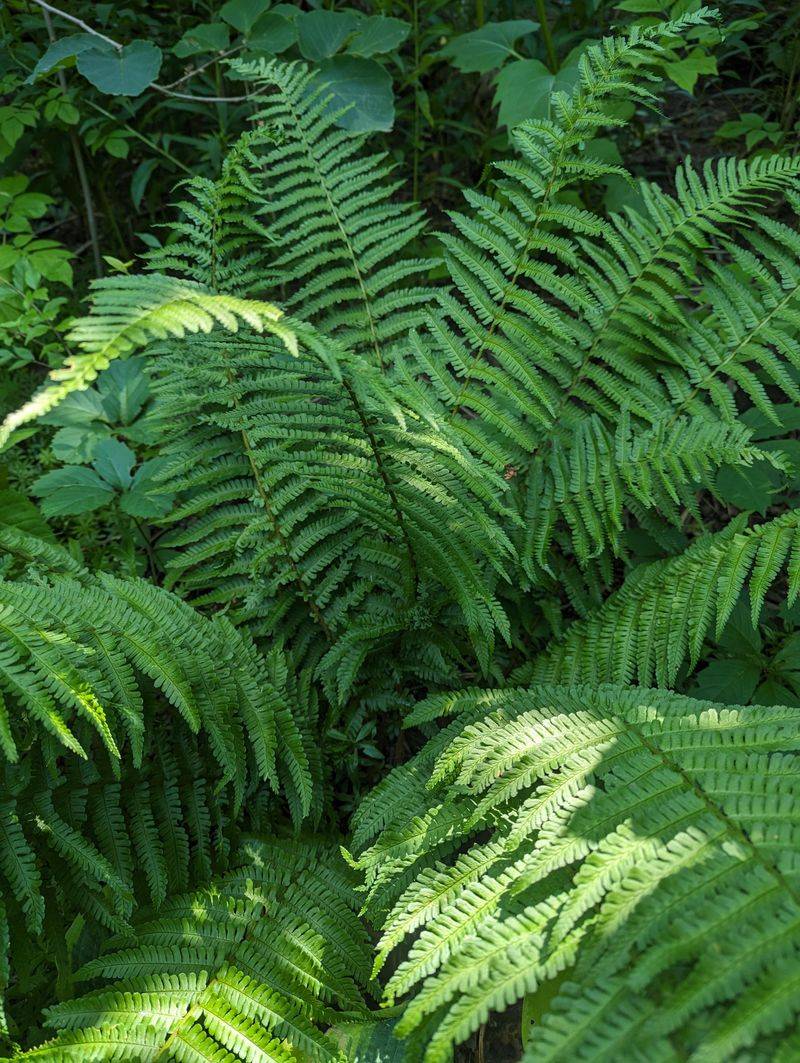
Walk through any Oregon forest and you’ll find ferns thriving in cool, damp, shaded spots. That tells you everything you need to know about why ferns and lavender don’t belong together in the same garden bed.
Ferns are moisture lovers through and through. They want rich, consistently damp soil and protection from harsh sunlight.
Lavender is basically the opposite. It prefers lean, sandy, or gravelly soil that dries out quickly between waterings.
Planting ferns near lavender creates a watering conflict. Water enough for the ferns, and you’re overwatering the lavender.
Water just enough for lavender, and your ferns will look sad and brown within weeks. There’s no middle ground that works well for both plants.
Ferns also spread over time, sending out new fronds that can crowd neighboring plants. In Oregon’s mild, wet climate, ferns can take over a garden bed surprisingly fast.
Your Oregon Garden Changes Every Week. Your Plan Should Too.
Gardening in Oregon changes quickly throughout the season. Every Friday you’ll receive a simple weekly plan showing exactly what to plant, prune, fertilize, harvest, and protect so you never miss the right timing.
That crowding reduces airflow around lavender, which is a real problem because lavender needs good air circulation to stay healthy and avoid fungal issues.
The good news is that ferns look stunning in their own dedicated woodland garden area. Keep them away from your lavender and let each plant shine in the conditions it actually loves.
Oregon has plenty of space for both, just not side by side.
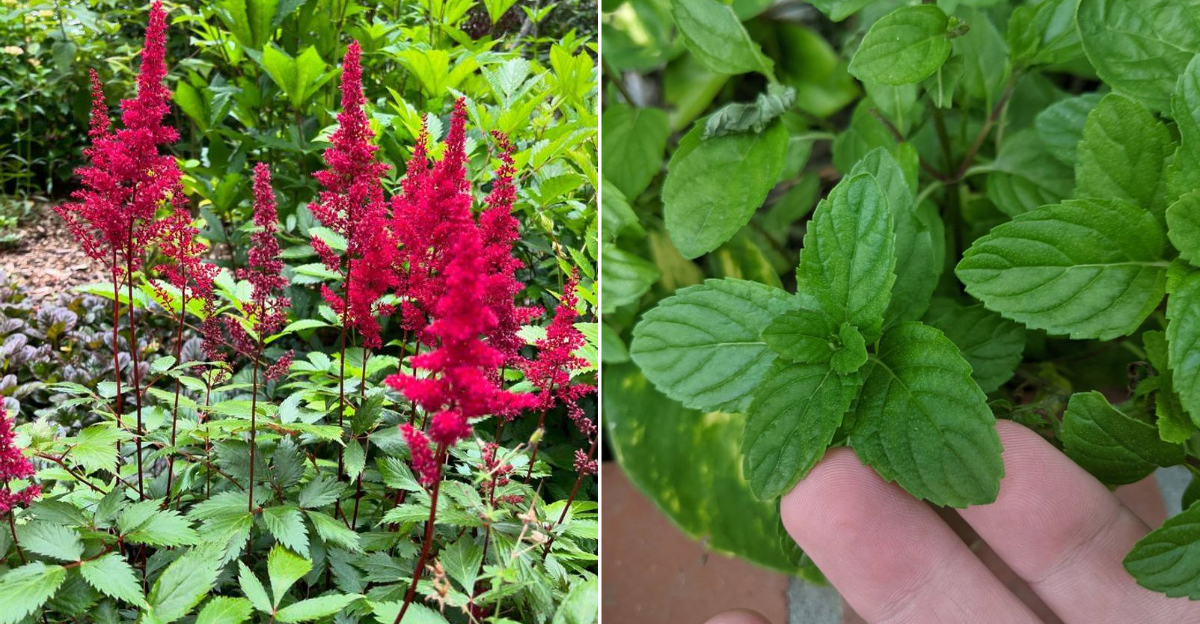
3. Astilbe
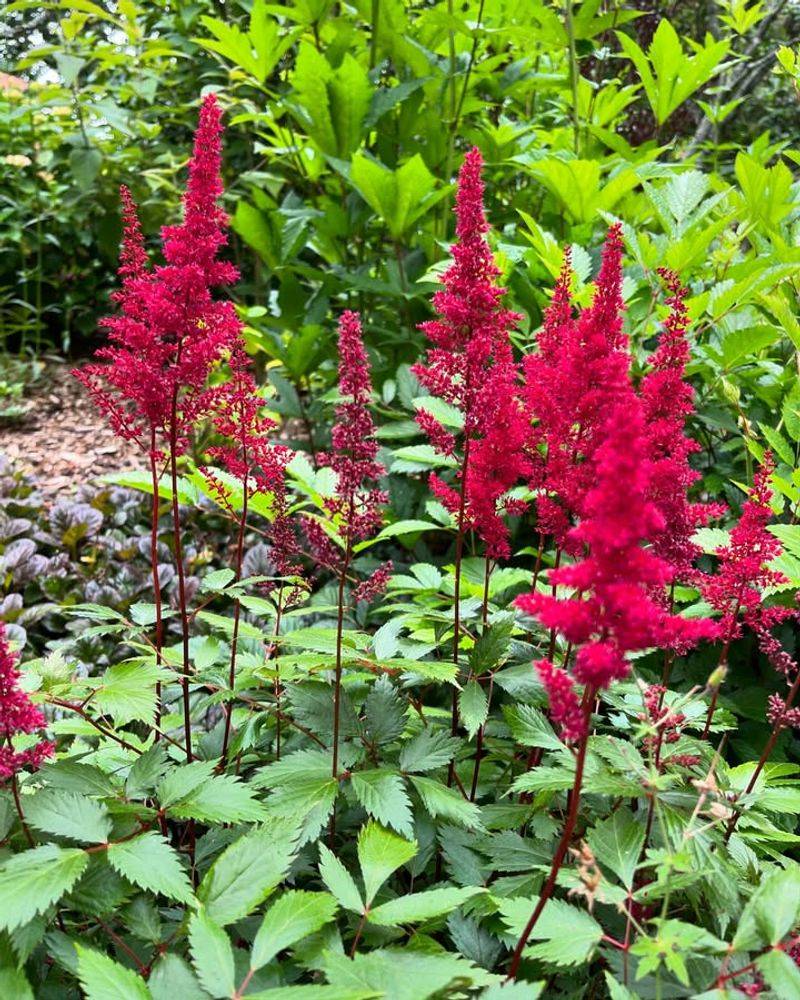
Astilbe is one of those plants that makes gardeners in Oregon really happy. Its feathery, colorful plumes look amazing from late spring through summer.
But as beautiful as astilbe is, it has no business growing next to lavender.
The biggest issue is water. Astilbe is extremely thirsty.
It needs consistently moist soil, and in Oregon’s drier summer months, that means frequent watering. Lavender, on the other hand, is drought-tolerant and actually performs better when the soil dries out between waterings.
Put these two plants next to each other and you’ve created an impossible situation. Either the astilbe dries out and its blooms shrivel up early, or the lavender gets waterlogged and starts to decline.
Neither outcome is good for your Oregon garden.
Astilbe also prefers partial shade, which is another point of conflict. Lavender grown in shade produces fewer flowers and tends to flop over or grow unevenly.
Shade that benefits astilbe can seriously hurt your lavender’s productivity.
If you love astilbe and lavender equally, the solution is simple: give them separate beds. Plant astilbe in a shaded, moist area of your yard, perhaps near a water feature or under a canopy of trees.
Let your lavender claim a sunny, open spot with good drainage. Both plants will reward you with better blooms when they’re not competing.
4. Hydrangeas
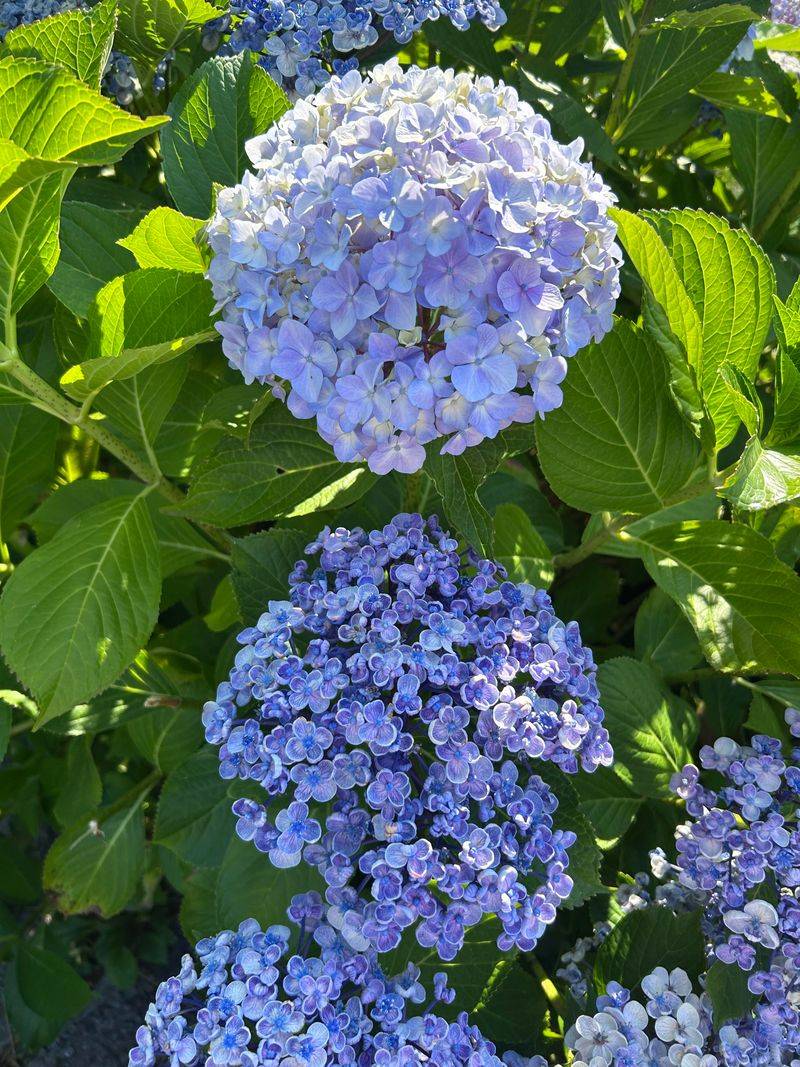
Few plants get as much love in Oregon gardens as hydrangeas. Their giant blooms in shades of blue, pink, and white are absolutely stunning.
But hydrangeas and lavender are a mismatch that can cause real problems in your garden beds.
Hydrangeas are heavy drinkers. They need lots of water, especially during Oregon’s warm, dry summers.
Lavender survives and thrives with minimal water once it’s established. Planting them together means one plant will always be struggling.
Beyond water needs, hydrangeas grow into large, bushy shrubs that can easily shade out smaller neighboring plants. Lavender needs full sun exposure to bloom its best and stay compact and healthy.
A hydrangea planted too close will gradually block that sunlight as it matures, leaving your lavender looking leggy and sparse.
Soil preferences also clash. Hydrangeas prefer rich, slightly acidic soil with plenty of organic matter.
Lavender does best in lean, well-drained, slightly alkaline soil. Amending the soil for one plant will likely work against the other.
Oregon gardeners who love both plants can absolutely grow them, just in different parts of the yard. Hydrangeas do well near a fence or along the north side of a building where they get some protection.
Lavender belongs in an open, sunny bed with room to breathe and dry out between rains. Separation truly is the kindest solution here.
5. Impatiens
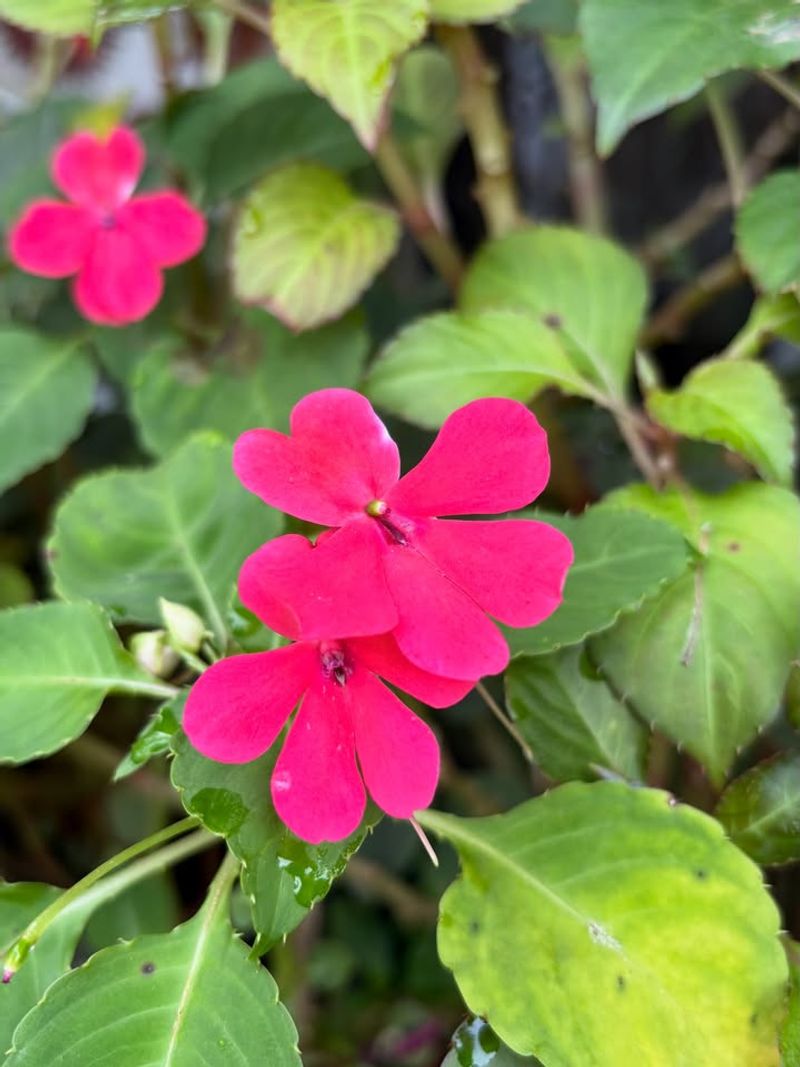
Impatiens are a go-to flower for Oregon gardeners who want quick, colorful results. They bloom fast, look cheerful, and fill in empty spots beautifully.
Unfortunately, they’re one of the worst plants you can put near lavender.
These little flowers crave shade and consistent moisture. They wilt quickly in hot, direct sunlight and need regular watering to keep their bright blooms going strong.
That’s almost perfectly opposite to what lavender wants from its environment.
If you try to grow impatiens and lavender side by side, you’ll constantly be fighting against the needs of both plants. Water the impatiens enough and you risk waterlogging your lavender’s roots.
Reduce watering for lavender’s sake and your impatiens will wilt and drop their flowers.
Impatiens can also spread quickly and crowd nearby plants. In Oregon’s mild growing season, they fill in fast and can block airflow around lavender, which increases the risk of fungal problems like gray mold, a real concern in the Pacific Northwest’s sometimes damp conditions.
The smartest move is to keep impatiens in shaded containers, hanging baskets, or garden beds that stay moist and get limited direct sun. Use them to brighten up spots that lavender would never survive in.
When each plant gets the environment it truly needs, your whole Oregon garden will look better for it.
6. Basil
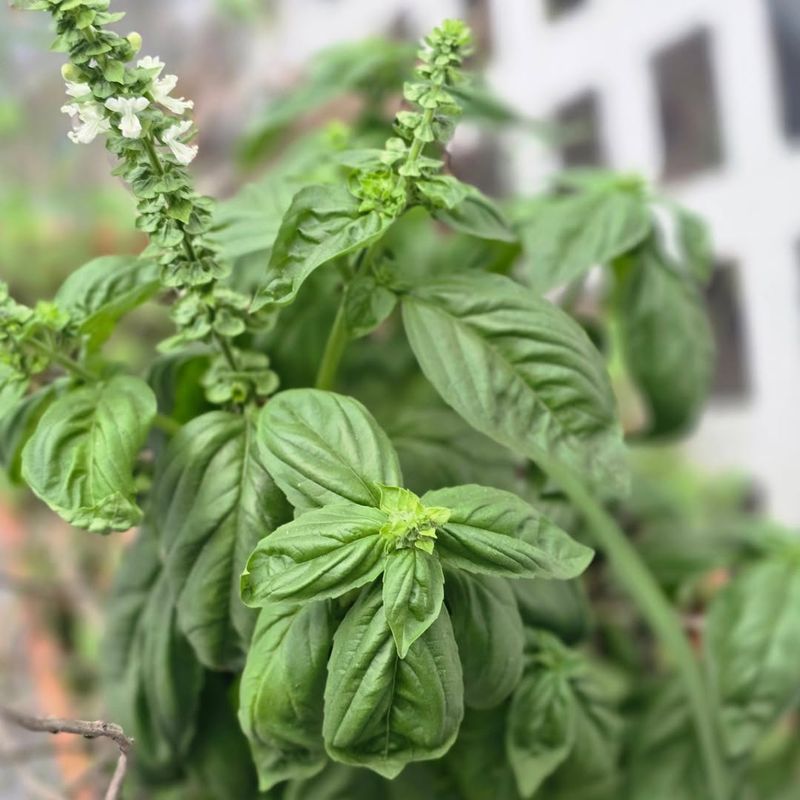
Basil and lavender might both be aromatic herbs, but that’s pretty much where the similarities end. Many Oregon gardeners assume that because these two plants smell amazing together, they must grow well together too.
That assumption can lead to disappointment.
Basil needs warm temperatures, rich soil, and consistent moisture to produce those big, flavorful leaves. It’s a hungry plant that benefits from regular watering and nutrient-dense growing conditions.
Lavender prefers poor, fast-draining soil and actually produces more fragrant blooms when it’s not overfed.
When basil and lavender share the same bed, their needs pull in opposite directions. Adding fertilizer or compost to help your basil will push lavender into producing lots of leafy growth but fewer flowers.
Keeping the soil lean for lavender will leave your basil looking small and stressed.
Basil also tends to be a bit of a water hog compared to lavender. In Oregon’s summer heat, basil wilts fast without regular watering, which means nearby lavender is constantly getting more moisture than it wants.
Keep your basil in a dedicated herb bed or raised planter where you can control watering and fertilizing freely. Pair it with tomatoes, peppers, or other moisture-loving herbs instead.
Your lavender will be far happier growing alongside drought-tolerant plants like rosemary, thyme, or sage in your Oregon garden.
7. Cilantro
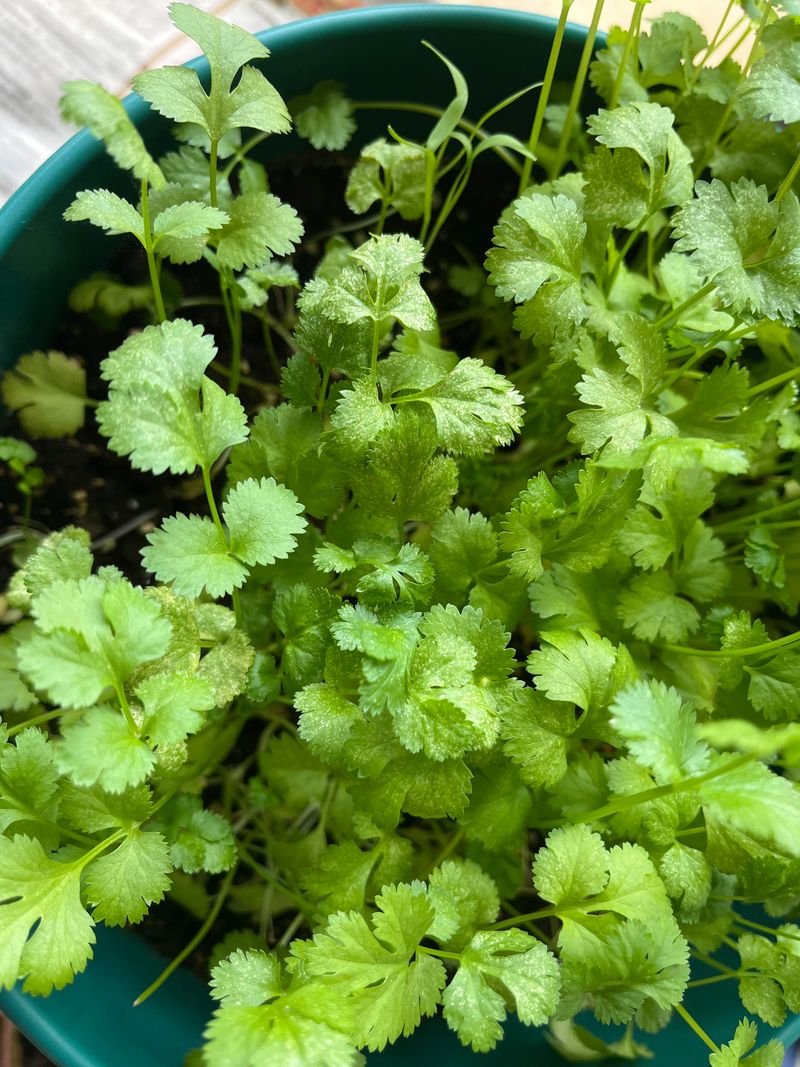
This is a staple in kitchens across Oregon and the Pacific Northwest, and it’s easy to see why gardeners want to grow it close to other herbs. But pairing cilantro with lavender is one of those garden decisions that looks good on paper and falls apart in practice.
Cilantro prefers cool, moist conditions and tends to bolt quickly in heat. It does best in spring and fall in Oregon, when temperatures stay mild and soil stays evenly moist.
Lavender, by contrast, loves the heat of summer and needs dry soil to stay at its healthiest.
Their growing seasons barely overlap in a way that benefits both plants. When Oregon summers heat up and lavender is thriving, cilantro is already going to seed and fading out.
Trying to keep cilantro alive next to lavender in summer means overwatering a plant that’s already struggling.
Cilantro also has shallow roots and grows in a spreading cluster that can crowd the base of lavender plants. Reduced airflow at the base of lavender increases the risk of stem rot, which is a genuine concern in Oregon’s occasionally humid climate.
Grow cilantro in a separate container or cool-season bed where you can water it freely and harvest it often. Let lavender have its warm, sunny, well-drained space all to itself during those peak summer months.
Both herbs will produce better results when grown in their preferred conditions.
8. Parsley
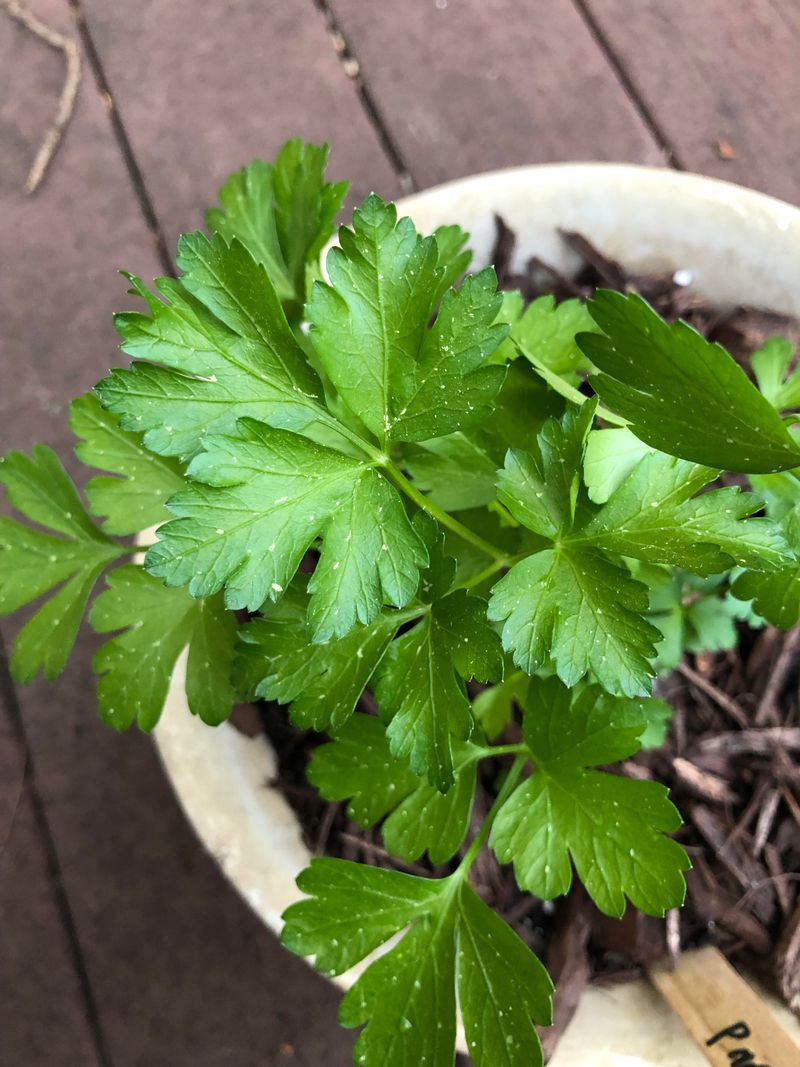
Parsley is one of the most commonly grown herbs in Oregon home gardens. It’s versatile, tasty, and relatively easy to grow.
But tucking it in next to your lavender is a mistake that can hold both plants back from reaching their potential.
One major issue is soil. Parsley grows best in rich, fertile, consistently moist soil.
It benefits from regular feeding and doesn’t like to dry out. Lavender, on the other hand, thrives in poor, gritty, well-draining soil and actually struggles when given too many nutrients or too much water.
Trying to meet both plants’ needs at the same time creates a constant compromise where neither plant truly thrives. Lavender grown in soil that’s been enriched for parsley often produces lots of green growth but very few of those beautiful purple flowers that Oregon gardeners love so much.
Parsley is also a biennial plant, meaning it goes through a two-year cycle before it sets seed and fades. During that time, it can grow quite large and leafy, potentially crowding the base of nearby lavender and reducing the airflow that lavender depends on to stay healthy.
Plant parsley in a raised bed or container where you can give it the rich, moist conditions it craves. Pair it with other moisture-loving herbs like chives or dill.
Your Oregon lavender will grow stronger and bloom more beautifully when it’s surrounded by plants that truly match its style.
9. Mint
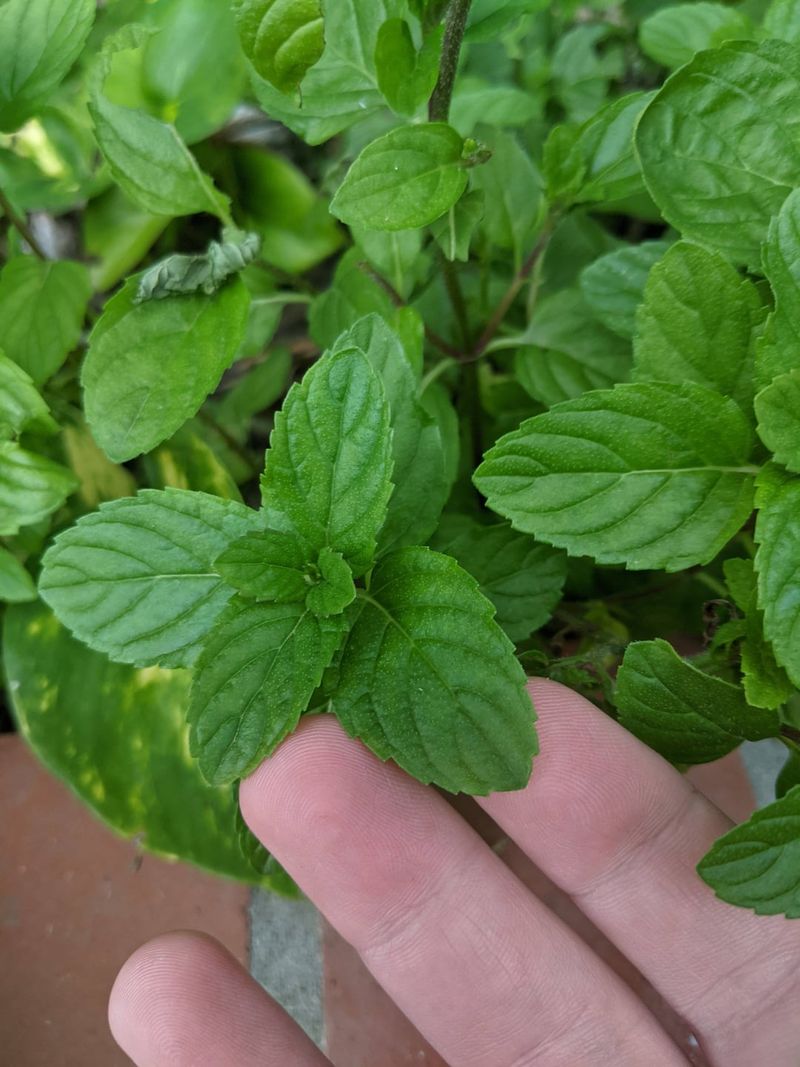
Oregon gardeners who have grown mint before know exactly how fast it spreads. And that spreading habit is precisely why mint and lavender make such a terrible pairing in the garden.
Mint sends out underground runners called rhizomes that travel far beyond where you originally planted it. Within a single growing season, mint can take over an entire garden bed.
Lavender has a compact root system and does not compete well against such an invasive neighbor.
Beyond the space competition, mint loves moisture. It grows best in consistently damp soil and can even handle partial shade.
Lavender needs the exact opposite: dry soil and full sun. Growing mint next to lavender means one plant’s needs will always be sacrificed for the other.
In Oregon, where spring rains keep soil moist for longer stretches, mint can really run wild. Once it gets established near lavender, removing it without disturbing the lavender’s roots becomes genuinely difficult.
Prevention is always easier than dealing with a mint takeover after the fact.
If you love growing mint, plant it in a container with drainage holes and keep it somewhere separate from your lavender bed. A buried pot trick, where you sink the container into the soil, can help control spreading too.
Mint is a wonderful herb; it just needs clear boundaries and its own space in your Oregon garden.