How To Harden Off Tomato And Pepper Seedlings In Oregon
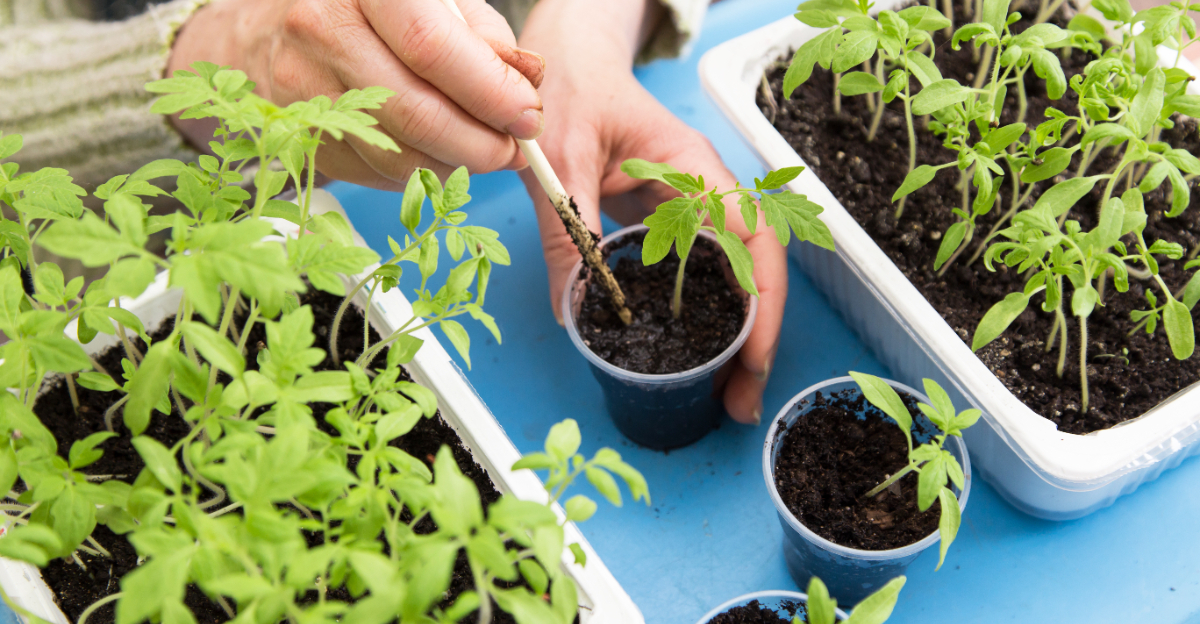
Tomato and pepper seedlings can look strong and ready while they are still sitting safely indoors, but Oregon spring has a quick way of humbling them.
One bright afternoon, one chilly night, or one gusty day can leave those tender plants looking far less confident than they did on the windowsill. That is why hardening off matters so much.
It is not the most glamorous part of gardening, but it can make the difference between seedlings that settle in beautifully and seedlings that sulk for weeks. Oregon gardeners know spring does not always move in a straight line.
Warm sunshine can show up fast, then disappear behind cold rain or a sharp evening dip. Giving tomatoes and peppers time to adjust helps them handle that jump into the real world with less stress.
A slow, steady transition lets them toughen up, build resilience, and get ready for the growing season ahead without that rough setback so many gardeners know too well.
1. Start In Bright Shade
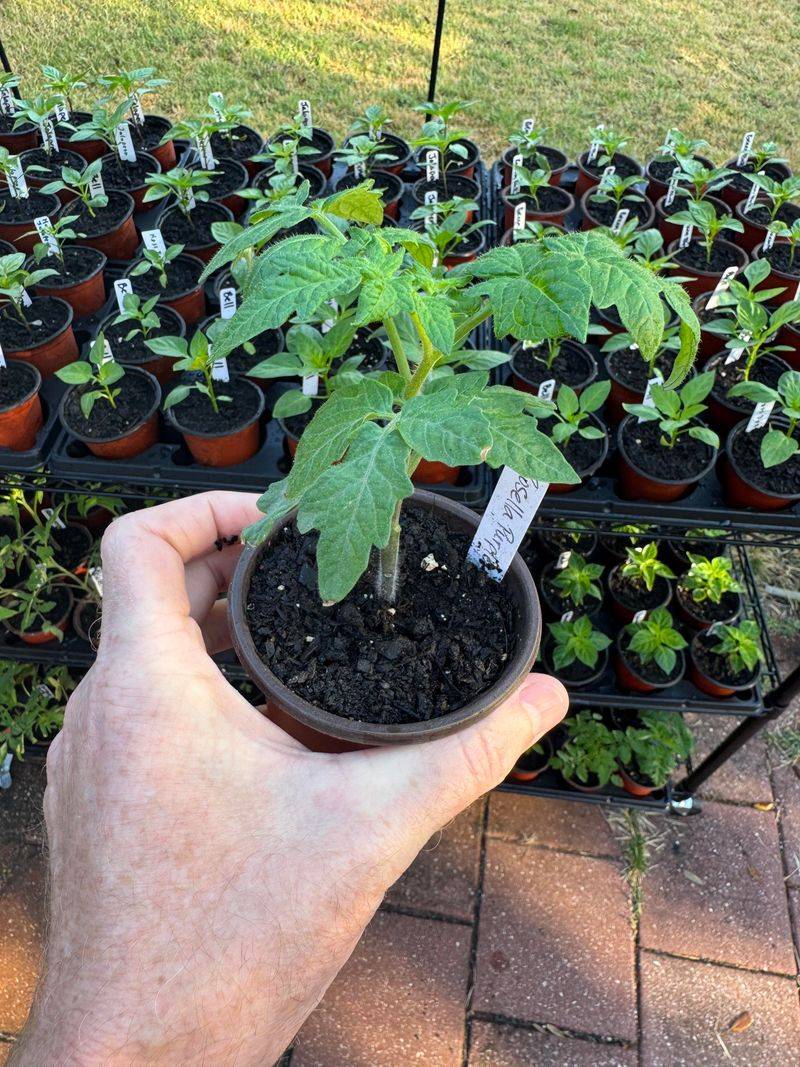
Picture this: you carry your seedlings outside for the very first time, and instead of placing them in full sun, you tuck them into a shady corner of your porch or yard. That small decision can save your plants from a rough start.
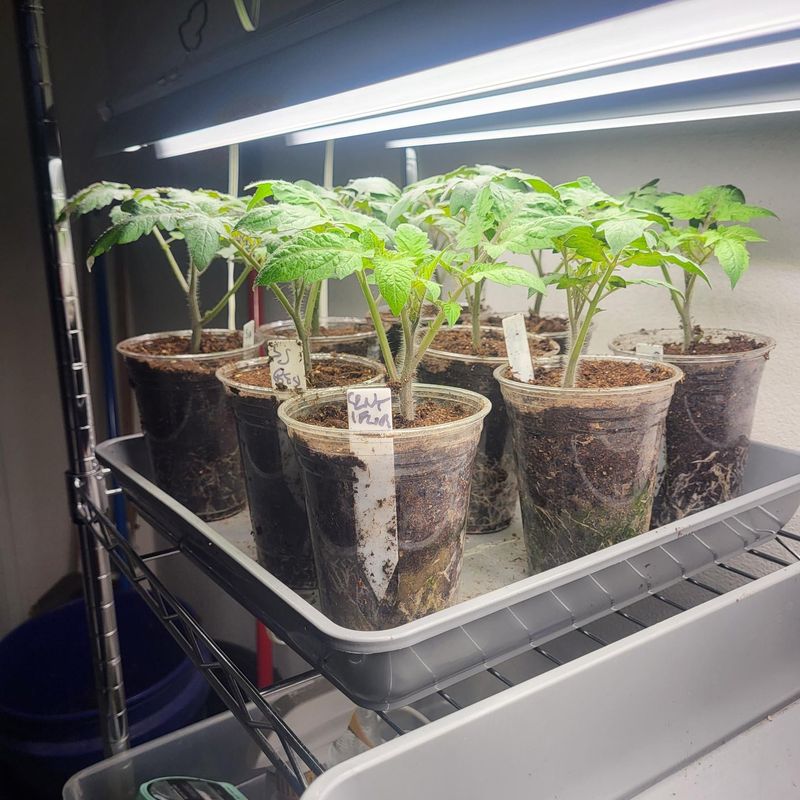
Bright shade is the perfect first stop for seedlings that have spent weeks under grow lights or near a window.
Indoors, light is consistent and gentle. Outside in Oregon, even on a cloudy day, light intensity is much stronger than what your seedlings are used to.
Jumping straight into direct sun can cause leaf scorch, which turns leaves pale or white and stresses the plant.
On days one and two, keep your seedlings in a bright but shaded area for about one to two hours. Under a tree, beside a fence, or on a covered porch all work well.
Make sure the area still gets good airflow and some indirect light. Watch how your plants respond.
If they look perky and green after their first outdoor visit, you are on the right track. Starting in shade is the gentlest way to begin the hardening off journey in Oregon.
2. Add Outdoor Time Slowly
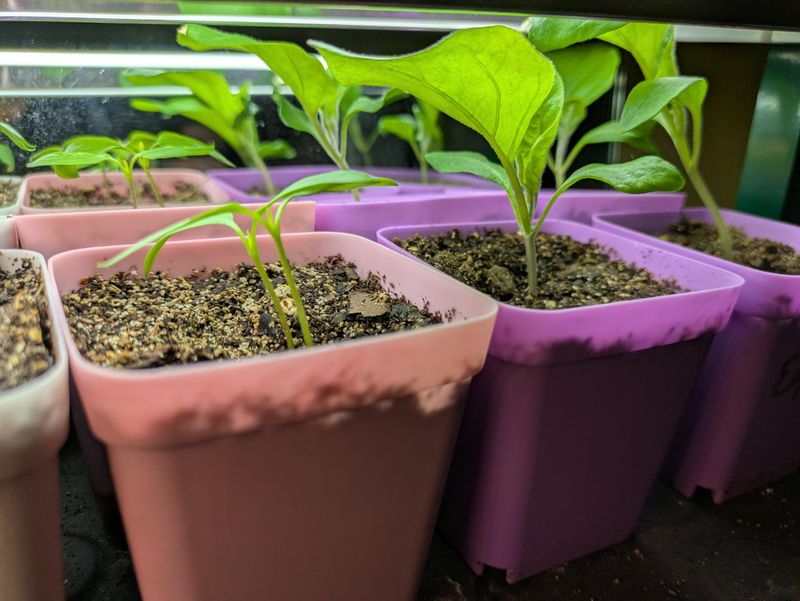
Slow and steady wins the race when it comes to hardening off. Adding outdoor time a little more each day gives your seedlings a chance to build strength without getting overwhelmed.
Think of it like easing into a cold swimming pool instead of jumping in all at once.
After the first couple of days in the shade, start stretching outdoor time to three or four hours. Move them to a spot with a bit more light, like partial sun.
By days five and six, aim for five to six hours outside with morning sun exposure. Morning sun in Oregon is gentler than afternoon sun, making it a great training ground for young plants.
By the end of the first week, your seedlings should handle a full day outdoors without trouble. Keep an eye on the leaves.
Wilting during the hottest part of the day can be a sign of stress. If that happens, move them to shade and try again the next day.
Your Oregon Garden Changes Every Week. Your Plan Should Too.
Gardening in Oregon changes quickly throughout the season. Every Friday you’ll receive a simple weekly plan showing exactly what to plant, prune, fertilize, harvest, and protect so you never miss the right timing.
Every plant moves at its own pace. Being patient through this step in Oregon’s unpredictable spring weather will reward you with stronger, more productive tomato and pepper plants later in the season.
3. Protect Seedlings From Wind
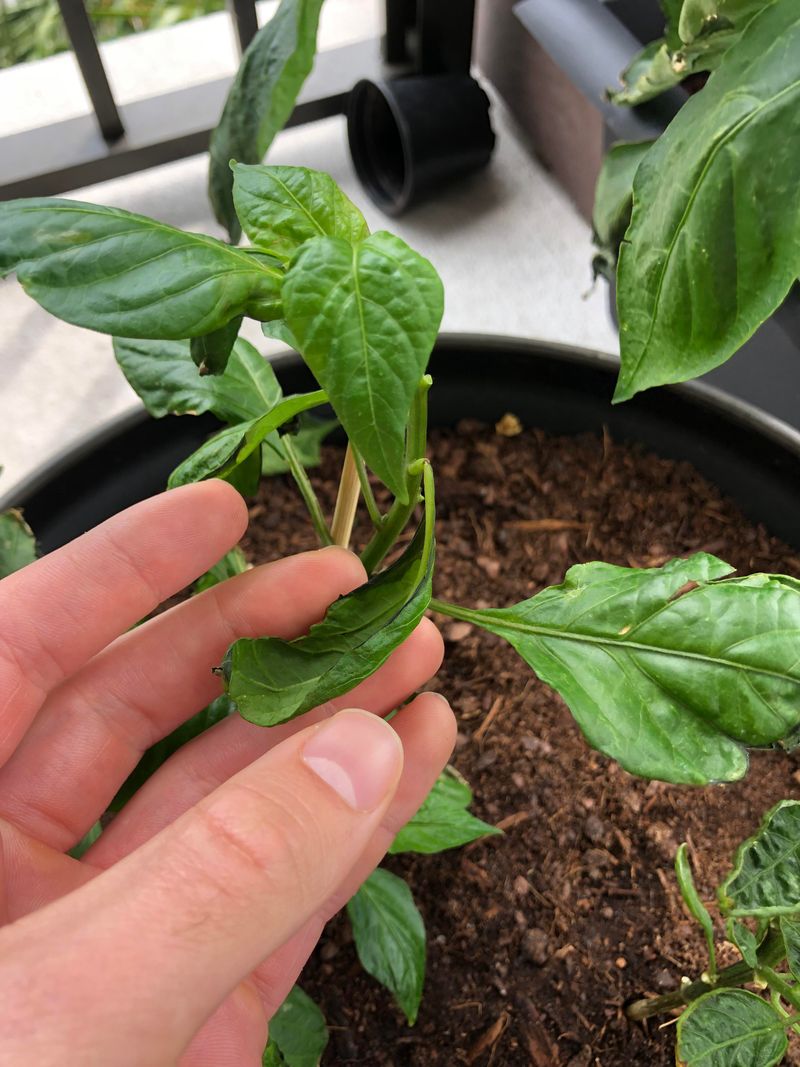
Wind is one of the sneakiest challenges during the hardening off process, especially in Oregon where spring breezes can pick up fast. A little wind is actually good for seedlings.
It helps strengthen their stems. But too much wind too soon can snap stems, dry out leaves, and set your plants back by days.
For the first few days outside, choose a spot that is naturally sheltered. A spot beside a fence, a wall, or a row of shrubs works well to block strong gusts.
If your yard is wide open and windy, you can use a row cover or even a few stacked pots to create a small windbreak around your seedlings.
As the days go on and your plants grow tougher, you can expose them to light breezes on purpose. This actually triggers the plant to produce more lignin, which is the stuff that makes stems strong and sturdy.
By the time you are ready to transplant, your tomato and pepper seedlings should be able to handle a normal Oregon spring breeze without bending over. Protecting them from wind early on is one of those easy steps that makes a surprisingly big difference in the long run.
4. Ease Them Into Sunlight
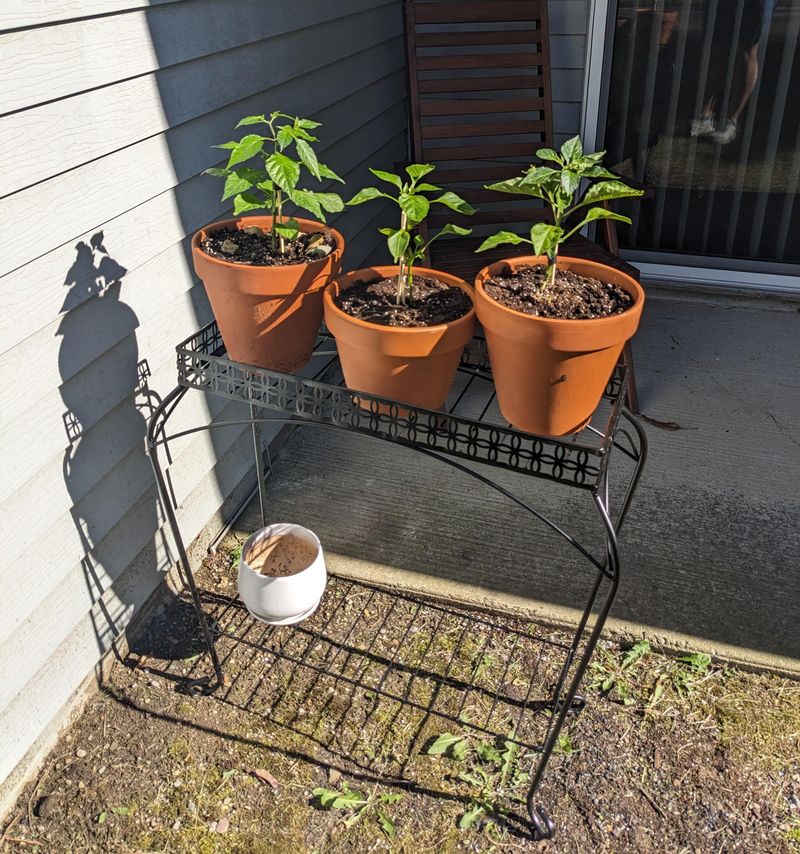
Sunlight is what your tomato and pepper plants are ultimately working toward, but getting there takes a little finesse. Moving too fast into direct sun causes sunscald, where leaves develop white or brown patches from too much UV exposure.
Oregon gets plenty of overcast days in spring, which can actually work in your favor during this process.
Start by letting seedlings experience morning sun for an hour or two. Morning light in Oregon is softer and less intense than the midday or afternoon sun.
Gradually increase the time they spend in direct light each day. By the end of the hardening off period, they should comfortably sit in full sun for most of the day.
Watch for signs that the sun is too much. Pale or washed-out leaf color is a red flag.
So is crispy leaf edges. If you see either of those, pull the seedlings back into partial shade and slow down the process.
Some gardeners in Oregon use a light shade cloth rated at thirty percent to help manage sun exposure during this phase. It filters just enough light to protect tender leaves while still giving plants the energy they need.
Patience here pays off big once planting day arrives.
5. Watch Oregon Night Temps
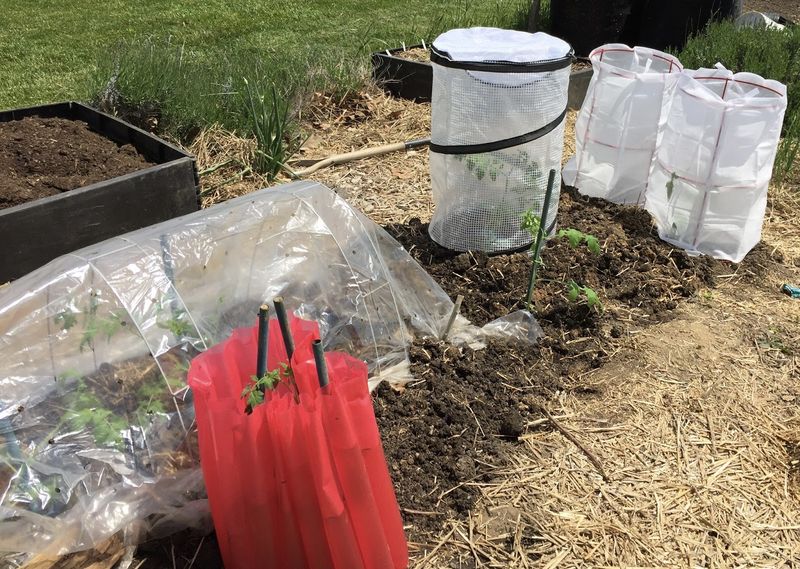
Oregon nights in spring can be surprisingly cold, even when the days feel warm and inviting. Tomatoes and peppers are both warm-season crops that really do not like temperatures below 50 degrees Fahrenheit.
Exposure to cold nights too early can stunt growth, cause leaf discoloration, and slow the plant down for weeks.
Before you start leaving seedlings outside overnight, check the forecast carefully. Most weather apps show nighttime lows, and that number is the one to watch.
If nights in your part of Oregon are staying above 50 degrees consistently, your seedlings can start spending nights outside near the end of the hardening off period.
Western Oregon tends to warm up a bit earlier than Eastern Oregon, where cold snaps can linger well into May. Know your local climate before making overnight decisions.
A good rule of thumb is to wait until nighttime temps have been above 50 degrees for at least three nights in a row before leaving plants out. Using a min-max thermometer in your garden is a smart and affordable tool that helps you track real temperatures rather than relying only on forecasts.
Keeping a close eye on nighttime temps is one of the most important parts of hardening off in Oregon.
6. Bring Them In If Frost Threatens
Even the most carefully planned hardening off schedule can get thrown off by a surprise frost. Oregon is known for its unpredictable spring weather, and a late frost in April or even early May is not out of the question, especially in the Willamette Valley foothills or higher elevation areas.
If the forecast shows overnight temperatures dropping close to 32 degrees Fahrenheit, bring your seedlings inside. Do not take chances.
One frosty night can cause serious damage to tomato and pepper plants, undoing weeks of careful work. Setting a weather alert on your phone for frost warnings is a quick and easy habit that can save your entire seedling crop.
Keep in mind that frost can sometimes happen even when the forecast does not call for it, especially on still, clear nights when heat radiates out of the ground quickly. If the sky is clear and the air feels unusually crisp in the evening, trust your instincts and bring the plants in.
You can always put them back out in the morning. Having a simple indoor spot ready, like a garage, mudroom, or covered porch, makes it easy to act fast when Oregon weather gets unpredictable.
Better safe than sorry every single time.
7. Wait For Warm Soil To Plant
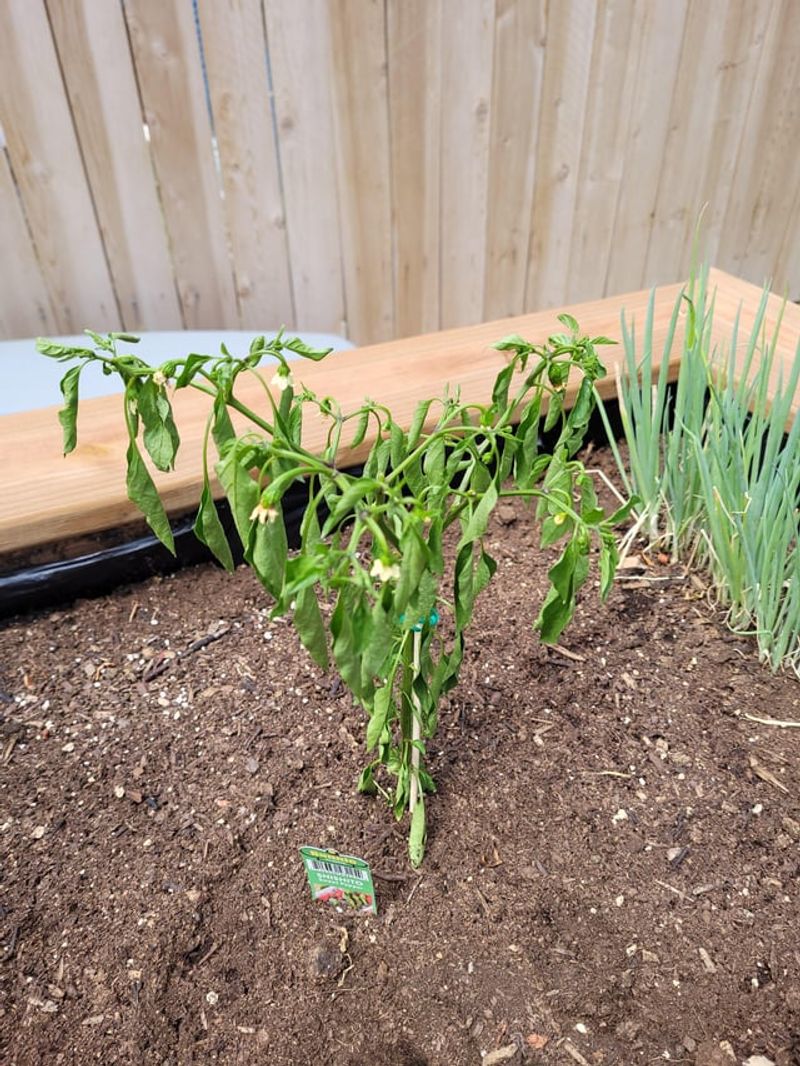
Getting through the hardening off process is a major win, but there is one more thing to check before your seedlings go in the ground for good. Soil temperature matters just as much as air temperature when it comes to tomatoes and peppers.
Cold soil slows root growth and can cause plants to sit still for weeks without making any progress.
Use a soil thermometer to check the temperature a few inches below the surface. Tomatoes and peppers prefer soil that is consistently above 55 degrees Fahrenheit.
In Oregon, this usually happens between late April and mid-May depending on your region. Coastal and valley areas tend to warm up faster than inland or higher elevation spots.
Planting into warm soil gives roots a reason to spread out and grow fast. You will notice the difference quickly.
Plants put into cold soil often look yellow and sluggish for weeks, while plants put into warm soil take off almost right away. If your soil is still cold but your seedlings are ready and hardened off, keep them in their pots for a little longer.
You can even set the pots on a sunny patio to keep them happy while the ground catches up. Waiting for warm soil is the final and most rewarding step before transplanting in Oregon.