How To Plant A Sugar Maple In Michigan In May Without Transplant Shock
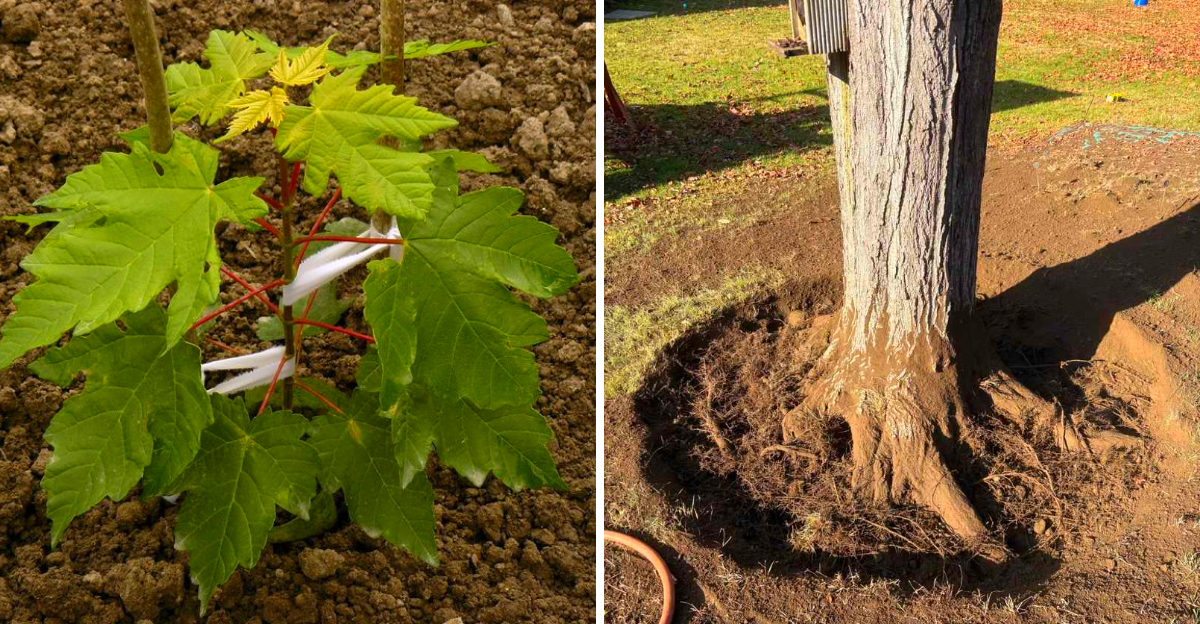
Planting a sugar maple in May can feel like one of those classic Michigan yard moments. The soil is warming up, spring rains have been doing some of the watering for you, and the whole landscape is starting to look ready for something new.
Add a sugar maple to the picture and suddenly it feels very official. Future shade, glowing fall color, serious main-character energy.
Of course, young trees can be a little dramatic after planting. Sugar maples are well loved in Michigan for good reason, but they do appreciate a thoughtful start.
A tree that goes into the ground too deep, sits in soggy soil, or dries out too fast can have a much harder time settling in during late spring and early summer. That is why the first planting steps matter so much.
Get the soil, drainage, depth, and moisture right from the beginning, and your new sugar maple has a much better shot at putting down roots and getting comfortable in its new Michigan home.
1. Michigan Soil And Drainage Matter For Sugar Maple
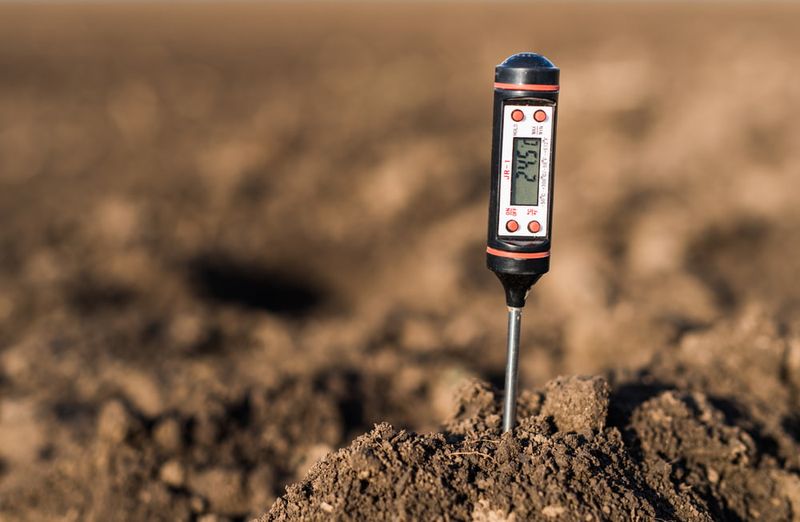
Good soil is the foundation of a healthy sugar maple, and Michigan yards can vary quite a bit depending on where you live. Some areas have sandy, fast-draining soil, while others have heavy clay that holds water longer than a young tree can handle.
Sugar maples do best in moist, well-drained soil that does not stay soggy after a rain. Before you plant, it helps to take a close look at how your yard drains after a heavy spring shower.
If water pools in the area for several hours or longer, that spot may not be the right fit for a sugar maple. Roots need oxygen as much as they need water, and soil that stays waterlogged can make it hard for a new tree to establish itself.
A simple way to check drainage is to dig a hole about twelve inches deep, fill it with water, and watch how quickly it drains away.
Michigan soils also tend to have varying pH levels, and sugar maples prefer a slightly acidic to neutral range. A basic soil test from a local extension office or garden center can tell you a lot about what your soil has and what it might be missing.
Adjusting soil conditions before planting, rather than after, gives the roots a better environment to grow into from the very first week in the ground.
2. A Wide Planting Hole Helps Sugar Maple Roots
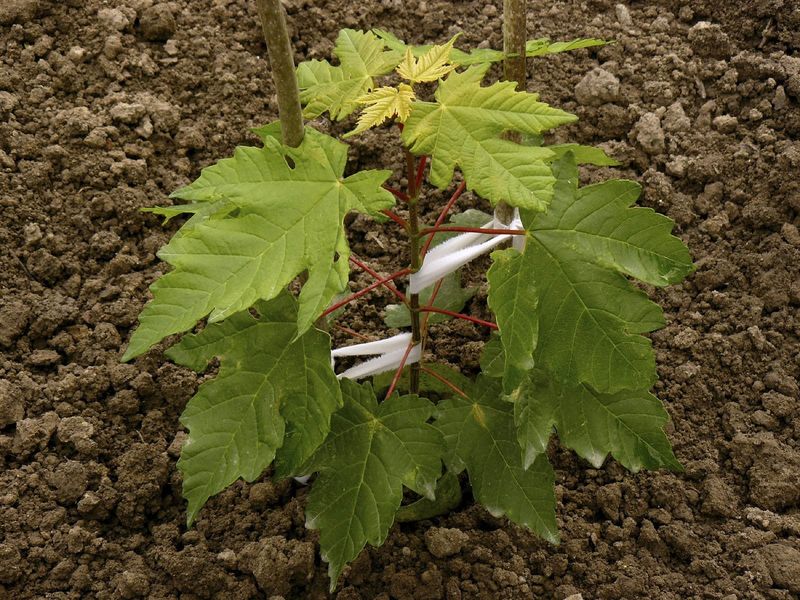
Many gardeners focus on how deep to dig when planting a tree, but the width of the hole matters just as much.
Sugar maple roots spread outward rather than straight down, and giving them loose, workable soil to grow into from the start can make a real difference during the first growing season.
A hole that is two to three times wider than the root ball gives young roots room to expand without fighting through compacted ground.
Compacted soil around a planting hole is one of the most common reasons new trees struggle after planting.
Your Michigan Garden Changes Every Week. Your Plan Should Too.
Gardening in Michigan changes quickly throughout the season. Every Friday you’ll receive a simple weekly plan showing exactly what to plant, prune, fertilize, harvest, and protect so you never miss the right timing.
When roots hit a wall of dense, undisturbed soil, they slow down or circle back on themselves, which limits the tree’s ability to take up water and nutrients.
Loosening the soil around the edges of the hole, rather than just in the center, encourages roots to move outward naturally.
The depth of the hole should match the height of the root ball so the tree sits at the right level without sinking over time.
Digging too deep and then backfilling with loose soil can cause the tree to settle lower than intended, which creates its own set of problems.
In Michigan, where spring soil can still be shifting from winter freeze and thaw cycles, taking a few extra minutes to get the hole dimensions right before lowering the tree in is time well spent.
3. The Root Flare Should Stay Visible In Michigan Yards
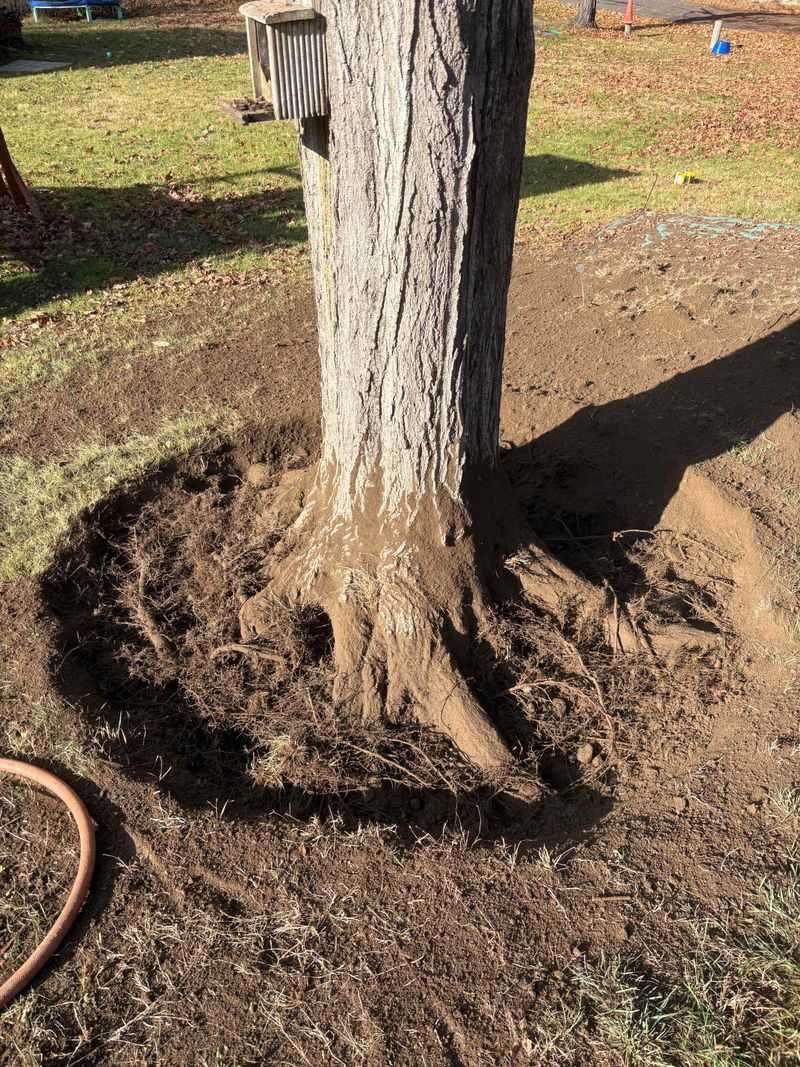
One of the most overlooked parts of planting a tree correctly is making sure the root flare stays visible above the soil line. The root flare is the spot where the trunk begins to widen and spread out just before it meets the roots.
Burying this area under soil or mulch is one of the most common planting mistakes in home landscapes, and it can create long-term problems for the tree’s health.
When the root flare is covered, moisture builds up against the bark and the tree cannot breathe the way it should. Over time, this can weaken the base of the tree and make it more vulnerable to disease, insects, and structural problems.
Michigan homeowners who plant sugar maples a little too deep often notice slow growth and poor leaf color in the first few seasons, even when everything else seems fine.
Before backfilling the planting hole, take a moment to find the root flare on your tree. It should sit at or just slightly above the surrounding soil grade once the hole is filled.
If the tree came in a container or wrapped in burlap, there may be extra soil piled on top of the root ball that needs to be gently removed before planting.
Keeping the root flare exposed is a simple step that supports long-term tree health in Michigan yards.
4. Deep Watering Helps A New Sugar Maple Settle In
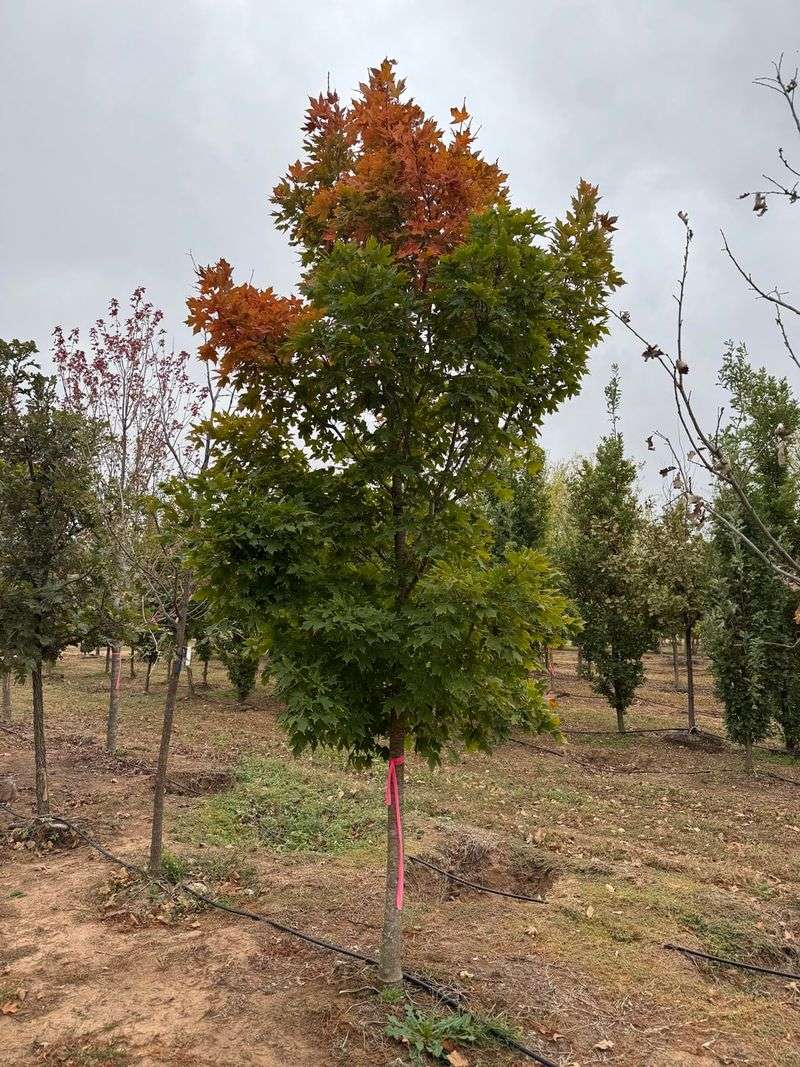
Watering a newly planted tree sounds simple, but there is a real difference between light, frequent watering and the slower, deeper watering that a young sugar maple actually needs.
Light watering moistens the surface but does not reach the deeper root zone where the tree is trying to establish itself.
Deeper, slower watering encourages roots to follow moisture downward and outward, which builds a stronger root system over time.
In Michigan during May, spring rain can sometimes feel like enough, but young trees in their first weeks after planting often need supplemental water even when the weather seems cooperative.
The root ball from a balled-and-burlapped or container tree has not yet connected with the surrounding soil, so it can dry out faster than you might expect.
Checking the moisture level of the root ball itself, not just the surrounding ground, gives you a more accurate picture of what the tree actually needs.
A good approach is to water slowly and thoroughly once or twice a week during dry spells, letting the water soak in rather than run off. A soaker hose or slow trickle from a garden hose placed near the base of the tree works well for this.
Avoid overhead sprinklers as the primary watering method for a newly planted tree.
Consistent, deep moisture during the first growing season gives a Michigan sugar maple the support it needs to settle in without excessive stress.
5. Mulch Helps A Michigan Sugar Maple Hold Moisture
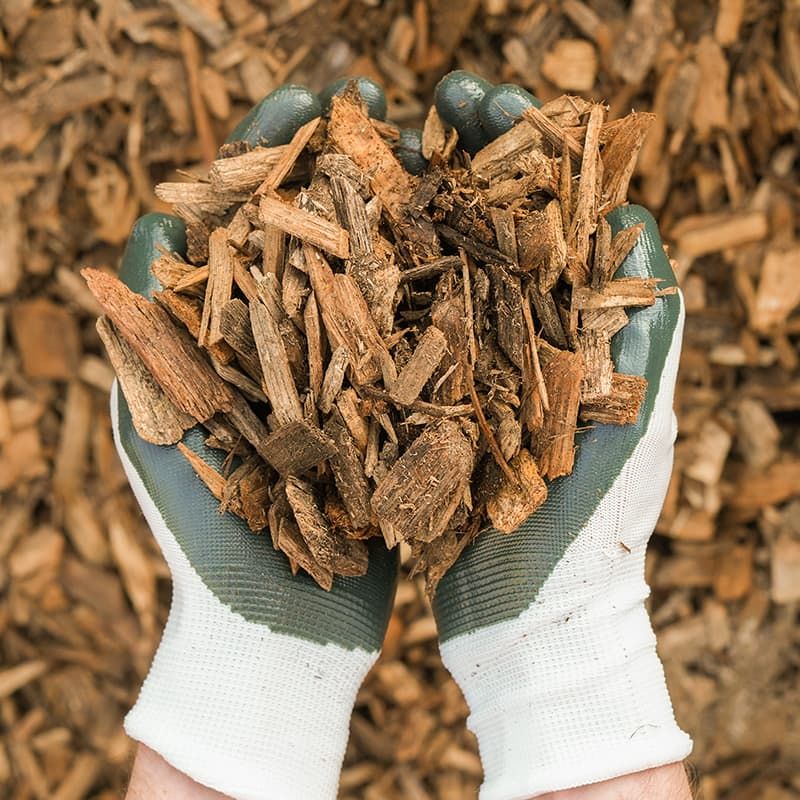
Mulch is one of the most useful tools a Michigan homeowner can use after planting a sugar maple.
A layer of wood chips or shredded bark spread around the base of the tree helps keep the soil moist, moderates soil temperature, and reduces competition from grass and weeds that would otherwise compete with the tree’s young roots for water and nutrients.
The key is to apply mulch correctly. Spread it in a ring around the tree, extending out to the drip line if possible, and keep the depth to about two to four inches.
Many gardeners accidentally pile mulch up against the trunk in a shape that looks like a volcano, which traps moisture against the bark and can cause the same kind of problems as planting too deep.
Keeping the mulch several inches away from the trunk is a small detail that makes a meaningful difference.
In Michigan, late spring soil can dry out quickly once temperatures climb and winds pick up, especially in yards that get a lot of direct sun.
Mulch acts as a buffer between the warming air and the soil, slowing down evaporation and helping roots stay in a more stable environment.
Fresh wood chip mulch from a local tree service or garden center works well and breaks down over time, adding organic matter to the soil. Refreshing the mulch layer once a year keeps it doing its job through the growing season.
6. Hot Dry Michigan Spots Can Stress Sugar Maple
Choosing the right spot in your yard before planting a sugar maple is just as important as how you plant it.
Sugar maples tend to do better in locations that offer some protection from harsh afternoon sun and drying winds, especially during the first summer after planting.
Open, exposed lawn areas in Michigan that bake in the sun all day can put real stress on a newly planted tree that is still trying to grow its root system.
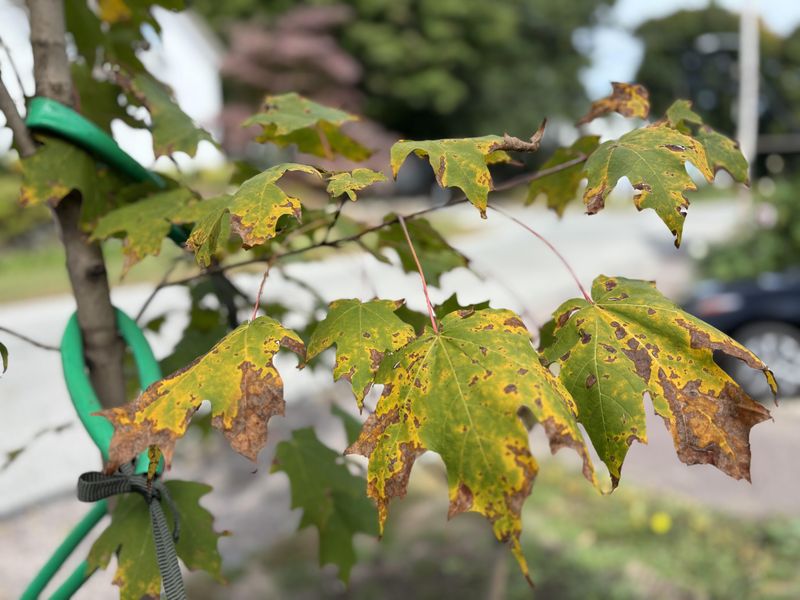
Hot, dry conditions in late May and June can cause a young sugar maple to lose water through its leaves faster than its limited root system can replace it. This shows up as wilting, leaf scorch, or leaves that curl at the edges.
It does not mean the tree cannot survive, but it does mean the tree is working harder than it should be during a critical window of establishment.
Planting in a spot that gets morning sun and some afternoon shade can help reduce heat stress during the first season.
Near the east or north side of a home, or in an area where nearby trees provide some filtered light in the afternoon, can be a good fit for a young sugar maple in a Michigan yard.
If a more exposed spot is the only option, adjusting your watering schedule to compensate for faster soil drying can help the tree manage through the hottest parts of the early summer without losing too much momentum.
7. Spring Planting Can Give Michigan Sugar Maples A Gentler Start
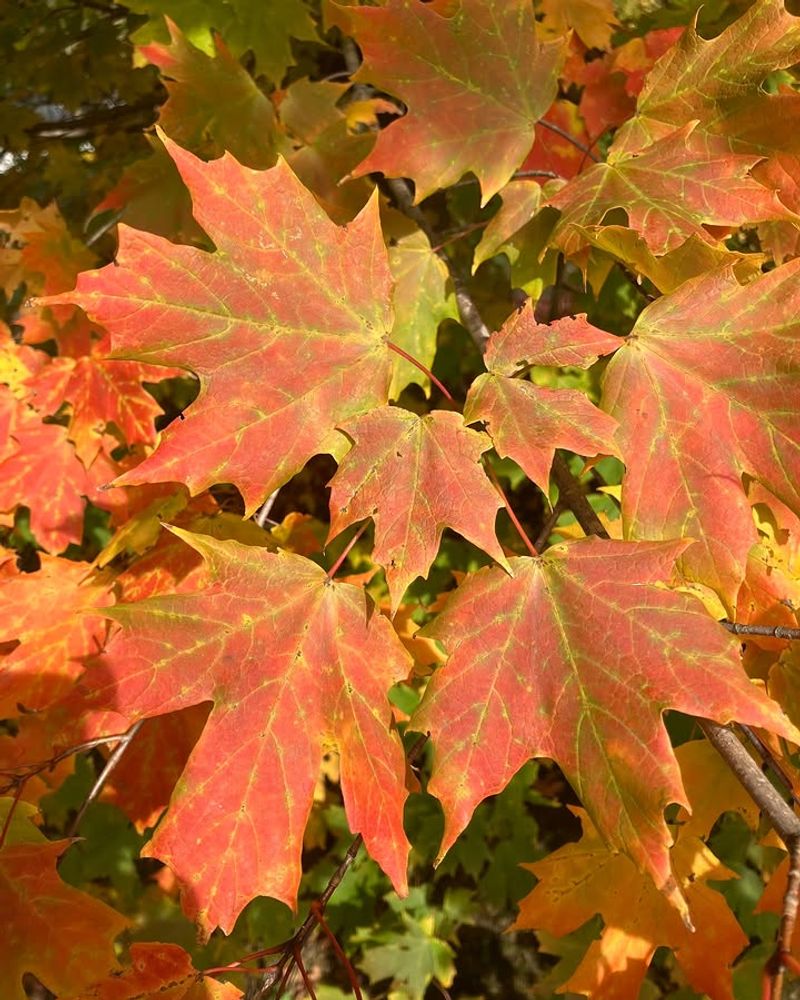
May is often considered a reasonable window for planting trees in Michigan, and there are some real advantages that come with a spring planting date. Soil temperatures are rising, which encourages root activity.
Rainfall is typically more reliable than during midsummer. And the tree has several months of warm growing weather ahead of it before the ground freezes again in late fall.
That said, spring planting is not without its challenges. May in Michigan can shift quickly from cool and rainy to warm and dry, sometimes within the same week.
A sugar maple that goes into the ground during a cool, overcast stretch may face very different conditions just two weeks later.
Keeping a close eye on weather patterns and adjusting watering accordingly during the first month after planting helps the tree manage those shifts without too much added stress.
Planting earlier in May, rather than waiting until the end of the month, tends to give a young sugar maple a bit more time to begin establishing roots before the heat of early summer arrives.
The tree does not need to be fully leafed out before planting, and in some cases, planting while the tree is still in an earlier stage of leaf development can actually reduce the amount of water the tree loses through its leaves while the roots are still getting settled.
A thoughtful planting date within the May window can make the early weeks a little easier on the tree.
8. Slow Early Growth Is Normal For A New Sugar Maple
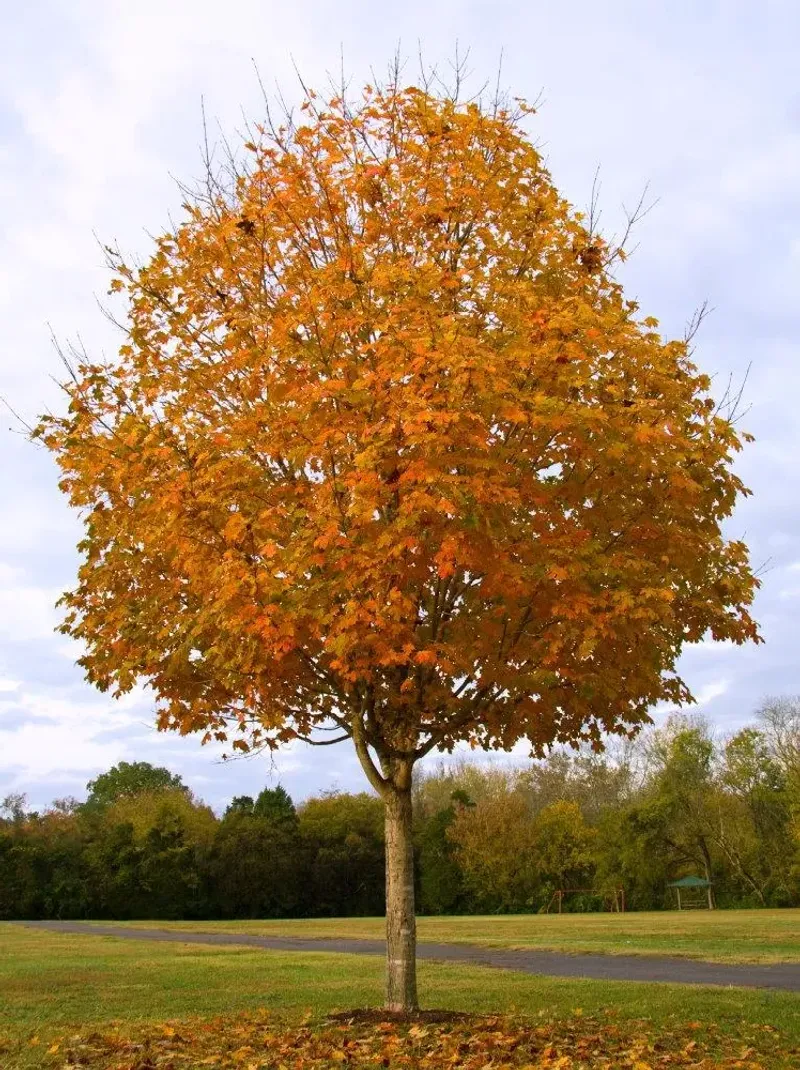
After all the work of planting a sugar maple in your Michigan yard, it can feel a little discouraging to watch the tree sit quietly for several weeks without putting out much visible new growth.
But slow early growth is a completely normal part of how trees respond to being transplanted.
The tree is not standing still, it is just focused on what is happening underground rather than above it.
During the first weeks after planting, the sugar maple is working to reconnect its root system with the surrounding soil and begin exploring new ground.
That process takes energy, and the tree may put very little into new leaves or branch growth while it is focused on roots.
Gardeners who expect fast top growth right after planting sometimes start overwatering or adding fertilizer to try to push the tree along, which can actually add stress rather than reduce it.
Holding off on fertilizing during the first growing season is generally a good idea for a newly planted sugar maple. Let the tree use its own energy reserves and the nutrients already present in the soil to settle in at its own pace.
Consistent watering, a proper mulch layer, and a good planting site will do more for long-term health than trying to rush the process.
By the second or third season in a Michigan yard, a well-planted sugar maple usually begins showing noticeably stronger and more confident growth.