The May Bird Of Paradise Care Step California Gardeners Shouldn’t Skip
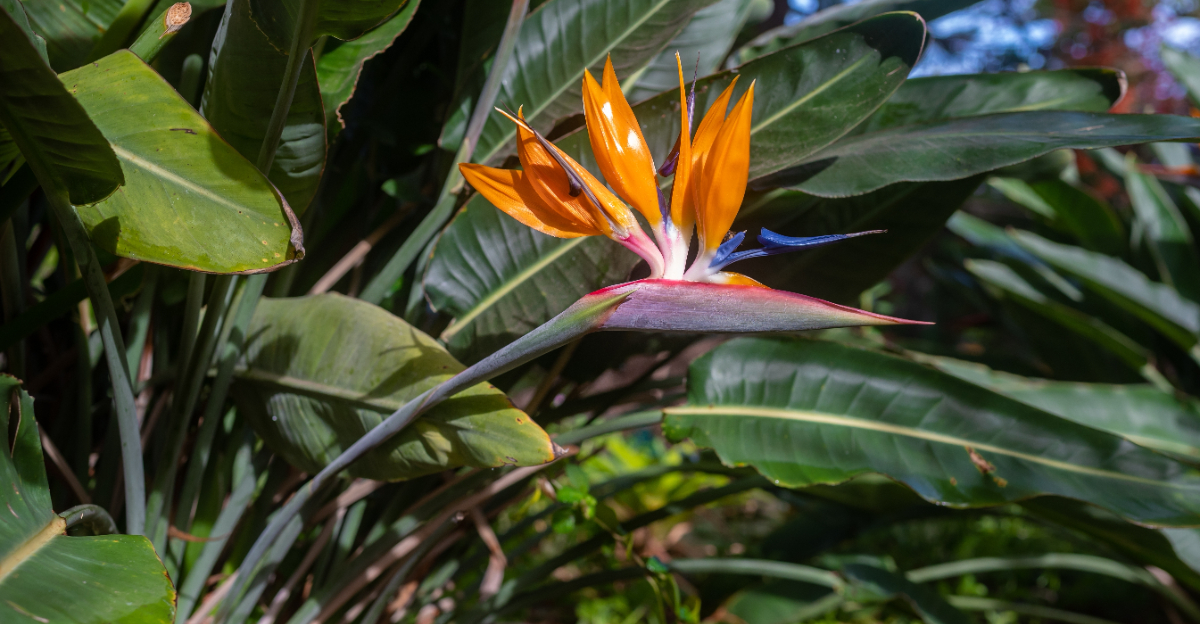
Bird of paradise has no interest in being subtle. Those bold leaves, tropical attitude, and look-at-me flowers make it feel like your California yard hired its own vacation planner.
But by May, this beauty is getting ready for warmer days, stronger sun, and a lot more growth, which means one simple care step deserves your attention. Watering. That’s the step.
Nothing fancy, nothing fussy, just making sure the plant gets steady moisture before summer starts turning the dial.
Bird of paradise can handle plenty once established, but it still performs better when it is not left guessing between bone-dry soil and surprise puddles.
Think of May watering as a little pre-summer pep talk. Keep the soil evenly moist, let excess water drain, and your bird of paradise can head into the season looking lush, dramatic, and fully prepared to steal the spotlight.
1. Deep-Water Before Summer Heat
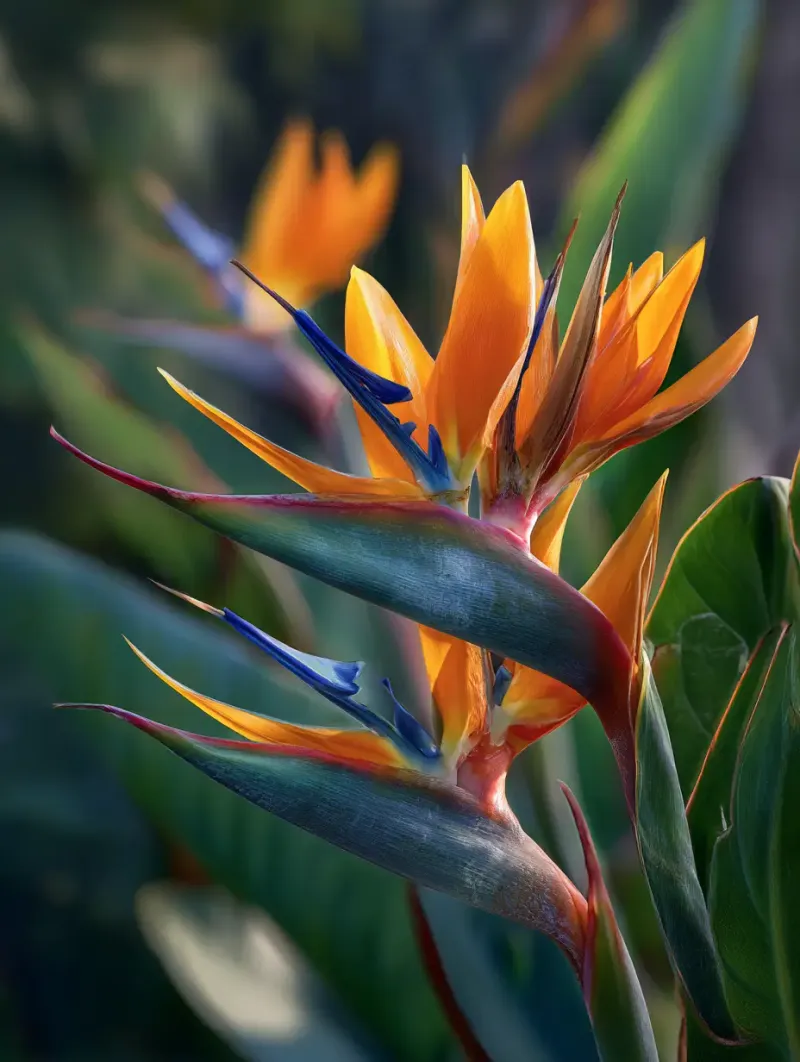
Before the real heat of California summer kicks in, giving your Bird of Paradise a deep, thorough watering in May is one of the smartest moves you can make. Shallow watering only wets the top layer of soil, and that does very little for a plant with deep roots.
Deep watering encourages roots to grow downward into cooler, moister soil. This makes the plant stronger and more able to handle the dry, hot months ahead.
Think of it like filling up a water tank before a long trip.
In California, especially in areas like the Inland Empire, Sacramento Valley, and Southern California, temperatures can climb quickly by late May. Getting water deep into the root zone now builds a moisture reserve the plant can draw from later.
Use a slow trickle from a garden hose and let it run for 20 to 30 minutes near the base of the plant. Do this once a week in early May, then adjust as the heat builds.
A well-watered plant going into summer will reward you with healthier growth and more blooms throughout the season.
2. Soak The Root Zone Slowly
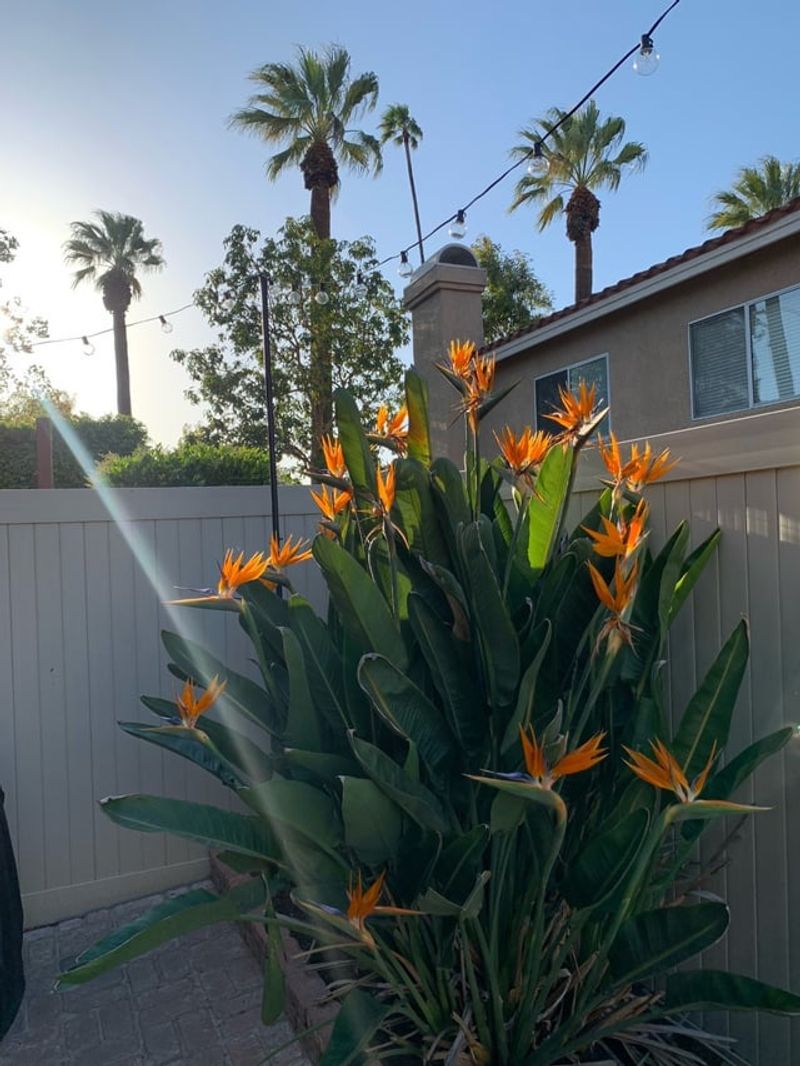
Fast watering might seem efficient, but for Bird of Paradise plants in California, slow is always better. When water hits dry soil too quickly, it runs off the surface before it ever reaches the roots.
A slow soak changes everything.
Place your hose or drip emitter near the base of the plant and let water trickle in gently for at least 20 minutes. This gives the water time to move down through the soil layers and reach the deep roots where it really matters.
Sandy soils common in parts of Southern California drain fast, so you may need even longer soak times.
Clay-heavy soils found in parts of the Bay Area and Central Valley absorb water more slowly, so patience is key there too. Watch for water pooling on the surface, which is a sign you are going too fast.
The goal is to wet the soil 12 to 18 inches deep. You can check this by pushing a wooden dowel or a screwdriver into the soil after watering.
Your California Garden Changes Every Week. Your Plan Should Too.
Gardening in California changes quickly throughout the season. Every Friday you’ll receive a simple weekly plan showing exactly what to plant, prune, fertilize, harvest, and protect so you never miss the right timing.
If it slides in easily to that depth, you have done a great job soaking the root zone the right way.
3. Let Soil Partly Dry Between Waterings
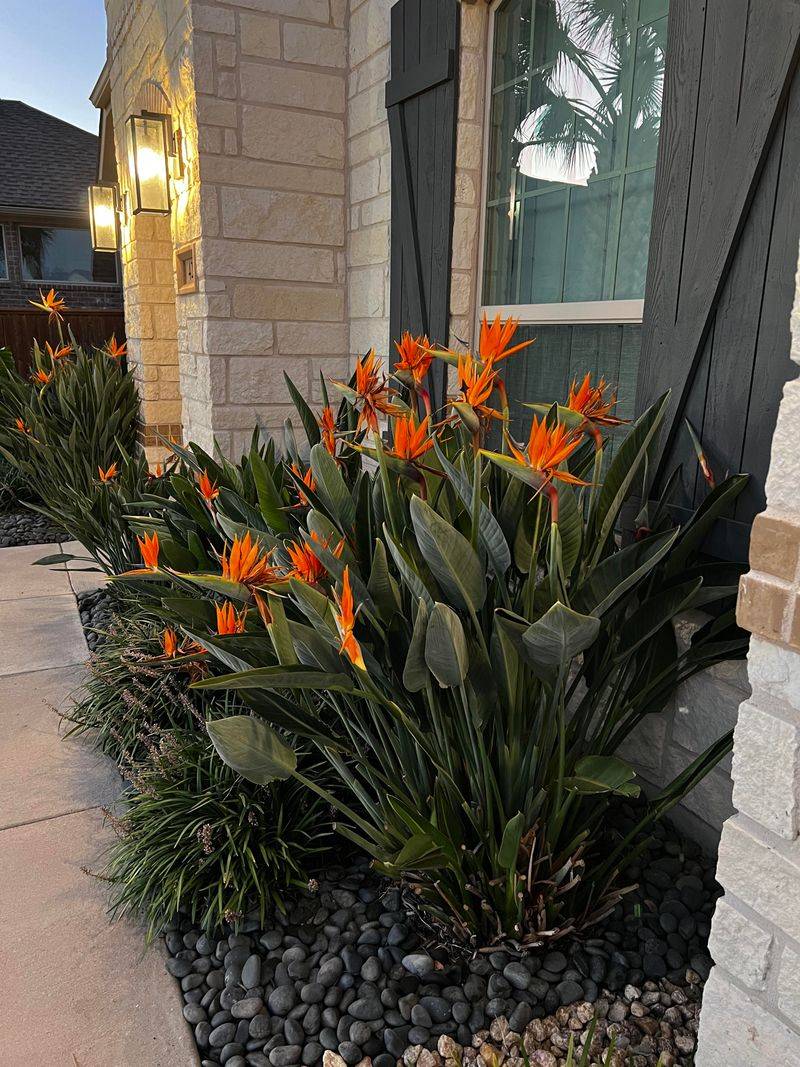
One of the most common mistakes California gardeners make is watering Bird of Paradise too often. Keeping the soil constantly wet is not what this plant wants.
It actually prefers a bit of a dry-out period between waterings.
Letting the top two to three inches of soil dry out before watering again keeps the roots healthy and breathing. Roots need oxygen just as much as they need water.
Soil that stays soggy all the time pushes out the air pockets roots depend on.
In May, when California temperatures are still moderate, watering once every seven to ten days is usually enough for most garden beds. Container-grown plants may need water a little more often since pots dry out faster than ground soil.
Stick your finger into the soil near the base of the plant. If it feels dry at two inches deep, it is time to water.
If it still feels slightly cool and moist, wait another day or two. Getting this balance right in May before summer heat arrives means your Bird of Paradise builds strong roots and handles the upcoming warm months with ease and confidence.
4. Avoid Soggy Crown Growth
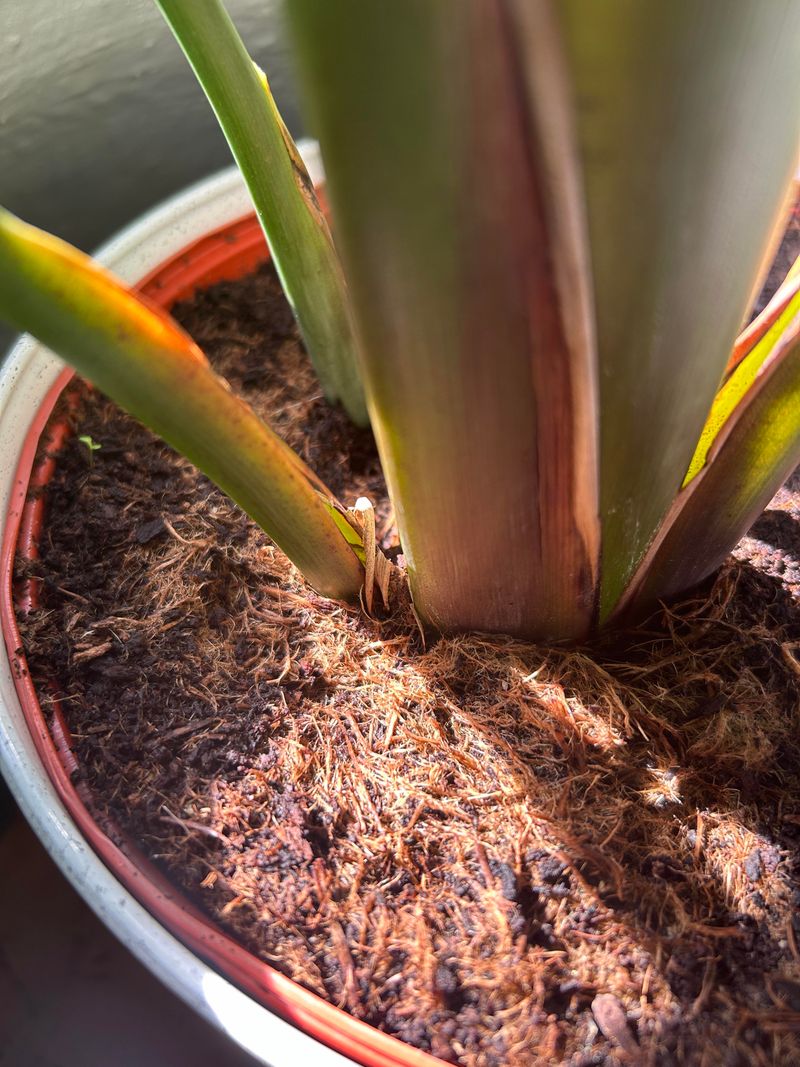
Here is something a lot of gardeners do not think about until it is too late: watering directly into the crown of a Bird of Paradise can cause serious problems. The crown is the central growing point where new stems and leaves emerge, and it does not like sitting in water.
Wet crowns can lead to fungal issues, soft rot, and slowed growth. In the humid microclimates of coastal California or in areas with heavy May fog, this risk is even higher.
Always aim your water at the soil around the plant, not at the base or center of the plant itself.
Drip irrigation works really well for Bird of Paradise because it delivers water directly to the root zone without splashing the crown. If you are hand watering, use a wand or hose with a gentle flow setting and keep it low and aimed outward from the center.
Give the crown good airflow by not crowding the plant with other dense plantings. A little breathing room around the plant goes a long way.
Keeping the crown dry while the roots stay well-watered is a simple habit that protects your Bird of Paradise all season long.
5. Mulch To Hold Moisture
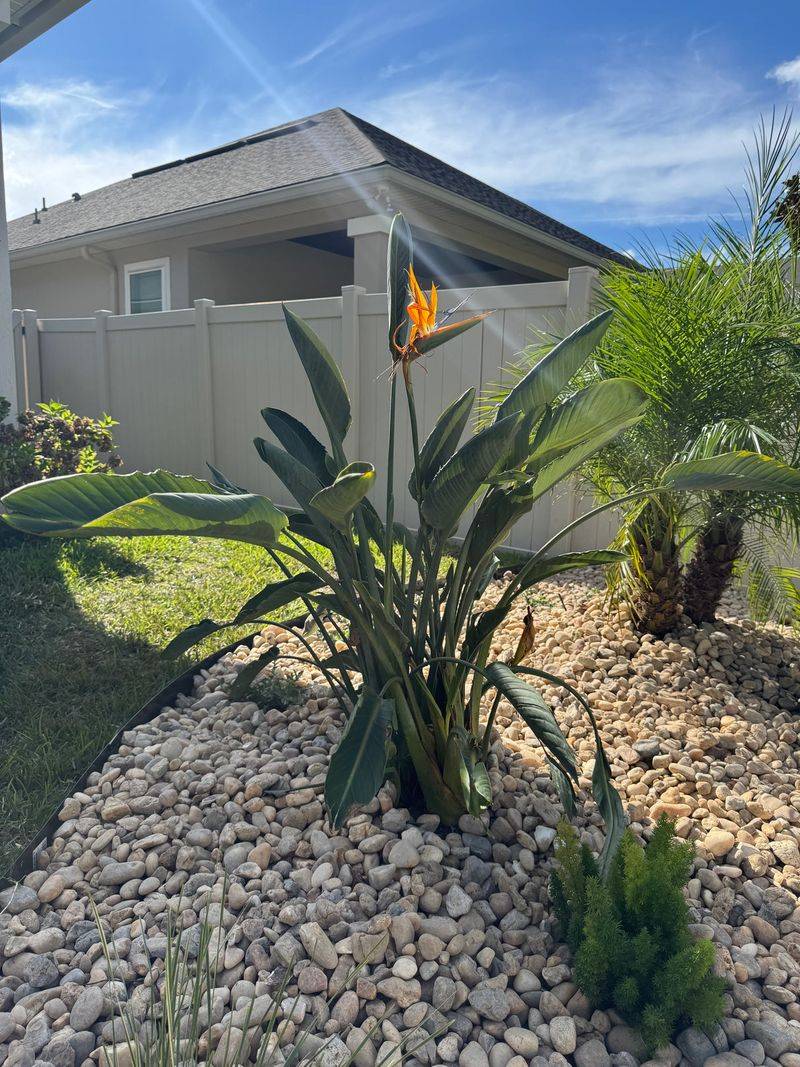
Mulching around your Bird of Paradise in May is one of the easiest ways to stretch the time between waterings. A good layer of mulch acts like a blanket over the soil, slowing down evaporation and keeping roots cooler as California temperatures start to rise.
Use two to three inches of organic mulch like wood chips, shredded bark, or straw. Spread it in a wide ring around the plant, starting a few inches away from the crown so moisture does not collect right against the stem.
This small gap matters more than most people realize.
In dry regions like San Diego, the Coachella Valley, and the Sacramento foothills, summer soil can dry out within a day or two without mulch. With mulch in place, that same soil can stay moist for four to five days longer.
That means less watering, less water waste, and a happier plant. Mulch also breaks down slowly over time, adding organic matter back into the soil and improving its texture.
Refresh your mulch layer each spring so it stays thick enough to do its job. This one simple step in May can protect your Bird of Paradise through the hottest California summer days ahead.
6. Watch Leaves For Curling
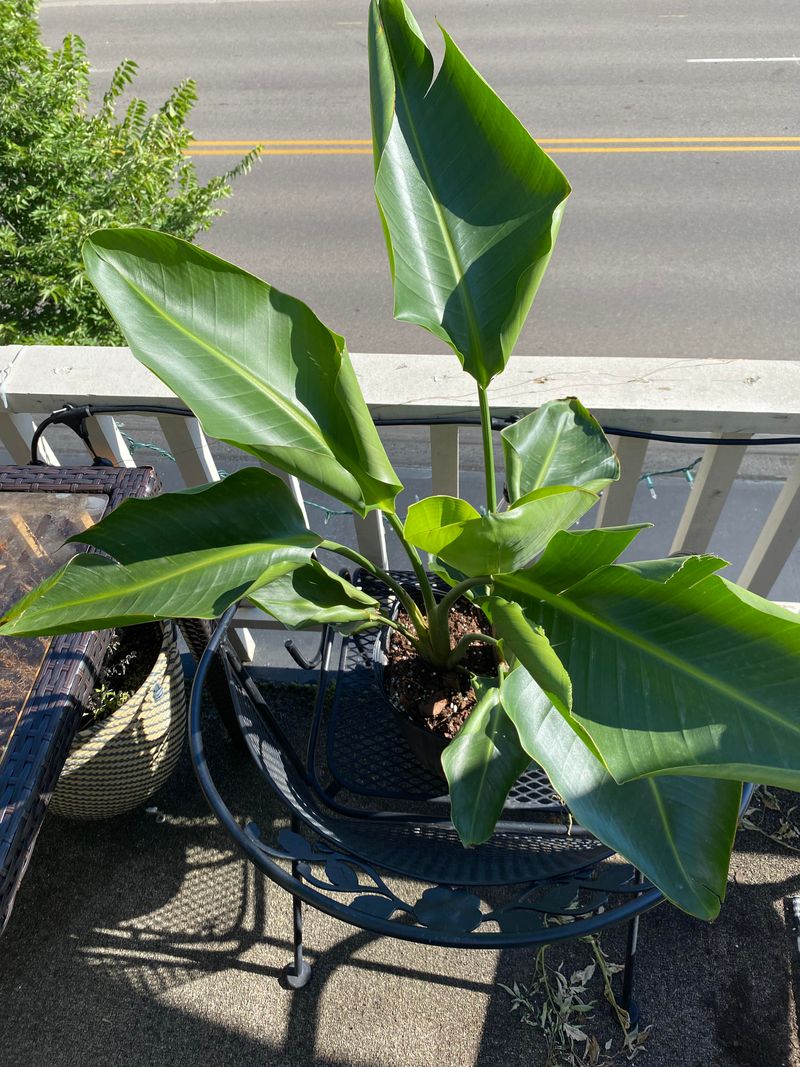
Your Bird of Paradise will actually tell you when it needs water. You just have to know what to look for.
Leaf curling is one of the clearest signals that the plant is not getting enough moisture, especially as May temperatures climb across California.
When leaves start to roll inward along their edges, the plant is trying to reduce the amount of water it loses through its leaf surface. It is a survival response, not a permanent condition.
Catch it early and the plant bounces back quickly with a good deep watering.
Curling can also happen when the plant is in a very windy spot, which is common in coastal California areas like San Francisco, Santa Barbara, and Long Beach. Wind pulls moisture out of leaves fast.
If your plant is in a breezy location and leaves are curling, consider adding a windbreak or moving container plants to a more sheltered spot. Check for curling leaves every few days during May, especially during the first heat waves of the year.
Making a quick weekly check part of your regular garden routine helps you catch small problems before they grow into bigger ones. Your plant will thank you with strong, upright, healthy leaves all season.
7. Adjust Watering As Heat Builds
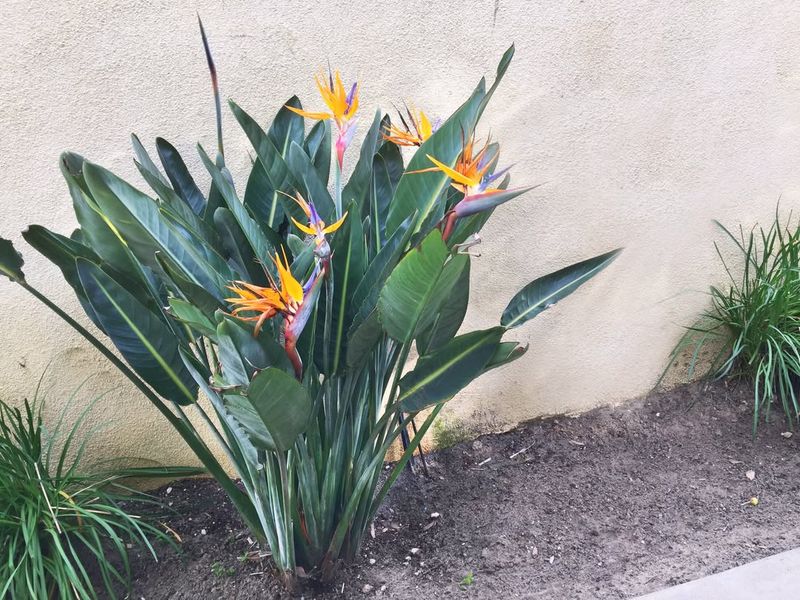
May in California does not stay mild for long. By the end of the month, many parts of the state are already seeing temperatures in the 80s and 90s.
That means your watering schedule needs to grow with the heat, not stay stuck at the same spring routine.
Start May watering once every seven to ten days. By the third and fourth week of May, bump that up to once every five to seven days if the weather is consistently warm.
In the hottest parts of California like the Central Valley, Riverside, and Palm Springs, you may need to water even more often as the month goes on.
Watch the soil, not just the calendar. Soil tells you the truth about what the plant actually needs.
If it is drying out faster than expected, water sooner. If it still feels moist, hold off a day or two.
Smart watering is flexible watering. Setting up a simple drip timer can help you keep a consistent schedule without guessing.
Adjusting your approach through May means your Bird of Paradise moves into June strong, well-hydrated, and ready to show off those stunning tropical blooms that make it such a beloved plant across California gardens everywhere.