What Florida Gardeners Should Do With Mango Trees In May Before Peak Fruit Season
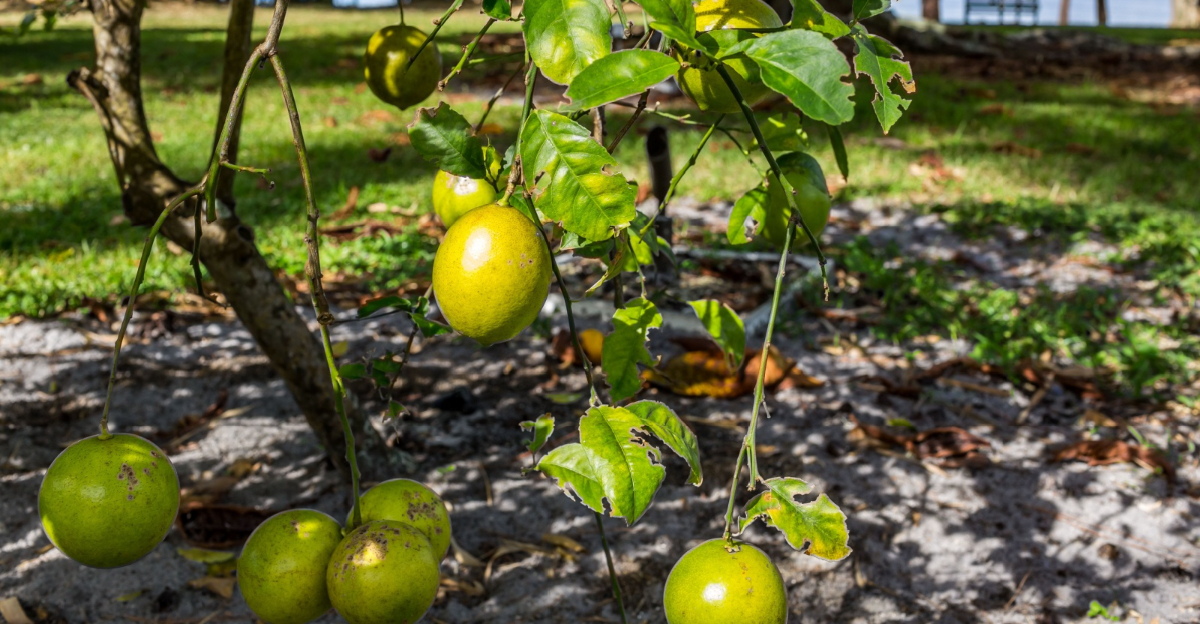
May is when Florida mango trees start to feel very serious about their summer plans. Little fruits are sizing up, the heat is climbing, and dry spells can make the tree look like it could use a cold drink and a pep talk.
This is the moment to pay attention without fussing too much. Too much fertilizer, soggy soil, crowded branches, or missed pest clues can make the season harder than it needs to be.
A smart May checkup can help your mango tree move toward peak fruit season with better balance.
Look at the water situation, scan leaves and fruit, freshen mulch, support loaded branches, and save the big pruning for later.
Florida mango season is close, and your tree knows it.
1. Go Easy On Fertilizer Once Fruit Sets
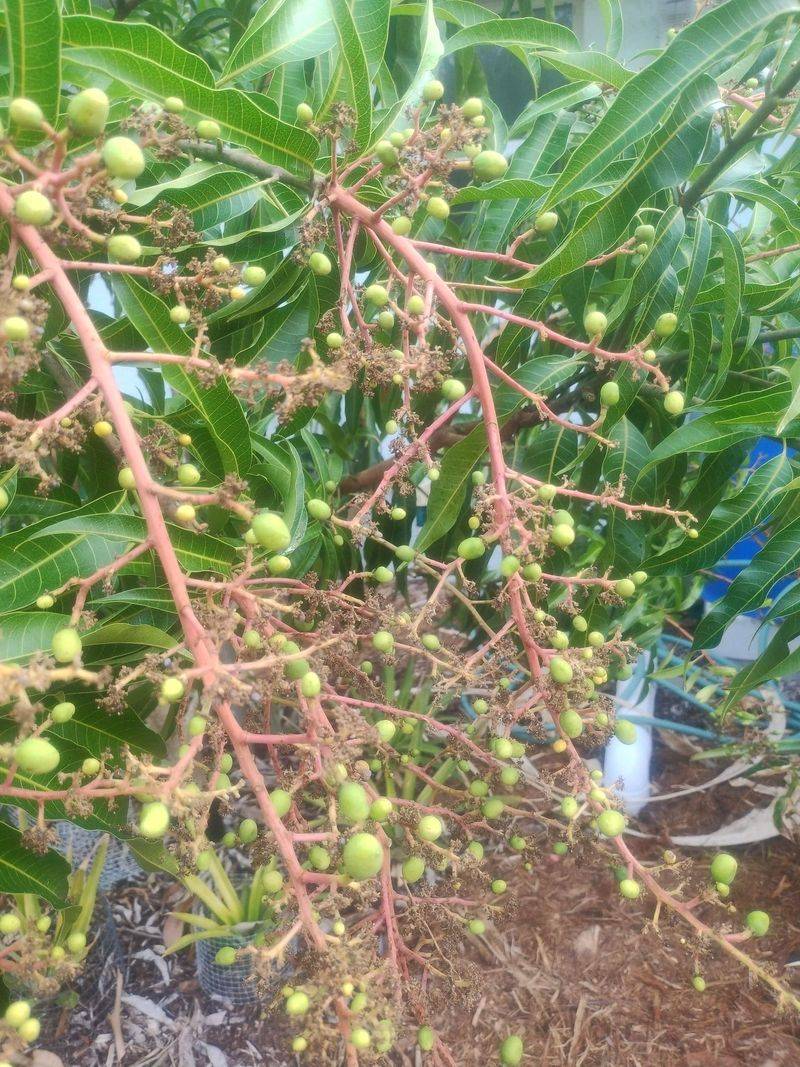
Once small mangoes are already forming on the branches, the tree has shifted most of its energy toward fruit development rather than new leafy growth. Pushing it with heavy fertilizer at this stage can do more harm than good.
Excess nitrogen in particular tends to encourage a flush of new leaves instead of supporting the fruit that is already there.
In Florida’s warm spring climate, mango trees that have set fruit are generally better off with minimal feeding until after harvest. If you fertilized earlier in the season, that feeding has likely already done its job.
Adding more now risks pushing soft new growth that attracts pests and makes the tree harder to manage heading into summer.
If you feel the tree genuinely needs a nutrient boost, a light application of a balanced, slow-release fertilizer with micronutrients can be a reasonable option for some trees.
Sandy Florida soils do drain nutrients quickly, so a modest application is sometimes appropriate.
However, the timing, amount, and product type should match the tree’s age, size, and overall condition.
Young trees and mature bearing trees have different needs, so it helps to know what you are working with before reaching for the fertilizer bag in May.
2. Water During Dry Spells Without Soaking The Soil
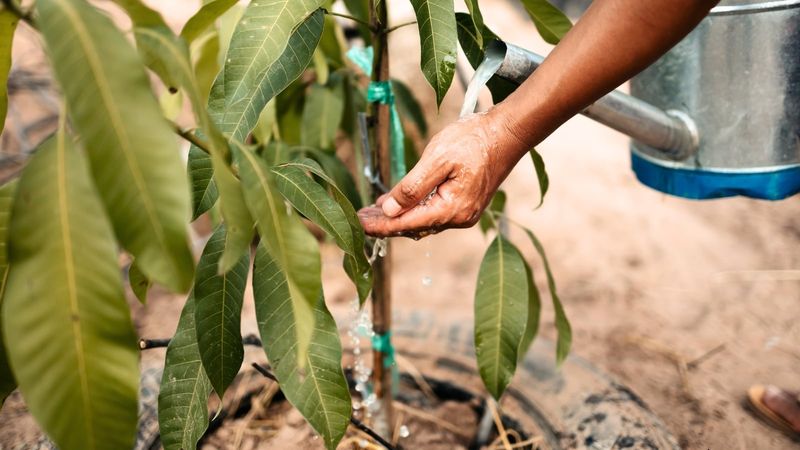
Spring dry spells are common across Florida, and May can bring stretches of little to no rain before the summer wet season kicks in. During these dry periods, developing fruit needs consistent moisture to size up properly and avoid stress-related drop.
Letting the soil go completely dry for too long can affect how the fruit finishes out on the tree.
At the same time, overwatering is a real concern, especially in the sandy, fast-draining soils common throughout much of Florida. Soggy soil around mango roots can lead to root issues and other problems that show up later in the season.
The goal is to keep the soil evenly moist, not waterlogged, and to let it dry out slightly between watering sessions.
Young mango trees generally need more consistent watering than mature, established ones, which have deeper root systems that can reach moisture further down in the soil.
A mature tree in Florida may do fine with natural rainfall during most of May, while a younger tree planted in the last year or two may need supplemental water every few days during a dry stretch.
Your Florida Garden Changes Every Week. Your Plan Should Too.
Gardening in Florida changes quickly throughout the season. Every Friday you’ll receive a simple weekly plan showing exactly what to plant, prune, fertilize, harvest, and protect so you never miss the right timing.
Checking the soil a few inches down before watering helps take the guesswork out of the process and keeps roots in better shape heading into the humid summer months ahead.
3. Check For Common Mango Pests
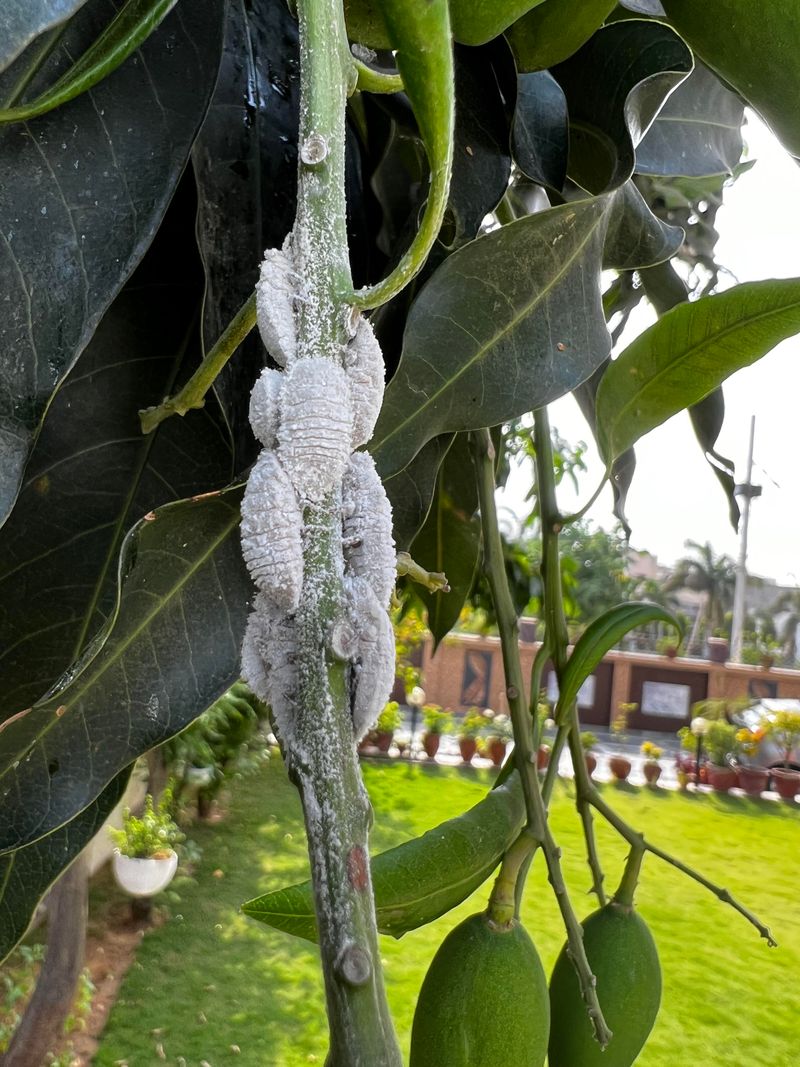
Warmer temperatures in May create good conditions for several common mango pests to become more active in Florida gardens. Mango seed weevils, scale insects, mites, and mealybugs are among the pests that can show up on trees as fruit develops.
Catching these early makes management much easier than dealing with a heavy infestation later in the season.
A slow walk around the tree with a close look at the leaves, stems, and developing fruit can reveal a lot. Scale insects often look like small bumps on stems and leaf undersides.
Mites tend to cause a dusty or bronzed appearance on leaves. Mealybugs leave behind a white cottony residue near leaf joints and fruit clusters.
Spotting these signs early gives you more options for managing the problem before it spreads.
For minor infestations, a strong spray of water or a targeted application of horticultural oil or insecticidal soap can help reduce pest populations without heavy chemical use.
Always follow label instructions carefully and avoid spraying during the hottest part of the day to reduce the chance of leaf burn.
In Florida’s warm and humid climate, pest pressure tends to build quickly once temperatures rise, so a quick check in May is time well spent before the fruit reaches its final stages of development heading toward peak season.
4. Watch For Fungal Problems
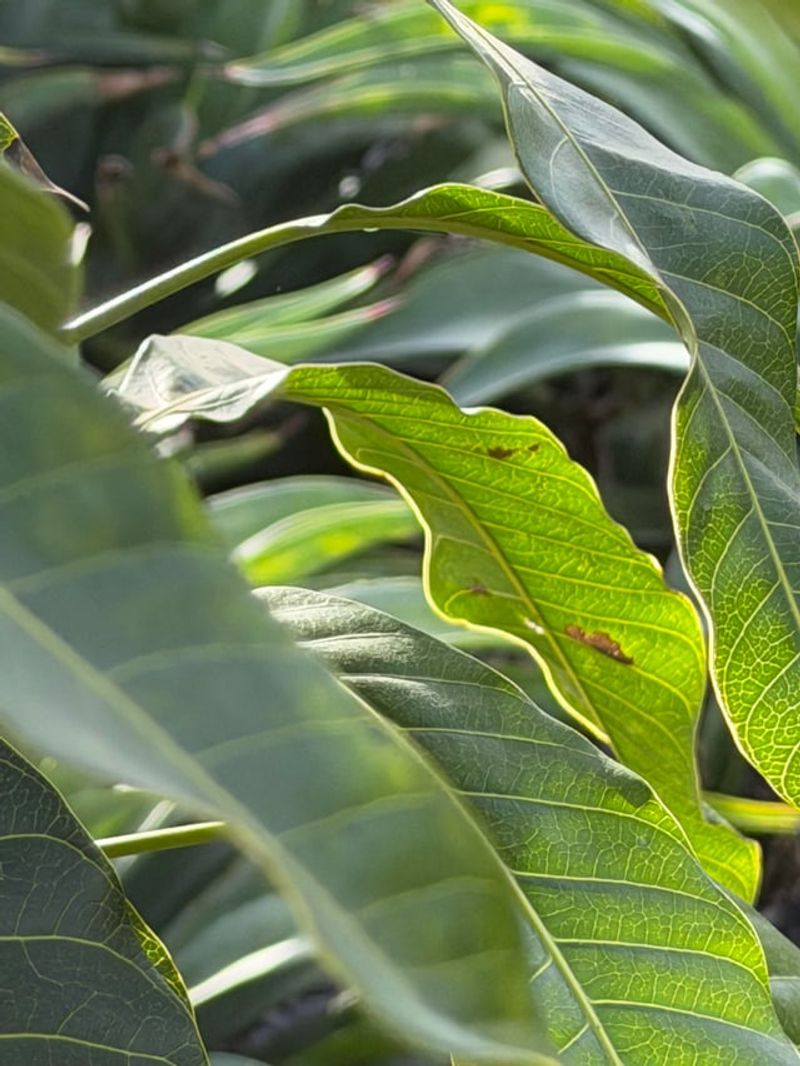
Humidity and warm temperatures are a reliable combination for fungal diseases on mango trees, and Florida delivers both in generous amounts by May.
Anthracnose is one of the most common fungal problems affecting mangoes in Florida, causing dark spots on leaves, flowers, and developing fruit.
Left unchecked, it can spread quickly and affect fruit quality before harvest even arrives.
Powdery mildew is another fungal issue that sometimes appears during the flowering and early fruit development stages. It shows up as a white powdery coating on new growth and panicles.
While it tends to be more of a concern earlier in the season, lingering mildew pressure can still cause problems in May if conditions stay favorable for fungal growth.
Good airflow through the canopy helps reduce fungal pressure by allowing leaves and fruit to dry out faster after rain or morning dew.
Copper-based fungicide sprays are commonly used by Florida gardeners to manage anthracnose and related issues, but timing and coverage matter a great deal.
Spraying at the right stage and reaching all parts of the canopy gives the treatment a better chance of working.
Keeping fallen leaves and debris cleaned up from beneath the tree also reduces the amount of fungal spores that can splash back up onto the tree during rain, which is especially relevant as Florida’s wet season approaches in the weeks ahead.
5. Save Big Pruning For After Harvest
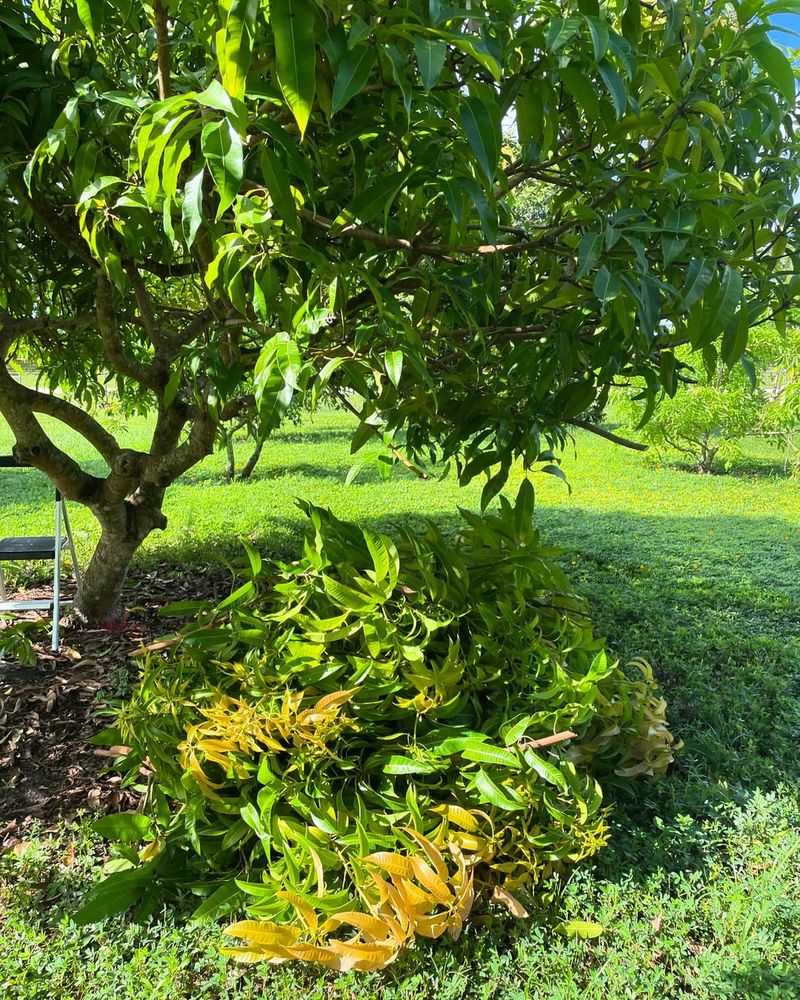
May is not the time for heavy pruning on a mango tree that is loaded with developing fruit.
Removing large branches or doing significant structural work now can stress the tree at a critical growth stage and may cause some of the developing fruit to drop before it has a chance to ripen.
Waiting until after harvest gives the tree time to recover properly.
That said, there are some minor pruning tasks that make sense in May. Removing damaged or crossing branches that pose a risk to fruit clusters is reasonable.
Trimming back a few small branches to improve light penetration or airflow within a dense canopy can also be helpful, as long as you are not removing significant portions of the tree’s structure.
Major shaping and canopy reduction are better handled after the fruit has been picked, typically in late summer or early fall in Florida. At that point, the tree has more energy to push out new growth and recover before the next flowering cycle.
Pruning after harvest also gives you a chance to open up the canopy, reduce the tree’s overall size if needed, and set it up for a healthier growing season the following year.
Holding off on heavy cuts through May is one of the simpler ways to protect the fruit that is already developing on the tree right now.
6. Support Branches With Heavy Fruit
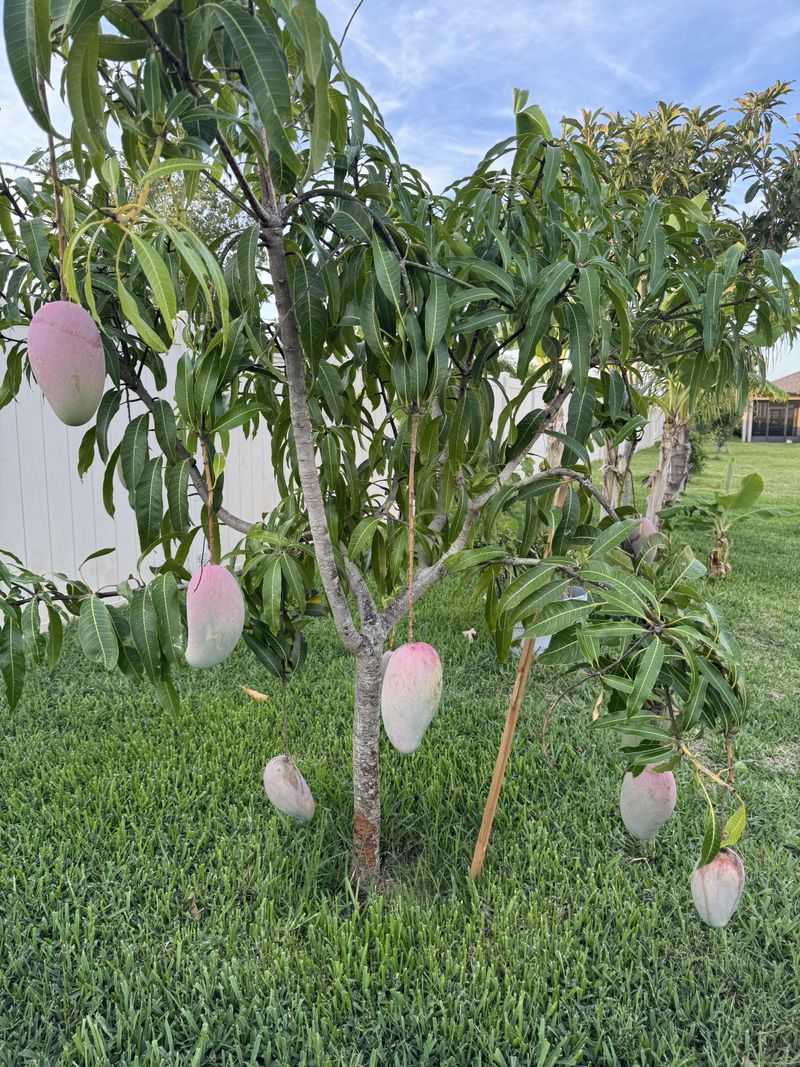
A branch loaded with developing mangoes carries a surprising amount of weight, and May is the month when that weight really starts to build.
As the fruit grows larger over the coming weeks, branches that are already bending under the load can crack or split, especially during the afternoon thunderstorms that become more frequent as Florida moves into its summer weather pattern.
Supporting heavy branches with stakes, props, or soft ties can prevent a lot of unnecessary damage. A simple wooden stake driven into the ground near the branch and connected with a soft fabric tie or old pantyhose works well for many backyard trees.
The goal is to take some of the downward pressure off the branch without restricting it so tightly that it cannot move naturally in the breeze.
Checking the crotch angles of heavily loaded branches is also worthwhile. Branches with narrow V-shaped angles where they meet the main trunk tend to be weaker and more prone to splitting under weight.
If one of those branches is carrying a heavy fruit load, it deserves extra attention before a summer storm rolls through.
Losing a large branch to splitting not only reduces this year’s harvest but also creates a wound on the tree that takes time to heal and may invite disease or pest problems in the months that follow.
A few minutes spent supporting branches now can protect a lot of fruit.
7. Mulch Around The Tree, Not Against The Trunk
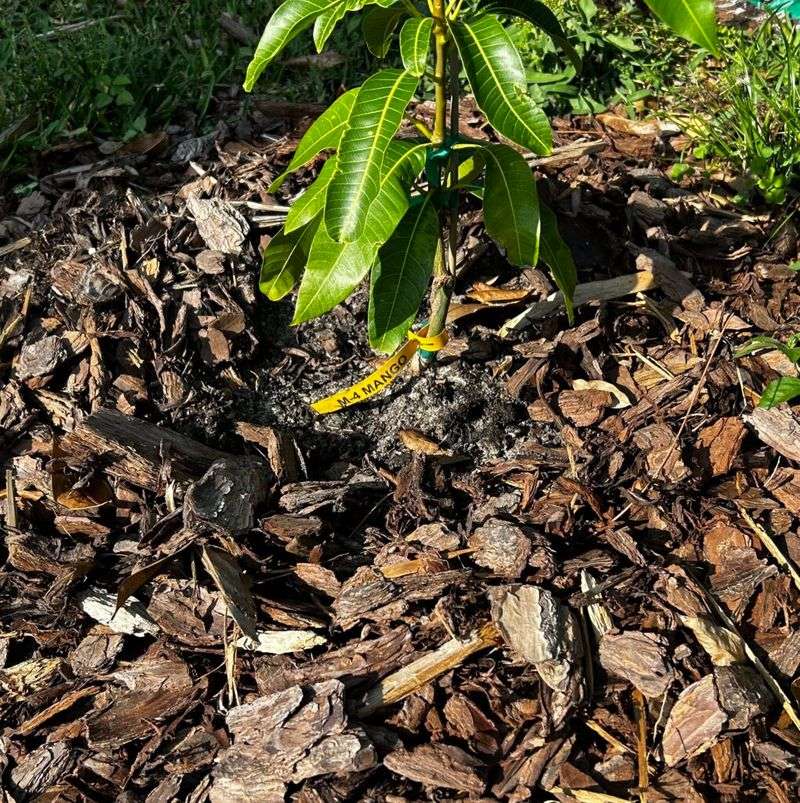
Refreshing the mulch layer under a mango tree in May is one of the more straightforward things a Florida gardener can do to support the tree through the dry stretch before summer rains arrive.
A good layer of organic mulch helps the soil retain moisture, keeps root temperatures more stable, and slowly breaks down to add organic matter to Florida’s often sandy, nutrient-poor ground.
The most common mistake people make with mulching is piling it right up against the trunk. Mulch pressed against the bark traps moisture and creates conditions that can lead to rot and other issues at the base of the tree.
Keeping the mulch pulled back several inches from the trunk and spread out in a wide ring around the drip line is the right approach for mango trees and most other fruiting trees in Florida landscapes.
Aim for a mulch layer that is roughly two to four inches deep across the root zone. Wood chips, pine bark, or other coarse organic materials work well and break down slowly enough to last through the season.
Avoid using fine materials that pack down tightly and restrict water from reaching the roots.
Refreshing the mulch in May before the summer rains begin gives the tree a head start on moisture retention and root health right when the fruit is going through its most active growth and development phase of the entire season.
8. Give Developing Fruit Better Airflow
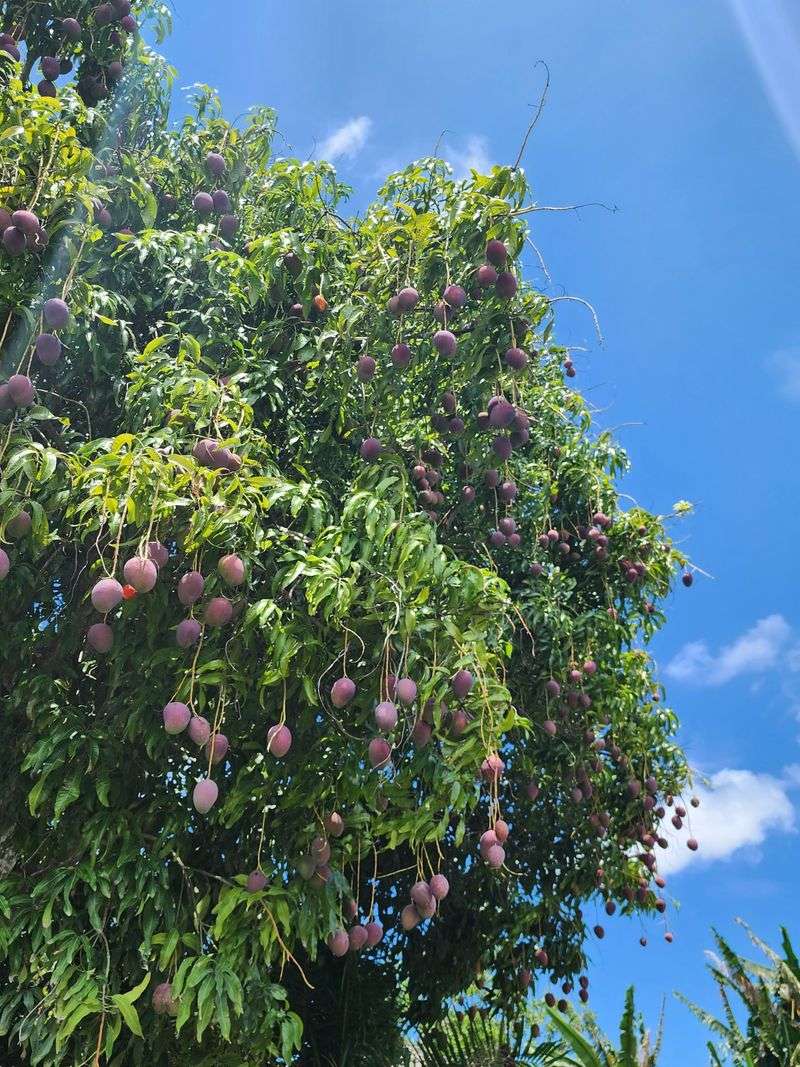
Dense canopies can trap humid air around developing fruit, which raises the risk of fungal problems and makes it harder for the tree to dry out after rain.
In Florida, where May humidity is already climbing and summer showers are not far off, improving airflow through the canopy is a practical way to reduce disease pressure without relying entirely on fungicide sprays.
Opening up the canopy does not require heavy pruning. Removing a few small, crowded interior branches that are shading out the fruit clusters or blocking air movement can make a noticeable difference.
The idea is to create enough open space within the canopy that a light breeze can move through and that leaves and fruit surfaces dry out reasonably well after getting wet.
Fruit that develops in good airflow conditions tends to have fewer surface blemishes and is less prone to the kind of fungal spotting that reduces quality at harvest time.
Thinning out some of the smaller, poorly positioned fruit clusters can also help redirect the tree’s energy toward fewer but better-developed mangoes.
In a heavy fruiting year, a Florida mango tree sometimes sets more fruit than it can ripen well, and selective thinning combined with better airflow can improve the overall quality of what makes it to harvest.
Working on this in May gives the remaining fruit several weeks to benefit before the season peaks.