What Arizona Gardeners Should Plant After Cool-Season Flowers Fade In May
May is when Arizona gardens start sending very clear signals.
Those cheerful cool-season flowers that looked amazing a few weeks ago suddenly seem a little tired by lunchtime, and the desert sun is only getting started.
Pansies droop, snapdragons slow down, and gardeners everywhere begin the annual warm-season flower swap. It is basically the gardening version of changing wardrobes for summer.
The fun part is that Arizona has plenty of heat-loving plants ready to take over the spotlight.
This is the season for bright blooms, bold colors, and flowers that actually enjoy sizzling afternoons instead of collapsing dramatically by 2 p.m.
Honestly, some of these plants seem personally offended by mild weather.
With the right replacements, flower beds, patio containers, gravel landscapes, and front-yard borders can stay colorful and lively long after spring fades away.
1. Moss Rose Spreads Color Across Hot Soil
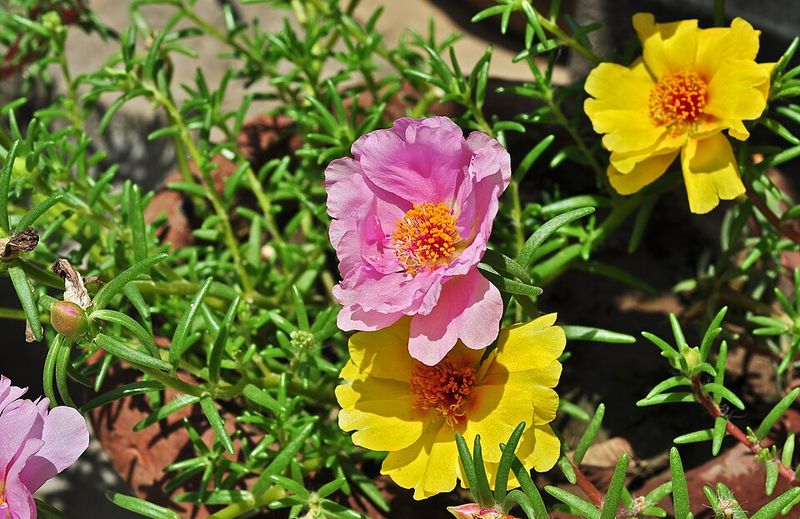
Few plants shrug off Arizona heat the way moss rose does. Known botanically as Portulaca grandiflora, this low-growing annual thrives in the kind of blazing, dry conditions that send most spring flowers into a rapid decline.
When pansies and alyssum begin to fade in May, moss rose is just getting started.
Moss rose grows close to the ground, rarely reaching more than six inches tall, and spreads outward in a cheerful cascade of color.
The blooms come in shades of pink, orange, red, yellow, white, and coral, and they open wide during sunny hours before closing in the evening.
That habit makes them especially striking in Arizona front yards where afternoon sun hits hardest.
Gardeners can tuck moss rose into gravel beds, rock gardens, raised planters, and the edges of flower borders where soil tends to stay dry. It handles poor, sandy, or rocky soil with ease, which makes it a natural fit for low-water Arizona landscapes.
Overwatering is more of a concern than underwatering with this plant.
Seeds or transplants can go in the ground once nighttime temperatures stay above 60 degrees Fahrenheit, which typically happens in May across much of Arizona.
Plants establish quickly and begin blooming within a few weeks.
Moss rose is one of the most reliable warm-season color options for Arizona homeowners who want a low-maintenance, eye-catching ground-level display through the summer months.
2. Gaillardia Brings Daisy-Like Blooms To Sunny Beds
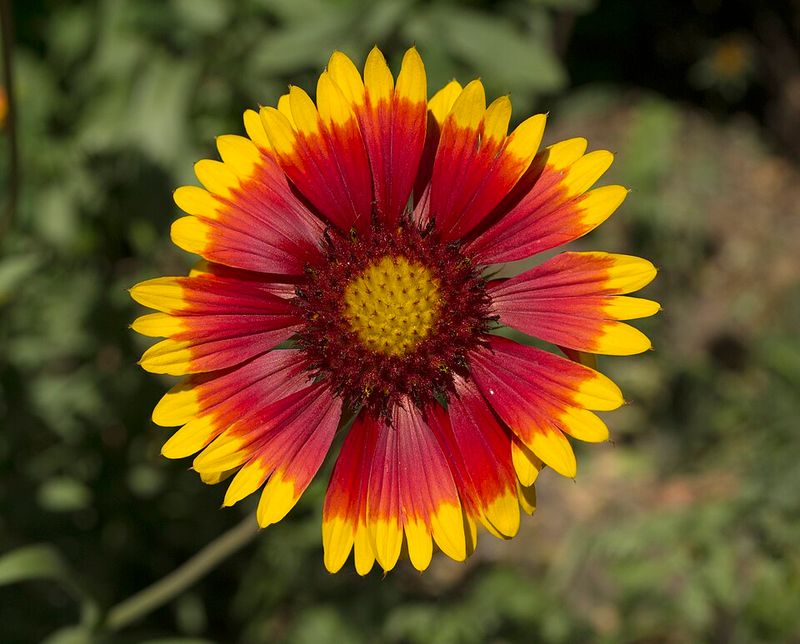
Gaillardia, often called blanket flower, looks like it was designed specifically for the Arizona summer garden.
Its bold, daisy-shaped blooms feature rings of red, orange, and yellow that radiate outward from a dark center, giving flower beds a warm, festive look that holds up even as temperatures push well above 100 degrees Fahrenheit.
When cool-season annuals begin to look ragged in May, gaillardia steps in as a reliable replacement that does not ask for much in return. It tolerates drought, loves full sun, and actually performs better in lean soil than in rich, heavily amended beds.
Planting gaillardia in well-draining spots, such as raised planters or gravel-mulched borders, gives it the best possible start in Arizona.
Your Arizona Garden Changes Every Week. Your Plan Should Too.
Gardening in Arizona changes quickly throughout the season. Every Friday you’ll receive a simple weekly plan showing exactly what to plant, prune, fertilize, harvest, and protect so you never miss the right timing.
One thing that makes gaillardia especially appealing is its value to pollinators. Bees and butterflies visit the blooms regularly throughout the warm season, adding life and movement to Arizona front yards and patio gardens.
Deadheading spent flowers encourages the plant to keep producing fresh blooms rather than putting energy into seed production.
Gaillardia is available as both an annual and a perennial variety, so Arizona gardeners have some flexibility depending on whether they want a single-season splash of color or a plant that may return the following year.
Either way, gaillardia fills the gap left by fading spring flowers with genuine warmth and long-lasting color that suits the Arizona desert climate well.
3. Zinnias Add Bright Color After Spring Flowers Fade
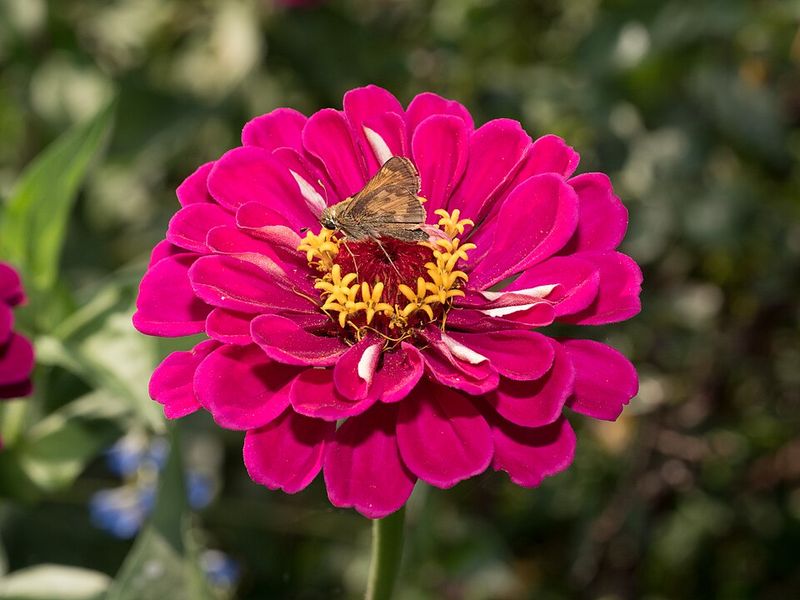
Zinnias are one of the most cheerful warm-season flowers an Arizona gardener can grow, and May is one of the best times to get them started.
Once snapdragons and stock begin to look tired in the warming beds, zinnias are ready to take over with bold, saturated color that lasts through the hottest part of the summer.
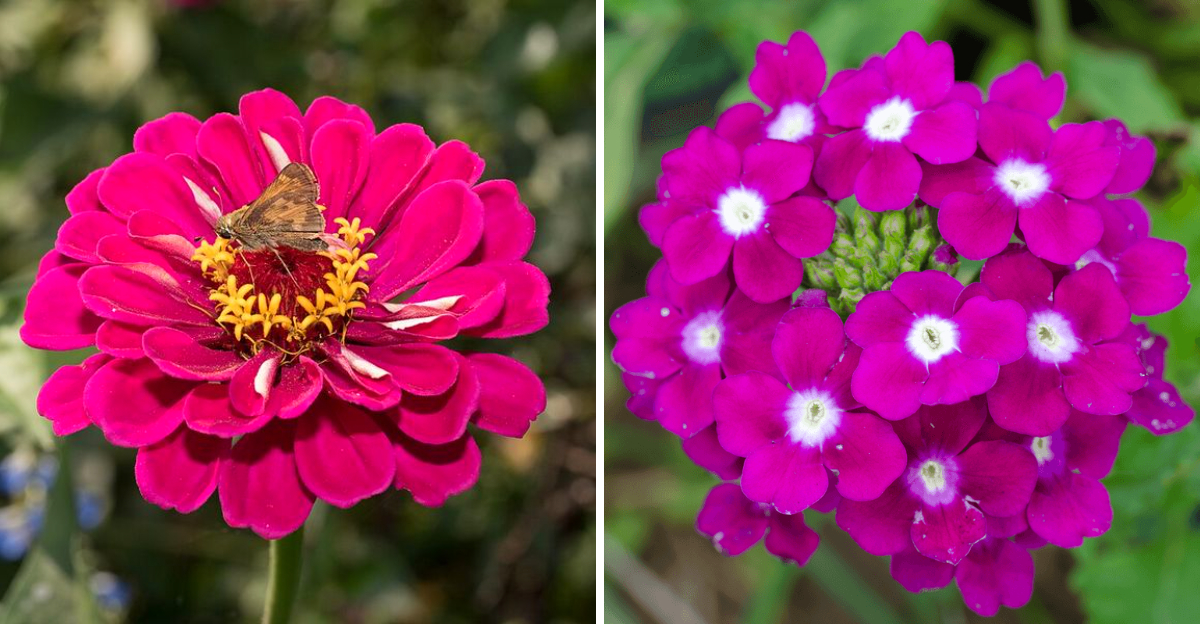
These fast-growing annuals come in an enormous range of colors, including red, orange, yellow, pink, purple, and white, with bloom shapes ranging from single-petaled daisies to fully double, pompom-style flowers.
Zinnias grow quickly from seed, often blooming within six to eight weeks of planting, which makes them an efficient way to restore color to Arizona flower beds without a long wait.
Full sun is where zinnias perform best, and Arizona has plenty of that to offer from May onward.
They appreciate regular watering at the base of the plant rather than overhead, since wet foliage can lead to powdery mildew, especially during monsoon humidity.
Spacing plants with good airflow in mind helps keep them healthy through the season.
Zinnias also serve as a strong pollinator draw, attracting butterflies in particular. Arizona gardeners who want to support local butterfly populations will find zinnias a worthwhile addition to any warm-season planting plan.
They work beautifully in containers, raised beds, and traditional flower borders, making them one of the most versatile summer color choices available across Arizona.
4. Vinca Handles Heat In Summer Garden Beds
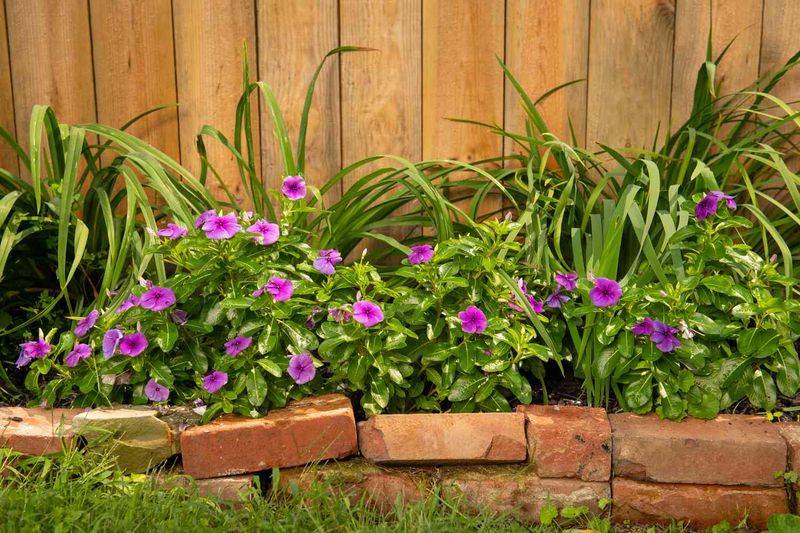
Vinca, also known as annual vinca or Catharanthus roseus, is one of the hardest-working summer flowers in the Arizona garden.
As spring temperatures climb and cool-season plants begin to decline, vinca steps up with steady, reliable color that does not wilt or stall even when the thermometer climbs into triple digits.
The flowers are simple and rounded, appearing in shades of pink, red, lavender, white, and bicolor combinations. They sit above glossy, dark green foliage that stays attractive through the entire warm season.
Unlike many summer flowers that look stressed by midsummer, vinca tends to look just as fresh in August as it did in June, which is a significant advantage in Arizona’s demanding climate.
Vinca performs well in full sun and handles reflected heat from walls, pavement, and gravel with surprising ease.
This makes it a strong candidate for south-facing Arizona front yards, patio containers, and planting strips near driveways or walkways where heat intensity is especially high.
It needs well-draining soil and consistent moisture but does not require heavy watering once established.
One important note for Arizona gardeners is to avoid overwatering vinca, as soggy soil can cause root issues. Planting in slightly raised or well-amended beds helps prevent this.
Vinca is widely available at local nurseries in May and is easy to transplant, making it one of the most practical and dependable choices for filling the gap left by fading spring flowers across Arizona.
5. Verbena Softens Borders With Long-Season Color
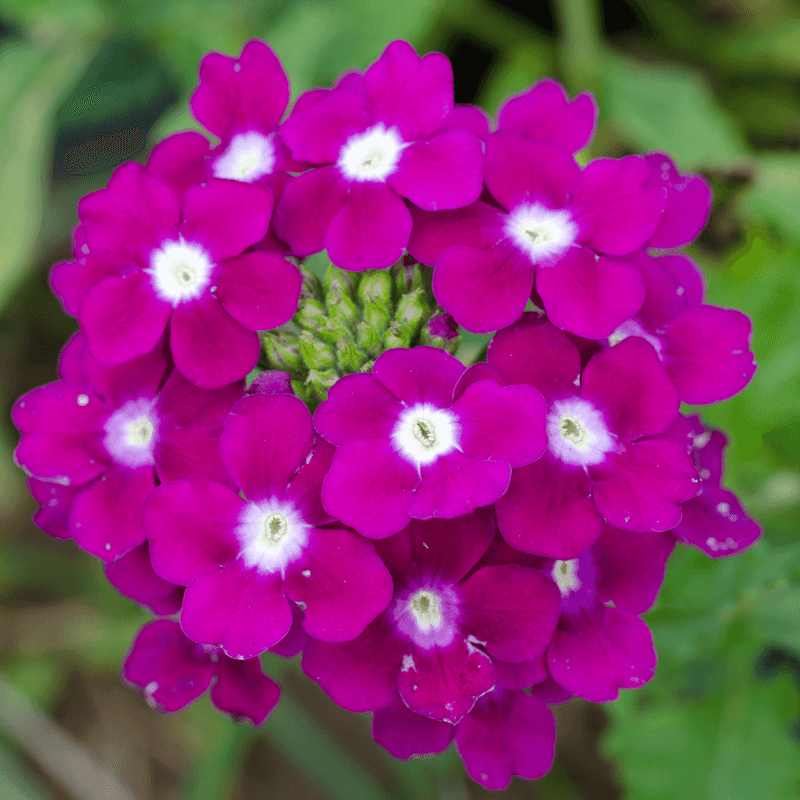
Verbena has a relaxed, spreading growth habit that makes it one of the most useful plants for softening the edges of Arizona garden beds and container arrangements.
As spring borders lose their cool-season color in May, verbena fills in those gaps with clusters of small, rounded flowers that bloom steadily through the warm months ahead.
The flowers come in shades of purple, red, pink, coral, and white, and they appear in rounded clusters that sit just above the foliage.
Verbena tends to spread outward rather than growing tall, which makes it well-suited for the front edges of raised planters, the lips of containers, and low-growing border plantings in Arizona front yards.
It creates a soft, flowing look that contrasts nicely with more upright summer plants.
Full sun brings out the best in verbena, and Arizona’s intense May sunshine suits it well. It appreciates good drainage and does not respond well to sitting in wet soil for extended periods.
Once established, verbena shows reasonable drought tolerance, though consistent watering during the hottest stretches of the Arizona summer helps it maintain a fuller, more floriferous appearance.
Deadheading spent blooms or giving the plant a light trim mid-season can encourage a fresh flush of flowers. Verbena also draws in butterflies and other pollinators, adding extra life to Arizona patio gardens and outdoor living spaces.
For gardeners looking for a spreading, easygoing plant that bridges the gap between spring and summer color, verbena is a dependable option worth considering.
6. Celosia Adds Bold Texture To Warm-Season Plantings
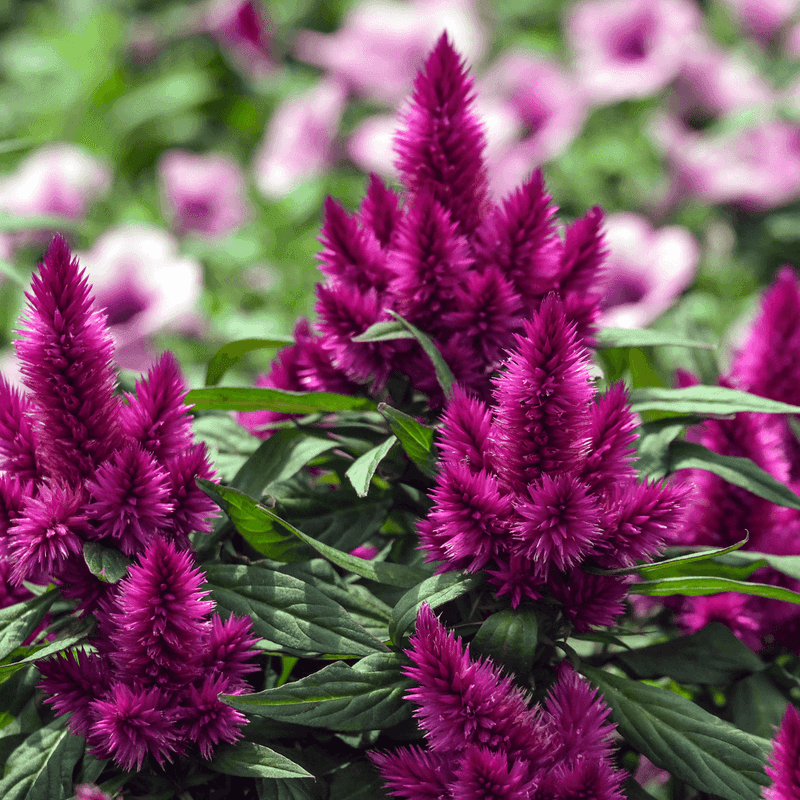
Celosia brings something genuinely different to the Arizona summer garden.
While most warm-season flowers compete with smooth, rounded petals, celosia stands out with unusual flower heads that come in two main forms – the feathery, upright plumes of Celosia argentea plumosa and the ruffled, brain-like crests of Celosia argentea cristata, commonly called cockscomb.
Both forms bring rich color in shades of red, orange, yellow, pink, and deep burgundy, and both hold up impressively well in Arizona heat. Celosia is not a plant that fades quickly in summer sun.
The blooms actually tend to intensify in color as temperatures rise, giving Arizona flower beds a dramatic look through the peak of summer when other plants might struggle to maintain their appearance.
Celosia grows best in full sun with well-draining soil and moderate watering. It does not like sitting in wet conditions, so raised beds and containers with good drainage work especially well in Arizona landscapes.
Plants typically reach between one and two feet tall depending on the variety, giving them enough presence to anchor a mixed summer planting.
Gardeners can use celosia as a focal point in a container arrangement or mass it together for a striking display in a front-yard border. The dried flower heads also hold their color well, which means cut stems can be brought indoors for decoration.
For Arizona gardeners who want texture and bold color together in one heat-tolerant plant, celosia is a genuinely rewarding choice for the warm season ahead.
7. Salvia Brings Color And Pollinator Appeal
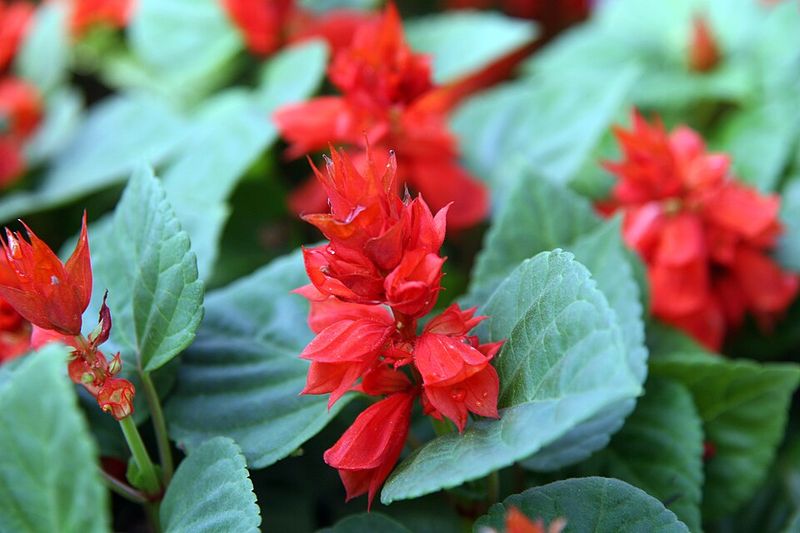
Salvias are a broad and varied group of plants, and several members of this family rank among the most dependable warm-season performers in Arizona gardens.
As cool-season flowers wrap up their run in May, salvia varieties suited to heat and sun step in with tall, colorful flower spikes that bring energy and vertical interest to summer beds.
Red salvia, Salvia splendens, is one of the most commonly planted types in Arizona and produces vivid scarlet flower spikes that stand out in borders and containers alike.
Tropical sage, Salvia coccinea, is another heat-tolerant option that tends to reseed itself from year to year in Arizona gardens, offering a more relaxed, naturalistic look with smaller red or coral flowers on airy stems.
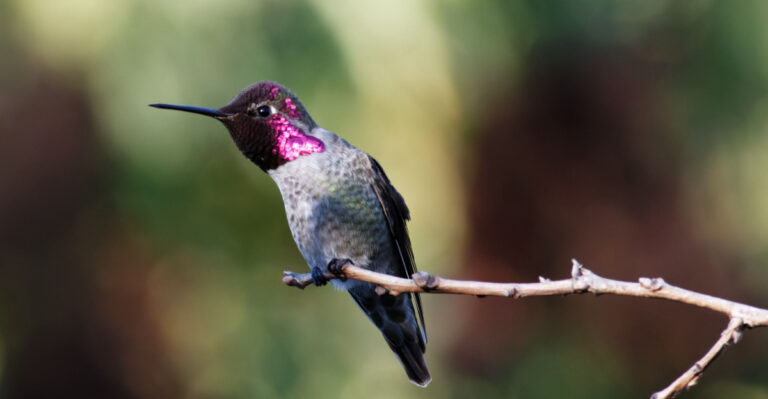
Hummingbirds are strongly drawn to red and coral salvias, making these plants a popular choice for Arizona homeowners who enjoy watching wildlife from the patio or garden bench.
Bees also visit salvia blooms regularly, making this a valuable addition to any pollinator-friendly Arizona landscape.
Salvia generally prefers full sun and well-draining soil, though some varieties tolerate partial shade during the hottest part of the Arizona afternoon.
Watering needs vary by type, but most salvias do well with moderate, consistent moisture during establishment and somewhat reduced water once they are settled in.
For gardeners who want a plant that delivers color, height, and wildlife value all at once, salvia is one of the most satisfying choices available for Arizona summer gardens.