The Best Flowers To Plant In Late Spring For A Beautiful North Carolina Garden
Late spring in North Carolina is one of the best planting windows of the entire year, and gardeners who take advantage of it set themselves up for a summer full of color.
The temperatures are warm but not yet brutal, the soil has had time to settle from winter, and most plants establish quickly during this window before the real heat arrives.
The challenge is choosing flowers that can handle what comes after planting, because a North Carolina summer is not gentle.
Heat, humidity, and stretches without rain will separate the flowers that were built for this climate from the ones that looked good at the garden center but fade by July.
The flowers worth planting right now are the ones that use late spring’s ideal conditions to get their roots established and then carry that momentum straight through summer without losing steam.
These are the varieties that consistently deliver in North Carolina and make the most of everything this planting window has to offer.
1. Zinnia (Zinnia elegans)
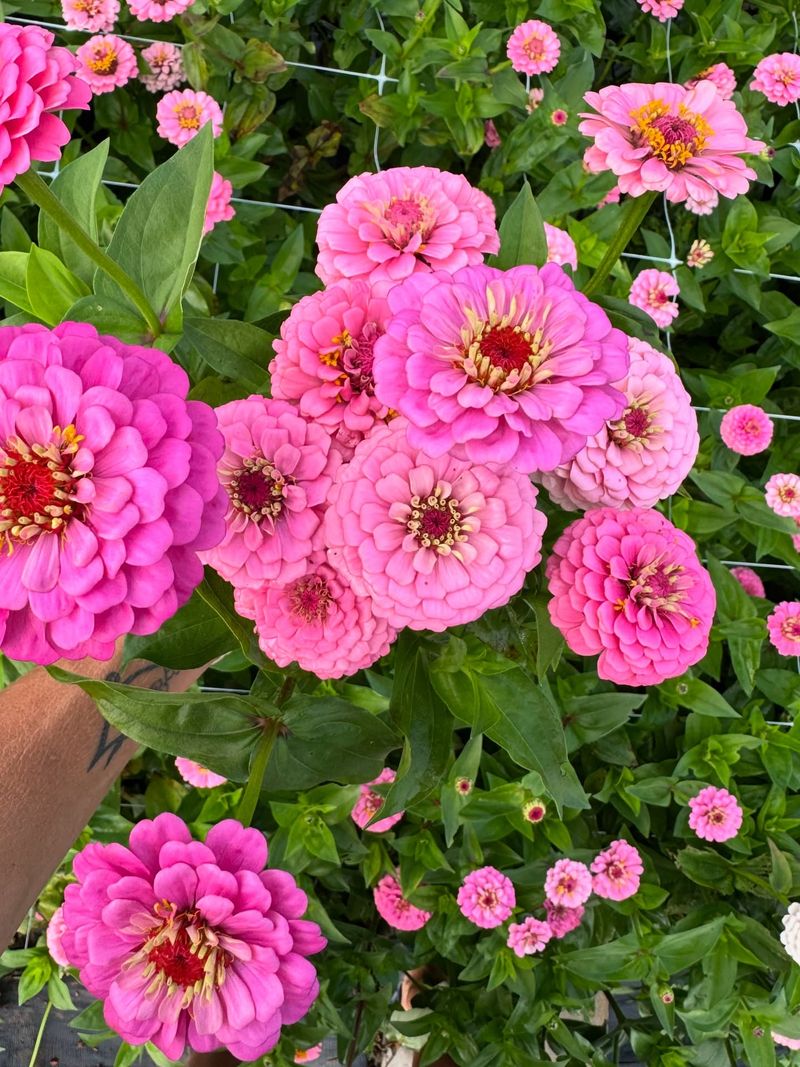
Few flowers bring as much color and cheer to a summer garden as the zinnia. Originally from Mexico, zinnias were brought to North Carolina gardens because they handle heat and humidity like champions.
Once you plant them, they reward you with bold blooms in nearly every color imaginable, from deep red to bright orange to soft pink.
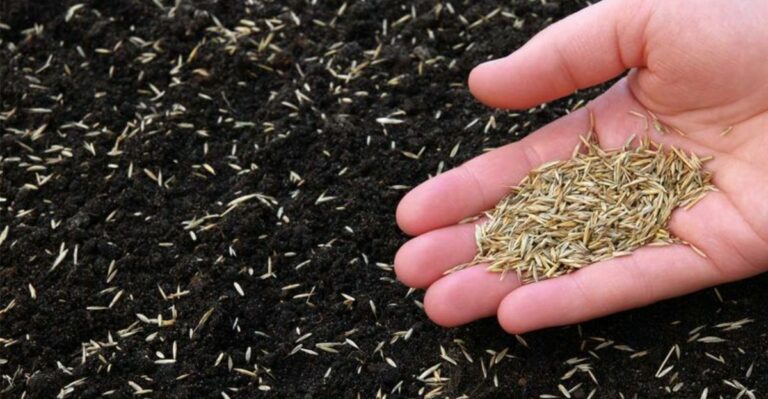
Direct sowing is the easiest way to grow zinnias in North Carolina. After the last frost passes, simply scatter seeds directly into your garden bed and water them in.
They sprout quickly, often within a week, and begin blooming in about eight weeks from seed to flower.
One thing to watch for is powdery mildew, which can show up when plants are crowded too closely together. Give each plant plenty of breathing room, about 12 inches apart, and you will have much healthier stems and brighter blooms.
Zinnias also attract butterflies, making your North Carolina yard feel alive all summer long. Deadheading spent flowers encourages even more blooms to form, so do not skip that simple step.
They are low-maintenance, high-reward plants that belong in every North Carolina garden this late spring season.
2. Cosmos (Cosmos bipinnatus)
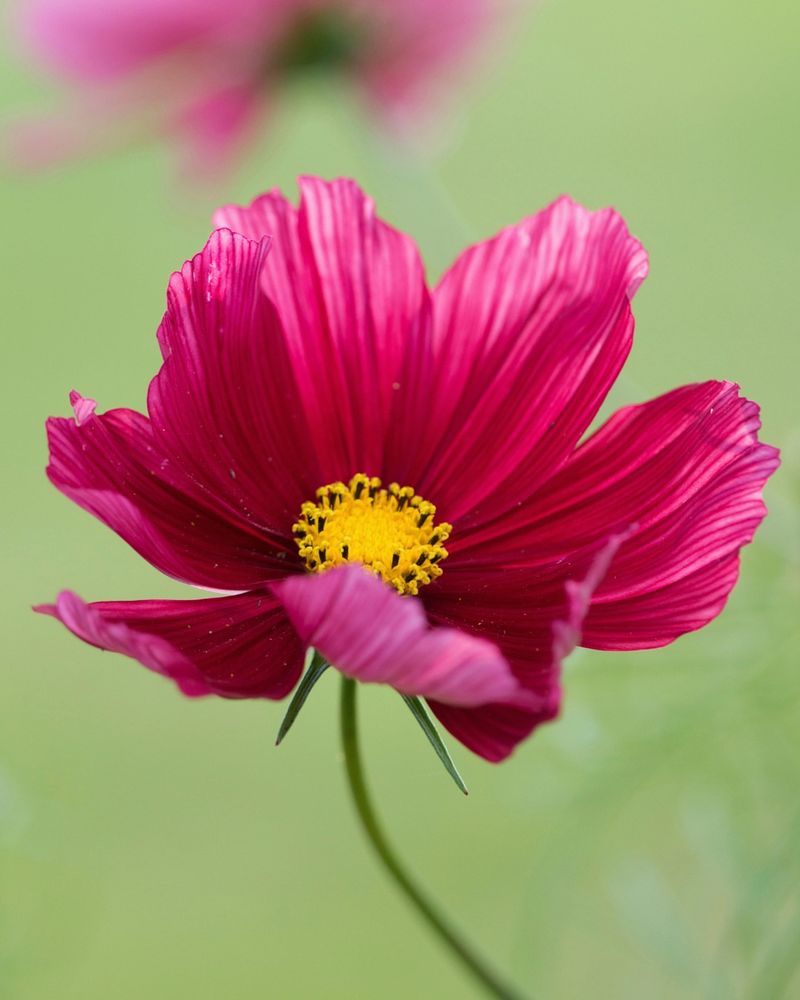
There is something almost magical about cosmos swaying in a warm summer breeze in a North Carolina backyard. These tall, feathery-leaved annuals look delicate but are surprisingly tough.
They handle average or even poor soil without complaint, which makes them perfect for gardeners who want big results without a lot of fuss.
Direct sow cosmos seeds in late spring once temperatures have settled. They prefer full sun and do not need much fertilizer.
In fact, too much fertilizer causes lots of leafy growth but fewer flowers, so go easy on the feeding and let the soil do its work naturally.
Cosmos bloom continuously from midsummer right through the first cool snaps of autumn, giving North Carolina gardens a long season of color. The flowers come in shades of pink, white, magenta, and bicolor varieties that look stunning when planted in large drifts.
Your North Carolina Garden Changes Every Week. Your Plan Should Too.
Gardening in North Carolina changes quickly throughout the season. Every Friday you’ll receive a simple weekly plan showing exactly what to plant, prune, fertilize, harvest, and protect so you never miss the right timing.
Pollinators absolutely love them, and you will notice bees and butterflies visiting your garden daily once cosmos are in bloom. Thin seedlings to about 12 to 18 inches apart so each plant has room to fill out beautifully.
Cosmos are one of those plants that make even a beginner gardener look like a true expert with very little effort required throughout the growing season.
3. Marigold (Tagetes patula, Tagetes erecta)
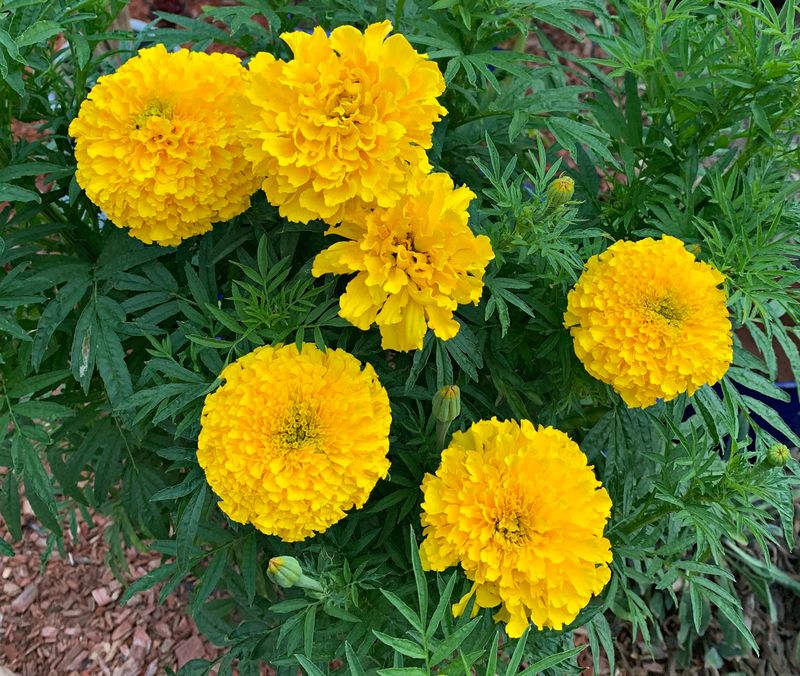
Marigolds have been a staple in Southern gardens for generations, and it is easy to understand why.
Their bright orange and yellow blooms practically glow in the North Carolina summer sun, and they bloom reliably from late spring all the way through fall without skipping a beat.
Gardeners across North Carolina have trusted marigolds for decades because they simply never disappoint.
Plant marigolds in full sun and well-drained soil for the best results. They tolerate the heat and humidity of a North Carolina summer far better than many other flowers, making them a smart choice for beds, borders, and container gardens alike.
French marigolds stay compact and bushy, while African marigolds grow tall and bold with large, showy blooms.
One fun bonus of growing marigolds is their natural ability to repel certain garden pests. Many North Carolina gardeners plant them near vegetables to help protect tomatoes and peppers from unwanted insects.
Their strong scent acts as a natural deterrent, which is a huge win for organic gardeners. Deadhead regularly to keep the blooms coming strong all season long.
Marigolds are available in dozens of varieties at local garden centers, so you can mix and match colors and sizes to create a truly personalized and vibrant North Carolina garden display this late spring.
4. Sunflower (Helianthus annuus)
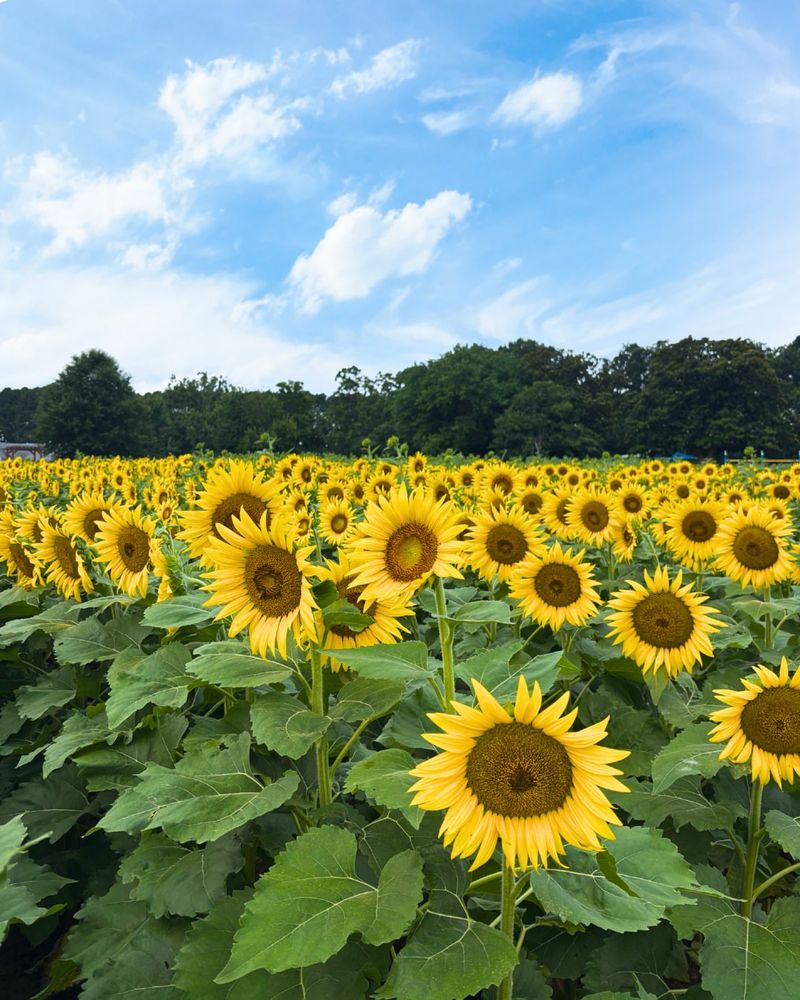
Nothing signals summer in North Carolina quite like a row of towering sunflowers standing tall against a bright blue sky.
These fast-growing annuals are direct sown right into the ground once the soil warms up in late spring, and they take off quickly with minimal care needed along the way.
Sunflowers need full sun, which means at least six to eight hours of direct sunlight each day. They are surprisingly drought-tolerant once established, making them a great fit for the hot, dry spells that hit North Carolina during midsummer.
Choose a spot with well-drained soil and give them a deep watering once a week for strong root development.
Beyond their stunning visual impact, sunflowers play a real role in supporting local pollinators. Bees, butterflies, and even birds flock to sunflower heads throughout the North Carolina growing season.
After blooming, the seed heads attract goldfinches and other songbirds, turning your garden into a wildlife haven. Varieties range from dwarf types that fit neatly into containers to giant heirloom varieties that can reach ten feet tall or more.
Stagger your planting dates every two weeks through late spring to extend your bloom season well into summer. Sunflowers are joyful, bold, and genuinely one of the easiest flowers you can grow in a North Carolina garden.
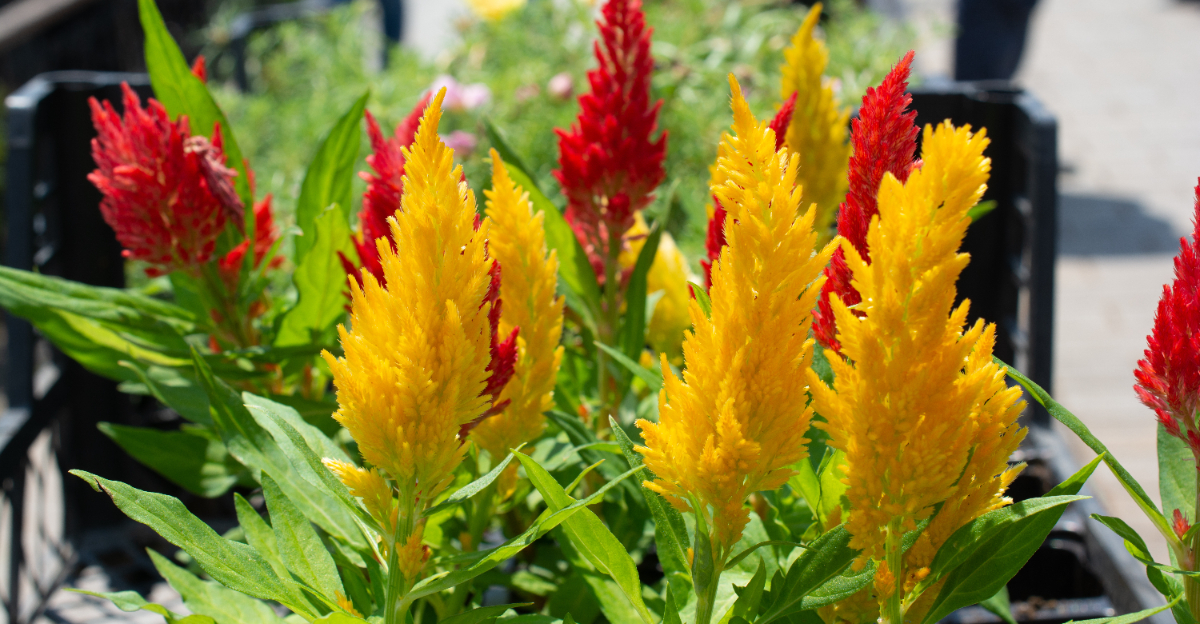
5. Celosia (Celosia argentea)
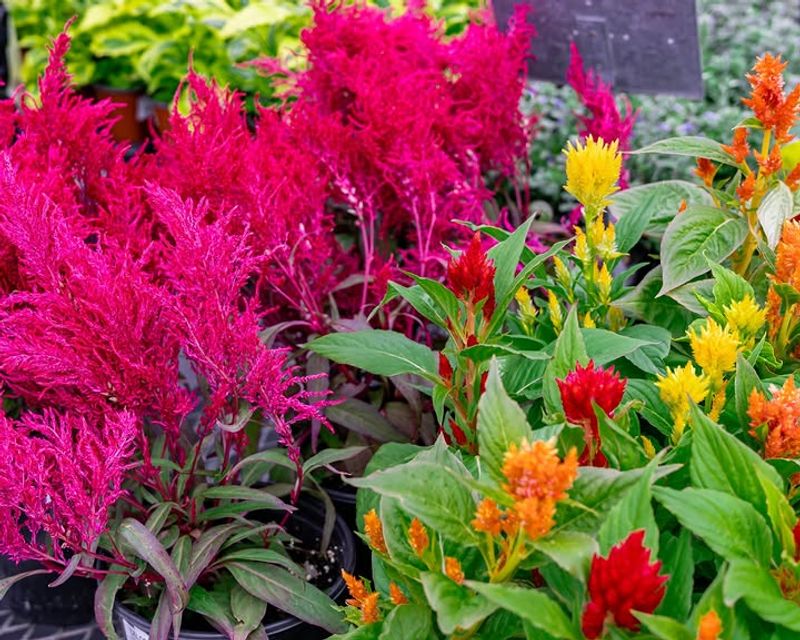
Celosia is one of those flowers that stops people in their tracks. Its flame-like plumes or brain-like crests come in fiery shades of red, orange, yellow, and pink that look almost unreal under the North Carolina summer sun.
Surprisingly, this bold flower is one of the easiest annuals you can add to your late spring garden lineup.
Celosia thrives in hot, humid conditions, which makes it a natural fit for North Carolina summers. Plant it in full sun and well-drained soil, and it will reward you with long-lasting blooms that hold their color for weeks without fading.
Unlike many flowers that struggle in the peak of summer heat, celosia actually performs better as temperatures rise.
Start celosia as transplants in late spring after all frost risk has passed, or direct sow seeds once the soil has warmed to at least 60 degrees Fahrenheit. Space plants about 6 to 12 inches apart depending on the variety you choose.
Celosia works beautifully in mixed flower beds, along borders, and even in containers on a North Carolina porch or patio. The blooms also dry exceptionally well, meaning you can cut them and bring that summer color indoors as dried arrangements that last for months.
Celosia is truly a standout performer in any North Carolina garden this season.
6. Verbena (Verbena spp.)
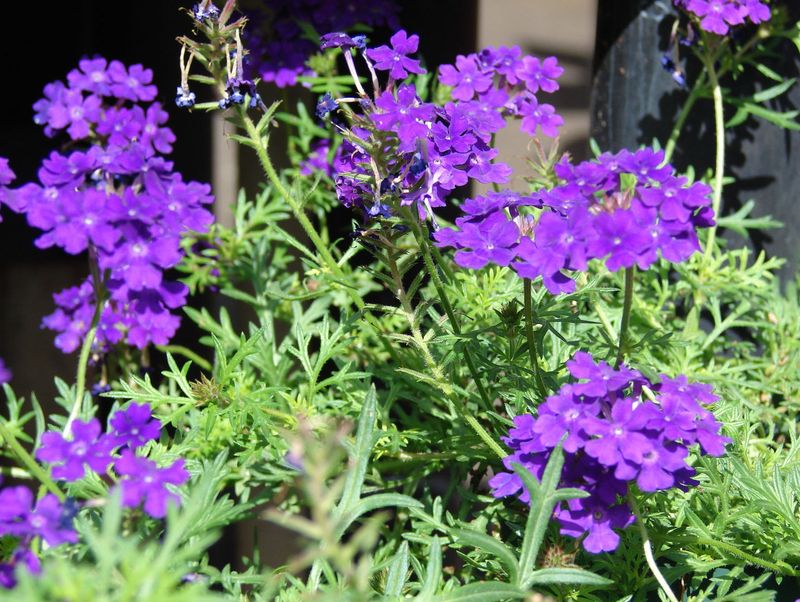
Verbena is the kind of flower that fills in a garden bed beautifully, spreading low and wide with clusters of tiny blooms that come in purple, red, pink, white, and coral.
Gardeners in North Carolina love verbena because it handles the summer heat without wilting or losing its color, even during the hottest stretches of July and August.
Good drainage is the key to keeping verbena happy in North Carolina. Plant it in raised beds, containers, or sloped areas where water moves away from the roots quickly.
Verbena does not like sitting in soggy soil, but with the right conditions it blooms almost nonstop from late spring through the first cool nights of fall.
Verbena works incredibly well as a ground cover, spilling over the edges of containers or flowing along the front of a garden border.
It pairs beautifully with taller plants like salvia or celosia, creating a layered look that adds real depth and texture to any North Carolina yard.
Trimming verbena back by about one-third mid-season encourages fresh new growth and a second wave of heavy blooming. Butterflies are particularly drawn to verbena, so planting it near a seating area means you will have a front-row seat to their visits all summer long.
Verbena is affordable, widely available, and an absolute workhorse in the garden.
7. Salvia (Salvia splendens and Hybrids)
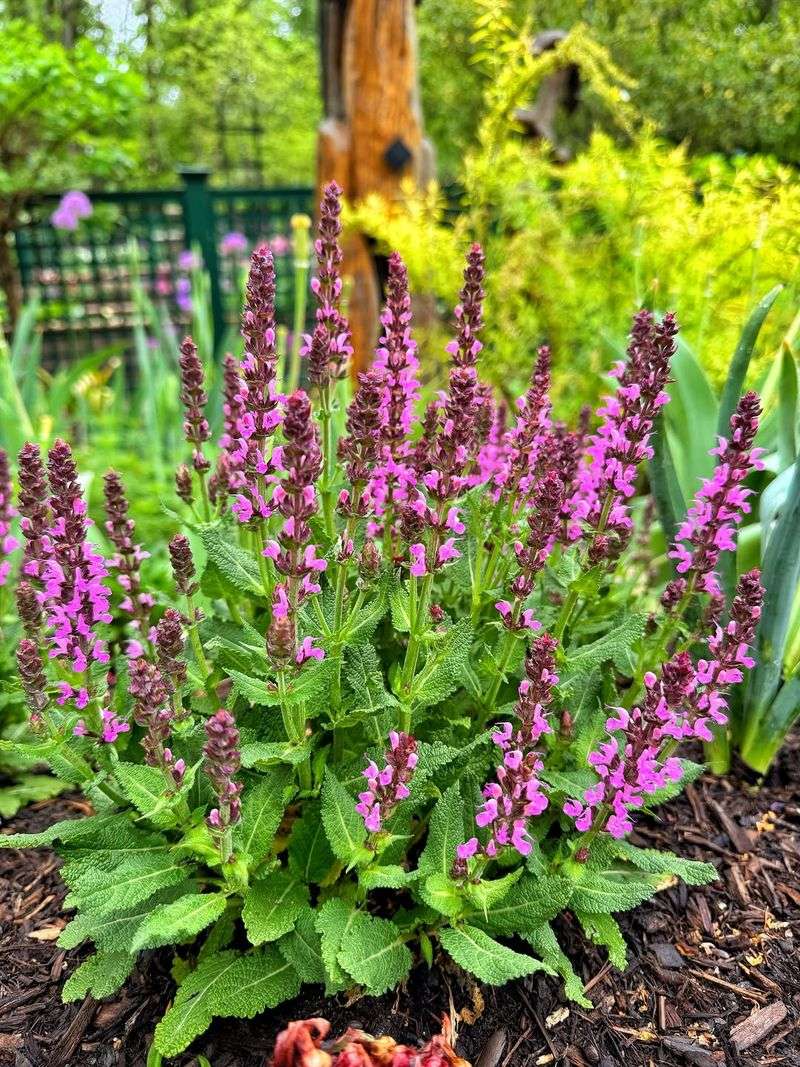
Salvia is a true powerhouse in the North Carolina summer garden. The classic red variety has been a favorite in Southern landscaping for decades, but newer hybrid salvias now come in shades of coral, purple, white, and salmon, giving gardeners far more options to work with than ever before.
Plant salvia once and you will wonder why you waited so long to try it.
This warm-season annual handles heat incredibly well and attracts hummingbirds and butterflies in impressive numbers. Planting salvia as transplants in late spring gives it the best start, since the roots establish quickly in warm North Carolina soil.
Choose a spot with full sun to light shade, and water regularly until the plants are settled in and growing strong.
Salvia grows in neat, upright clumps that work perfectly along walkways, in formal garden beds, and in mixed containers on a porch or deck.
It holds its color beautifully even during the most intense North Carolina summer heat, which is more than you can say for many other annuals.
Removing spent flower spikes encourages fresh blooms to push up from the base, keeping the display looking full and vibrant all season.
Salvia is also relatively resistant to deer browsing, which is a major bonus for North Carolina gardeners who share their yards with local wildlife on a regular basis.
8. Portulaca (Portulaca grandiflora)
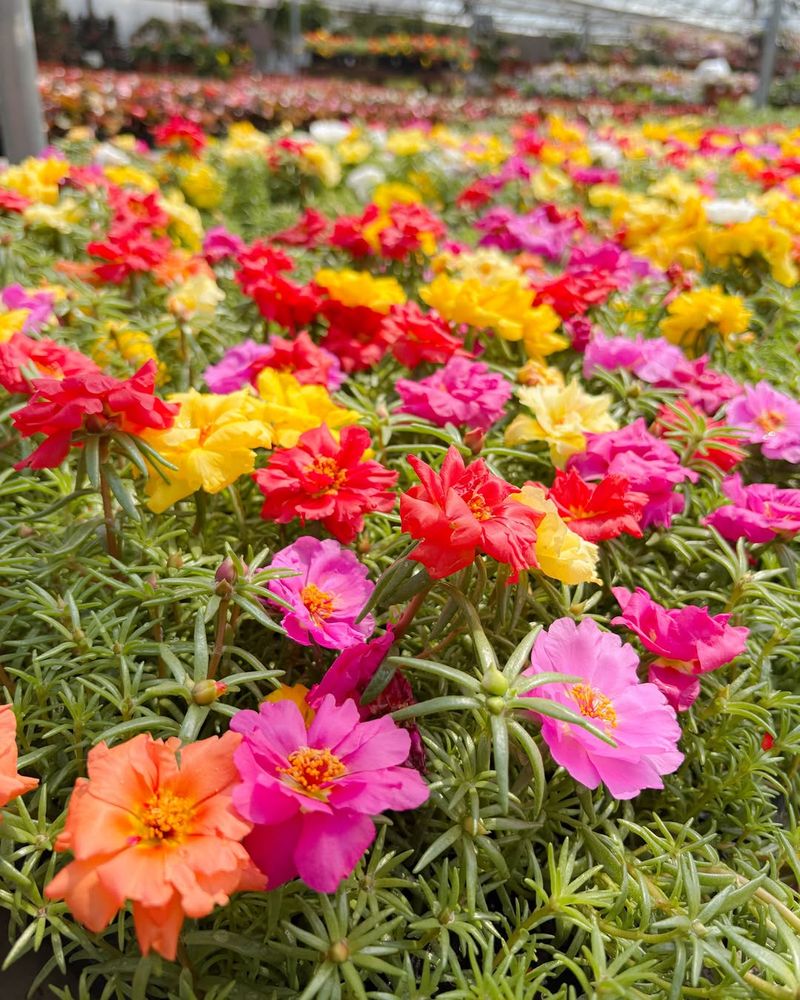
If you have a hot, dry spot in your North Carolina yard where nothing else seems to grow, portulaca is your answer. Also called moss rose, this cheerful little annual thrives in the toughest conditions, including poor soil, intense sun, and long stretches without rain.
It is practically made for the scorching corners of a North Carolina summer garden.
Portulaca produces silky, rose-like blooms in vivid shades of pink, orange, yellow, red, and white. The flowers open wide in full sunlight and close at night or on cloudy days, which is a fun quirk that makes it endlessly interesting to observe.
Plant it along sunny borders, in rock gardens, or in shallow containers where drainage is excellent and sun is plentiful.
One of the best things about portulaca is how little attention it needs once it is established. Water it occasionally during extreme dry spells, but otherwise it takes care of itself beautifully.
It spreads low and dense, forming a colorful carpet that suppresses weeds and covers bare soil with ease. North Carolina gardeners who struggle with sandy or rocky soil will find portulaca to be a genuine game-changer in those problem areas.
Start from transplants or direct sow seeds in late spring after the soil warms up. Portulaca self-seeds generously, so you may find it returning in the same spots year after year without any extra effort on your part.