Why Elderberry Is One Of The Best Native Shrubs For Wet Ohio Spots
Wet spots in an Ohio garden have a way of becoming problem areas by default. Too soggy for most shrubs, too shaded and waterlogged for typical perennials, they sit there looking unhappy no matter what gets planted in them.
Most gardeners either give up on those areas entirely or spend years forcing plants into conditions they were never built for.
Elderberry looks at that same wet, heavy, poorly-draining spot and sees home.
This native shrub evolved alongside Ohio’s rivers, floodplains, and low-lying areas long before anyone was trying to landscape around them.
It doesn’t just tolerate wet conditions, it genuinely performs in them, putting on rapid growth, producing massive clusters of flowers that pollinators go wild for, and following up with berries that birds treat like a five-star restaurant.
On top of all that, it’s native, low-maintenance, and brings a wild, generous kind of beauty that more cultivated shrubs rarely pull off. Wet spots in Ohio finally have a plant that’s actually excited to be there.
1. Elderberry Feels At Home Where Soil Stays Damp
Picture a low corner of a backyard in central Ohio where water pools after every storm and the grass turns yellow by midsummer. Most ornamental shrubs planted there will struggle within a season or two.
American elderberry, though, shrugs off those soggy conditions because it evolved right alongside them.
In the wild, elderberry naturally colonizes stream banks, wet meadows, low woodland edges, and drainage corridors across Ohio. It is genuinely adapted to moist, periodically saturated soils rather than simply tolerating them out of stubbornness.
Northern Ohio gardeners dealing with heavy clay that stays cold and wet well into April will often find elderberry pushing out healthy new growth while other shrubs sit dormant and stressed.
That said, elderberry is not a true aquatic plant. Standing water that persists for weeks at a time can still stress the roots, especially in heavy, compacted clay with no airflow.
The sweet spot for elderberry is soil that gets wet after rain, drains slowly but eventually, and stays consistently moist through summer. Raised planting on a slight mound within a wet area can give roots just enough drainage to thrive.
Matching the plant to a site where water moves through rather than permanently collects is the key to long-term success.
2. Native Roots Make Elderberry A Natural Ohio Fit
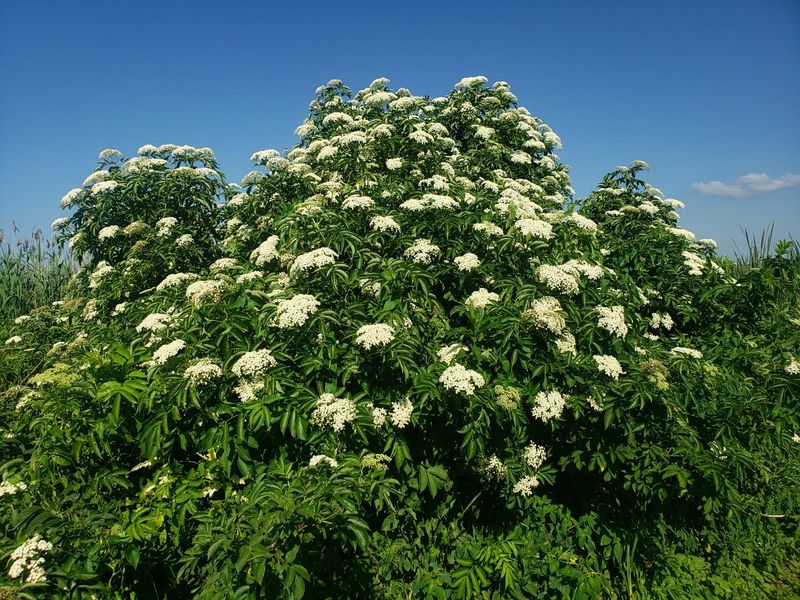
Long before suburban neighborhoods, garden centers, and landscaping trends arrived in Ohio, American elderberry was already growing here.
Sambucus canadensis is listed as a native species throughout Ohio by the Ohio Department of Natural Resources, and its presence in the state goes back thousands of years.
That deep native history matters more than most gardeners realize.
Native plants co-evolved with Ohio’s soils, rainfall patterns, temperature swings, and local insects.
Elderberry does not need supplemental fertilizer to get established, rarely requires irrigation once its roots settle in, and handles Ohio’s freeze-thaw cycles without the winter damage that hits many imported ornamentals.
Ohio State University Extension consistently recommends native shrubs for challenging sites precisely because they are built for local conditions rather than forced to adapt to them.
Your Ohio Garden Changes Every Week. Your Plan Should Too.
Gardening in Ohio changes quickly throughout the season. Every Friday you’ll receive a simple weekly plan showing exactly what to plant, prune, fertilize, harvest, and protect so you never miss the right timing.
For gardeners in southern Ohio dealing with sloped sites and erosion-prone runoff areas, or in central Ohio suburbs fighting compacted builder soil, planting a true native like elderberry means working with the landscape rather than against it.
Local pollinators, birds, and beneficial insects already recognize elderberry as a food source and habitat plant.
No training required. The ecological relationships are already in place, waiting for the shrub to arrive.
3. Pollinators Flock To Its Creamy Summer Flowers
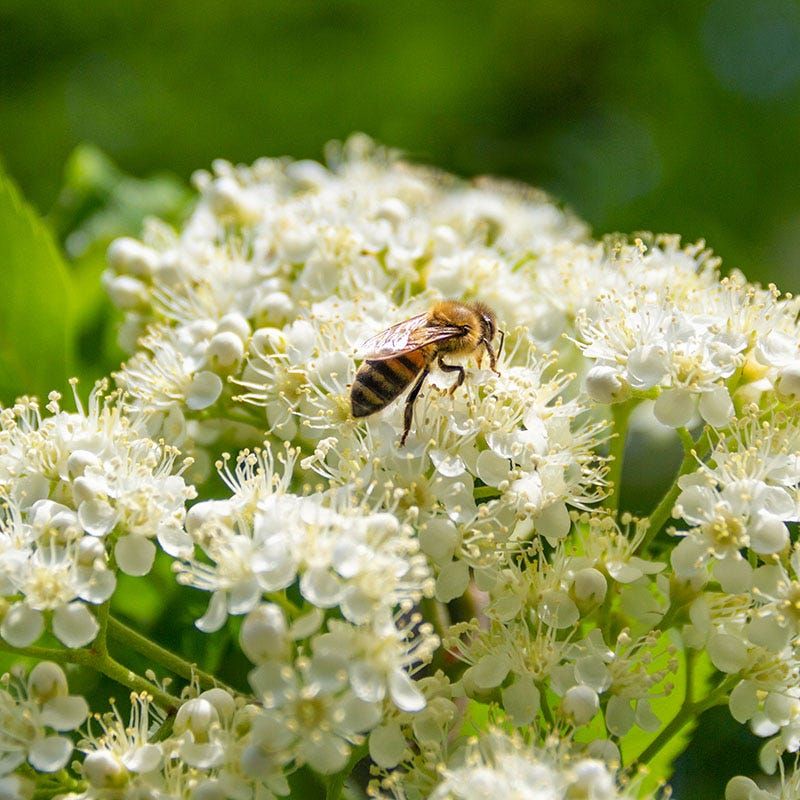
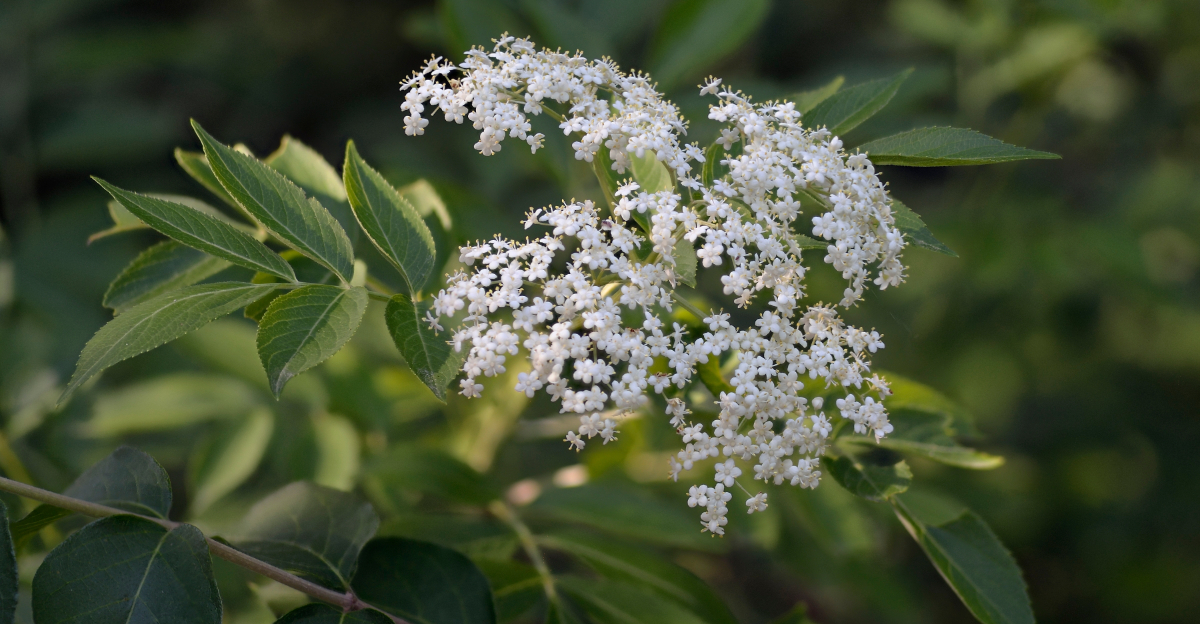
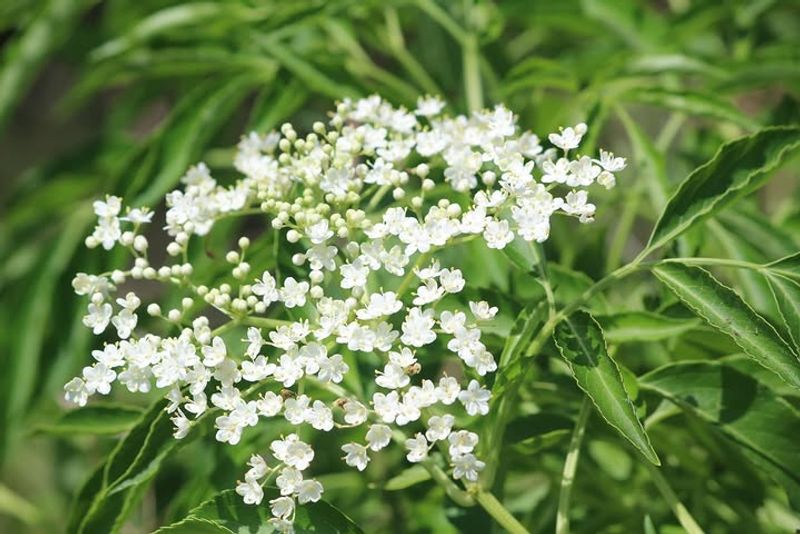
On a warm June morning in Ohio, an elderberry shrub in full bloom is practically humming. The flat-topped flower clusters, called cymes, open in early summer and attract a remarkable variety of pollinators.
Native bees, honeybees, syrphid flies, small butterflies, and beneficial wasps all visit the creamy white blooms in search of nectar and pollen.
Each flower cluster can span six inches or more across, and a mature elderberry shrub produces dozens of them. That concentrated bloom period gives pollinators a reliable, abundant food source right when many other early-summer flowers are fading.
Ohio native plant advocates often highlight elderberry as a high-value pollinator plant precisely because of how many species it supports in a relatively short bloom window.
Planting elderberry near vegetable gardens, fruit trees, or other flowering shrubs can boost overall pollinator activity in the yard. The flowers also carry a mild, pleasant fragrance that makes the shrub enjoyable to stand near on a summer afternoon.
For rain garden installations or wet-area plantings where space allows a few shrubs, mixing elderberry with other native bloomers like buttonbush or swamp rose extends the pollinator season even further.
The blooms are also edible when properly prepared, though the raw flowers should be handled carefully.
4. Birds Feast On The Late-Season Berries
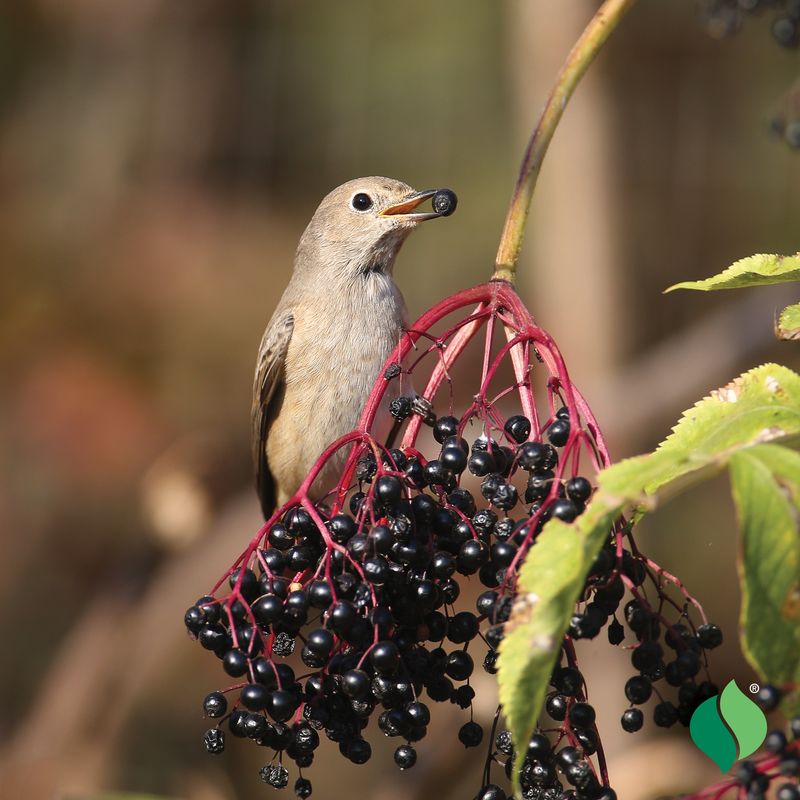
By late August and into September, elderberry clusters shift from creamy white to deep purple-black, and Ohio’s birds take immediate notice.
Cedar waxwings, robins, catbirds, bluebirds, and more than two dozen other bird species are documented consumers of elderberries across the eastern United States.
A single productive shrub can become a genuine feeding station for migrating birds moving through Ohio in late summer.
The berries ripen in large clusters, making them easy for birds to access quickly. Because elderberry produces fruit relatively early compared to many native fruiting shrubs, it fills a critical food gap before other late-season berries are ready.
Planting elderberry near other native fruiting shrubs like serviceberry, spicebush, or native viburnums creates a layered food source that supports birds across multiple seasons.
A note worth knowing: raw elderberries contain compounds that can cause nausea in humans if eaten in quantity without proper preparation.
Ripe berries are commonly cooked into syrups, jams, and elderberry wellness products, but casual snacking directly off the shrub is not recommended.
The stems, leaves, and unripe fruit contain higher concentrations of these compounds and should not be consumed. Birds handle the berries without issue, so the wildlife value is unconditional.
Let the birds enjoy the harvest freely while humans prepare their share with care.
5. Elderberry Turns Soggy Corners Into Habitat
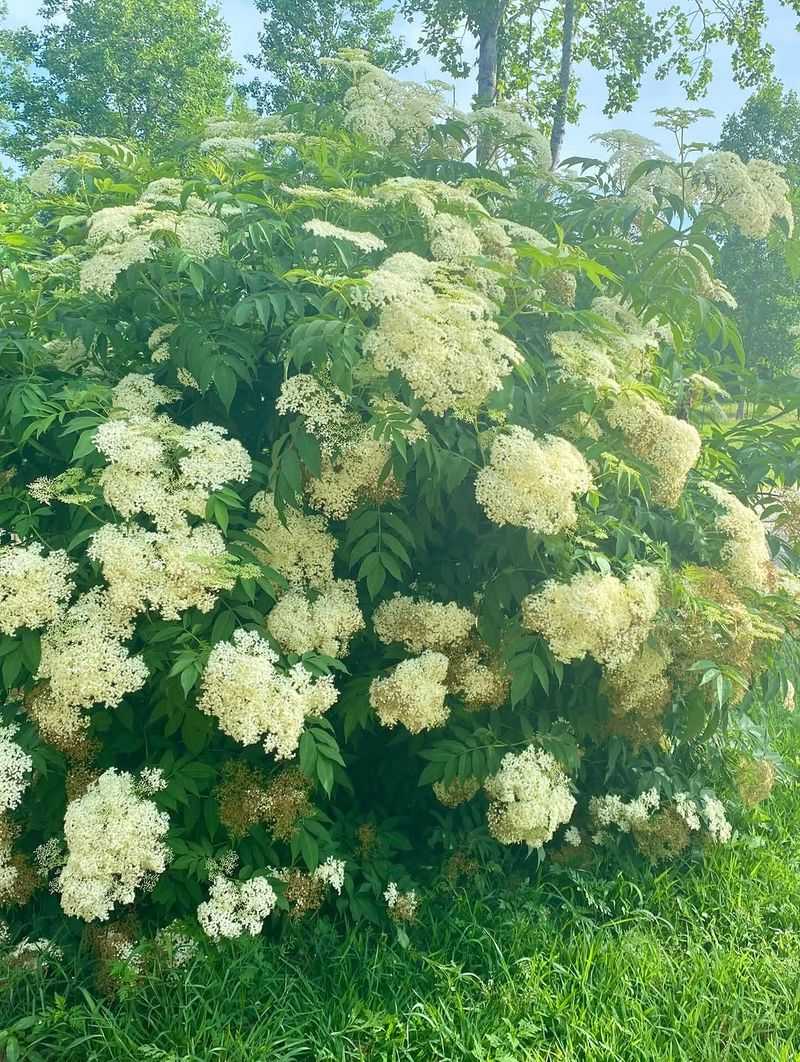
A low, damp corner of a yard that drains poorly after rain does not have to be a landscaping headache. Planted with elderberry, that same soggy edge becomes a layered habitat zone that supports insects, birds, and small mammals all at once.
Few native shrubs pack as much ecological function into one plant.
Elderberry’s dense branching structure provides nesting cover and shelter for songbirds. The broad leaves offer shade and humidity near the ground, creating microhabitats that ground-feeding birds and beneficial insects appreciate.
Stems left standing through winter provide overwintering habitat for native bees that nest in hollow or pithy canes, which is a detail many gardeners overlook when deciding how aggressively to cut back in fall.
In southern Ohio, where sloped sites often shed runoff quickly and erode bare soil, a grouping of elderberry shrubs along a low drainage swale can anchor soil with fibrous roots while simultaneously creating a wildlife corridor.
Central Ohio suburban yards with wet spots near fences or property lines gain both privacy screening and habitat value from a well-placed elderberry planting.
The shrub transforms a problem area into something that feels intentional, natural, and genuinely alive with activity through spring, summer, and fall.
6. Fast Growth Helps Fill Bare Wet Spots
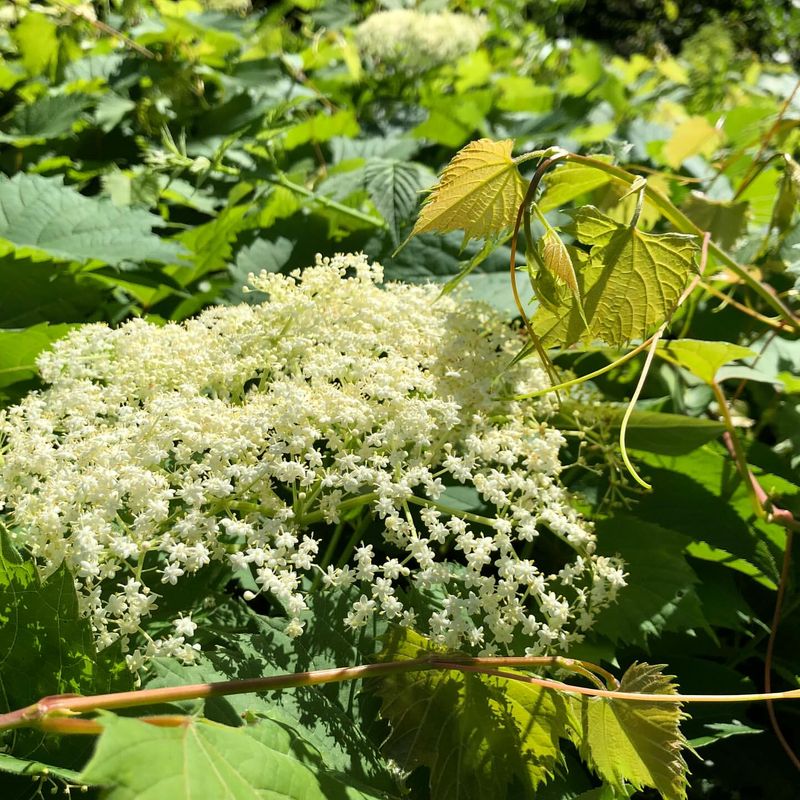
Bare, wet ground is an open invitation for weedy species to move in fast. Phragmites, reed canary grass, and invasive shrubs are quick to colonize damp disturbed areas across Ohio, and once established, they are genuinely difficult to remove.
Planting elderberry early gives a native shrub a head start on filling that space before the weeds arrive.
Elderberry earns a reputation as one of the faster-growing native shrubs in Ohio landscapes. Under good conditions with adequate moisture, new canes can put on three to six feet of growth in a single season.
A bare wet corner that looks sparse and sad in spring can look lush and full by late summer. For homeowners who want results without waiting years, that growth rate is a real advantage.
The flip side of fast growth is that elderberry spreads by root suckers and can expand beyond its original planting area over time. In a large naturalized planting or along a pond edge, that spreading habit is welcome.
In a tighter suburban yard, occasional removal of outward-creeping suckers keeps the shrub in its intended footprint. Pruning and sucker management are simple tasks that take maybe an hour once or twice a year.
The payoff in coverage, habitat, and visual impact far outweighs the minimal maintenance involved.
7. Rain Gardens Get A Big Boost From Elderberry
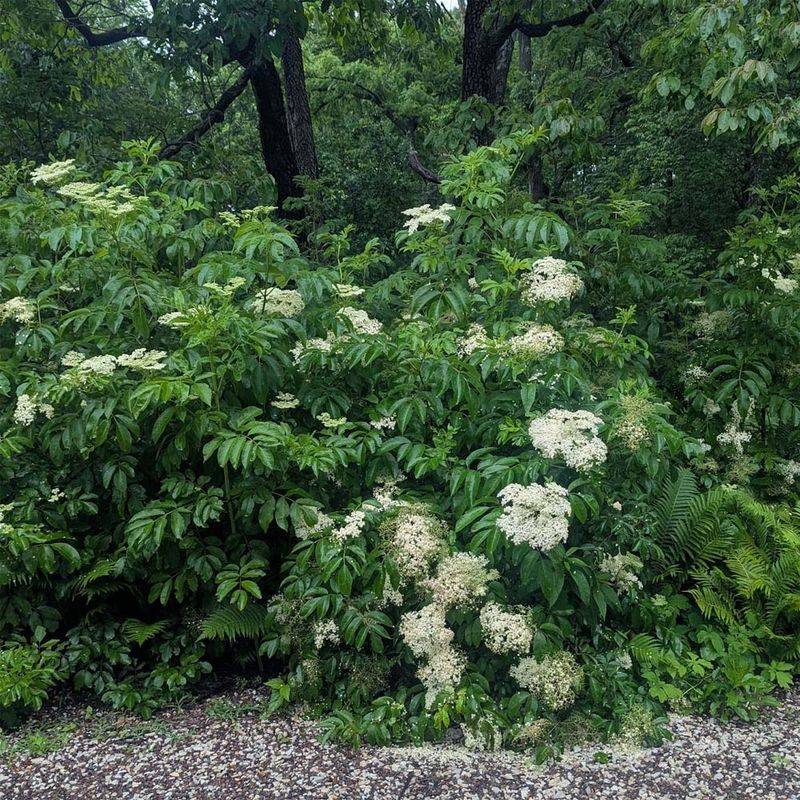
Rain gardens have become one of the most practical tools Ohio homeowners and municipalities use to manage stormwater runoff.
A well-designed rain garden captures water from rooftops, driveways, and compacted lawn areas, holds it temporarily, and allows it to slowly infiltrate into the soil rather than rushing into storm drains.
Choosing the right plants for the wet zone at the center of a rain garden is critical, and elderberry consistently earns a spot on Ohio native plant rain garden plant lists.
Ohio State University Extension and local watershed organizations across the state recommend moisture-tolerant native shrubs for rain garden installations, and elderberry checks nearly every box.
It handles periodic inundation after heavy storms, recovers quickly as water drains away, supports pollinators during bloom, and provides bird food in late summer.
Few single shrubs offer that combination of stormwater function and ecological value.
For central Ohio homeowners managing runoff from large impervious surfaces, placing elderberry at the inflow end of a rain garden where water first enters and briefly pools takes advantage of the shrub’s best traits.
Pairing elderberry with native perennials like swamp milkweed, blue flag iris, or cardinal flower creates a layered planting that looks intentional, performs well ecologically, and manages runoff more effectively than turf grass alone ever could.
8. Pruning Keeps This Vigorous Shrub In Bounds
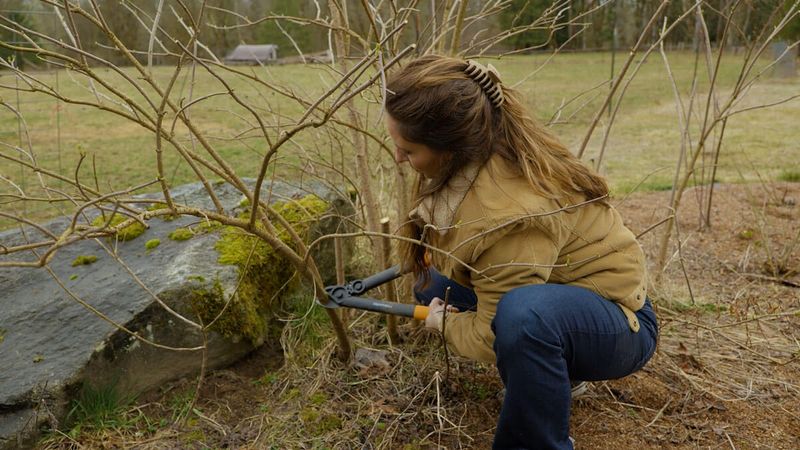
Left completely alone for several years, an elderberry can become a sprawling, multi-stemmed thicket that crowds out neighboring plants and produces fewer flowers and berries on old, congested wood.
A little seasonal pruning solves all of that and keeps the shrub looking tidy, open, and productive year after year.
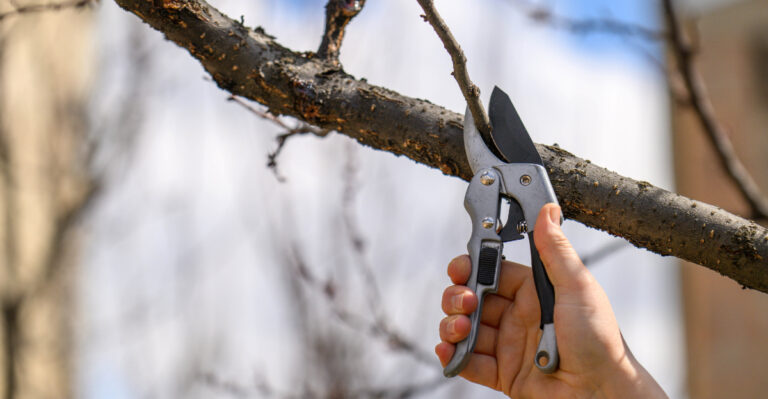
The simplest approach is a renewal pruning method recommended by many Ohio horticulture programs. Each late winter or very early spring before new growth begins, remove roughly one-third of the oldest, woodiest canes at ground level.
Older canes are typically darker, thicker, and less productive than the vigorous new growth that elderberry pushes up each season. Cutting old canes out opens the center of the shrub to airflow, which reduces the risk of fungal issues in damp planting sites.
For smaller suburban yards where elderberry might eventually shade out a garden bed or press against a fence, more aggressive pruning every few years keeps the footprint manageable.
Some gardeners cut the entire shrub to within a few inches of the ground every three to four years, a practice called coppicing, and the shrub responds with a flush of strong new growth.
Elderberry rarely resents hard pruning. With the right timing and a sharp pair of loppers, keeping this vigorous native shrub in bounds is genuinely straightforward work.