7 Things Ohio Gardeners Should Compost (And 4 To Avoid At All Costs)
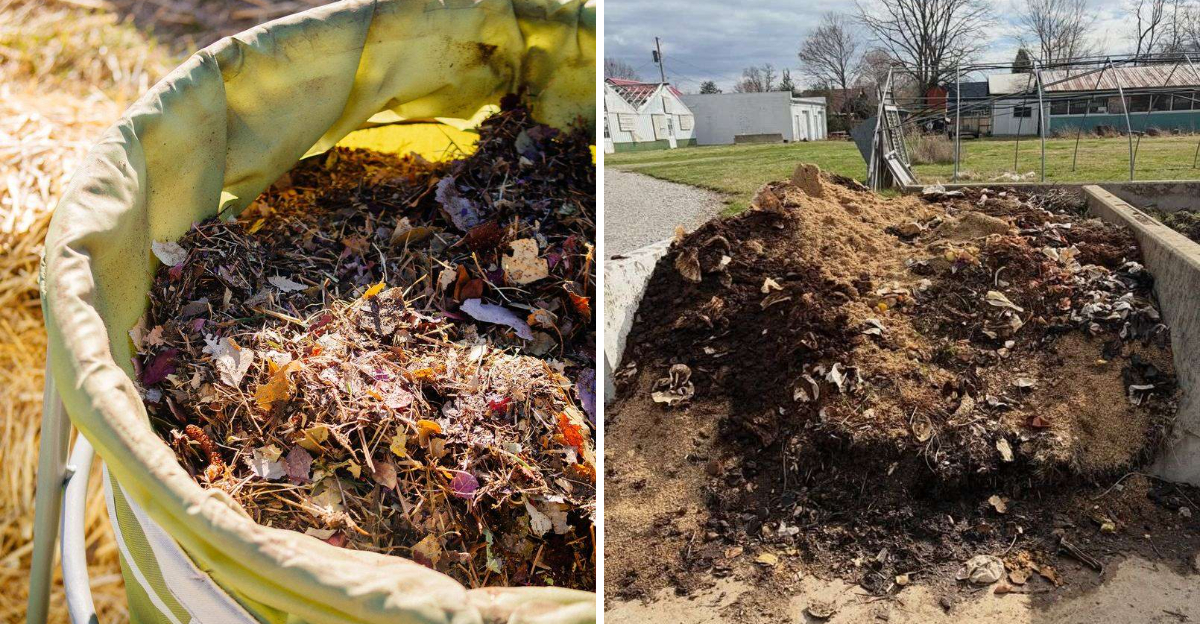
Composting sounds simple right up until it isn’t. Ohio gardeners generate a serious amount of organic material across a full growing season, and the instinct to throw everything into the pile is completely understandable.
But that instinct is exactly where most backyard compost setups start going sideways. Not every kitchen scrap, yard clipping, or garden leftover belongs in the pile, and the ones that don’t can quietly sabotage months of good work.
The stakes feel low until you’re dealing with a slow, problematic pile that’s more headache than help.
Ohio’s seasons also throw specific curveballs that gardeners in milder climates don’t face, and those curveballs matter when you’re trying to build genuinely rich, garden-ready compost.
Some of the answers are obvious, a few will genuinely surprise you, and one or two might make you rethink what you’ve been tossing in for years. Read on before the next trip to the pile.
1. Fall Leaves Build The Brown Base Every Pile Needs
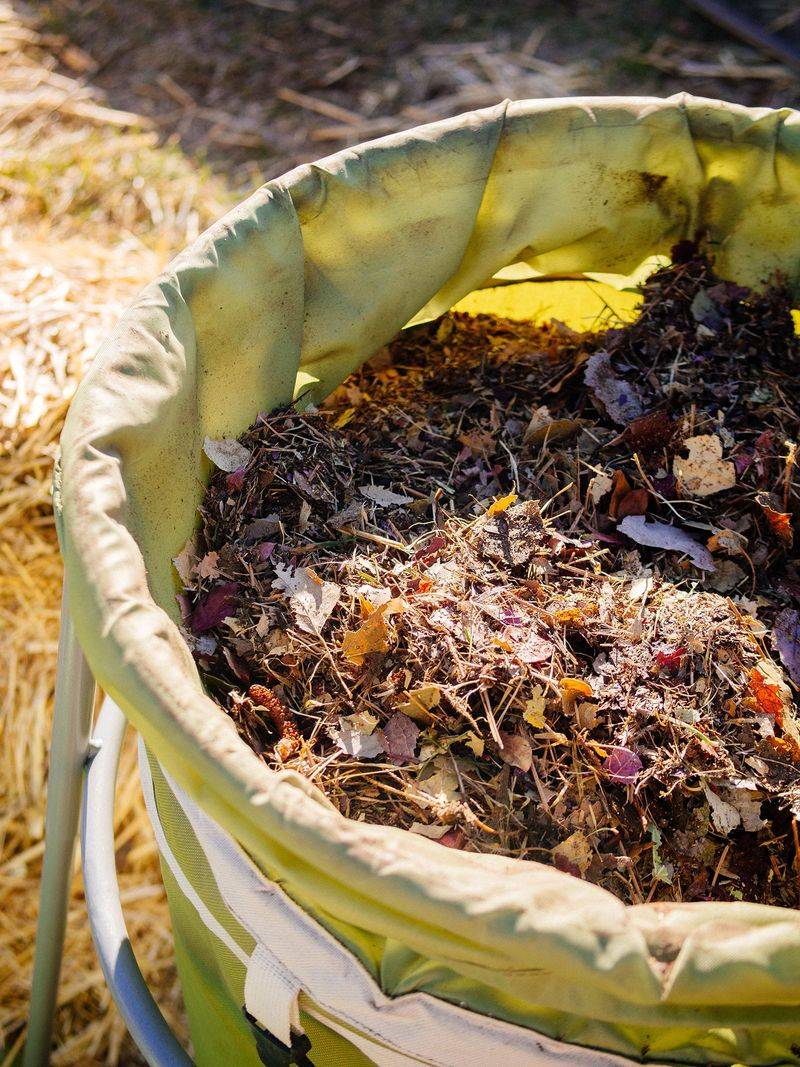
Every October across Ohio, the leaves come down in waves, and smart gardeners see opportunity where others see yard work. Dry leaves are one of the best carbon-rich, or “brown,” materials you can add to a backyard compost pile.
They help absorb moisture from wet green ingredients like grass clippings, balance the overall carbon-to-nitrogen ratio, and create small air pockets that keep decomposition moving.
Northern Ohio piles can stay cold well into spring, so adding shredded leaves in fall gives microbes a head start once temperatures rise. Shredding matters more than most people realize.
Whole leaves tend to mat together into dense, wet layers that block airflow and slow breakdown significantly. Running a lawn mower over a pile of leaves before adding them to the bin takes only a few minutes and can cut decomposition time in half.
Central Ohio gardeners dealing with heavy leaf volume from large shade trees can store shredded leaves in a separate bin and use them all season long as a brown layer whenever wet greens go in.
A good rule of thumb is roughly two to three parts brown material for every one part green.
Leaves make that balance easy and free.
2. Grass Clippings Add A Quick Green Boost
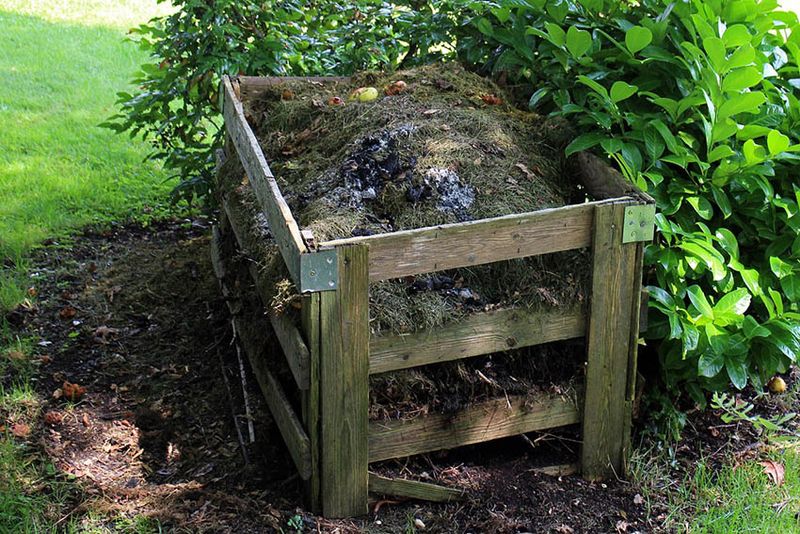
After mowing on a warm Ohio summer afternoon, it is tempting to dump the entire grass catcher straight into the compost bin and call it done.
Fresh grass clippings are genuinely excellent nitrogen-rich compost material, but the way you add them makes all the difference between a productive pile and a slimy, smelly mess.
Thick clumps of clippings compact quickly, squeezing out the air that decomposing microbes need to do their job. A layer no more than an inch or two thick, alternated with dry leaves or shredded cardboard, breaks down much more efficiently.
Across central Ohio, where suburban lawns generate enormous volumes of clippings from spring through fall, managing that flow in layers is the most practical approach.
One detail Ohio gardeners should not overlook is herbicide and pesticide timing. Clippings from a lawn recently treated with broadleaf herbicides or other chemicals should not go directly into compost intended for vegetable gardens.
Your Ohio Garden Changes Every Week. Your Plan Should Too.
Gardening in Ohio changes quickly throughout the season. Every Friday you’ll receive a simple weekly plan showing exactly what to plant, prune, fertilize, harvest, and protect so you never miss the right timing.
Follow the lawn product label before composting treated clippings. When the label is unclear, waiting through several mowing cycles is the safer choice before using those clippings in compost for garden beds.
Specific waiting periods vary by product, so checking the label is always the safest move. Used carefully, grass clippings remain one of the fastest ways to energize a sluggish pile.
3. Fruit And Vegetable Scraps Belong Under Browns
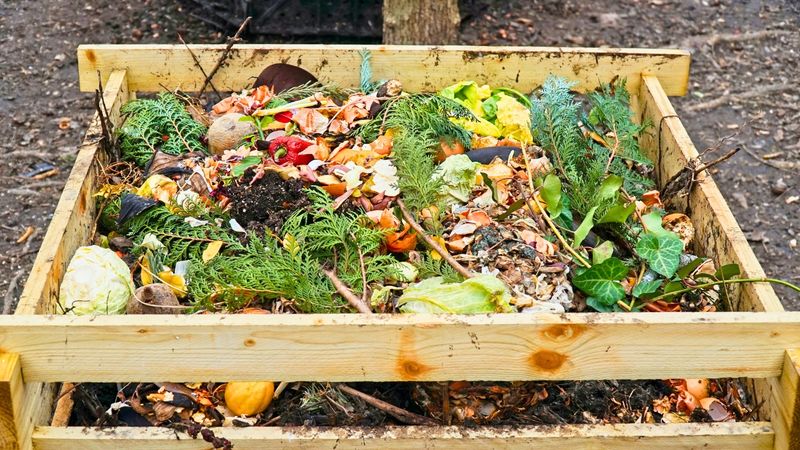
Standing at the kitchen sink after dinner, peeling carrots or coring an apple, most Ohio gardeners instinctively know those scraps belong somewhere useful rather than in the trash.
Fruit peels, vegetable trimmings, wilted salad greens, and similar kitchen waste are excellent compost ingredients that add moisture and nitrogen to a pile without much effort.
The mistake many beginners make is dumping a full bowl of wet scraps directly on top of an open pile and walking away.
Exposed food scraps attract flies, emit odors during Ohio’s humid summers, and can draw raccoons or other scavengers that are common across the state.
Burying scraps several inches beneath a layer of dry leaves or shredded paper each time you add them makes a significant difference in keeping the pile manageable and less appealing to pests.
Smaller, more frequent additions also work better than saving up a large amount and adding it all at once. A pile overloaded with wet material at one time can turn anaerobic, producing the kind of sour smell that makes neighbors notice.
Keeping a countertop collection container with a tight lid and emptying it every couple of days keeps the kitchen tidy and the compost pile balanced throughout the growing season.
4. Coffee Grounds Wake Up A Sluggish Compost Pile
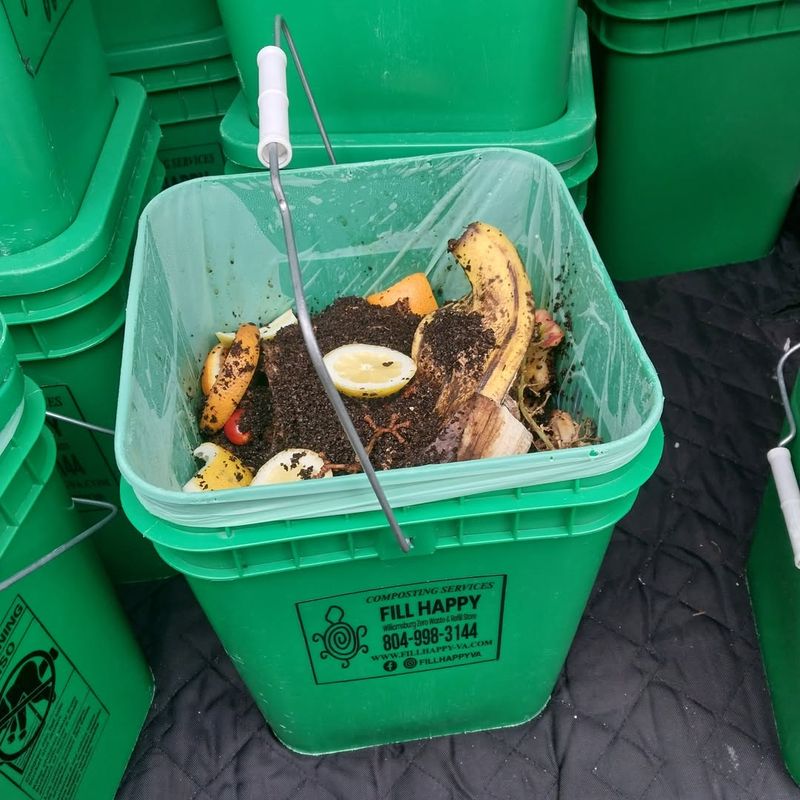
Most mornings in Ohio, a pot of coffee gets brewed and the grounds get tossed without a second thought.
Those used grounds are actually a reliable source of nitrogen that can give a slow or cold compost pile a noticeable boost, particularly in northern Ohio where spring piles can take extra time to heat up after a long winter.
Coffee grounds work best when mixed into the pile rather than dumped in a concentrated mass. A thick layer of grounds can dry out and form a crust that repels water and restricts airflow, which slows decomposition rather than speeding it up.
Sprinkling grounds lightly and turning them into existing material keeps moisture and microbial activity balanced. Paper coffee filters can go right in with the grounds and break down without any special preparation.
The idea that coffee grounds make compost acidic enough to change soil pH is often overstated. By the time grounds fully decompose, their effect on finished compost pH is minimal.
Ohio soils already vary widely in pH, and relying on coffee grounds as a soil acidifier is not a reliable strategy. Use them as a steady nitrogen supplement rather than a soil chemistry fix, and they will serve your pile well through every season.
5. Crushed Eggshells Add Grit And Calcium Slowly
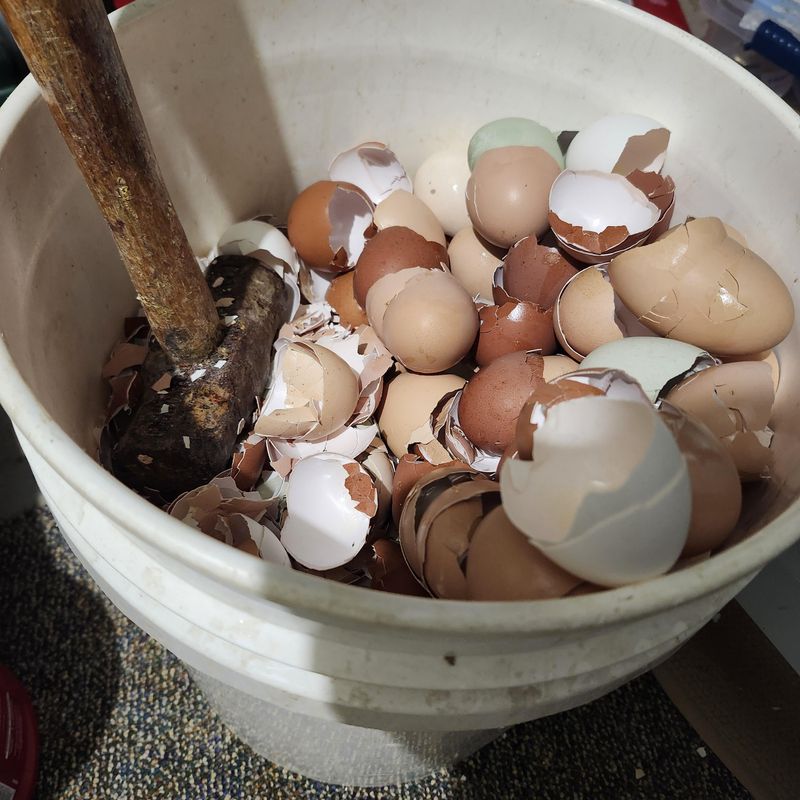
Eggshells have earned a solid reputation among composters, though the reality of what they do is a bit more modest than the hype sometimes suggests.
Crushed shells add calcium to a compost pile and eventually to finished compost, but they break down slowly and will not dramatically shift soil chemistry in a single season.
Think of them as a long-term grit contribution rather than a quick fix.
Crushing or grinding shells before adding them to the pile genuinely speeds up how fast they break down. Whole shells can persist in finished compost for months, sometimes turning up in garden beds long after the rest of the pile has decomposed.
A few pulses in a blender or a quick crush between your palms before tossing them in goes a long way toward faster integration.
Rinsing shells before composting is a reasonable habit because it removes egg residue that can attract pests or create odor in warm weather. Eggshells are a worthwhile addition to any backyard pile, but keep expectations realistic.
They are a slow, steady supplement to a well-balanced mix, not a standalone soil amendment with dramatic results.
6. Spent Garden Plants Can Feed Next Year’s Beds
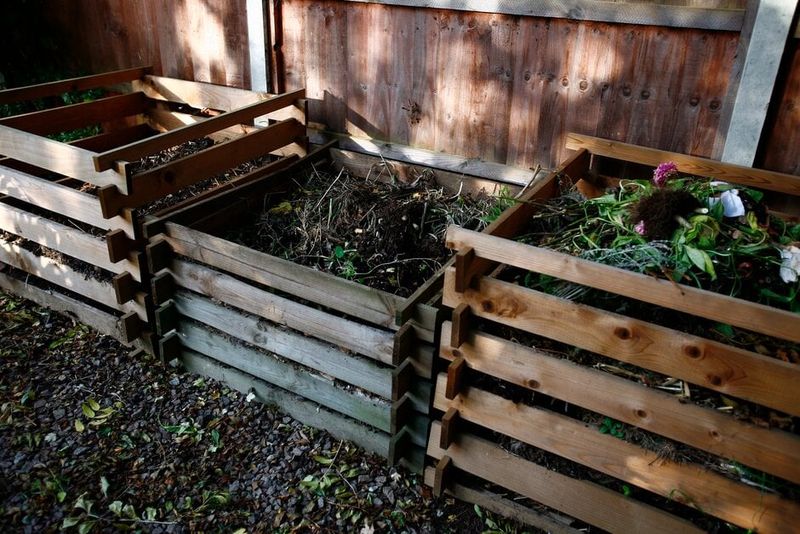
At the end of the growing season, Ohio gardens are full of faded annuals, pulled vegetable plants, and trimmed perennial stalks.
Healthy spent plant material is some of the best compost feedstock available, already broken into manageable pieces and free of the pesticide concerns that sometimes come with lawn debris.
Turning last year’s garden waste into next year’s compost is a deeply satisfying cycle.
The key word in that sentence is healthy. Plant material that shows clear signs of disease, such as powdery mildew, bacterial blight, or fungal lesions, is a different situation.
Most backyard compost piles in Ohio do not consistently reach the internal temperatures needed to fully neutralize plant pathogens.
Ohio State University Extension notes that hot composting requires sustained internal temperatures of 131 to 170 degrees Fahrenheit, which many casual backyard piles never achieve reliably.
Disease-free tomato vines, marigold stems, spent bean plants, and similar clean debris are all excellent additions. Chop or shred larger stalks into shorter pieces to speed breakdown and improve blending with other materials.
Southern Ohio gardeners benefit from warmer fall temperatures that keep decomposition active a bit longer, giving chopped plant material a head start before winter slows things down. Clean material in, cleaner compost out.
7. Small Twigs And Ground Brush Help Air Move Through
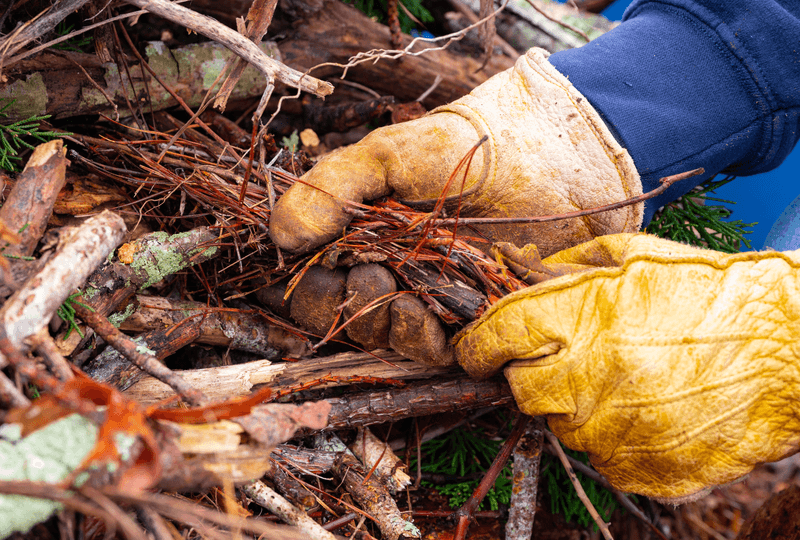
A soggy, compacted compost pile is one of the most common frustrations Ohio gardeners face, especially during wet springs when rain keeps coming and the pile never seems to breathe.
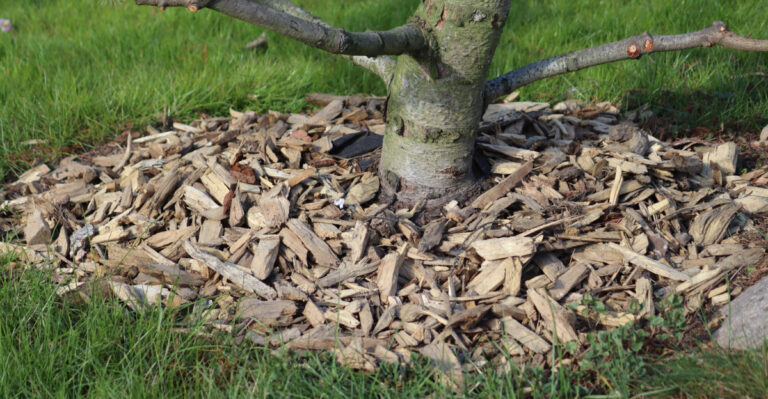
Small twigs, chipped woody brush, and thin garden stems are a practical solution because their rigid structure creates tiny channels that allow air to move through even a dense, moist pile.
Woody material is carbon-rich, which helps balance out the heavy nitrogen load that grass clippings and food scraps can create in an active pile. Pieces shorter than six inches blend into the pile much more effectively than long branches.
Running woody debris through a chipper shredder before adding it dramatically increases surface area and can shorten breakdown time significantly.
Large branches and thick woody stumps are a different story. They break down far too slowly to be practical in a typical backyard bin and can create structural problems by blocking turning tools and trapping dense pockets of wet material.
Save those for a separate brush pile or municipal yard waste pickup.
Thin twigs from pruning roses, trimming shrubs, or cleaning up storm debris, on the other hand, are exactly the kind of coarse material that keeps an Ohio compost pile airy, active, and working through even the wettest seasons.
8. Meat And Dairy Invite Odors And Unwanted Visitors
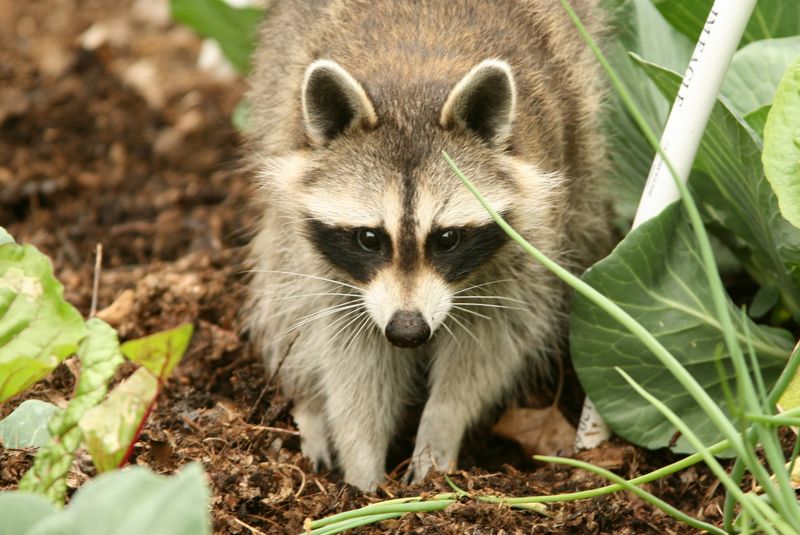
Ohio summers are warm, humid, and full of wildlife looking for an easy meal. Adding meat scraps, bones, greasy food residue, or dairy products to a backyard compost pile creates exactly the kind of invitation that raccoons, opossums, and rats cannot resist.
The smell of decomposing protein travels far, and once animals discover a food source, they tend to return persistently.
Beyond the pest problem, meat and dairy break down through a different biological process than plant-based material.
That process produces strong, unpleasant odors that can become a real problem in residential neighborhoods, especially during the heat of July and August across central and southern Ohio.
A compost pile that smells strongly enough to bother neighbors is a compost pile that is going to cause problems.
Some large-scale municipal composting facilities and specialized in-vessel systems handle meat and dairy safely using controlled temperatures and enclosed environments that backyard bins simply cannot replicate.
For home composters in Ohio, the practical advice from extension resources is clear: keep meat, fish, bones, grease, and dairy products out of the backyard pile.
Stick with plant-based kitchen scraps and you will have a pile that stays manageable, relatively odor-free, and unattractive to the wildlife that shares your neighborhood.
9. Pet Waste Does Not Belong In Garden Compost
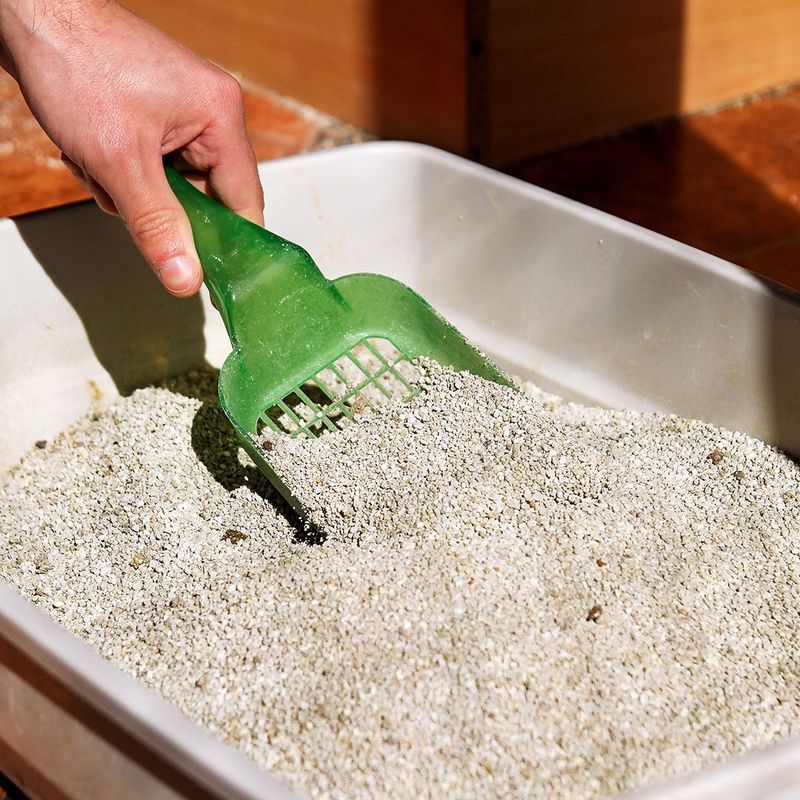
Dog and cat waste is one of those compost topics where well-meaning but inaccurate advice spreads quickly online.
The straightforward reality is that pet waste from dogs and cats can carry pathogens including Toxocara, Cryptosporidium, and other parasites that pose genuine health risks to humans.
Backyard compost piles used for vegetable gardens are not a safe place for that material.
Hot composting at sustained high temperatures can reduce some pathogens, but achieving and maintaining those temperatures consistently in a typical backyard bin is difficult.
Ohio’s variable weather, including cool springs, wet periods, and inconsistent pile management, makes reliable hot composting even harder for most home gardeners to maintain.
The risk is simply not worth taking, particularly for edible gardens where finished compost contacts food crops directly.
The United States Department of Agriculture and Ohio State University Extension both advise against adding dog or cat waste to compost intended for use in vegetable or herb gardens.
Some pet owners use separate, dedicated pet waste composters or digesters specifically designed for that purpose, which is a different system from a standard garden compost bin.
For everyday backyard composting in Ohio, keep pet waste out entirely and bag it for regular trash pickup instead. Your garden and your family will be better off for it.
10. Fresh Manure Needs More Care Than A Backyard Pile Gives
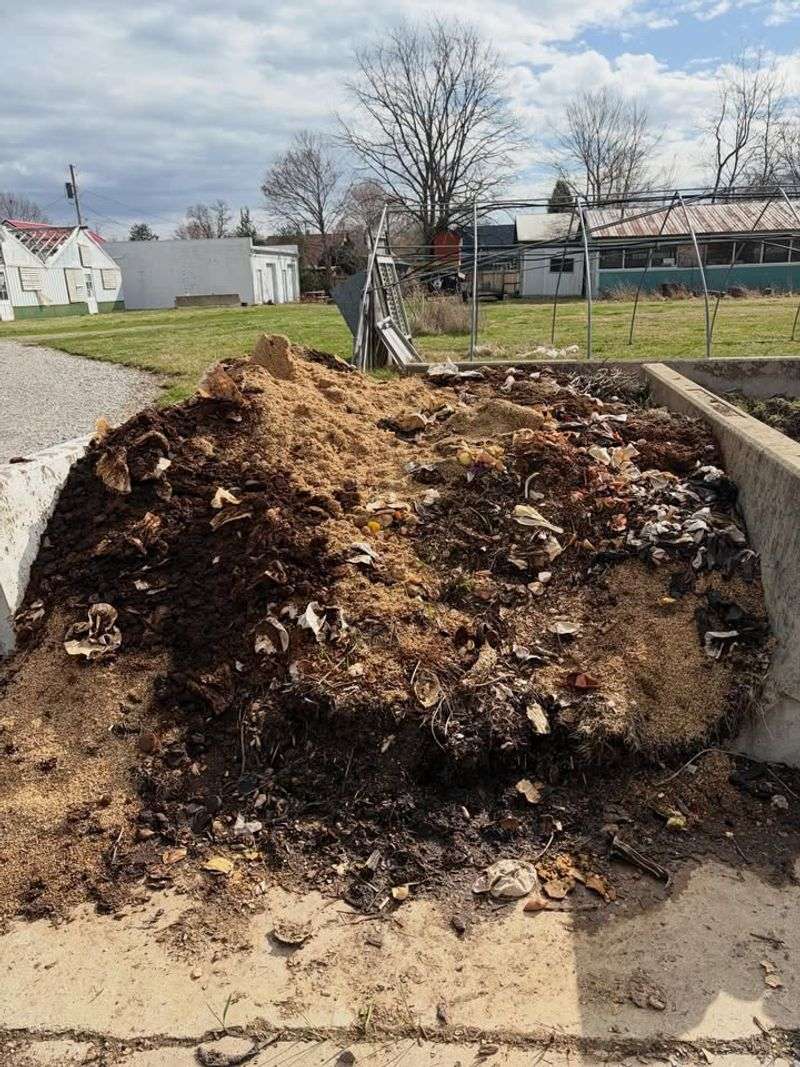
Raw manure from chickens, horses, cows, or other farm animals is genuinely valuable for garden soil, but fresh manure and ready-to-use compost are not the same thing.
Fresh manure can contain high nitrogen levels, elevated salts, weed seeds from undigested feed, and pathogens including E. coli and Salmonella that require careful handling.
Properly composted manure that has been aged and turned under managed conditions is a different product with significantly reduced risks.
Ohio farmers and serious gardeners who manage large compost operations with consistent turning schedules and temperature monitoring can safely work with manure.
For a typical suburban backyard bin in Columbus or Dayton, however, adding fresh manure creates a system that is difficult to manage safely without the right setup.
Ohio State University Extension recommends incorporating raw manure into garden soil at least 120 days before harvest for crops that touch the ground, and at least 90 days for crops that do not.
That timeline exists for food safety reasons and should be taken seriously.
If you have access to well-aged, fully composted manure from a trusted source, it can be an outstanding soil amendment. Raw manure straight from the source needs more time, more heat, and more management than most backyard piles can reliably provide.
11. Treated Or Diseased Plant Waste Can Cause Trouble Later
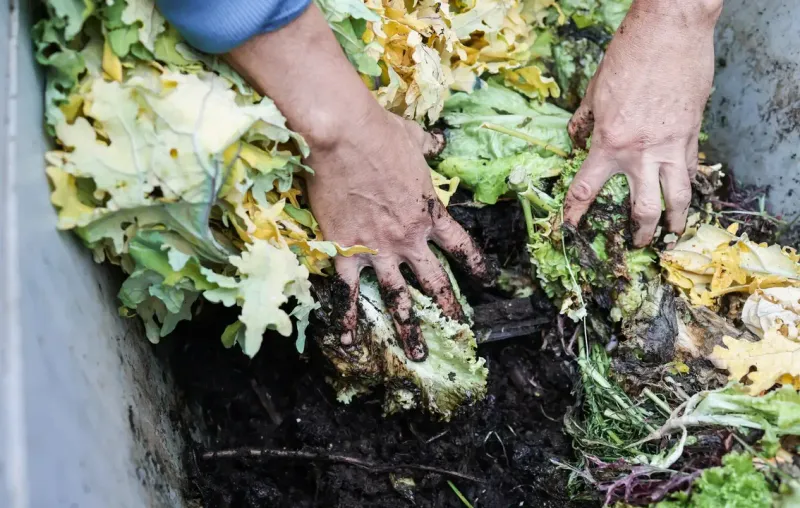
Not every plant that comes out of an Ohio garden at the end of the season belongs in the compost pile, and learning to tell the difference saves a lot of headaches down the road.
Plants showing obvious signs of disease, such as blight-covered tomato stems, black spot on roses, or mildew-coated squash vines, carry fungal spores, bacteria, or other pathogens that a typical backyard pile may not fully neutralize.
The temperature issue matters here. Ohio State University Extension and composting researchers consistently note that pathogen reduction requires sustained internal pile temperatures above 131 degrees Fahrenheit.
Passively managed backyard piles that are rarely turned or monitored often stay much cooler, especially in northern Ohio where ambient temperatures remain lower for longer stretches of the year.
Adding diseased material to a cool pile and then spreading that finished compost on garden beds can reintroduce the same problems you were trying to eliminate.
Lawn debris recently treated with herbicides or pesticides carries its own concerns.
Some herbicide residues, particularly clopyralid and aminopyralid, have been documented persisting through composting and causing damage to sensitive vegetable plants grown in treated compost.
Bag heavily diseased plants and recently treated lawn material for disposal, or follow your local yard-waste program’s rules. It is a small sacrifice that protects your garden beds for seasons to come.