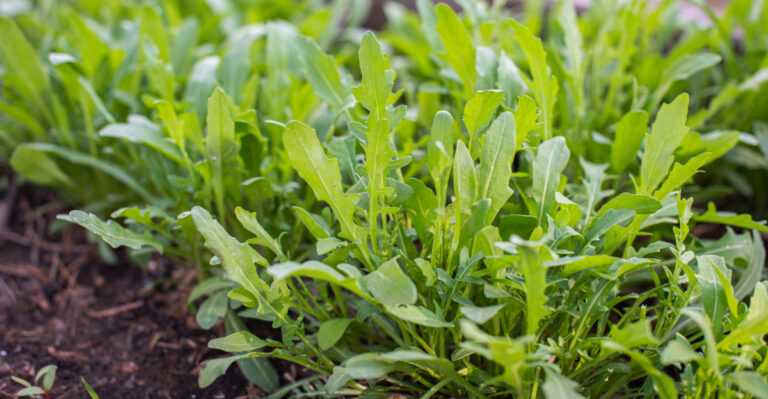
Here’s Why You Should Grow Borage Near Your Front Door In Ohio
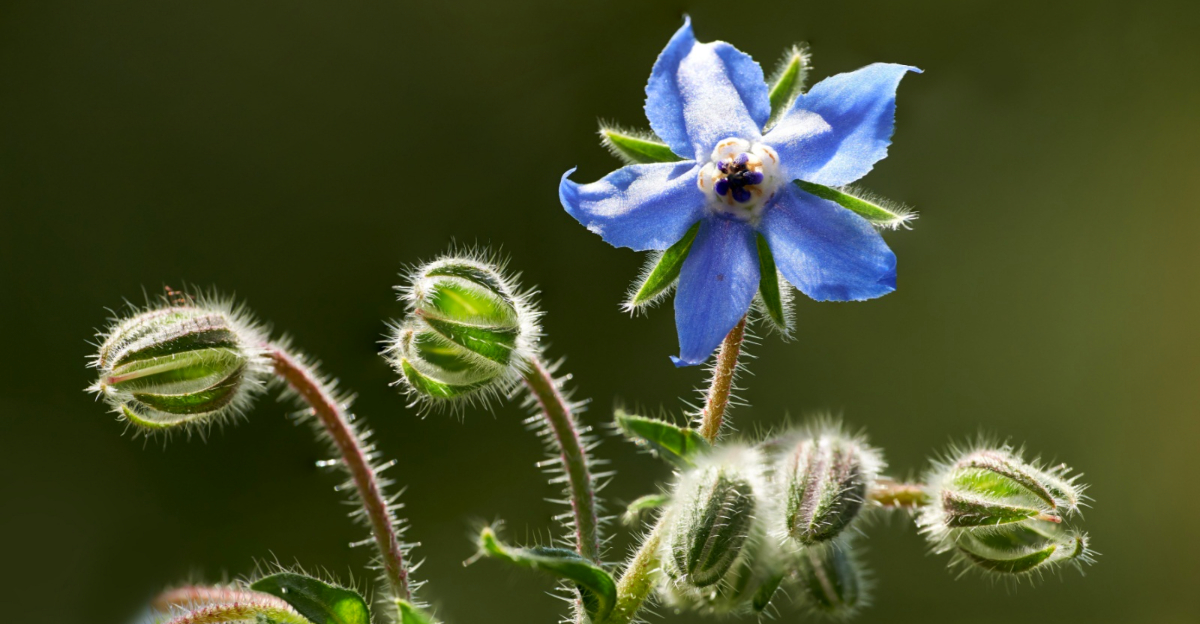
What if the secret to the best curb appeal on your block wasn’t a fresh coat of paint, but a handful of star-shaped blue flowers?
In Ohio, we’re always looking for that one plant that can handle our fickle weather while looking like a million bucks.
Enter borage: the stunning, low-maintenance annual that turns your front door into a buzzing sanctuary for honeybees.
From Cleveland to Cincinnati, this “easy-button” plant thrives in our warm summers, offering a long blooming season with almost zero effort.
If you’re ready to trade boring greenery for a vivid, nectar-rich entryway that stops neighbors in their tracks, it’s time to meet your new favorite Ohio garden companion.
1. Attracts Bees And Other Pollinators
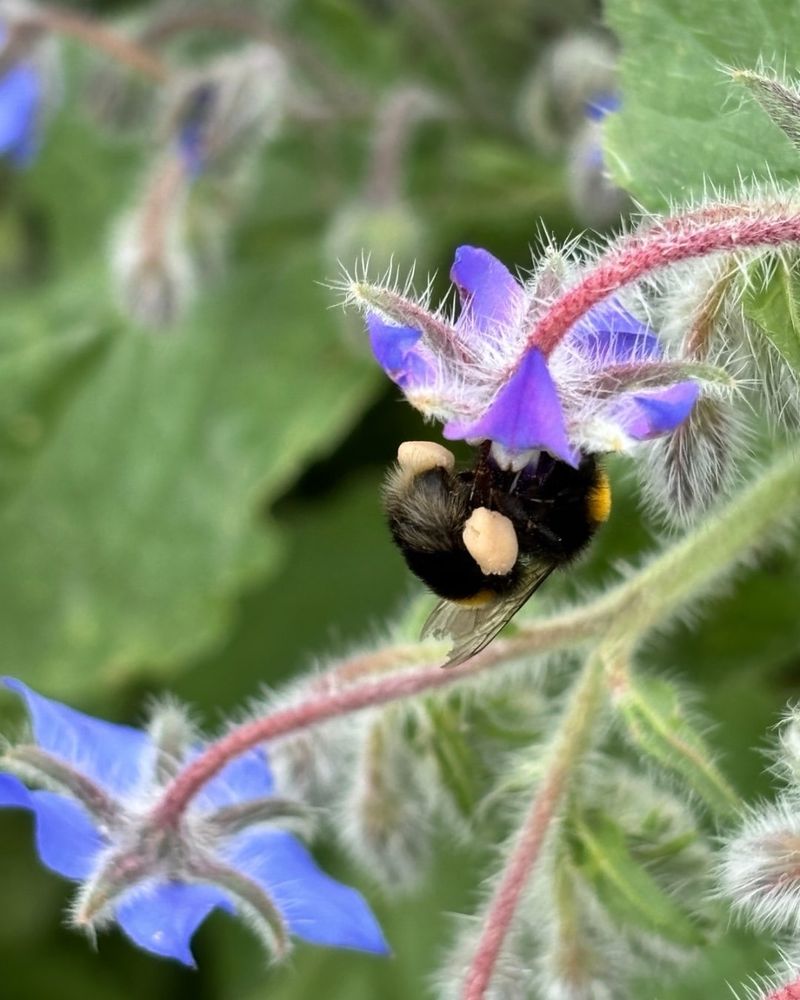
Walk past a borage plant in full bloom on a warm Ohio morning, and the buzzing is the first thing you notice.
Bees of all kinds – honeybees, bumblebees, and native solitary bees – are drawn to borage’s vivid blue, star-shaped flowers with a consistency that few other plants can match.
The nectar is particularly rich, and pollinators seem to find it quickly once the plant starts producing blooms.
Planting borage near your front door means that pollinator activity happens right at the entrance to your home, which can feel both lively and welcoming. Butterflies and hoverflies also visit regularly, adding extra movement and color throughout the season.
For Ohio homeowners who also grow vegetables or fruiting plants nearby, this increased pollinator traffic can support better fruit set and garden health overall.
Borage flowers are structured in a way that makes nectar easy for short-tongued bees to access, which broadens the range of species that benefit from the plant.
Ohio has a rich population of native bees, many of which are under pressure from habitat loss.
Giving them a reliable nectar source right at your front door is a genuinely meaningful contribution. Few annuals offer this level of pollinator support with such minimal effort from the gardener.
2. Blooms Continuously Through The Season
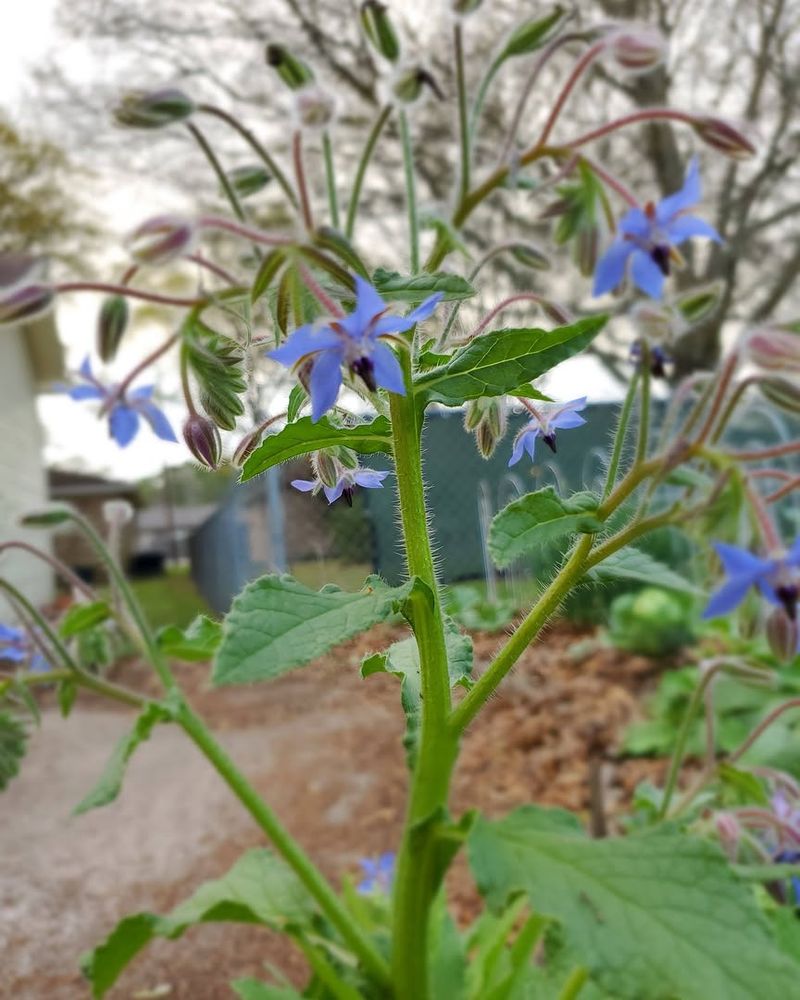
One of the most satisfying things about borage is that it does not bloom once and stop.
Once it starts flowering – typically in late spring or early summer in Ohio – it keeps producing new blooms steadily through the season without much prompting.
The plant sends up new flower clusters from branching stems on a rolling basis, so there is rarely a long stretch where the plant looks bare or finished.
Most Ohio gardeners find that borage planted in May begins blooming by late June and continues well into August or even September, depending on conditions.
That kind of staying power makes it especially useful near a front door, where you want something that looks active and alive for as long as possible.
Many showy annuals peak early and then fade, but borage tends to maintain steady visual interest.
The nodding clusters of blue flowers also develop alongside silvery buds, which creates a layered look on the plant at any given time. Some flowers open while others are still forming, giving the whole plant a sense of ongoing energy.
Your Ohio Garden Changes Every Week. Your Plan Should Too.
Gardening in Ohio changes quickly throughout the season. Every Friday you’ll receive a simple weekly plan showing exactly what to plant, prune, fertilize, harvest, and protect so you never miss the right timing.
For Ohio front yards that need season-long color without constant replanting or deadheading, borage offers a reliable and low-effort solution that holds up through the heat of a typical Ohio summer.
3. Easy To Grow From Seed In Spring
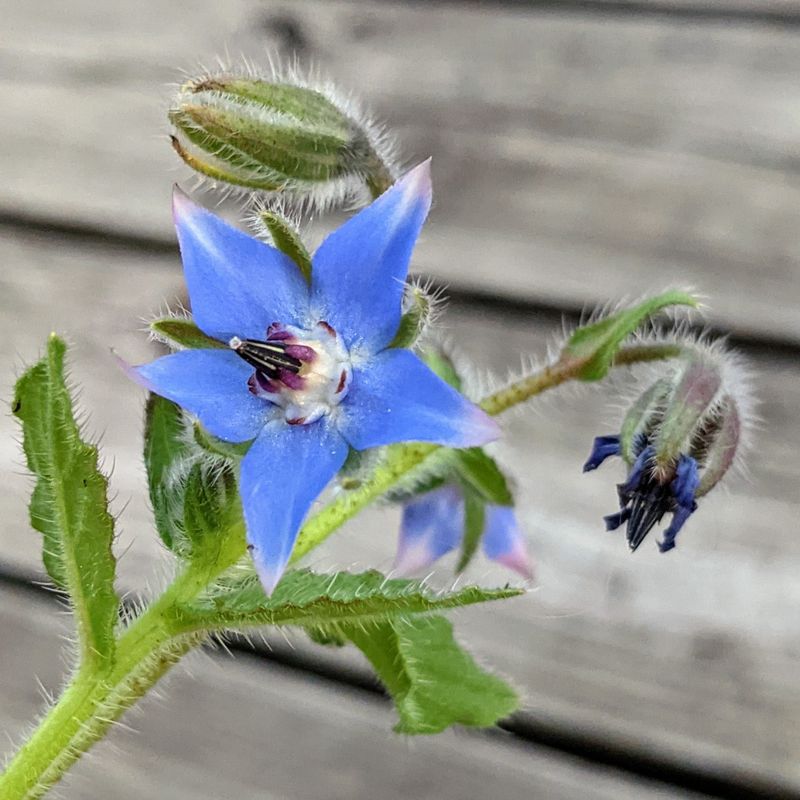
Borage skips the complicated germination process that frustrates gardeners with some other herbs and annuals.
You press the seeds about a quarter to half an inch into the soil, keep them lightly moist, and expect to see sprouts within a week or so under typical Ohio spring conditions.
There is no need for indoor starting, grow lights, or special soil mixes – direct sowing outdoors works well once the frost risk has passed.
In most parts of Ohio, that window opens sometime in mid-to-late April, though gardeners in northern Ohio near Lake Erie may want to wait until early May to be safe.
Borage seeds are large enough to handle easily and space deliberately, which helps beginners feel confident.
Aim for about 12 inches between plants so each one has room to spread as it matures into a full, bushy form.
Full sun is what borage prefers, and Ohio’s spring and summer days provide plenty of that in most locations.
Well-drained soil with a pH somewhere between 6.0 and 7.0 gives the plant a solid foundation, but borage is forgiving and will manage in average garden soil without much fuss.
For anyone who has felt intimidated by starting plants from seed, borage is one of the most confidence-building choices available at the start of the Ohio growing season.
4. Tolerates Ohio’s Variable Conditions
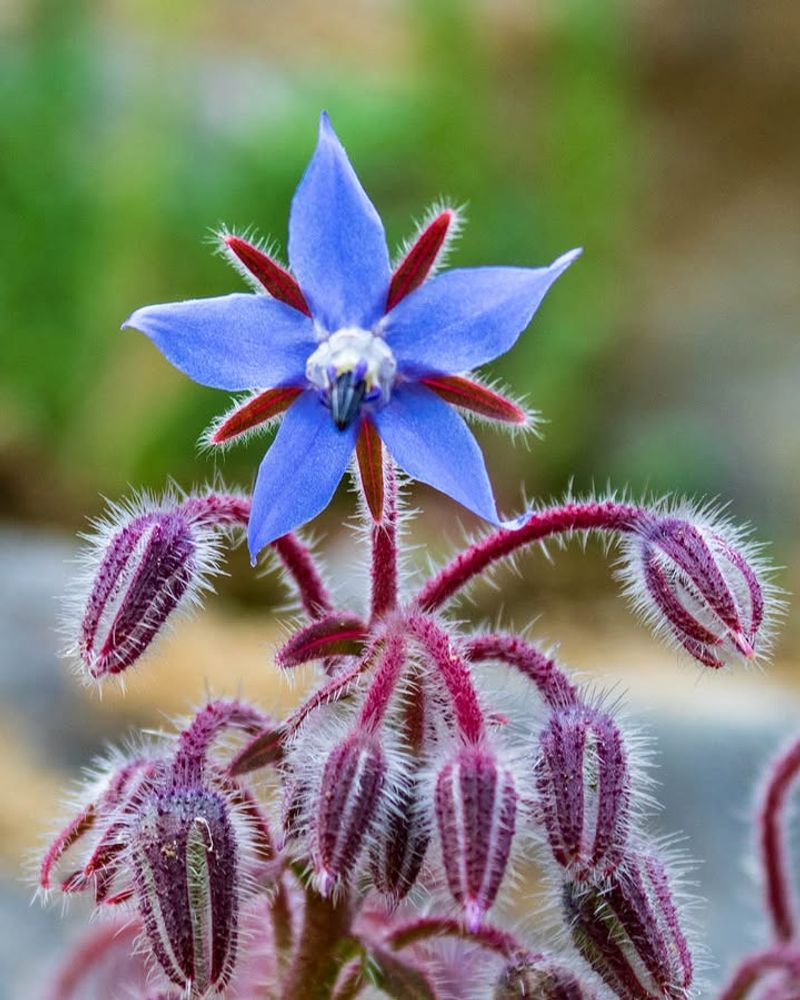
Ohio weather has a reputation for keeping gardeners on their toes. Late spring cold snaps, stretches of summer heat, occasional dry spells, and humid periods can all show up within a single growing season.
Borage handles this kind of variability reasonably well for an annual herb, which makes it a practical choice for Ohio front yards where conditions are not always predictable.
Once established, borage develops a fairly deep taproot that helps it access moisture during dry stretches.
It does not need constant watering once it has settled in, though newly sown seeds and young seedlings benefit from consistent moisture during their first few weeks.
In Ohio’s typically humid summers, established borage generally manages without supplemental irrigation unless there is an extended dry period.
The plant tolerates a range of soil types, from sandy to clay-heavy, as long as drainage is reasonable.
Heavy, waterlogged soil is where borage tends to struggle most, so raised beds or slightly elevated planting areas near a front door can help in spots where drainage is slow.
Borage also handles moderate heat without wilting dramatically, which matters during Ohio’s July and August warm spells.
It is not a plant that demands ideal conditions to perform well, and that adaptability is part of what makes it such a sensible front-door planting choice for Ohio homeowners.
5. Self Seeds Lightly For Future Growth
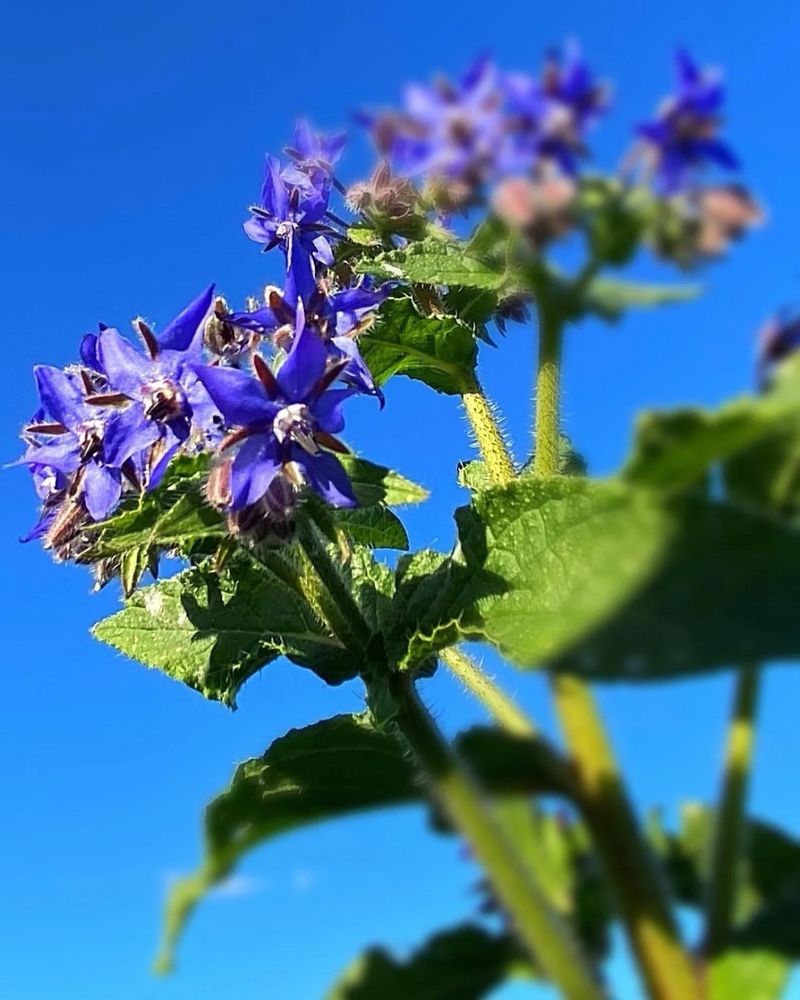
At the end of the season, borage drops seeds into the soil around its base, and those seeds often sprout on their own the following spring without any help from you.
This self-seeding habit is not aggressive or invasive – it tends to be light and manageable – but it does mean that a patch of borage near your front door can re-establish itself year after year with very little intervention.
For Ohio gardeners who want a low-maintenance front yard planting that does not require buying new seed every spring, this is a genuinely useful trait.
You may find a handful of volunteer seedlings popping up in April or May right where last year’s plants grew.
These volunteers can be thinned or left in place depending on how much space you want to fill. Transplanting them while still small is possible if you want to shift them to a slightly different spot.
It is worth noting that self-seeded plants may not appear in exactly the same location each year, so a little flexibility in your front-yard layout helps.
The light self-seeding tendency also means borage is not going to take over a bed or crowd out neighboring plants the way some aggressive self-seeders can.
It contributes to the garden’s continuity without creating extra work, which is a balance that Ohio gardeners with busy schedules tend to appreciate.
6. Adds A Relaxed Cottage Garden Look
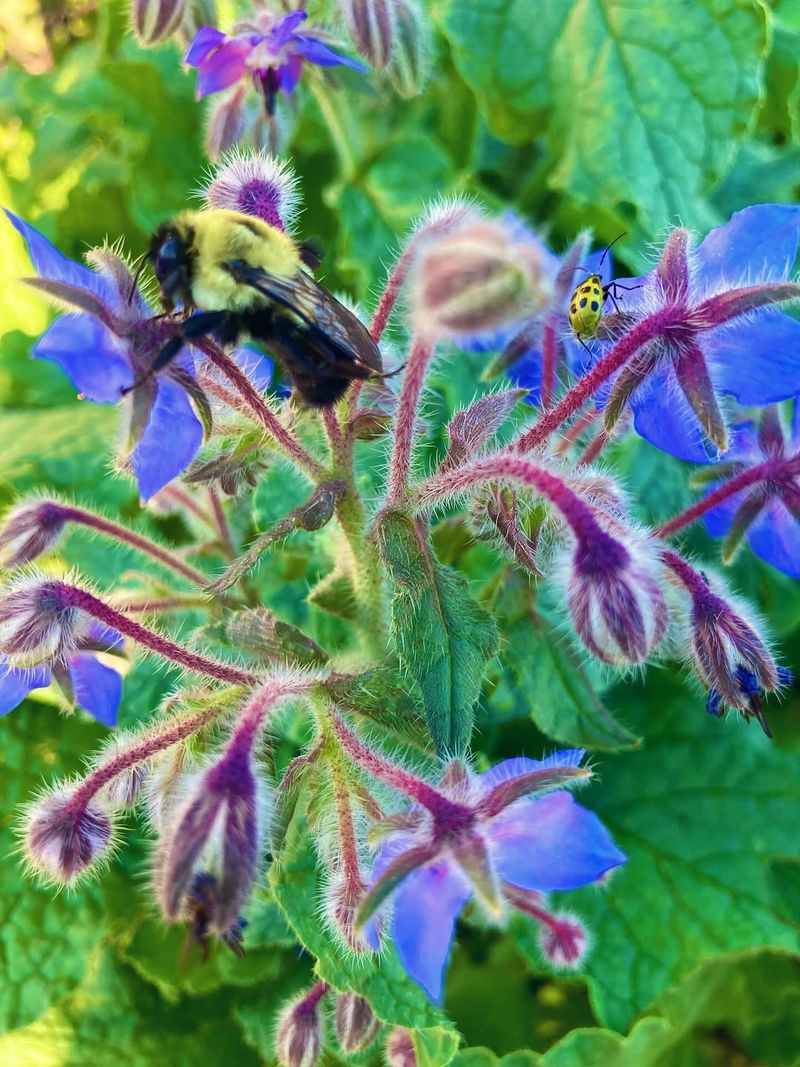
There is a particular kind of front yard that feels like it was tended with care but not forced into strict order – the kind where plants lean slightly, flowers nod in the breeze, and the whole scene looks like it grew that way naturally.
Borage contributes to that relaxed, cottage-garden aesthetic with very little effort.
Its slightly fuzzy stems, sprawling branching habit, and clusters of brilliant blue flowers give it an organic, unhurried quality that formal bedding plants simply do not have.
Near a front door, that kind of softness can make a home feel more inviting and lived-in in a positive way. Borage pairs well with lavender, calendula, nasturtiums, and other cottage-style plants that thrive in Ohio’s growing season.
The combination of textures and bloom shapes creates a layered, naturalistic look that holds interest from multiple angles.
Ohio front yards vary widely in style, but the cottage garden aesthetic has a broad appeal that works in both suburban neighborhoods and more rural settings.
Borage does not need to be the centerpiece of the planting – it works just as well as a supporting player filling in gaps between other plants.
Its blue flowers are uncommon enough in most front yards that they tend to draw comments from neighbors and visitors, which adds a quiet sense of pride for the homeowner who chose to plant it.
7. Edible Flowers Add A Practical Benefit
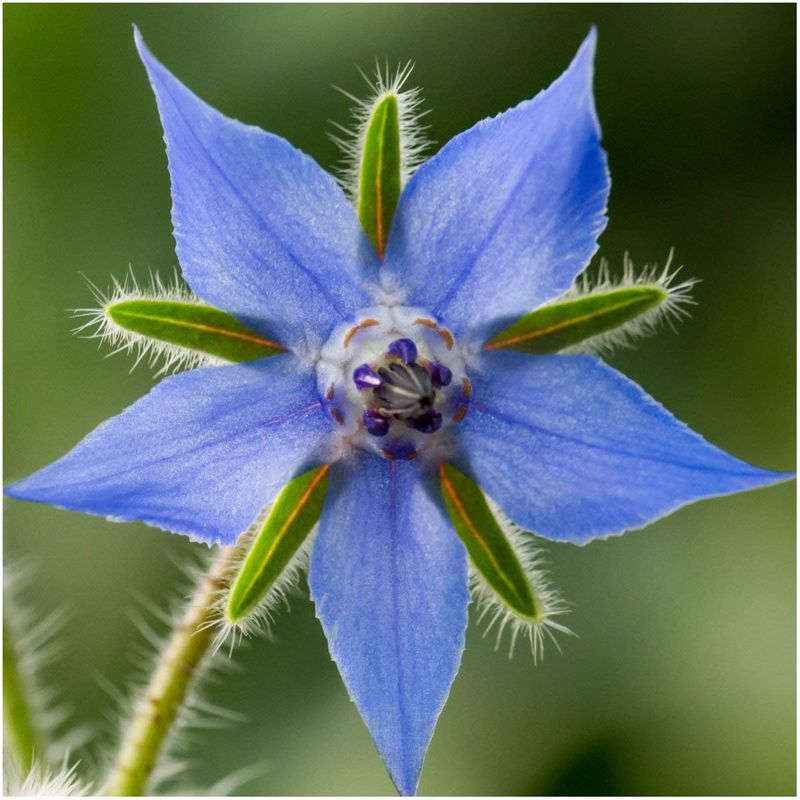
Borage brings something to the front door that most ornamental plants simply cannot offer – you can eat it. The bright blue flowers have a mild, cucumber-like flavor that makes them a fun addition to salads, cold drinks, and desserts.
Floating a few borage flowers in a glass of lemonade or sparkling water on a warm Ohio afternoon is one of those small pleasures that feels both practical and a little fancy at the same time.
The young leaves are also edible and carry a similar mild flavor. They can be used fresh in salads when small and tender, or cooked similarly to spinach when larger.
Having this kind of edible plant right outside your front door means it is easy to snip a few flowers or leaves without making a trip to the backyard garden.
Convenience matters when you are actually trying to use a plant regularly.
For Ohio households that enjoy cooking with fresh herbs and edible flowers, borage near the entryway turns a decorative plant into a functional one.
It bridges the gap between the herb garden and the ornamental bed in a way that feels intentional rather than accidental.
Children especially tend to find the idea of eating a bright blue flower genuinely exciting, which can spark interest in gardening and cooking at the same time. That is a practical bonus worth mentioning.
8. Supports Beneficial Insect Activity
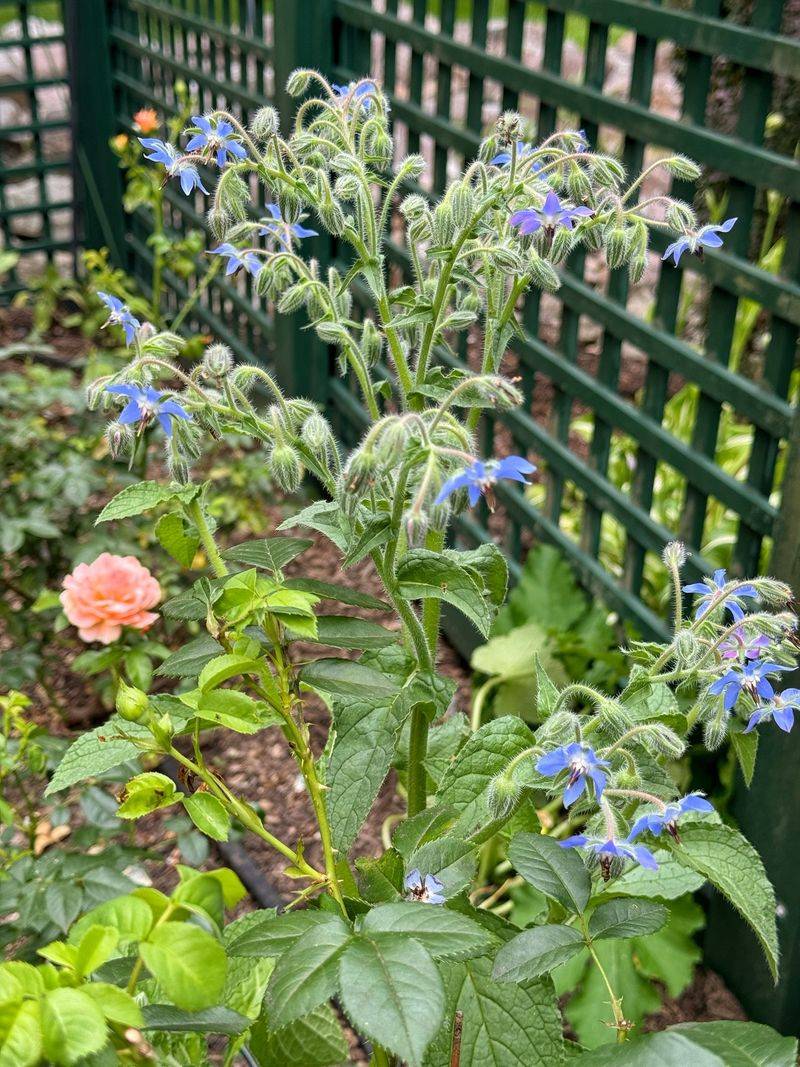
Beyond the well-known bees and butterflies, borage quietly supports a broader community of beneficial insects that many gardeners overlook. Hoverflies, for example, are frequent visitors to borage flowers.
Adult hoverflies feed on nectar and pollen, but their larvae consume aphids and other soft-bodied garden pests, making them genuinely useful insects to encourage near the front of your home.
Parasitic wasps and other small beneficial insects also visit borage flowers for nectar. These insects help manage populations of caterpillars and other garden pests by laying eggs on or near them.
Encouraging these insects near your front door and nearby plantings creates a more balanced garden ecosystem without the need for chemical interventions.
Ohio gardeners who grow vegetables close to the front of their property may notice indirect benefits from this increased beneficial insect presence.
Borage’s open, star-shaped flower structure makes nectar and pollen accessible to a wide range of insect body types and sizes, which is why it supports such a diverse group of visitors.
Many plants with tubular or hidden flower structures limit which insects can feed on them, but borage is notably inclusive in this regard.
For Ohio homeowners interested in supporting local insect biodiversity, planting borage near the front door is a simple and visually appealing way to contribute to a healthier local ecosystem throughout the growing season.