The Native North Carolina Wildflower Seed You Should Never Direct Sow In Spring No Matter What
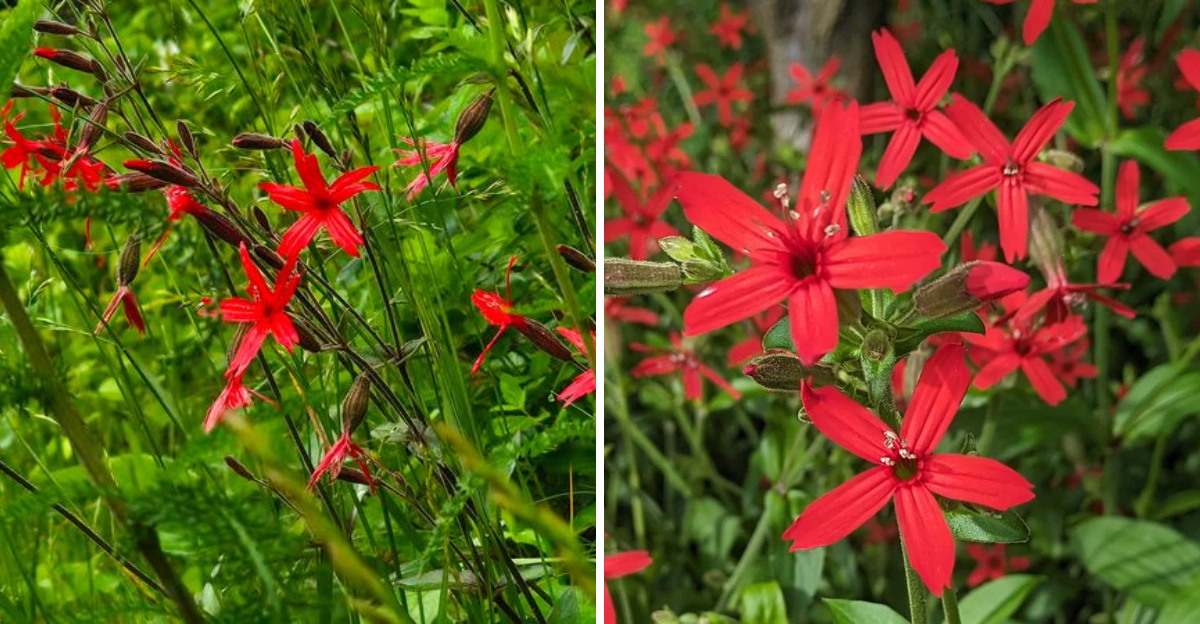
Fire pink is one of the most striking wildflowers native to North Carolina, with intense scarlet blooms that hummingbirds find nearly impossible to pass by.
Getting it established in a garden is a different story, and the most common reason it fails comes down to one timing mistake that gardeners make with the best intentions.
Spring feels like the obvious moment to direct sow wildflower seeds across North Carolina, and for many native species it works perfectly well. Fire pink is a genuine exception.
Its germination requirements are specific in a way that works directly against a spring sowing schedule, and putting seeds in the ground during that window almost always leads to disappointment.
Understanding why this particular wildflower behaves differently from most, and learning the approach that actually gets it to sprout and establish, is the difference between a patch of fire pink that fills in beautifully and a bare spot you keep trying to fix season after season.
1. Seeds Require Cold Stratification
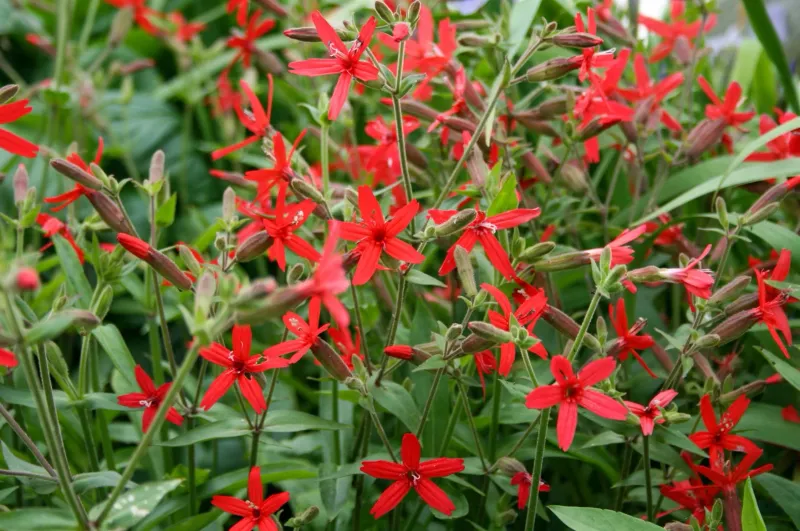
Here is something that surprises almost every first-time fire pink grower: the seeds will not sprout just because you plant them. They need cold stratification, which is a fancy way of saying they require a period of cold, moist conditions before they are ready to germinate.
In nature, this happens automatically when seeds fall to the ground in late summer or fall and spend winter in the chilly North Carolina soil.
Cold stratification essentially mimics winter. The seed coat softens, internal chemistry shifts, and the embryo inside the seed gets the signal that safe growing conditions are approaching.
Without this process, the seed stays dormant no matter how warm or moist your spring soil gets.
If you want to start seeds indoors, you can artificially stratify them by placing seeds on a damp paper towel, sealing them in a plastic bag, and refrigerating them for about 60 to 90 days. This method works well, but it requires planning ahead during the colder months.
North Carolina winters actually do the work for you if you sow outdoors in fall, which is why outdoor fall sowing remains the most recommended approach.
Skipping stratification is the number one reason gardeners end up staring at empty soil all spring long, wondering what went wrong with their fire pink seeds.
2. Spring Sowing Usually Leads To Poor Germination
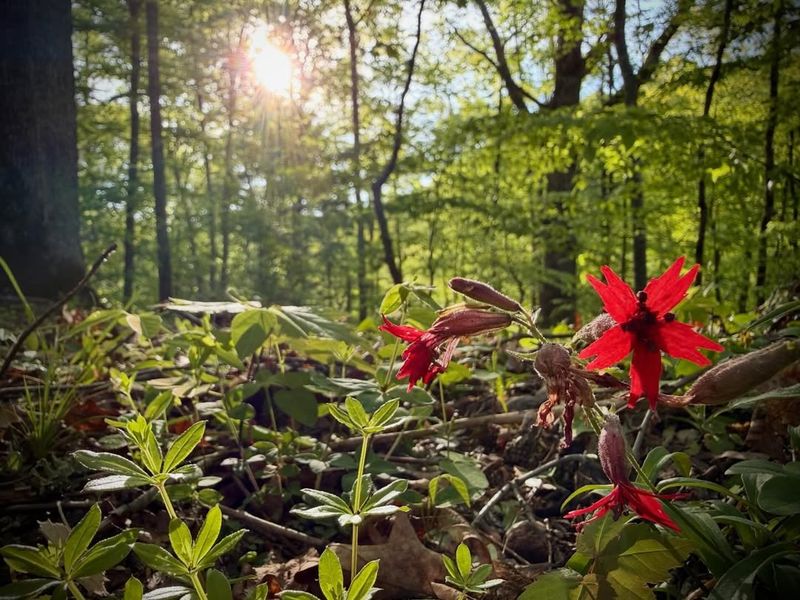
Imagine buying a packet of fire pink seeds, sowing them on a warm April morning in your North Carolina garden, watering carefully, and then waiting. And waiting.
And waiting some more, only to see absolutely nothing come up. That is the frustrating reality for countless gardeners who try to direct sow fire pink in spring, and the reason is surprisingly straightforward once you understand the plant.
Spring soil in North Carolina is warming up, not cooling down. Fire pink seeds that have not gone through cold stratification simply will not respond to warm conditions.
Their internal dormancy mechanism has not been unlocked, so germination rates drop dramatically, often to nearly zero. You are essentially asking the seed to do something it is biologically not prepared for yet.
Your North Carolina Garden Changes Every Week. Your Plan Should Too.
Gardening in North Carolina changes quickly throughout the season. Every Friday you’ll receive a simple weekly plan showing exactly what to plant, prune, fertilize, harvest, and protect so you never miss the right timing.
Some gardeners try to compensate by soaking seeds in water overnight or scarifying them, but these methods do not replace the cold stratification requirement. Fire pink is not being stubborn.
It is actually being smart, protecting itself from germinating during a false warm spell only to get hit by a late frost. North Carolina can have unpredictable late-winter temperature swings, and the plant evolved to handle exactly that.
Respecting this natural timing is the difference between a thriving stand of fire pink and a patch of bare soil that leaves you scratching your head all season long.
3. Native To North Carolina (Silene virginica)
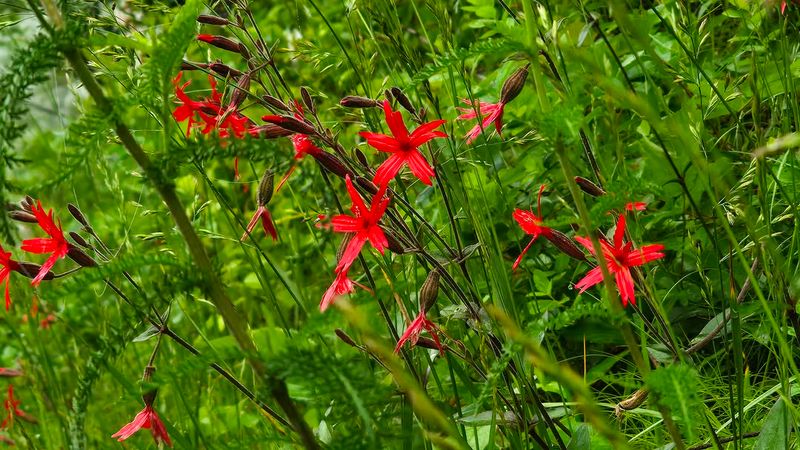
Few wildflowers have the bold personality of fire pink, a true native gem that has called North Carolina home for thousands of years.
Known scientifically as Silene virginica, this stunning plant grows naturally across the southeastern United States, thriving on rocky slopes, open woodlands, and shaded hillsides.
North Carolina is one of its most beloved natural habitats, and you can spot it blooming in the wild between April and June.
What makes fire pink so special is how perfectly it fits into native ecosystems. Ruby-throated hummingbirds absolutely love its tubular red flowers, and the plant supports local pollinators in ways that non-native species simply cannot.
Planting it in your North Carolina garden means you are giving local wildlife a real boost. Silene virginica stays relatively compact, usually reaching about one to two feet tall, which makes it a great fit for garden borders, naturalized areas, and woodland garden beds.
Its vivid scarlet petals are deeply notched, giving them a distinctive, almost fringed appearance that stands out beautifully against green foliage.
North Carolina gardeners who embrace native plantings quickly discover that fire pink brings color, character, and ecological value all in one small but mighty plant. Growing something this rooted in local history feels genuinely rewarding.
4. Fall Sowing Is The Reliable Method
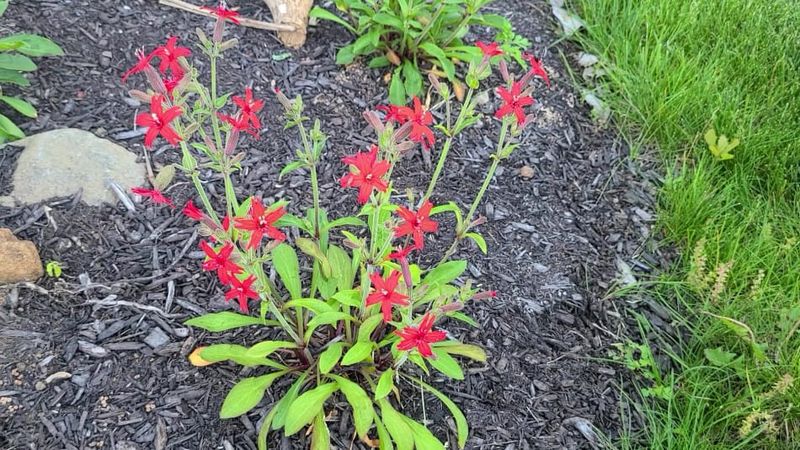
Autumn is honestly the best time to become best friends with your fire pink seeds. Sowing directly outdoors in fall puts nature in charge of the stratification process, and North Carolina winters are perfectly suited for the job.
As temperatures drop and moisture settles into the soil, your seeds begin the natural cold treatment they need to sprout beautifully come spring.
The process is straightforward. Prepare a well-drained garden bed in a partly shaded spot, scatter your seeds lightly across the surface, and press them gently into the soil.
You do not need to bury them deeply since fire pink seeds need light to germinate well. A thin layer of leaf mulch helps protect them through winter without blocking the light they need.
One of the best parts about fall sowing is how little effort it requires compared to indoor stratification methods. You do the work once in October or November, and North Carolina winter handles the rest.
Come March or April, tiny seedlings begin emerging right on schedule, following the same natural rhythm the plant has used for centuries.
Many North Carolina native plant enthusiasts say fall sowing also produces sturdier seedlings because the plants develop at their own natural pace.
There is something deeply satisfying about working with a plant rather than against it, and fall sowing is exactly that kind of partnership between gardener and nature.
5. Prefers Well-Drained Woodland Soil
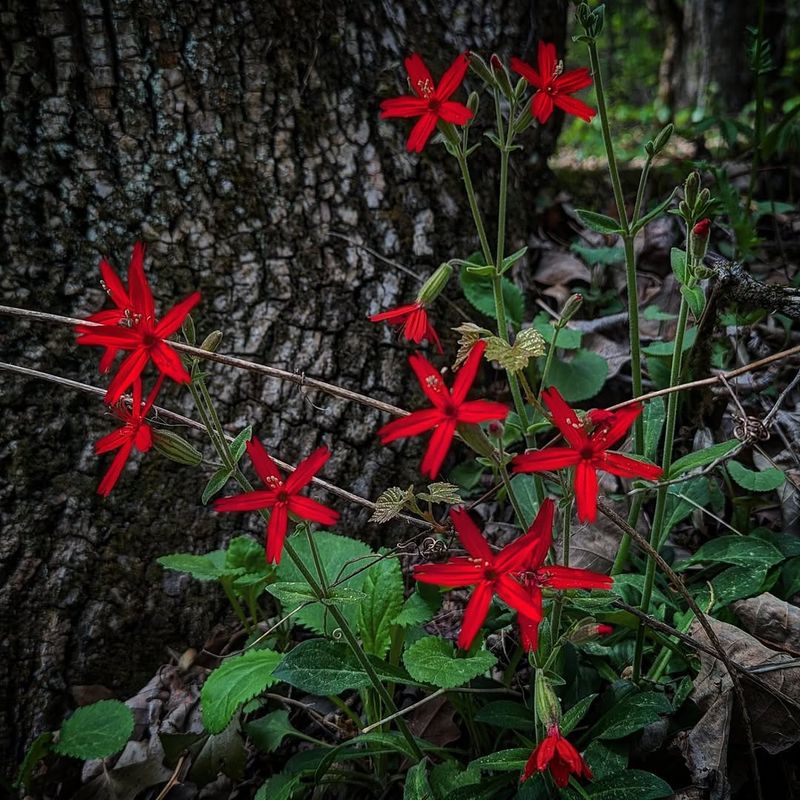
Getting the soil right for fire pink is just as important as getting the timing right, and this plant has very clear preferences. In the wild across North Carolina, fire pink grows on rocky slopes, open forest floors, and hillsides where water drains freely and roots never sit in soggy ground.
Heavy clay soil is basically the opposite of what this plant wants, and planting it in wet, compacted ground almost always leads to struggling plants.
Part shade is the sweet spot for fire pink. Too much direct sun dries out the soil too quickly and stresses the plant, especially during hot North Carolina summers.
Too much dense shade reduces flowering significantly. A spot under deciduous trees that lets in filtered morning light is genuinely ideal for helping this wildflower reach its full potential.
Improving your soil before planting makes a real difference. Working in compost, coarse sand, or aged leaf mold helps create the loose, well-draining texture fire pink thrives in.
Raised beds and sloped garden areas in North Carolina work particularly well for this reason. Avoid fertilizing heavily, since fire pink actually prefers leaner soil similar to its natural woodland habitat.
Rich, heavily amended soil can push leafy growth at the expense of those gorgeous red flowers everyone loves. Matching the plant to the right conditions from the start saves a lot of guesswork and produces far better results in the long run.
6. Slow Establishment Is Normal
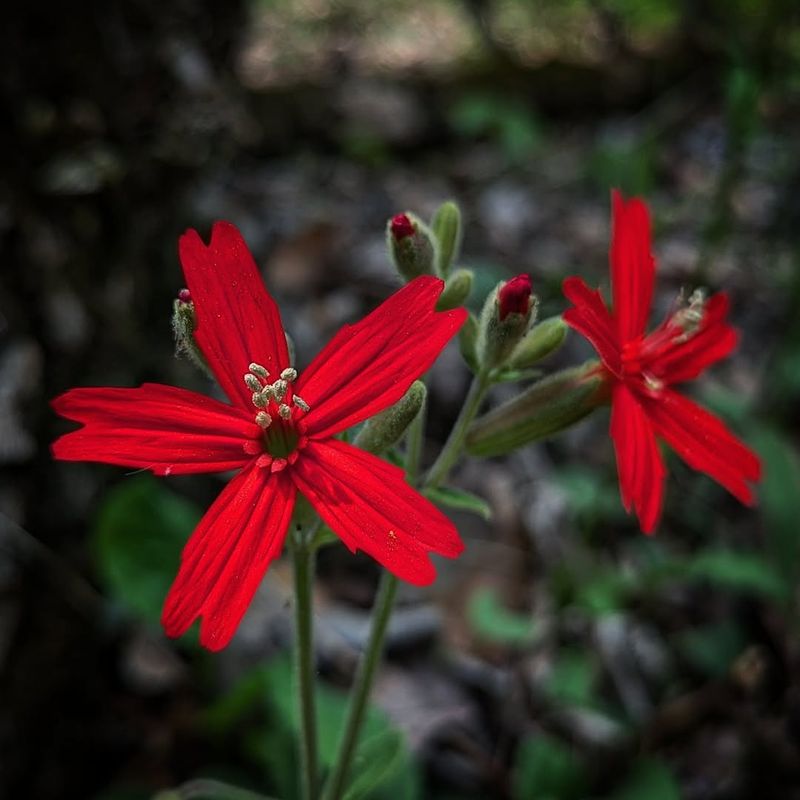
Patience is genuinely one of the most useful tools you can bring to a fire pink garden. Even when everything goes right, including proper fall sowing, good drainage, and the right light conditions, fire pink takes its time establishing itself.
Many gardeners expect flowers in the first season and feel let down when they see only a small rosette of leaves sitting quietly in the soil.
That quiet rosette is actually a great sign. Fire pink spends its first season or even two building a strong root system before committing energy to flowering.
This slow-and-steady approach is completely normal for many native wildflowers, and fire pink is no exception. North Carolina native plant growers often say the second and third year is when the plant truly shows off what it can do.
Knowing this ahead of time takes the pressure off and helps you avoid the mistake of assuming something went wrong and pulling perfectly healthy seedlings. Mark your planting areas clearly so you do not accidentally disturb young plants during routine garden cleanup.
A little mulch around the base helps retain moisture and keeps competing weeds from crowding out your establishing fire pink. Over time, established plants in North Carolina gardens can spread gently and form beautiful natural colonies that return year after year.
The wait is absolutely worth it once you see those vivid red blooms lighting up a shaded garden corner for the first time.
7. Transplants Are Often More Predictable
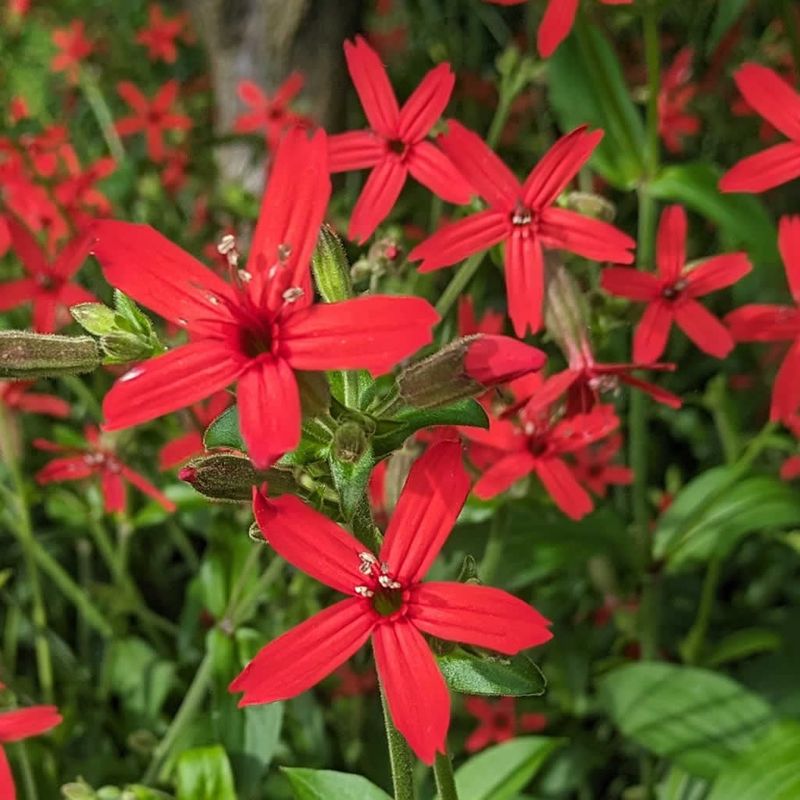
Not every gardener wants to wait two years to see a flower, and that is completely fair. Nursery-grown fire pink transplants offer a faster, more predictable path to those stunning red blooms, and many experienced North Carolina native plant gardeners swear by starting with established plants rather than seeds.
When you buy a healthy transplant, the hard work of germination and early establishment is already done for you.
Transplanting fire pink is fairly simple if you follow a few key steps. Choose a cloudy day or late afternoon to plant, since cooler conditions reduce transplant stress significantly.
Dig a hole slightly larger than the root ball, set the plant at the same depth it was growing in its container, and water it in gently but thoroughly. Consistent moisture during the first few weeks helps roots settle into their new North Carolina home without too much stress.
Local native plant nurseries in North Carolina often carry Silene virginica, especially during spring planting season. Buying locally means the plants are already somewhat adapted to regional soil and climate conditions, which gives them a head start.
Native plant sales hosted by botanical gardens and conservation groups across North Carolina are also excellent sources for healthy transplants at reasonable prices.
Whether you choose seeds or transplants, fire pink rewards thoughtful gardeners with one of the most vivid and ecologically valuable wildflower displays the region has to offer, season after season.