How Bloodroot Spreads Naturally In Michigan Gardens And Why You Should Just Let It
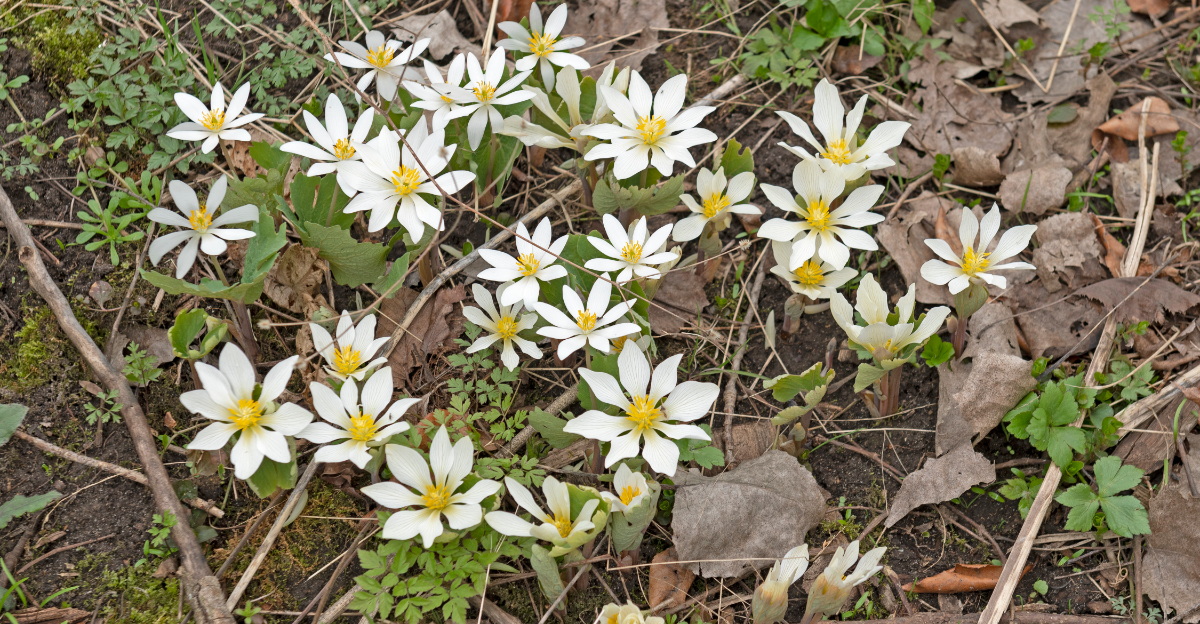
Bloodroot is one of Michigan’s most beautiful native spring wildflowers, and it has a way of multiplying through a garden that feels less like spreading and more like it is finding its own ideal spots one season at a time.
The white blooms appear early, often while other plants are still waking up, and then the distinctive lobed foliage fills in and holds its shape through much of the growing season.
What makes bloodroot genuinely special for Michigan gardeners is how it handles its own reproduction without any help or intervention. The natural process it uses to spread is quiet, gradual, and deeply tied to the woodland ecosystem it evolved in.
Some gardeners try to manage it or worry when new plants appear away from where they originally planted it.
Understanding what is actually happening underground and how bloodroot moves through a space makes it a lot easier to step back, appreciate the process, and let one of Michigan’s finest native plants do exactly what it was designed to do.
1. A True Michigan Native Built For Woodland Life
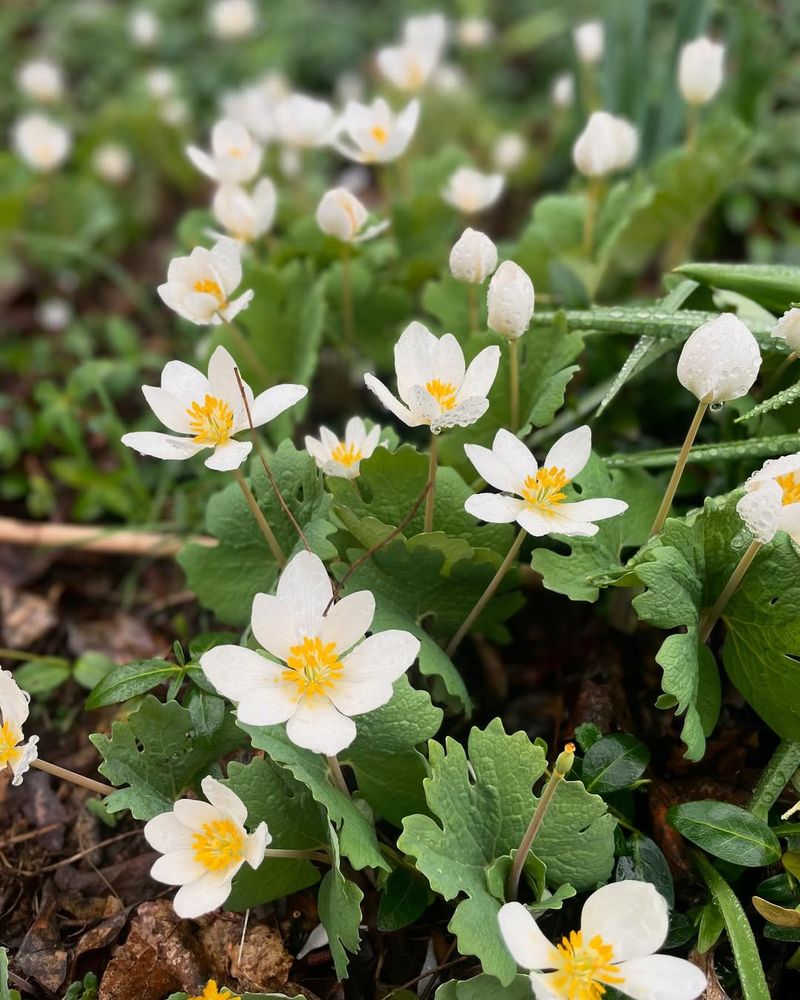
Bloodroot, known scientifically as Sanguinaria canadensis, has been growing wild across Michigan long before anyone planted a garden here. It belongs in this landscape, and every part of its biology proves it.
From the lobed, silvery-green leaves to the snow-white flowers that open wide on sunny spring mornings, this plant is perfectly tuned to thrive under the canopy of Michigan’s hardwood forests.
Rich, well-drained soil and dappled shade are exactly what bloodroot craves, and Michigan delivers both in abundance. You will find it growing happily beneath maples, oaks, and beeches, soaking up the filtered light that reaches the forest floor.
It does not need fertilizer, extra watering, or fussy attention. It simply grows, blooms, and thrives on its own schedule.
Planting bloodroot in your Michigan garden is not really an introduction but more of a welcome home. It fits naturally into shaded borders, woodland paths, and native plant gardens without any coaxing.
Gardeners who choose native plants like this one are helping to preserve the ecological character of their local landscape. Bloodroot rewards that choice every single spring with one of the most breathtaking early blooms you will ever see right in your own backyard.
2. Underground Rhizomes Do The Quiet Work Of Spreading
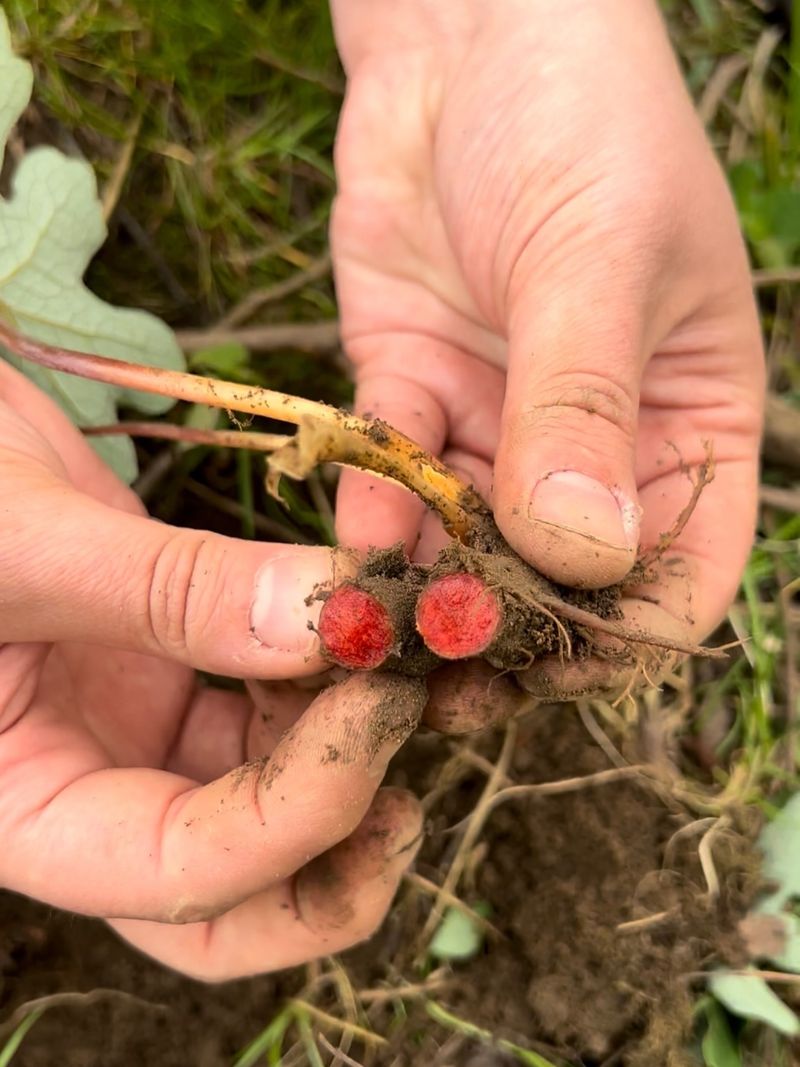
Beneath the surface of your Michigan garden, bloodroot is quietly doing something remarkable. It spreads through underground rhizomes, which are thick, horizontal roots that creep outward slowly and steadily each year.
Year after year, these rhizomes extend just a little further, sending up new shoots and creating small colonies that feel completely natural in the landscape.
What makes this spread so appealing to gardeners is how predictable and controlled it really is. Bloodroot is not going to take over your yard overnight.
It moves at a gentle pace, expanding just a few inches each growing season, which means you always stay in charge of how much space it fills. Most Michigan gardeners consider this kind of slow, steady growth a gift rather than a problem.
Your Michigan Garden Changes Every Week. Your Plan Should Too.
Gardening in Michigan changes quickly throughout the season. Every Friday you’ll receive a simple weekly plan showing exactly what to plant, prune, fertilize, harvest, and protect so you never miss the right timing.
The rhizomes themselves are fascinating up close. If you accidentally nick one while planting nearby, you will notice a bright orange-red sap oozing out.
That striking color is where the name bloodroot actually comes from, and Indigenous peoples across North America used it for centuries as a natural dye and in ceremonial practices.
So every time your bloodroot colony expands another inch underground, it is carrying with it a history as rich as the Michigan soil it grows in.
3. Ants Are The Secret Seed Carriers Of The Forest
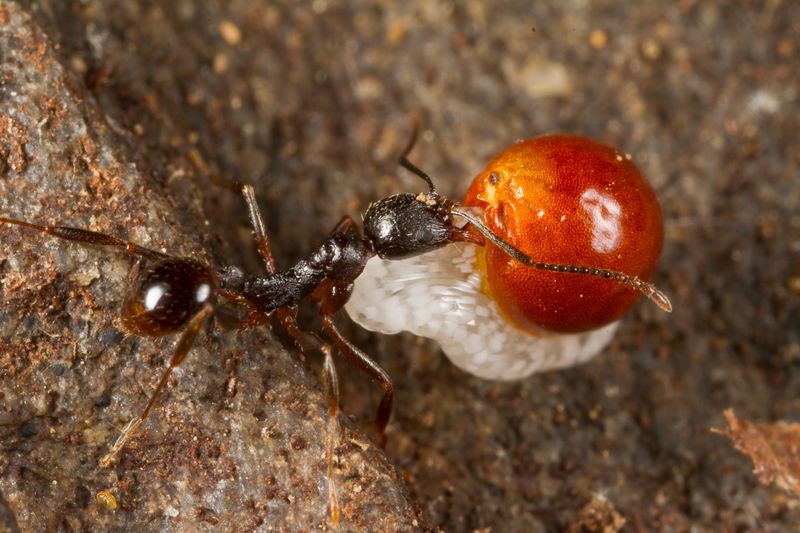
Here is something that sounds almost too clever to be true: bloodroot recruits ants to spread its seeds. Each tiny seed comes equipped with a small, fatty attachment called an elaiosome, a nutrient-rich little package that ants absolutely cannot resist.
Worker ants haul these seeds back to their underground nests, eat the elaiosome, and then leave the seed itself in a nutrient-rich spot where it has a great chance of sprouting.
This partnership between plant and insect is called myrmecochory, and it is one of the most elegant strategies in the natural world. In Michigan’s woodland gardens, this process happens every spring without any help from you.
The ants do their job, the seeds get distributed, and new bloodroot plants appear in spots you never would have chosen yourself. Often, those spots turn out to be perfect.
What this means for your garden is genuinely exciting. Over time, bloodroot can show up in new corners of your yard, tucked along shaded edges or near garden paths, all because a tiny ant decided to take a detour.
Watching this unfold season after season feels like watching nature leave little surprises just for you. Encouraging ant activity in your Michigan garden by avoiding pesticides helps this process along beautifully and keeps the whole system working as it should.
4. Spring’s Earliest Riser Knows How To Beat The Rush
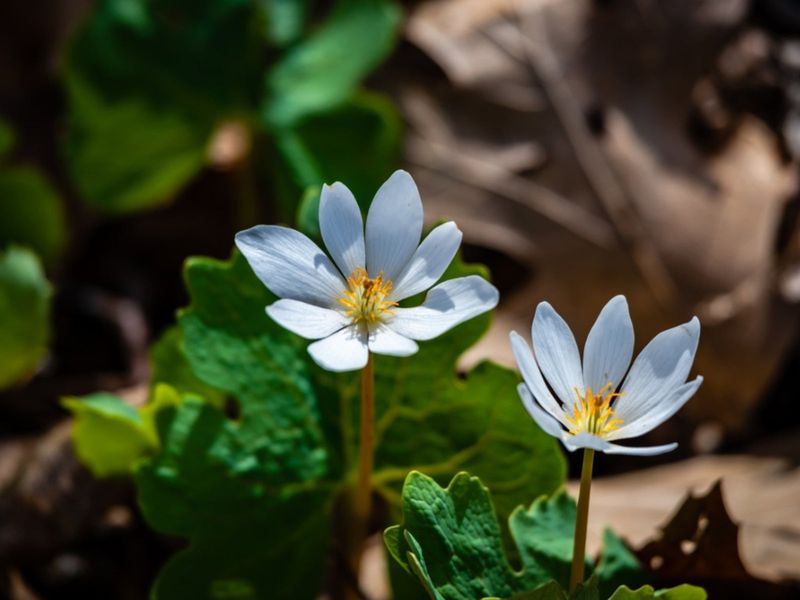
Bloodroot has one of the most clever life cycles in the plant world. While most plants are still waking up from winter, bloodroot is already blooming, setting seed, and preparing to rest.
In Michigan, this means you can expect those gorgeous white flowers as early as late March or April, sometimes even pushing through the last patches of snow to reach the light.
By the time summer plants start competing for space and sunlight, bloodroot has already done everything it needs to do for the year. It flowers, gets pollinated, produces seeds, and then quietly goes dormant, pulling all its energy back underground into those rhizomes.
The leaves yellow and fade, and by early summer, it is as if the plant was never there at all.
This brilliant timing is exactly why bloodroot spreads so successfully without causing problems for other plants in your garden. It occupies a window in the season that most other species leave wide open.
Michigan gardeners can pair it beautifully with hostas, ferns, and other shade-loving perennials that fill in after bloodroot goes dormant, creating a layered garden that looks great from March all the way through fall. Nature designed this timing perfectly, and all you have to do is appreciate it.
5. Natural Colonies That Mirror The Michigan Forest Floor
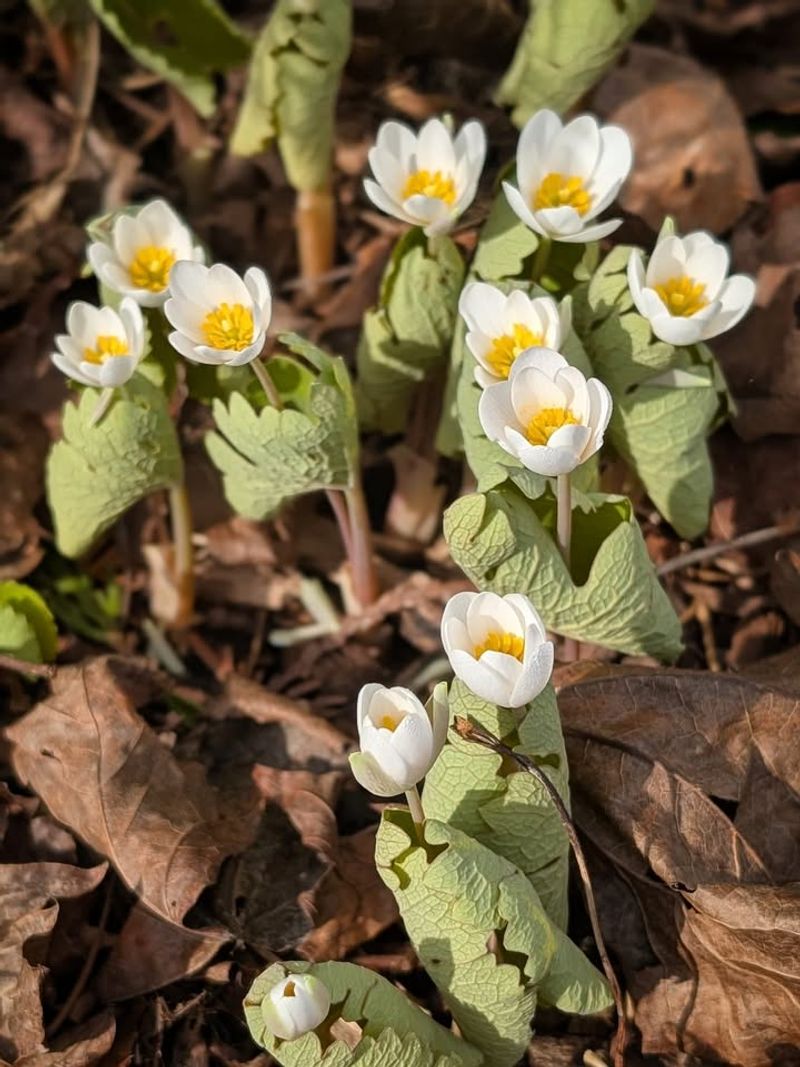
Give bloodroot enough time, and it will create something truly beautiful in your Michigan garden: a spreading colony that looks like it belongs in the heart of a natural forest.
These patches grow outward slowly from a central point, filling in shaded areas with lush, lobed foliage and clusters of white blooms each spring.
The effect is effortlessly natural and wildly satisfying to watch develop over the years.
What makes these colonies so special is how they mimic the real woodland communities you find across Michigan’s forests. Native plants tend to grow in groups rather than alone, and bloodroot is no exception.
When you allow a colony to establish itself, you are recreating a tiny piece of authentic Michigan ecology right outside your door. That connection to the wild landscape is something no ornamental plant can replicate.
Patience is the only thing you need to enjoy this process. A single bloodroot plant can take several years to build a noticeable colony, but once it gets going, the results are stunning.
Many Michigan gardeners say that watching a bloodroot colony grow year after year is one of their favorite parts of spring.
Each new shoot that appears at the edge of the patch feels like a small victory, a quiet reminder that nature knows exactly what it is doing when you simply step aside and let it work.
6. Undisturbed Soil Is The Key To Bloodroot Success
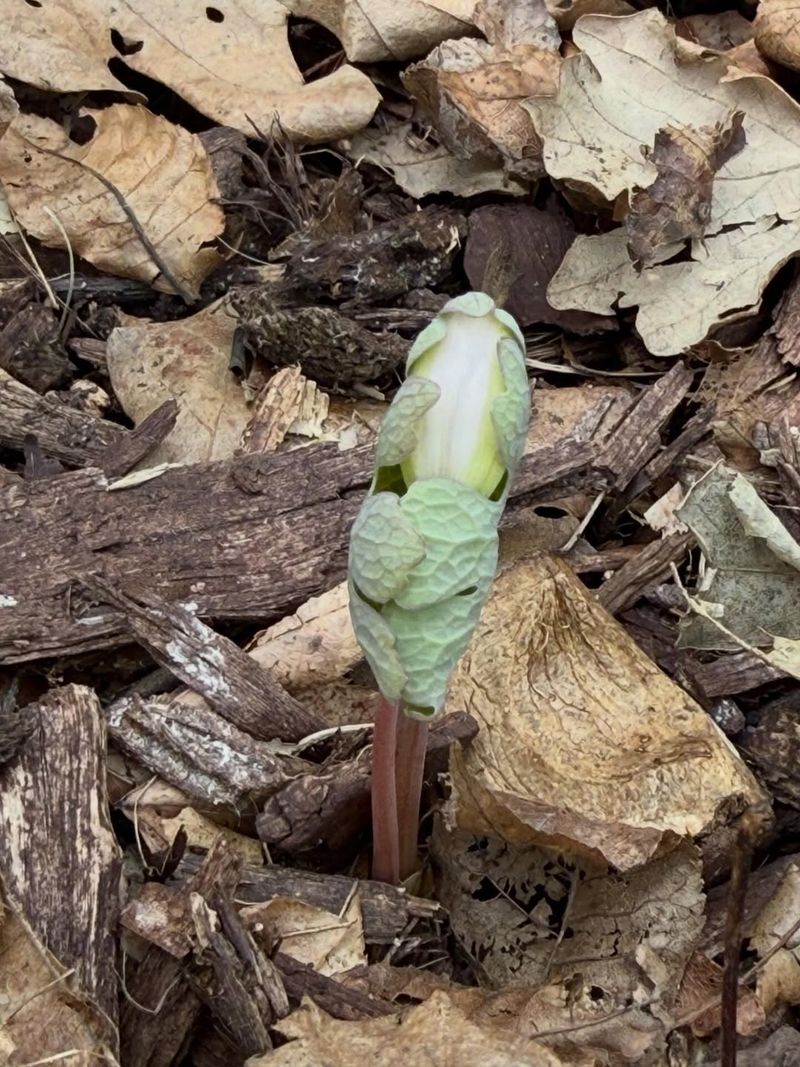
Bloodroot has a simple request: please stop digging. Frequent soil disturbance is one of the biggest reasons this plant struggles in home gardens, because those underground rhizomes are delicate and do not appreciate being broken up or shifted around.
When you leave the soil alone, the rhizomes can grow steadily outward and establish a strong, healthy colony over time.
In Michigan gardens, this means resisting the urge to rearrange things every season. Bloodroot thrives in spots that stay quiet year after year, where fallen leaves accumulate naturally and the soil stays loose and undisturbed.
A light layer of leaf litter actually helps the plant, acting as natural mulch that holds moisture and keeps the soil temperature steady through Michigan’s unpredictable spring weather.
Choosing a permanent home for your bloodroot before planting it saves a lot of frustration down the road. Pick a shaded spot with good drainage, ideally under deciduous trees where it will get bright spring light before the canopy fills in, and then commit to leaving that area alone.
Mark the boundaries if you need to so you remember where the rhizomes are spreading. Gardeners who treat bloodroot as a permanent resident rather than a plant to move around are the ones who end up with the most breathtaking colonies Michigan woodland gardens have to offer.
7. Early Pollinators Depend On Bloodroot More Than You Know
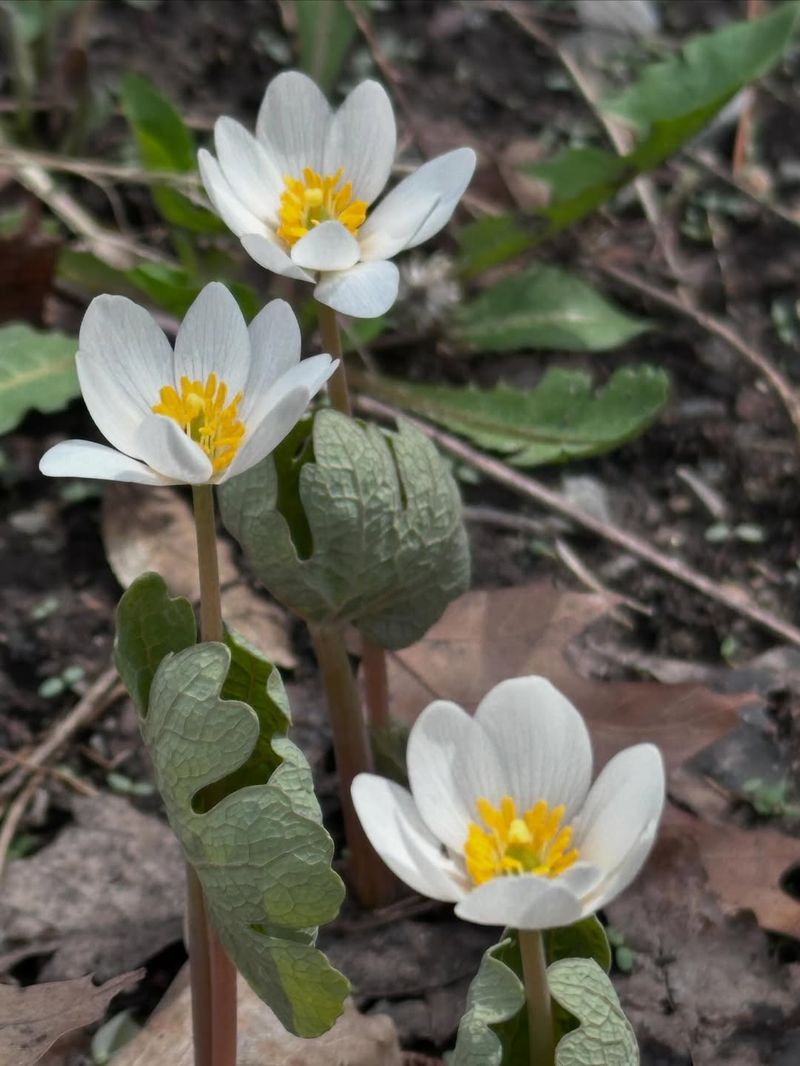
When bloodroot blooms in early spring across Michigan, it is doing something incredibly important for the local ecosystem. Most native plants have not even started growing yet, which means early-emerging bees, flies, and other pollinators are desperately searching for food.
Bloodroot steps up at exactly the right moment, offering a generous supply of pollen and nectar when almost nothing else is available.
Native bees in Michigan, including mining bees and mason bees that emerge in late winter and early spring, rely on these early blooms to fuel the start of their season. Without plants like bloodroot, these pollinators struggle to find enough food during a critical period of their life cycle.
By growing bloodroot in your garden, you are directly supporting the health of your local bee population, which in turn helps every other flowering plant in your yard get pollinated throughout the summer.
The ecological value of bloodroot goes far beyond its beauty. It is a keystone species for early spring food webs in Michigan, connecting pollinators, ants, and the broader woodland plant community into one functioning system.
Gardeners who plant bloodroot are not just adding a pretty flower. They are actively strengthening the natural relationships that keep Michigan’s native landscapes healthy and vibrant.
That is a pretty powerful outcome for a small white flower that only blooms for a week or two each spring.