The Mulch Materials Ohio Gardeners Should Avoid This Spring
Spring has a way of making every Ohio gardener feel ambitious. The snow clears, the soil starts waking up, and suddenly the to-do list is a mile long.
Mulching sits right at the top for most people, and that’s exactly where things go sideways.
Not because mulching is complicated, but because the options at the garden center don’t come with a warning label for Ohio’s specific conditions.
What works beautifully in warmer, drier climates can become a soggy, compacted, pest-inviting mess once Ohio’s unpredictable spring rain and late cold snaps get involved.
Some mulch materials hold too much moisture against crowns that are just starting to push through.
Others break down too fast, others too slow, throwing off soil chemistry at the worst possible time. A bad mulch call in spring doesn’t just look bad, it follows your garden all season long.
Read on before you load up that wheelbarrow, because a few of the most popular options at Ohio garden centers this time of year are ones you’ll want to leave on the shelf.
1. Freshly Treated Grass Clippings Can Do More Harm Than Good
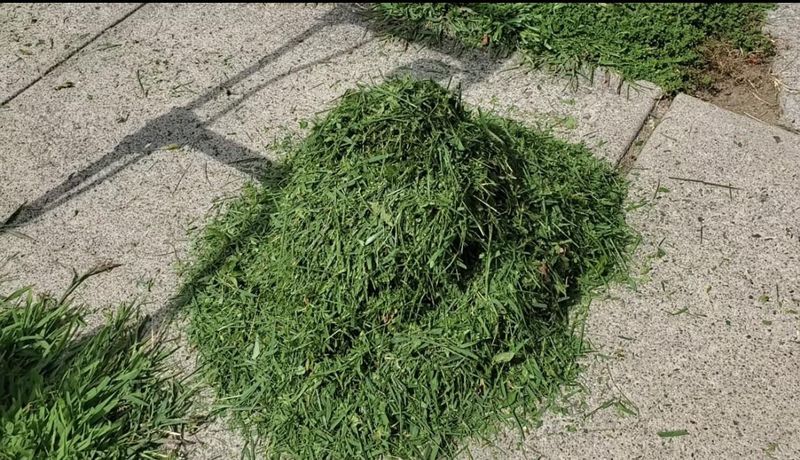
Picture this: you just mowed the lawn, the clippings look lush and green, and your garden beds are right there waiting. Tossing those clippings straight onto your vegetable or flower beds might seem like a smart, no-cost move.
But if your lawn received a herbicide, pesticide, or other chemical treatment recently, those clippings can carry residue that may stress or injure nearby plants.
Ohio State University Extension advises against using grass clippings from recently treated lawns as mulch, especially in vegetable beds or around ornamentals.
The concern is that some herbicide residues, particularly those used for broadleaf weed control, can linger in clippings even after mowing.
Sensitive plants like tomatoes, peppers, and beans are especially vulnerable to residue exposure, and symptoms can include twisted leaves, stunted stems, and poor fruit development.
Timing matters a great deal here. Most lawn care product labels include guidance on how long to wait before using clippings in garden areas.
The safest rule is to follow the lawn product label, and when in doubt, wait through several mowings before using clippings near vegetables, flowers, or other sensitive plants. That waiting period gives the residue time to break down to safer levels.
Untreated grass clippings, on the other hand, can be a genuinely useful mulch material when applied in thin layers. Thick clumps of fresh clippings tend to mat together, blocking water and air from reaching the soil.
Spreading them no more than one to two inches deep and letting them dry slightly before layering more on top helps avoid that problem.
The bottom line is that clippings from a chemically treated lawn should stay off your garden beds until enough mowing cycles have passed.
2. Diseased Leaves Can Bring Last Year’s Problems Back
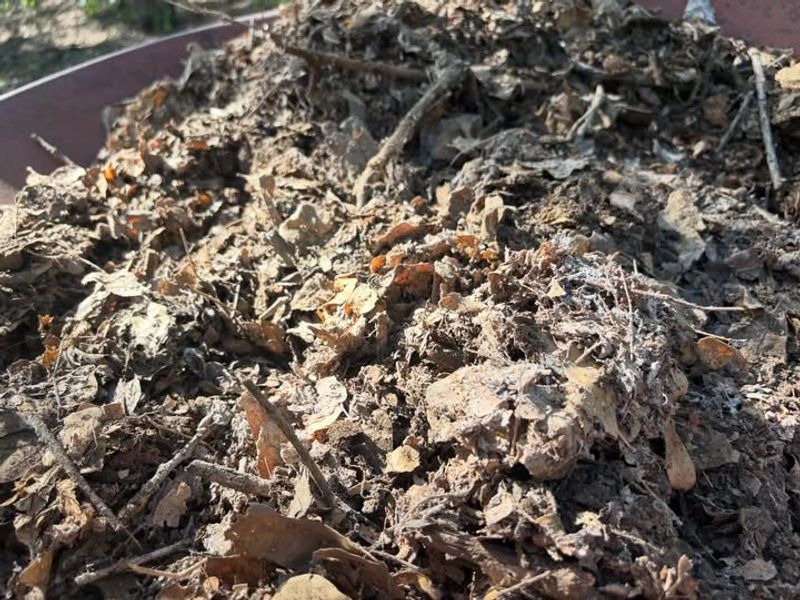
Last fall, if your tomatoes had early blight, your roses showed black spot, or your squash plants were covered in powdery mildew, those leaves are not suitable mulch candidates.
Your Ohio Garden Changes Every Week. Your Plan Should Too.
Gardening in Ohio changes quickly throughout the season. Every Friday you’ll receive a simple weekly plan showing exactly what to plant, prune, fertilize, harvest, and protect so you never miss the right timing.
Fallen and collected leaves from diseased plants can harbor fungal spores, bacteria, and other pathogens that survive winter and reactivate in warm, moist spring soil.
Spreading those leaves around your beds essentially reintroduces the same problems you dealt with the previous season.
Ohio State University Extension guidance is clear on this point: diseased plant material should not be recycled back into garden beds as raw mulch.
The pathogens that cause common Ohio garden diseases, including apple scab, tomato blight, and lilac powdery mildew, can persist on leaf tissue even after the leaves appear dry and decomposed.
Once they are spread near host plants in spring, warm temperatures and spring rains create near-perfect conditions for those pathogens to reactivate.
The good news is that clean leaves from healthy plants are a completely different story.
Shredded leaves from disease-free trees and shrubs make excellent mulch that improves soil structure, supports beneficial organisms, and helps retain moisture.
The key is being selective about which leaves you save and which ones you bag for disposal or handle according to your local yard-waste program’s rules.
Proper hot composting can break down diseased leaf material if the pile reaches and maintains high enough internal temperatures. However, a casual backyard compost pile that does not heat up adequately may not fully neutralize pathogens.
Unless you are confident your compost reached the right temperatures, it is safer to leave questionable leaves out of your garden beds altogether this spring.
3. Infested Plant Debris Gives Pests A Place To Hide
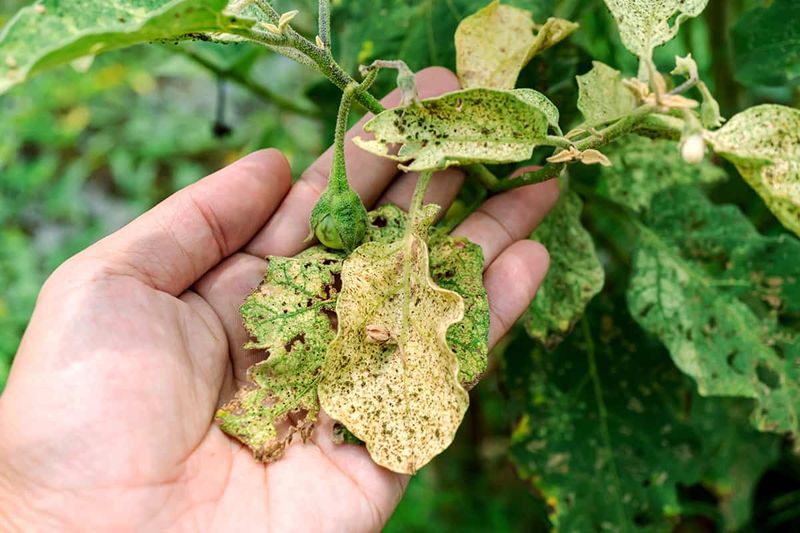
Spring cleanup often turns up more than just withered stems and old leaves. Bug-covered stems, chewed foliage, suspicious egg clusters attached to woody debris, and matted plant waste are all signs that pests set up camp in your garden last season.
Using that infested material as mulch is essentially rolling out a welcome mat for those insects to continue their life cycle right next to your new plantings.
Ohio State University Extension advises against using infested plant material as mulch without composting it first, and visibly pest-loaded debris is usually safer kept out of spring beds.
Common culprits in Ohio gardens include squash vine borer damage on cucurbit stems, aphid colonies on woody rose canes, and scale insects on ornamental shrub debris.
Leaving infested material near the soil surface gives overwintering eggs and larvae a protected spot to develop once temperatures rise.
The practical approach during spring cleanup is to separate plant waste into two piles. Material that looks clean and healthy can be composted or used as mulch after drying.
Stems, leaves, and debris with egg masses, active insect colonies, or heavy pest damage should be handled according to local yard-waste rules rather than spread back into your beds.
It is also worth inspecting purchased bulk mulch or compost for unusual insect activity before spreading it.
While commercially produced mulch is generally processed and less likely to harbor active pests, material from unknown sources or informal local suppliers warrants a closer look.
A few minutes of inspection before spreading can prevent a season-long pest management headache. Clean plant material in, clean garden out is a straightforward principle that pays off all summer long.
4. Oak Wilt Chips Are Too Risky Near Healthy Oaks
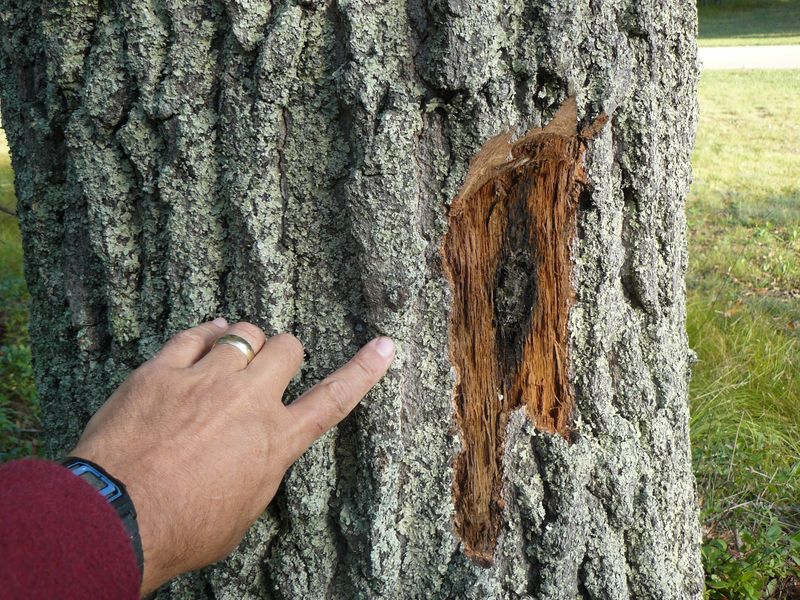
Oak trees are a beloved part of Ohio’s landscape, and oak wilt is one of the most serious diseases threatening them across the state.
Ohio State University Extension and the Ohio Department of Natural Resources have both highlighted oak wilt as a significant concern for Ohio’s forests and residential trees.
While the primary ways oak wilt spreads involve root grafts between neighboring oaks and sap beetles carrying fungal spores, wood chips from infected or suspected trees carry their own precautionary risk.
The nuance here matters. Wood chips from oaks are not widely documented as the main transmission route for oak wilt.
However, Ohio State guidance still treats fresh chips from infected or possibly infected oaks near healthy oak trees as something worth avoiding as a precaution. The reasoning is straightforward.
If alternatives are available, there is little reason to spread questionable oak material close to healthy oaks.
If you had an oak tree removed or trimmed and you are not certain of its health status, keeping those chips away from other oaks in your yard is a sensible precaution.
Using those chips around non-oak plants, on pathways, or in areas far from healthy oaks reduces whatever risk may exist.
Certified arborists familiar with oak wilt can help you assess whether a tree showed signs of infection before removal.
The Ohio Department of Natural Resources offers resources to help identify oak wilt symptoms, including wilting and browning that moves rapidly through the canopy.
When in doubt, source your wood chip mulch from suppliers who can confirm the material came from healthy, non-oak species or from oaks with no history of disease concerns.
5. Moved Firewood Chips Can Haul Pests Into The Yard
Ohio takes the movement of firewood and woody material seriously, and for good reason.
The Ohio Department of Agriculture and Ohio Department of Natural Resources both strongly encourage residents to use locally sourced wood and avoid moving firewood or woody debris from one region to another.
Invasive pests that travel inside wood, beneath bark, or in woody debris have caused enormous damage to Ohio’s forests and landscapes over the past few decades.
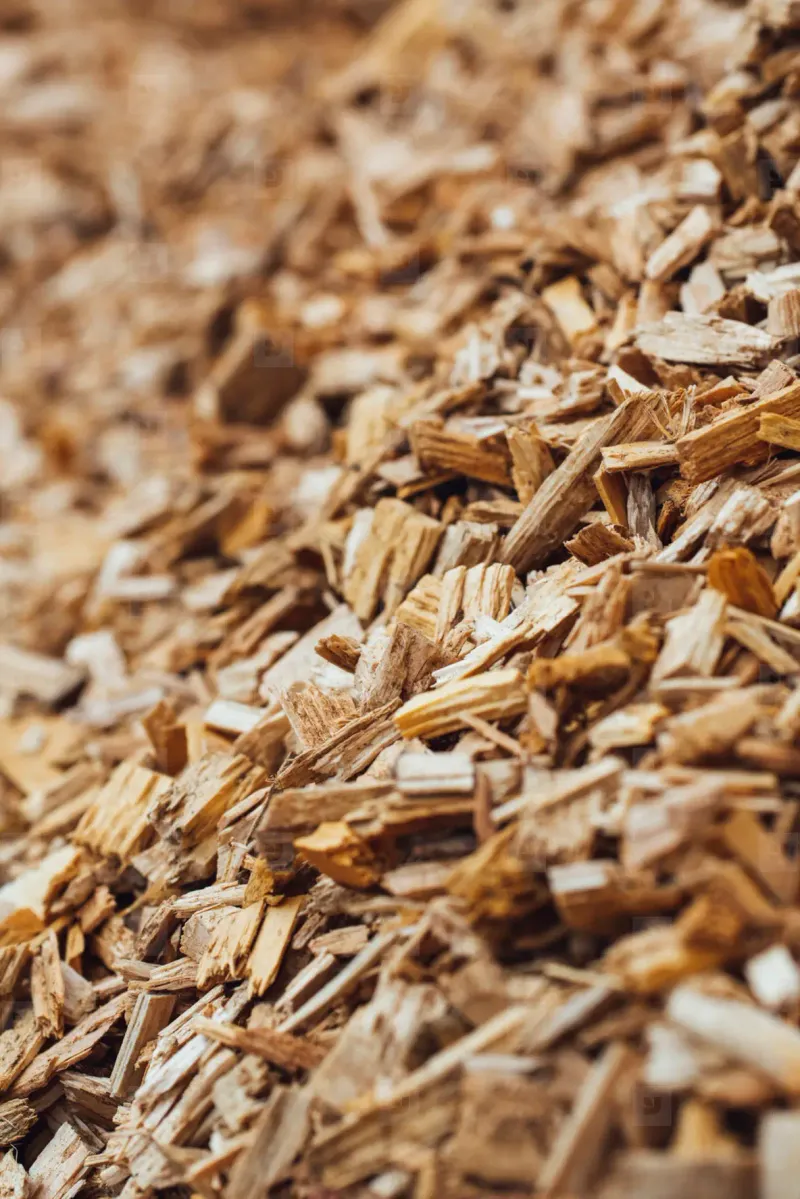
Chipping or shredding firewood, logs, or branches that were brought in from another county or state and then spreading those chips as garden mulch introduces the same risk that moving whole firewood does.
The emerald ash borer is the most well-known example of a pest that spread partly through the movement of infested wood material.
Other wood-boring insects and pathogens can also hitch rides in woody debris that looks completely normal on the outside.
The safest mulch choice from a pest prevention standpoint is wood chip material sourced locally from a reputable supplier or from trees on your own property that show no signs of disease or infestation. Ohio has a “buy it where you burn it” campaign specifically aimed at reducing the risk of transporting invasive pests in firewood.
That same logic extends to any woody debris you plan to chip and spread in your garden.
Before using chipped wood material of uncertain origin, consider where it came from and whether it traveled a significant distance.
A quick call to your county’s Ohio State University Extension office can help you understand which invasive pests are currently active in your region and what precautions make sense for your specific situation this spring.
6. Spotted Lanternfly Debris Can Hitch A Ride In Mulch
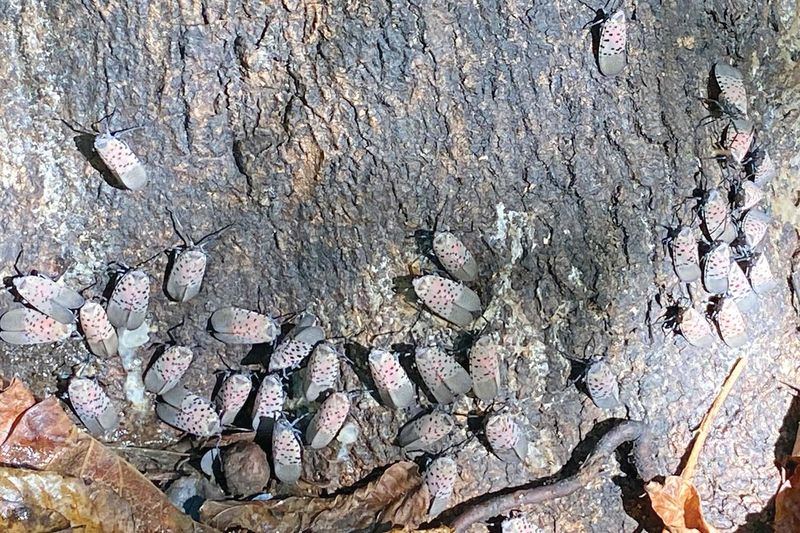
Spotted lanternfly established itself in Ohio, and the Ohio Department of Agriculture has been working to slow its spread across the state. One of the trickiest things about this invasive pest is that its egg masses are easy to overlook.
They look like small patches of dried mud or grayish putty and can be found on woody stems, branches, smooth bark, outdoor furniture, and even garden tools and equipment left outside.
Using woody debris, branches, or plant waste that may carry spotted lanternfly egg masses as garden mulch is one way this pest can move from one yard or property to another.
The Ohio Department of Agriculture encourages residents to inspect outdoor materials carefully before moving them, especially woody debris collected near known spotted lanternfly activity areas.
Egg masses are typically laid from late September through the following spring and remain viable until they hatch.
If you find what looks like a spotted lanternfly egg mass on debris you planned to use as mulch, scrape the mass into soapy water or rubbing alcohol, then follow Ohio Department of Agriculture reporting guidance.
Reporting sightings through Ohio’s online reporting tool helps state officials track the spread and respond more effectively.
The practical takeaway for spring mulching is to give any woody material a close visual inspection before spreading it in your beds.
Pay special attention to smooth-barked branches, the undersides of larger limbs, and any material that was stored outside over winter.
A few minutes of careful checking before you spread mulch can prevent spotted lanternfly from gaining a new foothold in your neighborhood this season.
7. Black Walnut Waste Can Stress Sensitive Spring Plants
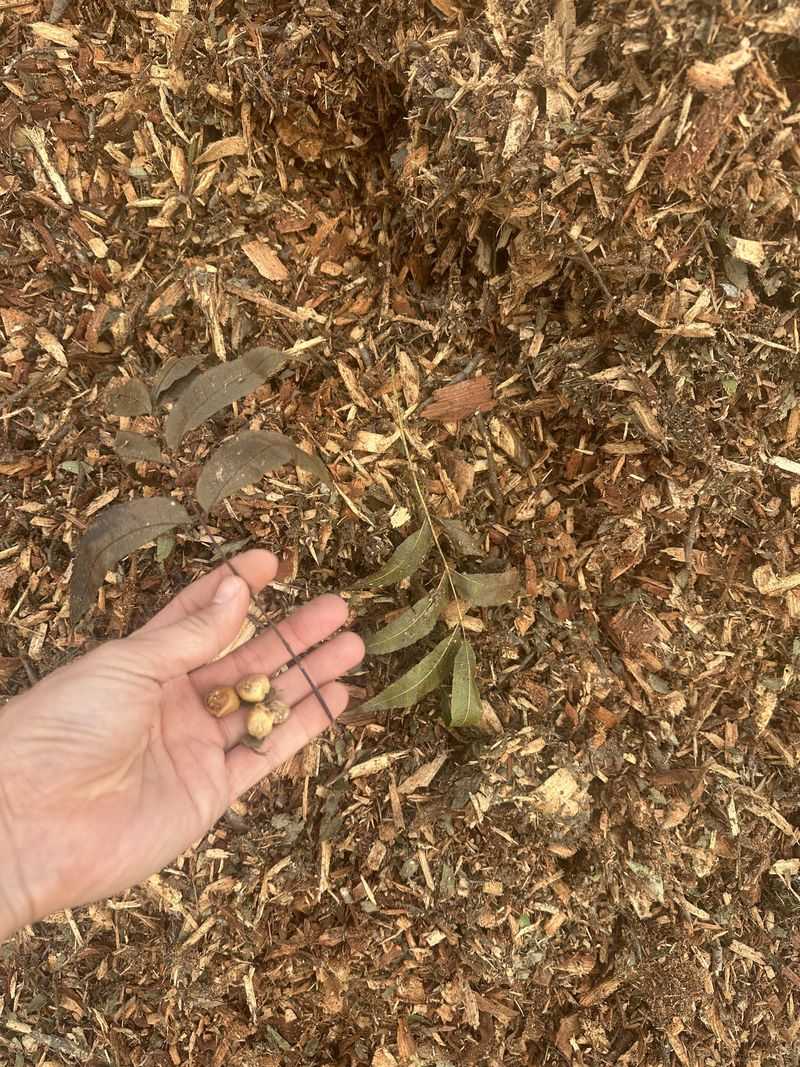
Anyone who has tried to grow tomatoes under or near a black walnut tree has probably learned about juglone the hard way. Black walnut trees produce a natural compound called juglone in their roots, leaves, bark, hulls, and wood.
Ohio State University Extension and Buckeye Yard and Garden Line resources confirm that juglone can affect a range of sensitive plants when black walnut debris is used as mulch or when roots grow into planting areas.
The list of plants sensitive to juglone includes some very common Ohio garden favorites.
Tomatoes, peppers, blueberries, azaleas, rhododendrons, apples, and certain other ornamentals may show wilting, yellowing, and reduced growth when exposed to significant juglone concentrations.
The symptoms can look like nutrient deficiency or drought stress, which sometimes leads gardeners to misdiagnose the real cause.
Not every plant is equally affected. Ohio State sources note that many plants tolerate juglone without noticeable problems.
Corn, beans, squash, and many grasses are often listed as more tolerant of black walnut influence than highly sensitive plants.
The concern is specifically with sensitive species, and the risk is highest when fresh walnut leaves, green hulls, or freshly chipped walnut wood are used directly around those susceptible plants.
If you have black walnut trees on your property, thorough composting may reduce juglone levels over time. However, using walnut-derived material around known sensitive plants is still a gamble worth avoiding.
Designating separate mulched areas for walnut debris, away from vulnerable ornamentals and vegetable crops, keeps your planting beds safer and makes spring troubleshooting a whole lot simpler.