The 10 Plants Oregon Gardeners Should Watch Closely In May Before They Take Over
May in Oregon can make every garden look full of promise. Beds are greening up, borders are filling in, and suddenly everything seems lush, lively, and ready to take off.
The trouble is, some plants take that as an invitation to get a little too comfortable.
Oregon’s wet winters and mild spring weather give fast-spreading and invasive plants a real boost, and by May they can start blending right in with all the good growth.
Very sneaky behavior, if you ask me. A small patch of something troublesome can look harmless at first, then turn into a much bigger job once summer arrives.
That is why this month matters so much. Catching problem plants while they are still young, visible, and easier to deal with can save a lot of effort later.
In Oregon gardens, a little attention in May can go a long way toward keeping the right plants in charge.
1. English Ivy Climbs Fast And Spreads Quietly
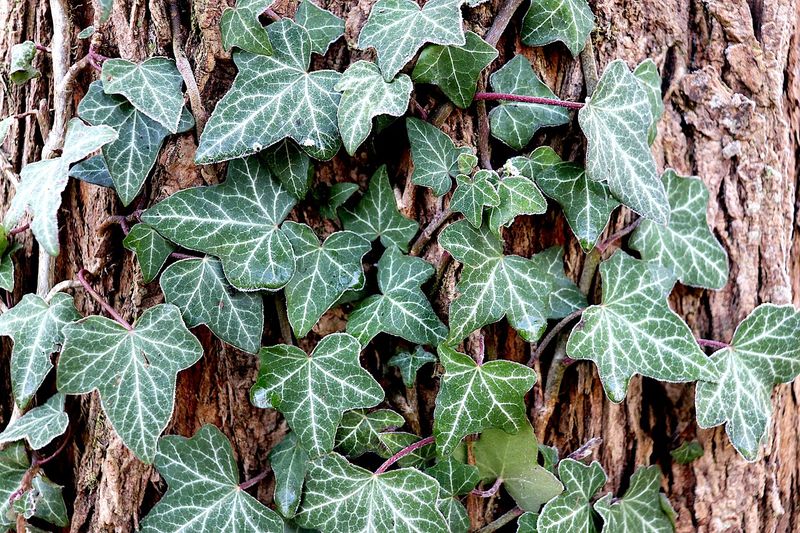
A small cluster of English ivy growing along a fence line can look almost charming in early spring, but by the time May arrives in Oregon, those trailing stems are already sending out runners in every direction.
English ivy is one of the most deceptively well-behaved-looking plants you can have near a garden edge, right up until it is not.
It spreads along the ground, roots at stem nodes, and climbs trees and structures with surprising speed once temperatures warm up.
In Oregon’s mild, moist spring climate, ivy can cover significant ground between April and June. What starts as a contained patch near a wall or hedgerow can creep into lawn areas, climb into tree canopies, and root into garden beds before most people notice.
The dense mat it creates shades out other plants and makes it very hard for native ground cover to survive underneath.
May is a smart time to check fence lines, woodland edges, and shaded corners of the yard where ivy tends to go unnoticed. Hand-pulling young runners before they root deeply is much more manageable now than it will be in midsummer.
Consistent attention through spring makes a real difference with this one.
2. Butterfly Bush Sends Seeds Far Beyond The Garden
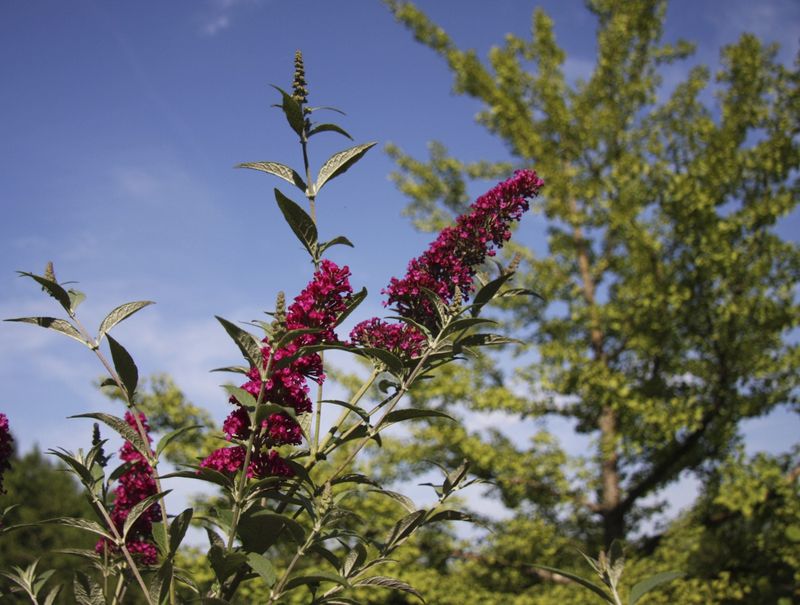
Few plants have a better reputation in backyard gardens and a worse reputation in the wild than butterfly bush.
Gardeners across Oregon have loved it for years because it blooms reliably and attracts pollinators, but the plant produces an enormous number of tiny seeds that travel easily on the wind.
By May, last year’s plants are leafing out vigorously, and any seed heads that were not removed in fall have likely already dropped seeds into surrounding soil.
The problem with butterfly bush in Oregon is that those seeds do not stay in the garden. They move into roadsides, stream banks, disturbed lots, and open woodland edges where the shrub can establish and spread without any help.
It grows quickly in poor soil and does not need much water once it is settled in, which makes it especially persistent in dry or gravelly spots.
Your Oregon Garden Changes Every Week. Your Plan Should Too.
Gardening in Oregon changes quickly throughout the season. Every Friday you’ll receive a simple weekly plan showing exactly what to plant, prune, fertilize, harvest, and protect so you never miss the right timing.
Gardeners who want to keep butterfly bush in the yard should deadhead spent blooms consistently before seeds mature. Sterile or low-seed cultivars are widely available now and are a much better choice for Oregon landscapes near natural areas.
Checking for seedlings around the base of established plants in May helps catch new growth before it gets a foothold.
3. Himalayan Blackberry Turns Small Patches Into Big Problems
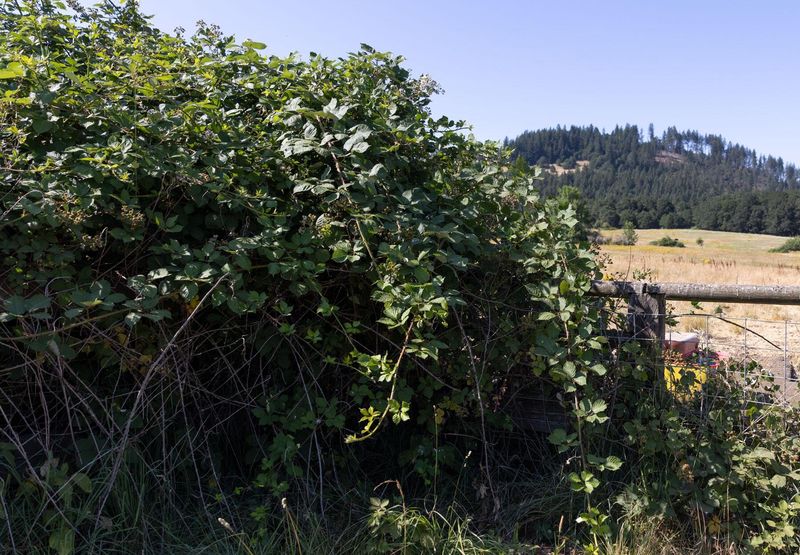
Walk along almost any Oregon roadside, stream bank, or neglected fence line in May and you will likely spot the thick, arching canes of Himalayan blackberry already putting on new growth.
This plant is one of the most widespread invasive shrubs in the Pacific Northwest, and it earns that reputation every spring.
New canes can grow several feet in a single season, and the long, thorny arches root wherever they touch the ground, creating dense thickets that crowd out nearly everything else.
In home gardens and yard edges, Himalayan blackberry often starts as a single cane that wandered in from a neighboring lot or nearby wild area. By summer, that one cane can become a sprawling mass.
May is a good time to address it because the new growth is still tender and easier to cut back before the canes harden and the thorns become more difficult to manage safely.
Repeated cutting at the base through spring and early summer weakens the root system over time. Digging out the roots when the soil is still moist from Oregon’s spring rains gives you a better chance of removing more of the root mass in one effort.
Staying consistent through the season is the most practical approach for home gardeners.
4. Scotch Broom Fills Open Spaces In A Hurry
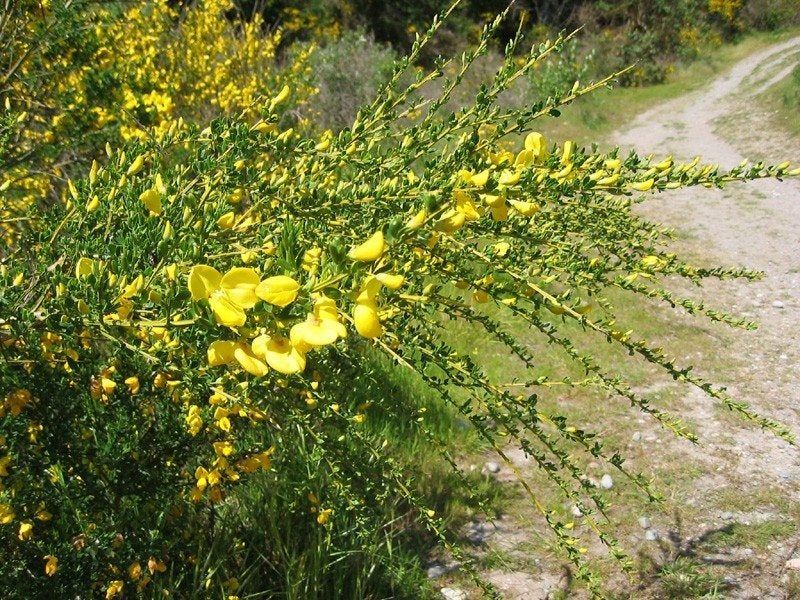
Roadsides and open hillsides across Oregon turn bright yellow every spring, and much of that color comes from Scotch broom rather than anything native or planted intentionally.
This shrub thrives in disturbed soil, sunny slopes, and open lots where it faces little competition.
By May, Scotch broom is in full bloom across much of western Oregon, and those cheerful yellow flowers are producing seed pods that will dry, pop open, and scatter seeds across a wide area by early summer.
Each plant can produce thousands of seeds in a season, and those seeds remain viable in the soil for many years. That long seed bank is part of what makes Scotch broom so challenging to manage once it establishes in a yard or garden edge.
Removing a few plants does not clear the seeds already waiting in the ground, so follow-up attention over several seasons is usually needed.
For home gardeners in Oregon, May is a critical window to cut or pull Scotch broom plants before seed pods mature and open. Younger plants with smaller root systems are much easier to remove than established shrubs.
Checking sunny, open areas and disturbed patches of ground around the property now can help prevent a much larger problem from developing over the next few seasons.
5. Bindweed Twines In And Refuses To Quit
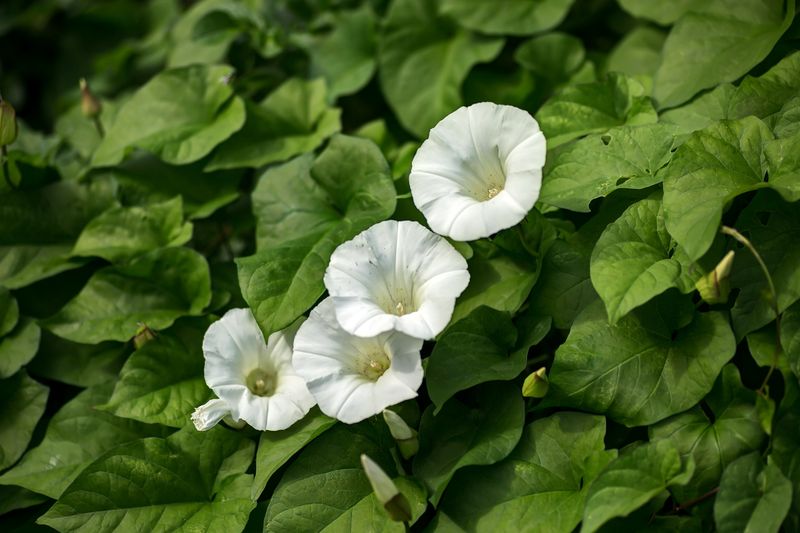
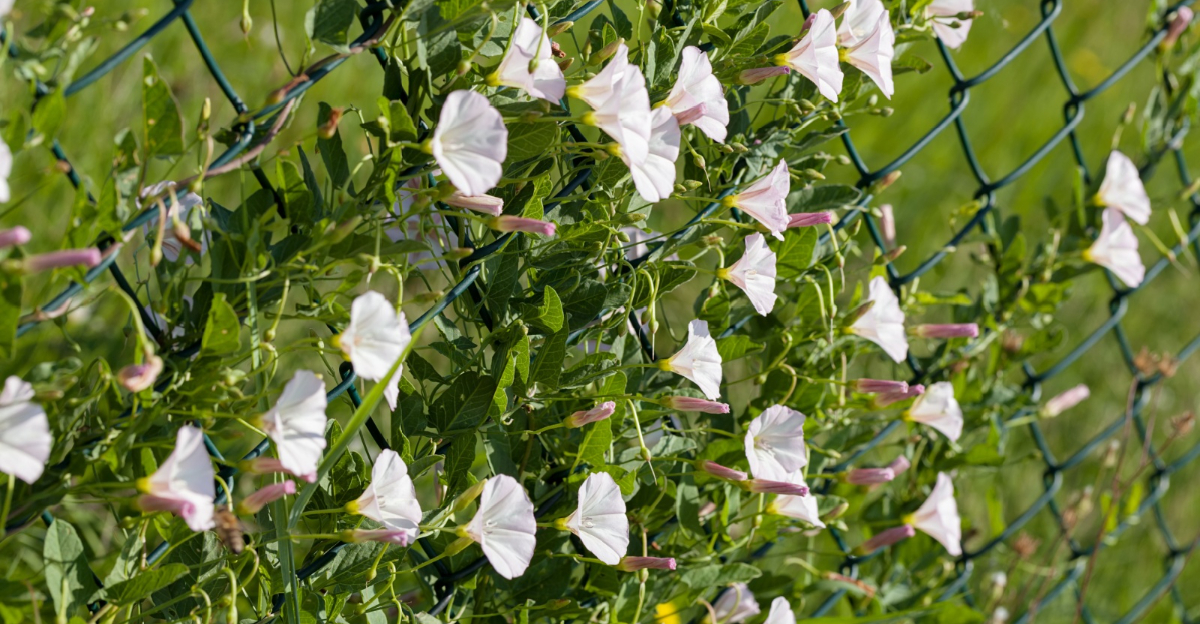
Spotting bindweed in a garden bed for the first time can feel almost harmless. The small, arrowhead-shaped leaves and delicate white or pink flowers look almost like a wildflower, and the young stems are easy to pull.
The challenge is that what you see above the soil is a small fraction of what is going on below it. Bindweed develops a deep, extensive root system that can reach several feet down, and pulling the top growth does very little to slow it down for long.
In Oregon gardens, May is when bindweed really starts pushing new growth through mulch, around established plants, and along garden edges. It twines around other plants quickly and can shade them out if left unchecked.
Vegetable beds and flower borders are common spots where bindweed shows up and causes the most frustration.
Consistent removal of top growth throughout spring and summer is the most practical approach for home gardeners.
Each time bindweed is cut back or pulled, it uses energy from its root reserves to regrow, and repeated removal over time gradually weakens it.
Keeping the area mulched and watching for new shoots weekly through May and June gives gardeners the best chance of reducing its presence without letting it take hold of the whole bed.
6. Japanese Knotweed Spreads Fast And Comes Back Strong
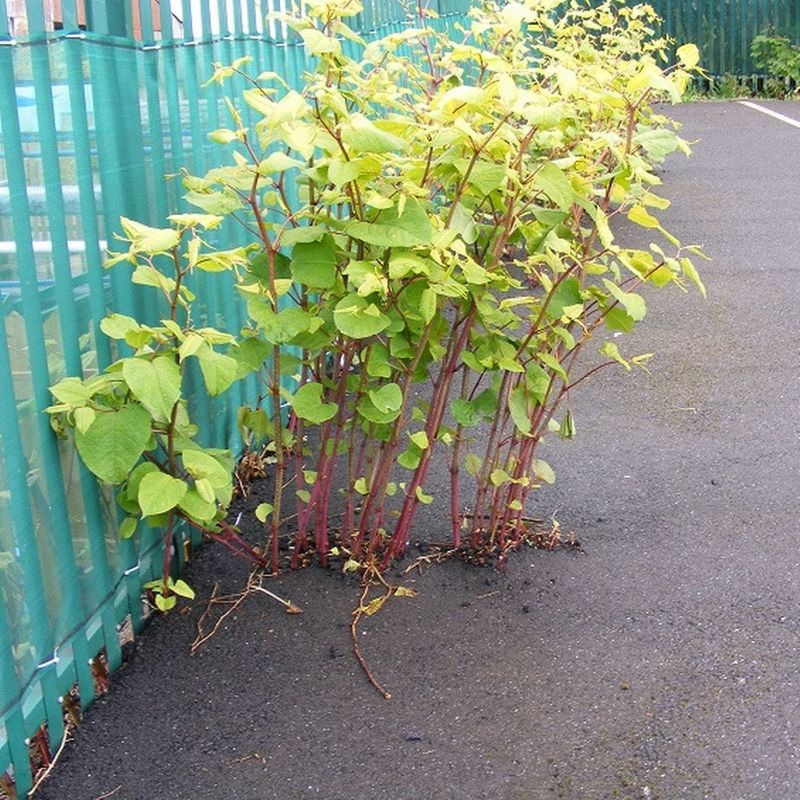
Few plants in Oregon generate as much frustration among gardeners and land managers as Japanese knotweed.
By May, the hollow, bamboo-like stems are already shooting up quickly from last year’s root network, and the large, heart-shaped leaves unfurl fast enough to be noticeable week to week.
It is the kind of plant that can look like an interesting garden specimen from a distance, which is part of how it ends up in places it should not be.
Japanese knotweed spreads primarily through its underground rhizomes, which can extend several feet from the parent plant and send up new shoots through pavement, gravel, and compacted soil.
Even a small fragment of root left in the ground can generate a new plant, which makes physical removal both useful and tricky.
In Oregon, it tends to show up along stream banks, drainage areas, roadsides, and disturbed garden edges.
May is a good time to act because the new shoots are easier to cut and the plant is drawing on root energy reserves to push that growth. Cutting stems close to the ground repeatedly through the season reduces the plant’s stored energy over time.
Gardeners should be careful not to move soil or plant material from infested areas, as even small root pieces can start a new stand elsewhere in the yard.
7. Yellow Flag Iris Takes Hold In Wet Areas
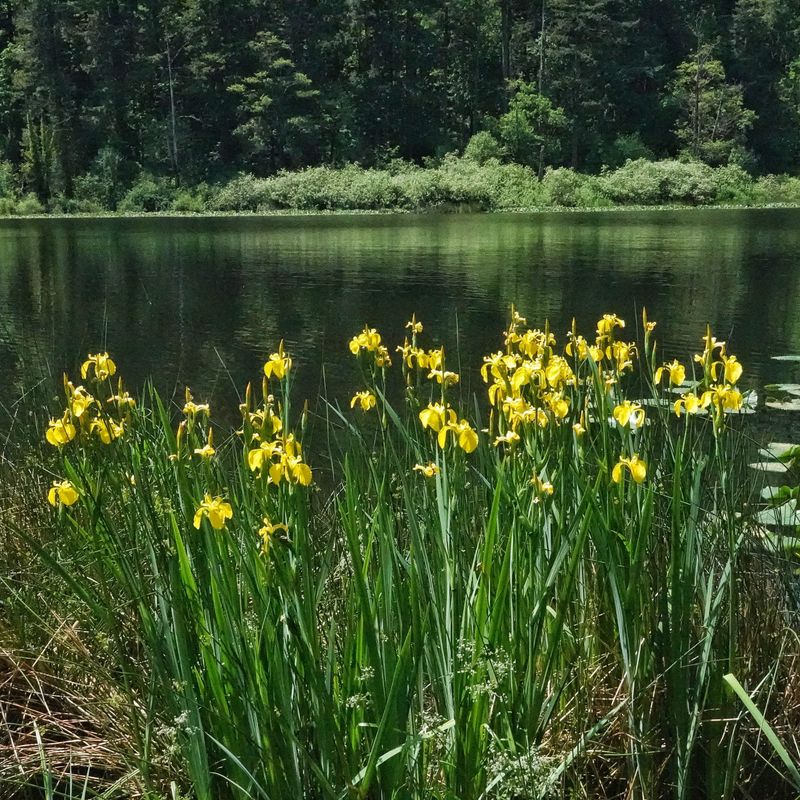
Along the edges of ponds, rain gardens, wet ditches, and slow-moving streams in Oregon, yellow flag iris can look genuinely stunning in May when its bright yellow blooms open up.
It is easy to understand why this plant was once widely sold as an ornamental water-garden plant.
The problem is that it spreads aggressively in wet conditions, forming dense colonies that crowd out native wetland vegetation and reduce habitat value for wildlife that depends on those areas.
Yellow flag iris spreads both by seed and through its thick, mat-forming rhizomes. In Oregon’s wetter regions and along the edges of water features in home gardens, it can expand its footprint considerably between spring and fall.
Once a colony establishes in a wet area, it tends to be persistent and can be difficult to fully remove because rhizome fragments left in the mud can regenerate.
Gardeners with water features, boggy corners, or properties near natural waterways should check those areas in May for new yellow flag iris growth. Removing plants while the soil is saturated makes root extraction somewhat easier.
Disposing of plant material carefully, away from any water or drainage areas, helps prevent accidental spread. Native alternatives like blue flag iris are a much better fit for Oregon water gardens and wet landscape edges.
8. Purple Loosestrife Crowds Out Other Plants Quickly
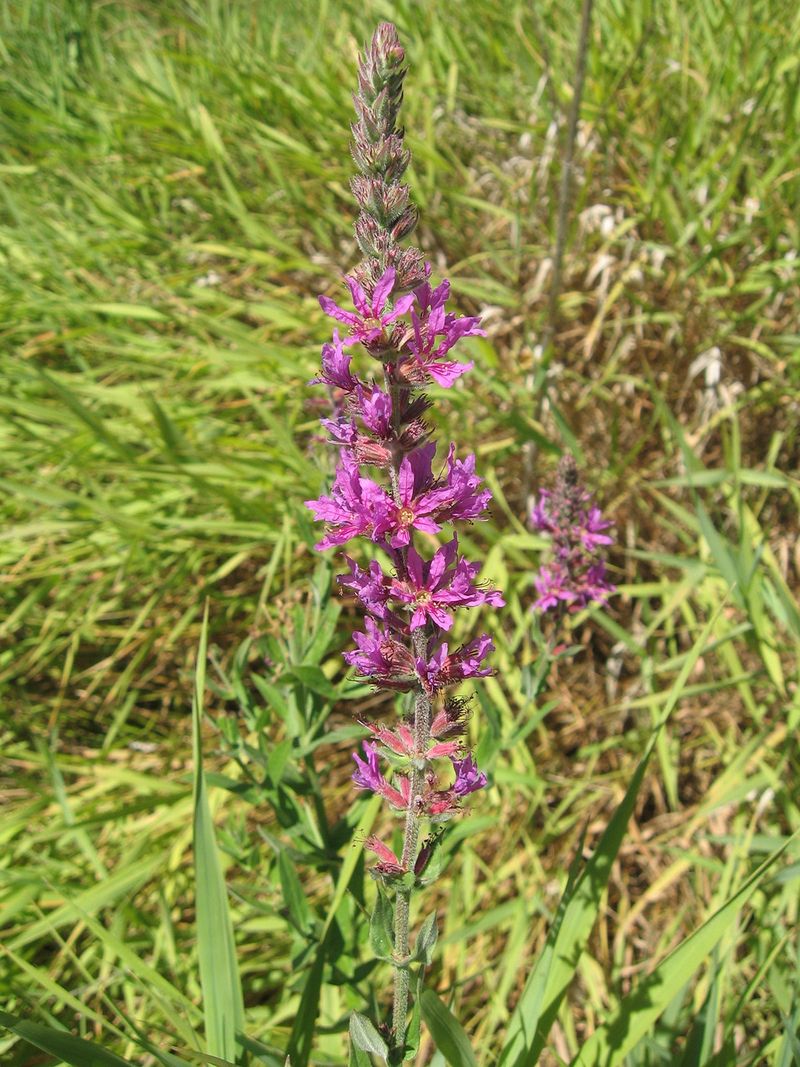
Wet ditches, marshy corners, and the edges of slow-moving water in Oregon can turn a striking shade of magenta in late spring when purple loosestrife blooms.
The plant is visually impressive, which is exactly why it was introduced as an ornamental in the first place.
But its ability to produce millions of tiny seeds per plant each season, combined with its tolerance for a wide range of wet conditions, has made it one of the most disruptive plants in Oregon wetland areas.
By May, purple loosestrife is putting on strong new growth and moving toward bloom. It forms dense, single-species stands that shade out native wetland plants like sedges, rushes, and native wildflowers that local wildlife depends on.
In home gardens near natural wet areas, even a single plant can become a source of seed spread into nearby habitats.
Gardeners who spot purple loosestrife along the wet edges of their property in May should remove it before it blooms and sets seed. Young plants are much easier to pull than established clumps with woody root crowns.
Wet soil conditions in spring make removal more manageable. Replacing it with native wetland plants suited to Oregon’s conditions helps fill that space with something that supports local ecology rather than disrupting it.
9. Reed Canary Grass Spreads Thickly In Moist Spots
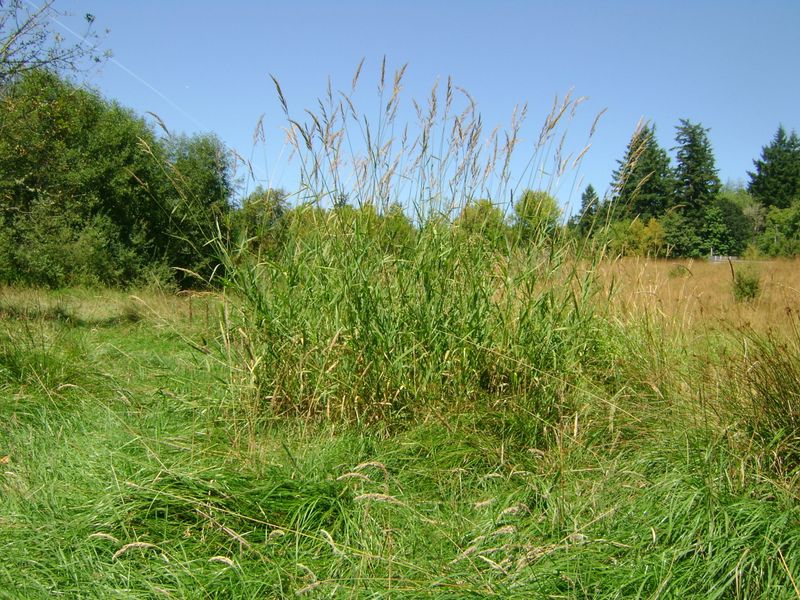
Moist corners of Oregon gardens, low spots that stay wet after rain, and the edges of streams or drainage channels are exactly where reed canary grass feels most at home.
By May, it has already formed thick, upright stands of tall green blades that can reach several feet in height by early summer.
It spreads both by seed and through a vigorous underground rhizome network, which allows it to expand steadily outward from an established patch each season.
One of the trickier things about reed canary grass is that it can be easy to confuse with other large ornamental grasses in a garden setting, especially when it is still putting on new growth in spring.
It tends to move into areas where the soil stays consistently moist, including rain gardens, bog plantings, streamside borders, and low areas that collect runoff.
Once it establishes, it forms such a dense mat that most other plants cannot compete with it.
Watching moist areas of the yard closely in May helps catch new stands before they spread widely. Cutting it back and digging out rhizomes while the soil is still wet from spring rains is more effective than trying to manage it in dry summer conditions.
Removing seed heads before they mature also reduces how far it spreads into adjacent areas of the garden or yard.
10. English Holly Pops Up Where Birds Drop Seeds
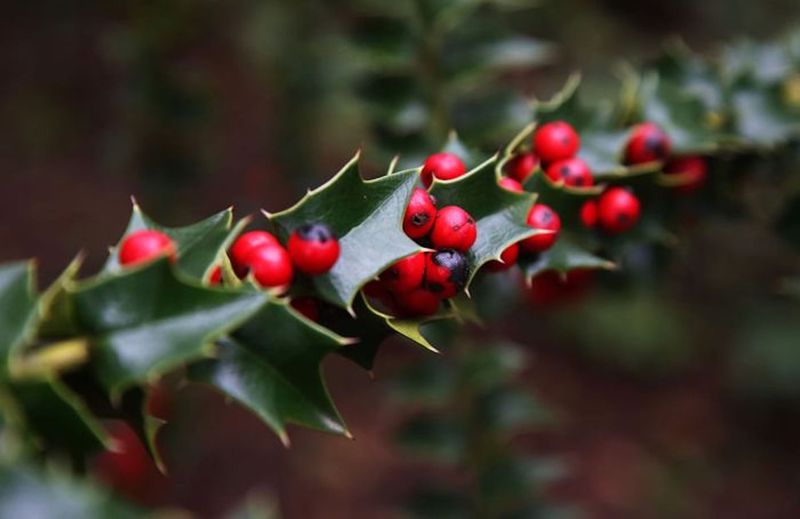
Birds love the bright red berries that English holly produces in winter, and they do an excellent job of carrying those seeds into woodland edges, hedgerows, and shaded garden corners throughout Oregon.
By spring, seedlings from those bird-dropped seeds are already emerging in spots you might not expect, including under large trees, along fence lines, and in naturalized areas of the yard where you may not check very often.
English holly is shade-tolerant and evergreen, which gives it a real advantage over many native seedlings competing for the same space.
In Oregon’s mild, wet climate, English holly seedlings establish readily and grow into tough, long-lived shrubs that are difficult to remove once the root system matures.
The spiny leaves make hand-pulling unpleasant without thick gloves, and mature plants can eventually produce enough berries to keep spreading into new areas season after season.
May is a practical time to walk shaded areas of the yard and look for small holly seedlings, which are easier to identify once they have put on a flush of new growth but before the root system becomes established.
Young seedlings pull out easily from moist spring soil.
Checking under established holly trees and along areas where birds roost or perch regularly tends to turn up the most new seedlings each year.