Why More California Gardeners Are Creating No-Mow Front Yards
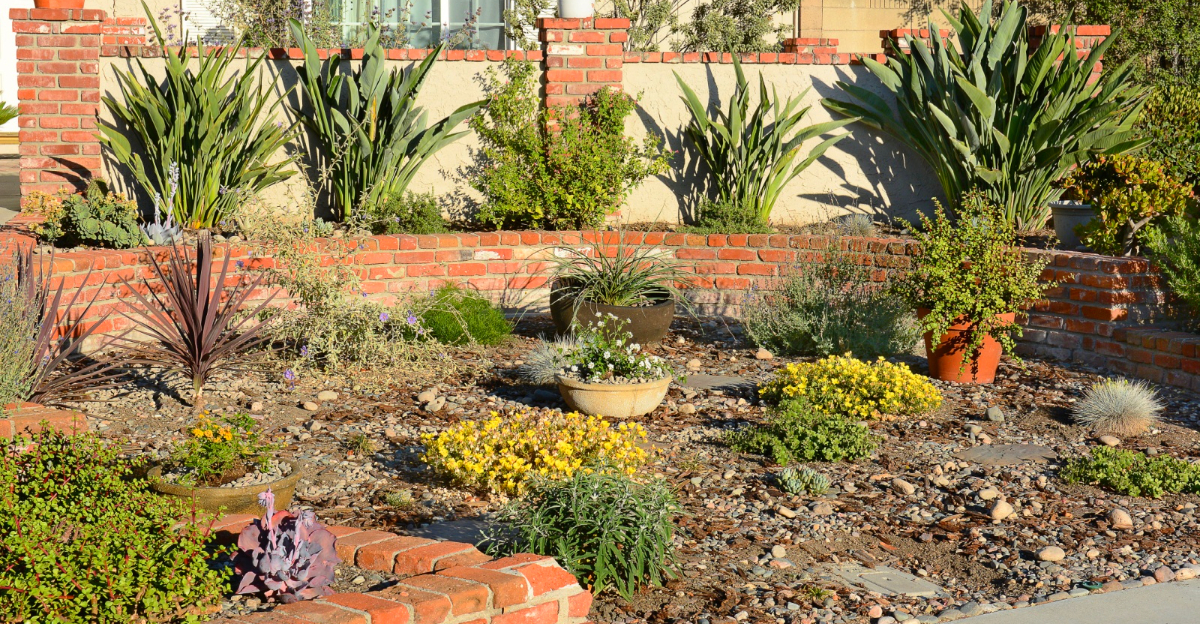
California front yards are starting to look a lot more interesting, and honestly, it is about time.
The old stretch of thirsty lawn is losing ground to spaces filled with texture, color, native plants, gravel paths, flowering borders, and clever low-water design.
It is a shift that makes a lot of sense for California, where dry seasons run long and many homeowners are ready for a yard that asks for less and gives back more.
A no-mow front yard is not just about skipping weekend chores, though that part is certainly appealing.
It is also about creating a space that fits the climate better, supports pollinators, and feels a little more personal than a standard patch of grass. Some look soft and natural, others feel clean and modern, and many land somewhere in between.
That is part of the fun. California gardeners are rethinking what curb appeal can be, and the results are getting harder to ignore.
1. Lower Water Use Is Driving The Change
Thirsty lawns have long been one of the biggest water consumers in California home landscapes, and for many homeowners, that reality has become harder to ignore.
A traditional cool-season lawn can require a significant amount of irrigation to stay green through the long, dry California summer, and in regions where water is expensive or restricted, keeping that grass alive starts to feel like a losing battle.
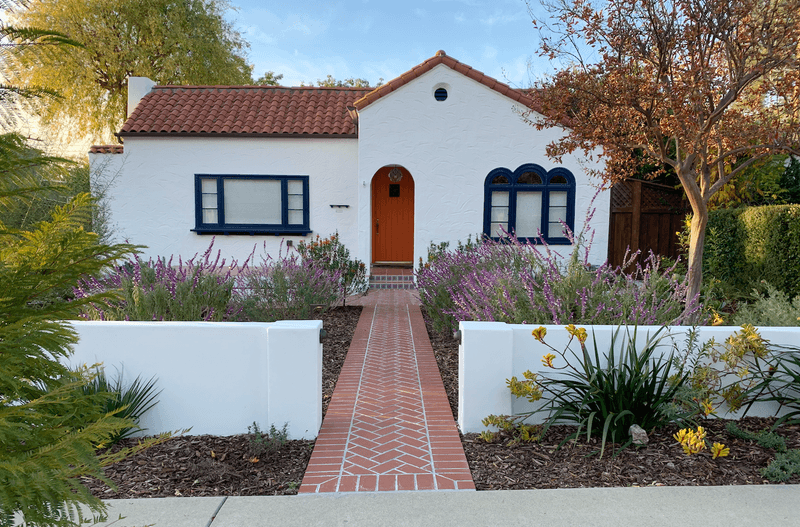
No-mow front yards sidestep much of that pressure by relying on plants that are naturally suited to California’s dry conditions.
Native shrubs, drought-tolerant groundcovers, and low-water perennials can often get by with much less irrigation once they are established, which can translate into real savings on water bills over time.
That said, even drought-tolerant plants typically need regular watering during their first one to two growing seasons while roots are getting settled.
Many California gardeners who have made the switch report that the change in water use is one of the most noticeable benefits. Replacing a lawn with a well-designed, low-water planting scheme does not mean the yard looks dry or neglected.
With the right plant selection and a smart irrigation setup, a no-mow front yard can stay attractive through the hottest months while using a fraction of the water a traditional lawn would require.
2. Less Maintenance Makes No-Mow Yards Appealing
Weekend mornings in California can be spent a lot of ways, but hauling out the mower every week or two is one chore that many homeowners would rather skip.
Traditional lawns need regular mowing throughout the growing season, plus edging, fertilizing, and occasional reseeding to stay looking their best.
That adds up to a lot of hours and a fair amount of money spent on equipment and supplies.
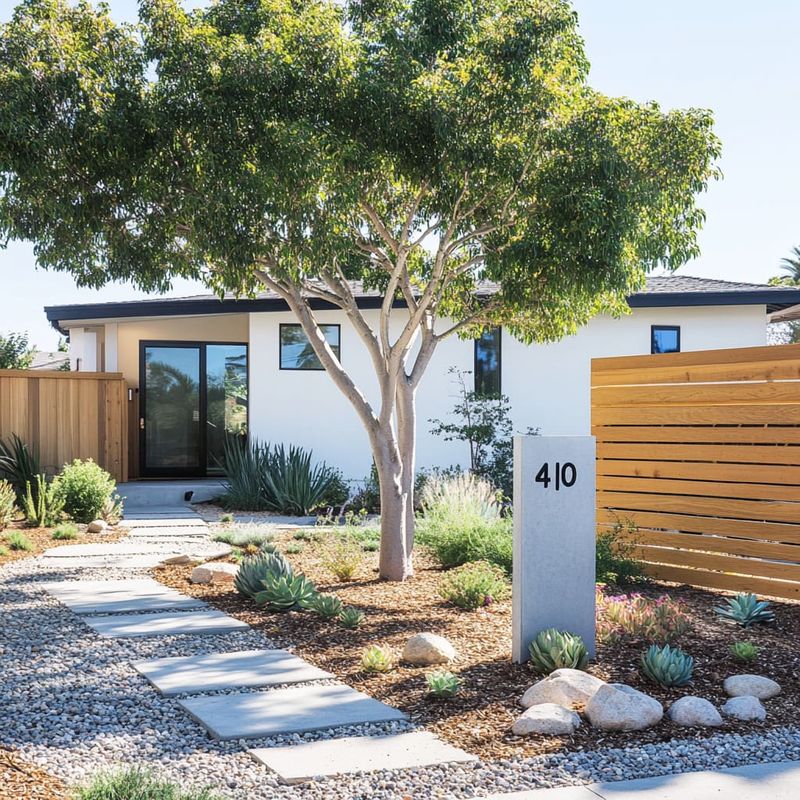
No-mow front yards shift that equation in a meaningful way. Once a drought-tolerant planting scheme is established, the ongoing maintenance tends to be lighter.
Seasonal pruning, occasional weeding, and refreshing a layer of mulch are typically the main tasks, rather than weekly mowing sessions.
Your California Garden Changes Every Week. Your Plan Should Too.
Gardening in California changes quickly throughout the season. Every Friday you’ll receive a simple weekly plan showing exactly what to plant, prune, fertilize, harvest, and protect so you never miss the right timing.
Many California gardeners find that the time they used to spend on lawn care gets freed up for other parts of the garden they actually enjoy.
It is worth mentioning that no-mow does not mean zero maintenance. New plantings need attention while they get established, and some ornamental grasses or flowering perennials benefit from an annual cutback to stay tidy.
The difference is that those tasks tend to be seasonal rather than weekly, which gives homeowners a much more manageable routine.
For busy families or anyone looking to simplify their yard care, that shift in workload is one of the most attractive parts of going no-mow in California.
3. Drought-Tolerant Plants Offer More Flexibility
One of the quiet surprises for many California gardeners who step away from traditional turf is just how many planting options open up.
When a front yard no longer needs to support a uniform lawn, the space becomes available for a much wider range of plants, textures, and colors.
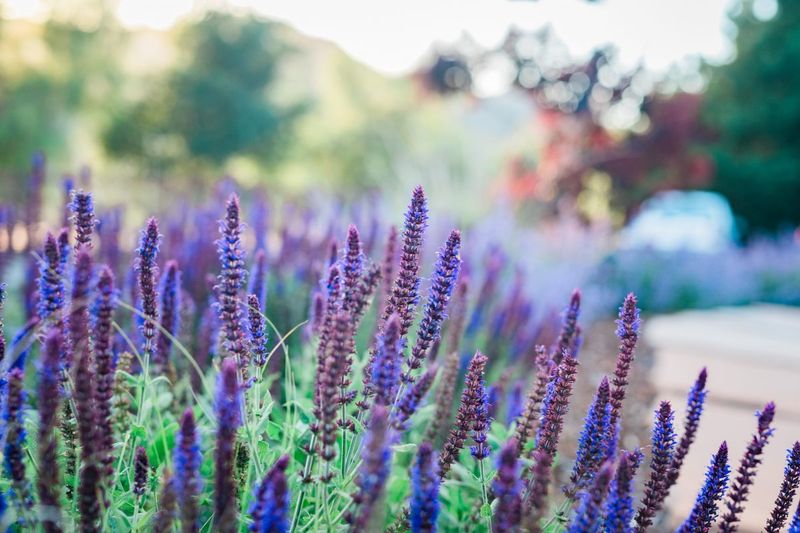
Drought-tolerant shrubs, flowering perennials, ornamental grasses, and low-growing groundcovers can all work together to create a yard that feels layered and alive.
California has a genuinely rich palette of plants that thrive in dry conditions.
Salvias, manzanitas, ceanothus, lavender, and native bunchgrasses are just a few examples of plants that can handle long dry spells while still offering seasonal color and interesting structure.
Many of these plants also tend to look more natural in California’s landscape than a flat green lawn ever did, blending more easily with the surrounding terrain and climate.
Flexibility also means that no-mow yards do not have to follow a single look.
A front yard can lean toward a meadow-style planting, a tidy Mediterranean design, a lush cottage feel with low-water flowering plants, or a more structured arrangement with pathways and defined beds.
Regional climate, sun exposure, soil type, and homeowner preferences all play a role in shaping the right combination. That range of choices is part of what makes the no-mow approach feel fresh and genuinely customizable for California homes.
4. Pollinator Planting Adds Life To The Yard
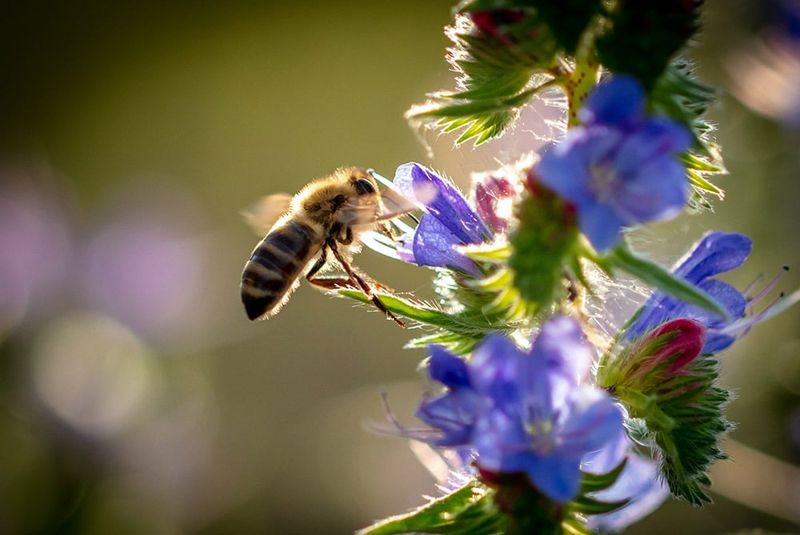
Walk past a no-mow front yard in bloom on a warm California afternoon and you will likely hear something a traditional lawn almost never offers: the steady hum of bees.
Flowering plants that replace grass attract native bees, butterflies, and other pollinators that play an important role in the broader garden ecosystem.
For many California homeowners, that added wildlife activity becomes one of the most rewarding parts of the whole shift.
Native plants tend to be especially effective at supporting local pollinators because they have evolved alongside the insects and birds that live in California’s various regions.
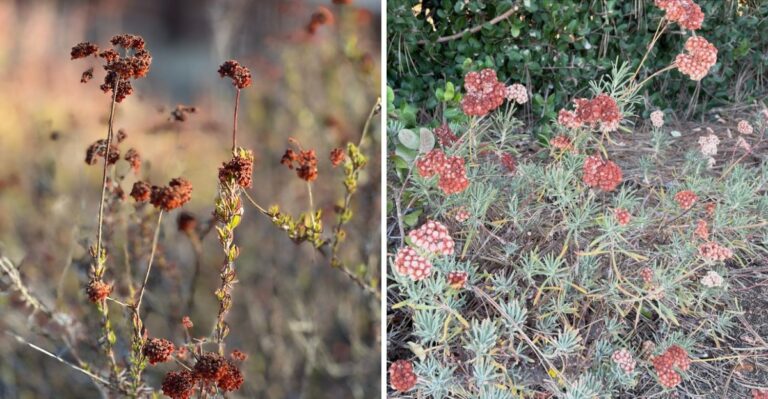
Plants like native salvias, buckwheat, penstemons, and California poppies can draw in a range of beneficial insects while also adding seasonal color to the front yard.
Even a relatively small planting area can make a noticeable difference when the right plants are included.
Pollinator-friendly front yards do not require a wild or untended look to be effective.
A thoughtfully arranged mix of flowering plants in defined beds, edged with gravel or low borders, can feel tidy and welcoming while still offering genuine habitat value.
Some California gardeners start by replacing just a portion of their lawn with flowering groundcovers or shrubs and then expand from there as they see what thrives.
Watching the yard come to life with pollinators can be a strong motivator to keep going with the no-mow approach.
5. Natural-Looking Front Yards Are Gaining Ground
Something has been shifting in California neighborhoods over the past several years, and it shows up clearly when you drive down the street.
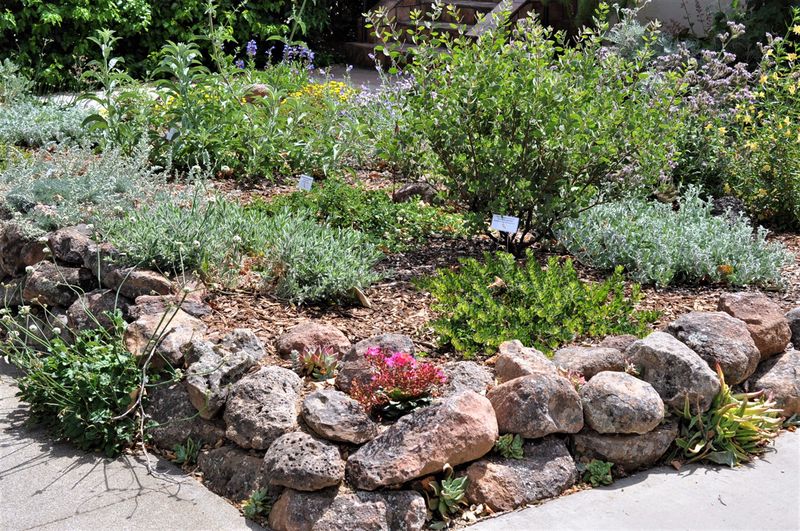
Front yards that used to be wall-to-wall grass are now being replaced with layered plantings, gravel pathways, native shrubs, and flowering groundcovers that look more at home in the California landscape.
That natural aesthetic is catching on, and many homeowners say it feels like a more honest reflection of the climate they actually live in.
A no-mow yard does not have to look rough or unfinished to feel natural. When plants are chosen thoughtfully and arranged with some attention to scale and texture, the result can be genuinely beautiful in a way that feels organic rather than forced.
Mulched planting beds, low stone borders, a simple seating area, or a gravel path can all add structure and visual interest while keeping the overall feel relaxed and California-appropriate.
Neighbors and passersby often take notice in a positive way, especially as more front yards in the same area make the shift. What once might have seemed unconventional is increasingly seen as a thoughtful and appealing choice.
Some California cities and counties have even updated their landscaping guidelines to encourage or support lawn replacement with low water alternatives.
This makes it easier for homeowners to move forward with a more natural front yard design without running into neighborhood complications.
6. Mowing Less Is A Big Part Of The Appeal
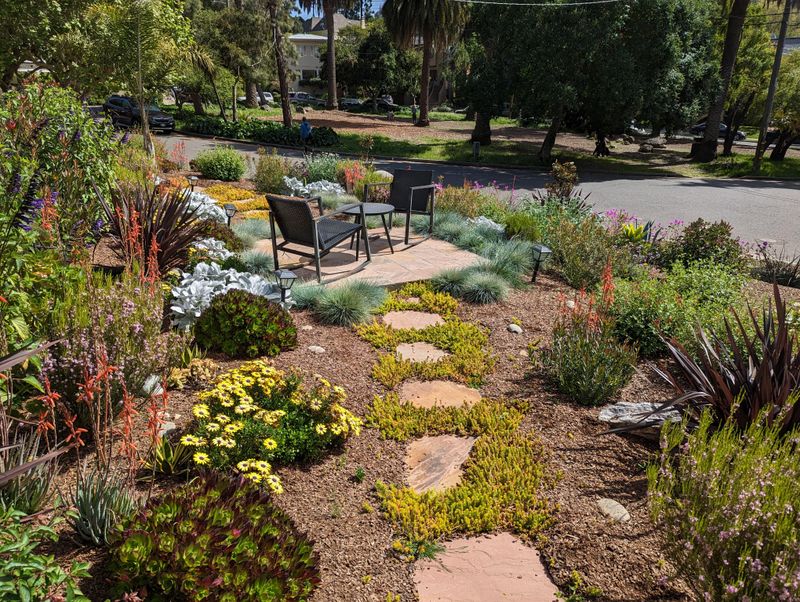
Spending Saturday morning pushing a mower back and forth across a patch of grass is a ritual that a growing number of California homeowners are ready to leave behind.
The appeal of mowing less, or skipping it entirely in the front yard, is straightforward: it saves time, reduces noise, cuts down on fuel or electricity use, and removes one of the more repetitive tasks from the weekly to-do list.
For households where outdoor time is limited or physical demands make regular mowing a challenge, a no-mow front yard can be a genuinely practical solution.
Replacing grass with low-growing groundcovers, spreading mulch over planting beds, or filling the space with shrubs and ornamental grasses that only need occasional trimming can dramatically reduce the hours spent on routine yard upkeep each month.
Mowing less also has a quieter benefit that homeowners sometimes mention after making the switch: the front yard starts to feel more like a space to enjoy rather than a chore to manage.
A seating area tucked among low-water plants, a pathway lined with fragrant herbs, or a simple arrangement of native shrubs can turn the front yard into something that genuinely adds to daily life.
Across California, that shift in perspective, from lawn as obligation to yard as living space, is part of what is making the no-mow approach feel so appealing to so many homeowners right now.
7. No-Mow Designs Open Up More Planting Options
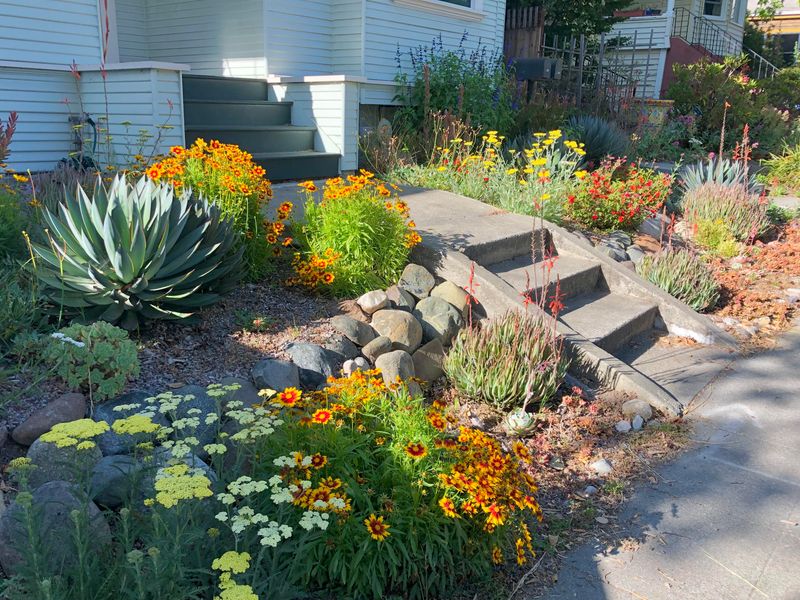
Pulling out a traditional lawn is a bit like clearing a canvas.
Once the grass is gone, the front yard can become almost anything: a lush collection of native perennials, a structured Mediterranean-style garden, a soft meadow planting, or a mix of edible herbs and low-water ornamentals.
That creative freedom is something many California gardeners find genuinely exciting, especially after years of maintaining a single-species lawn.
No-mow designs also allow for features that grass simply cannot accommodate, such as raised beds, decomposed granite pathways, stepping stones, small seating areas, or clusters of container plants near the front door.
These elements can make the front yard more functional while adding visual variety that a uniform lawn never offered.
When the design is done thoughtfully, the result tends to have more year-round interest than a traditional grass front yard.
Choosing the right plants for the specific conditions of a California front yard, including sun exposure, soil drainage, local climate, and available water, is an important part of getting the design to work well over time.
Some areas of California support lush, leafy plantings with relatively modest irrigation, while drier inland regions may call for a more restrained palette of true desert-adapted plants.
Working within those regional differences, rather than against them, is what tends to produce no-mow front yards that look great and stay manageable across the seasons.
8. Water Challenges Are Reshaping Front Yards
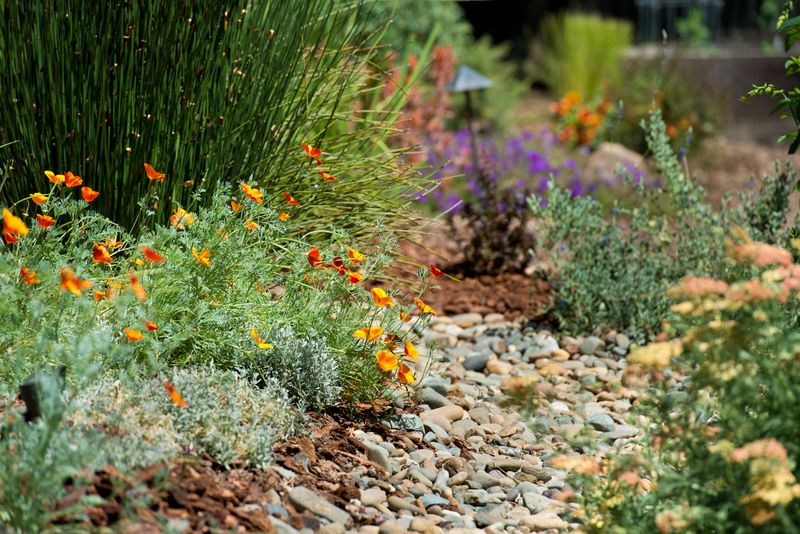
Dry summers, periodic drought conditions, and water rate increases have become familiar realities for many California homeowners, and those pressures are quietly reshaping what front yards look like across the state.
When water is expensive or restricted, maintaining a lush green lawn through a long dry season can feel increasingly difficult to justify, both financially and practically.
Many California communities have introduced rebate programs or incentives to encourage homeowners to replace traditional turf with low water landscaping.
This has made the transition more accessible for people who might otherwise feel uncertain about where to start.
These programs vary by region and availability, but they reflect a broader recognition that shifting away from thirsty lawns is one meaningful way residential landscapes can adapt to California’s water realities.
Front yards that are redesigned with water challenges in mind tend to look quite different from the turf-heavy landscapes of earlier decades, and many homeowners find that the change suits California’s character far better.
Native plants, drought-tolerant shrubs, mulched planting areas, and efficient drip irrigation systems all work together to create a front yard that can handle dry conditions without constant intervention.
That resilience is increasingly seen not as a compromise but as a smart and forward-thinking approach to California home landscaping, one that reflects where the state is heading rather than where it has been.