8 Hardy Climbing Plants For Every Tough Wall In Ohio
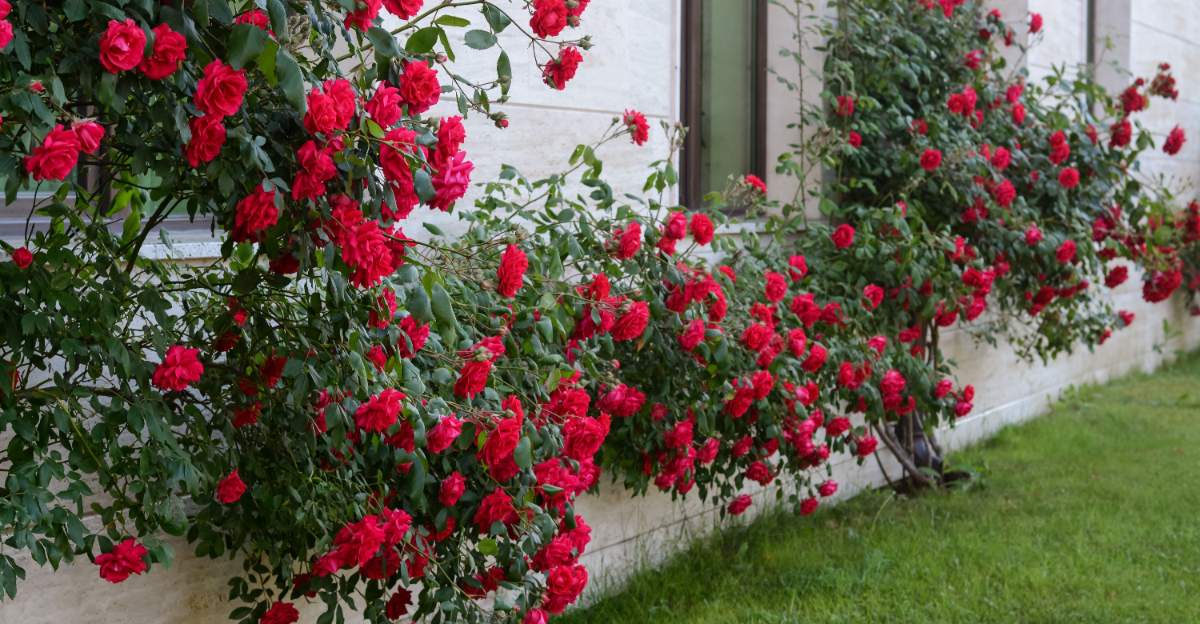
Some walls just refuse to play nice. North-facing brick that never sees sun, a chain-link fence baking in full afternoon heat, a crumbling concrete eyesore you’d rather camouflage than replace.
Ohio gardeners know the struggle. You pick something that looks promising at the nursery, get it home, plant it with good intentions, and by August it’s a crispy twig of disappointment.
The truth? Most climbing plants sold in big box stores weren’t bred with Ohio’s brutal freeze-thaw winters or its muggy July heat domes in mind.
Some native climbers and some cold-hardy garden vines have already proven themselves.
They’ve taken the polar vortex, the drought stretches, the clay soil, and come back swinging every single spring.
This list isn’t about pretty plants that need babysitting. It’s about the tough, the tenacious, and the ones that’ll turn your worst wall into your best feature.
1. Climbing Hydrangea Covers Cold Walls With Lasting Texture
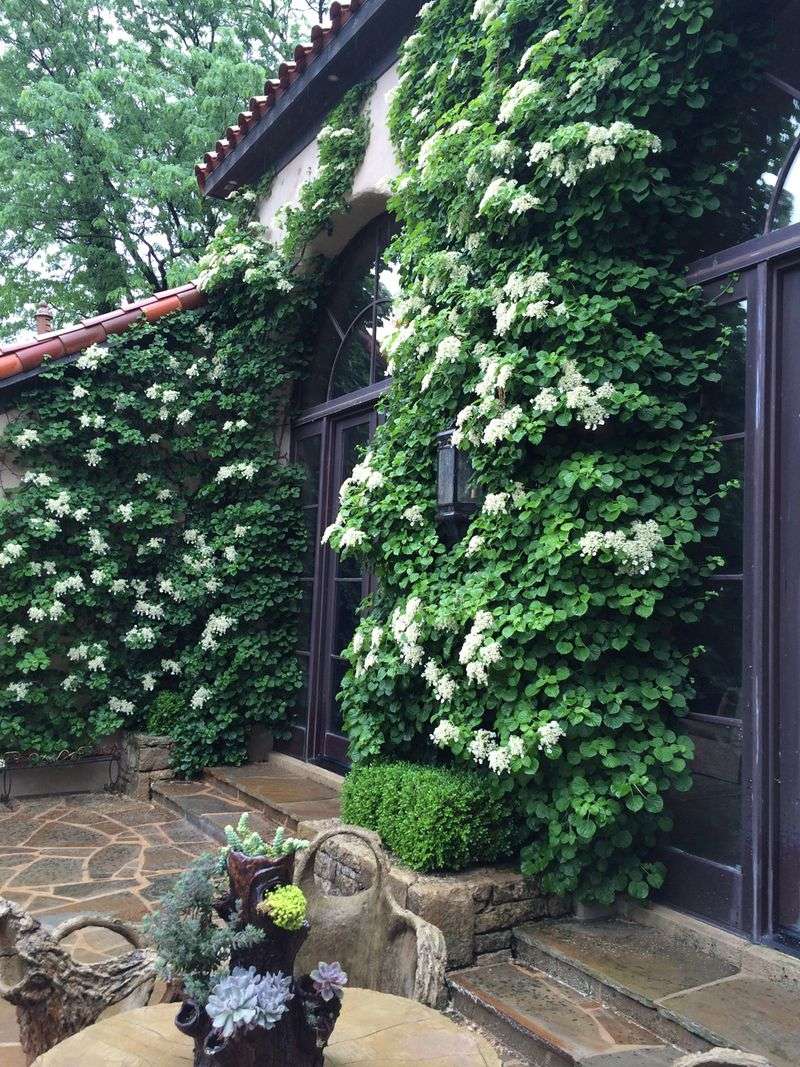
A shaded north-facing wall can feel like impossible to design, but climbing hydrangea turns that problem into one of the most striking features in the yard.
Hydrangea anomala subsp. petiolaris produces flat, white lacecap flower clusters in early summer that glow softly against dark brick or aged wood.
The foliage is clean and glossy, and in autumn it turns a warm buttery yellow before dropping cleanly.
Patience is non-negotiable with climbing hydrangea. Most plants spend the first two to three seasons putting energy into roots rather than upward growth, so new gardeners often wonder if something went wrong.
Nothing did. Once established, the vine climbs by aerial rootlets that cling directly to surfaces, which means you should think twice before letting it run across painted siding, weak mortar, or older brickwork.
A sturdy trellis or wire system set a few inches from the wall gives the vine support while protecting the surface underneath.
Northern Ohio gardeners will appreciate that climbing hydrangea is reliably hardy through USDA Zone 4, handling brutal Lake Erie winters with minimal damage.
Central Ohio clay soil is manageable if you amend the planting hole with compost and keep the root zone mulched.
Plan for a mature spread of at least five to six feet wide, with more room available over time if the vine is allowed to mature fully.
2. Clematis Brings Big Color To Tight Garden Spaces
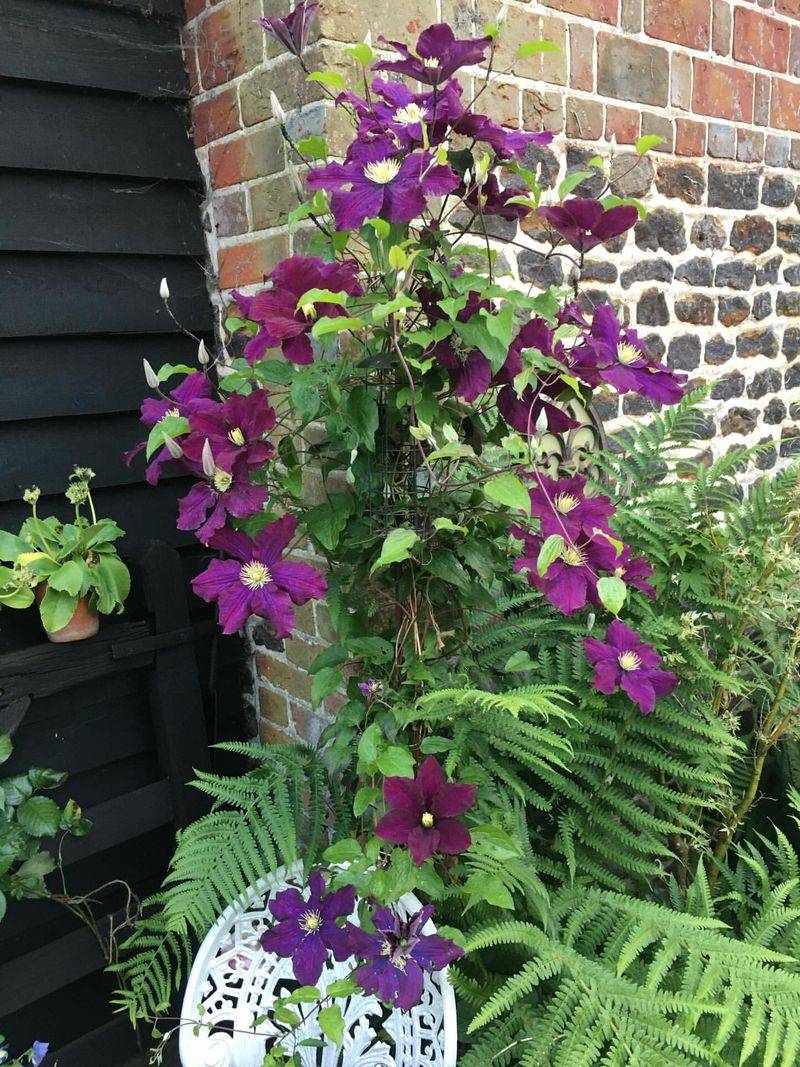
Few vines pack as much color into a narrow side yard as a well-chosen clematis. A single plant can cover a six-foot obelisk with dozens of blooms ranging from deep violet to soft lavender, creamy white, or bold magenta, depending on the cultivar.
Unlike self-clinging vines, clematis climbs by wrapping its leaf stems around whatever support it finds, so a trellis, wire grid, fence rail, or mesh panel works perfectly.
Clematis has one quirky need that surprises first-time growers: the top growth loves sunshine, but the roots prefer to stay cool and moist. Planting a low perennial or a layer of mulch at the base of the vine solves that problem neatly.
Your Ohio Garden Changes Every Week. Your Plan Should Too.
Gardening in Ohio changes quickly throughout the season. Every Friday you’ll receive a simple weekly plan showing exactly what to plant, prune, fertilize, harvest, and protect so you never miss the right timing.
Consistent moisture during the first growing season is critical, especially in Central Ohio where clay soil can bake and crack in summer heat.
Once established, many hardy clematis cultivars can handle short dry spells, but they perform best with evenly moist, well-drained soil.
For Ohio reliability, look for Group 3 pruning types like ‘Jackmanii’ or Viticella hybrids. Avoid sweet autumn clematis unless you are prepared to deadhead aggressively, since it can self-seed and behave invasively.
Hybrid large-flowered cultivars in the Integrifolia or Viticella groups offer showier blooms with better manners. Northern Ohio gardeners should confirm any cultivar is rated for Zone 5 or colder before buying.
Keep clematis stems off gutters and away from siding at all times.
3. American Wisteria Gives Pergolas A Native Twist
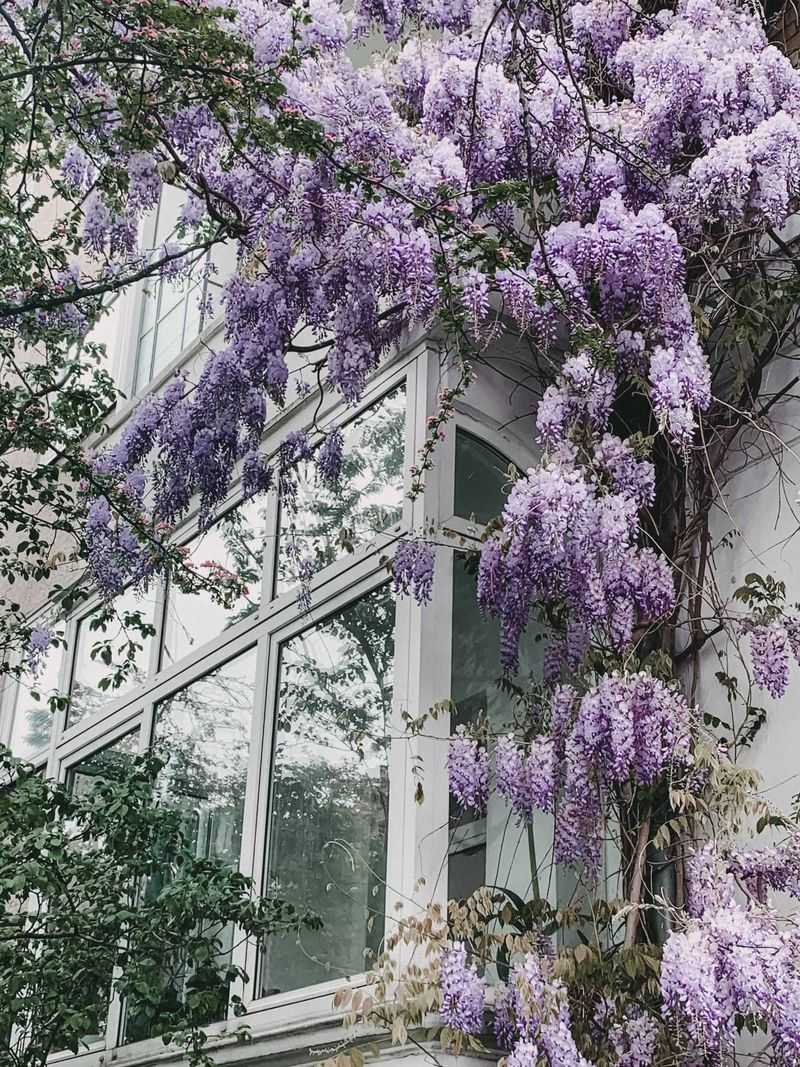
Walk past a pergola draped in wisteria on a warm May morning and the fragrance alone stops you in your tracks. American wisteria, Wisteria frutescens, delivers that same romantic effect without the bulldozer growth habit of its Chinese and Japanese cousins.
Native to the eastern United States, American wisteria produces shorter, denser clusters of lavender-purple blooms and tends to stay more manageable over time, though manageable still means vigorous.
The support structure for any wisteria must be genuinely heavy-duty. A lightweight trellis or thin fence post will not hold a mature American wisteria, full stop.
Thick timber pergolas, steel arbors, or reinforced fence structures are the right choice.
Ohio gardeners in southern counties around Cincinnati or the Ohio River valley can often grow American wisteria in slightly more exposed spots, while northern Ohio growers should site the plant in a sheltered location out of prevailing winter winds to protect flower buds.
Full sun is non-negotiable for good bloom production. Plants grown in part shade produce weak flower displays and put more energy into leafy growth instead.
Annual pruning after flowering, and again in late winter, keeps the vine from swallowing the structure it was meant to decorate. Always buy American wisteria from a named cultivar source.
Avoid any plant sold simply as wisteria without species identification, since invasive Asian species are still widely mislabeled at some garden centers across Ohio.
4. Climbing Roses Soften Sunny Ohio Brickwork
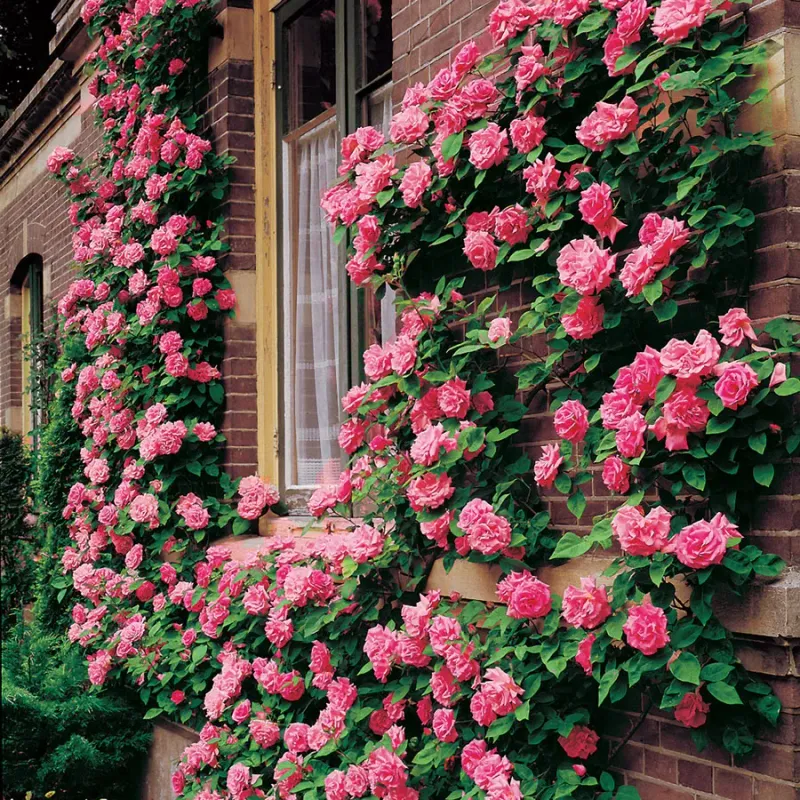
There is something deeply satisfying about a climbing rose trained along a sun-drenched brick arch, its canes fanning out in full bloom by late May. Unlike true clinging vines, climbing roses have no natural mechanism for attaching themselves to surfaces.
Every cane needs to be tied to a trellis, wire, or fence using soft plant ties, allowing you to guide the shape of the plant intentionally rather than hoping it figures things out on its own.
Choosing the right cultivar matters enormously in Ohio. The Knock Out Climbing series, Zephirine Drouhin, and several of the Explorer series roses bred in Canada perform reliably through Zone 5 winters across most of Ohio.
Northern Ohio gardeners near Lake Erie should look specifically for Zone 4-rated climbers and avoid planting in low frost pockets where late spring freezes can damage emerging canes.
Airflow around the plant is a genuine priority because poor circulation encourages black spot and powdery mildew, two fungal diseases that plague roses in Ohio’s humid summers.
Set supports at least three to four inches away from solid walls to allow air movement behind the canes. West-facing walls can get extremely hot and dry in July and August, so deep watering twice a week during dry stretches helps canes stay vigorous.
Prune out old, woody canes in early spring to encourage fresh growth from the base. Never let canes work their way into gutters or behind siding.
5. Dutchman’s Pipe Creates Dense Summer Privacy
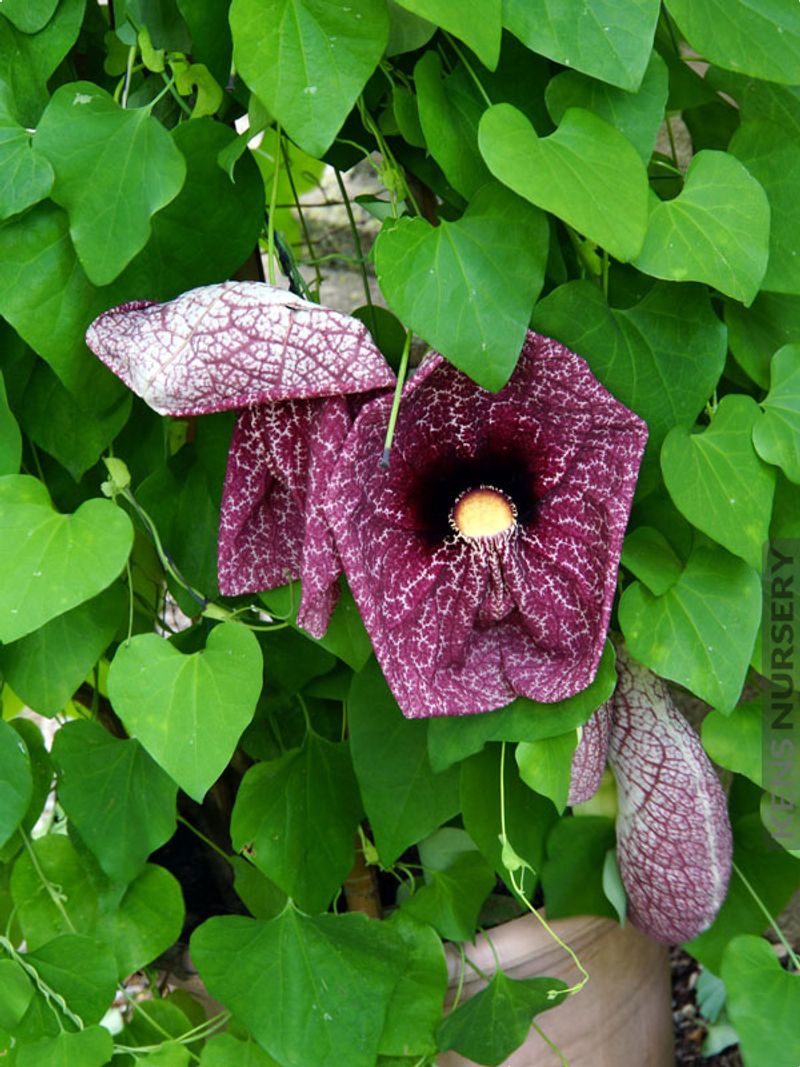
Sometimes a gardener does not need flowers. What a backyard patio really needs on a blazing August afternoon is shade, and Dutchman’s pipe delivers it faster than almost any other native vine in Ohio.
Aristolochia macrophylla, the native pipevine, produces enormous heart-shaped leaves that overlap like shingles on a roof, building a solid green curtain across a pergola or fence in a single season once the plant hits its stride.
The flowers are genuinely interesting up close, curved like a meerschaum pipe with mottled brownish-purple coloring, but they hide under the foliage and do not create the kind of showy display you get from clematis or wisteria.
The real value here is coverage and texture.
Pipevine swallowtail butterflies use native Aristolochia as a host plant, so growing this vine supports local pollinators in a meaningful way.
Dutchman’s pipe needs a strong support structure because the stems twine around whatever they grab and the combined weight of wet foliage after a summer rainstorm is substantial.
A heavy wooden pergola, a thick wire fence, or a timber arbor works well.
Give the plant room to spread, since mature vines can reach twenty to thirty feet in ideal conditions. Central Ohio clay soil is acceptable with compost amendment at planting.
Water consistently through the first full growing season, and prune back wayward stems in late winter before new growth begins to keep the structure visible and accessible.
6. Coral Honeysuckle Brings Hummingbirds To Sunny Fences
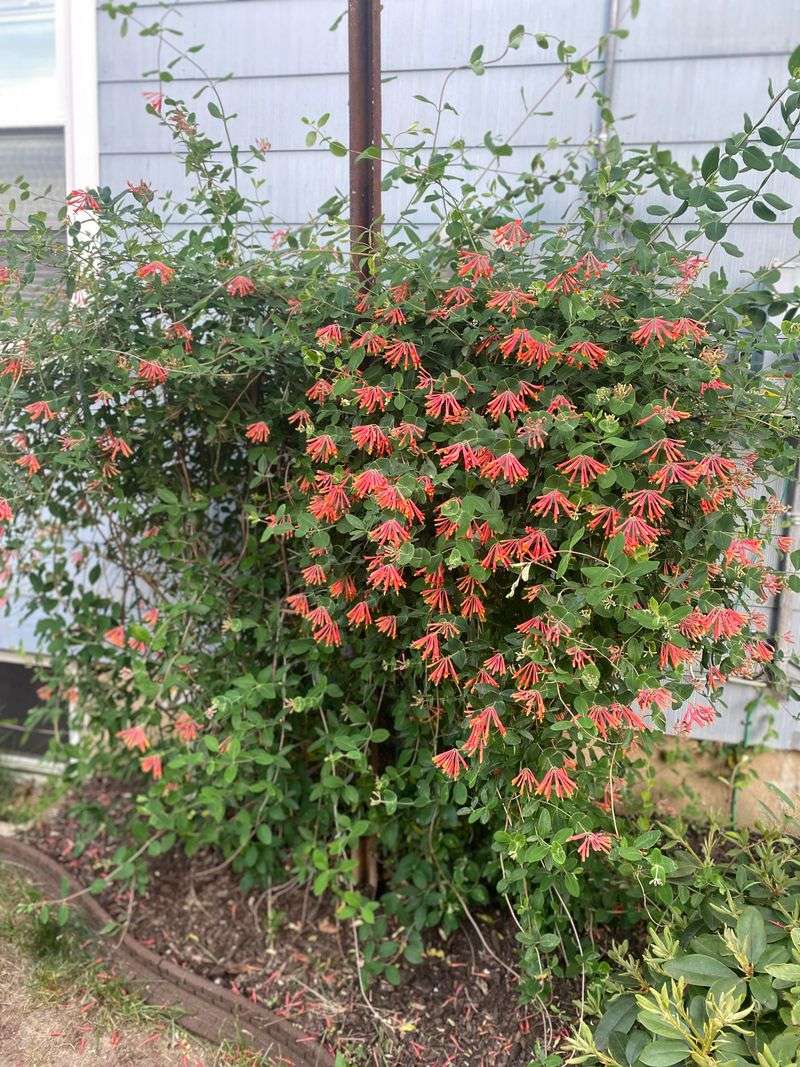
A bare fence in full sun does not need an aggressive monster vine to look alive by summer.
Coral honeysuckle, also called trumpet honeysuckle, brings color, wildlife value, and manageable growth without the invasive reputation of Japanese honeysuckle or the overwhelming size of hardy kiwi.
Lonicera sempervirens is a native eastern North American vine with clusters of red, coral, or orange tubular flowers that ruby-throated hummingbirds visit eagerly.
The main bloom usually comes in spring to early summer, with scattered repeat blooms later in the season if the plant is happy.
Unlike Japanese honeysuckle, coral honeysuckle is not known for smothering woodland edges or taking over roadsides. It is still a vigorous twining vine, so it needs a trellis, arbor, fence, or wire panel to climb, but it is far easier to manage than hardy kiwi.
Full sun produces the heaviest bloom, though part shade is tolerated. Well-drained soil is best, and established plants can handle short dry spells once their roots are settled.
In Central Ohio clay, amend the planting area with compost and avoid spots where water sits after heavy rain.
Northern Ohio gardeners should choose a protected site and look for cultivars rated to Zone 4 or 5. Good options include ‘Major Wheeler,’ ‘Magnifica,’ and ‘Blanche Sandman,’ all valued for strong flower displays.
Prune lightly after the main bloom flush to shape the vine and remove tangled growth. Keep it trained on its support rather than letting stems wander into gutters, siding, or nearby shrubs.
7. Crossvine Handles Heat, Wind, And Tough Conditions
A west-facing wall in July is one of the harshest spots in any Ohio garden.
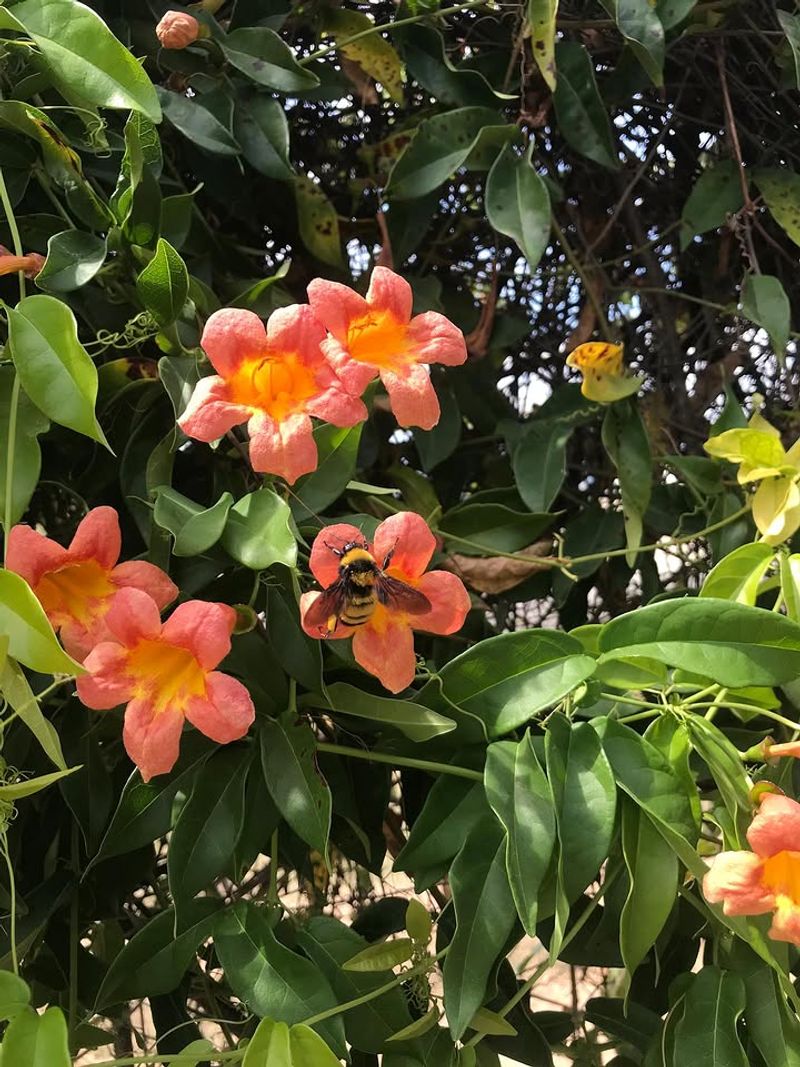
Reflected heat, afternoon sun, and drying wind combine to stress most plants into submission, but crossvine, Bignonia capreolata, handles those conditions with a toughness that earns it a second look from even skeptical gardeners.
The orange-red trumpet-shaped blooms appear in mid-spring and draw hummingbirds reliably, which is a bonus that never gets old.
Crossvine climbs by tendrils tipped with adhesive discs that can grip masonry, wood, and wire supports.
On sound, solid brickwork, the vine clings well on its own, but on painted surfaces, older mortar, or wood siding, a separate trellis or wire support system set away from the wall surface is the smarter approach.
The semi-evergreen foliage holds color through mild Ohio winters, though a brutal northern Ohio cold snap can cause significant leaf drop.
Hardiness is where crossvine requires careful thought. Treat crossvine as a Zone 6 vine in Ohio, with possible dieback in Zone 5 winters.
Full sun produces the best bloom count, though part shade is tolerated. Water deeply during the establishment year, especially on hot west-facing exposures where soil dries out faster than expected.
Prune after the spring bloom flush to manage size.
8. American Bittersweet Adds Strong Fall Color
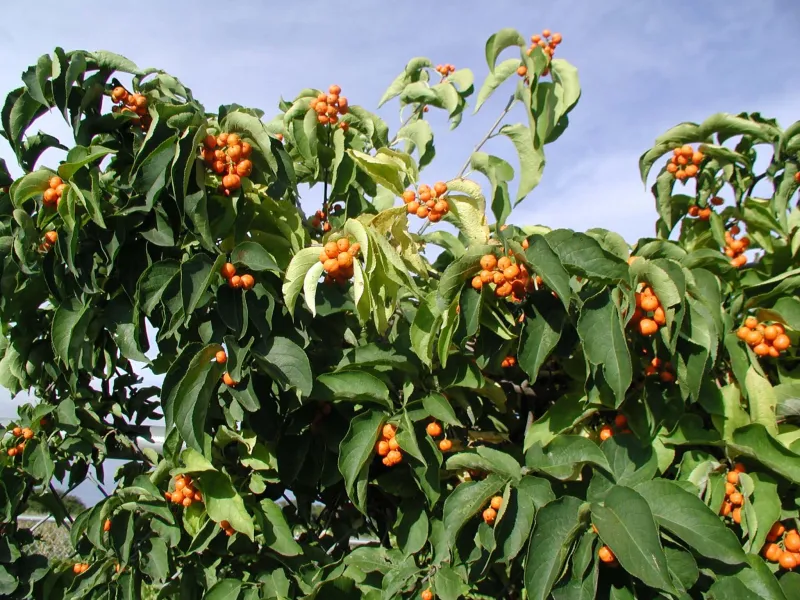
By October, most climbing plants in Ohio are winding down, dropping leaves and going quiet. American bittersweet, Celastrus scandens, does the opposite.
Its stems erupt in clusters of bright orange-yellow berries that split open to reveal vivid red-orange seeds, creating one of the boldest fall displays of any native vine in the state.
Cut branches hold their color indoors for weeks, making American bittersweet a favorite for seasonal wreaths and arrangements.
Fruiting requires both a male and a female plant growing nearby, so plan to purchase at least one of each from a reputable native plant nursery. The sourcing part matters more than most gardeners realize.
Oriental bittersweet, Celastrus orbiculatus, is an invasive species that looks nearly identical to American bittersweet and has spread aggressively across Ohio woodlands and roadsides.
Buying from a certified native plant source, not a general garden center with unlabeled stock, is the only reliable way to avoid planting the wrong species or a hybrid.
American bittersweet is a vigorous twining vine that needs a sturdy fence, heavy arbor, or thick post structure to climb without pulling things apart.
Mature plants can reach twenty feet or more, so regular pruning in late winter keeps the vine from overwhelming its support or spreading into adjacent shrubs and trees.
Full sun to part shade suits it well across Ohio. Northern Ohio gardeners will find it reliably cold-hardy, and the fall berry show is worth every bit of the pruning effort required to keep it in bounds.