How Much Sun Oregon Vegetables Really Need To Grow Well
Ask ten Oregon gardeners how much sun their vegetables need and at least half of them will say “as much as possible” and call it a day. And honestly? That’s not wrong. But it’s not the whole story either.
Sun requirements in a vegetable garden are surprisingly nuanced, and getting them right can mean the difference between a crop that thrives and one that just sort of exists in your garden looking confused all season.
Oregon throws an extra layer of complexity into the mix too. Cloudy stretches, tree shade, neighboring fences, and microclimates that shift from one side of a yard to the other all affect how much usable sunlight your vegetables are actually getting.
A tomato plant technically in “full sun” but shaded by a fence for half the afternoon is not getting full sun.
Not really. Understanding what your vegetables genuinely need, and what your specific garden is actually delivering, is one of the most useful things you can learn as a Pacific Northwest grower.
1. Tomatoes Need The Most Sun
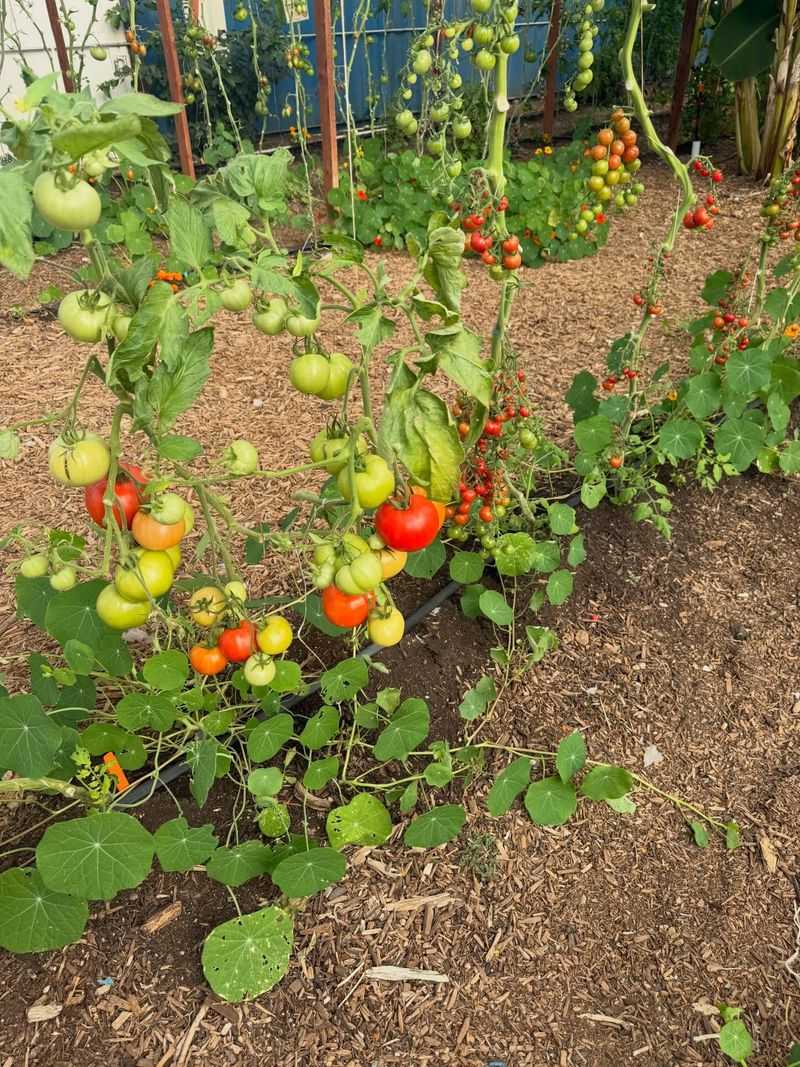
Out of all the vegetables you can grow in Oregon, tomatoes are the ones that truly love the sun the most. They need at least six to eight hours of direct sunlight every single day to grow strong and produce fruit.
Without enough sun, tomato plants stay small and may not ripen their fruit before the cool Oregon fall weather arrives.
In the Willamette Valley, summers are warm and sunny enough for tomatoes to do really well. But along the Oregon coast, the fog and cooler temperatures can slow things down.
Planting tomatoes against a south-facing wall or fence helps them soak up extra warmth and light.
Raised beds are a smart move for Oregon tomato growers. The soil in raised beds warms up faster in spring, which gives your plants a head start.
Choose shorter-season varieties like Siletz or Legend, which were actually bred right here in Oregon for our cooler climate. Water consistently, keep the soil warm with black plastic mulch, and make sure nothing shades your plants during the day.
A sunny spot is truly the number one secret to a great tomato harvest in Oregon.
2. Peppers Want Warm, Bright Days
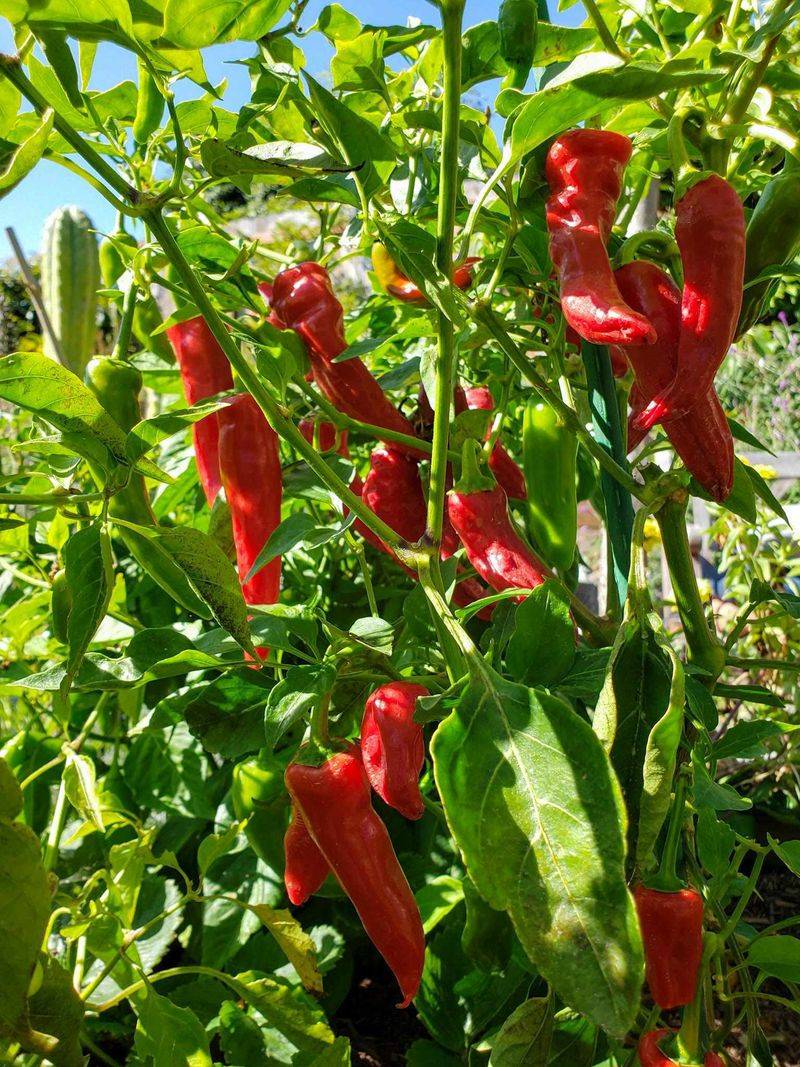
Peppers are sunshine lovers through and through. They need at least six to eight hours of full sun each day, and they absolutely thrive when temperatures stay warm and consistent.
In Oregon, getting enough heat for peppers can sometimes be a challenge, especially in years when summer arrives late.
The Rogue Valley in southern Oregon is one of the best spots in the state for growing peppers. It gets hotter summers compared to the coast or even the northern Willamette Valley.
If you live in a cooler part of Oregon, using a cold frame or row cover early in the season can help peppers get the warm start they need.
Peppers planted in dark-colored containers absorb more heat from the sun, which gives them a real advantage in Oregon’s sometimes unpredictable climate. Start seeds indoors eight to ten weeks before your last frost date.
Your Oregon Garden Changes Every Week. Your Plan Should Too.
Gardening in Oregon changes quickly throughout the season. Every Friday you’ll receive a simple weekly plan showing exactly what to plant, prune, fertilize, harvest, and protect so you never miss the right timing.
Transplant them outside only after nights stay reliably above 50 degrees. Sweet bell peppers, banana peppers, and even some hot varieties grow beautifully in Oregon when given a sunny, sheltered spot.
Patience pays off because once the summer heat kicks in, pepper plants take off fast.
3. Cucumbers Grow Best In Full Sun
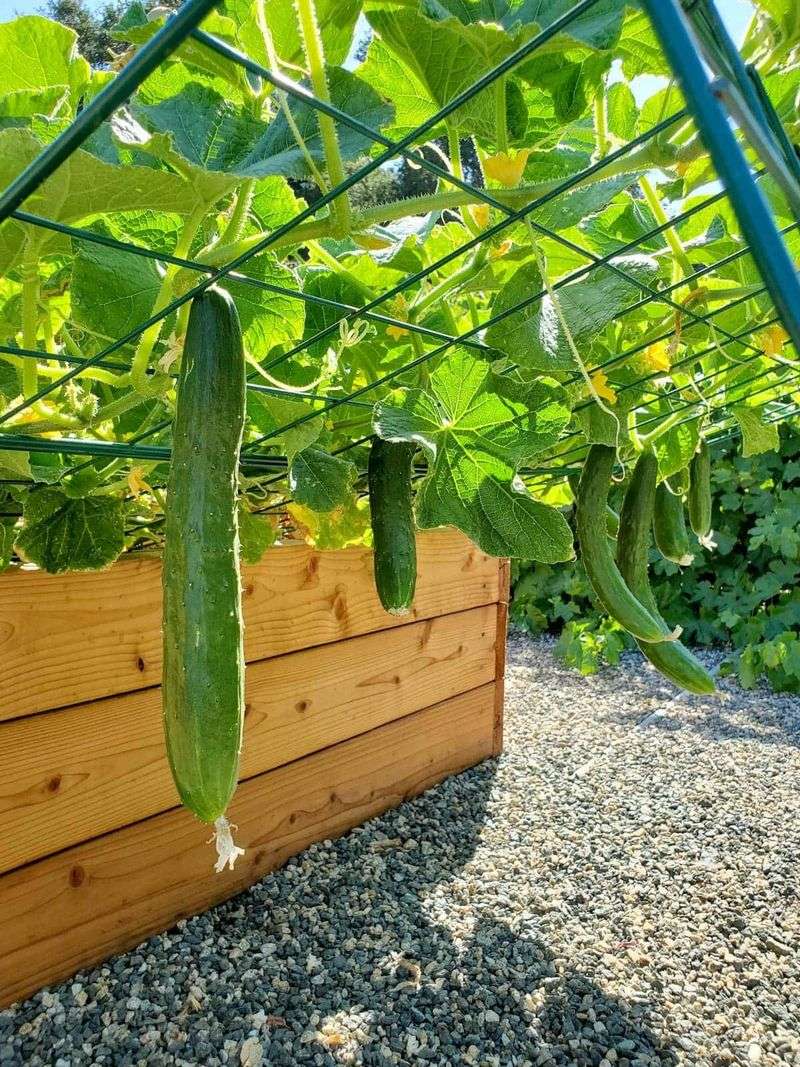
Cucumbers are one of those vegetables that simply will not compromise on sunlight. They need a solid six to eight hours of direct sun every day, and they grow fastest when daytime temperatures climb above 70 degrees.
In Oregon, the key is finding the warmest, sunniest corner of your yard and dedicating it to cucumbers.
Growing cucumbers on a trellis is a great strategy for Oregon gardeners. Vertical growing gets the leaves and fruit up off the ground and into the sunlight.
It also improves air circulation, which helps prevent the mildew problems that can show up in Oregon’s sometimes humid summers.
Slicing cucumbers, pickling cucumbers, and Armenian cucumbers all perform well in Oregon when given the right conditions. The Willamette Valley offers warm enough summers for good cucumber production from July through early September.
Mulching around the base of your plants keeps the soil moist and warm, which cucumbers love. Direct sow seeds outdoors after your last frost, or get a jump on the season by starting transplants indoors two to three weeks early.
Consistent watering and full sun are the two biggest factors in getting a bumper cucumber crop in Oregon.
4. Beans Need Steady Summer Light
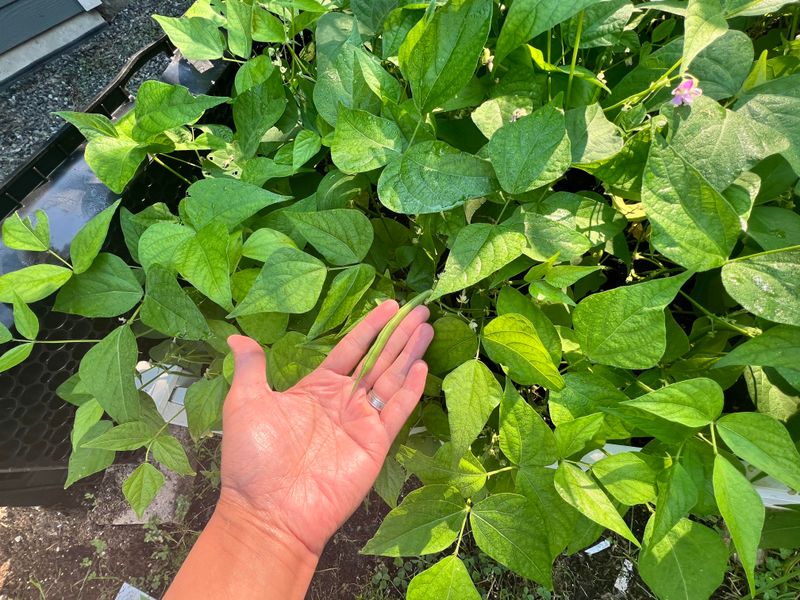
Few vegetables are as rewarding and low-maintenance as beans. They grow quickly, produce a lot, and make great use of Oregon’s warm summer months.
Both bush beans and pole beans need about six hours of sunlight each day to grow well and produce a good harvest.
In Oregon, beans are best planted after the soil has warmed to at least 60 degrees, usually around late May or early June in most parts of the state. Planting too early in cold, wet soil leads to poor germination.
Beans prefer full sun and well-drained soil, which is easy to find in most Oregon valley gardens.
One fun fact about beans is that they actually fix nitrogen from the air into the soil, which helps feed the plants around them. Pole beans like Blue Lake, a variety developed partly for the Pacific Northwest, grow especially well in Oregon gardens.
They climb trellises and make harvesting easier on your back. Bush beans like Provider or Contender are also solid choices.
Plant beans every two to three weeks through July for a continuous harvest. Keep the soil evenly moist and give them full sun, and Oregon’s summer warmth will do the rest of the work for you.
5. Lettuce Handles Partial Shade
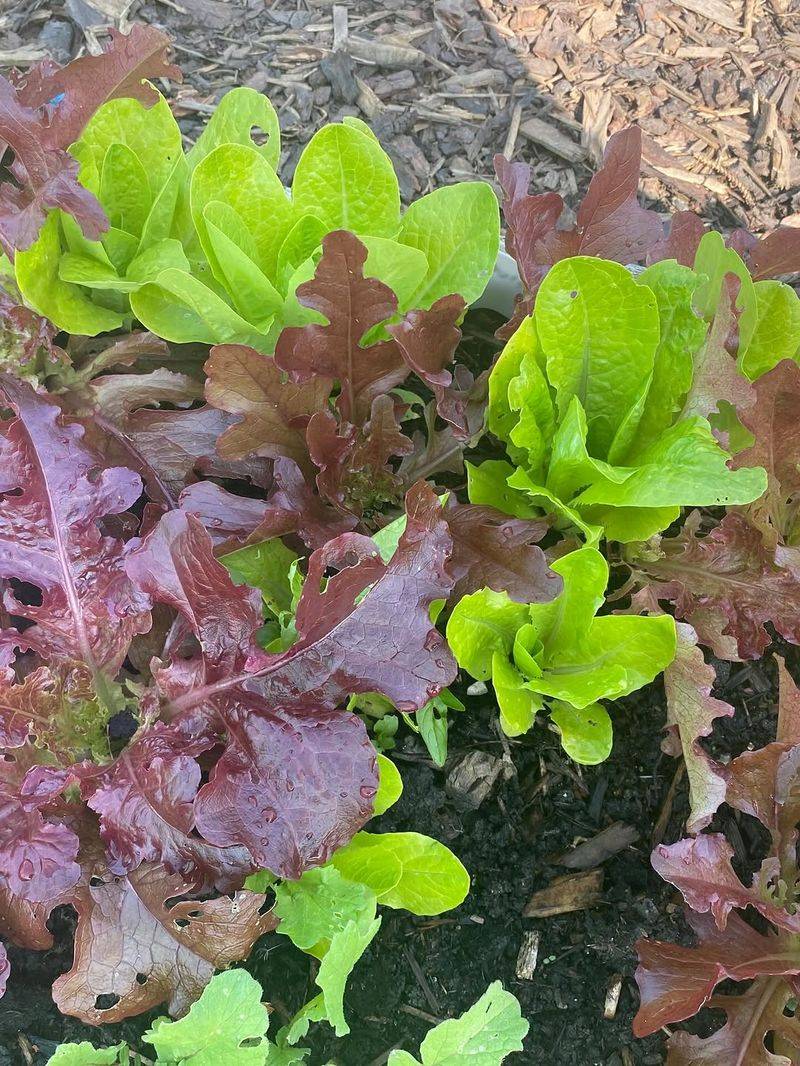
Lettuce is one of the most forgiving vegetables for Oregon gardeners who do not have a perfectly sunny yard. Unlike tomatoes or peppers, lettuce grows well with just three to four hours of direct sunlight each day.
It actually benefits from some shade during the hottest parts of the afternoon.
In Oregon’s cool spring and fall seasons, lettuce is a superstar. The mild temperatures and moderate sun keep it from bolting, which is when the plant sends up a flower stalk and the leaves turn bitter.
Planting lettuce under taller plants like tomatoes or corn gives it just the right amount of filtered light during summer.
Loose-leaf varieties like Black Seeded Simpson or Red Sails are especially popular with Oregon gardeners because they grow fast and handle cooler weather beautifully. Cut-and-come-again harvesting means you snip the outer leaves and the plant keeps producing new ones.
Lettuce can even be grown in containers on a shaded patio or porch, making it perfect for Oregon gardeners with limited space. Start seeds in early spring or late summer for the best results.
With a little shade and consistent moisture, lettuce thrives across most of Oregon from the coast to the valley.
6. Spinach Prefers Cooler Light
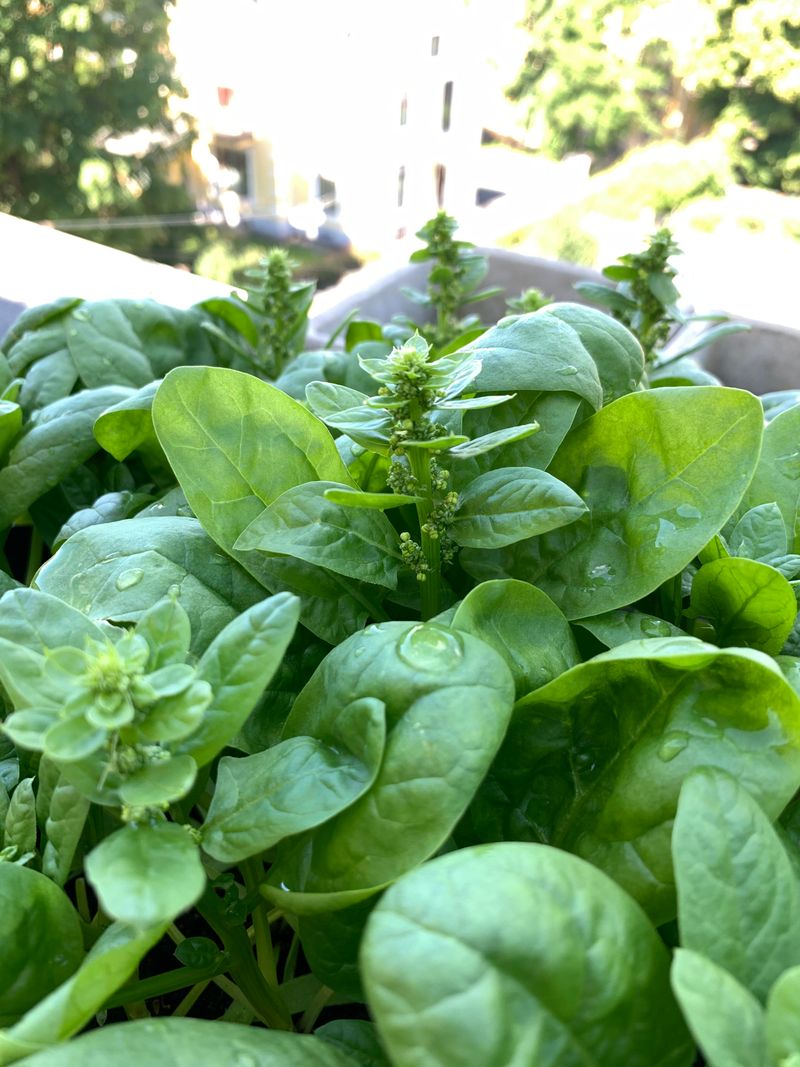
Spinach has a well-earned reputation as one of the easiest cool-season vegetables to grow in Oregon. Unlike the sun-hungry crops of summer, spinach actually prefers softer, less intense light.
It grows best with three to five hours of sun per day and really appreciates some afternoon shade when temperatures start to rise.
Oregon’s spring and fall weather is practically perfect for spinach. The cool, damp conditions slow down bolting and keep the leaves tender and sweet.
Many Oregon gardeners plant spinach as early as February under a simple row cover or cold frame, taking advantage of the long mild shoulder seasons the state is known for.
Varieties like Bloomsdale Long Standing and Tyee are excellent choices for Oregon because they are slow to bolt and hold up well in variable spring weather. Spinach planted in full summer sun will quickly turn bitter and flower, so timing and placement matter a lot.
A spot that gets morning sun and afternoon shade is ideal. Harvest outer leaves regularly to keep the plant producing.
Spinach is also a great candidate for container gardening on a shaded Oregon porch or balcony, making fresh greens accessible even in small spaces throughout the cooler months.
7. Broccoli Can Take Less Sun
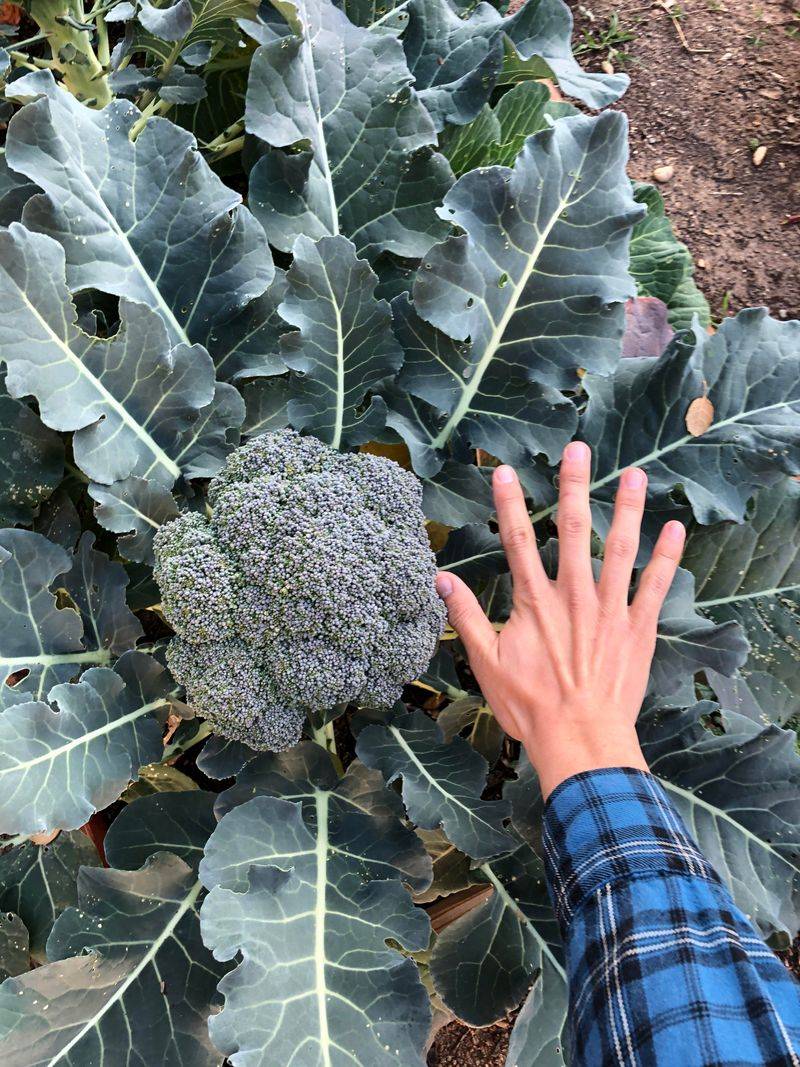
Broccoli is one of those vegetables that actually fits Oregon’s famously cloudy weather pretty well. While it still prefers full sun, broccoli can manage with as few as four to five hours of direct sunlight per day and still produce solid, tasty heads.
That makes it a reliable crop for shadier Oregon gardens.
Cooler temperatures actually improve the flavor of broccoli. A light frost can make the heads taste sweeter and more tender.
Oregon’s fall season, with its shorter days and cooler nights, is one of the best times to grow broccoli in the state. Many Oregon gardeners plant a second crop in late summer just to enjoy a fall harvest.
Varieties like Calabrese, Belstar, and Green Magic all perform well in Oregon’s climate. Broccoli is a heavy feeder, so amending your soil with compost before planting makes a big difference.
Keep the soil consistently moist and watch for cabbage worms, which can be a nuisance in Oregon gardens. Floating row covers help keep pests off without blocking too much light.
Starting transplants indoors in late winter and setting them out in early spring gives Oregon gardeners the longest possible growing window for this dependable and nutritious cool-season crop.
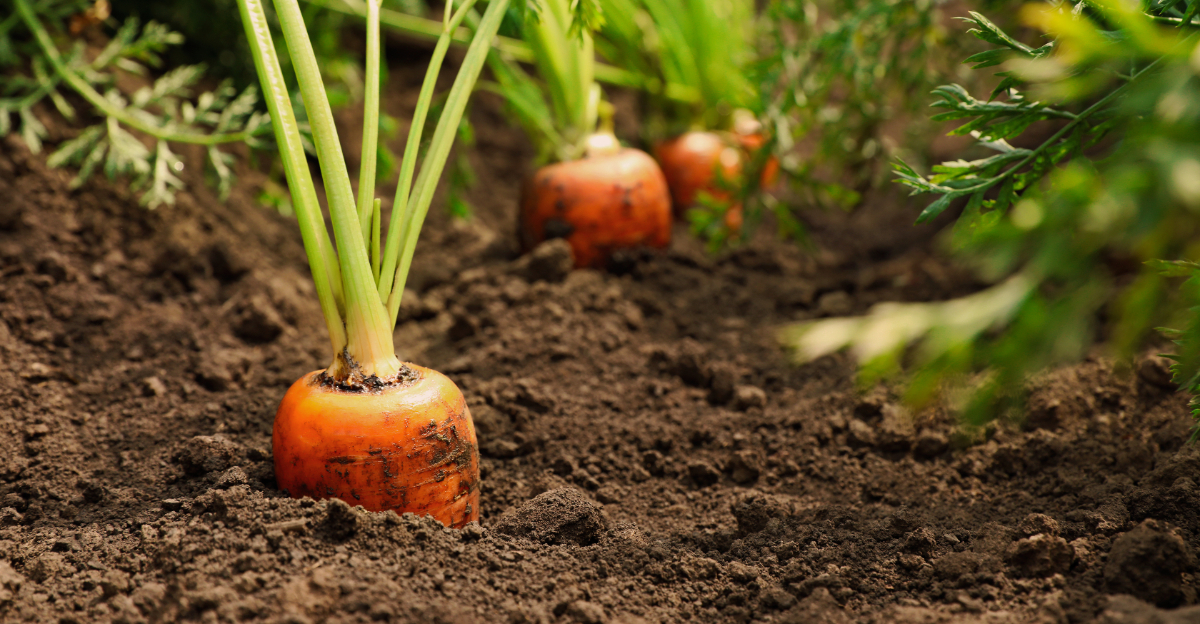
8. Carrots Need Bright, Open Beds
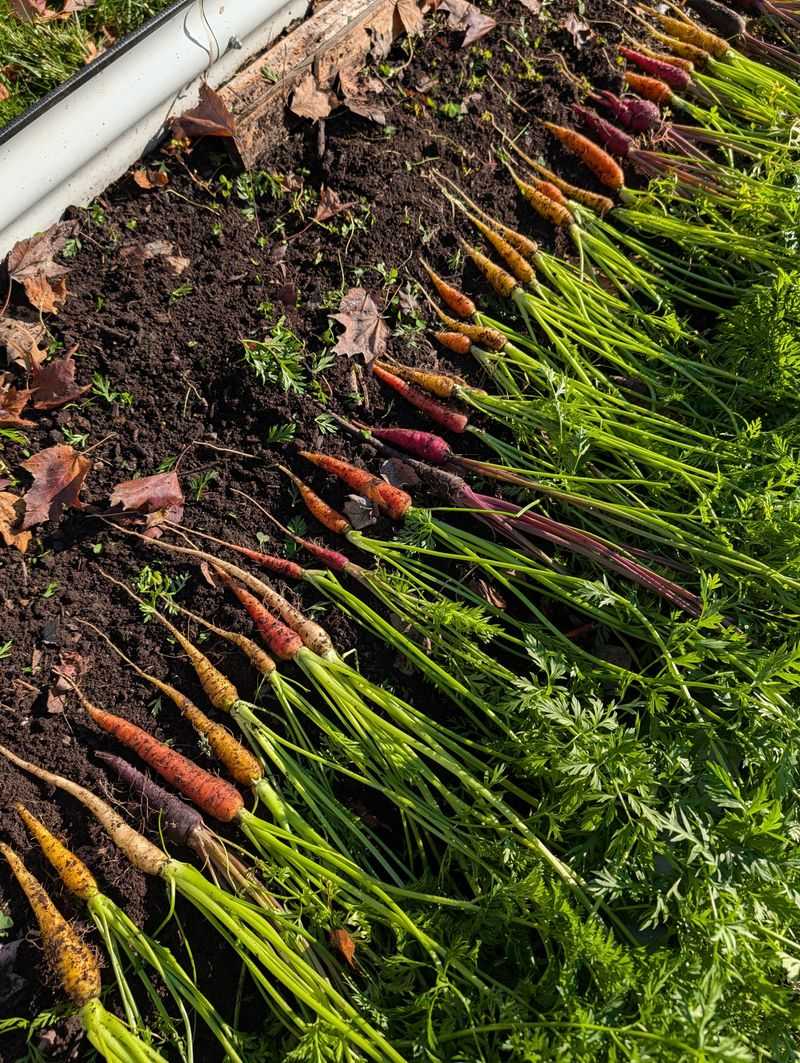
Carrots are a little different from most vegetables when it comes to sunlight. They grow best with six or more hours of direct sun each day, but what matters just as much is the quality of the soil and the openness of the growing space.
Shaded carrots tend to grow slowly and produce thin, weak roots.
Oregon’s deep, loose valley soils are actually excellent for carrot growing. The key is preparing your bed well before planting.
Remove rocks and break up any compacted layers so the roots can grow straight and long. Sandy loam or well-amended raised beds work especially well for getting big, healthy carrots in Oregon gardens.
Nantes-type carrots are a favorite among Oregon gardeners because they grow well in heavier soils and have a sweet, mild flavor. Danvers and Chantenay types also do well here.
Sow seeds directly in the garden from early spring through midsummer for a continuous harvest. Carrots are slow to germinate, sometimes taking two to three weeks, so be patient and keep the soil surface moist.
Thinning seedlings to about two inches apart is essential for good root development. Plant in an open, sunny part of your Oregon garden and you will be rewarded with a beautiful, crunchy harvest from late summer all the way into fall.