The Best Heat-Tolerant Plants Ohio Gardeners Should Start In May For A Thriving Summer Garden
May is when Ohio gardeners start to feel like summer is finally getting serious, and honestly, that is when the fun really begins. The soil is warming, the days are stretching out, and garden centers start calling your name a little louder every weekend.
This is the sweet spot for planting heat-loving flowers, herbs, and vegetables that can handle the steamy stretch ahead.
Pick the right plants now, and your garden has a much better shot at looking lush, colorful, and productive once July and August roll in.
That early start matters more than people think. It gives roots time to settle, plants time to bulk up, and gardeners time to feel very clever later.
Always a nice bonus. Ohio summers can be hot, sticky, and a little dramatic, so it helps to plant with that in mind.
A smart May planting plan can set the stage for a garden that keeps its energy all season long.
1. Celosia Brings Bold Color Through Summer Heat
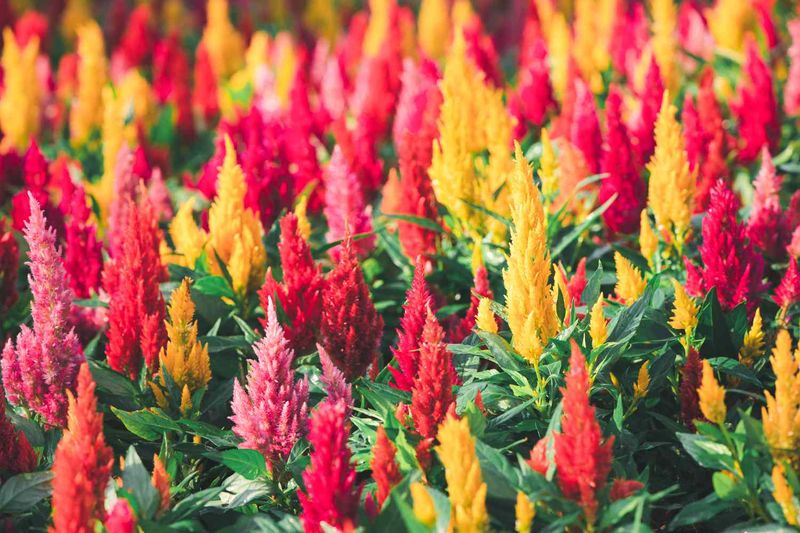
Few flowers put on a show quite like celosia during the hottest weeks of an Ohio summer. With plume-shaped blooms in shades of red, orange, pink, and gold, this plant turns heads from the moment it starts flowering.
Celosia thrives in full sun and warm soil, making it one of the most reliable choices for gardeners who start planting in May.
What makes celosia especially useful is that it does not slow down when temperatures climb. While other flowers may fade or look tired by July, celosia keeps producing vivid color without much fuss.
It works well in garden beds, borders, and even containers placed in sunny spots around the yard.
Celosia prefers well-drained soil and does not need heavy watering once it is established. Deadheading spent blooms can encourage more flowers to form throughout the season.
Ohio gardeners who want continuous color without a lot of maintenance often find celosia to be one of the most rewarding warm-season annuals they can grow from a May planting.
2. Vinca Keeps The Color Going In Hot Weather
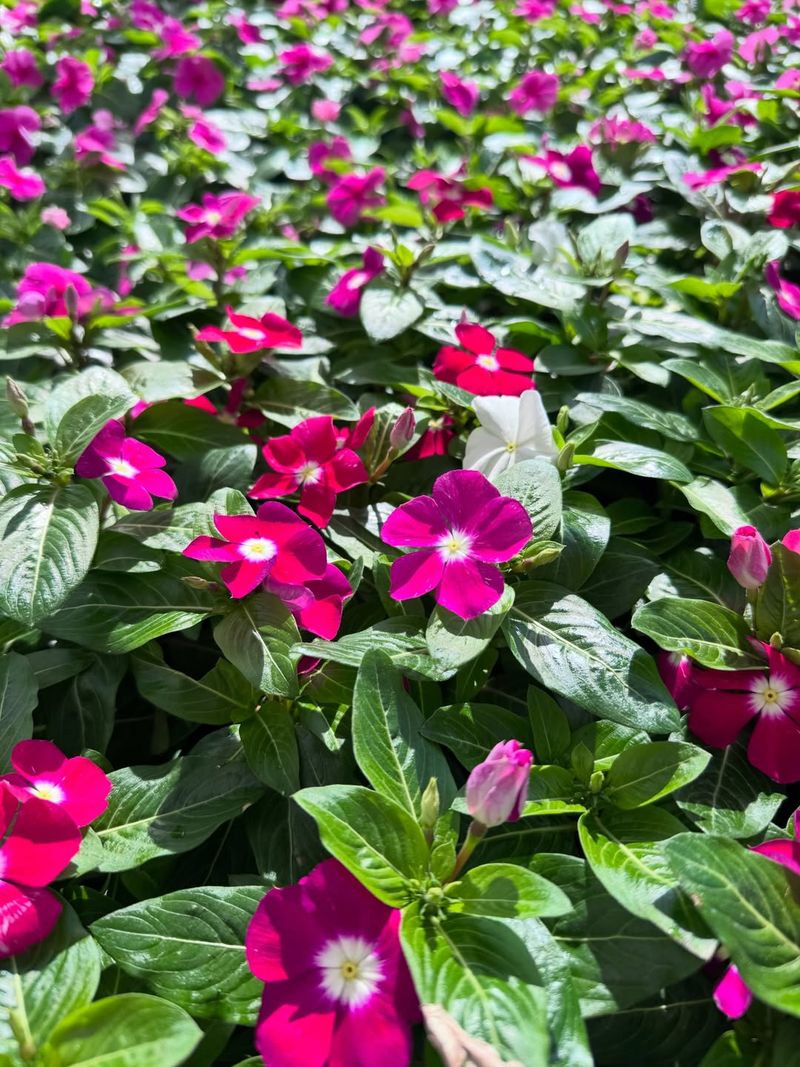
Vinca has a reputation among Ohio gardeners for being one of those plants that simply refuses to quit. Once established in a warm, sunny bed, it produces cheerful blooms in pink, white, red, and purple from early summer well into fall.
Planting in May gives vinca the warm soil conditions it needs to root well before the hottest months arrive.
One of the biggest advantages of vinca is its ability to handle heat and humidity without skipping a beat. Ohio summers can get sticky and warm, and many flowering annuals struggle in those conditions.
Vinca seems to actually enjoy it, continuing to bloom steadily even when temperatures push into the upper 80s and beyond.
Vinca is also fairly drought-tolerant once it gets settled in, which is helpful during dry July and August stretches. It does best in full sun and well-drained soil, and it rarely needs deadheading to stay tidy.
For gardeners who want a low-maintenance flower that delivers bold color through the season, vinca planted in May is a strong and dependable choice for Ohio landscapes.
Your Ohio Garden Changes Every Week. Your Plan Should Too.
Gardening in Ohio changes quickly throughout the season. Every Friday you’ll receive a simple weekly plan showing exactly what to plant, prune, fertilize, harvest, and protect so you never miss the right timing.
3. Perennial Salvia Adds Color And Pollinator Appeal
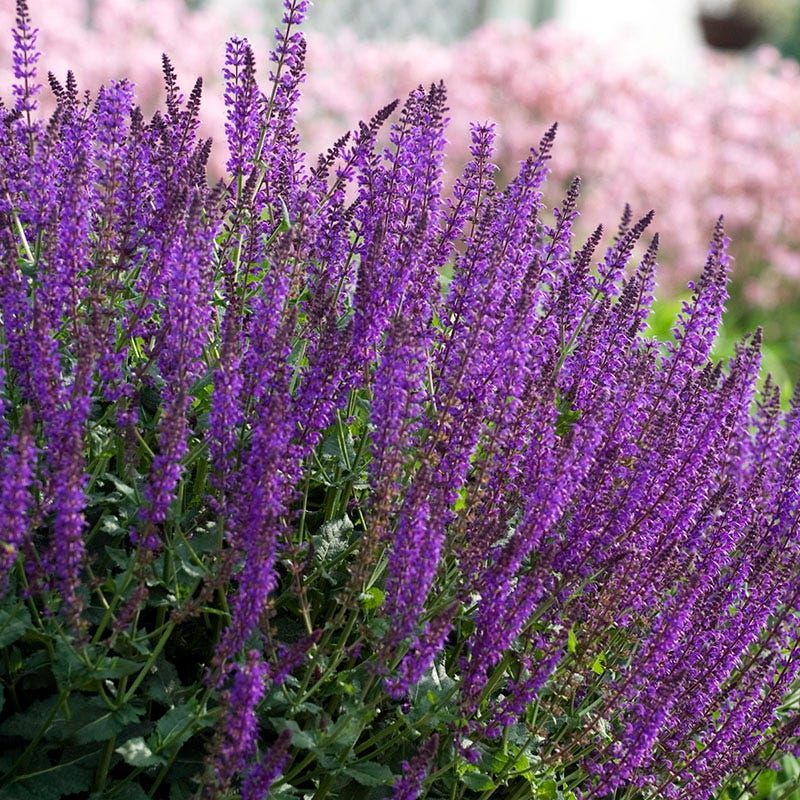
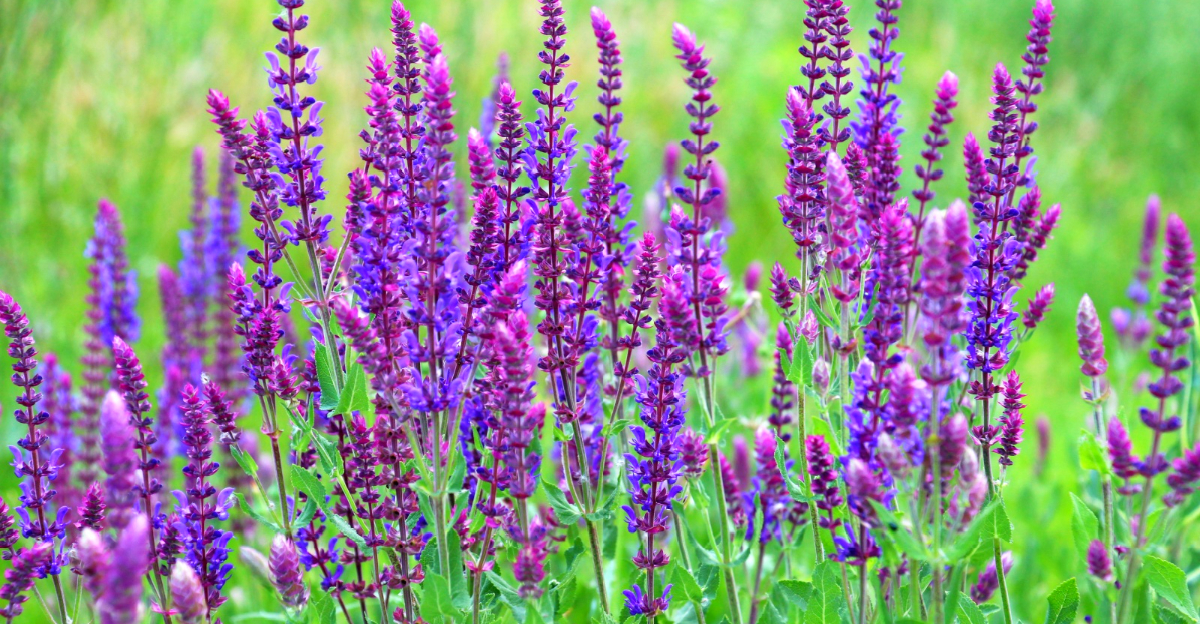
Bees and butterflies seem to find perennial salvia before gardeners even finish planting it. The tall spikes of purple, blue, or red blooms are magnets for pollinators, and they bring a beautiful vertical element to sunny Ohio garden beds.
May is an excellent time to get perennial salvia in the ground so it can establish a solid root system before the heat of summer settles in.
Unlike annual flowers that need to be replanted each year, perennial salvia comes back season after season. It gets stronger over time, producing more blooms and filling in more space as the years go on.
That kind of long-term value makes it a smart investment for Ohio gardeners who want a dependable summer performer.
Perennial salvia is also notably tolerant of heat and dry conditions once established, which suits Ohio’s sometimes unpredictable summer weather. Cutting the plant back after the first flush of blooms often encourages a second round of flowering later in the season.
Full sun and well-drained soil give it the best chance to thrive, and it pairs well with ornamental grasses, coneflowers, and other heat-tolerant perennials common in Ohio gardens.
4. Liatris Brings Vertical Color To Sunny Beds
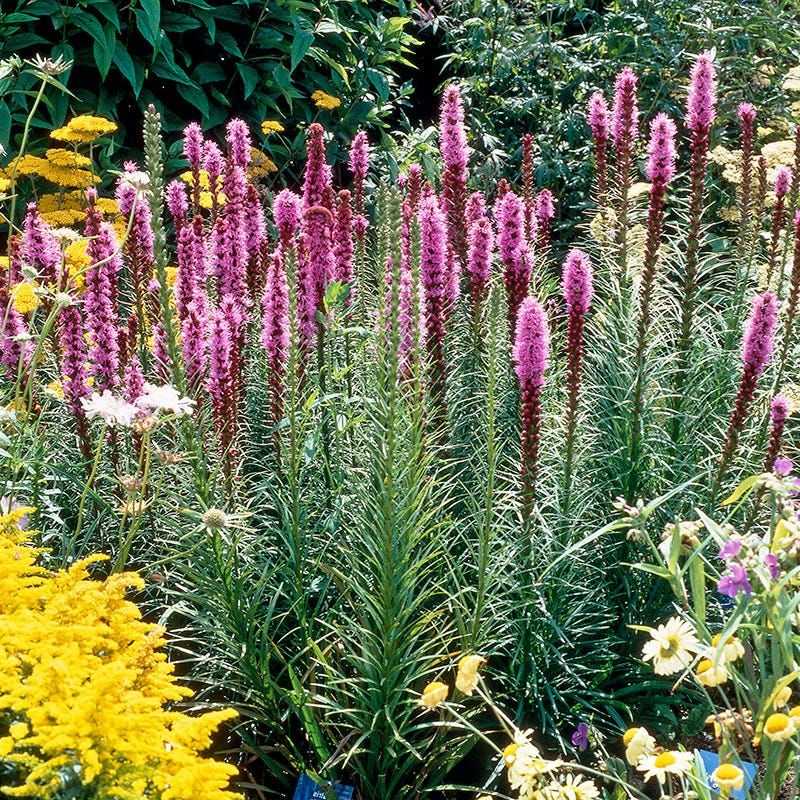
There is something striking about the way liatris blooms from the top of its spike downward, which is the opposite of most flowering plants.
This native prairie plant, sometimes called blazing star, sends up tall wands of purple or white flowers that create strong vertical lines in a garden bed.
Ohio gardeners who plant liatris in May can expect blooms to appear by midsummer when many gardens need a visual boost.
Liatris is well suited to Ohio’s climate because it is native to the region and adapted to surviving summer heat and occasional dry spells. Once the corms are in the ground, this plant asks for very little in return.
It grows best in full sun and prefers soil that drains well, since sitting in soggy ground can cause the corms to rot.
Beyond its good looks, liatris is a strong pollinator plant that draws in monarch butterflies and native bees throughout its bloom period. It works beautifully alongside black-eyed Susans, purple coneflowers, and other native Ohio plants.
For gardeners who want a tall, colorful, and wildlife-friendly plant that handles summer heat without complaint, liatris is well worth adding to a May planting plan.
5. Daylilies Keep Summer Gardens Looking Full
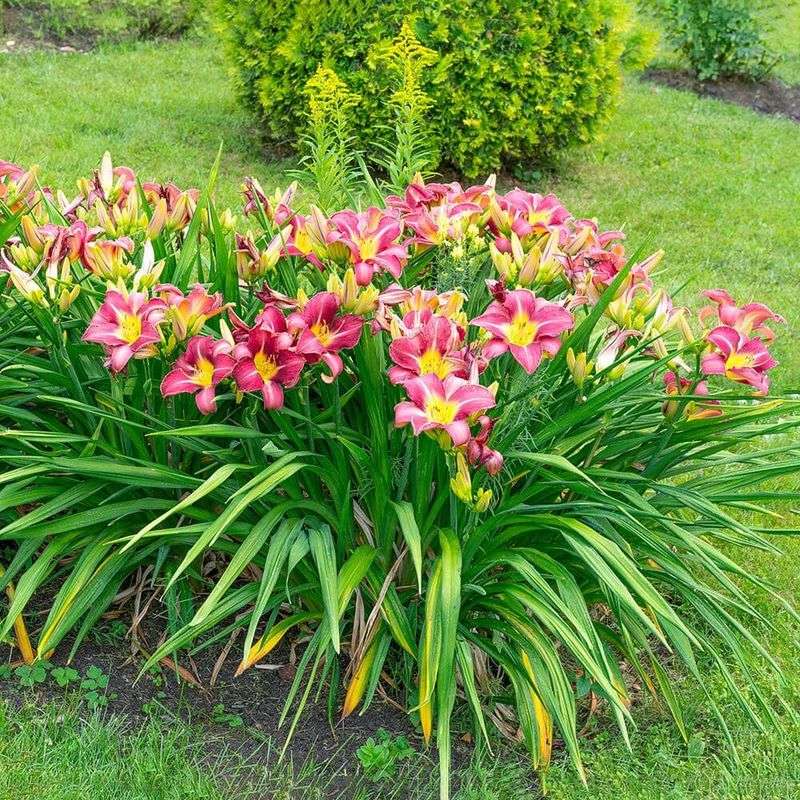
Walk through almost any established Ohio neighborhood in July and you are likely to spot daylilies growing along fences, driveways, and garden borders.
These tough, dependable perennials have earned their place in summer gardens by blooming reliably year after year with very little care required.
Planting new varieties in May gives the roots time to settle before the heat of summer pushes bloom production into full swing.
Daylilies come in a wide range of colors, from classic orange and yellow to soft peach, deep burgundy, and nearly purple. Many modern varieties are reblooming types, meaning they produce a second flush of flowers after the first wave finishes.
That extended bloom season keeps garden beds looking full and colorful well into late summer, which is something Ohio gardeners genuinely appreciate.
One of the most practical things about daylilies is their ability to handle heat, drought, and even poor soil better than many other perennials. They grow best in full sun to light shade and spread gradually over time, filling in bare spots in the garden.
Dividing clumps every few years keeps them blooming at their best and gives you more plants to spread around the yard.
6. Eggplant Loves The Heat Of Summer
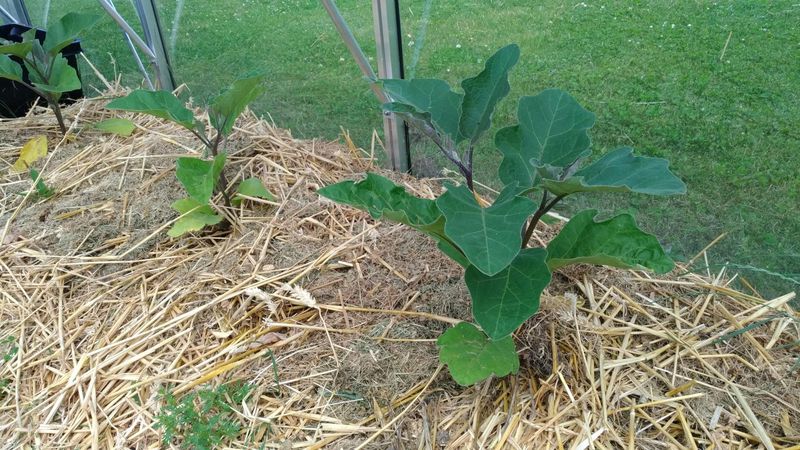
Warm soil is the starting signal for eggplant, and May in Ohio is usually the right time to get transplants in the ground.
Eggplant is one of those vegetables that genuinely thrives as temperatures climb, putting on steady growth through June and July when the garden is at its hottest.
Cold soil slows it down significantly, so waiting until May ensures the plant gets off to a strong start.
Eggplant needs full sun and consistent moisture to produce well, but it handles Ohio’s summer heat with ease once established. The plants grow into sturdy, bushy shapes with attractive purple flowers that eventually give way to glossy fruit.
Varieties range from the classic large Italian types to slender Asian styles and even small round eggplants, giving gardeners plenty of options to choose from.
Keeping the soil evenly moist and using mulch around the base of the plant helps maintain steady growth during dry summer stretches.
Eggplant does best when it has room to spread, so spacing plants about 18 to 24 inches apart allows good air circulation.
Ohio gardeners who enjoy cooking with fresh vegetables often find eggplant to be one of the most rewarding summer crops they can grow.
7. Peppers Thrive As Ohio Days Warm Up
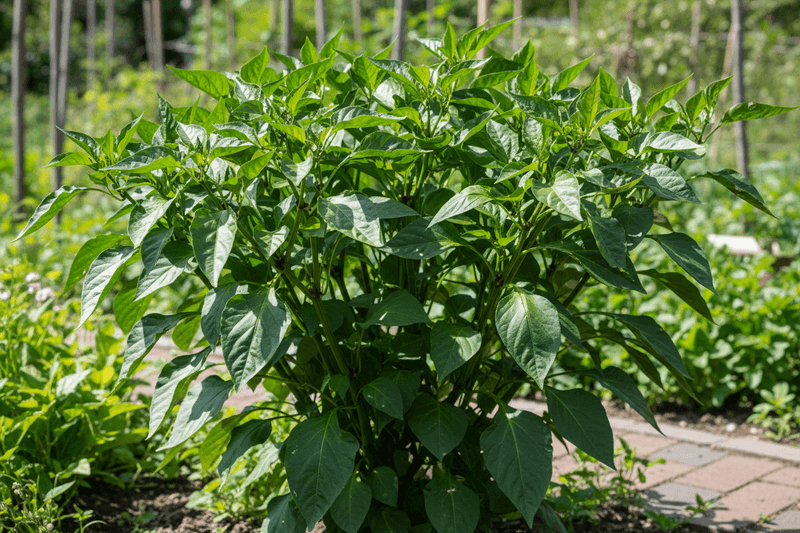
Peppers are one of those vegetables that seem to come alive once the Ohio sun really starts bearing down in June and July.
They need warm soil and warm air to grow well, which is exactly why getting transplants in the ground during May sets them up for a strong and productive season.
A pepper plant that gets established in May has the root system it needs to handle summer heat without missing a beat.
Both sweet peppers and hot peppers perform well in Ohio gardens, and the range of varieties available gives gardeners a lot of room to experiment.
Bell peppers, banana peppers, jalapeños, and cayennes are all popular choices that do well in the state’s summer climate.
Hot peppers in particular tend to get spicier as temperatures climb, which is a fun bonus for gardeners who like heat in their food as much as in their weather.
Peppers grow best in full sun with well-drained, fertile soil. Consistent watering matters most when plants are flowering and setting fruit.
Letting the soil dry out too much during that window can cause blossom drop, which reduces the overall harvest. A layer of mulch around the base of each plant helps hold moisture and keeps soil temperature steady through the hottest months.
8. Okra Grows Strong In Summer Heat
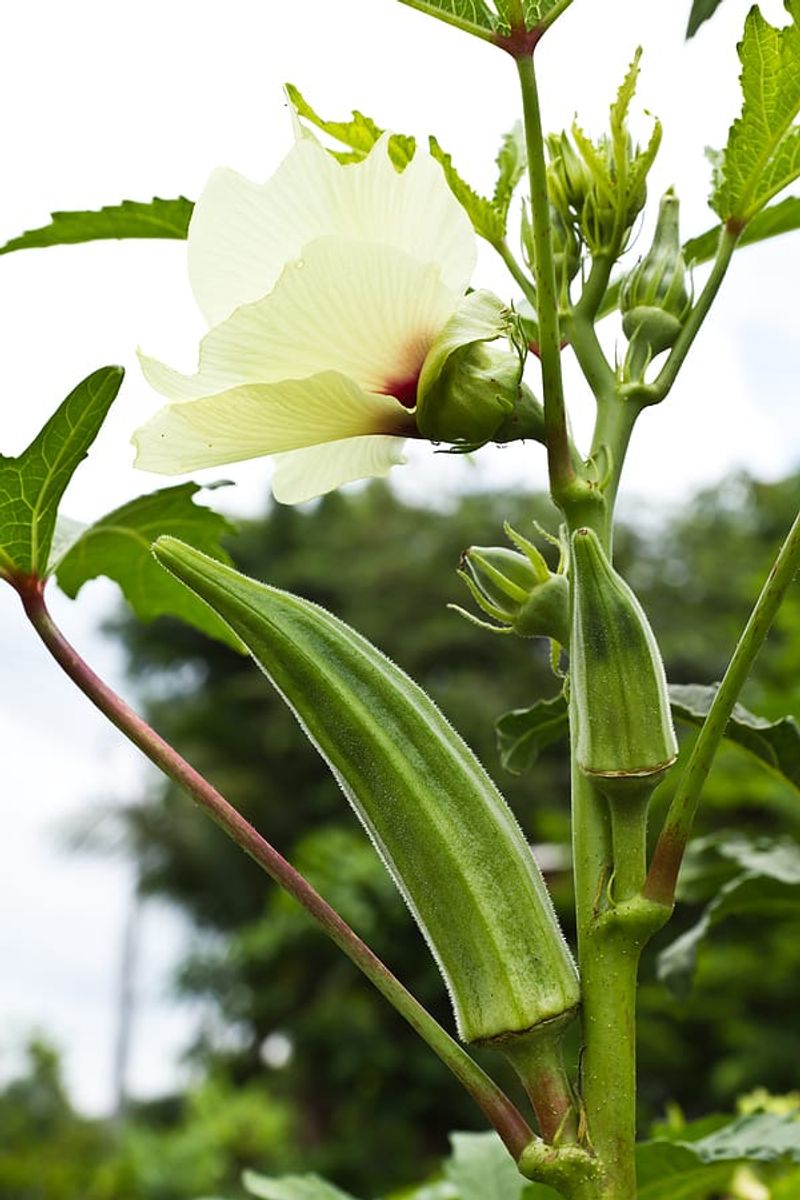
Okra is one of the few vegetables that actually seems to enjoy the kind of heat that makes other garden plants sulk. In Ohio, the warm days of June, July, and August are exactly what okra needs to grow tall and produce pods at a steady pace.
Starting okra in May, after soil temperatures have warmed reliably, gives plants the jump they need to hit their stride before peak summer heat arrives.
This fast-growing vegetable can reach five to six feet tall in a single season, making it one of the more dramatic plants in a summer garden.
The flowers are beautiful, resembling hibiscus blooms, which makes sense since the two plants are in the same botanical family.
Pods should be harvested when they are two to four inches long for the best flavor and texture, since larger pods tend to become tough.
Okra does best in full sun and loose, well-drained soil. It is more drought-tolerant than many summer vegetables, though regular watering during dry spells helps maintain steady pod production.
Ohio gardeners who have not tried okra before may be surprised by how easy it is to grow and how much it produces during the hottest part of the season.
9. Basil Brings Fresh Flavor All Season
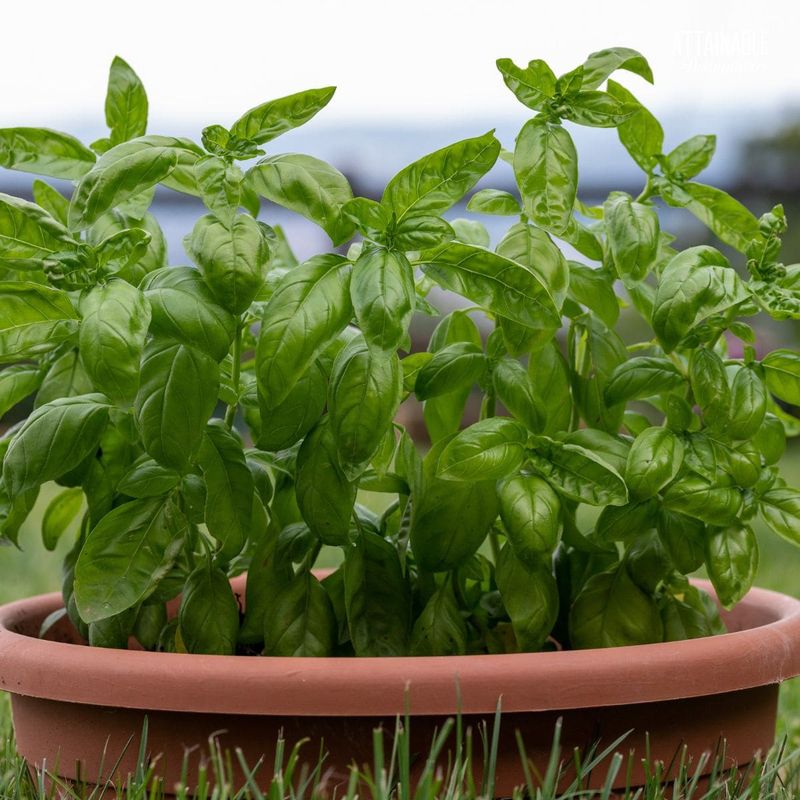
The smell of fresh basil on a warm summer morning is one of those small pleasures that makes having a garden so worthwhile.
Basil is a heat-loving herb that grows quickly once temperatures stay consistently warm, and May is the ideal time to get it planted in Ohio gardens.
Cold nights can stress basil and cause the leaves to turn dark, so waiting until the risk of late-spring cold snaps has passed makes a real difference.
Sweet basil is the most widely grown type, but Ohio gardeners have plenty of other options to explore. Genovese basil produces large, fragrant leaves that are popular for pesto and cooking.
Thai basil has a slightly spicy, anise-like flavor that works well in Asian dishes. Purple basil adds a striking color contrast to herb gardens and is just as flavorful as the green varieties.
Pinching off flower buds as they appear keeps basil plants bushy and productive throughout the season. Once basil is allowed to flower and go to seed, leaf production tends to slow down noticeably.
Planting basil near tomatoes is a common practice among Ohio gardeners, and both plants share a love of full sun, warm soil, and consistent moisture through the summer months.
10. Sweet Potatoes Fill Space With Fast Summer Growth
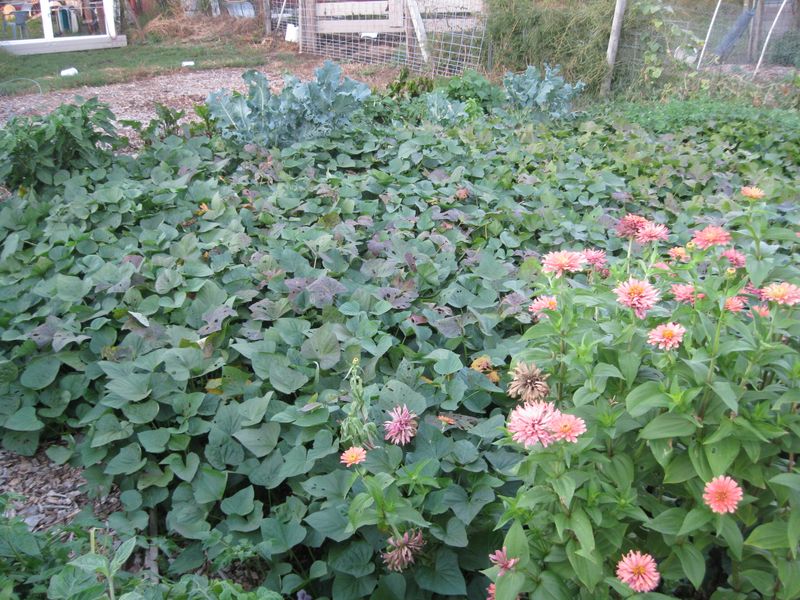
Sweet potatoes are one of the most productive plants an Ohio gardener can put in the ground during May.
Once the soil warms up and slips are planted, sweet potato vines spread quickly across the garden, covering bare ground with lush green foliage and quietly building a harvest underground.
They are one of those crops that does most of its work out of sight, which makes the fall harvest feel especially rewarding.
The vines themselves are attractive enough to serve a decorative purpose in the garden, filling in gaps between taller plants and helping to suppress weeds as they spread.
Some gardeners use ornamental sweet potato vine varieties in containers and hanging baskets, though the edible types produce the root vegetables that make them worth growing in a vegetable garden setting.
Sweet potatoes need full sun and loose, well-drained soil to produce large, well-shaped roots. Compacted soil can cause roots to grow in odd shapes, so loosening the planting area before setting out slips is a helpful step.
Ohio’s warm summer days give sweet potatoes the long, hot growing season they need to size up properly before harvest in early fall. Consistent moisture early in the season helps the plants establish quickly after planting.