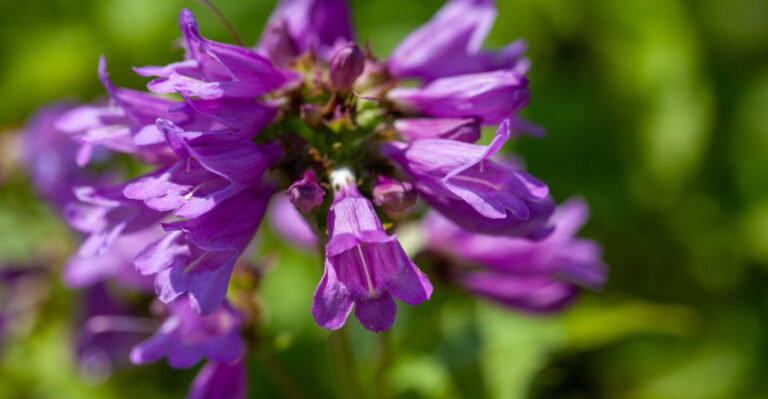
10 Perennials That Help Keep Oregon Garden Weeds In Check
Weeding is nobody’s idea of a good time. You spend an hour pulling them, feel great about yourself, and then walk outside three days later to find them back like nothing happened.
It’s one of the most demoralizing cycles in all of gardening. But what if the plants themselves could start doing some of that work for you?
Turns out, the right perennials can. Dense, low-growing perennials that spread and fill in are basically nature’s weed barrier.
They crowd out the competition, shade the soil so weed seeds can’t get the light they need to germinate, and look genuinely beautiful while doing it.
Oregon’s growing conditions mean these plants establish quickly and spread reliably, turning bare patches of soil into lush, weed-suppressing ground cover without much help from you at all.
Less weeding, more enjoying. That’s the trade these perennials offer, and it’s a very good one.
1. Creeping Thyme
Walk across a patch of creeping thyme and you’ll catch a burst of that familiar herby scent rising up from the ground. It’s one of those plants that works hard without asking for much in return.
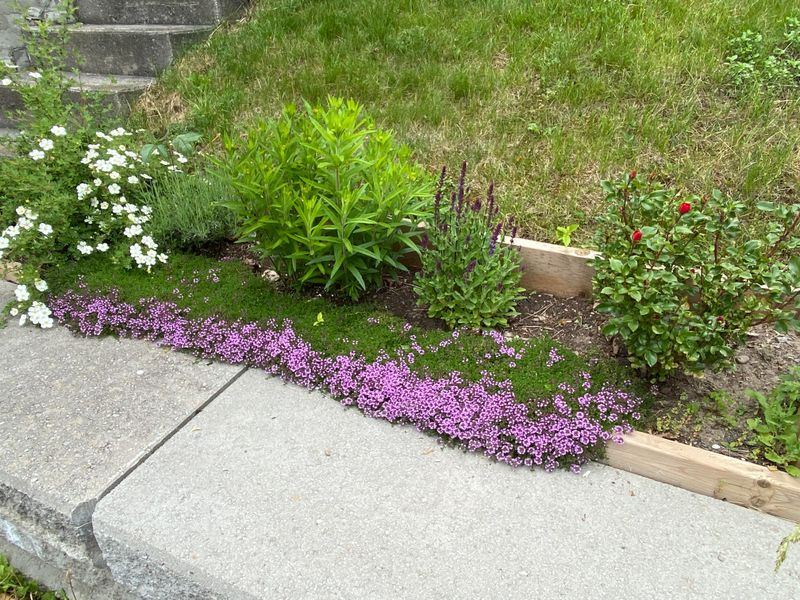
In Oregon, where rainfall keeps the ground moist through spring, creeping thyme spreads quickly and forms a thick, low mat that blocks weeds from ever getting started.
This plant hugs the ground tightly, growing only two to four inches tall. That low profile means it fills in between stepping stones, along garden borders, and across slopes with ease.
The dense mat it creates shades the soil below, cutting off the sunlight that weed seeds desperately need to sprout.
Creeping thyme blooms in late spring and early summer, covering itself in tiny pink or purple flowers that attract bees and other pollinators. It’s drought-tolerant once established, making it a great choice for Oregon’s drier summer months.
Plant it in full sun and well-drained soil for the best results. Over time, one small plant can spread two feet wide or more, steadily covering ground and keeping your Oregon garden beds tidy without much effort from you.
2. Creeping Phlox
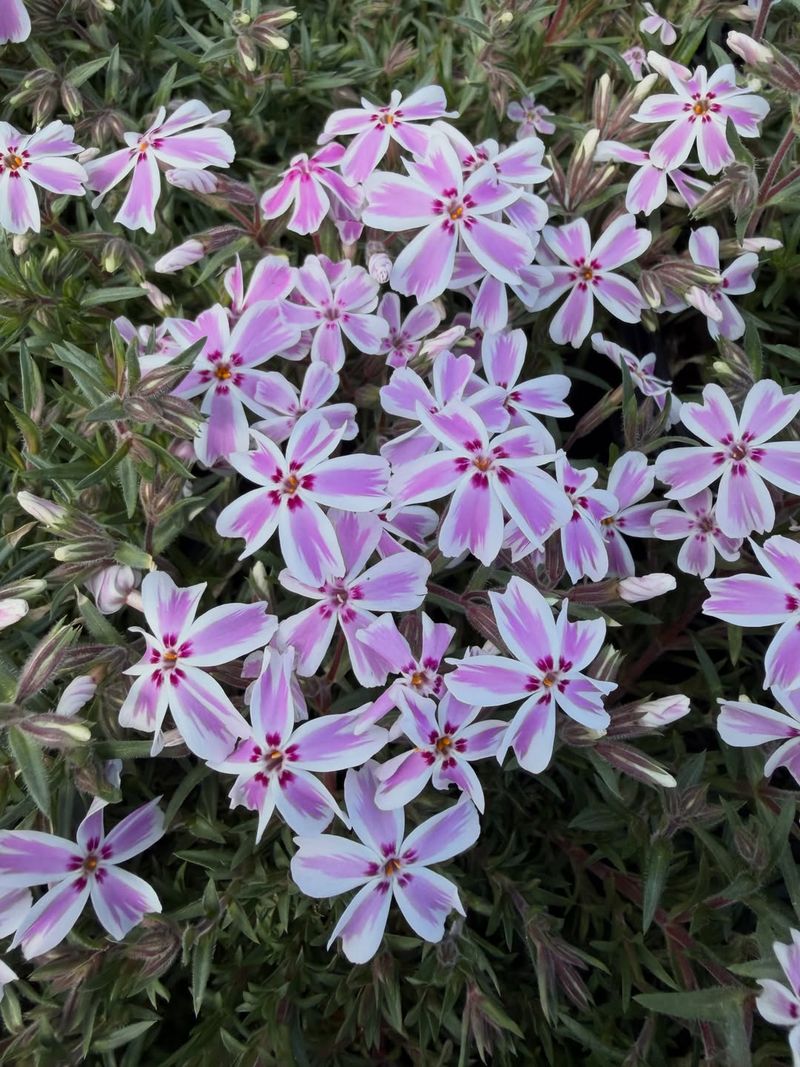
Few plants put on a spring show quite like creeping phlox. When it blooms in April and May, it completely covers itself in a thick blanket of star-shaped flowers in shades of pink, purple, white, and lavender.
In Oregon gardens, it’s a real showstopper, especially when planted along slopes or rock walls where it can spill and spread freely.
Beyond the beauty, creeping phlox is a serious weed fighter. It grows in a dense, spreading mat that can reach two feet wide or more.
The thick mat of needle-like evergreen foliage stays in place year-round, meaning it’s protecting your soil from weeds even in the off-season. That’s a big deal in Oregon, where mild winters can keep weeds growing longer than you’d expect.
Creeping phlox thrives in full sun and well-drained soil. It handles Oregon’s rainy springs well and becomes quite drought-tolerant by summer.
Your Oregon Garden Changes Every Week. Your Plan Should Too.
Gardening in Oregon changes quickly throughout the season. Every Friday you’ll receive a simple weekly plan showing exactly what to plant, prune, fertilize, harvest, and protect so you never miss the right timing.
Plant it at the front of garden borders, on hillsides, or between rocks where other plants struggle. Once established, it needs very little care.
A light trim after blooming keeps it looking tidy and encourages fresh growth that continues to crowd out any unwanted visitors in your garden.
3. Catmint
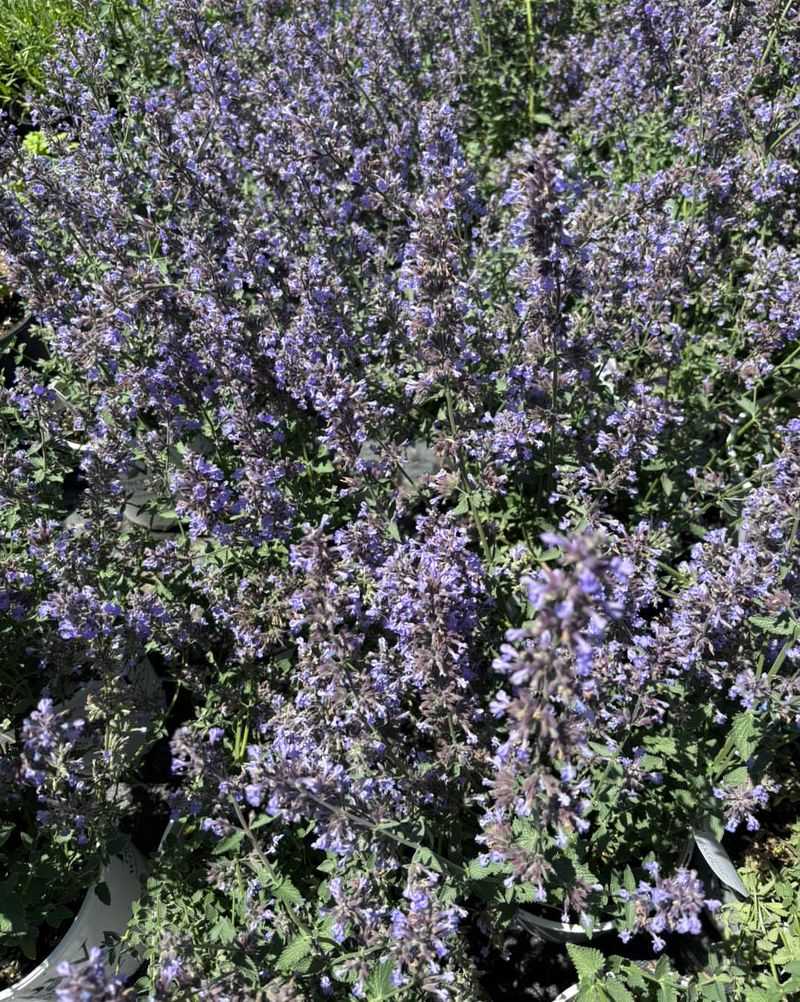
Catmint has a reputation for being almost impossible to stop once it gets going, and that’s exactly what makes it such a fantastic weed suppressor in Oregon gardens. Its soft, silvery-green mounds grow wide and full, spreading out to fill every inch of bare soil before weeds even get a foothold.
The bonus? It smells wonderful and blooms for months.
In Oregon, catmint really shines from late spring through summer. It produces long spikes of lavender-blue flowers that attract bees, butterflies, and hummingbirds in impressive numbers.
The plant grows about two to three feet tall and equally wide, forming a bushy clump that shades the soil below. That shade is the secret weapon against weeds, blocking the light that seeds need to germinate.
Catmint is incredibly tough. It handles Oregon’s wet winters without complaint and bounces back beautifully each spring.
It prefers full sun but tolerates light shade. After the first flush of blooms fades, cut it back by about half and it will rebloom within a few weeks.
Plant it along walkways, at the edges of raised beds, or in sunny borders. It’s one of the easiest and most rewarding perennials you can grow anywhere in Oregon.
4. Hardy Geranium
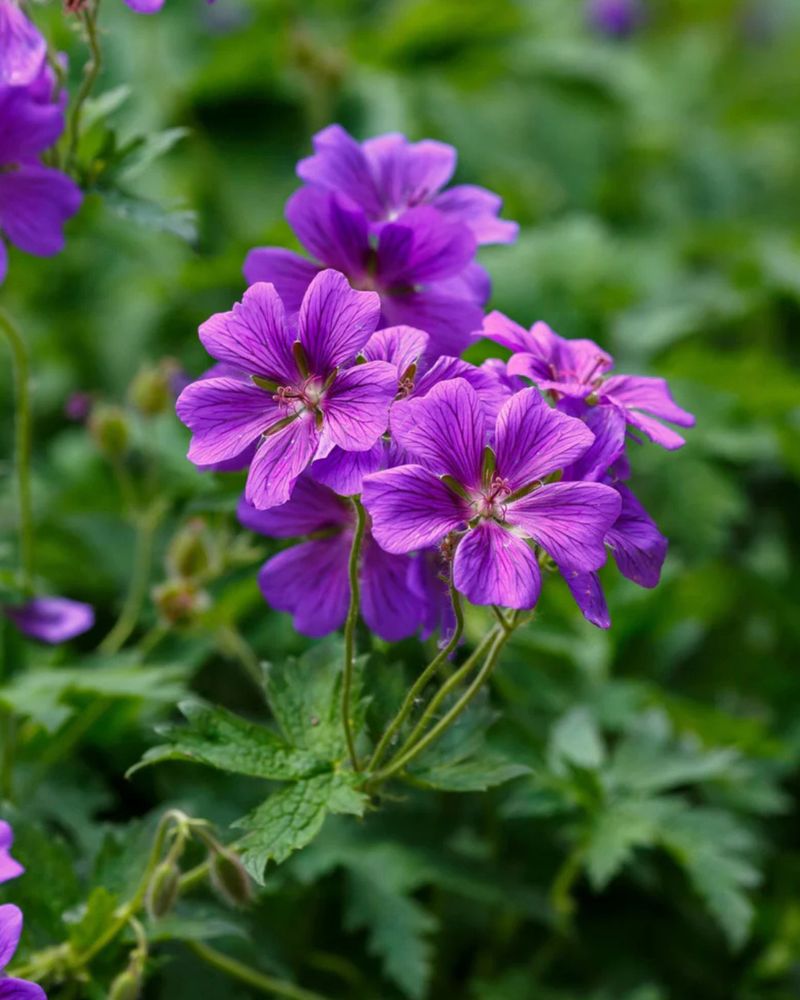
Hardy geraniums, also called cranesbills, are the unsung heroes of the Oregon garden. Unlike their tender container cousins, these tough perennials come back year after year, spreading steadily to fill empty spaces with a leafy, weed-smothering canopy.
They’re one of the most reliable choices for keeping garden beds looking full and weed-free without a lot of fuss.
Oregon’s climate suits hardy geraniums perfectly. They love the mild, moist springs and handle summer heat better than you might expect.
Most varieties grow about one to two feet tall and spread two to three feet wide. Their deeply lobed leaves overlap and layer together, creating a thick blanket over the soil that makes it very hard for weeds to push through.
The flowers, which come in shades of pink, purple, blue, and white, bloom from late spring into summer.
One of the best things about hardy geraniums is their flexibility. They grow well in full sun and partial shade, which makes them useful in many different spots around the garden.
After blooming, cut them back hard and they’ll often produce a fresh flush of foliage and sometimes even a second round of flowers. Plant them under shrubs, along borders, or in woodland-style garden beds throughout Oregon for long-lasting weed control.
5. Sedum
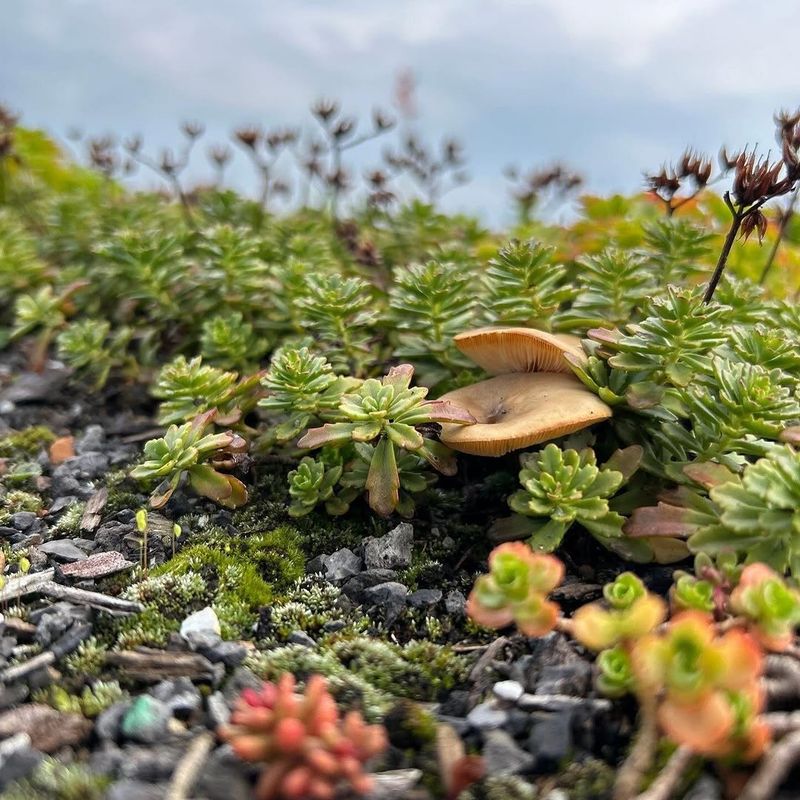
Sedum is the kind of plant that seems to thrive on neglect. Give it a sunny spot and decent drainage, and it will spread steadily across the ground, filling in gaps and squeezing out weeds without any help from you.
In Oregon, low-growing sedum varieties are especially useful in rock gardens, along pathways, and on dry slopes where other plants struggle to survive.
Also called stonecrop, sedum comes in a wide range of colors, from bright green to deep burgundy and everything in between. The succulent leaves store water, which helps the plant handle Oregon’s dry summer months with ease.
The mat-forming types stay low to the ground, creating a dense, tight cover that leaves almost no room for weeds to sneak in.
Did you know that some sedum varieties can spread up to three feet wide from a single planting? That makes them incredibly efficient ground covers for large areas.
They bloom in late summer and fall, producing clusters of star-shaped flowers in pink, yellow, or white that attract late-season pollinators. Plant sedum in full sun with well-drained or even sandy soil.
In Oregon gardens, it’s a particularly smart choice for spots that get very little summer rainfall and need a tough, low-care solution for weed control.
6. Yarrow
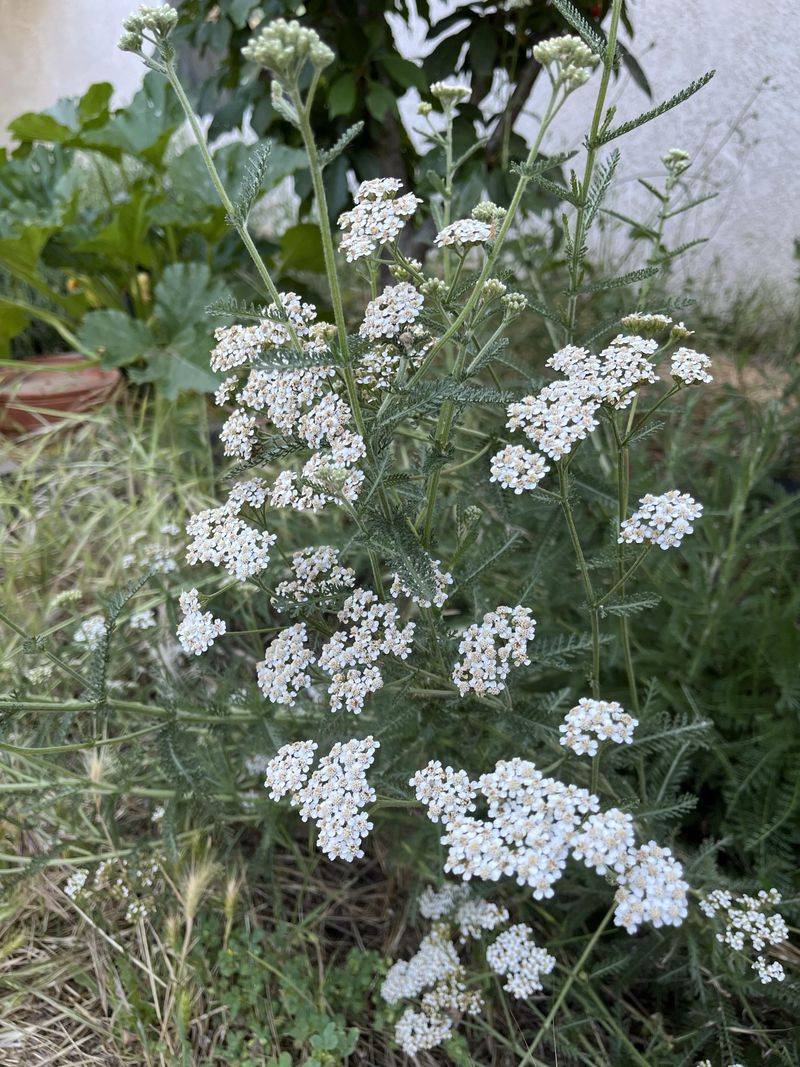
Yarrow has been growing in gardens for thousands of years, and there’s a good reason it’s stuck around so long. It’s tough, beautiful, and spreads aggressively enough to crowd out weeds in even the most challenging garden spots.
In Oregon, where it grows wild along roadsides and meadows, yarrow is right at home in both formal and naturalistic garden settings.
The plant forms spreading clumps of feathery, aromatic foliage that stay low and dense close to the ground. As it spreads, it creates a thick mat of leaves that blocks weed seeds from reaching the soil surface.
Above that mat, tall flower stalks rise up in summer, topped with flat clusters of blooms in yellow, white, pink, red, or orange. The flowers last for weeks and look beautiful in both the garden and in a vase.
Yarrow thrives in full sun and is extremely drought-tolerant once established, which is perfect for Oregon’s warm, dry summers. It’s not picky about soil quality and actually does better in lean, well-drained soil than in rich, fertile beds.
Plant it in sunny borders, cottage-style gardens, or on dry slopes. Cut the flowers back after blooming to encourage fresh growth.
Yarrow is a hard-working, low-maintenance perennial that earns its place in any Oregon garden.
7. Lamb’s Ear
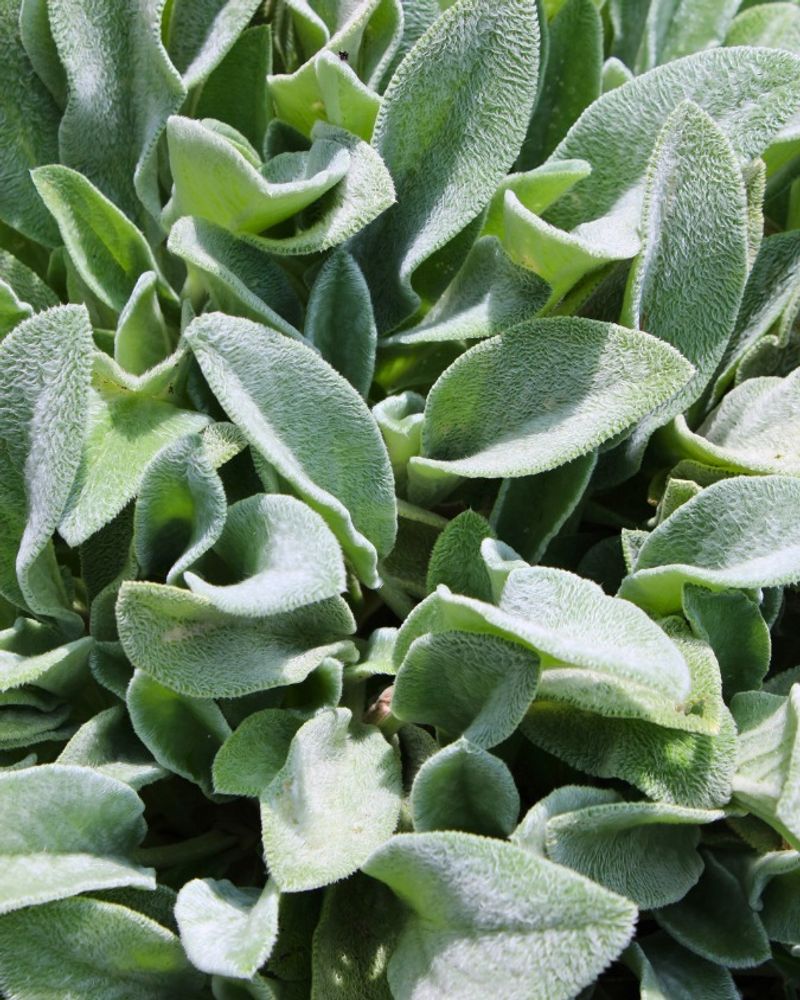
Run your fingers across a lamb’s ear leaf and you’ll understand immediately how this plant got its name. The leaves are thick, velvety, and covered in soft silver-gray fuzz that feels just like the ear of a lamb.
But don’t let the delicate look fool you. Lamb’s ear is a tough, fast-spreading perennial that does an excellent job of filling bare ground and keeping weeds out in Oregon gardens.
The plant spreads by sending out low-growing rosettes that multiply quickly. Within a season or two, a single plant can cover a surprisingly large area, forming a dense silver carpet that shades the soil and blocks weed germination.
The thick, overlapping leaves are especially good at smothering small weeds before they get established. In Oregon’s rainy climate, lamb’s ear spreads quickly in spring, getting a head start on any weed competition.
Lamb’s ear grows best in full sun to light shade and prefers well-drained soil. It doesn’t love constantly soggy conditions, so avoid low spots in the garden.
In summer, it sends up tall flower spikes with small purple blooms that bees absolutely love. Plant it along sunny borders, at the front of garden beds, or as an edging plant.
The silver color contrasts beautifully with darker green plants, making it as decorative as it is practical in any Oregon garden.
8. Lady’s Mantle
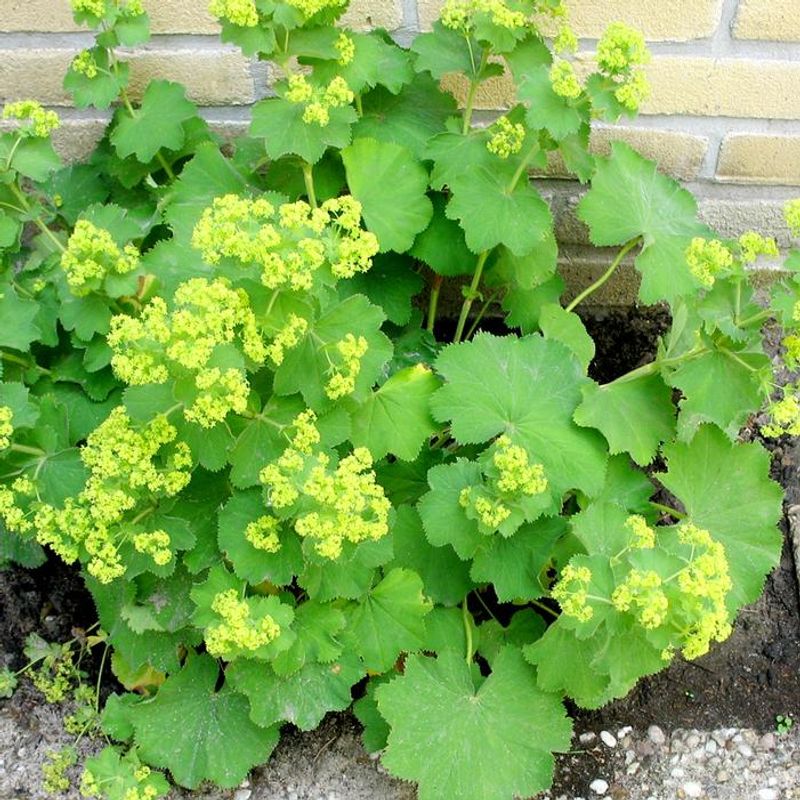
There’s something almost magical about the way lady’s mantle holds water. After Oregon’s frequent rains, the scalloped leaves gather tiny droplets that sit on the surface like little silver pearls.
It’s a charming detail that makes this plant stand out in the garden, but the real value of lady’s mantle is its ability to spread and smother weeds in shady spots where other ground covers struggle.
Lady’s mantle forms wide, rounded clumps of soft green foliage that spread outward season after season. The leaves overlap and layer densely, creating a thick canopy over the soil that effectively blocks light from reaching weed seeds below.
In Oregon’s famously shady, tree-filled gardens, this plant is a welcome solution for keeping the ground tidy under large shrubs and along shaded pathways.
In early summer, lady’s mantle produces frothy sprays of tiny chartreuse-yellow flowers that look lovely cascading over the edges of garden beds or pathways. It grows well in partial to full shade and prefers the moist, rich soil that Oregon’s climate naturally provides.
Trim back the foliage in midsummer if it starts to look tired, and fresh new leaves will emerge quickly. Lady’s mantle is a reliable, low-effort perennial that brings elegance and weed control together beautifully in Oregon gardens.
9. Hosta
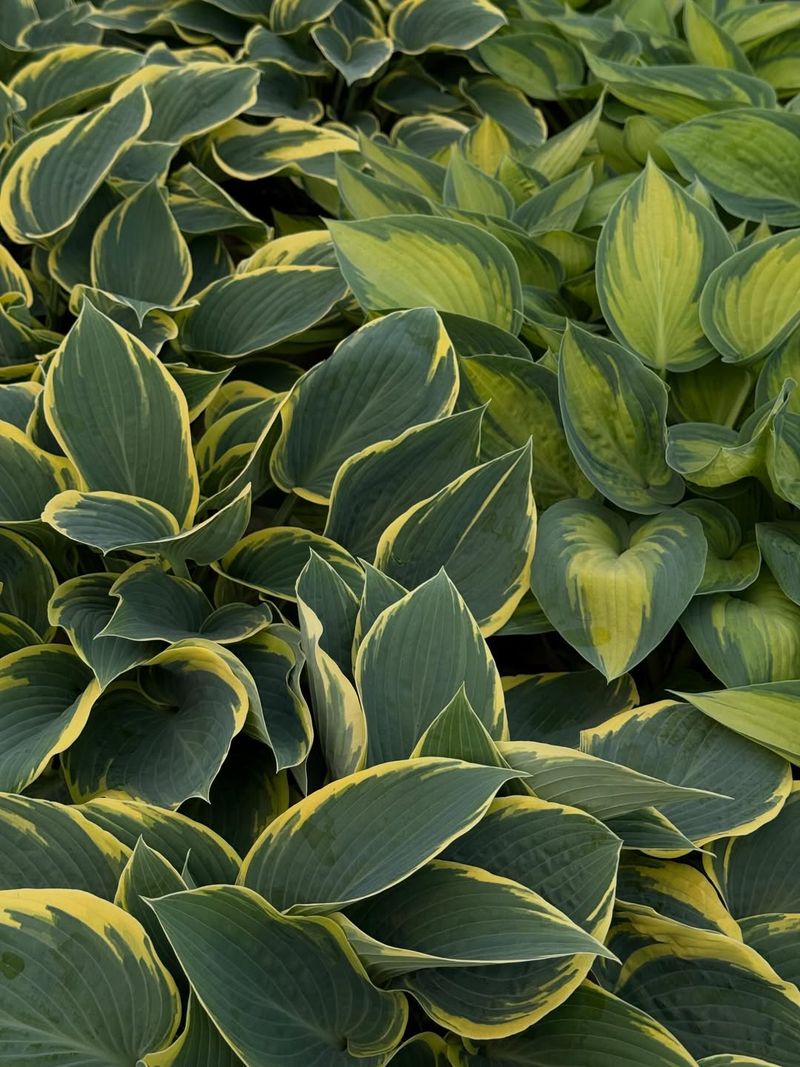
If you have a shady corner in your Oregon garden that seems to attract weeds no matter what you do, hostas might just be your answer. These bold, leafy perennials are famous for their big, dramatic foliage, and that’s exactly what makes them such effective weed suppressors.
When hosta leaves are fully open in summer, they create a wide, dense canopy that blocks almost all the light reaching the soil below.
Hostas come in an enormous range of sizes and colors. Some varieties stay small and compact, while others grow into massive clumps over three feet wide with leaves the size of dinner plates.
The larger varieties are especially impressive weed blockers. Oregon’s cool, moist climate is nearly ideal for hostas, and they thrive in the dappled shade under trees where many other plants give up.
Plant hostas in partial to full shade and keep the soil consistently moist. They’re slow to establish but become more impressive and more effective at weed control with each passing year.
A mature hosta clump can be so dense that virtually nothing grows beneath it. Pair them with lady’s mantle or ajuga for complete ground coverage in shaded Oregon garden beds.
They’re long-lived, low-maintenance, and genuinely beautiful plants that reward patient gardeners generously.
10. Ajuga
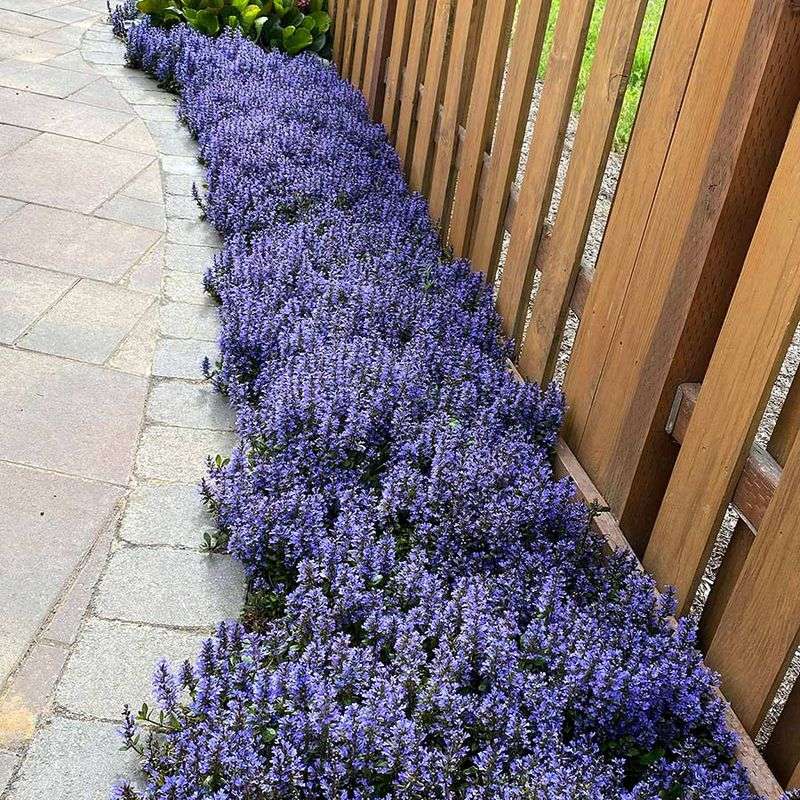
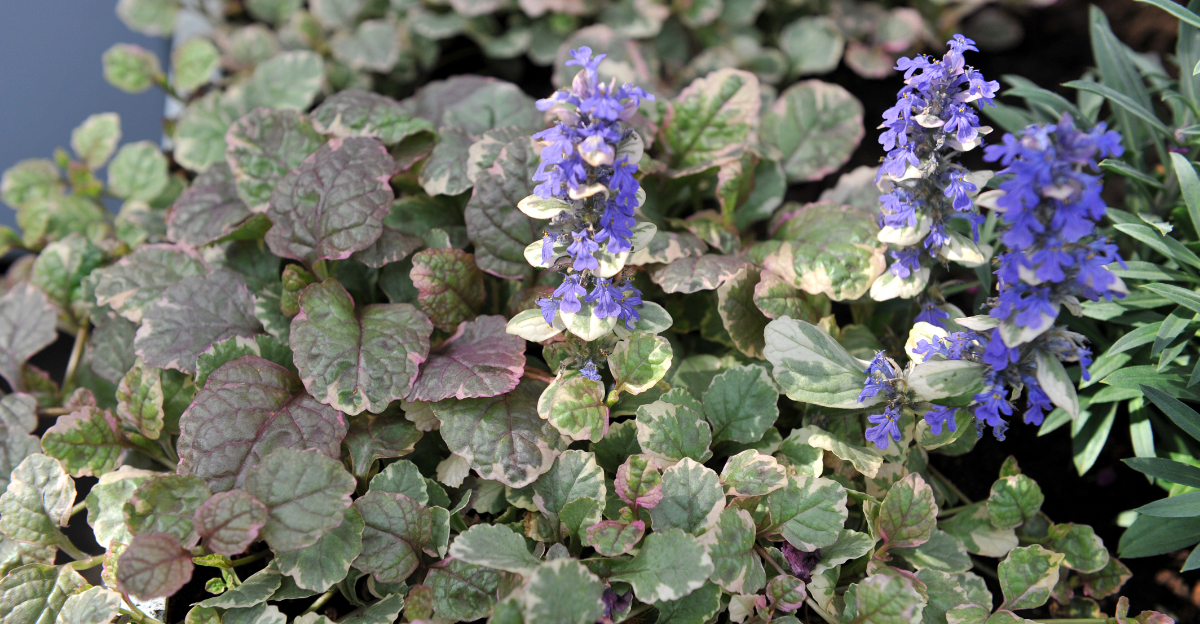
Ajuga, also known as bugleweed, is one of the fastest-spreading ground covers you can plant in an Oregon garden. It races across the ground by sending out horizontal runners that root wherever they touch soil.
Within just one growing season, a few small plants can fill an impressive area, creating a tight, weed-resistant mat that stays attractive year-round.
The foliage is one of ajuga’s best features. Depending on the variety, the leaves can be deep bronze-purple, chocolate brown, or variegated with pink and cream.
The colors stay rich through most of the year, giving the garden visual interest even when nothing else is blooming. In spring, ajuga sends up short spikes of vivid blue or purple flowers that look striking against the dark leaves and attract early pollinators coming out after Oregon’s long winter rains.
Ajuga grows well in partial shade to full shade, making it perfect for the many shaded garden spaces common across Oregon. It also tolerates some foot traffic, which makes it useful between stepping stones or along garden paths.
It prefers moist, well-drained soil and will spread more slowly in very dry conditions. Keep an eye on it near lawn areas, as it can creep into grass over time.
Overall, ajuga is an incredibly hardworking, beautiful, and reliable weed-fighting perennial for Oregon gardens.