8 Common May Mistakes Some Pennsylvania Gardeners Are Guilty Of Making
May in Pennsylvania has a way of making gardeners feel wildly optimistic.
One warm afternoon and suddenly it seems completely reasonable to buy a cart full of annuals, drag every patio pot out of storage, and start planting like summer already signed the paperwork.
After a long winter, that kind of excitement is hard to resist. The garden centers look irresistible, the lawn is growing like it has something to prove, and every sunny day feels like a personal invitation to get moving.
Of course, Pennsylvania likes to keep things interesting. A stretch of beautiful weather can be followed by a chilly night, soggy soil, or a surprise cold snap that makes early planting look a little too ambitious.
May is full of promise, but it also has a sneaky side. That is why so many common garden mistakes show up right now, often with the best intentions behind them.
A little patience and better timing can save a lot of frustration later, which is not nearly as exciting as impulse planting, but it does usually work out better.
1. Planting Tender Annuals Too Early Causes Setbacks
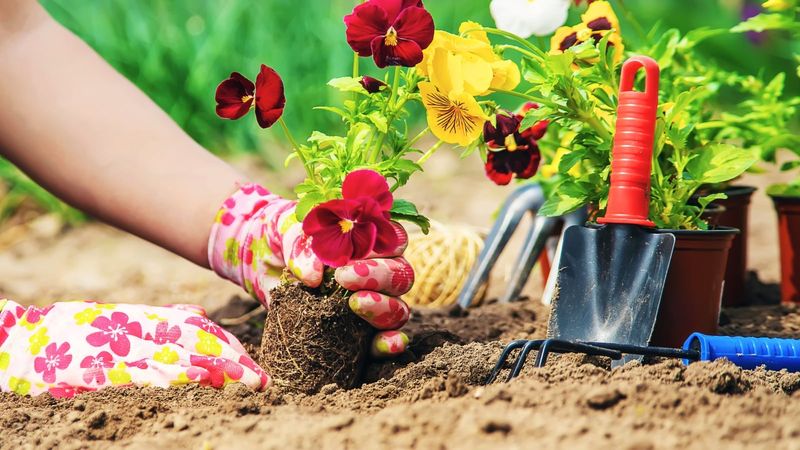
Walking through a nursery in early May is almost impossible without loading up a cart with colorful annuals. Petunias, impatiens, marigolds, and zinnias look so healthy under those greenhouse lights that it is tempting to get them straight into the ground.
The problem is that many of these plants are tender, meaning they have little tolerance for cold nights.
Pennsylvania last frost dates vary quite a bit depending on where you live.
Gardeners in Philadelphia and southeastern parts of the state may be safe by early May, but those in central or northern Pennsylvania can see frost well into mid-May or even later at higher elevations.
Planting tender annuals before your local last frost date has passed is a gamble that often does not pay off.
When cold air hits plants that have just been transplanted into the ground, they can turn yellow, collapse, or simply stop growing for weeks.
Even if frost does not occur, chilly nights below 50 degrees Fahrenheit can stress heat-loving annuals and slow their root development significantly.
Waiting until nighttime temperatures stay consistently above 50 degrees gives these plants a much better start.
Checking your county’s average last frost date through a reliable local resource before planting is a simple step that saves a lot of frustration later in the season.
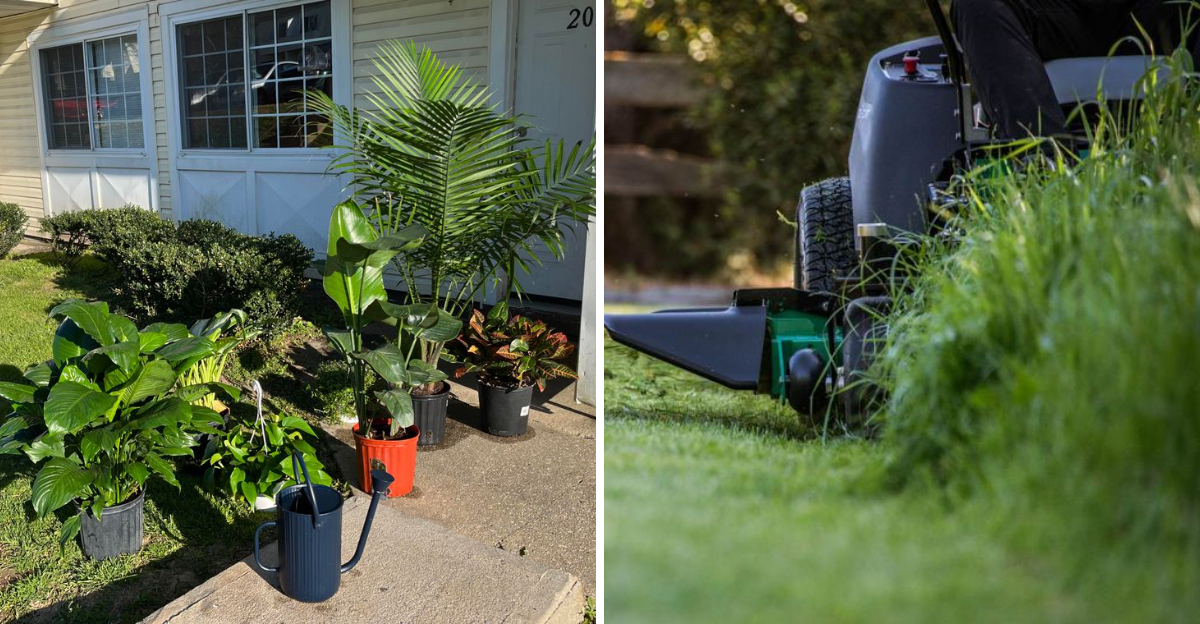
2. Moving Tropical Houseplants Outdoors Too Soon Risks Stress
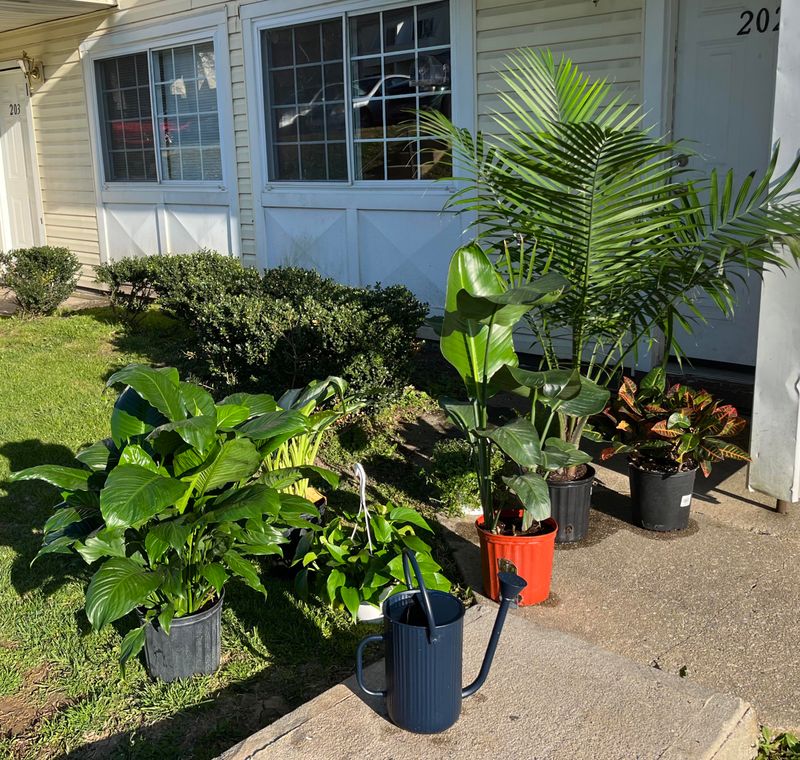
Tropical houseplants spend all winter sitting in warm, comfortable indoor environments, and by May many Pennsylvania gardeners are ready to move them outside to enjoy the fresh air and stronger light.
The enthusiasm makes sense, but moving these plants outdoors too early in May can lead to a rough transition that sets them back for weeks.
Tropicals like hibiscus, mandevilla, bird of paradise, and rubber trees are used to stable indoor temperatures.
When they are suddenly moved outside and exposed to chilly Pennsylvania nights, fluctuating temperatures, and strong direct sunlight they have not seen all winter, the shock can cause leaf drop, browning edges, and slowed growth.
Your Pennsylvania Garden Changes Every Week. Your Plan Should Too.
Gardening in Pennsylvania changes quickly throughout the season. Every Friday you’ll receive a simple weekly plan showing exactly what to plant, prune, fertilize, harvest, and protect so you never miss the right timing.
Even a single cold night in the low 40s can be enough to stress these plants noticeably.
A smarter approach is to wait until nighttime temperatures are reliably above 55 degrees Fahrenheit before moving tropicals outside, which in many parts of Pennsylvania means waiting until late May or even early June.
It also helps to place them in a shaded or partially shaded spot for the first week or two before gradually introducing more direct sun.
This gradual adjustment gives leaves time to acclimate without suffering. Rushing this step might feel harmless, but the recovery time often wipes out any benefit gained from moving them out early in the first place.
3. Planting Summer Bulbs Before Frost Can Slow Growth
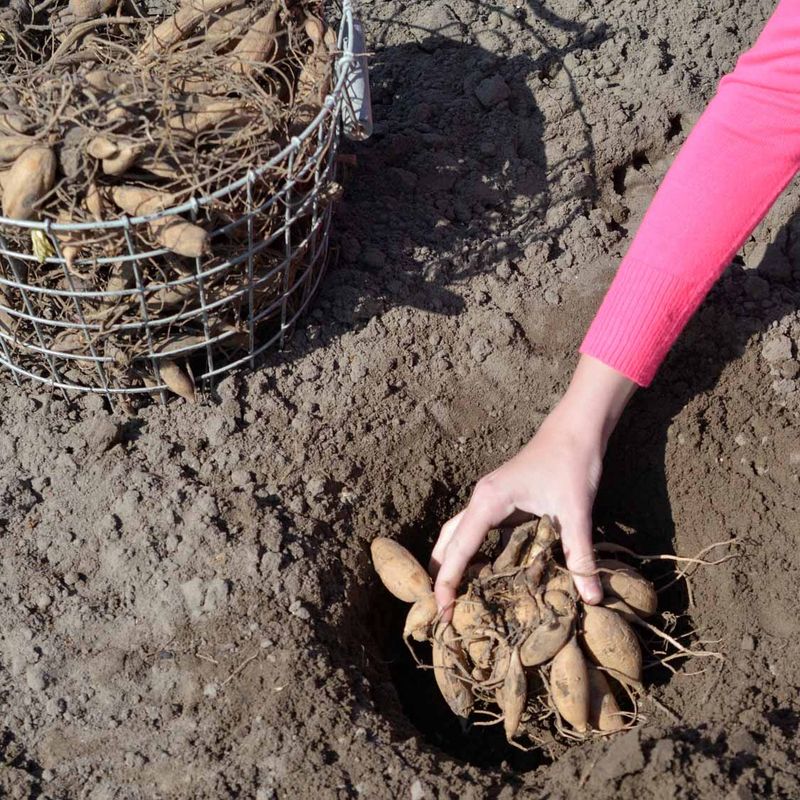
Dahlias, cannas, caladiums, and gladiolus are some of the most rewarding plants a Pennsylvania gardener can grow, and May feels like the obvious time to get them in the ground.
But planting summer bulbs and tubers before soil temperatures have warmed enough and before frost risk has passed can actually slow their development rather than give them a head start.
Most summer bulbs prefer soil temperatures of at least 60 degrees Fahrenheit to begin sprouting and establishing roots.
In Pennsylvania, soil at that depth may not reach that temperature until mid-to-late May in many areas, and in cooler, higher-elevation regions it can take even longer.
Bulbs planted in cold, wet soil tend to sit dormant and become more vulnerable to rot rather than pushing new growth.
Dahlias are especially sensitive to frost. Even a light frost after planting can damage emerging shoots enough to delay blooming by several weeks.
Cannas and caladiums are similarly unhappy with cold soil and will sulk rather than grow until conditions improve.
Checking soil temperature with an inexpensive soil thermometer before planting gives a much clearer picture than simply looking at the calendar.
Waiting an extra week or two in Pennsylvania may feel frustrating when the urge to plant is strong, but summer bulbs planted into warm, frost-free soil almost always outperform those rushed into cold ground earlier in the month.
4. Skipping Hardening Off Makes Transplants Struggle
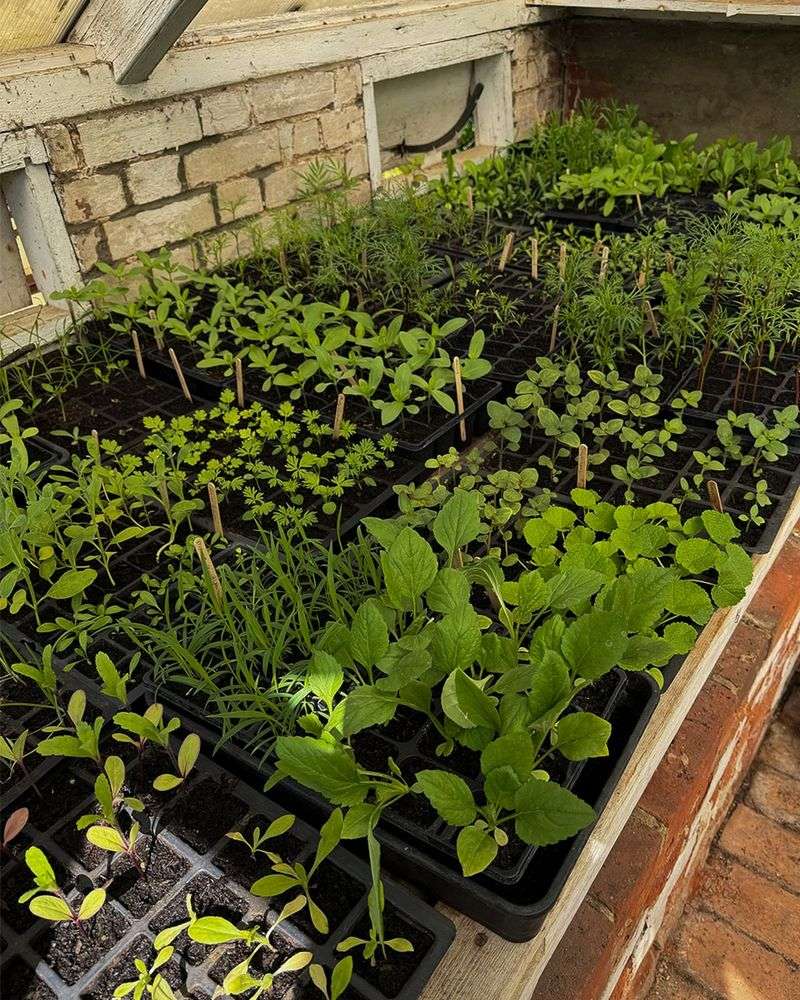
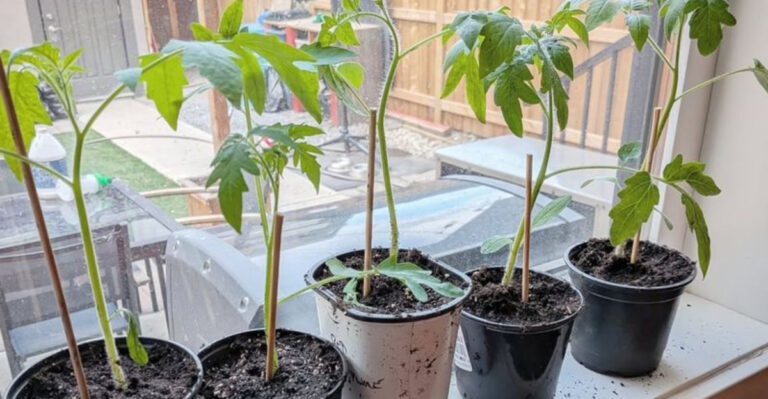
Seedlings started indoors under grow lights or on a sunny windowsill have lived a very sheltered life.
The moment they get moved directly into a garden bed without any transition period, they face wind, stronger sunlight, fluctuating temperatures, and lower humidity all at once.
That combination can cause transplant shock that takes weeks to overcome.
Hardening off is the process of gradually introducing indoor-grown seedlings to outdoor conditions over seven to ten days.
It starts with just an hour or two of outdoor exposure in a shaded, protected spot and slowly increases to full-day outdoor time before the plants go into the ground.
Skipping or rushing this step is one of the most common May mistakes Pennsylvania gardeners make, especially when the weather looks warm and inviting.
Tomatoes, peppers, basil, and other warm-season vegetables are particularly sensitive to this kind of abrupt change. Even on a mild May day in Pennsylvania, outdoor conditions are dramatically different from what seedlings have experienced indoors.
Leaves can turn pale, curl, or develop white or tan patches from sun scorch when the transition is too sudden. Taking the time to harden off transplants properly is one of the most reliable ways to improve garden success in May.
Plants that go through a full hardening-off period almost always establish faster and look healthier within weeks compared to those that skipped the process entirely.
5. Working Wet Soil Can Create Lasting Problems
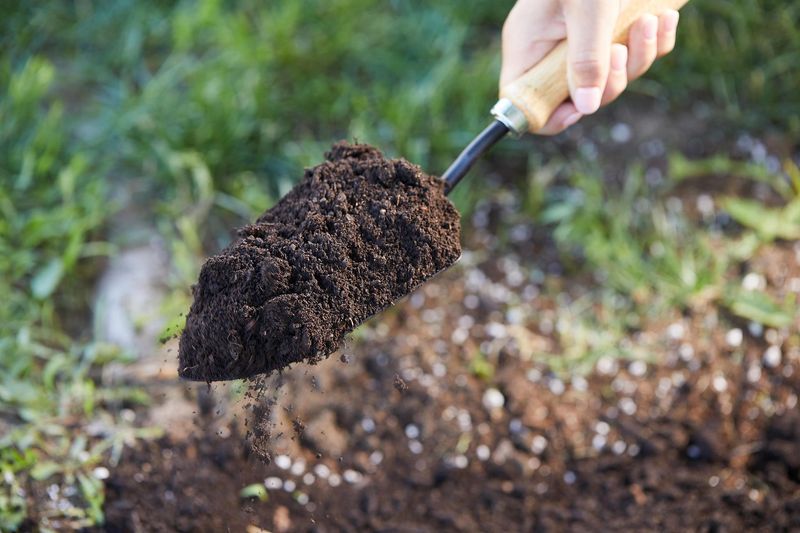
Spring in Pennsylvania tends to bring a lot of rain, and May is no exception. After a wet stretch, garden beds can look ready to work even when the soil is still holding far too much moisture.
Getting into those beds too early is one of the most damaging things a gardener can do, even though it does not always look that way at first.
When soil is worked while it is wet, the structure breaks down. Air pockets collapse, and the particles compact into dense clumps that are hard for roots to penetrate.
This kind of compaction can persist for an entire growing season, reducing drainage and making it harder for plants to establish healthy root systems.
Clay-heavy soils, which are common across many parts of Pennsylvania, are especially prone to this kind of damage.
A simple squeeze test helps determine whether soil is ready to work. Take a handful of soil and squeeze it firmly.
If it crumbles apart when you open your hand, it is ready. If it holds together in a sticky clump or leaves wet residue on your palm, it needs more time to dry out.
Raised beds and containers tend to drain faster than in-ground beds, so they may be workable sooner after rain.
Patience with wet soil in May pays off through better plant growth, easier weeding, and improved drainage throughout the entire growing season in Pennsylvania.
6. Pruning Spring-Flowering Shrubs At The Wrong Time Reduces Blooms
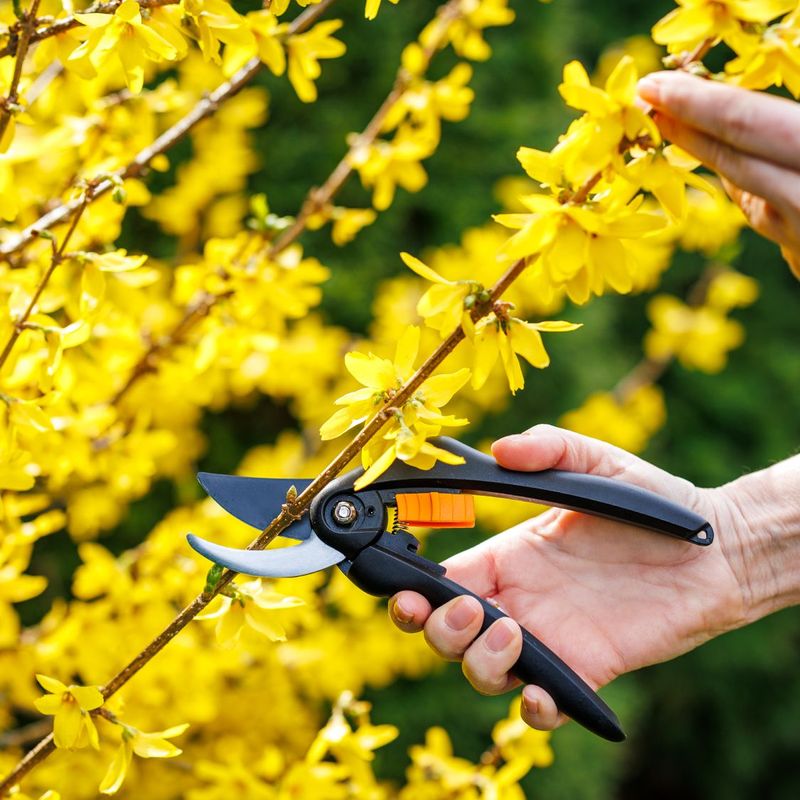
Few sights in a Pennsylvania yard are more welcome in spring than a forsythia blazing yellow or a lilac filling the air with fragrance.
But once those blooms fade, many gardeners immediately reach for the pruning shears without realizing that the timing of that cut makes a big difference in what happens next year.
Spring-flowering shrubs like forsythia, lilac, azalea, rhododendron, and weigela bloom on wood that grew the previous summer. That means the buds for next year’s flowers are already forming on new growth shortly after this spring’s blooms finish.
Pruning these shrubs too late in May or waiting until summer removes those forming buds and results in far fewer flowers the following spring.
The general guidance for spring-blooming shrubs is to prune them shortly after they finish flowering, ideally within a few weeks. In Pennsylvania, that window often falls somewhere in May depending on the shrub and the year’s weather.
Pruning during that window allows the plant to put energy into new growth that will carry next year’s flower buds. Waiting too long closes that window fast.
It is also worth noting that not all spring shrubs need heavy pruning every year. Light shaping and removing crossing or damaged branches is often enough to keep them healthy and blooming well without disrupting next season’s flower development.
7. Piling Mulch Against Trunks And Stems Causes Trouble
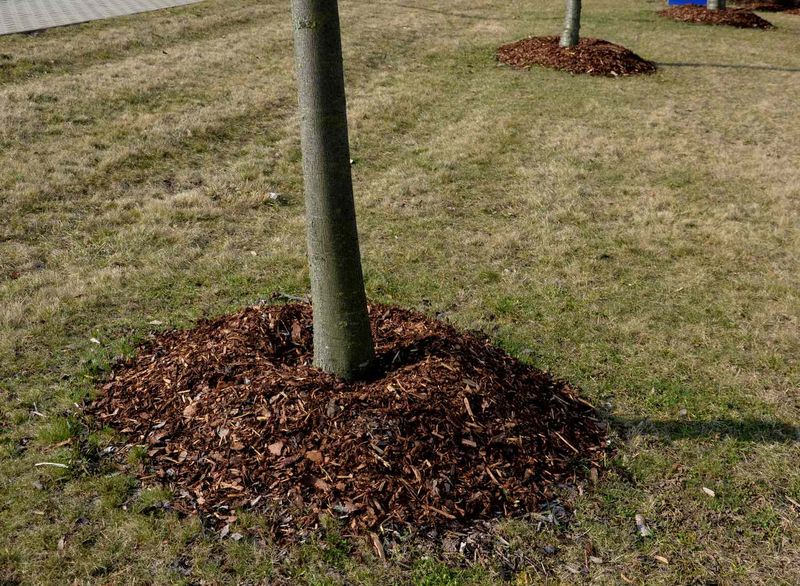
Fresh mulch in May makes a yard look sharp, and spreading it around trees, shrubs, and garden beds is one of the most satisfying spring tasks.
But there is a common habit that shows up in yards all across Pennsylvania every spring, and it quietly causes real harm to trees and shrubs over time.
That habit is piling mulch up against trunks and stems in a thick mound, sometimes called a mulch volcano.
When mulch stays pressed against bark, it traps moisture against the wood in a way that bark is not designed to handle. Over time, that constant moisture creates conditions where bark can soften, decay, and become more vulnerable to problems.
Roots can also begin to grow upward into the mulch layer rather than downward into the soil, which weakens the plant’s overall stability and health.
A better approach is to apply mulch in a layer two to three inches deep across the root zone, keeping it pulled back a few inches from the base of the trunk or stem. For trees, think of a donut shape rather than a volcano.
This method still provides all the benefits of mulching, including moisture retention, temperature regulation, and weed suppression, without placing bark in contact with wet material.
Checking existing mulch depth before adding more in May is also a good habit, since buildup from previous years can already be thicker than it looks.
8. Letting The Lawn Get Too Tall Makes Mowing Harder
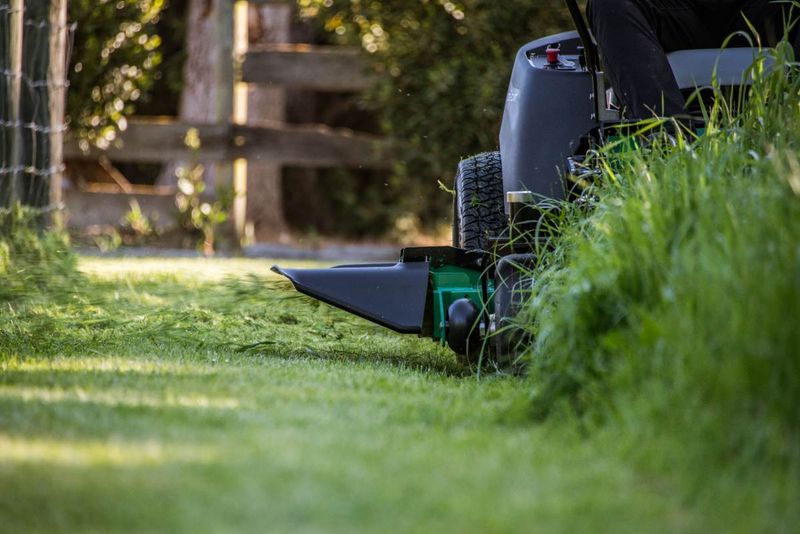
Grass in Pennsylvania grows fast in May.
Cool-season lawns made up of tall fescue, Kentucky bluegrass, or perennial ryegrass respond enthusiastically to the combination of warming temperatures and spring rainfall, and it can feel like the lawn doubles in height between mowings.
When life gets busy and mowing gets skipped for a week or two, the lawn can quickly get out of hand.
Letting grass grow too tall before mowing creates a few problems. The most immediate one is that cutting very tall grass all at once removes too much of the blade at one time.
A general guideline is to avoid removing more than one-third of the grass blade in a single mowing session.
Cutting off more than that at once stresses the turf, weakens root development, and can leave the lawn looking yellow or brown for several days afterward.
Tall grass also tends to fall over and mat down, which makes mowing uneven and can leave clumps of cut material on the surface that block sunlight and airflow.
In Pennsylvania’s wet May conditions, those clumps can contribute to fungal issues if they are not raked up or mulched in.
Setting a regular mowing schedule and adjusting the mower height to match current grass height rather than cutting all the way down in one pass keeps the lawn looking healthy and makes each mowing session easier to manage throughout the spring season.