8 Vegetables That Keep Producing In Partial Shade In Georgia
Partial shade can be frustrating in Georgia gardens, especially when crops start strong and then slow down without clear reason. Not every vegetable handles reduced sunlight well, and some stop producing sooner than expected once light levels drop.
Still, certain options keep going and continue to deliver even without full sun all day.
Plant choice makes a big difference in how steady that production stays. Some varieties adjust better to filtered light and hold their pace, while others struggle to keep up.
Placement and timing also shape how well everything performs through the season.
A thoughtful selection can turn a tricky spot into a productive part of the garden. With the right vegetables, partial shade in Georgia does not have to limit results or leave space underused.
1. Lettuce Keeps Harvests Going In Partial Shade
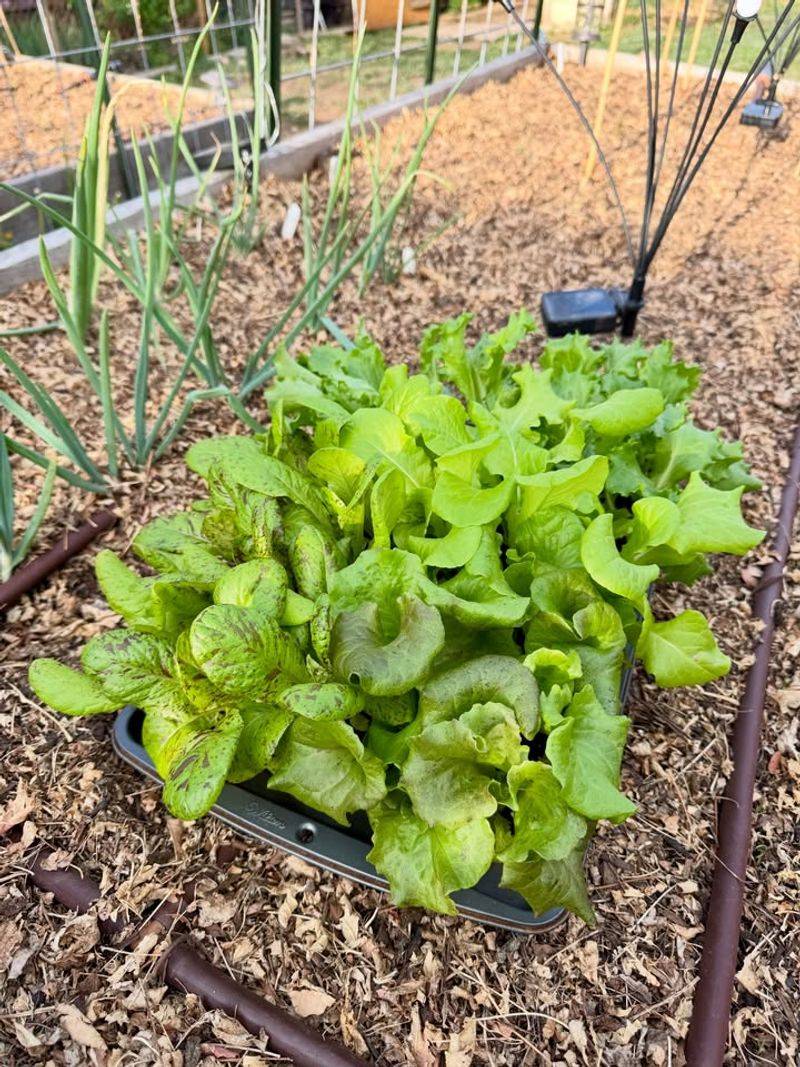
Lettuce might be one of the most forgiving crops you can grow in a Georgia garden with limited sun. Unlike heat-loving vegetables, lettuce actually struggles when temperatures climb too high, and a little shade gives it exactly the relief it needs to keep producing longer into spring and early summer.
In Georgia, full-sun lettuce beds can bolt fast once April hits. Partial shade, even just a few hours of reduced light, slows that process noticeably.
You end up with leaves that stay tender and mild rather than turning bitter and tough before you get a full harvest.
Loose-leaf varieties like Red Sails, Black Seeded Simpson, or Oakleaf are solid choices for shaded spots. Cut-and-come-again harvesting works well here, snipping outer leaves while the center keeps pushing new growth.
Soil matters a lot. Keep it moist and well-draining since lettuce roots are shallow and dry out quickly.
A two-inch layer of mulch helps hold moisture without waterlogging the bed. In Georgia, fall plantings in partial shade can extend your harvest well into December if temperatures cooperate, giving you fresh greens long after summer crops have finished.
Harvesting regularly also helps delay bolting, since removing outer leaves encourages the plant to keep producing instead of shifting into seed mode too quickly.
2. Spinach Slows Bolting And Lasts Longer With Less Sun
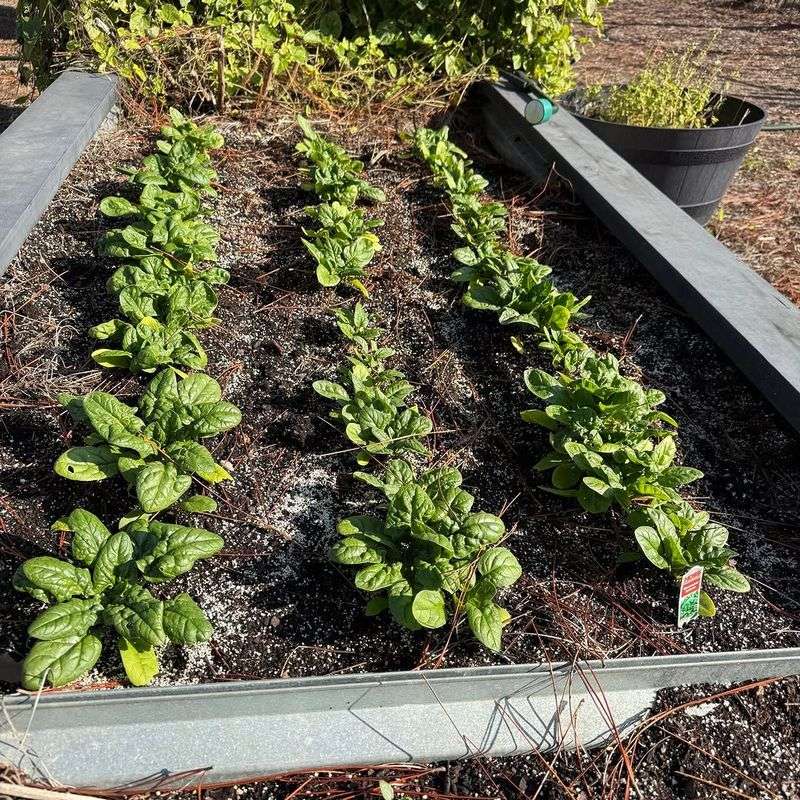
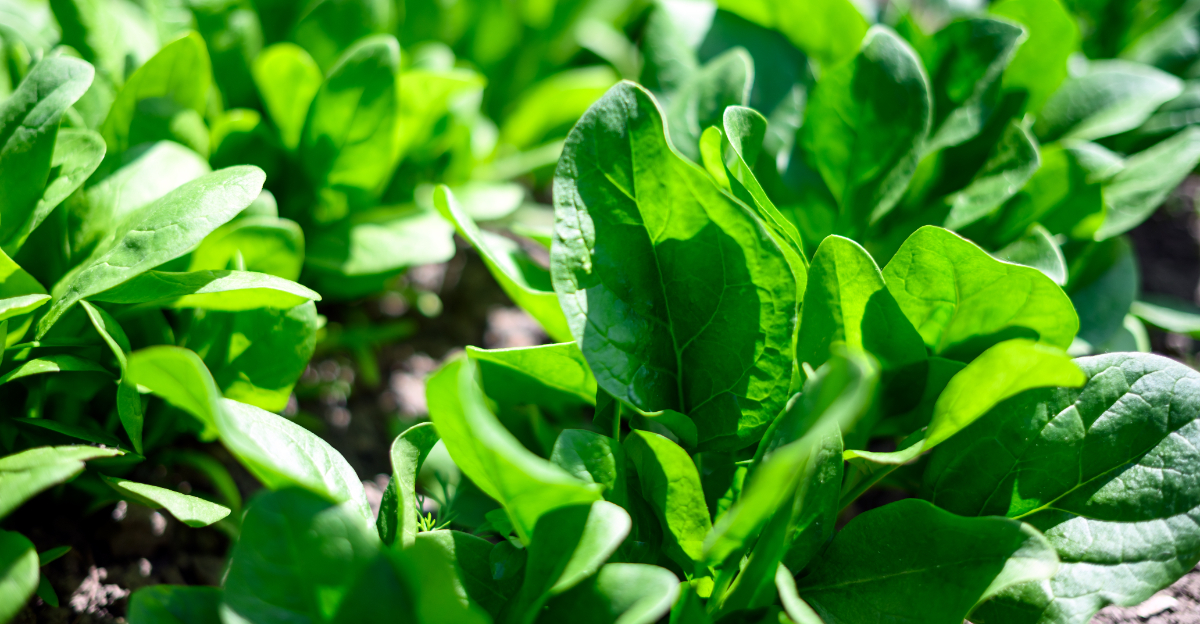
Spinach has a reputation for being picky, and honestly, that reputation is earned. It bolts fast in heat and direct sun, which makes it a frustrating crop for Georgia gardeners who try to grow it in fully exposed beds during spring.
Shade changes the equation. Even two to three hours of reduced sun during the hottest part of the day can keep spinach in the productive stage several weeks longer.
That extra time means more harvests before the plant shifts its energy toward flowering and seed production.
Bloomsdale Long Standing and Tyee are two varieties that hold up reasonably well in partial shade. Plant them in fall or late winter in Georgia for the best results.
Spring plantings work too, but shaded spots give them a fighting chance once temperatures start rising in March and April.
Water consistently and avoid letting the soil dry out completely between waterings. Spinach leaves get bitter and tough under stress, whether that stress comes from heat, drought, or poor soil.
Your Georgia Garden Changes Every Week. Your Plan Should Too.
Gardening in Georgia changes quickly throughout the season. Every Friday you’ll receive a simple weekly plan showing exactly what to plant, prune, fertilize, harvest, and protect so you never miss the right timing.
Adding compost before planting improves both drainage and moisture retention, which is especially helpful in Georgia’s clay-heavy soils. Harvest outer leaves regularly to encourage the plant to keep producing fresh growth from the center.
Providing shade cloth during unexpected warm spells can also help extend the harvest window by keeping temperatures a bit more stable around the plants.
3. Kale Keeps Filling Out Even Without Full Sun
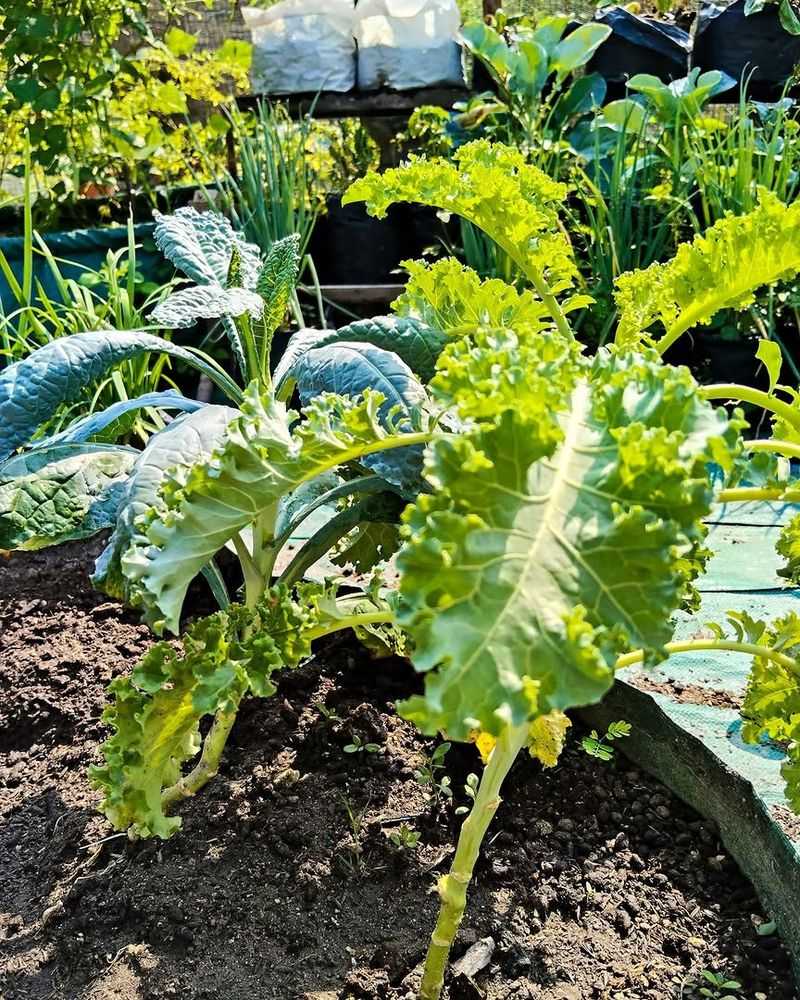
Kale is tougher than it looks, and Georgia gardeners have figured that out. It can handle heat better than spinach or lettuce, and it also adapts to partial shade without losing much productivity.
That combination makes it one of the most versatile crops for tricky garden spots.
You do not need to worry much about kale bolting in shade. It focuses its energy on leaf production rather than flowering, which is exactly what you want.
Varieties like Lacinato, Red Russian, and Winterbor all perform well in partially shaded beds across Georgia, especially during fall and winter growing seasons.
One thing worth knowing is that kale actually improves in flavor after a light frost. Georgia winters are mild enough that kale can keep producing outdoors in most parts of the state through January and sometimes into February.
A shaded spot near a fence or building can even provide some frost protection on cold nights.
Start seeds or transplants in late summer for fall harvests. Consistent moisture helps, but kale is more drought-tolerant than other leafy greens once it gets established.
Harvest the lower, outer leaves first and always leave the growing tip intact. Kale plants can stay productive for many months when managed this way, making them a real workhorse in any Georgia garden.
Good airflow around plants helps prevent common issues like mildew, especially in Georgia’s humid conditions where dense foliage can trap moisture.
4. Swiss Chard Pushes Fresh Leaves In Lower Light
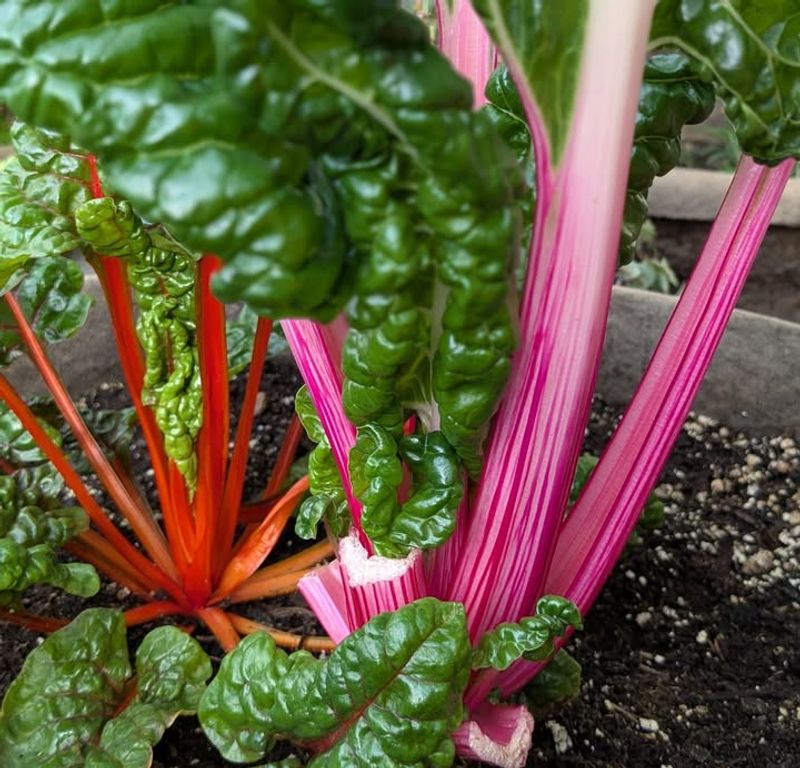
Walk past a Swiss chard plant in partial shade and you might be surprised how well it fills out. This is a crop that does not demand full sun to stay productive, and in Georgia’s warm climate, a little shade can actually protect it from the stress that causes leaves to wilt or toughen up mid-season.
Rainbow chard varieties are especially popular in Georgia gardens because they bring both color and reliable production. Fordhook Giant is another strong performer in lower light conditions.
Both types push out steady leaf growth as long as soil stays consistently moist and nutrient-rich.
Swiss chard handles Georgia’s heat better than spinach or lettuce, so it bridges the gap between cool-season and warm-season growing nicely. In partial shade, it can stay productive from spring well into summer without collapsing under the heat the way more delicate greens do.
Fertilize lightly every few weeks with a balanced vegetable fertilizer or compost side-dressing to keep leaves coming. Harvest individual stalks from the outside of the plant, cutting them close to the base.
Leaving the inner growth intact keeps the plant actively producing. In Georgia, fall plantings of Swiss chard in shaded spots can extend your harvest season significantly, sometimes all the way through winter in the warmer southern parts of the state.
Mulching around the base helps keep soil moisture steady, which prevents the leaves from becoming tough or stressed during warmer stretches.
5. Arugula Turns Around Fast In Partial Shade
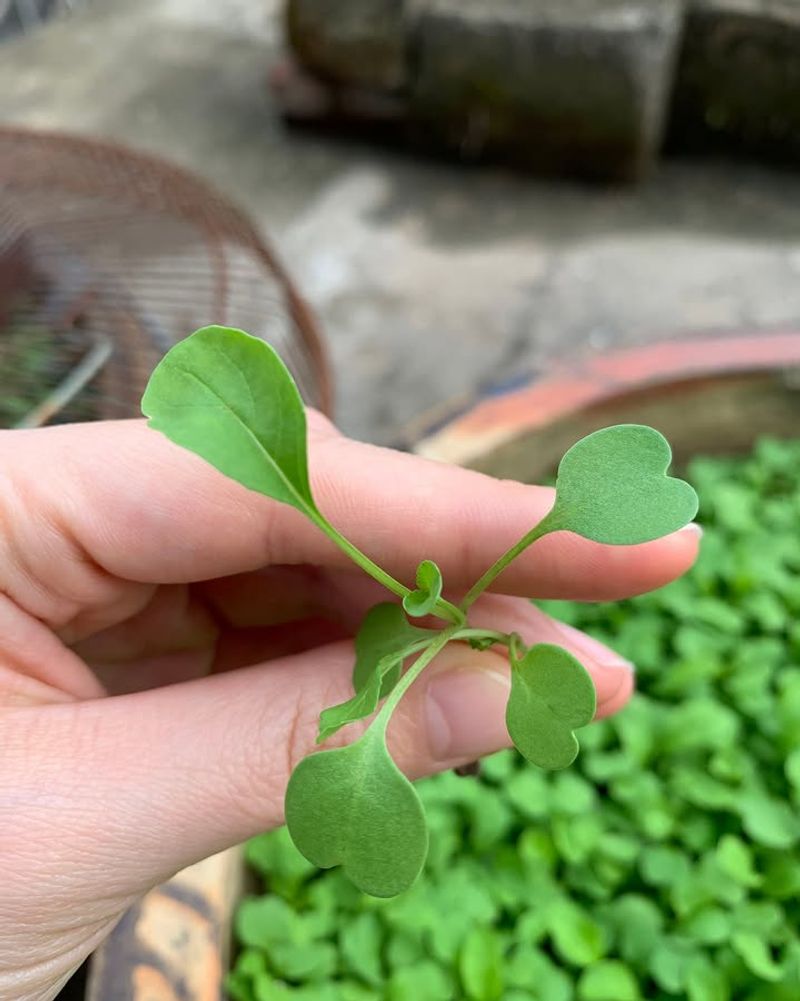
Few vegetables move from seed to harvest as quickly as arugula, and in partial shade it gets even better. Full sun in Georgia can push arugula to bolt in just a few weeks during warm weather, but shade slows that process and gives you more time to actually enjoy the harvest.
Arugula germinates fast, sometimes within five to seven days under decent conditions. In a partially shaded Georgia bed, you can start cutting baby leaves in as little as three weeks after planting.
That kind of turnaround is hard to beat, especially if you are succession planting every two to three weeks to keep a steady supply going.
The peppery bite that makes arugula so popular in salads and on sandwiches stays sharper and more balanced when the plant is not under constant heat stress. Shade helps maintain that flavor profile longer before the leaves turn overly bitter or tough.
Sylvetta, also called wild arugula, is worth trying in shaded Georgia spots because it is slower to bolt than standard varieties and holds its flavor well. Keep the soil moist but not soggy, and avoid heavy clay spots without amendment.
Cut entire plants at the base when harvesting or snip outer leaves depending on how densely you planted. Either way, arugula in partial shade rewards you with a fast, flavorful, and surprisingly long-lasting harvest in Georgia’s cooler seasons.
6. Collard Greens Keep Harvests Coming With Less Sun
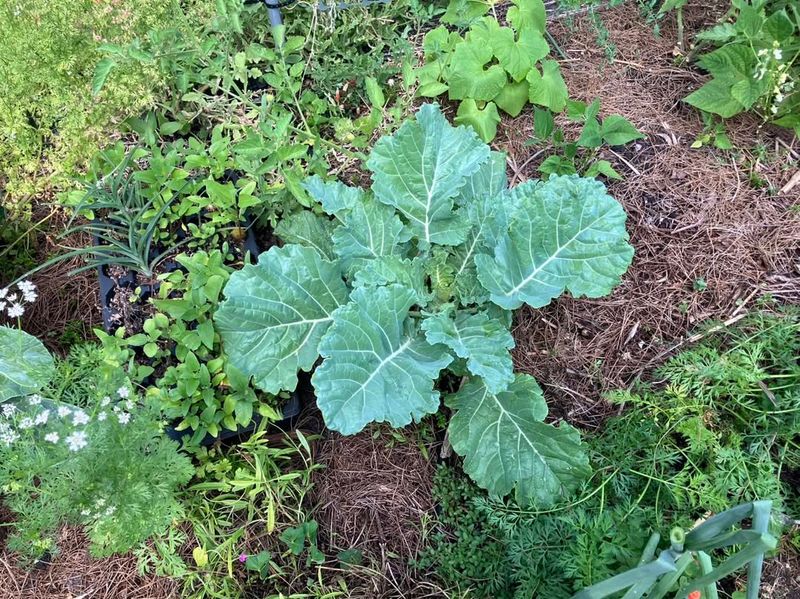
Collard greens are practically a symbol of Southern cooking, and Georgia gardeners have been growing them for generations.
What many people do not realize is that collards actually tolerate partial shade quite well, and in some cases the lower light helps them produce more consistently through the season.
Heavy, direct summer sun in Georgia can stress collard plants and cause leaves to become leathery and tough. A few hours of shade during the hottest part of the afternoon keeps leaves tender and more palatable.
Georgia Collards, Vates, and Champion are all solid varieties that hold up in reduced light without losing their signature flavor.
Collards are heavy feeders, so soil preparation matters. Work in compost or a balanced fertilizer before planting and plan to side-dress every four to six weeks.
In partial shade, plant growth may be slightly slower than in full sun, but the quality of leaves is often noticeably better.
One of the best things about collards in Georgia is their cold tolerance. Plants keep producing well into winter across most of the state, and frost actually sweetens the flavor.
A shaded bed near a structure can offer enough protection on cold nights to extend that season even further. Harvest lower leaves regularly and always leave the top growth intact so the plant continues pushing new leaves from the center.
7. Mustard Greens Stay Fast And Flavorful In Partial Shade
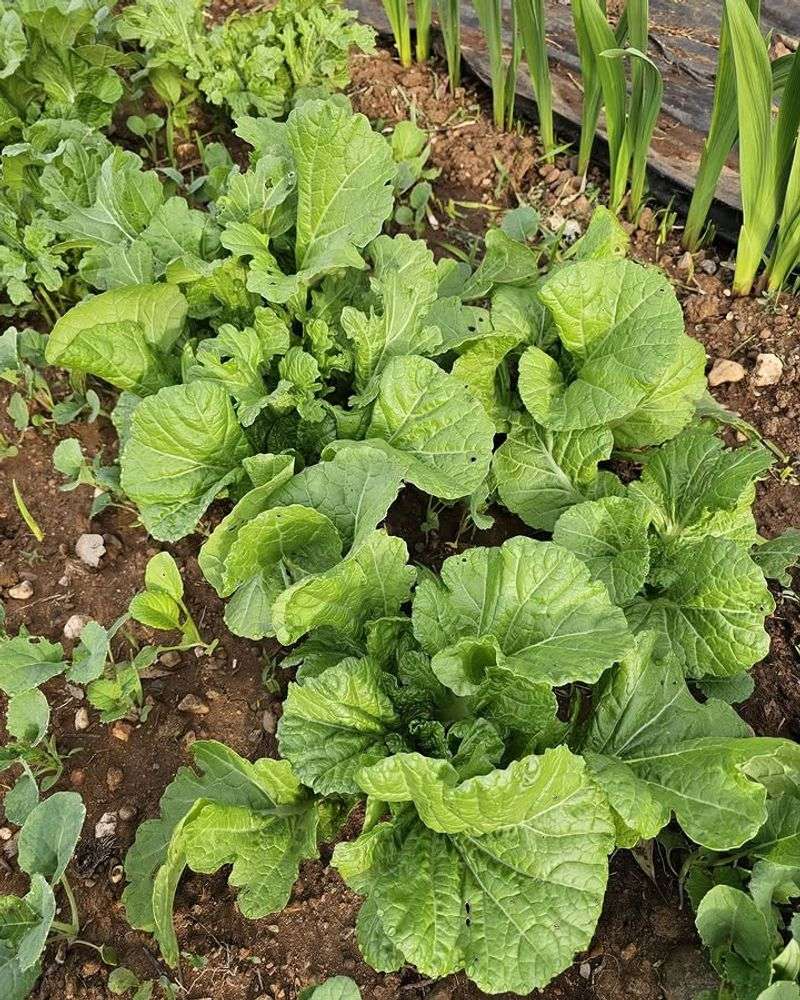
Mustard greens move fast, and in partial shade they keep that speed without sacrificing flavor. Full sun in Georgia can push mustard to bolt almost before you get a decent harvest, especially in spring when temperatures rise quickly.
Shade gives the plant a buffer.
The spicy, slightly sharp flavor that makes mustard greens a staple in Southern cooking holds up better when plants are not under heat stress. Leaves stay tender longer, and the bite stays balanced rather than turning harsh.
Southern Giant Curled and Tendergreen are two varieties that perform reliably in Georgia’s partial shade conditions.
Mustard greens grow quickly enough that you can start harvesting baby leaves in about three weeks from planting. Succession planting every two weeks through fall and early spring keeps fresh leaves coming consistently.
In Georgia, fall is arguably the best season for mustard greens, and a partially shaded bed helps extend that window further into the season.
Water regularly and keep the soil from drying out completely. Mustard greens are not especially drought-tolerant, and dry soil combined with heat is the fastest way to push them toward bolting.
Harvest outer leaves frequently to keep the plant in production mode. When plants eventually bolt, pull them and replant quickly.
The fast growth cycle means you can turn around a new crop in just a few weeks, making mustard greens one of the most productive choices for shaded Georgia garden beds.
8. Turnip Greens Keep Producing Tender Leaves With Limited Sun
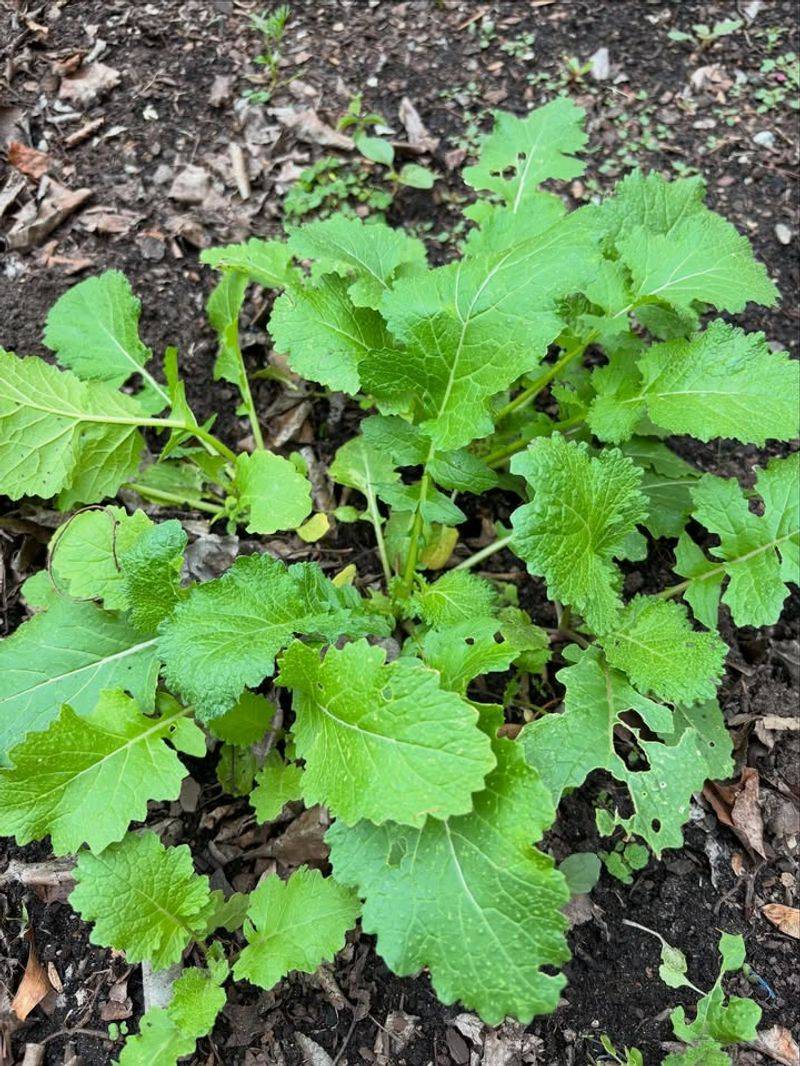
Turnips are usually grown for the root, but in partial shade the greens are where the real reward is.
Roots need more sunlight to develop fully, but the leafy tops keep pushing out steady growth even in lower light conditions, making turnips a surprisingly useful crop for shaded Georgia garden beds.
Purple Top White Globe and Seven Top are two popular choices in Georgia. Seven Top was actually bred primarily for greens production, making it an especially smart pick for spots that do not get full sun.
Leaves are tender, mild, and productive over a long season when grown in the right conditions.
In Georgia, fall is the prime time to plant turnips for greens. Cooler temperatures improve both leaf quality and flavor, and partial shade helps protect plants from any late warm spells that might push them toward bolting before you are ready to harvest.
Plant in late August through October across most of the state for the best results.
Consistent moisture is important. Turnip greens can get tough and bitter under drought stress, so mulching around plants helps maintain even soil moisture between waterings.
Harvest individual outer leaves as needed, or cut the entire plant a few inches above the soil line and let it regrow. With proper care in a partially shaded Georgia bed, turnip greens can keep producing fresh leaves for weeks before the season winds down.