How To Plant Lavender In Arizona For A Clean Hedge Look
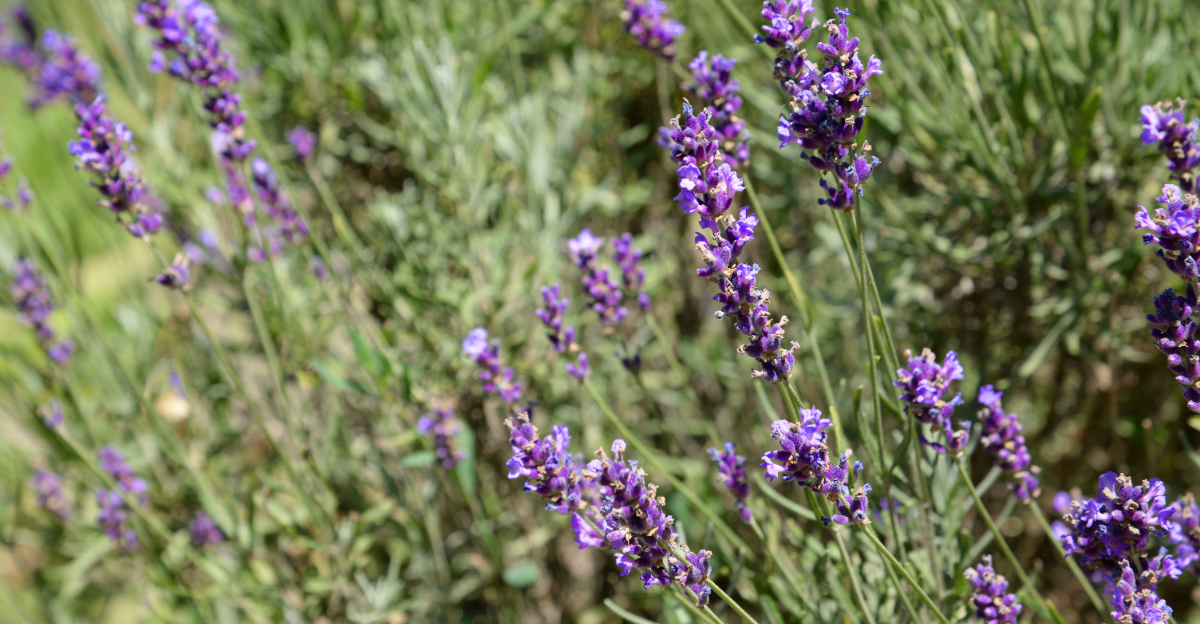
Lavender hedges can completely change how a yard feels in Arizona, but getting that clean, structured look takes more than just planting a few shrubs in a line.
Many gardeners try it once and end up with uneven growth, gaps, or plants that struggle once the heat kicks in. Small setup choices early on make a big difference in how full and tidy the hedge looks later.
Spacing, soil prep, and timing all play a role, especially in a climate where intense sun and fast draining soil can work against you. Choosing the right lavender type matters just as much as how it goes into the ground.
Even watering habits can shape whether plants stay compact or grow loose and messy. Getting it right from the start leads to a hedge that looks intentional instead of patchy, and stays that way with less effort over time.
1. Choose Heat Tolerant Lavender Varieties
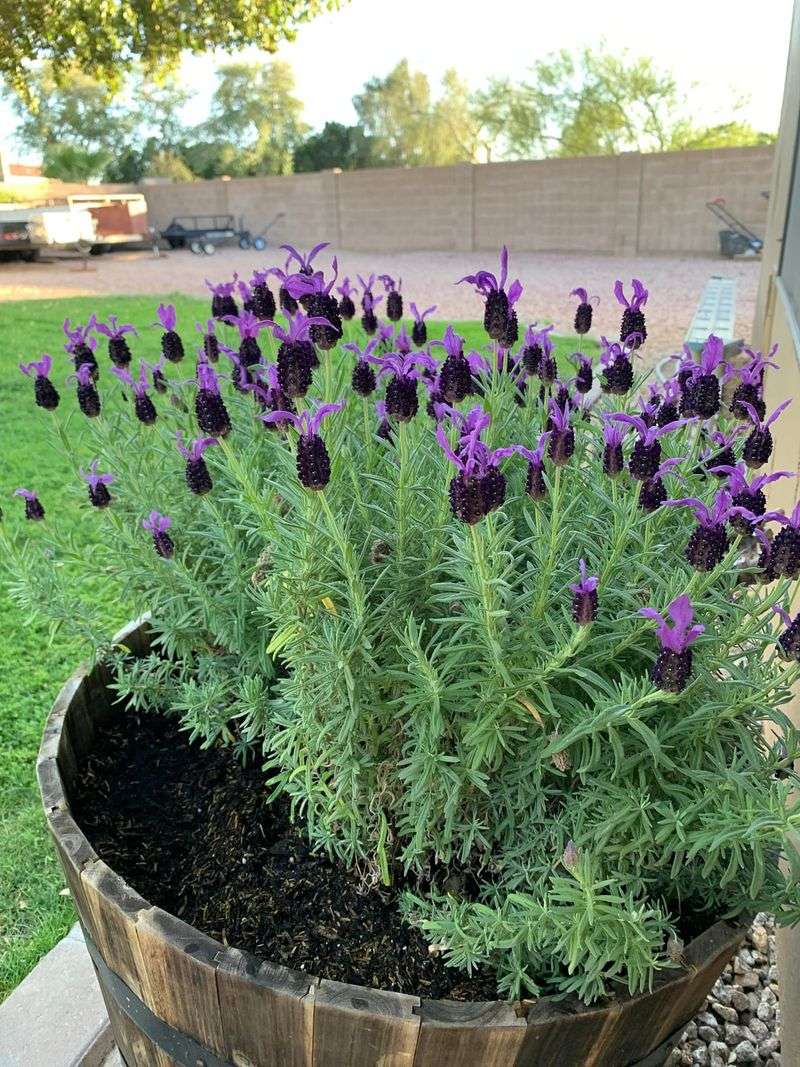
Not every lavender survives an Arizona summer, and picking the wrong variety is the fastest way to end up with a struggling, patchy hedge.
Spanish lavender (Lavandula stoechas) and Goodwin Creek Grey are two of the most reliable options for hot, low-elevation areas like Phoenix and Tucson.
Both handle extreme heat better than English lavender, which tends to struggle below 3,000 feet elevation in Arizona.
Phenomenal lavender is another solid pick, especially if you want a fuller hedge with longer bloom spikes. It tolerates summer monsoon humidity better than most varieties, which matters a lot in southern Arizona.
French lavender also performs well in Arizona’s lower desert zones and blooms almost year-round in mild winters.
If you live at higher elevations, like Prescott or Flagstaff, English lavender becomes a much more realistic option. Cooler nights and less extreme summer heat make those zones far more forgiving.
Vera and Hidcote are popular English varieties that grow dense and compact, which is exactly what you want for a tidy hedge look.
Before buying, check the plant tag for heat zone ratings and drought tolerance notes. Local Arizona nurseries often stock regionally tested varieties that big box stores skip entirely.
2. Plant In Full Sun For Dense Growth
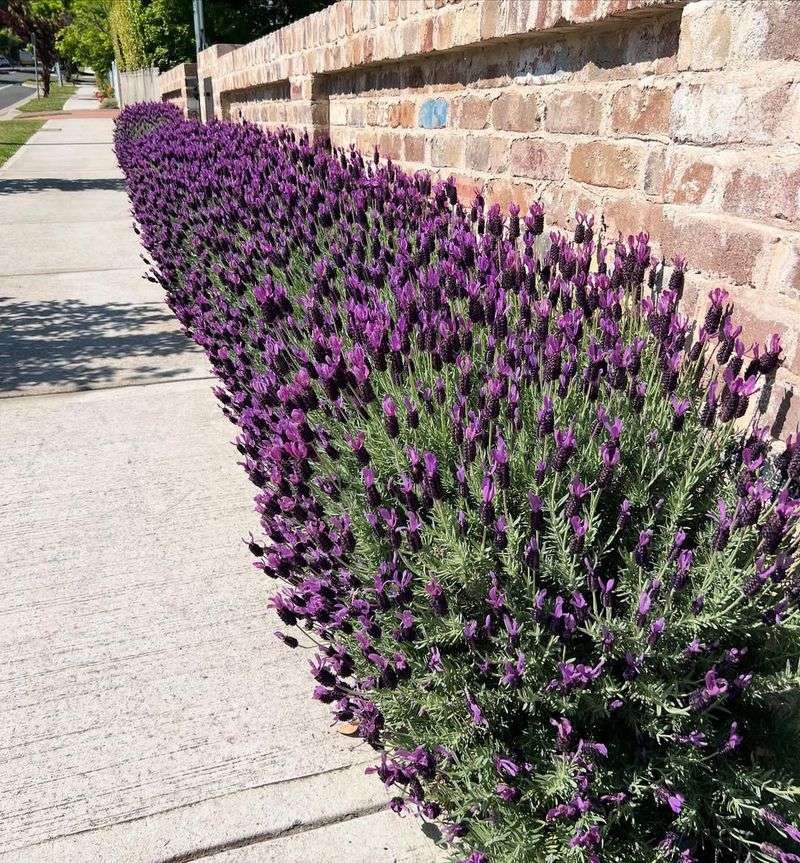
Lavender planted in shade gets leggy, floppy, and thin over time. Full sun, meaning at least six to eight hours of direct sunlight daily, is what pushes lavender to grow compact and dense.
In Arizona, where sunlight is rarely in short supply, this requirement is easy to meet almost anywhere in the yard.
South-facing and west-facing spots tend to get the most intense sun exposure, especially during summer afternoons. Some gardeners worry that Arizona’s brutal afternoon heat will scorch lavender, but established plants in well-drained soil usually handle it without any major issues.
Young transplants benefit from a bit of afternoon shade during their first summer while roots are still getting established.
Avoid planting near large trees, walls that cast long shadows, or structures that block morning light. Morning sun is especially valuable because it dries off any moisture from overnight humidity or irrigation quickly.
Your Arizona Garden Changes Every Week. Your Plan Should Too.
Gardening in Arizona changes quickly throughout the season. Every Friday you’ll receive a simple weekly plan showing exactly what to plant, prune, fertilize, harvest, and protect so you never miss the right timing.
Wet foliage that stays damp into midday can lead to fungal problems, which are already more common during Arizona’s summer monsoon season.
Spacing your hedge row away from buildings by at least two to three feet also improves air circulation around each plant. Good airflow keeps foliage dry and reduces the chance of powdery mildew developing on stems and leaves.
3. Use Fast Draining Soil From The Start
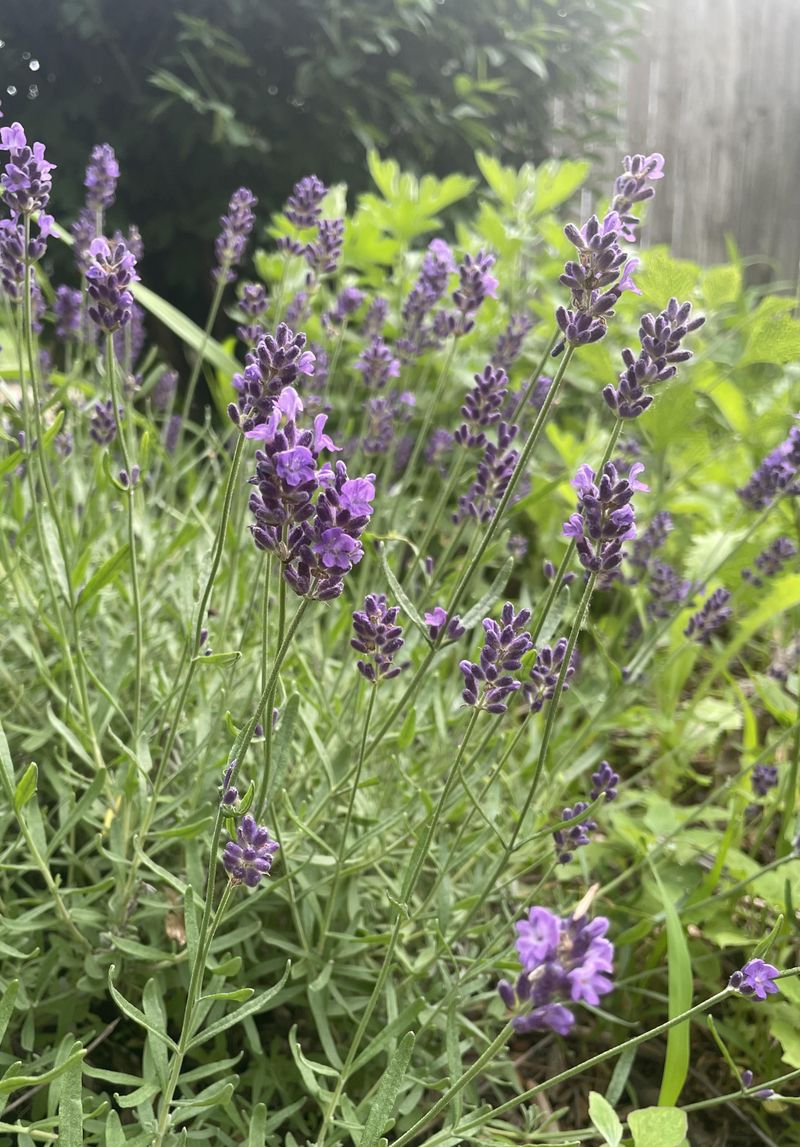
Lavender roots sitting in wet, heavy soil is a problem that compounds fast, especially during Arizona’s monsoon season when rainfall can be surprisingly intense. Sandy, gritty soil that drains within minutes of being watered is the foundation every successful lavender hedge needs.
If your yard has dense clay or caliche layers, you need to address that before a single plant goes in the ground.
One practical approach is to build a slightly raised planting row, even just four to six inches above the surrounding grade. Raising the planting area improves drainage naturally without requiring major excavation.
Mix in coarse sand, decomposed granite, or perlite to loosen the native soil and create the fast-draining environment lavender roots prefer.
Avoid adding heavy compost or water-retaining amendments to the planting mix. Lavender actually performs better in lean, low-nutrient soil that mimics its native Mediterranean growing conditions.
Rich, amended soil encourages soft, floppy growth that makes maintaining a clean hedge shape much harder over time.
Decomposed granite mulch around the base of each plant serves double duty in Arizona. It reflects heat, keeps moisture from pooling around the crown, and gives the hedge row a polished, finished look that complements the plants themselves.
4. Space Plants For A Clean Even Line
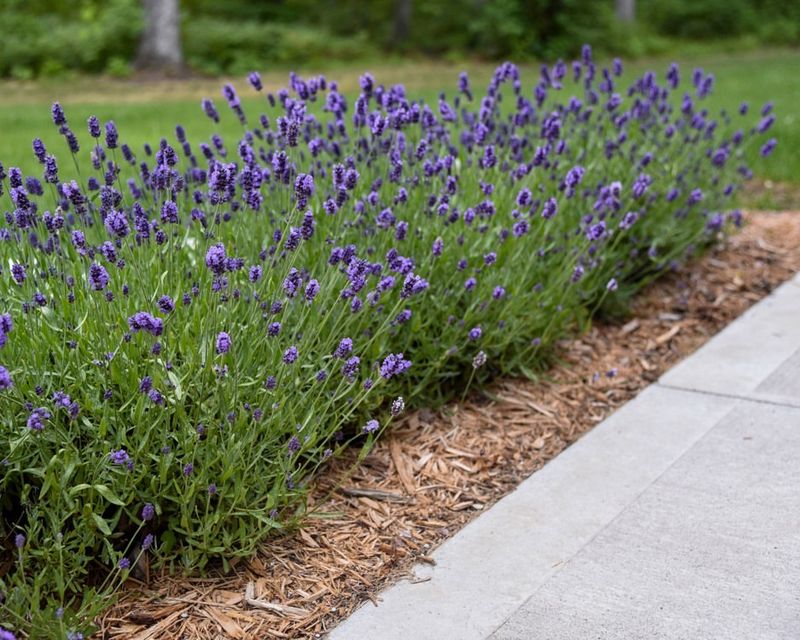
Crowded lavender plants compete for air, light, and root space, and the result is always a messy, uneven hedge that never quite looks intentional. Getting the spacing right from the start is one of the most important decisions you make when planting a lavender hedge in Arizona.
Most medium-sized varieties need about eighteen to twenty-four inches between plants to fill in properly without overcrowding.
Use a measuring tape and stakes to mark each planting spot before you dig. Eyeballing the spacing almost always leads to inconsistencies that become obvious once plants mature.
A string line stretched between two end stakes helps keep your row perfectly straight, which is essential for achieving that clean, formal hedge look.
Compact varieties like Hidcote or Munstead can be spaced slightly closer, around fifteen to eighteen inches apart, which helps the hedge fill in faster. Larger varieties like Phenomenal or Grosso need the full twenty-four to thirty inches to develop their natural shape without crowding neighbors.
Check the mature width listed on the plant tag and use that measurement as your spacing guide.
Patience matters here. A freshly planted hedge row will look sparse for the first growing season, and that is completely normal.
5. Water Deep But Let Soil Dry Out
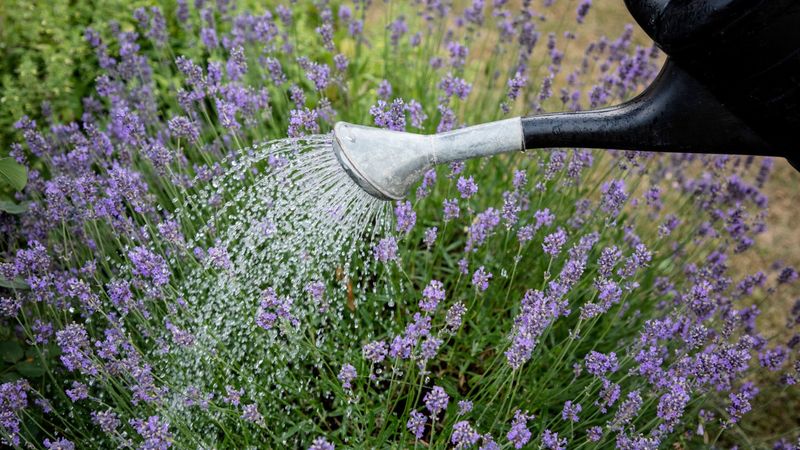
Watering lavender in Arizona requires a mindset shift away from typical garden plants. Lavender wants deep, infrequent watering rather than light, frequent sprinkles.
Deep watering encourages roots to grow downward in search of moisture, which makes plants more drought-resilient once fully established after their first year.
During the first summer, water newly planted lavender every five to seven days, depending on temperatures and soil type. Once monsoon season arrives, natural rainfall often covers most or all of the irrigation need, so adjust your schedule accordingly.
Overwatering during the monsoon is one of the most common mistakes Arizona gardeners make with lavender.
Drip irrigation works far better than overhead sprinklers for lavender in Arizona. Keeping water off the foliage reduces fungal pressure during humid monsoon months and delivers moisture directly to the root zone where it is actually needed.
A single drip emitter per plant, set to run for thirty to sixty minutes per session, is usually enough for established plants.
Between watering sessions, let the top two to three inches of soil dry out completely before watering again. Sticking your finger into the soil near the root zone is a reliable low-tech way to check moisture levels before running irrigation.
Sandy, well-drained Arizona soils dry out faster than heavier soils elsewhere in the country, so your lavender may need slightly more frequent watering than general guidelines suggest during peak summer heat. Adjust based on what your plants and soil are actually telling you.
6. Prune Often To Keep A Tight Shape
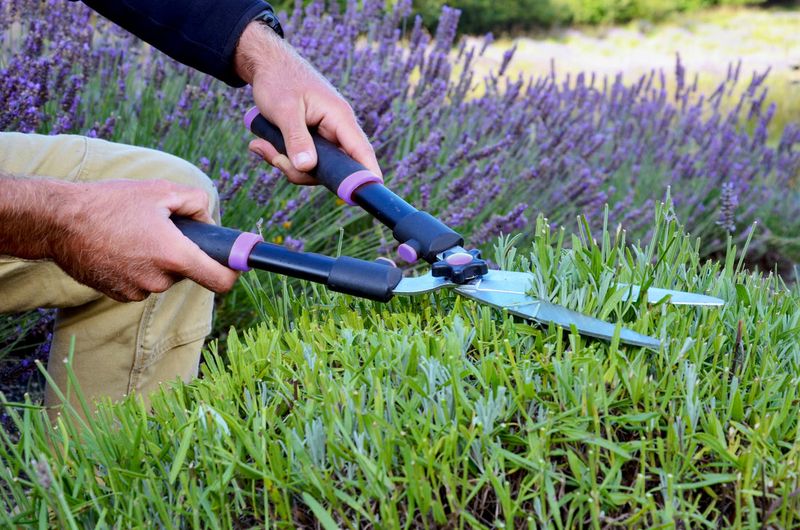
Unpruned lavender turns woody, open, and sprawling within a couple of seasons, and once that happens, getting it back to a tight hedge shape is genuinely difficult. Regular pruning is the single most important maintenance habit for anyone growing lavender as a hedge in Arizona.
Twice-yearly trimming keeps plants compact, encourages fresh growth, and extends the productive life of each plant significantly.
Prune once in early spring before new growth flushes out, and again after the main summer bloom cycle wraps up. In Arizona, the post-bloom pruning often falls in late summer or early fall, depending on the variety and your specific location.
Avoid cutting back into old, brown woody stems because lavender rarely regenerates from bare wood the way other shrubs do.
Remove about one-third of the plant’s overall height and width during each pruning session. Sharp bypass pruners or hedge shears both work well, but make sure your blades are clean and sharp before starting.
Ragged cuts made with dull tools stress plants and create entry points for fungal issues, which Arizona’s monsoon humidity can make worse.
After pruning, the hedge will look slightly bare for a few weeks before new growth fills back in. In Arizona’s long warm season, that recovery happens quickly compared to cooler climates.
Shaping each plant to a rounded dome or a gentle mound creates the most natural-looking, consistent hedge line over time. Consistency with pruning timing and technique is what separates a polished hedge from a messy, overgrown row of plants.
7. Skip Heavy Feeding To Avoid Leggy Growth
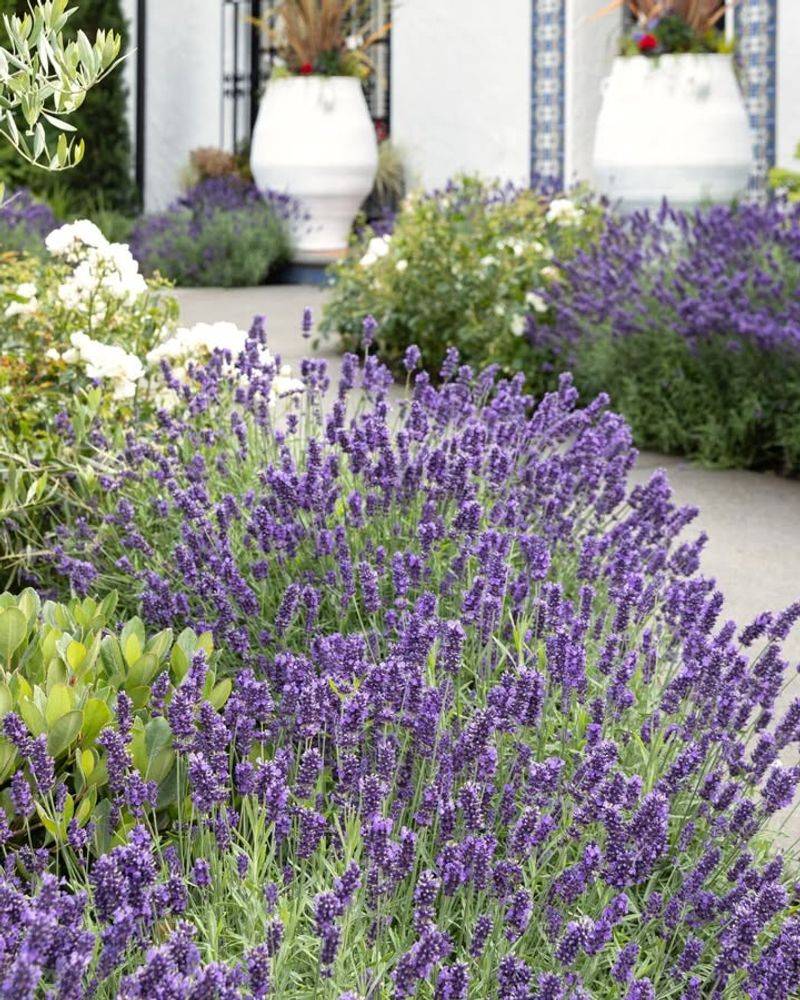
Fertilizing lavender aggressively is one of the quickest ways to ruin a clean hedge look. High-nitrogen fertilizers push fast, lush, soft growth that flops, spreads outward, and makes pruning far more frequent and frustrating.
Lavender evolved in poor Mediterranean soils, and it actually performs better when you resist the urge to feed it like a vegetable garden.
Most Arizona soils, especially in desert regions around Phoenix and Tucson, already contain enough minerals to support healthy lavender growth without any added fertilizer. If your plants are growing well and blooming regularly, there is no nutritional problem to solve.
Adding fertilizer to a plant that does not need it creates problems rather than fixing them.
If growth seems genuinely slow or foliage looks pale and weak, a light application of low-nitrogen, slow-release fertilizer in early spring is the most conservative approach. Look for a formula with a lower first number in the NPK ratio, which represents nitrogen content.
Phosphorus and potassium support root development and bloom production without triggering the excessive leafy growth that nitrogen causes.
Compost tea or a diluted fish emulsion applied once in spring is another option some Arizona gardeners use with good results on lean desert soils.