The April Watering Routine Arizona Gardeners Should Follow Before Heat Hits
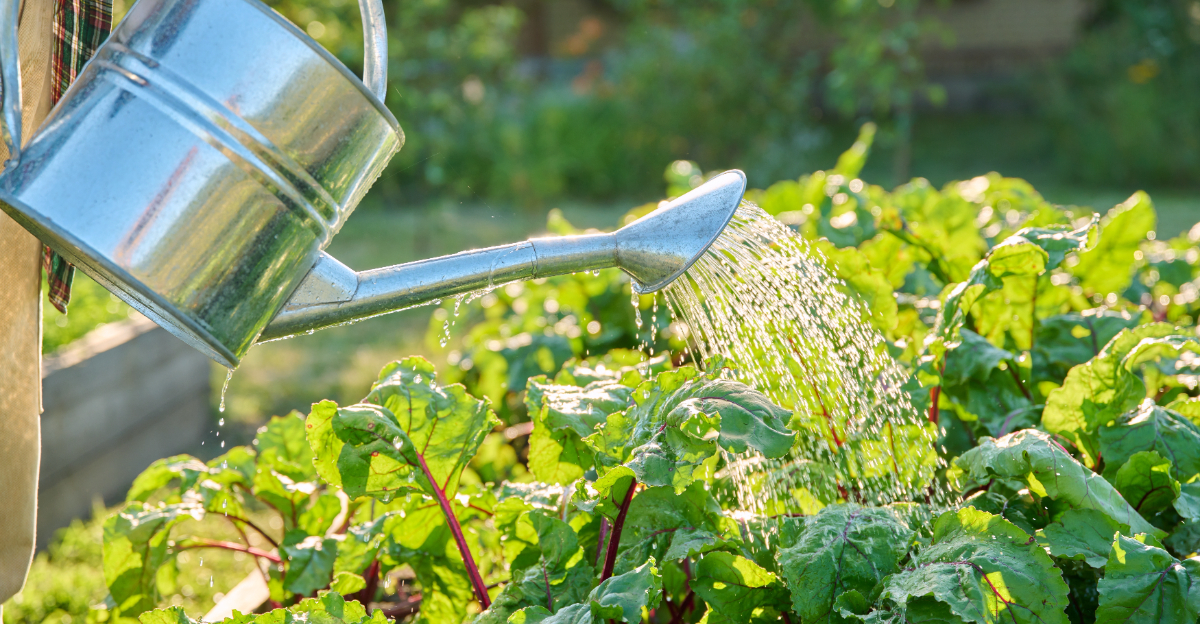
Warm days start creeping in across Arizona, and plants react faster than most expect. Soil that felt balanced a week ago can dry out quickly, even when everything still looks fine on the surface.
Early growth often hides what is really happening below, which is why watering can start going off track right around now.
Small shifts in timing and depth begin to matter more as temperatures climb. Roots adjust, evaporation speeds up, and what worked earlier in spring can quietly stop keeping up.
Many gardeners stay consistent with the same routine, not realizing conditions have already changed.
Getting ahead of that shift makes a noticeable difference before real heat settles in. A few simple adjustments now can help plants stay steady, avoid stress, and carry stronger growth into the hotter stretch that follows.
1. Start With Deep Watering To Build Strong Roots Early
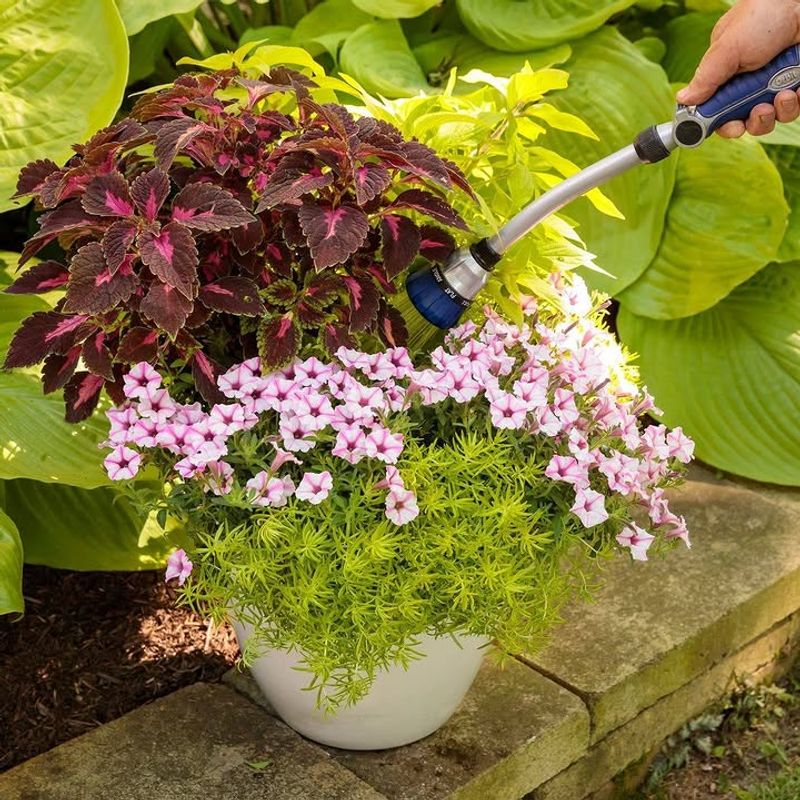
Shallow watering might seem like enough when temperatures are still mild, but roots that stay near the surface will struggle hard once June rolls around in Arizona.
Deep watering pushes moisture down to 12 to 18 inches below the soil surface, which encourages roots to follow the water downward.
Plants with deeper roots can access moisture longer between watering cycles.
Arizona soils also tend to build up mineral salts over time, especially in areas with hard water. Watering deeply helps flush those salts below the active root zone, reducing the risk of leaf burn and slowed growth.
You do not need to do this every time you water, but a thorough deep soak every couple of weeks in April is a smart habit.
Drip systems and soaker hoses work well for this because they apply water slowly enough for clay or caliche-heavy soils to absorb it without runoff.
Running your drip system in two or three short cycles with rest periods in between lets water penetrate deeper than one long blast.
Check the soil afterward by pushing a screwdriver or wooden dowel into the ground. If it slides in easily to about 12 inches, your watering depth is in a good range.
2. Water Early In The Morning To Reduce Evaporation Loss
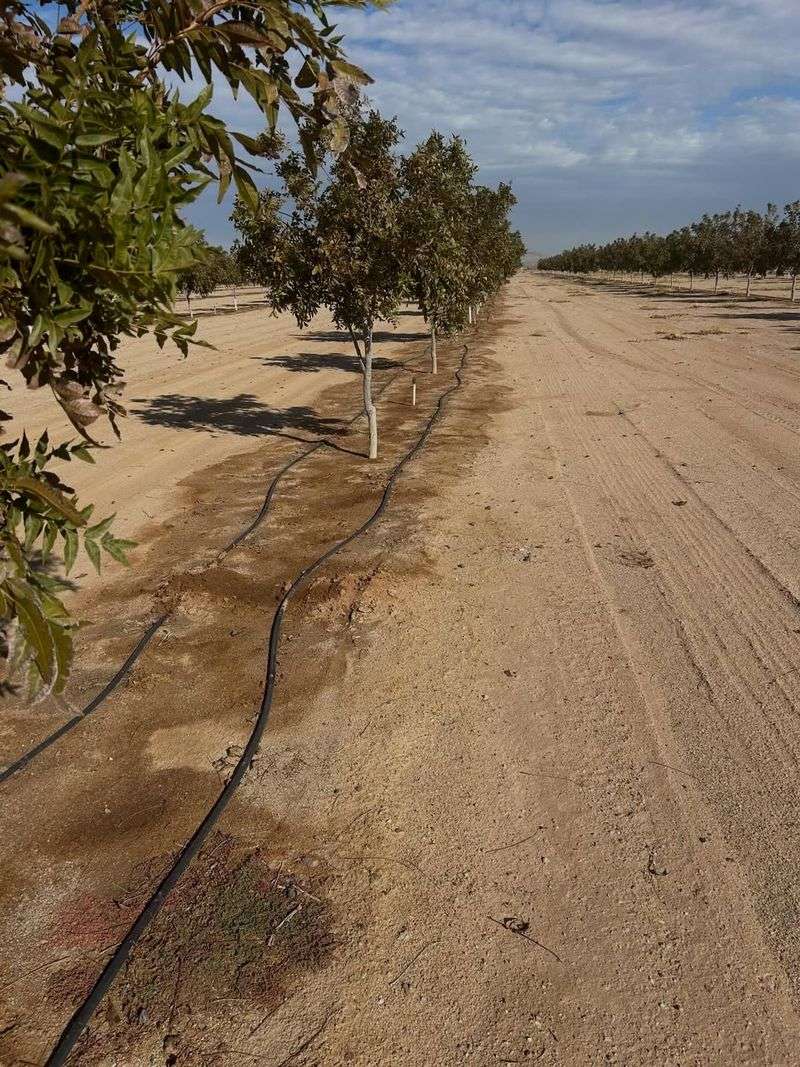
Between 5 and 8 a.m. is the sweet spot for watering in Arizona, and it matters more than most gardeners realize. Air temperatures are at their lowest, wind is usually calm, and the sun has not started pulling moisture from the soil yet.
Water applied during this window has a much better chance of soaking in before conditions turn harsh.
Watering in the middle of the day during April in Arizona is not just inefficient, it wastes a noticeable amount of water to evaporation before it even reaches the root zone. Evening watering is another common mistake.
Wet foliage and soil that stays damp overnight can encourage fungal problems, which are already a concern in low-desert gardens during humid monsoon prep periods.
Morning watering also gives plants a reliable moisture supply heading into the hottest part of the afternoon. Think of it like sending your plants out for the day with a full tank.
Your Arizona Garden Changes Every Week. Your Plan Should Too.
Gardening in Arizona changes quickly throughout the season. Every Friday you’ll receive a simple weekly plan showing exactly what to plant, prune, fertilize, harvest, and protect so you never miss the right timing.
Drip systems with timers make this easy since you can set it and not worry about remembering each morning. If you hand water, building the early morning habit now before summer arrives pays off later when skipping even one session can stress plants noticeably.
3. Increase Frequency Gradually As Temperatures Begin Rising
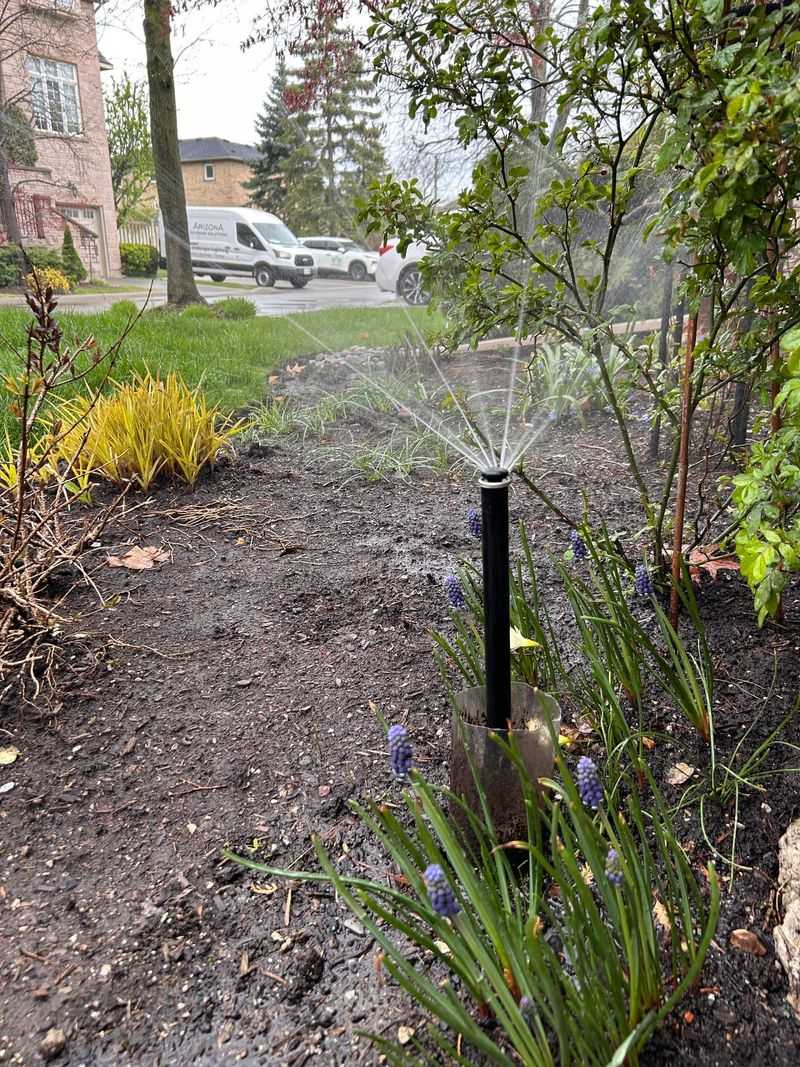
April in Arizona does not stay mild the whole month. Temperatures that start in the low 80s can push into the mid-90s by the end of the month, especially in the lower desert regions around Phoenix, Yuma, and Casa Grande.
Plants feel that shift, and their water needs increase accordingly.
Rather than jumping from once-a-week watering to daily watering overnight, bump up your frequency in small steps. If you have been watering every ten days, move to every seven.
Watch how quickly the soil dries out between cycles and use that as your guide. Soil type matters here since sandy soil dries faster than heavier clay-based soil, so your schedule may need to differ from your neighbor’s.
Newly planted shrubs, vegetables, and transplants need more attention during this transition than plants that have been in the ground for a full season or more.
Their root systems are still developing, which means they have less access to deeper soil moisture.
Check those plants more frequently and water them before they show obvious stress signs like wilting or leaf curl, because by the time those symptoms appear, the plant has already been under strain for a while.
4. Let Soil Dry Slightly Between Cycles To Prevent Root Issues
Overwatering is one of the most common problems in Arizona gardens, and it does not always look like what you expect. Soggy soil cuts off oxygen to the roots, which leads to root rot, yellowing leaves, and generally weak plants that cannot handle heat well.
Keeping the soil consistently waterlogged, even with good intentions, causes more harm than most gardeners expect.
Letting the top inch or two of soil dry out between watering sessions is not neglect. It is actually how you encourage roots to spread and strengthen.
When soil is constantly wet, roots have no reason to extend outward in search of moisture. A brief dry period between cycles pushes roots to grow deeper and wider, which builds resilience before Arizona’s brutal summer arrives.
A simple finger test works well for checking moisture. Push your finger about two to three inches into the soil near the base of your plants.
If it still feels damp at that depth, hold off on watering for another day or two. If it feels dry, go ahead and water.
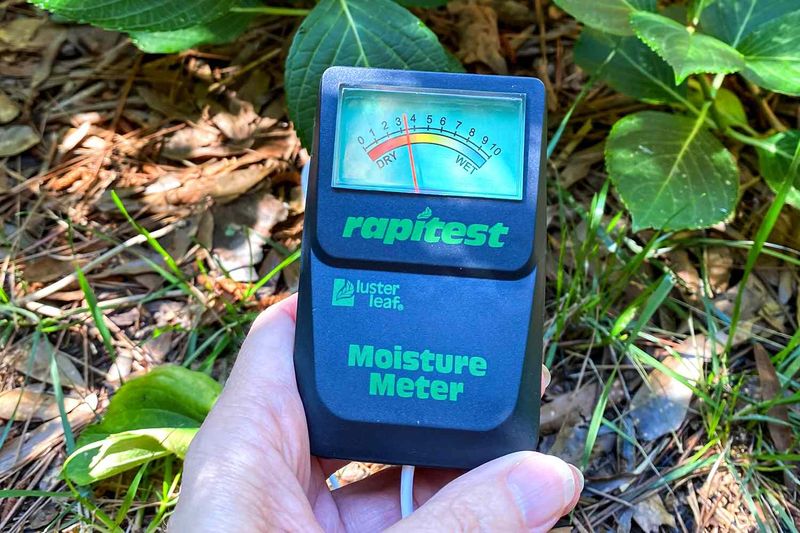
Moisture meters are also a useful and inexpensive tool for gardeners who prefer a more precise read. This approach works for most landscape plants, herbs, and vegetables.
5. Adjust Irrigation Based On Plant Type And Sun Exposure
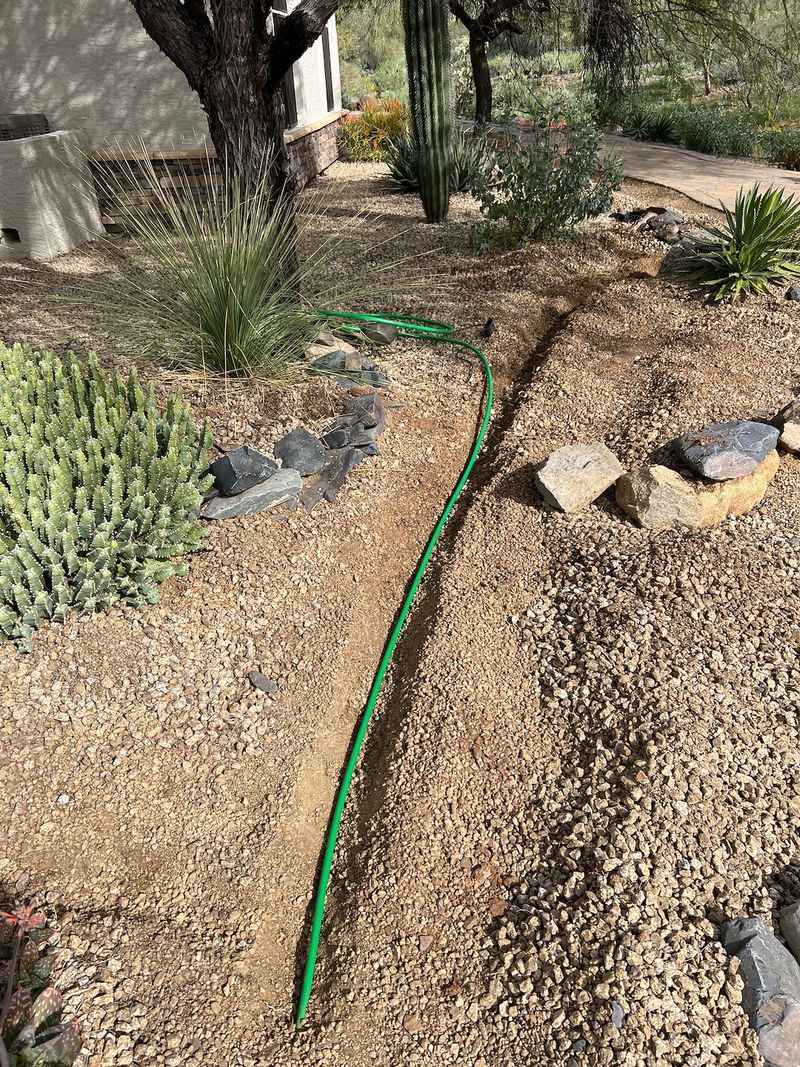
Not every plant in your yard needs the same amount of water, and treating them all the same is a quick way to run into problems.
A saguaro cactus and a tomato plant growing in the same Arizona yard have completely different water requirements, even during the same April week with the same temperatures.
Sun exposure plays a huge role too. Plants growing on south or west-facing exposures in Arizona deal with significantly more heat load than those on the north or east side of a structure.
That extra heat pulls moisture from both the plant and the soil faster, meaning those beds or containers may need watering more often than shaded spots in the same yard.
Group plants with similar water needs together if you have any flexibility in your layout.
Running separate drip zones for high-water plants like vegetables and low-water plants like native shrubs lets you manage each group without overwatering one to satisfy the other.
Most drip controllers allow you to set different run times per zone, which is worth taking advantage of.
Fruit trees like citrus, which are extremely common in the Phoenix and Tucson areas, sit somewhere in the middle and benefit from deep, infrequent watering rather than frequent shallow cycles.
6. Check Drip Systems For Leaks And Uneven Coverage
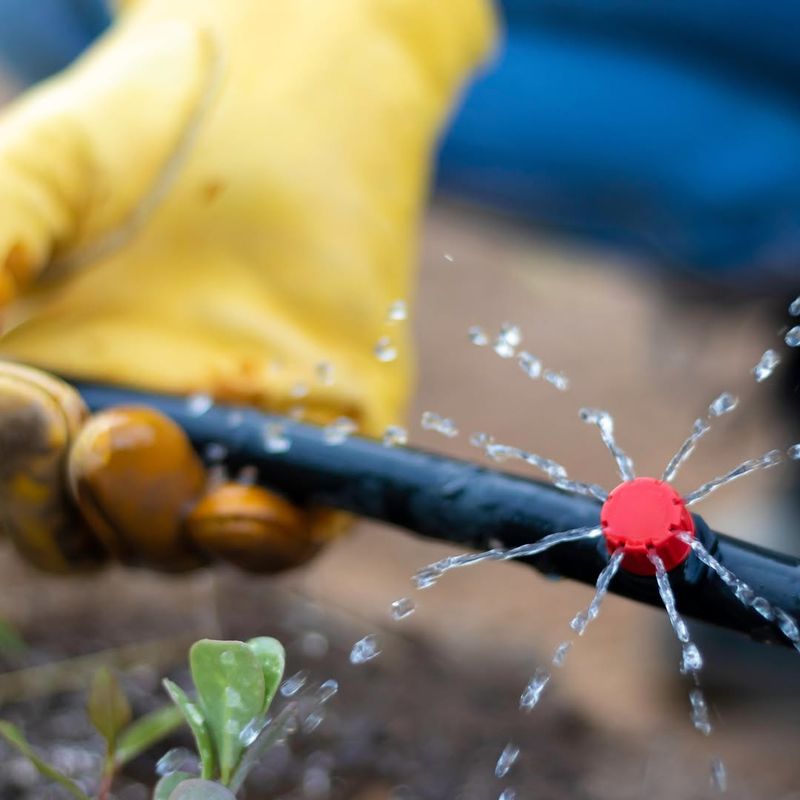
Drip irrigation is the backbone of most Arizona gardens, but a system that worked fine in winter can develop issues by the time April arrives. Emitters clog, tubing cracks from UV exposure, and connectors loosen over time.
Running a system that is not delivering water evenly means some plants get too much while others barely get enough.
Walk your entire drip system at the start of April and watch it run for a full cycle. Look for emitters that are not dripping, spots where water is pooling unexpectedly, or areas where the soil never seems to get wet.
Clogged emitters are the most common issue and are usually simple to clear or replace. Replacement emitters cost very little and are available at most hardware stores across Arizona.
Pressure also matters more than many gardeners think. If your water pressure is too high, emitters can pop off or mist instead of drip, which wastes water and reduces how much actually reaches the root zone.
A pressure regulator at the connection point keeps the system working as designed. While you are at it, check that each emitter is positioned close to the base of the plant it is meant to serve.
Emitters that have shifted away from the root zone after being disturbed by foot traffic or digging are surprisingly common.
7. Add Mulch To Keep Moisture In And Soil Cooler
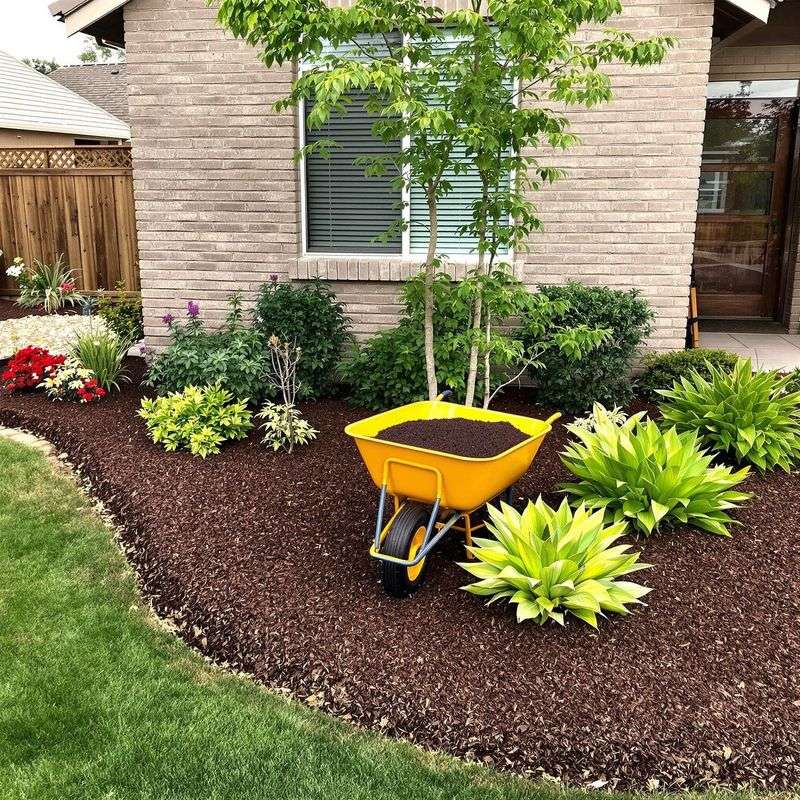
Bare soil in an Arizona garden in April is working against you. Without any ground cover, the sun bakes the top layer of soil quickly, moisture evaporates fast, and soil temperatures can climb high enough to stress shallow roots before summer even officially starts.
A two to three inch layer of organic mulch around your shrubs, trees, and garden beds makes a noticeable difference. Wood chips, straw, and shredded bark all work well.
Mulch slows evaporation by shading the soil surface, which means you can go longer between watering sessions without the soil drying out completely.
Soil temperature under a layer of mulch can stay several degrees cooler than bare ground nearby, which matters a lot for root health as April progresses.
Keep mulch a few inches away from the base of plant stems and tree trunks. Piling it directly against the trunk traps moisture against the bark, which can lead to rot and other issues over time.
Spread it out toward the drip line of the plant instead, which is also where the feeder roots are most active.
Inorganic mulch like gravel or decomposed granite is common in Arizona landscaping and does reduce evaporation to some degree, but it does not improve soil structure the way organic mulch does.