These Plants Give Butterflies A Steady Food Source In Arizona
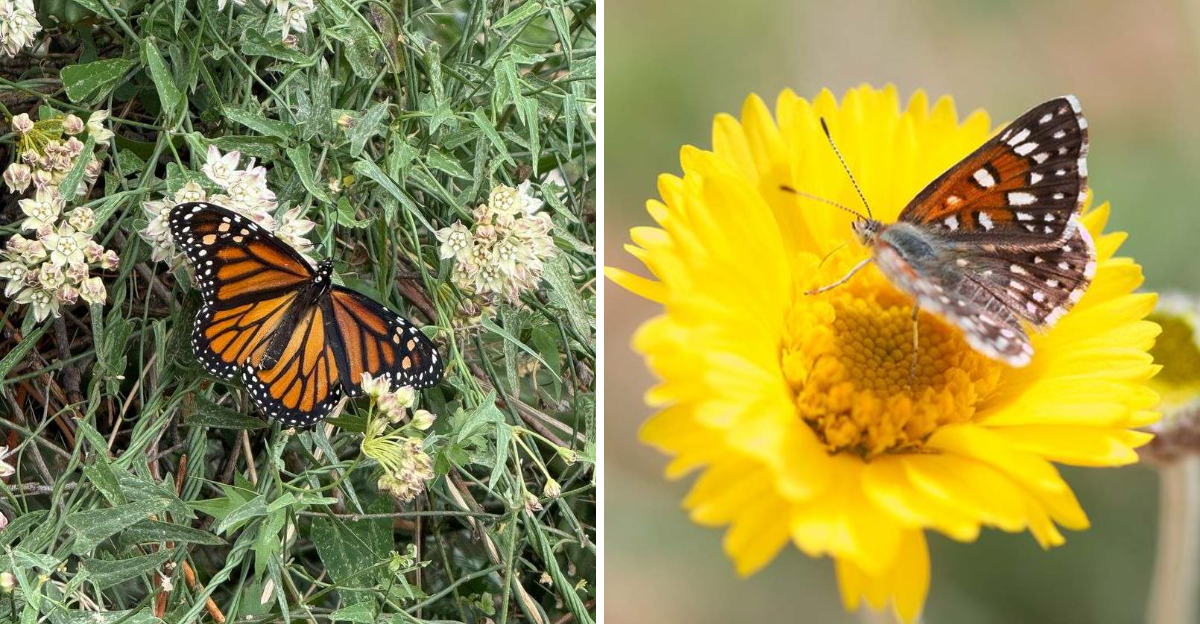
Butterflies show up more often when the right plants are in place, but not every bloom keeps them coming back in Arizona conditions. Some fade fast once heat builds, while others keep producing and hold their attention longer.
Choosing plants that stay consistent makes a big difference in how often those visits happen.
Color helps, but timing and plant type matter just as much. Certain options keep blooming when temperatures climb, which keeps the yard active instead of going quiet mid season.
Placement also plays a role, especially in areas with strong sun and dry soil.
With the right mix, activity stays steady instead of fading out early. Small changes can turn a quiet yard into one that keeps attracting butterflies through Arizona’s toughest stretch.
1. Lantana Provides Long Lasting Nectar In Heat
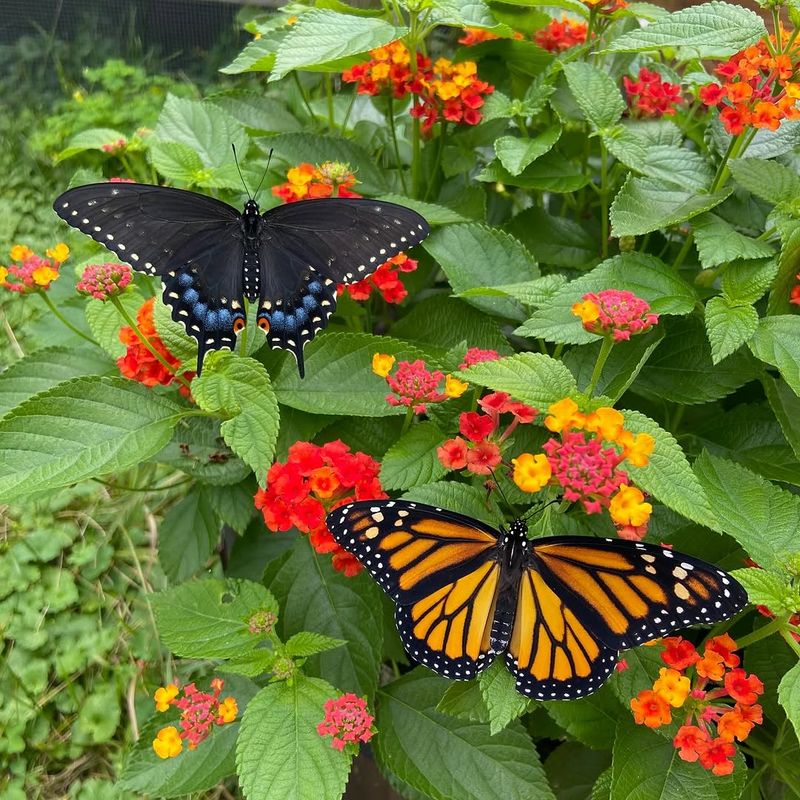
Few plants earn their spot in an Arizona garden quite like lantana. Even when temperatures push past 105 degrees in Phoenix or Tucson, lantana keeps pumping out nectar without skipping a beat.
That kind of heat tolerance is rare, and butterflies clearly know it.
Lantana produces tightly packed flower clusters in shades of orange, yellow, red, and pink. Each cluster holds dozens of tiny individual flowers, which means one plant can feed multiple butterflies at the same time.
Painted ladies, gulf fritillaries, and swallowtails are all regulars on lantana throughout Arizona summers.
Planted in full sun with well-draining soil, lantana needs very little water once it gets established. You can water deeply once or twice a week during the hottest months, but it handles short dry spells without much trouble.
Mulching around the base helps retain soil moisture and keeps roots cooler.
One thing worth knowing: lantana berries are toxic to pets and children, so placement matters if you have a busy household. Deadheading spent flowers encourages more blooms, though the plant often rebounds on its own in warm Arizona weather.
Lantana is widely available at nurseries across the state, making it one of the easiest butterfly plants to find and grow here.
Its long bloom season means butterflies can rely on it as a steady food source even when other flowering plants slow down in extreme Arizona heat.
2. Zinnia Keeps Blooming Through Warm Months
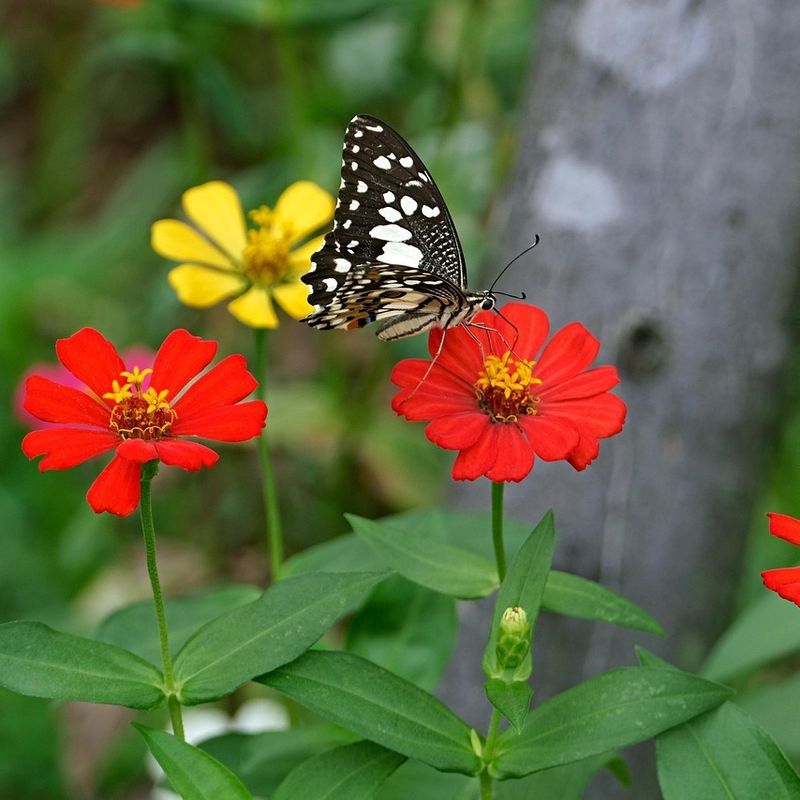
Zinnias are one of those plants that just refuse to slow down once summer arrives. In Arizona, where the warm season stretches from spring well into fall, that endurance matters more than almost anything else.
Butterflies can count on zinnias for months of steady nectar.
Single-flowered zinnia varieties like Profusion or State Fair mixes tend to attract more butterflies than the heavily doubled types. Open centers give pollinators easy access to nectar without having to push through layers of petals.
Monarchs, skippers, and checkered whites are especially fond of zinnia blooms across Arizona gardens.
Starting zinnias from seed is straightforward. Direct sow after the last frost, which in most of Arizona comes early in the year, and you will have blooms within about eight weeks.
In Tucson and Phoenix, a second planting in late summer can extend your butterfly season well into October.
Your Arizona Garden Changes Every Week. Your Plan Should Too.
Gardening in Arizona changes quickly throughout the season. Every Friday you’ll receive a simple weekly plan showing exactly what to plant, prune, fertilize, harvest, and protect so you never miss the right timing.
Regular deadheading keeps the plant producing new flowers consistently. If you let spent blooms stay on the plant too long, seed production kicks in and flowering slows down noticeably.
Zinnias prefer full sun and tolerate heat well, though a little afternoon shade in the hottest parts of the Sonoran Desert can help prevent leaf scorch. Water at the base rather than overhead to reduce powdery mildew risk.
Cutting a few stems for bouquets actually helps too, since it encourages the plant to branch out and produce even more flowers over time.
3. Cosmos Offers Easy Nectar Access For Butterflies
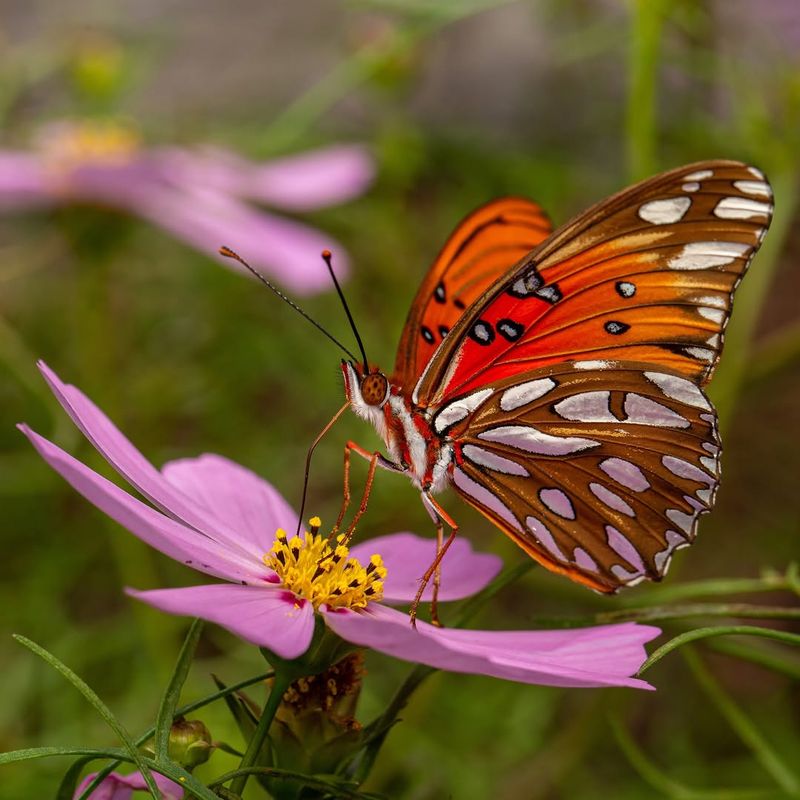
Cosmos has a certain charm that feels almost effortless, and for butterflies in Arizona, that simplicity is exactly the point. Open, flat flower faces make nectar easy to reach, which is a big deal for smaller butterfly species that struggle with complicated flower shapes.
Sulfur cosmos and the common mixed varieties both perform well across Arizona elevations. At higher elevations near Prescott or Flagstaff, cosmos tends to bloom more heavily since cooler nights slow the plant’s energy burn.
In the low desert around Phoenix, planting in fall or early spring avoids the most brutal heat of midsummer.
Cosmos grows fast from seed and does not need rich soil. Actually, overly fertile soil pushes the plant toward leafy growth at the expense of flowers.
Lean, sandy Arizona soil suits cosmos just fine, and it will reward neglect with armloads of blooms. Skippers, painted ladies, and small sulphur butterflies visit regularly.
Letting some plants go to seed at the end of the season saves you money and effort next year. Cosmos self-seeds readily, and you will often find volunteer plants popping up in unexpected spots the following spring.
Staking tall varieties in windy Arizona locations prevents the slender stems from flopping over before butterflies get a chance to feed. A simple bamboo stake or small tomato cage does the job.
Their airy, spaced-out growth also keeps good airflow between stems, which helps them handle Arizona heat without collapsing or developing common fungal issues.
4. Milkweed Supports Caterpillars And Adult Butterflies
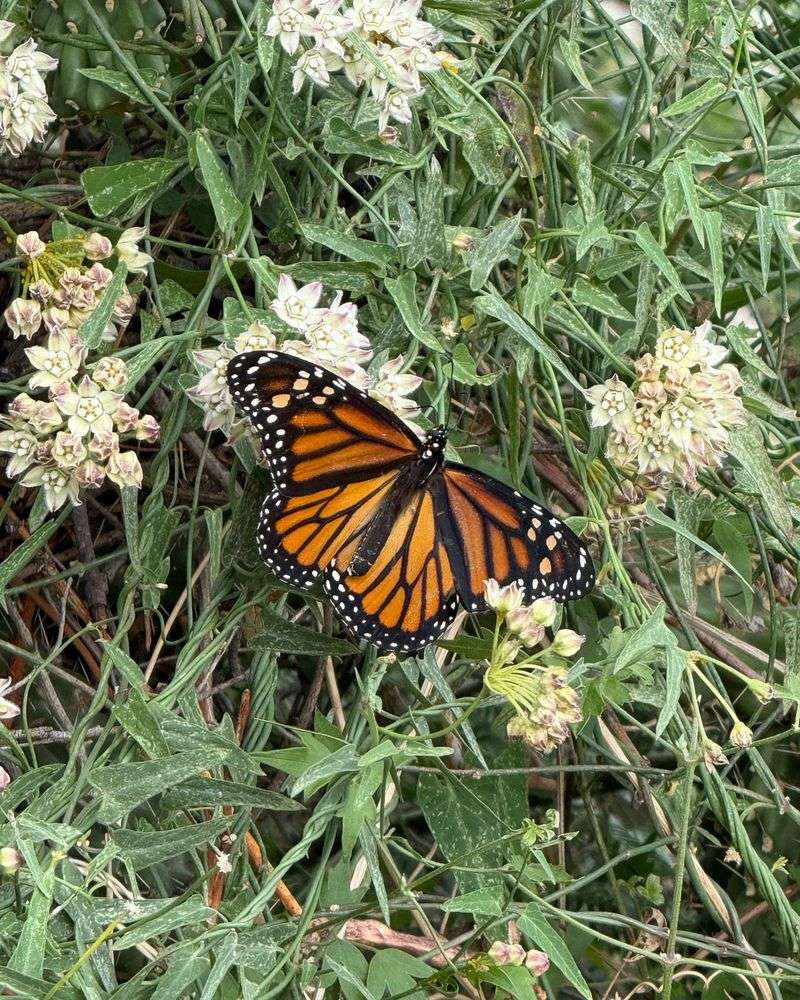
Monarch butterflies cannot complete their life cycle without milkweed, plain and simple. Adult monarchs feed on the nectar, but more critically, females lay eggs exclusively on milkweed leaves because caterpillars feed on nothing else.
Planting milkweed in Arizona supports both stages of the monarch’s journey.
Desert milkweed, also called Asclepias subulata, is the best native option for low-desert areas around Phoenix and Tucson. It handles extreme heat and drought better than most milkweed species and stays green through the hottest months when monarchs passing through need it most.
Antelope horns milkweed is another solid native choice for grassland areas and higher elevations.
Tropical milkweed grows easily in Arizona but comes with a caution worth mentioning. Because it does not go dormant in mild Arizona winters, it can encourage monarchs to stay rather than migrate, which disrupts natural migration patterns.
Cutting tropical milkweed back hard in late fall helps reduce this risk if you choose to grow it.
Plant milkweed in full sun with good drainage and minimal supplemental fertilizer. Too much nitrogen pushes leaf growth and reduces flower production.
Native species generally need little extra care once established. Beyond monarchs, queen butterflies, which are closely related and common throughout Arizona, also depend on milkweed for reproduction and nectar throughout the warmer months.
Clustering a few plants together instead of spacing them far apart makes it easier for monarchs to locate them while moving through Arizona landscapes.
5. Verbena Produces Continuous Clusters Of Nectar
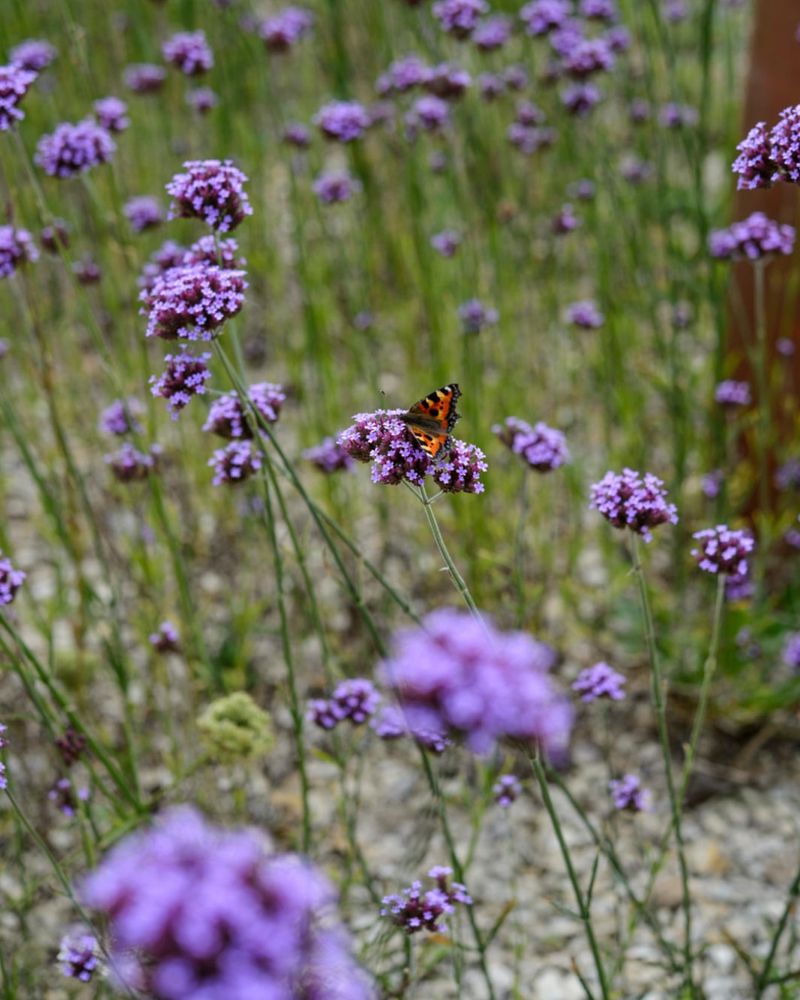
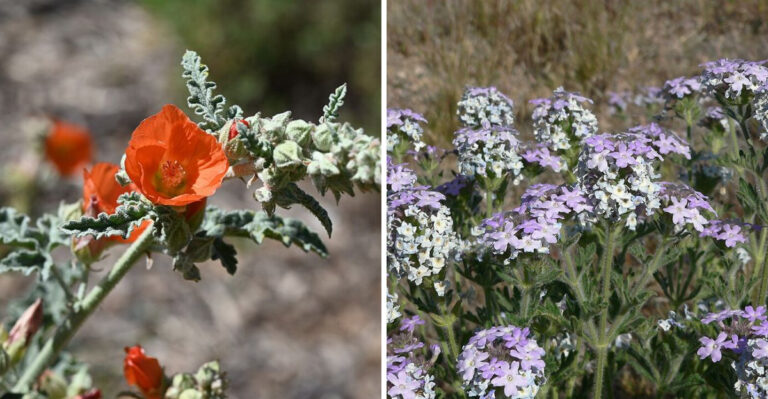
Walk past a verbena plant on a warm Arizona morning and chances are good you will spot at least one butterfly already feeding. Verbena produces dense, flat-topped clusters of tiny flowers that butterflies treat like a buffet, landing and moving from bloom to bloom without ever leaving the plant.
Goodding’s verbena is a native Arizona species worth seeking out. It spreads low across the ground and produces purple blooms that attract a surprising variety of pollinators, including skippers, painted ladies, and checkered whites.
For gardeners in the Phoenix or Tucson area, it handles heat and drought better than many introduced verbena varieties.
Trailing verbena hybrids also work well in containers, raised beds, or along garden borders. They bloom heavily from spring through fall with minimal deadheading required.
Pinching back leggy stems occasionally encourages denser growth and keeps the flower clusters coming at a steady pace.
Verbena prefers well-drained soil and full sun, both of which Arizona provides in abundance. Overwatering is a more common problem than drought stress for verbena in this region.
Letting the soil dry out slightly between waterings actually encourages stronger root development and more consistent blooming.
Planted along a sunny walkway or patio edge, verbena creates a natural feeding corridor that butterflies return to day after day throughout the growing season.
6. Sunflowers Attract Butterflies With Open Centers
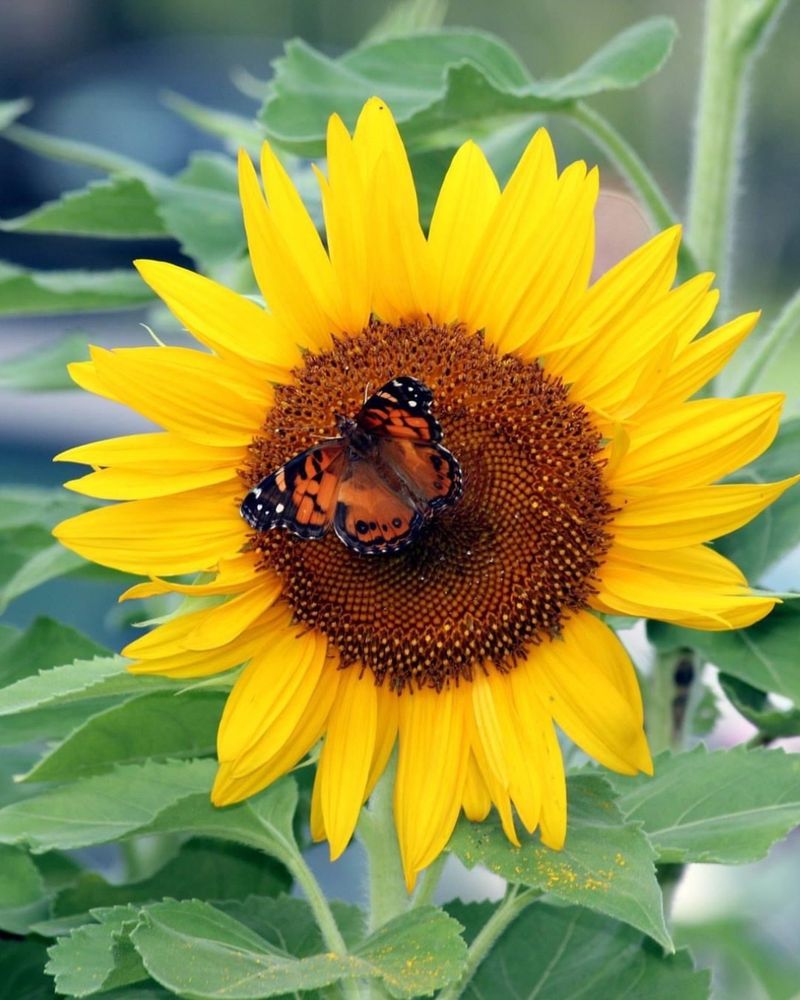
Sunflowers are one of those plants that seem almost too easy, and yet they consistently pull in butterflies from across the yard.
Open flower centers packed with pollen and nectar make them irresistible, especially to larger butterfly species that need a stable landing platform while they feed.
In Arizona, sunflowers grow well from late winter through early summer in the low desert, and through summer into fall at higher elevations. Sowing seeds directly into the ground after the last frost gives the best results.
Plants in the Phoenix or Tucson area may struggle during the peak of midsummer heat, so timing the planting right makes a noticeable difference in bloom quality.
Single-headed varieties and branching types both attract butterflies, but branching sunflowers like Autumn Beauty or Italian White produce more blooms per plant, extending the feeding window.
Giant single-headed varieties like Mammoth are impressive but stop blooming once the main head forms.
For a butterfly garden, branching types offer much better value.
Sunflowers need very little fuss beyond adequate sun and occasional deep watering. Arizona soil often drains quickly, so watering every few days during the hottest stretches keeps plants healthy and productive.
Leaving seed heads on the plant at the end of the season also feeds birds, which adds another layer of wildlife value to your garden beyond butterflies.
7. Gaillardia Handles Heat While Feeding Pollinators
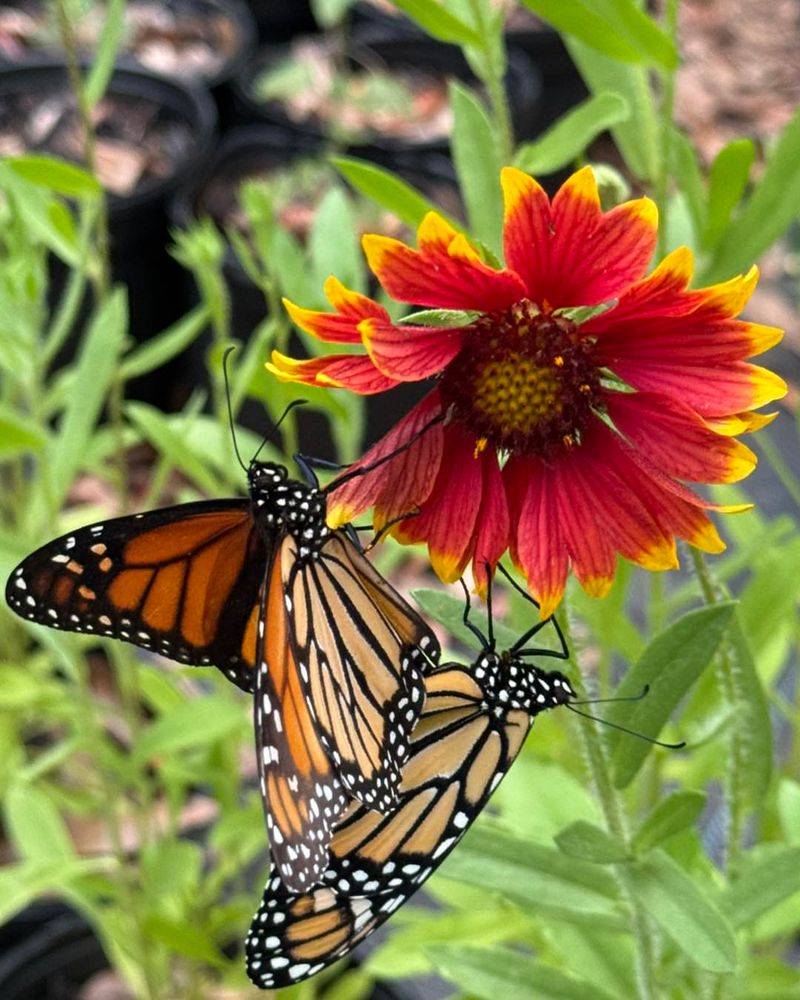
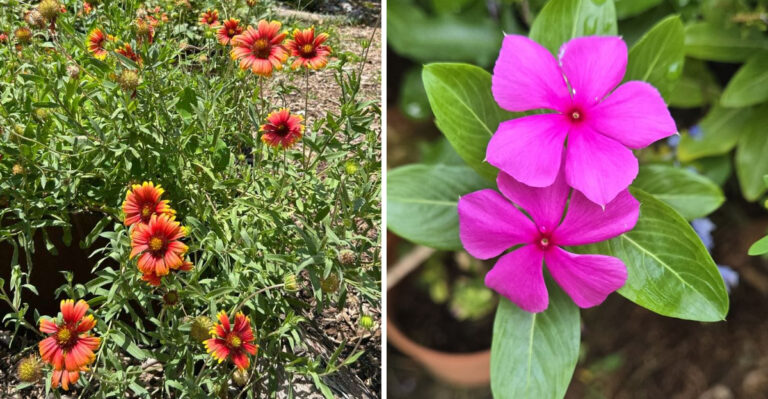
Gaillardia earns its nickname, blanket flower, by covering itself in blooms so thoroughly that the foliage nearly disappears underneath.
In Arizona’s punishing summer heat, that level of flowering persistence is something gardeners genuinely appreciate, and butterflies appreciate it just as much.
Native to North America, gaillardia is adapted to hot, dry conditions and poor soils, making it a natural fit for Arizona landscapes from the Sonoran Desert up through the high desert grasslands near Sonoita or Willcox.
Red and yellow ray petals surround a raised center disk, giving butterflies a clear landing zone and easy access to nectar.
Painted ladies, skippers, and sulphur butterflies visit consistently throughout the blooming season.
Established plants can handle extended dry spells, though a deep watering every week or two during peak summer keeps bloom production higher. Deadheading spent flowers encourages new buds to form quickly.
Gaillardia can bloom from late spring all the way through the first cool nights of fall in many Arizona locations, giving it one of the longest productive seasons of any butterfly plant on this list.
Starting from transplants is faster than seed, though both work well. Space plants about 12 to 18 inches apart to allow good airflow, which reduces fungal issues during Arizona’s monsoon humidity.
Gaillardia is perennial in many parts of the state, meaning a single planting can feed butterflies for several years with minimal replanting effort.
8. Desert Marigold Blooms Repeatedly In Dry Conditions
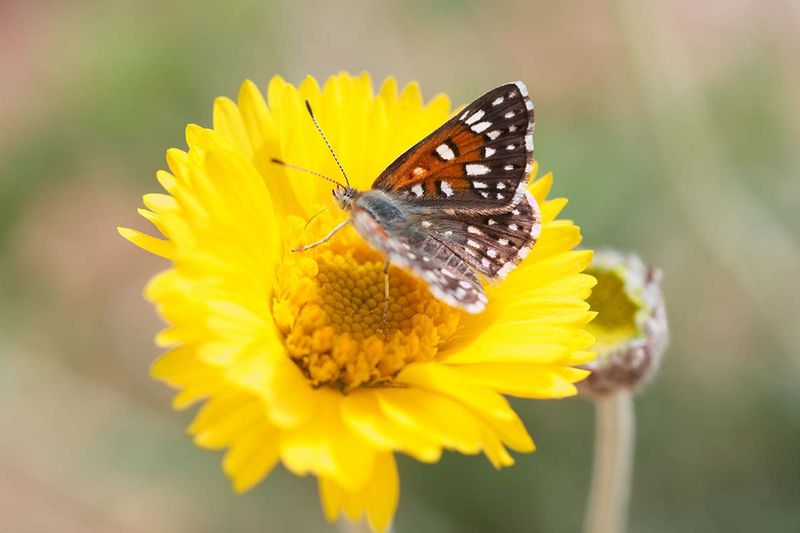
Desert marigold is not the same as the common garden marigold you find in grocery store displays.
Baileya multiradiata is a true Arizona native wildflower, and it behaves completely differently, thriving in rocky, dry ground where most garden plants would struggle to survive a single season.
Bright yellow blooms appear in waves throughout the year, often triggered by rainfall or a shift in temperatures. After Arizona’s monsoon rains arrive in July, desert marigold plants that looked tired and sparse can suddenly explode with new flowers.
Butterflies respond quickly to these fresh blooms, and sulphurs, skippers, and checkered whites are common visitors.
Growing desert marigold from seed is affordable and fairly reliable. Scatter seeds on bare, well-drained ground in fall or early spring and let winter rains or early spring moisture do the work.
Once established, plants need almost no supplemental irrigation in most parts of Arizona, though a deep watering every couple of weeks during prolonged dry stretches keeps bloom production strong.
Plants tend to be short-lived perennials or biennials, but they self-seed so freely that a patch usually sustains itself without replanting. Avoid planting in heavy clay or areas with standing water, since root rot is the most common problem in poorly draining soil.
Roadside patches of desert marigold across southern Arizona show just how capable this plant is at feeding pollinators with almost no human help at all.