What To Do With Peonies In May For Massive Blooms In Pennsylvania
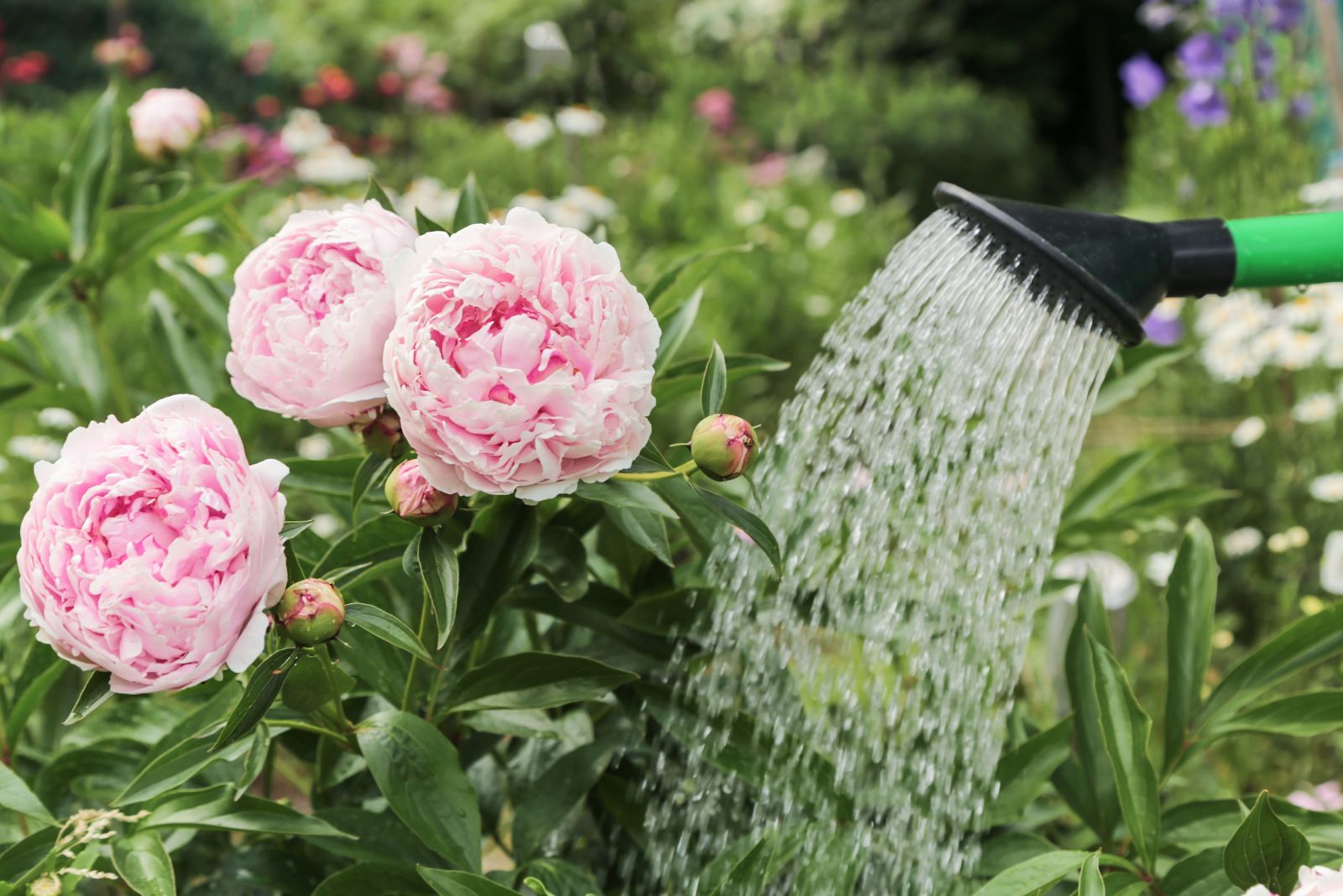
Peonies are the kind of plant that Pennsylvania gardeners build real anticipation around. From the moment those first red shoots push up through the soil in early spring, there’s a countdown happening in the back of every peony grower’s mind.
The blooms they produce are genuinely spectacular, and for the few weeks they’re at their peak, they’re hard to beat by anything else in the garden.
What a lot of Pennsylvania gardeners don’t realize is that what happens in May, before those blooms fully open, has a direct impact on how impressive the show actually turns out to be.
The decisions you make this month around feeding, support, pest management, and a few other key care steps either set your peonies up for their best performance of the season or quietly limit what they’re capable of producing.
May is the month where peony care actually matters most, and getting it right is simpler than most people think.
1. Support Heavy Buds Early
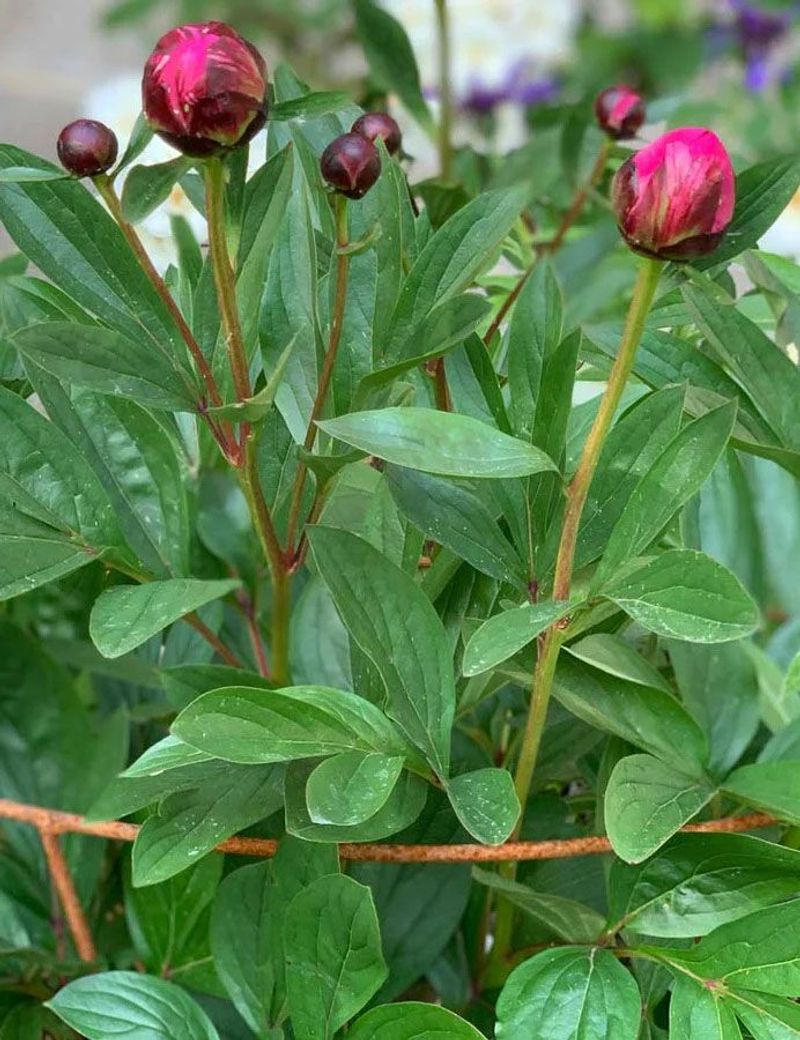
Picture this: your peony is finally loaded with fat, gorgeous buds, and then one rainy morning you walk outside to find every single stem flopped over on the ground.
It is a heartbreaking sight that many Pennsylvania gardeners know all too well. The good news is that it is completely preventable with a little planning.
Peonies grow tall and heavy, especially when those big blooms start to open. Without support, the stems simply cannot hold up the weight.
This is especially true after a spring rainstorm, which Pennsylvania gets plenty of in May. Wind and rain together are the biggest reasons peony stems bend and snap.
The best move is to put your supports in place before the buds fully open. Peony rings are the most popular option.
They are circular wire frames that sit around the whole plant and hold stems upright. You can also use individual bamboo stakes tied loosely with soft garden twine. Either way, get them in early.
Most garden centers in Pennsylvania carry peony rings starting in early spring. Look for ones that are at least 18 to 24 inches tall, since mature peonies can reach that height easily.
Set the ring over the plant when stems are still short, and let the plant grow up through it naturally.
Supporting your peonies early is one of the simplest things you can do for a stunning display. It takes just a few minutes and saves you from watching your hard work end up muddy on the ground.
2. Water Deeply During Dry Spells
Rainfall in Pennsylvania during May can be unpredictable. Some years bring steady showers that keep the garden moist, and other years the rain disappears for weeks at a time.
When dry spells hit during bud development, your peonies can really struggle. Buds may stay small, fail to open fully, or look sad and shriveled before they ever get a chance to bloom.
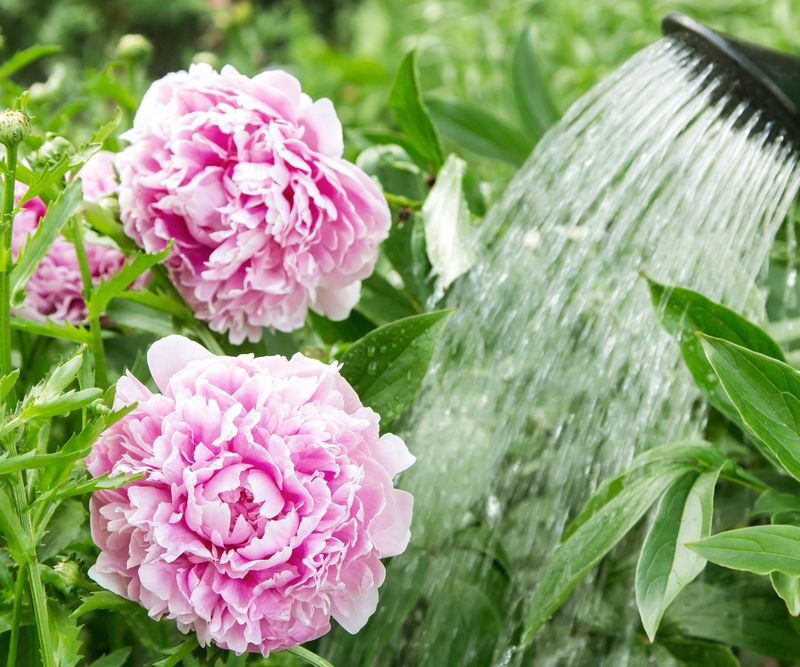
The key is deep, consistent watering rather than a quick splash every day. Shallow watering encourages roots to stay near the surface, where they dry out faster.
Your Pennsylvania Garden Changes Every Week. Your Plan Should Too.
Gardening in Pennsylvania changes quickly throughout the season. Every Friday you’ll receive a simple weekly plan showing exactly what to plant, prune, fertilize, harvest, and protect so you never miss the right timing.
Deep watering pushes moisture down into the soil where roots can really access it and stay hydrated through warm, dry stretches.
A good rule of thumb is to give your peonies about one inch of water per week, including any rainfall. Use a rain gauge to track what nature provides, and make up the difference yourself.
Water slowly at the base of the plant, not from overhead. This helps moisture soak deep into the root zone.
Soaker hoses are a fantastic tool for peony beds in Pennsylvania. They deliver water right at soil level, keep foliage dry, and run on a timer so you never forget.
If you are hand-watering, water in the morning so any splashes on leaves dry quickly in the sun.
Keeping moisture consistent during May helps buds plump up fully and gives you those big, lush blooms everyone wants to see. Do not let dry weather sneak up on you this season.
3. Add Mulch But Keep It Light
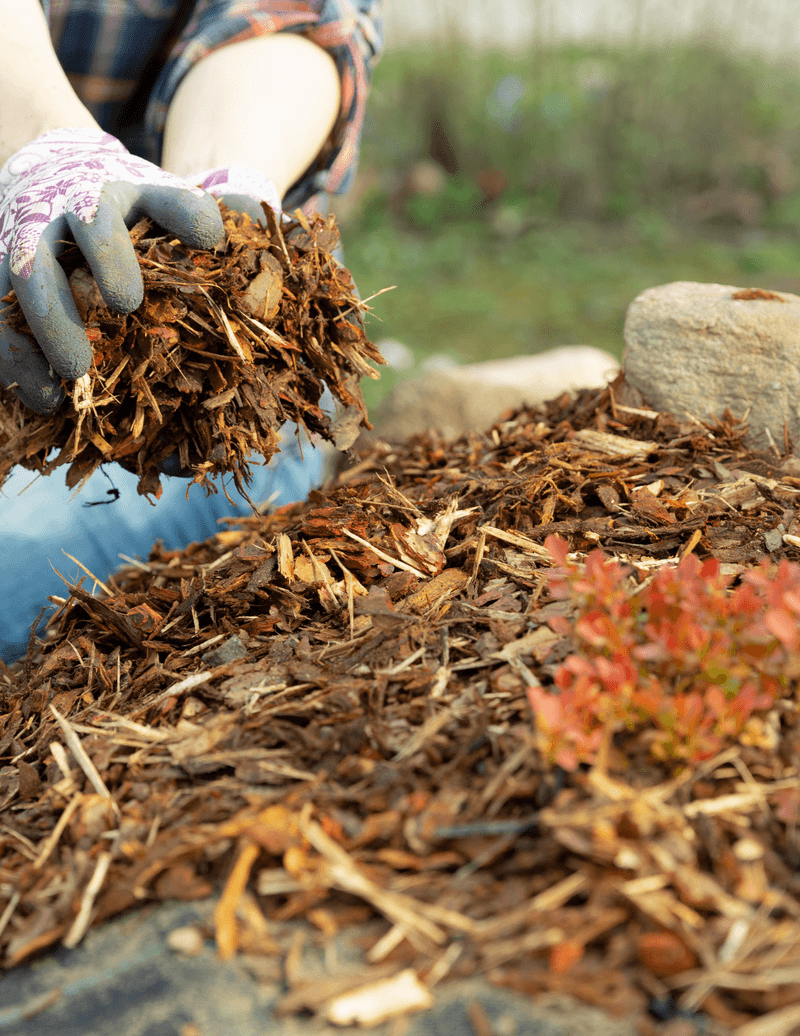
Mulch is one of those garden tools that can either be your best friend or cause a real problem, depending on how you use it. Around peonies in May, a thin layer of mulch works wonders.
It holds moisture in the soil, keeps roots cooler during warm days, and helps reduce weeds that compete with your plants for nutrients.
However, there is one very important rule when mulching peonies: never bury the crown. The crown is the reddish growth point right at or just below the soil surface.
If mulch piles up over it, the plant can struggle to bloom and may even develop rot. Pennsylvania gardeners sometimes make this mistake without realizing it, especially when trying to protect plants from late cold snaps.
The ideal approach is to apply no more than one to two inches of mulch around the base of the plant. Keep it pulled back a few inches from the crown so air can circulate freely.
Good mulch choices include shredded bark, straw, or wood chips. Avoid thick, heavy materials that compact easily and trap too much moisture.
Spring is actually the best time to refresh mulch in your peony beds across Pennsylvania. As temperatures rise and rain comes and goes, that top layer of soil can dry out quickly.
A light mulch layer acts like a buffer, keeping conditions steadier underground where roots are working hard to fuel those big blooms. Think of mulch as a light blanket, not a heavy coat. A little goes a long way.
4. Deadhead Spent Blooms Quickly
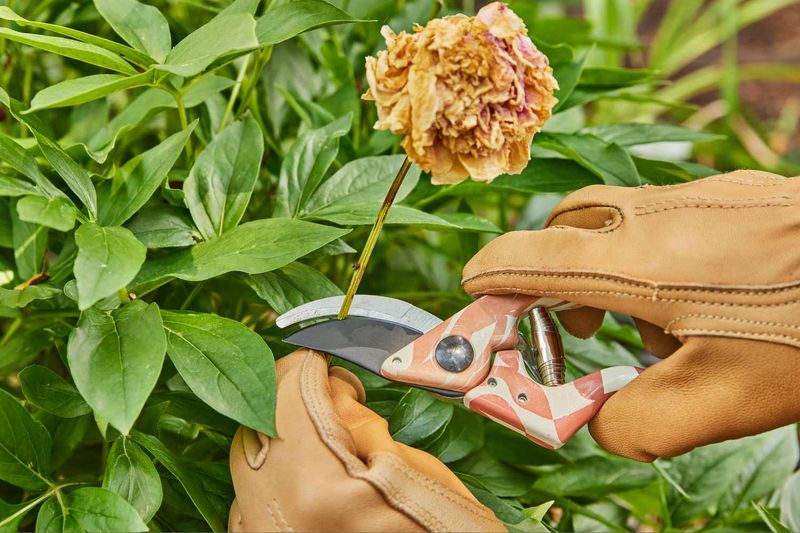
Once a peony bloom reaches its peak, it does not stay beautiful for long. Petals start to brown and drop, and the flower head begins to look tired and droopy.
Leaving those spent blooms on the plant is not just an eyesore. It actually takes energy away from the plant that could be used for root development and future health.
Deadheading is the simple act of removing faded flowers before they go to seed. When a plant puts energy into making seeds, it pulls resources away from the roots and overall plant strength.
By cutting off spent blooms quickly, you redirect all that energy back into the plant itself. This sets your peonies up for a stronger performance next year.
Use clean, sharp pruning shears to cut the stem back to the first set of healthy leaves. Do not just snap the flower head off.
A clean cut at the right spot looks neater and reduces the chance of disease entering through a rough wound. Wipe your shears with rubbing alcohol between cuts to prevent spreading any potential issues from plant to plant.
In Pennsylvania, May blooms can fade fast once warm temperatures arrive. Check your peony beds every few days so you catch spent flowers before they deteriorate too much. This is also a great time to enjoy your garden up close and spot any other issues early.
Deadheading takes only a few minutes but makes a real difference in how your plants look and how well they grow next season.
5. Check For Ants And Pests
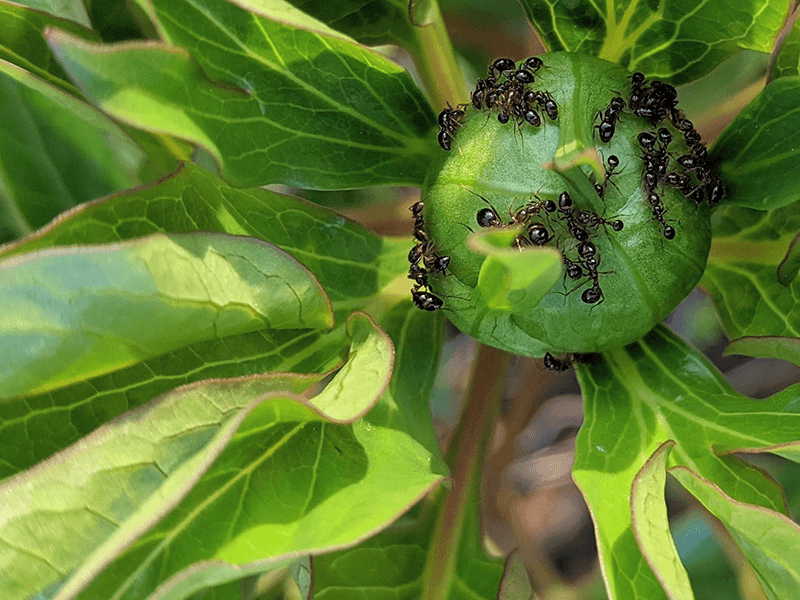
Walk up to almost any peony bud in Pennsylvania during May and you will likely spot ants crawling all over it. Many new gardeners panic when they see this, wondering if the ants are hurting their plants.
Here is a reassuring fact: ants are actually attracted to the sweet nectar that peony buds naturally produce, and they are mostly harmless to the flowers themselves.
Some gardeners even believe ants help peonies by eating other tiny insects that might cause real damage. Whether or not that is fully true, there is no need to spray anything to get rid of them.
They will move on once the blooms open and the nectar is gone. Just give the cut stems a gentle shake before bringing flowers indoors so no hitchhikers come inside with you.
What you do need to watch for are other pests that can cause actual harm. Thrips are tiny insects that feed on buds and petals, leaving them streaked or distorted.
Botrytis blight is a fungal issue that can look like pest damage but is caused by damp conditions. Also keep an eye out for scale insects on stems, which appear as small bumps.
Walk through your Pennsylvania garden a few times a week in May and inspect buds and leaves closely. Catching pest problems early means you can address them before they spread.
A strong, healthy plant is naturally more resistant, so all the other care steps you take also help keep pests at bay. Stay observant and your peonies will thank you with stunning blooms all season long.
6. Avoid Heavy Fertilizing Now
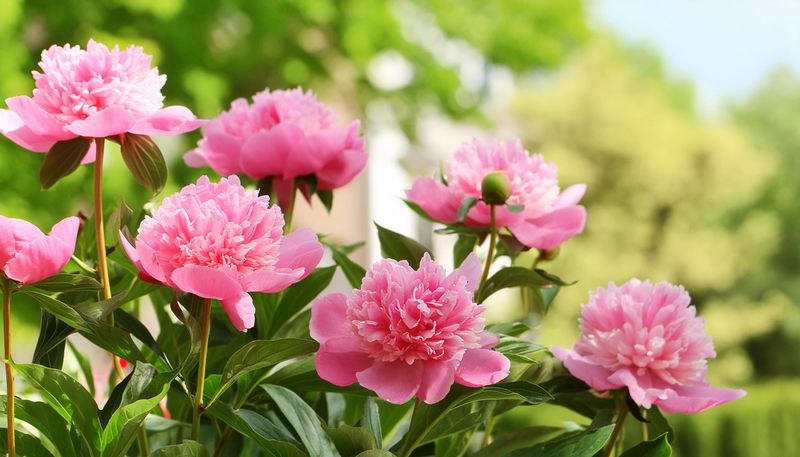
You might think that feeding your peonies a big dose of fertilizer right before they bloom would supercharge the flowers. Actually, the opposite tends to happen.
Applying too much fertilizer in May, especially anything high in nitrogen, can push the plant to grow lots of lush green leaves instead of putting energy into those big, beautiful blooms you are waiting for.
Nitrogen is the nutrient that drives leafy, vegetative growth. While that sounds good, peonies in bloom mode need phosphorus more than anything else.
Phosphorus supports root development and flower production. If you want to feed your plants at all in May, choose a balanced fertilizer with equal or lower nitrogen compared to phosphorus and potassium. Something like a 5-10-10 formula works well.
The best time to fertilize peonies in Pennsylvania is actually in early spring before growth starts, or again in fall after the foliage has been cut back.
By May, if you already fed them earlier in the season, you likely do not need to add anything more. Let the plant do its thing and focus on other care steps instead.
If your soil is particularly poor or your plants look pale and weak, a light top dressing of compost around the base can help without the risk of over-fertilizing. Compost releases nutrients slowly and also improves soil structure over time.
It is a gentle and effective option for gardeners in Pennsylvania who want to give their plants a little extra boost.
Less really is more when it comes to May fertilizing. Trust the process and let your peonies bloom naturally.
7. Keep Foliage Healthy
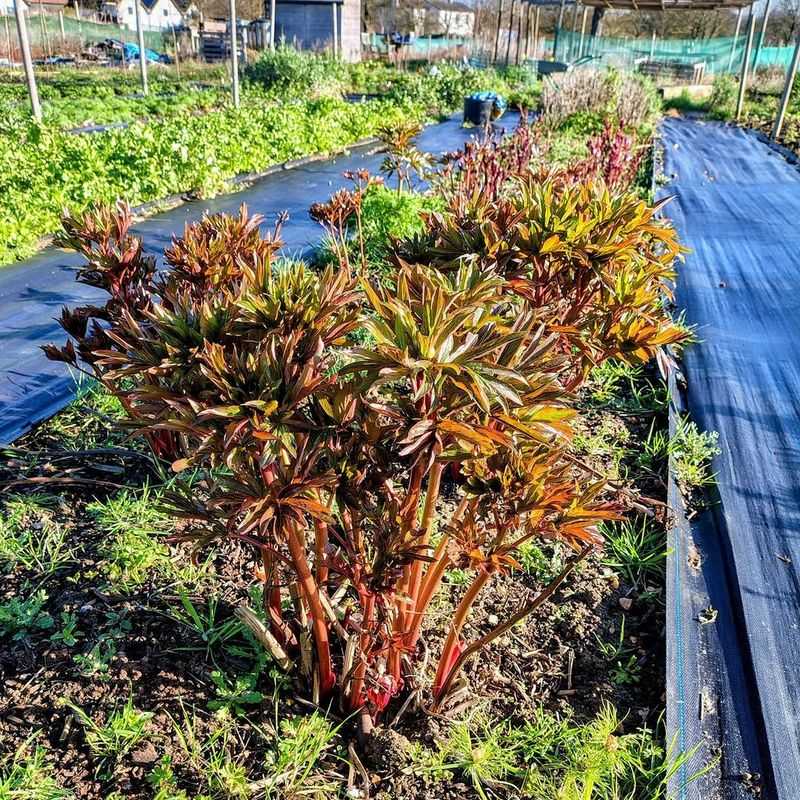
Strong, healthy leaves are the engine behind every gorgeous peony bloom. The foliage is where photosynthesis happens, converting sunlight into the energy that fuels bud development and root growth.
If the leaves are weak, damaged, or covered in fungal spots, the whole plant suffers, and so do the blooms.
One of the biggest threats to peony foliage in Pennsylvania is botrytis blight, a gray mold that thrives in cool, wet conditions. May weather in Pennsylvania can be damp and unpredictable, which creates perfect conditions for this fungal problem to take hold.
The best prevention is simple: avoid getting water on the leaves whenever possible. Always water at the base of the plant, not from overhead. If you use a sprinkler system, make sure it is not hitting the peony foliage.
Watering in the morning is also smarter than watering in the evening because the sun has time to dry any accidental splashes before cooler nighttime temperatures arrive and moisture lingers.
Good air circulation around your plants also helps keep foliage dry and disease-free. If your peonies are crowded by other plants or shrubs, consider trimming back nearby vegetation to let air flow through more freely.
Pennsylvania gardens can get quite lush in May, so this is worth checking. Remove any leaves that show signs of spotting, browning, or mold right away. Do not leave them on the ground near the plant either, since fungal spores can spread from fallen debris.
Healthy foliage through May means your peonies go into summer strong and ready to shine again next year.