Why Daily Watering Becomes Necessary In May In Arizona Gardens
May in Arizona is when gardeners suddenly realize the weather has stopped being polite.
One stretch of warm sunshine turns into blazing afternoons, dry air, and winds that seem determined to pull every drop of moisture out of your yard by lunchtime.
Patio pots dry out fast, raised beds start looking thirsty overnight, and tomatoes begin acting dramatically if watering gets delayed even a little. This is the month when watering routines usually need a serious update.
What worked beautifully in March can start falling apart once the heat ramps up and the desert air starts feeling like a hair dryer aimed directly at your plants.
Arizona gardens move quickly this time of year, and soil moisture disappears a lot faster than many people expect.
The good news is that understanding these changes makes it much easier to keep plants healthy, productive, and far less stressed as summer inches closer.
1. May Heat Raises Water Demand Quickly
Soil that felt damp on a Monday morning can turn powdery dry by Tuesday afternoon once Arizona’s May temperatures start climbing past 95 degrees.
The combination of intense sun, low humidity, and long daylight hours pushes water out of the ground at a pace that surprises even experienced gardeners.
Plants are working overtime just to stay cool, pulling moisture up through their roots and releasing it through their leaves in a process called transpiration.
When the air is hot and dry, that moisture evaporates almost instantly, which means the plant needs a fresh supply much sooner than it would in cooler weather.
Vegetable gardens, flower beds, and container plants all feel this pressure at the same time.
Even soil that looks dark and damp on the surface can be surprisingly dry just an inch or two down.
Checking soil moisture with your finger rather than relying on looks alone is a simple habit that pays off in May.
Arizona gardeners who adjust their watering frequency early in the month tend to see better plant health as temperatures keep rising through late spring into early summer.
2. Containers Dry Out Faster Than Garden Beds
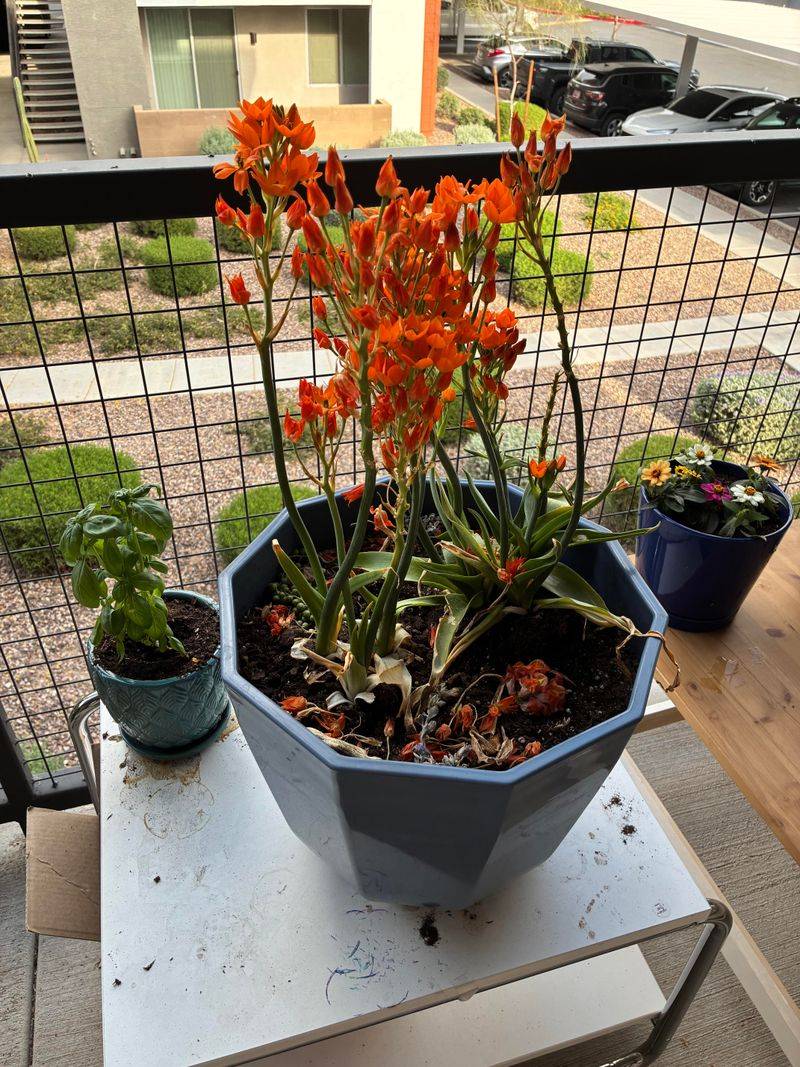
A ceramic pot sitting on a sun-baked Arizona patio absorbs heat from every direction, including through the sides and bottom.
That trapped warmth speeds up moisture loss dramatically, sometimes leaving container soil completely dry within 24 hours during a hot May afternoon.
Plastic pots offer slightly more insulation, but they still heat up fast when placed in direct sun on concrete or tile surfaces.
Smaller containers are especially vulnerable because they hold less soil volume and therefore less water reserve. A four-inch pot with a young herb seedling may need water twice a day when temperatures soar.
Larger containers give roots more room and hold moisture a bit longer, but they still dry out far faster than an in-ground garden bed surrounded by insulating soil.
Moving containers to a spot that gets afternoon shade can reduce how often you need to water, which is a practical strategy for Arizona patios in May.
Your Arizona Garden Changes Every Week. Your Plan Should Too.
Gardening in Arizona changes quickly throughout the season. Every Friday you’ll receive a simple weekly plan showing exactly what to plant, prune, fertilize, harvest, and protect so you never miss the right timing.
Grouping pots together also helps, since clustered plants create a slightly more humid microenvironment around their leaves and soil surfaces.
Checking containers every morning is a reliable way to stay ahead of moisture loss before the hottest part of the day arrives.
3. Young Plants Need More Frequent Moisture Checks
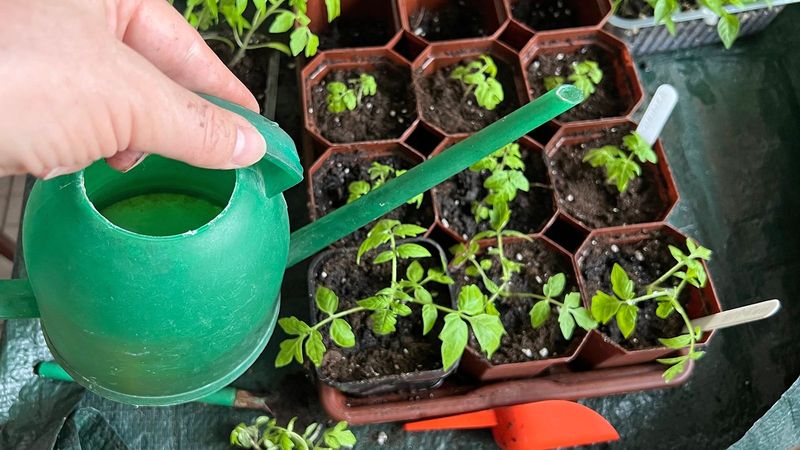
Freshly transplanted seedlings and young plants have one significant disadvantage heading into Arizona’s May heat: their root systems are still small and shallow.
Established plants have roots that spread deep into the soil where moisture lingers longer, but a six-week-old tomato or a newly planted marigold is drawing water from just the top few inches of ground.
Those top inches dry out first and fastest.
A young plant showing drooping leaves in the afternoon is signaling stress, and repeated stress cycles slow growth and weaken the plant over time. Catching that signal early means watering before wilting starts, not after.
Checking the soil near the base of young transplants each morning gives you a reliable read on whether moisture is adequate or running low.
Mulching around young plants is one of the most effective ways to help them hold moisture between waterings.
A two-to-three inch layer of organic mulch over the root zone slows evaporation noticeably, which can make a real difference during Arizona’s warm and windy May days.
Consistent moisture during the first few weeks after transplanting gives young plants the best chance to establish strong roots before the full heat of summer arrives.
4. Vegetable Gardens Need Consistent Soil Moisture
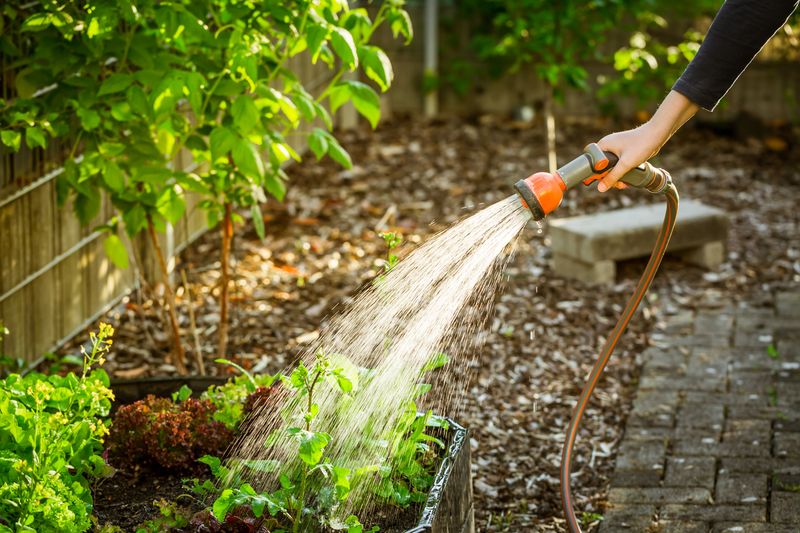
Tomatoes splitting, peppers dropping blossoms, and squash showing stunted growth are all signs that soil moisture has been uneven.
Vegetables are particularly sensitive to fluctuations between wet and dry conditions because their fruit development depends on a steady supply of water throughout the growing cycle.
An inconsistent watering routine in May can cause problems that show up weeks later when harvest time should be rewarding.
Arizona vegetable gardens often include warm-season crops like peppers, eggplant, beans, and cucumbers that are actively growing and fruiting during May.
These plants are using water at a high rate, and the soil around their roots needs to stay evenly moist rather than swinging between soggy and bone dry.
Checking soil moisture at a depth of two to three inches gives a more accurate picture of what the roots are actually experiencing.
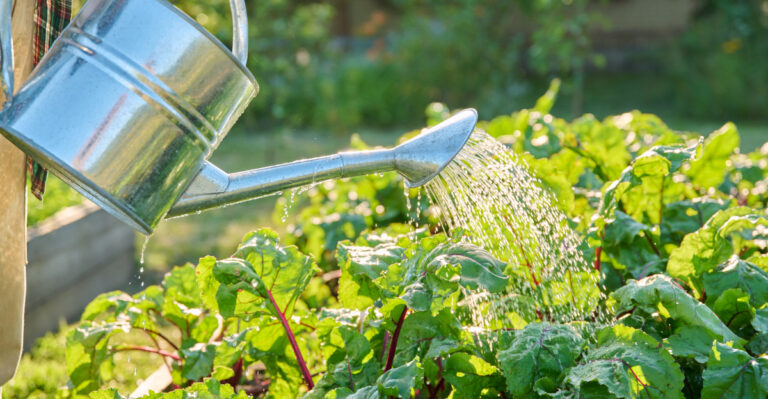
Watering in the early morning helps vegetable plants absorb moisture before the heat of the day drives evaporation rates up.
Drip irrigation works well for vegetable beds because it delivers water directly to the root zone without wetting the foliage, which can reduce the risk of fungal issues.
Adjusting run times as May temperatures climb keeps vegetable gardens on track through one of Arizona’s most demanding months.
5. Hot Dry Winds Pull Moisture From Soil Fast
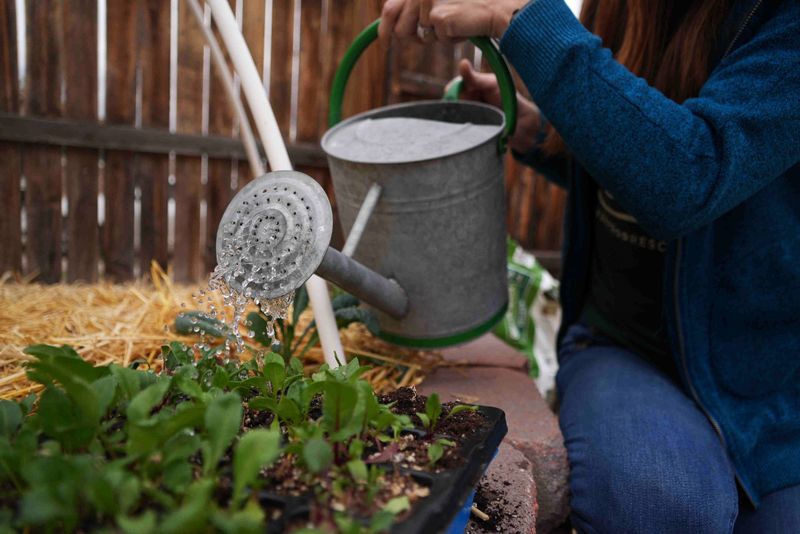
Wind is one of the most underestimated factors in Arizona garden water loss.
A steady breeze might feel refreshing on a hot afternoon, but that moving air is constantly pulling moisture from exposed soil surfaces and plant leaves at a pace that can double or even triple normal evaporation rates.
May often brings warm, dry winds across Arizona that arrive in the afternoon and continue into the evening.
Bare soil is especially vulnerable because there is nothing slowing the wind as it passes over the surface. Mulched beds hold moisture better because the organic material acts as a physical barrier between the dry air and the damp soil beneath.
Even a thin layer of gravel mulch used in many Arizona desert landscapes helps reduce wind-driven moisture loss compared to completely bare ground.
Windbreaks like fences, walls, or dense shrubs on the west and south sides of a garden can reduce the impact of afternoon winds significantly.
Taller plants placed strategically around more vulnerable vegetables or flowers also help buffer wind exposure.
Checking soil moisture after a particularly windy afternoon rather than waiting until the next morning is a practical habit that helps Arizona gardeners respond to conditions as they actually happen rather than on a fixed schedule.
6. Raised Beds Can Lose Moisture More Quickly
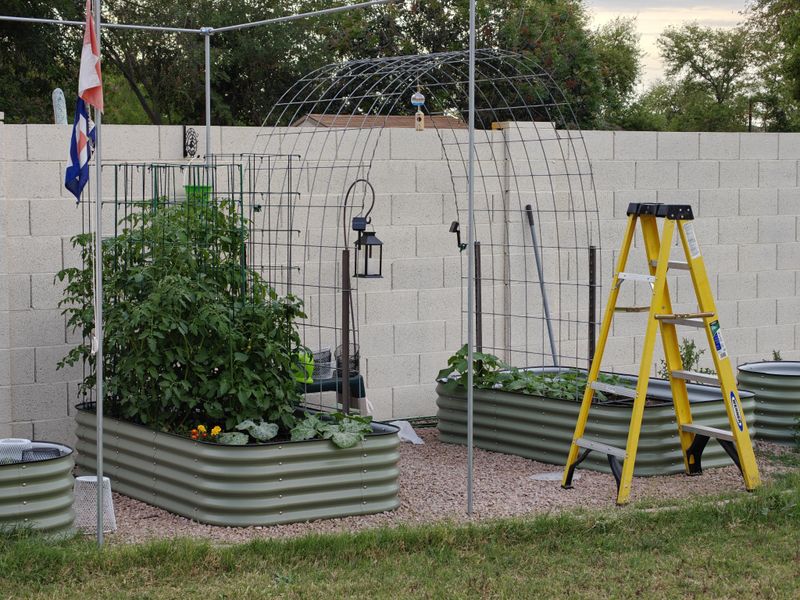
Raised beds have become a popular choice in Arizona gardens because they offer better drainage and warmer soil temperatures during cooler months. In May, though, those same qualities can work against moisture retention.
Raised beds are exposed on all sides to air and sun, which means they shed heat and dry out faster than ground-level planting areas where surrounding soil provides some insulation.
The type of soil mix used in a raised bed also matters. Many Arizona gardeners fill raised beds with a blend of compost, coarse sand, and perlite to improve drainage, but that same fast-draining mix holds less water between irrigation cycles.
As temperatures rise in May, the interval between waterings may need to shorten from every other day to daily, especially for beds in full sun locations.
Lining the interior walls of a raised bed with burlap or shade cloth can reduce how much heat transfers through the sides.
Adding a thicker layer of mulch on top of the soil also makes a meaningful difference in how long moisture stays available to roots.
Monitoring raised beds separately from in-ground garden areas makes sense in May, since their drying patterns tend to be noticeably different even when they receive the same amount of irrigation.
7. Shallow Watering Can Leave Roots Struggling
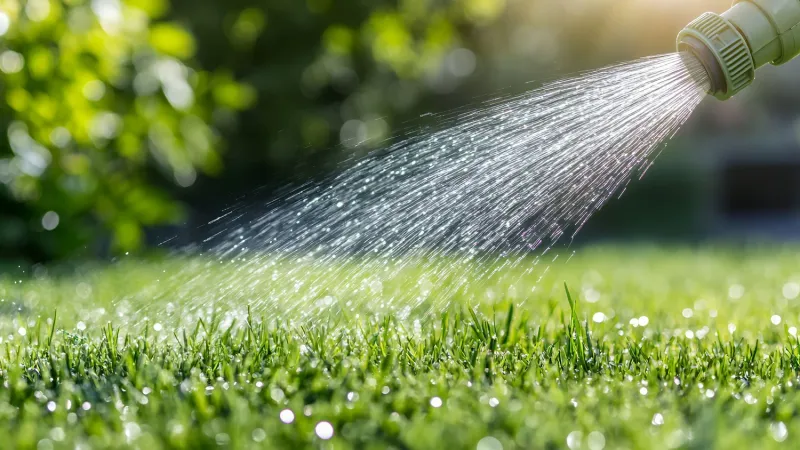
Giving plants a quick sprinkle every day might seem like enough, but shallow watering trains roots to stay near the surface where soil dries out fastest.
In May, when Arizona heat is intense and consistent, shallow root systems have almost no buffer against the rapid moisture loss that happens between waterings.
Plants end up in a constant cycle of mild stress even when they are being watered regularly.
Watering deeply and less frequently encourages roots to follow moisture down into cooler, more stable soil layers.
For vegetable plants and flowering annuals, that might mean watering to a depth of six to eight inches so roots have room to grow downward.
The goal is to wet the entire root zone thoroughly rather than just dampening the surface.
One simple way to check watering depth is to push a wooden dowel or moisture probe into the soil an hour after watering. If it comes out dry below three inches, the water did not penetrate deep enough.
Slowing down the application rate or using drip emitters instead of overhead sprinklers gives water more time to soak in rather than run off. Arizona gardens respond well to deep, thorough watering cycles that build genuine root depth over time.
8. Morning Watering Helps Plants Use Moisture Better
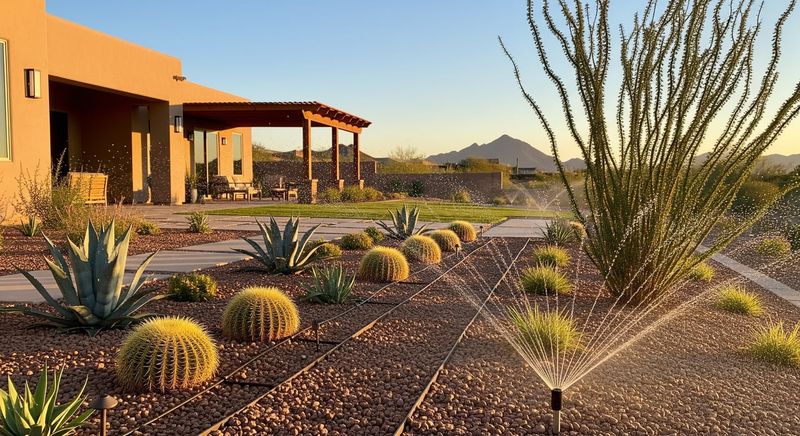
Early morning is the most productive time to water an Arizona garden in May, and the science behind that timing is straightforward. Temperatures are at their lowest just before and after sunrise, which means evaporation rates are also at their lowest.
Water applied to the soil in the morning has the best chance of soaking in deeply before the afternoon heat kicks evaporation into high gear.
Plants also benefit from morning watering because they begin their most active growth period as sunlight increases.
Having adequate soil moisture available at the start of the day supports photosynthesis, nutrient uptake, and the cooling process plants use to manage heat.
Watering in the evening can leave foliage wet overnight, which creates conditions where fungal issues are more likely to develop, particularly during warm and humid weather.
Setting drip irrigation timers to run in the early morning hours is a practical solution for Arizona gardeners who cannot always be outside at sunrise.
Even hand watering before 8 a.m. makes a noticeable difference in how plants look and perform through the heat of the day.
A garden watered well in the morning tends to handle afternoon temperatures with far less visible stress than one that received water the previous evening or midday.
9. Drip Irrigation Needs A May Schedule Check
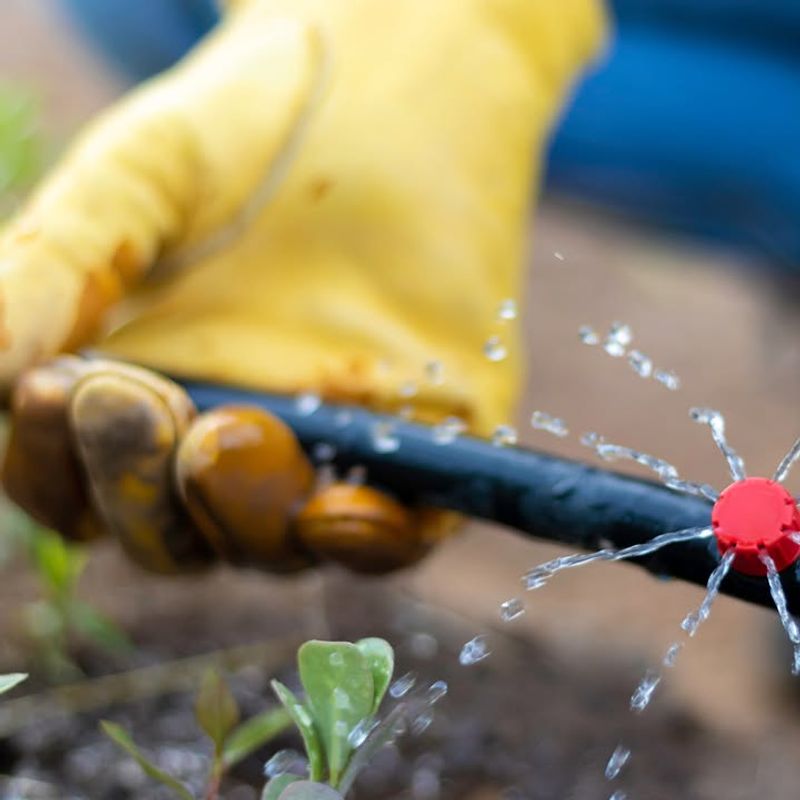
Drip irrigation systems that worked well in March or April may no longer be delivering enough water once May temperatures arrive.
The schedule that kept plants healthy during mild spring weather often falls short as heat intensifies and plant water demand increases.
Reviewing and adjusting irrigation run times at the start of May is a practical step that many Arizona gardeners overlook until they notice stressed or struggling plants.
Clogged or shifted emitters are another issue worth checking in May. A drip emitter that has moved away from a plant’s root zone or become partially blocked by mineral deposits may be delivering far less water than the schedule assumes.
Walking the irrigation lines and visually checking each emitter during a scheduled run takes only a few minutes and can reveal problems that are easy to fix early.
Soil type, plant size, sun exposure, and container versus in-ground placement all affect how much water a drip system needs to deliver in May.
Raised beds and containers typically need more frequent or longer run cycles than established in-ground plantings.
Keeping a simple log of any schedule changes made in May helps Arizona gardeners track what adjustments worked and builds useful reference information for the following year when planning ahead for the heat.
10. Established Desert Plants Need Deeper Less Frequent Watering
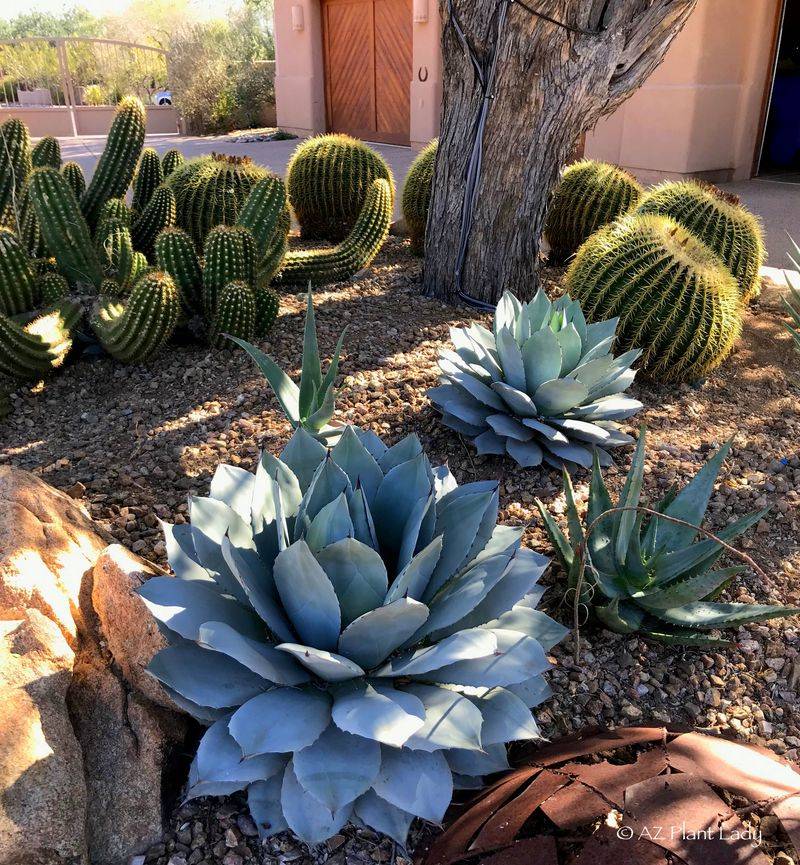
Not every plant in an Arizona garden needs daily watering in May, and it is worth remembering that established desert-adapted plants operate on a very different schedule than vegetables or container flowers.
Saguaros, palo verde trees, agaves, desert willows, and most native shrubs have deep root systems built for long dry periods.
Watering them too frequently can cause more harm than going without, since saturated soil around desert plants can lead to root rot.
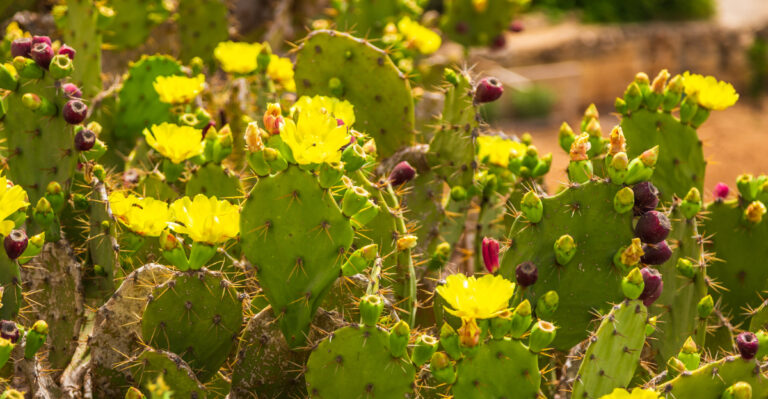
Established cacti and succulents in the ground generally do well with deep, infrequent watering during May, perhaps once every two to three weeks depending on soil type and sun exposure.
The key word is deep, meaning water should soak down far enough to reach the lower root zone rather than just wetting the surface.
Shallow watering of desert plants can actually encourage surface roots that are more vulnerable to drying out.
Newly planted desert-adapted plants are a different situation entirely. Even drought-tolerant species need more regular watering during their first one to two growing seasons while their root systems establish.
Once roots are well settled into Arizona’s native soil, these plants generally handle May heat with minimal supplemental water.
Knowing which plants in your garden are truly established versus still developing helps you water smarter rather than just watering more across the board.