7 Heat-Loving Plants You Can Safely Plant In May In Arizona
May in Arizona does not play around. The sun gets intense fast, the soil heats up like a cast-iron skillet, and patio plants suddenly start looking a little dramatic by midafternoon.
Still, this is one of the best times to plant heat-loving flowers and shrubs that actually enjoy the desert spotlight.
Some plants seem to look at triple-digit forecasts and say, “Sounds great.” Those are the stars of an Arizona summer garden.
Once established, they bring bright color, interesting texture, and plenty of personality to spaces that might otherwise feel a little too dry and dusty. Arizona yards are built for this kind of tough beauty.
Gravel beds, sunny borders, raised planters, and low-water landscapes all become much more inviting when bold blooms start showing up. A few smart plant choices now can keep your yard lively long after summer settles in.
1. Black-Eyed Susan Brings Cheerful Color To Sunny Beds
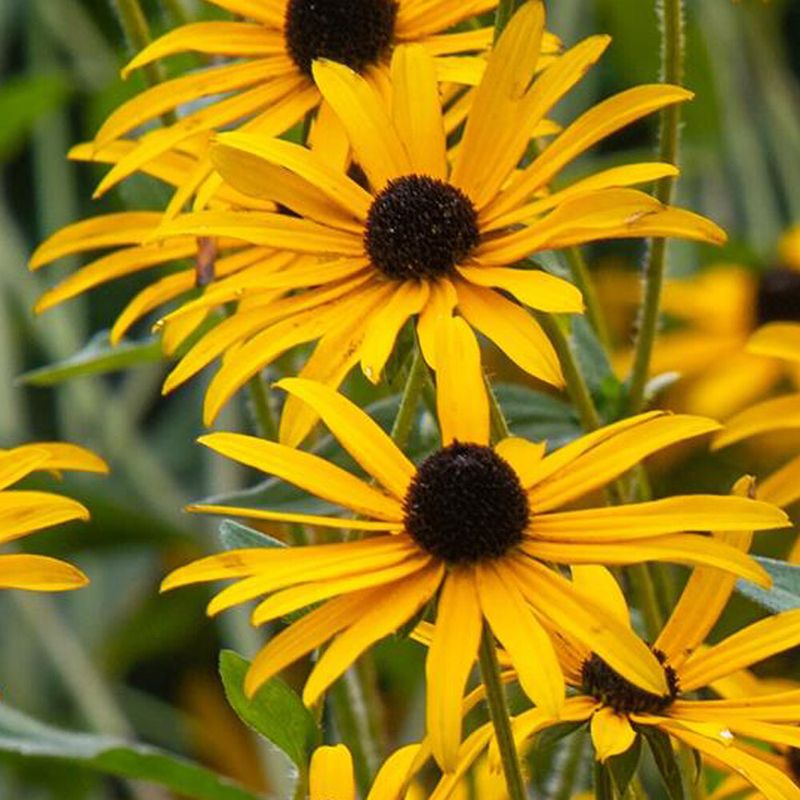
Few flowers can match the cheerful energy of Black-Eyed Susans lighting up a sun-drenched Arizona garden bed in late spring. With their golden-yellow petals surrounding a bold dark brown center, these blooms are hard to miss and easy to love.
They bring a wildflower charm to both formal front-yard planters and casual backyard spaces.
Black-Eyed Susans handle heat well because they evolved in open prairies where the sun beats down without mercy. In Arizona, they do especially well when planted in full sun with well-draining soil, which helps prevent root rot during monsoon season.
May is a great month to get them in the ground before temperatures climb even higher.
Spacing plants about 18 inches apart gives them room to spread and encourages good airflow, which reduces the chance of fungal issues during humid monsoon stretches.
Once established, these plants need only occasional deep watering rather than frequent shallow sprinkles.
Their drought tolerance makes them a practical and attractive choice for low-water Arizona landscapes.
Pollinators absolutely love Black-Eyed Susans. Bees, butterflies, and even small birds are regularly drawn to their blooms throughout summer.
Planting them near a patio or walkway means you get to enjoy all that wildlife activity up close. They tend to bloom from late spring through early fall, giving Arizona homeowners months of reliable color with minimal fuss.
2. Lantana Keeps Blooming Through Desert Heat
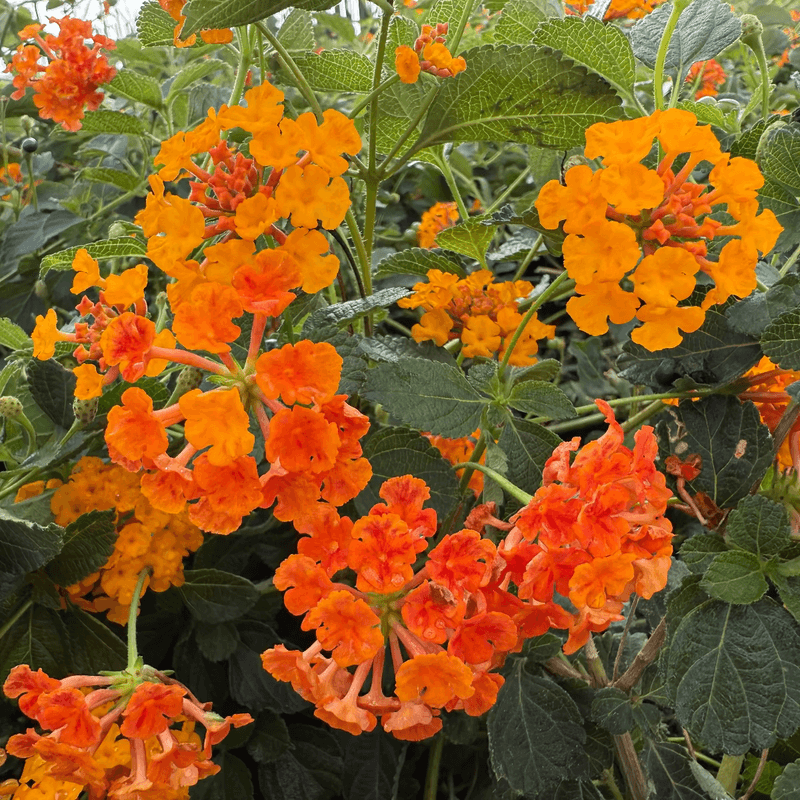
Walk past a Lantana on a July afternoon in Arizona and you will notice something remarkable – it looks as fresh and full of color as it did in May. While other plants struggle under the intense desert sun, Lantana seems to thrive on it.
This tough, sprawling shrub produces dense clusters of tiny flowers in shades of orange, yellow, red, pink, and purple, often all on the same plant.
Lantana is a go-to choice for Arizona gardeners who want reliable color without constant babysitting. It handles extreme heat, tolerates dry soil once established, and bounces back quickly after the monsoon rains roll through.
Planting it in May gives roots time to anchor before the most intense summer heat arrives.
Your Arizona Garden Changes Every Week. Your Plan Should Too.
Gardening in Arizona changes quickly throughout the season. Every Friday you’ll receive a simple weekly plan showing exactly what to plant, prune, fertilize, harvest, and protect so you never miss the right timing.
In residential yards, Lantana works well along borders, in raised planters, or spilling over the edges of decorative containers on a patio. It grows quickly and can reach several feet wide, so giving it enough space from the start saves pruning headaches later.
A sunny spot with well-draining soil is all it really needs to put on a show.
Butterflies and hummingbirds are frequent visitors to Lantana blooms, making it a natural addition to any Arizona pollinator garden.
Watering deeply but infrequently after the plant is established keeps it healthy through long dry stretches.
Its combination of toughness, beauty, and wildlife appeal makes it one of the most popular heat-loving plants across Arizona.
3. Bougainvillea Adds Bold Color To Hot Arizona Spaces
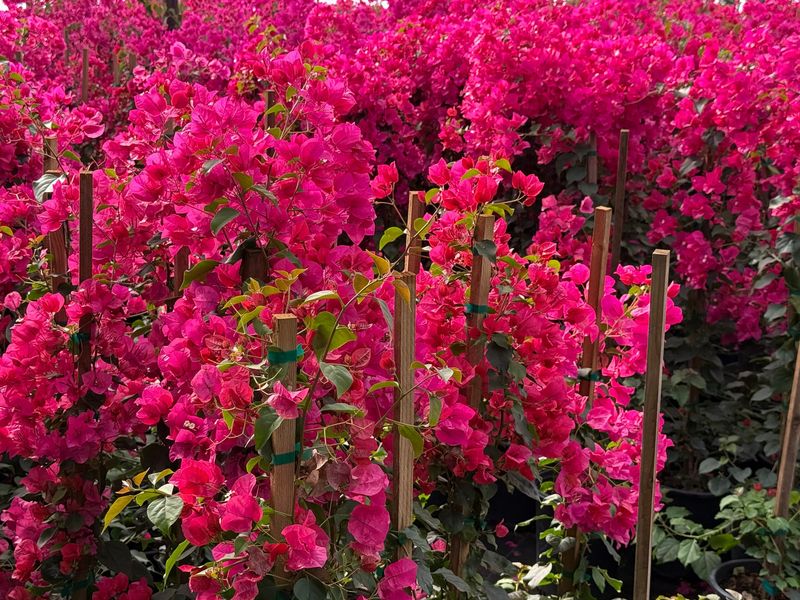
There is nothing subtle about a Bougainvillea in full bloom. The brilliant magenta, orange, red, or purple bracts cascade over walls, fences, and pergolas with a confidence that makes it one of the most recognizable plants in the Arizona landscape.
It thrives in exactly the kind of conditions that send most garden plants into distress.
Bougainvillea loves full sun, heat, and soil that drains fast. In Arizona, where summer temperatures regularly push past 100 degrees, this plant keeps performing when others fade.
May is an excellent month to plant it because the warming soil encourages strong root development before the peak of summer arrives. Avoid overwatering during the establishment period, as too much moisture can actually slow growth.
For homeowners with a sunny south or west-facing wall, Bougainvillea is an outstanding choice. It can be trained to climb a trellis, allowed to cascade down a retaining wall, or kept compact in a large container on a patio.
The colorful parts people notice are actually modified leaves called bracts, not the flowers themselves, which are small and white at the center.
Once established, Bougainvillea is surprisingly low-maintenance in the Arizona climate. Occasional deep watering during dry stretches, light feeding in spring, and a trim after each bloom cycle keeps it looking its best.
Its bold visual impact and remarkable heat tolerance make it a signature plant in Arizona front yards and outdoor living spaces.
4. Desert Marigold Shines In Dry Arizona Gardens
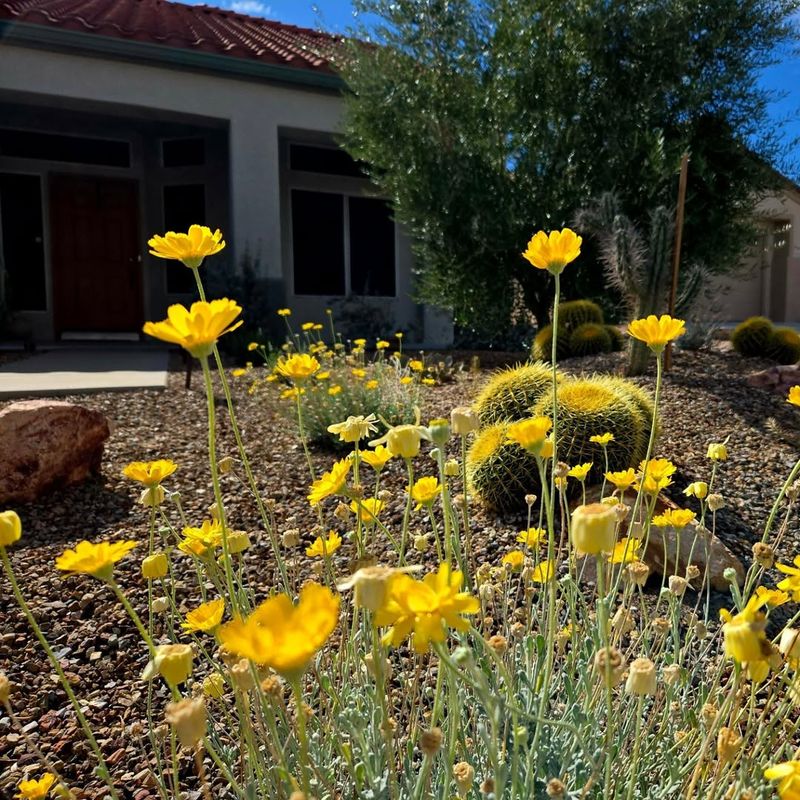
Native to the Sonoran Desert, Desert Marigold is one of the most naturally suited plants for Arizona gardens. Its cheerful yellow daisy-like flowers bloom repeatedly from spring through fall, and it does all of this without asking for much in return.
Silvery-green foliage gives it a soft, almost dusty appearance that complements the muted tones of a classic desert landscape.
Planting Desert Marigold in May sets it up for a long and productive blooming season. It prefers full sun and fast-draining soil, which makes it well-suited to the rocky, gravelly ground common in many Arizona yards.
Raised beds and natural desert gardens are two of its best settings, though it also performs well along sunny pathways and in open border plantings.
One of the most appealing traits of this plant is how little water it needs once established. Deep, infrequent watering works much better than frequent light sprinkles, which can encourage shallow roots.
During Arizona monsoon season, natural rainfall is often enough to keep Desert Marigold thriving without any supplemental irrigation.
Deadheading spent blooms encourages new flower production and keeps the plant looking tidy throughout the season.
Butterflies and native bees visit the flowers regularly, which makes Desert Marigold a smart addition to any pollinator-friendly Arizona garden.
Its combination of native resilience, low water needs, and long blooming season makes it one of the most practical and rewarding choices for Arizona gardeners in May.
5. Portulaca Spreads Bright Blooms Across Hot Soil
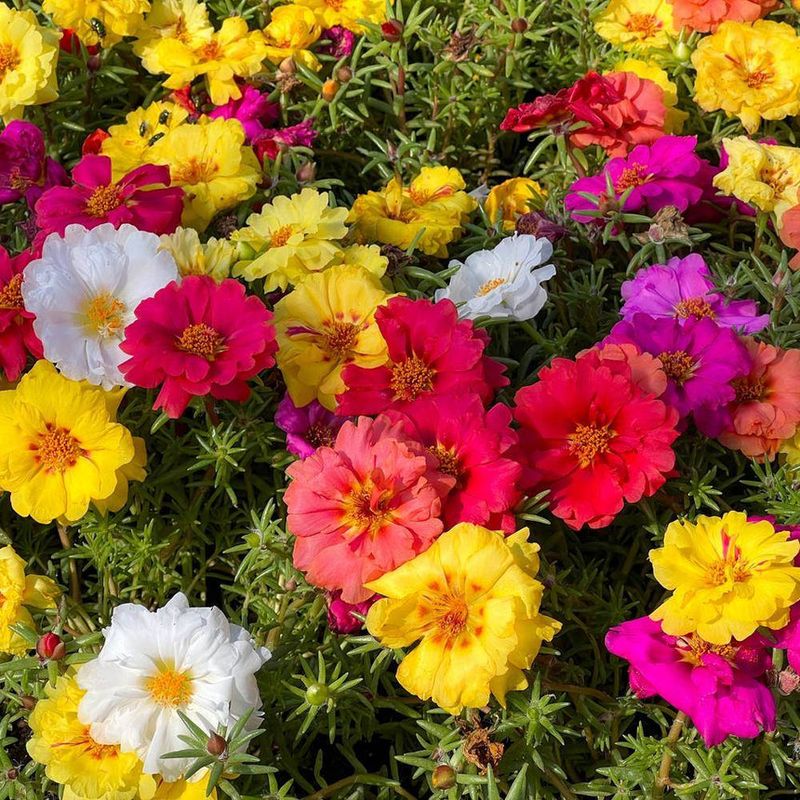
Hot, dry, and sandy soil that would stress most flowering plants is exactly where Portulaca feels at home.
Also known as moss rose, this low-growing annual spreads across the ground in a colorful carpet of blooms in shades of pink, orange, yellow, red, and white.
Its succulent-like stems and leaves store water, which is a huge advantage in the Arizona heat.
May is one of the best months to plant Portulaca in Arizona because the warm soil speeds up germination and establishment. Seeds can be scattered directly onto prepared ground, or young transplants can be spaced about 6 to 8 inches apart to fill in quickly.
Either way, this plant does not need much help getting started once it has sun and warmth.
Portulaca works beautifully in spots where other plants struggle, including rocky slopes, dry borders, and the edges of gravel driveways. It also shines in containers and window boxes on hot south-facing patios where reflected heat can be intense.
Its trailing habit makes it a natural choice for spilling over the edges of raised planters.
Watering is minimal once Portulaca establishes itself. Its succulent nature allows it to handle stretches of dry weather without losing its color or energy.
The blooms tend to open fully in bright sunlight and close slightly in the evening, creating a dynamic display throughout the day.
For Arizona gardeners who want maximum color with minimum effort, Portulaca is a genuinely rewarding option all summer long.
6. Trailing Rosemary Softens Edges In Sunny Spaces
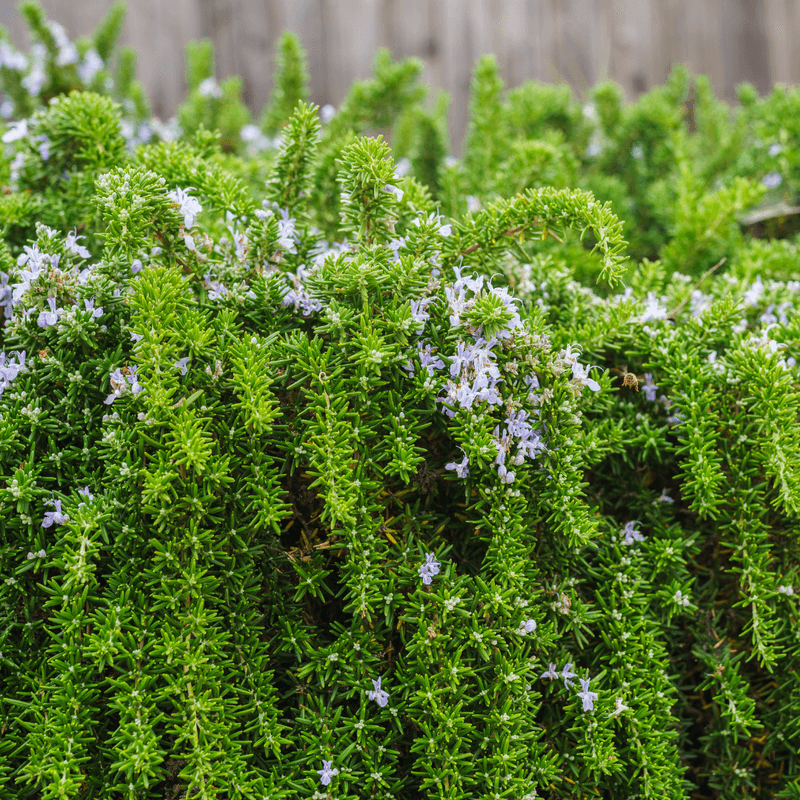
Rosemary has a long history in herb gardens, but the trailing variety brings something extra to the Arizona landscape – a graceful, cascading form that softens hard edges and adds texture to otherwise stark sunny spaces.
Its fine needle-like foliage stays evergreen year-round, and the small blue-purple flowers that appear in spring draw in bees and other pollinators with ease.
Trailing Rosemary is well-suited to the Arizona climate because it evolved in hot, dry Mediterranean conditions that closely mirror what the desert Southwest delivers every summer.
It handles intense afternoon sun, reflected heat from walls and pavement, and long stretches without rain once it is properly established.
Planting in May gives it time to settle in before the hottest weeks arrive.
In Arizona yards, Trailing Rosemary looks especially striking when allowed to spill over retaining walls, raised planters, or the edges of terraced garden beds. It can also be planted along pathways where brushing against it releases its familiar, pleasant fragrance.
Well-draining soil is important, as this plant does not tolerate soggy roots for extended periods.
Deep, infrequent watering suits Trailing Rosemary well during the establishment period, and once it takes hold, supplemental irrigation can be reduced significantly.
Pruning lightly after the blooming period helps maintain a tidy shape without stressing the plant.
Beyond its visual appeal, Trailing Rosemary doubles as a culinary herb, making it one of the most versatile and practical plants Arizona homeowners can add to a sunny outdoor space.
7. Yellow Bells Fill Arizona Yards With Golden Blooms
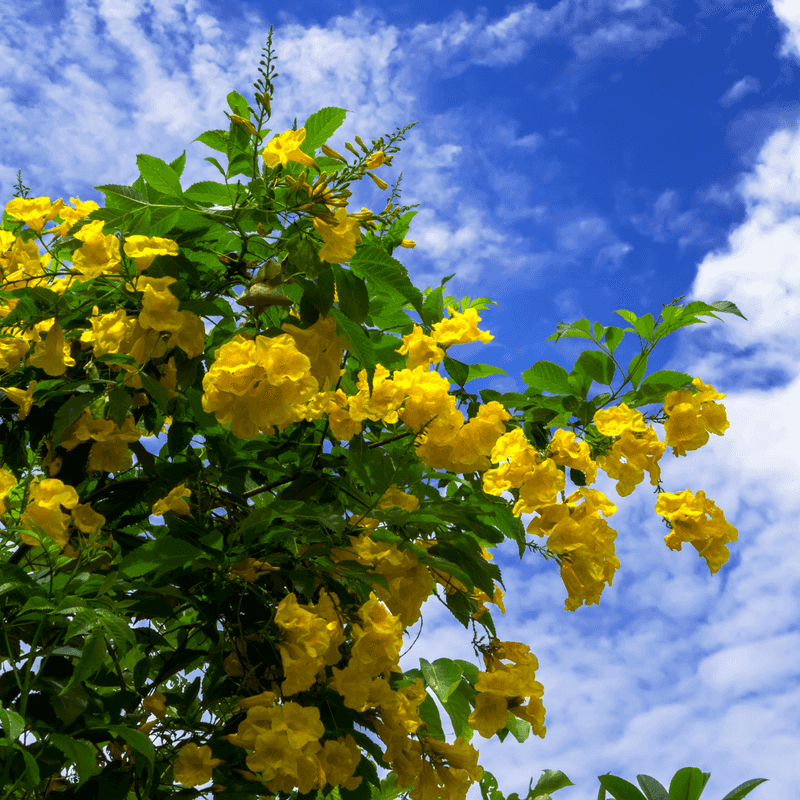
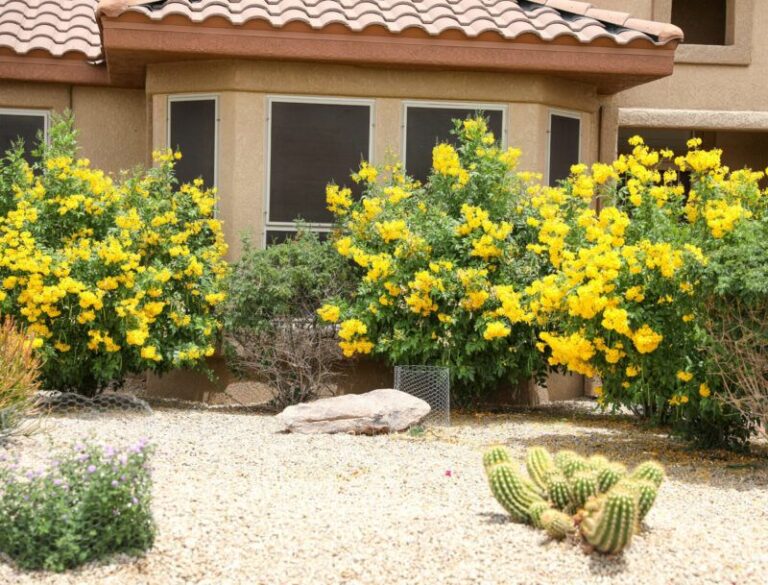
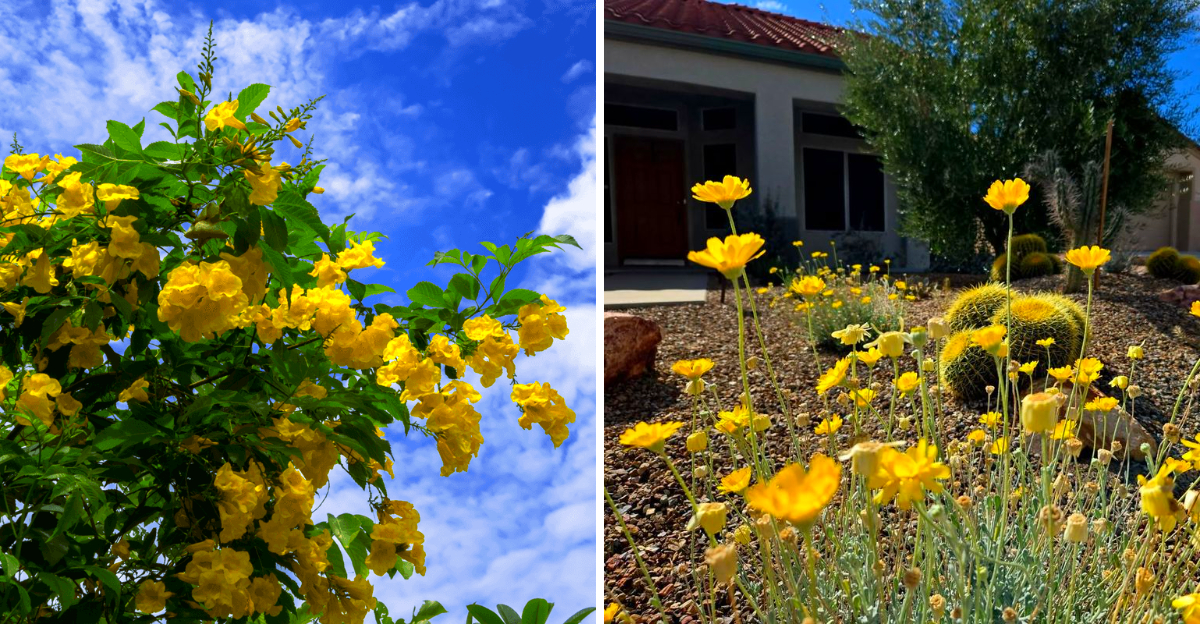
Bright trumpet-shaped flowers in a rich shade of golden yellow make Yellow Bells one of the most eye-catching shrubs in the Arizona landscape.
Known botanically as Tecoma stans, this fast-growing plant can reach six to eight feet tall under the right conditions, creating a bold, colorful focal point in front yards, along fences, or at the back of a garden bed.
Yellow Bells thrives in full sun and handles Arizona heat with ease. It is actually native to the broader desert Southwest and northern Mexico, which means it is well-adapted to the intense summer conditions that define the region.
Planting in May gives it a full growing season to establish strong roots and put on an impressive display before cooler weather arrives in fall.
Hummingbirds are particularly fond of Yellow Bells and will visit the tubular blooms repeatedly throughout summer. Planting it near a patio or seating area creates a natural viewing opportunity for anyone who enjoys watching wildlife.
The shrub also attracts bees and butterflies, making it a strong contributor to any Arizona pollinator garden.
Once established, Yellow Bells needs only occasional deep watering during dry periods and handles the monsoon season well without becoming waterlogged in properly draining soil.
Light pruning in late winter or early spring encourages fresh growth and heavier blooming during the warm months.
Its native roots, stunning visual presence, and wildlife value make Yellow Bells a standout choice for Arizona homeowners looking to add lasting summer color.