These 8 Hardy Perennials Thrive In Pots Year Round In North Carolina Gardens
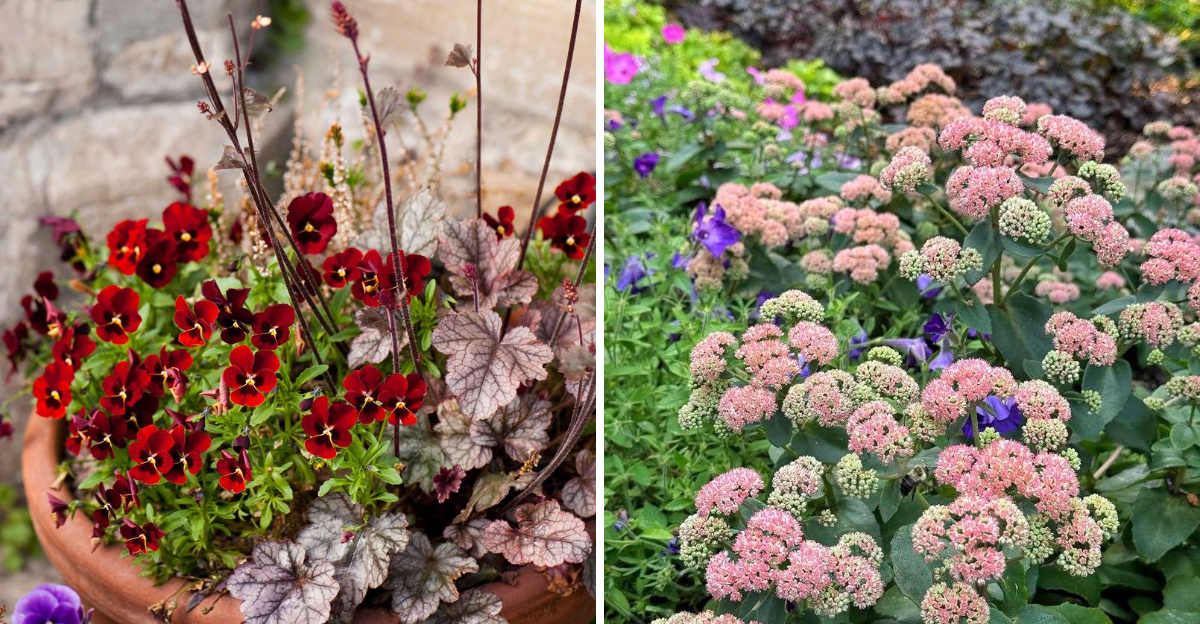
Growing perennials in containers is not always the first approach North Carolina gardeners consider, but it solves a surprising number of problems that in ground planting creates.
Difficult soil, limited space, drainage issues, and the need to move plants around for design or protection purposes all become easier when the right perennials are growing in pots.
The challenge has always been finding varieties that handle the confinement of a container without declining after a season or two.
North Carolina’s climate adds another layer, because container plants face more temperature extremes than those with the insulation of surrounding ground soil, and summers here push heat stress in ways that eliminate less resilient options quickly.
The eight perennials on this list were chosen because they genuinely hold up in containers across multiple seasons in North Carolina conditions.
They come back reliably, perform well above ground level, and bring enough visual interest to earn their space on a patio, porch, or garden border year after year.
1. Foamflower (Tiarella cordifolia)
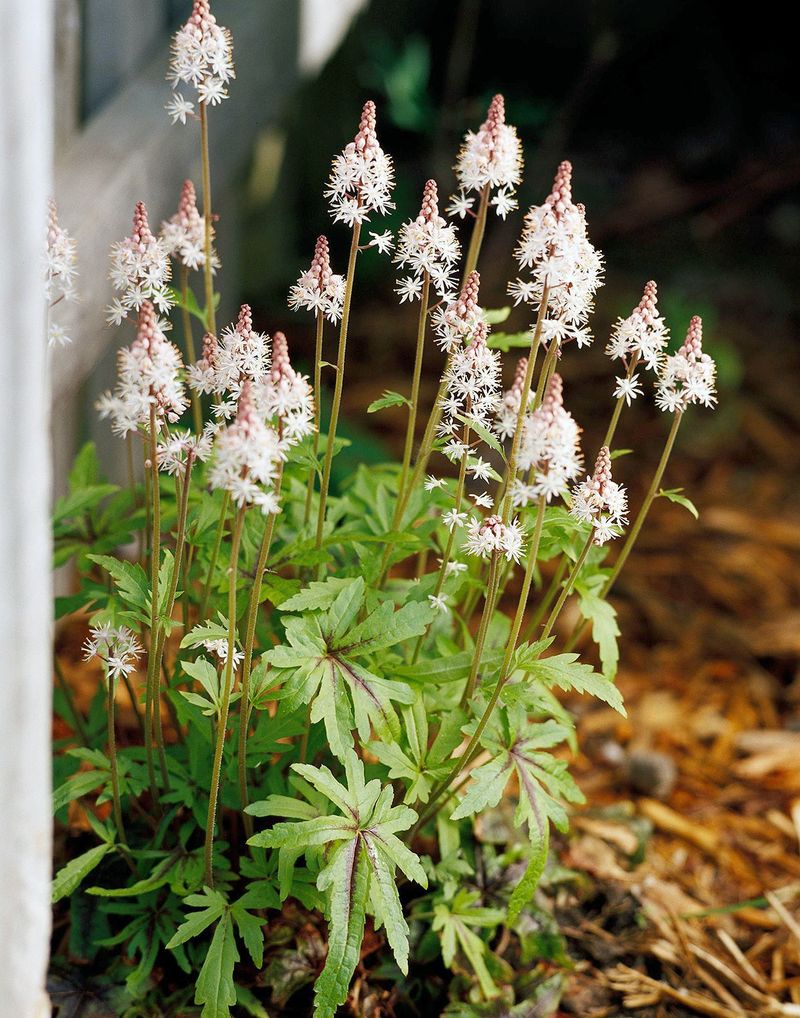
Foamflower is one of those plants that makes you stop and stare. Its soft, feathery white flower spikes rise above deeply lobed leaves in spring, creating a look that feels straight out of a fairy tale.
The best part is that it is native to North Carolina, so it already knows how to handle the local climate without much fuss from you. For shaded containers, foamflower is a standout choice.
It loves consistent moisture but demands good drainage, so always choose a pot with holes at the bottom and a quality potting mix that does not compact over time.
Pair it with coral bells or ferns for a lush, woodland-inspired container display that works beautifully on a covered porch or shaded deck anywhere in the state.
Unlike tender annuals that need replacing every season, foamflower handles North Carolina winters outdoors without much protection.
Once temperatures drop, the foliage often takes on reddish or bronze tones that add unexpected winter interest to your containers. When spring returns, fresh new growth emerges quickly and flowering begins again.
Divide clumps every two to three years to keep plants vigorous and to fill new pots with healthy divisions, making foamflower one of the most rewarding perennials you can grow in a container.
2. Green And Gold (Chrysogonum virginianum)
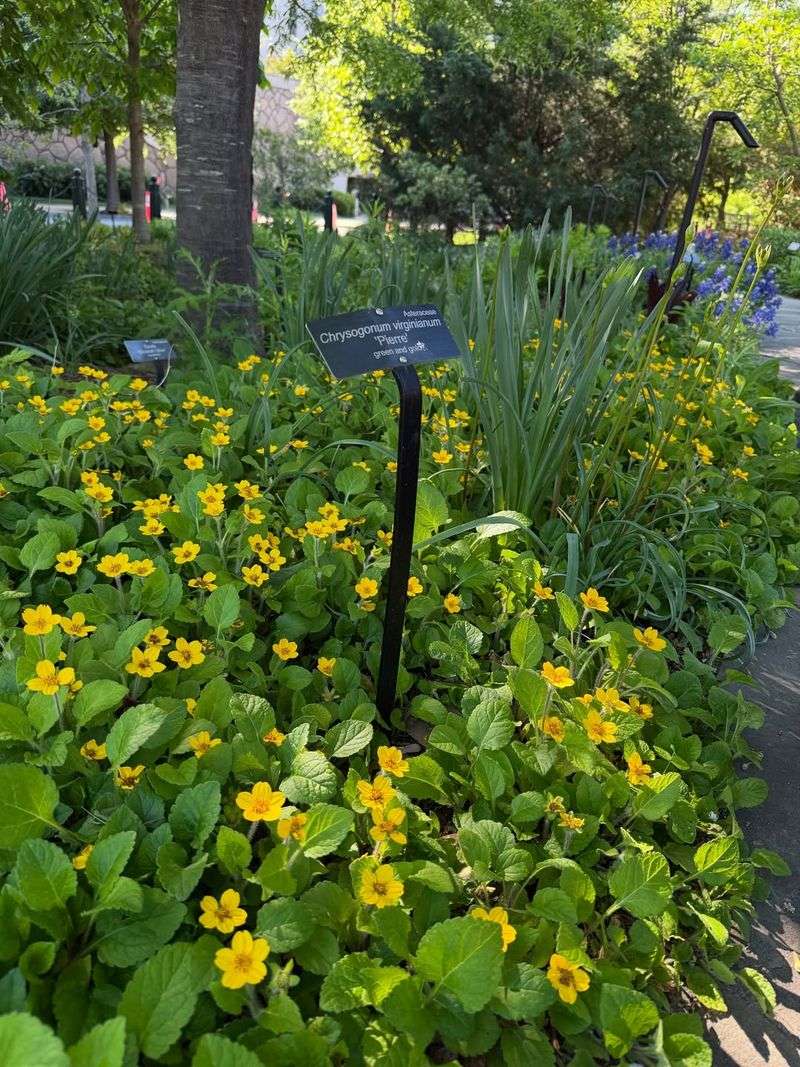
Bright yellow flowers and deep green leaves make green and gold one of the cheeriest native perennials you can grow in a North Carolina container.
This low-growing plant spreads gently and naturally spills over pot edges, creating a cascading effect that looks intentional and polished. It blooms most heavily in spring but often continues producing flowers well into summer.
Green and gold is native to the eastern United States, including North Carolina, which means it is already adapted to local soils, rainfall patterns, and temperatures. In containers, it prefers part shade and evenly moist, well-drained soil.
Avoid placing it in full afternoon sun during hot summers, as the leaves can scorch in intense heat, especially in the Piedmont and coastal regions of the state.
Your North Carolina Garden Changes Every Week. Your Plan Should Too.
Gardening in North Carolina changes quickly throughout the season. Every Friday you’ll receive a simple weekly plan showing exactly what to plant, prune, fertilize, harvest, and protect so you never miss the right timing.
One of the best things about growing green and gold in pots is how easy it is to care for. It does not need frequent feeding or complicated pruning routines.
Simply trim back any straggly stems in late winter to encourage fresh, tidy growth in spring. Watering consistently during dry spells keeps it looking its best.
Over time, plants fill their pots nicely and can be divided to create new containers, making this cheerful native an excellent long-term investment for any North Carolina porch or patio garden.
3. Coral Bells (Heuchera spp.)
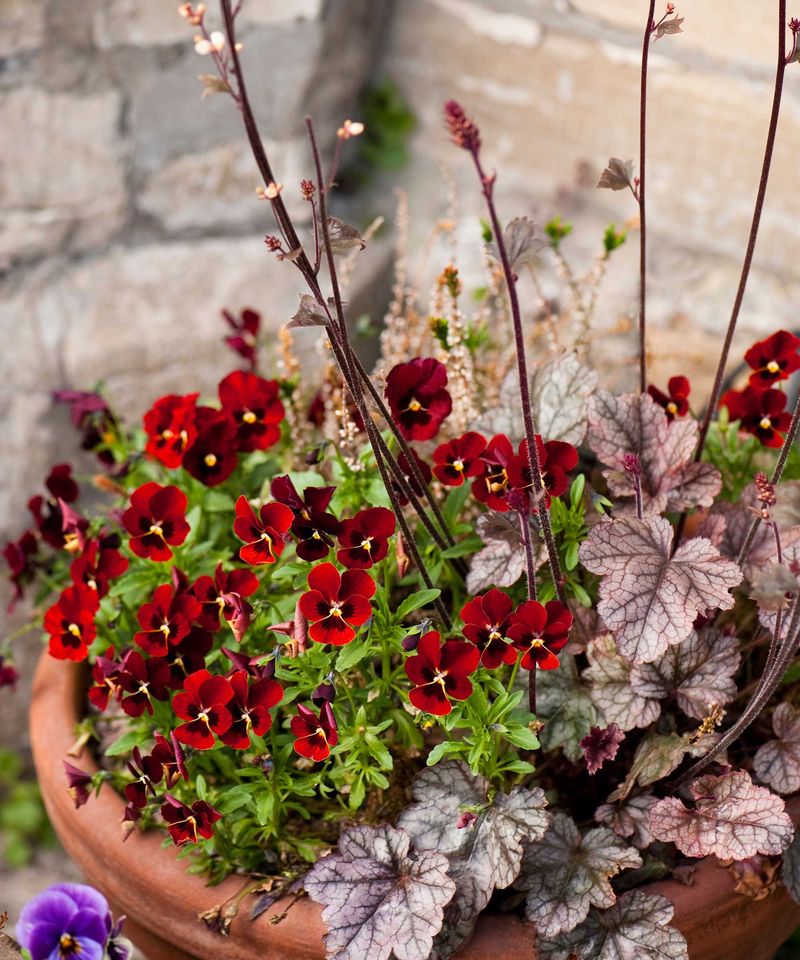
Few plants pack as much visual punch as coral bells, and North Carolina gardeners have figured that out.
The foliage alone comes in an almost unbelievable range of colors, from deep burgundy and bronze to lime green and soft caramel.
You can mix and match varieties in a single pot for a look that rivals any flower arrangement.
Heucheras thrive in part shade, making them perfect for porches, patios, and spots under trees where other plants struggle.
In North Carolina, many varieties stay evergreen or semi-evergreen through mild winters, giving you color even in January and February.
Use a well-drained potting mix and make sure your container has drainage holes, because soggy roots are the one thing coral bells truly cannot handle.
Native and hybrid heucheras both perform well in containers across the state. Water regularly during summer heat, but ease off during cooler months to avoid overwatering.
Feeding once a month with a balanced liquid fertilizer during spring and summer keeps the foliage looking vibrant and full.
Refreshing the top layer of potting mix each spring gives the roots a boost and helps the plant stay healthy for many years in the same container.
4. Wild Columbine (Aquilegia canadensis)
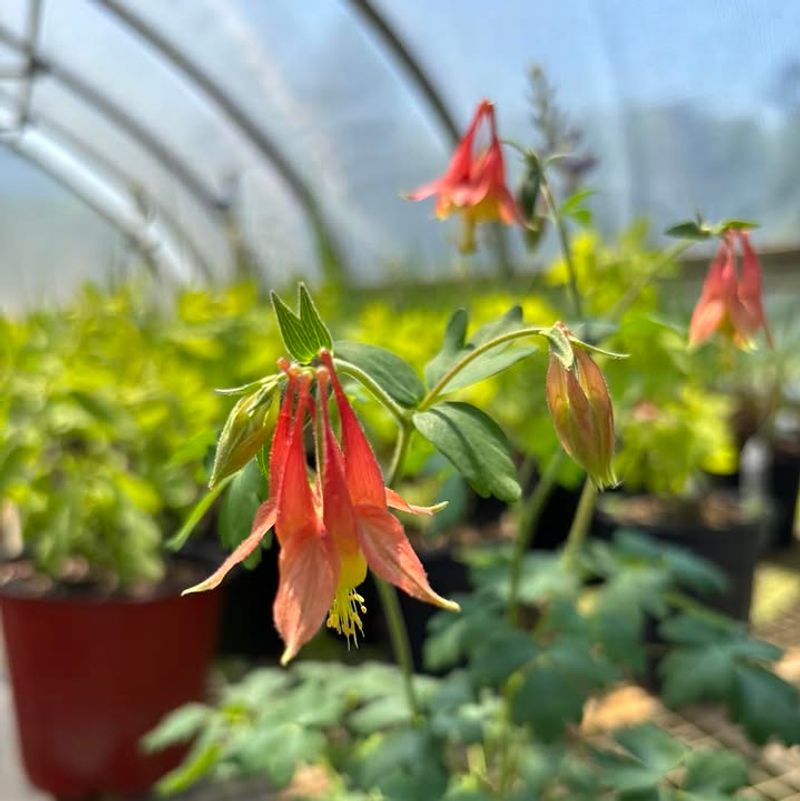
There is something magical about wild columbine. The nodding red and yellow flowers look like tiny lanterns hanging from slender stems, and hummingbirds absolutely love them.
Aquilegia canadensis is native to North Carolina, and it brings a natural, woodland charm to container gardens that is hard to replicate with any other plant.
Wild columbine grows well in containers with part sun to part shade, making it versatile enough to work on east-facing porches or under the canopy of a shade tree.
Spring is its big moment, when it produces its signature blooms for several weeks before the heat of summer sets in.
After flowering, the attractive blue-green foliage remains and stays interesting through the rest of the growing season. Drainage is the most critical factor when growing wild columbine in pots.
It absolutely does not tolerate constantly wet soil, so always use a well-drained potting mix and containers with good drainage holes.
In North Carolina, where summer rain can be heavy, raising pots slightly off the ground helps prevent waterlogging.
Wild columbine may lightly self-seed into nearby containers or garden beds, which is a pleasant surprise that gives you new plants for free.
Removing spent flowers can reduce self-seeding if you prefer to keep things tidy and controlled.
5. Blue-Eyed Grass (Sisyrinchium angustifolium)
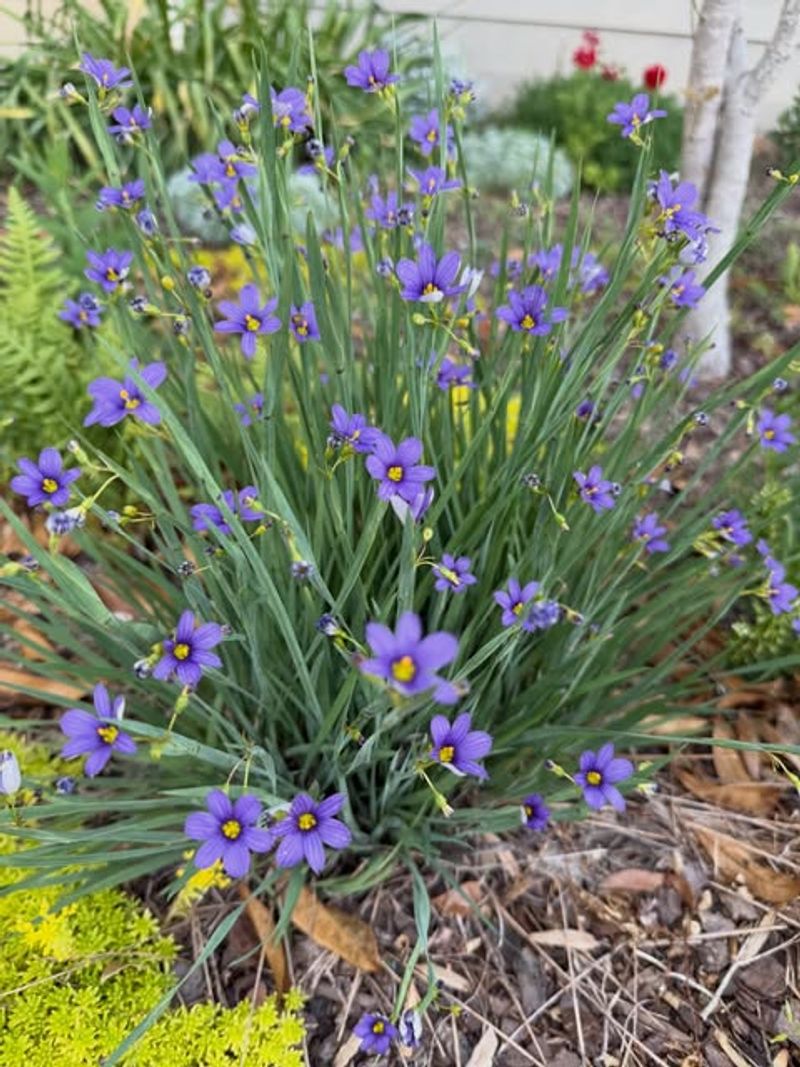
Do not let the name fool you. Blue-eyed grass is not actually a grass at all but a member of the iris family, and its tiny blue-purple flowers with bright yellow centers are absolutely charming.
This native perennial is perfectly sized for smaller pots and window boxes, making it a smart choice for balconies, steps, and tight spaces in North Carolina gardens.
Blooming from spring into early summer, blue-eyed grass produces a cheerful flush of color right when gardens need it most.
The slender, grass-like foliage looks tidy and neat even when the plant is not in bloom, so it earns its place in a container all season long.
Plant it in full sun to part sun for the best flowering performance, and pair it with other compact natives for a cohesive, low-maintenance display. Well-drained soil is a must for blue-eyed grass in containers.
It naturally grows in moist meadows and along stream banks across North Carolina, but in a pot, excess moisture around the roots can cause problems.
A gritty, well-draining potting mix works well. Water regularly during dry spells in summer but avoid letting the pot sit in standing water.
Plants are reliably cold-hardy across most of North Carolina and will return each spring looking fresh and ready to bloom again without any extra coaxing.
6. Creeping Phlox (Phlox subulata)
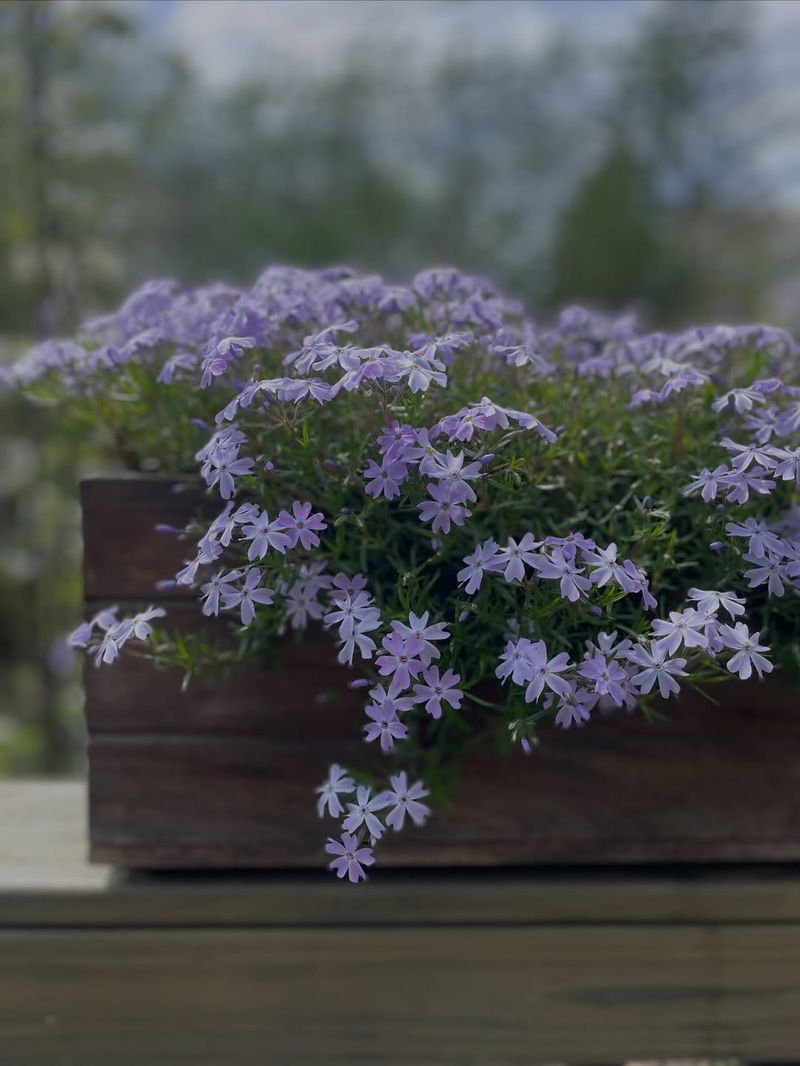
When creeping phlox blooms in spring, it puts on one of the most spectacular shows in the gardening world.
The plant practically disappears under a carpet of pink, purple, or white flowers that spill over pot edges like a colorful waterfall.
North Carolina gardeners who grow it in sunny containers get front-row seats to that breathtaking spring display every year.
Native to the eastern United States and widely grown across North Carolina, creeping phlox is a tough, low-growing perennial that forms a dense, evergreen mat.
It thrives in full sun and demands sharp drainage, especially during wet winter months.
Planting it in a raised container with a gritty potting mix is one of the best ways to give it exactly the conditions it craves without fighting your native soil.
After the spring bloom fades, the compact evergreen foliage remains attractive through summer, fall, and winter, giving the container year-round structure and texture.
A light trim after flowering encourages denser growth and keeps the plant looking tidy heading into summer.
Avoid overwatering, particularly during fall and winter in North Carolina, when cool temperatures slow the plant down and wet soil can damage roots.
Feed once in early spring with a slow-release fertilizer to fuel that incredible flower show and keep the plant strong for the season ahead.
7. Little Bluestem (Schizachyrium scoparium)
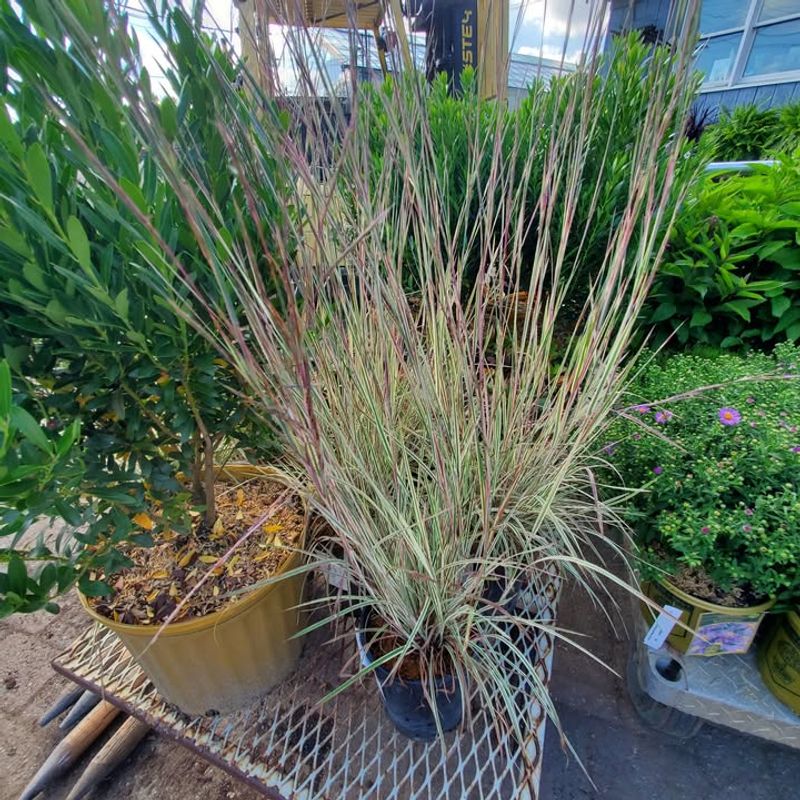
Little bluestem is a North Carolina native that gets better looking as the seasons change.
Starting the year with blue-green upright blades, it transitions to stunning shades of copper, orange, and red by fall, and the fluffy silver seed heads that follow add texture and movement that few other container plants can match.
It is truly a four-season performer. As a warm-season grass, little bluestem grows most actively from late spring through summer and hits its visual peak in autumn.
Full sun is non-negotiable for this plant, and lean, well-drained soil keeps it thriving. Rich, overly fertile potting mixes can actually cause the stems to flop, so resist the urge to overfeed and choose a leaner mix designed for ornamental grasses or succulents.
Container size matters more with little bluestem than with most perennials on this list. Mature clumps develop a substantial root system, so choose a deep pot at least twelve to fourteen inches deep to give the roots room to anchor properly.
In North Carolina, established plants in large containers overwinter reliably without any special protection.
Cut the old stems back to about four to six inches in late winter before new growth begins, and the plant will reward you with a fresh flush of those beautiful blue-green blades right on schedule every spring.
8. Sedum (Hylotelephium spp.)
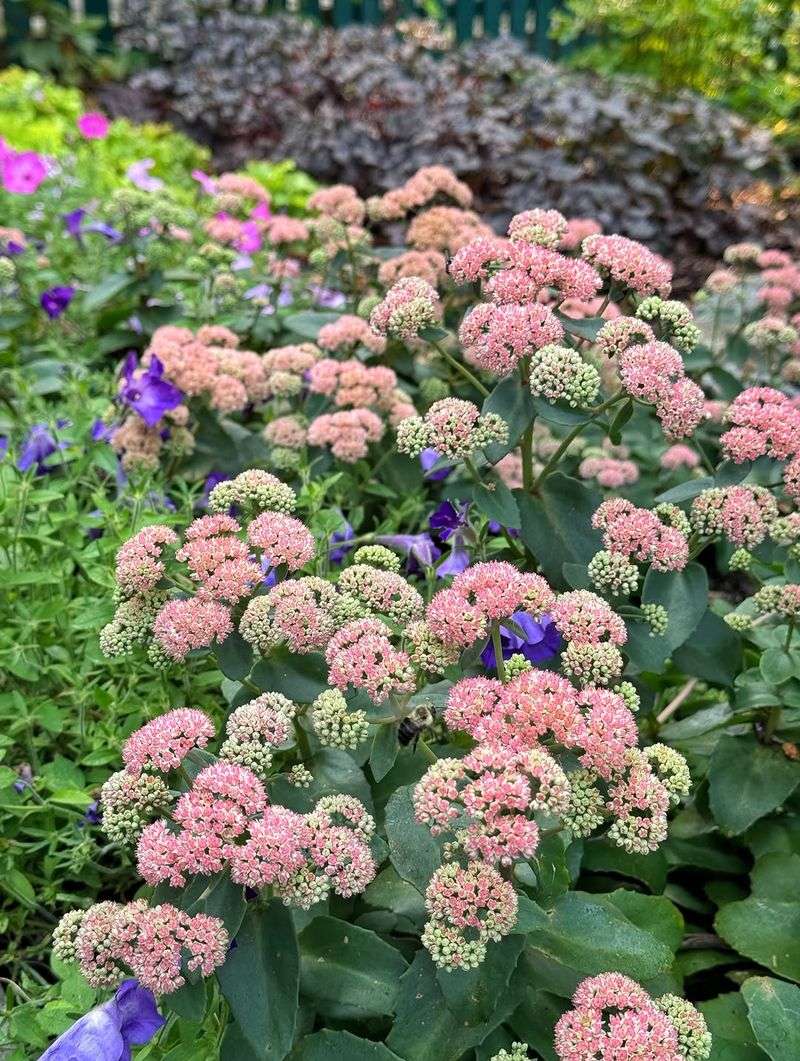
Sedum is the plant that thrives on a little neglect, and that makes it a favorite among busy North Carolina gardeners who want beautiful containers without constant upkeep.
The thick, fleshy leaves store water efficiently, so the plant handles summer heat and dry spells with impressive resilience.
By late summer and early fall, clusters of pink, mauve, or white flowers draw butterflies and pollinators to your patio or porch.
Hylotelephium varieties, commonly sold as upright sedums or stonecrop, are not native to North America but have proven themselves to be reliable, well-behaved performers in North Carolina containers for decades.
They prefer full sun and excellent drainage above all else. A sandy or gritty potting mix helps prevent the root rot that can occur when soil stays wet for too long, especially during the state’s humid summers.
Winter drainage is the single most important factor for keeping sedum healthy in pots through the colder months.
Even in mild North Carolina winters, prolonged wet soil around dormant roots causes far more damage than cold temperatures alone.
Elevating pots on pot feet improves drainage dramatically and keeps plants healthy through winter.
Come spring, fresh new growth emerges from the base, and the plant builds steadily toward its spectacular fall flower show.
Divide large clumps every three years to rejuvenate plants and create new pots effortlessly.