What To Plant In April In Western North Carolina Vegetable Gardens
April in Western North Carolina can make a gardener feel like a kid turned loose in a candy store. The garden centers are full, the seed packets look tempting, and every warm afternoon starts whispering that it is finally time to get growing.
Of course, mountain weather likes to keep people humble, so this is not the month to plant just anything on a whim and hope for the best. Some vegetables are ready to roll, while others still need a little patience depending on your elevation and last frost date.
That is what makes April such an important month in this part of the state. A smart start now can save you from a lot of disappointment later.
Some crops are ready to jump right in, and a few might be better than many gardeners in the region realize.
1. Lettuce For Fast Fresh Spring Harvests
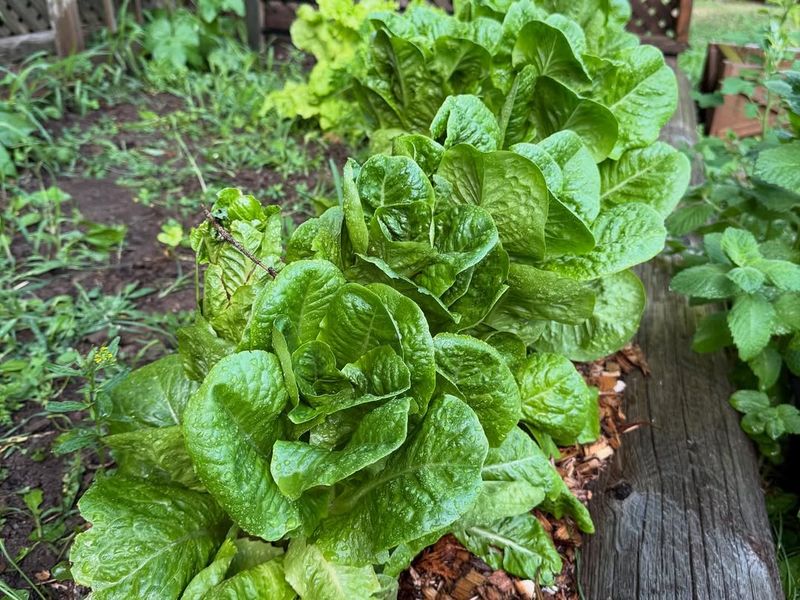
Crisp, colorful, and surprisingly easy to grow, lettuce is one of the best crops you can put in the ground during April in Western North Carolina. The mountain climate this time of year is practically made for lettuce, with cool nights and mild days creating ideal growing conditions.
You can direct sow seeds right into your garden beds as soon as early April without much worry.
Lettuce prefers loose, well-drained soil with plenty of organic matter mixed in. Adding compost before planting gives the roots a healthy start and helps the soil hold just enough moisture without getting waterlogged.
Spacing rows about 12 inches apart gives each plant room to spread out and develop fully.
One of the great things about growing lettuce in this region is that it can handle a light frost, which is still possible in the WNC mountains during early April. Row covers or cold frames can protect young seedlings on especially chilly nights.
Planting in a spot with morning sun and some afternoon shade also helps prevent the leaves from getting bitter too quickly.
There are so many varieties to choose from, including butterhead, romaine, loose-leaf, and crisphead types. Planting a mix of varieties adds color and texture to your garden and your salad bowl.
Most lettuce varieties are ready to harvest in about 45 to 60 days, meaning you could be enjoying fresh salads by late May or early June right here in the mountains of Western North Carolina.
2. Beets That Thrive In Cool April Soil
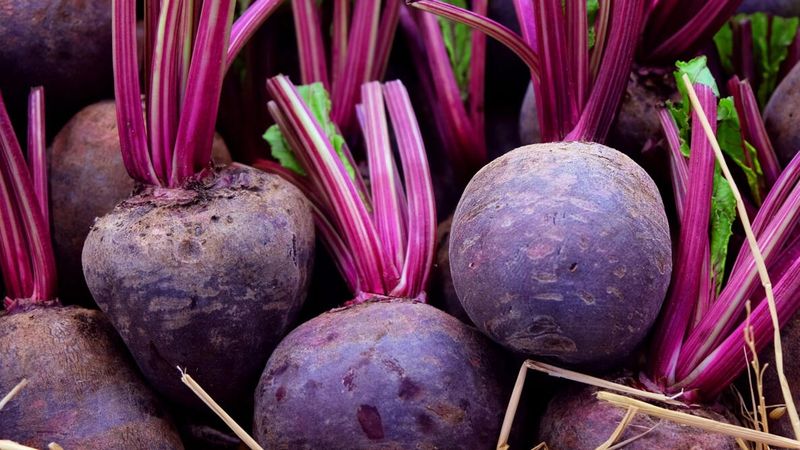
Beets are one of those vegetables that pull double duty in the garden because you can eat both the roots and the leafy greens on top. April in Western North Carolina is a prime time to direct sow beet seeds into the ground, as they prefer cool soil temperatures between 50 and 65 degrees Fahrenheit.
The mountain region offers exactly that kind of weather throughout much of the month.
Before planting, loosen the soil to at least 12 inches deep so the roots have room to grow downward without hitting compacted ground. Beets do best in well-drained, slightly sandy soil with a pH between 6.0 and 7.0.
Your North Carolina Garden Changes Every Week. Your Plan Should Too.
Gardening in North Carolina changes quickly throughout the season. Every Friday you’ll receive a simple weekly plan showing exactly what to plant, prune, fertilize, harvest, and protect so you never miss the right timing.
Working in a little compost at planting time gives them the nutrients they need to develop those beautiful, round roots.
Sow seeds about half an inch deep and one inch apart in rows spaced around 12 inches. Because beet seeds are actually clusters of multiple seeds, you will likely need to thin seedlings once they are a few inches tall.
Thinning to about three to four inches between plants allows each beet enough space to develop properly.
Did you know beets were used as a natural dye for centuries before they became popular as food? Today, varieties like Detroit Dark Red, Chioggia, and Golden Beet are favorites among WNC gardeners.
Most beets mature in 55 to 70 days, making an April planting perfect for a June harvest right in the heart of Western North Carolina.
3. Carrots For Sweet Early Season Roots
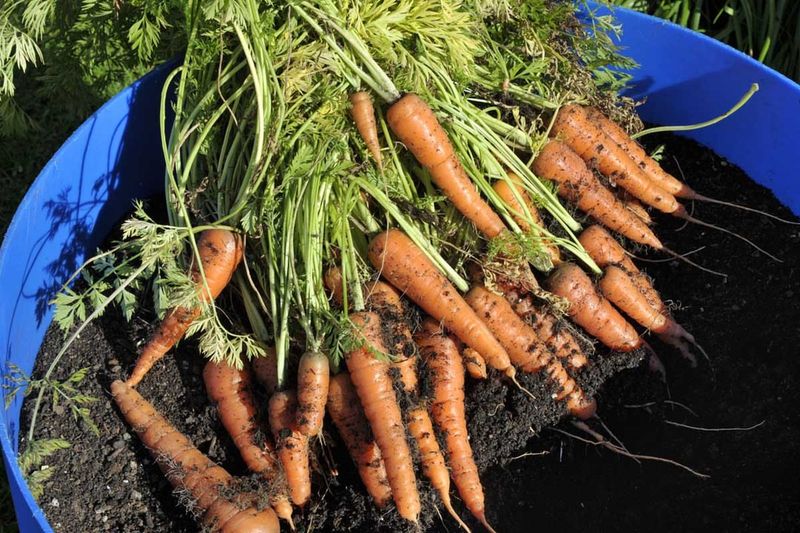
Growing carrots in Western North Carolina takes a little patience, but the reward of pulling a sweet, crunchy carrot straight from the earth is absolutely worth it. April is the perfect month to direct sow carrot seeds because the soil is starting to warm while still holding that cool moisture that carrots love.
Soil temperature between 45 and 85 degrees Fahrenheit works well for germination.
Loose, deep, and rock-free soil is the key to growing straight, full-sized carrots. If your garden soil is heavy clay, which is common in parts of WNC, consider building raised beds or amending with sand and compost to improve drainage and texture.
Rocks and hard soil clumps cause carrots to fork or grow in odd shapes, so taking time to prepare the bed pays off in the end.
Sow seeds about a quarter inch deep and two inches apart in rows spaced 12 inches apart. Carrot seeds are tiny, so mixing them with a little sand before sowing helps spread them more evenly.
Keep the soil consistently moist during germination, which can take 10 to 21 days depending on soil temperature and moisture levels.
Once seedlings are about two inches tall, thin them to about three inches apart so the roots have room to grow. Varieties like Nantes, Danvers, and Chantenay do especially well in mountain gardens.
With about 70 to 80 days to maturity, an April planting in Western North Carolina typically leads to a delicious early summer harvest full of sweet, garden-fresh flavor.
4. Radishes Ready In Just Weeks
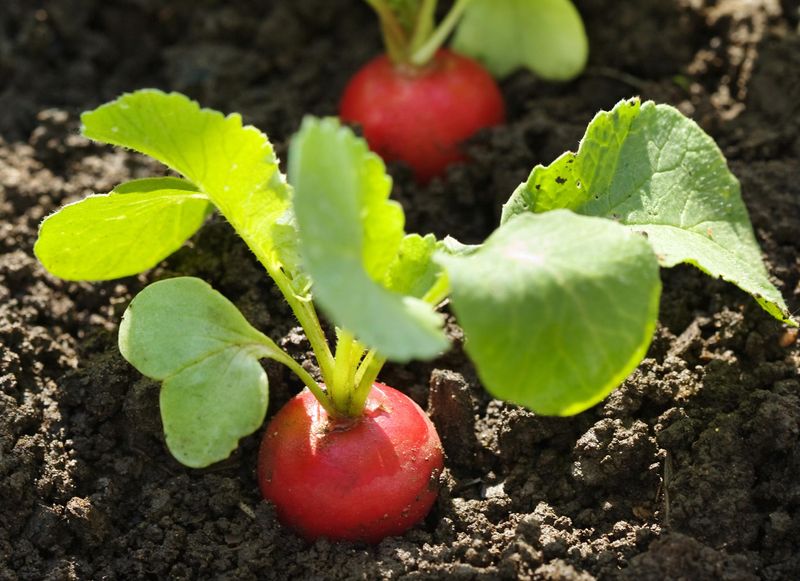
For gardeners who want fast results, radishes are practically magic. These quick-growing root vegetables can go from seed to harvest in as little as 22 to 30 days, making them one of the most satisfying crops to grow in April in Western North Carolina.
They love cool weather and can handle a light frost, which makes early spring in the mountains an ideal time to get them going.
Radishes are often called a beginner-friendly crop because they require very little maintenance. Direct sow seeds about half an inch deep and one inch apart in rows spaced six to eight inches.
They are not picky about soil, though they do prefer well-drained ground with some organic matter to support quick root development. Avoid over-fertilizing with nitrogen, as that encourages leafy growth instead of the roots you actually want to eat.
One clever trick experienced WNC gardeners use is planting radishes alongside slower-growing vegetables like carrots or beets. The radishes sprout quickly, mark the rows, and loosen the soil as they grow.
By the time you harvest the radishes, the slower crops are just getting established and can fill in the space perfectly.
Cherry Belle, Easter Egg, and French Breakfast are popular varieties well-suited for spring planting in the mountains. Radishes also make great companion plants because they help repel certain garden pests naturally.
With multiple succession plantings every two weeks throughout April, you can enjoy a continuous harvest all through spring in Western North Carolina without much effort at all.
5. Spinach Packed With Early Spring Flavor
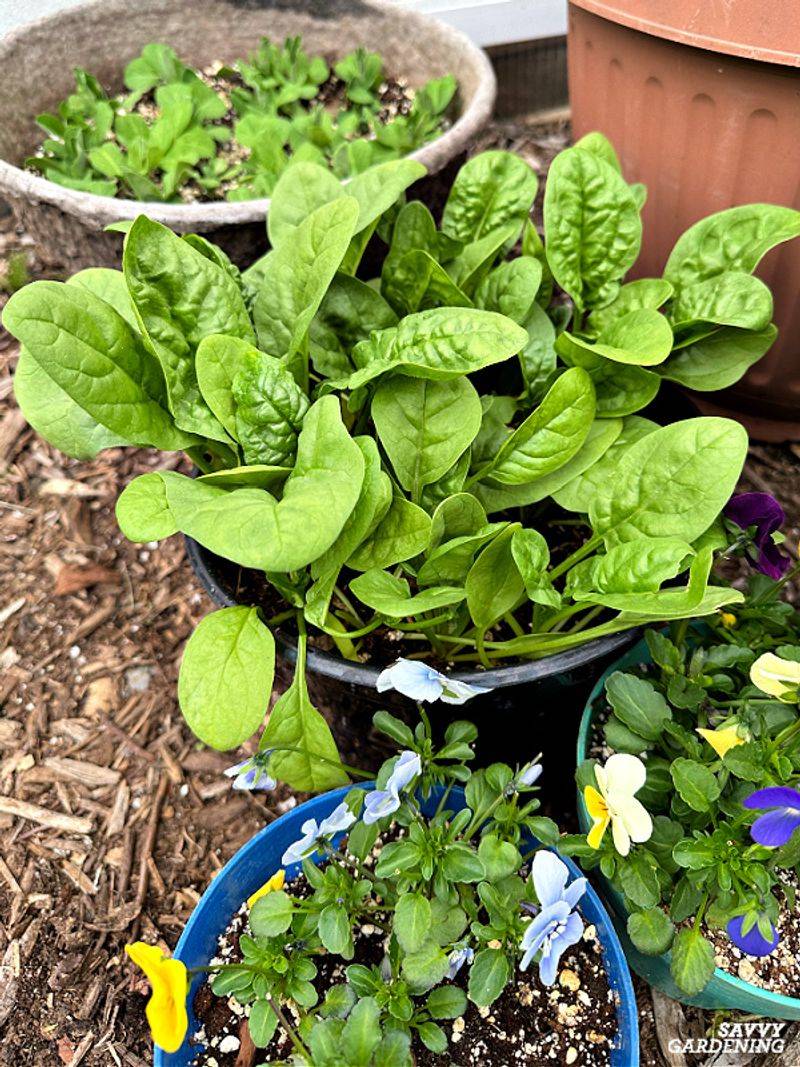
Packed with iron, vitamins, and flavor, spinach is one of the most nutritious vegetables you can grow in your Western North Carolina garden this April. Cool-season crops like spinach thrive when daytime temperatures stay between 35 and 75 degrees Fahrenheit, which is pretty much exactly what the WNC mountains deliver throughout much of April.
It is one of those crops that almost seems designed for spring mountain gardening.
Sow spinach seeds directly into the ground about half an inch deep and two inches apart. As seedlings grow, thin them to about four to six inches apart so each plant has space to produce large, healthy leaves.
Spinach prefers slightly acidic to neutral soil with a pH between 6.5 and 7.0 and responds well to a balanced fertilizer or compost worked in before planting.
One thing to watch for in Western North Carolina is a late cold snap. While spinach can handle frost and even snow, young seedlings benefit from a light row cover on nights when temperatures dip below 28 degrees Fahrenheit.
Keeping the soil consistently moist but not soggy is also key to producing tender, flavorful leaves rather than tough or bitter ones.
Savoy, Bloomsdale, and Space are all reliable spinach varieties for mountain gardens. Spinach bolts quickly once summer heat arrives, so April planting gives you a solid window of harvest time before the weather warms too much.
Expect to start harvesting outer leaves in about 40 to 50 days, giving you plenty of fresh greens to enjoy right here in the mountains of WNC.
6. Kale That Keeps Producing Into Summer
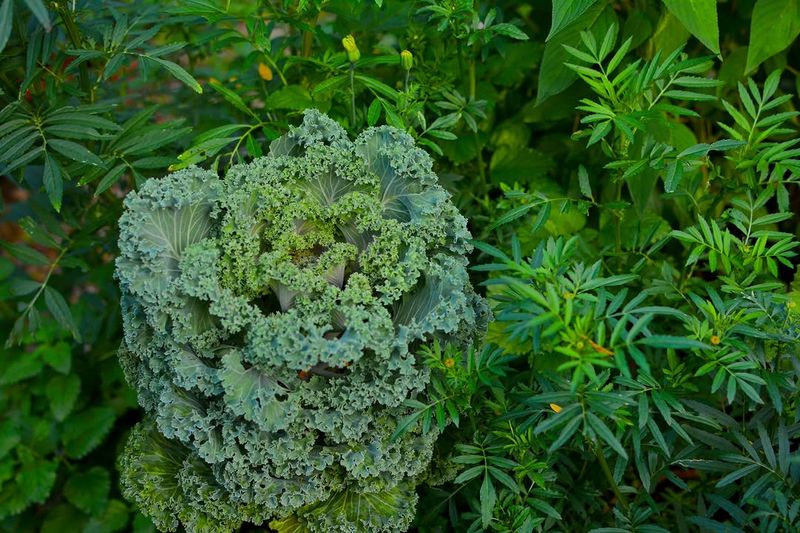
In Western North Carolina, April is an excellent time to transplant started seedlings or direct sow kale seeds into garden beds, as the crop absolutely thrives in cool mountain temperatures. Unlike many other vegetables, kale actually tastes sweeter after a light frost, making the WNC spring climate a genuine advantage.
Start seeds indoors about four to six weeks before your planned outdoor planting date, or direct sow them a quarter to half inch deep in early April. Kale prefers rich, well-drained soil with a pH between 6.0 and 7.5.
Working in compost or a balanced vegetable fertilizer before planting helps produce those big, lush leaves that make kale so productive and satisfying to harvest.
Space transplants or thin seedlings to about 18 inches apart so each plant has plenty of room to grow wide. Kale is a heavy feeder, so side-dressing with compost or a nitrogen-rich fertilizer a few weeks after transplanting keeps the plants producing steadily.
Watering consistently, especially during dry spells in the WNC mountains, keeps the leaves tender and prevents them from becoming overly tough.
Curly kale, Lacinato (also called dinosaur kale), and Red Russian are all popular choices among Western North Carolina gardeners. Kale is also a great cut-and-come-again crop, meaning you can harvest outer leaves regularly and the plant keeps producing all season long.
With the right care, a single kale plant can feed your family fresh greens from spring well into winter.
7. Cabbage Built For Cool Weather Growth
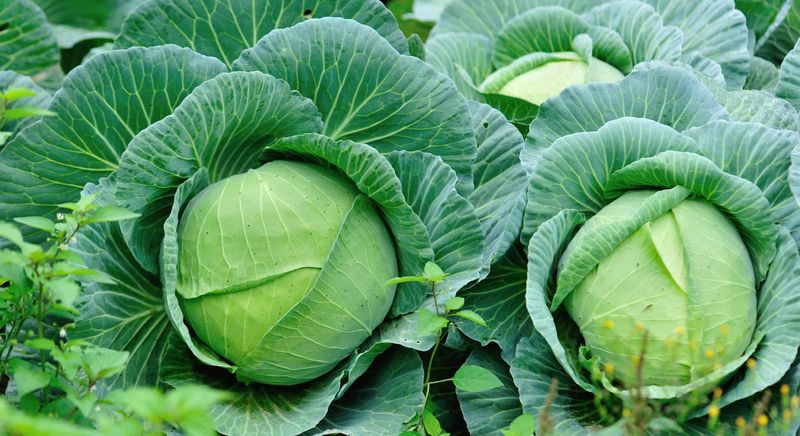
There is something wonderfully old-fashioned about growing cabbage in a mountain garden. Generations of Appalachian families in Western North Carolina have relied on cabbage as a garden staple, and it remains one of the most rewarding cool-season crops to plant in April.
Cabbage is a heavy producer, cold-tolerant, and incredibly versatile in the kitchen, from fresh coleslaw to fermented sauerkraut.
April is an ideal month to transplant cabbage seedlings started indoors four to six weeks earlier, or you can purchase transplants from a local nursery. Cabbage prefers fertile, well-drained soil with a pH between 6.0 and 6.8.
Mixing in compost or aged manure before planting gives the plants the nutrients they need to form those tight, full heads everyone loves to harvest.
Space plants about 18 to 24 inches apart in rows two to three feet apart. Cabbage is a big plant and needs room to spread.
Keep the soil consistently moist because uneven watering can cause heads to crack before harvest. Mulching around the base of each plant helps retain moisture, regulate soil temperature, and reduce competition from weeds throughout the growing season in WNC.
Watch for cabbage worms and aphids, which are common pests in the region. Row covers installed early in the season can prevent many of these problems without the need for chemical sprays.
Early Jersey Wakefield, Golden Acre, and Savoy Ace are all excellent varieties for Western North Carolina. Most spring-planted cabbage matures in 70 to 90 days, setting you up for a satisfying early summer harvest.
8. Potatoes To Get In Before The Heat Arrives
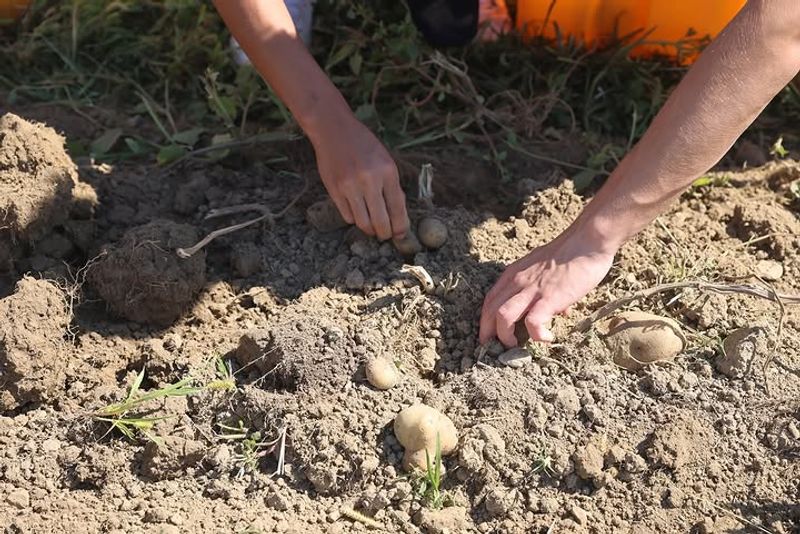
Few crops deliver the same sense of treasure-hunt excitement as digging up potatoes at harvest time. In Western North Carolina, early to mid-April is the sweet spot for planting seed potatoes, as soil temperatures are rising and the risk of a hard freeze is decreasing.
Potatoes are a mountain garden classic, and the well-drained, slightly acidic soils common in WNC are genuinely well-suited for growing them.
Start with certified disease-free seed potatoes from a garden center or reputable seed supplier. Cut larger seed potatoes into pieces, each with at least one or two eyes, and let the cut surfaces dry for a day or two before planting.
This helps prevent rot in the soil. Plant pieces about four inches deep and 12 inches apart in rows spaced two to three feet apart for the best results.
Hilling is one of the most important practices for growing potatoes in Western North Carolina. As the plants grow and reach about eight inches tall, mound soil up around the base of the stems to encourage more tuber development and protect forming potatoes from sunlight exposure.
Repeat hilling every few weeks throughout the growing season to keep yields high and potatoes from turning green.
Yukon Gold, Kennebec, Red Norland, and Fingerling varieties are all popular choices among WNC gardeners for their flavor and reliability. Potatoes are typically ready to harvest in 70 to 120 days depending on the variety.
Planting in April means you could be digging up a beautiful crop of fresh potatoes right here in the mountains of Western North Carolina by midsummer.