These Vegetables Actually Grow Better When You Plant Them Together In Michigan
Most gardeners plan their vegetable beds by spacing and sunlight without giving much thought to which plants end up growing next to each other. That approach works well enough, but it leaves real productivity on the table.
Certain vegetable combinations actively support each other in ways that show up in how well each plant grows, how much it produces, and how few pest and disease problems it runs into over the course of a Michigan summer. This is not gardening folklore.
The reasons these combinations work come down to soil chemistry, root behavior, canopy structure, and the insects each plant attracts or repels.
Michigan’s specific growing conditions, a relatively short season with warm summers and meaningful humidity, make some of these pairings especially valuable because every advantage you can build into a garden bed matters when you are working against a seasonal deadline.
These combinations are worth planning around before the next planting day because the results tend to show up clearly by midsummer.
1. Sweet Corn, Pole Beans, And Winter Squash (The Three Sisters)
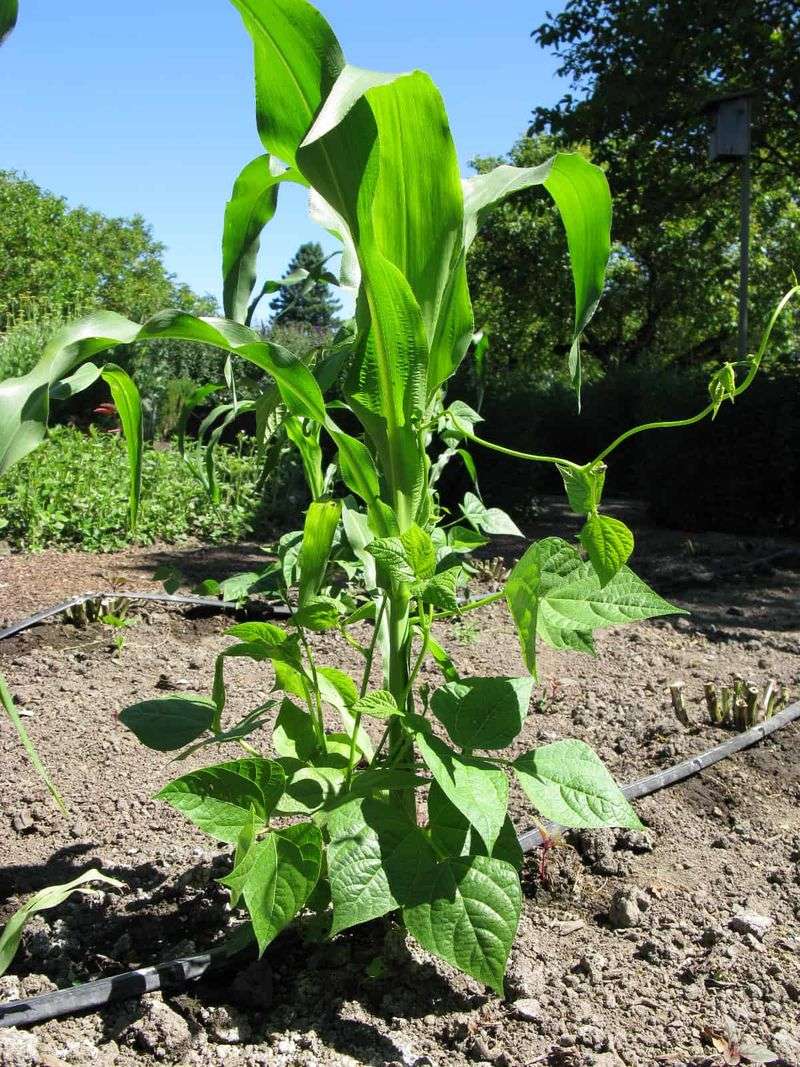
Native American farmers figured out something brilliant long before modern gardening books existed. They planted corn, beans, and squash together in a system now called the Three Sisters, and it works remarkably well in Michigan gardens today.
Each plant plays a specific role that benefits the others, making this one of the most clever combinations in all of vegetable gardening.
Corn grows tall and straight, giving pole beans a natural support to climb. The beans pull nitrogen from the air and slowly add it to the soil, which feeds the corn and squash over the growing season.
Squash spreads wide along the ground, shading the soil underneath and helping it hold onto moisture during Michigan’s warmer summer months.
Spacing matters a lot with this trio. Plant corn first and wait until it reaches about five inches tall before adding beans and squash nearby.
Michigan’s growing season is short, so getting the timing right keeps all three plants from crowding each other out. Give this combination plenty of room, at least a four-foot-wide bed, and you will be amazed at how productive it becomes.
This pairing rewards patient gardeners with a full harvest of three different vegetables from one well-planned space.
2. Tomatoes And Basil Growing Side By Side
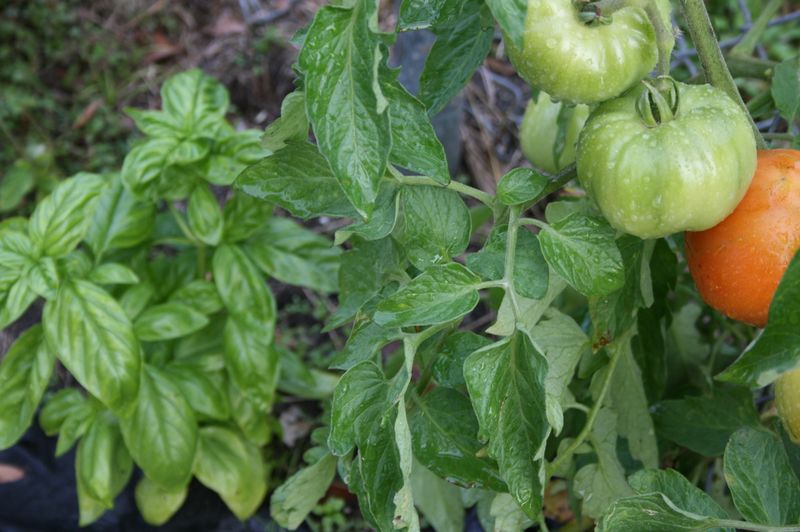
Walk through any Michigan farmers market in July and you will almost always find tomatoes and basil sold right next to each other. There is a reason for that beyond just cooking.
These two plants genuinely thrive when grown together in the garden, and Michigan’s warm summers give both of them exactly what they need to perform at their best.
Tomatoes and basil share very similar growing conditions. Both love full sun, warm temperatures, consistent watering, and well-drained soil.
Planting basil at the base of your tomato plants does not compete for nutrients in any serious way, and it fills in the space around the stems beautifully.
Some gardeners believe basil may help deter certain insects, though the biggest benefit is simply how efficiently they share the same garden space.
Your Michigan Garden Changes Every Week. Your Plan Should Too.
Gardening in Michigan changes quickly throughout the season. Every Friday you’ll receive a simple weekly plan showing exactly what to plant, prune, fertilize, harvest, and protect so you never miss the right timing.
In Michigan raised beds, where space is often limited, this combination is especially useful. You get two harvests from one compact area without either plant suffering.
Basil also matures quickly, so you can start picking fresh leaves while your tomatoes are still growing and ripening. Plant them together after Michigan’s last frost, usually around mid-May, and keep both well-watered throughout the season.
By late summer, your raised bed will be producing some of the best ingredients for a fresh homemade sauce you have ever tasted.
3. Carrots And Onions In The Same Row
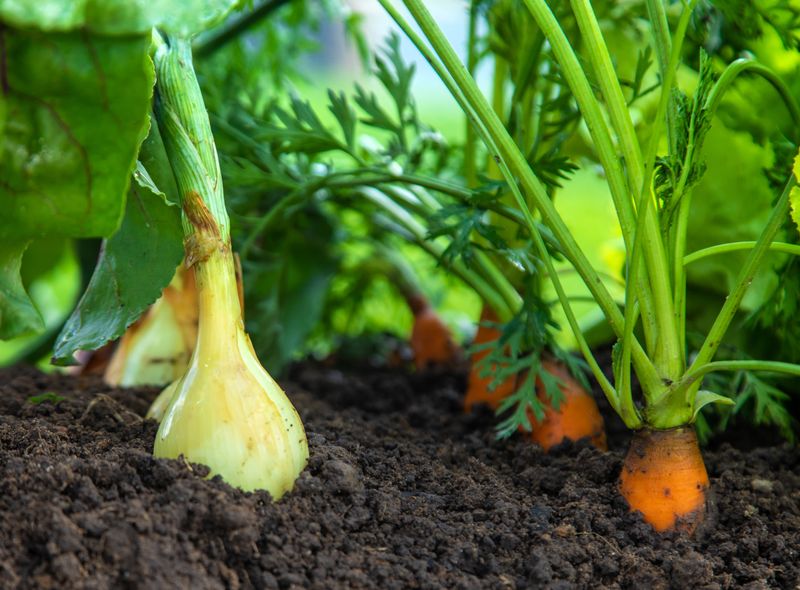
Carrots and onions might seem like an odd pairing at first glance, but Michigan gardeners with limited space have been using this combination for years. The secret is in how differently these two vegetables grow underground.
Carrots send long roots deep into the soil while onions stay relatively shallow, which means they are not fighting over the same nutrients or water at all.
Because their root systems work at different depths, you can plant them much closer together than you might expect. This is a huge advantage in Michigan gardens where the growing area is often small and every square foot has to count.
Alternating rows of carrots and onions allows you to pack more food production into a tight space without sacrificing the health of either crop.
Both vegetables also prefer similar growing conditions, including full sun and loose, well-drained soil, which makes managing them together very straightforward. Michigan’s spring and early summer weather suits both crops perfectly.
Sow carrot seeds directly into the ground in early May and plant onion sets at the same time for the best results. Thin your carrots as they grow to give them enough room to develop fully.
By midsummer, you will have two completely different vegetables ready to harvest from a single, efficient garden row that barely takes up any space at all.
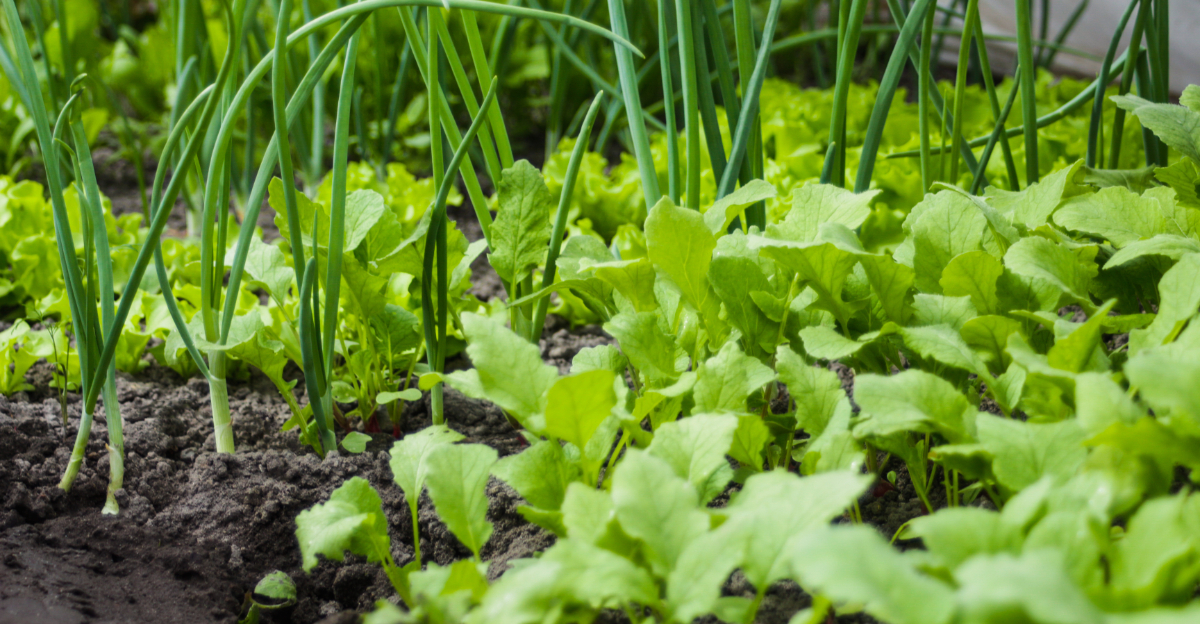
4. Lettuce And Radishes For A Fast Spring Harvest
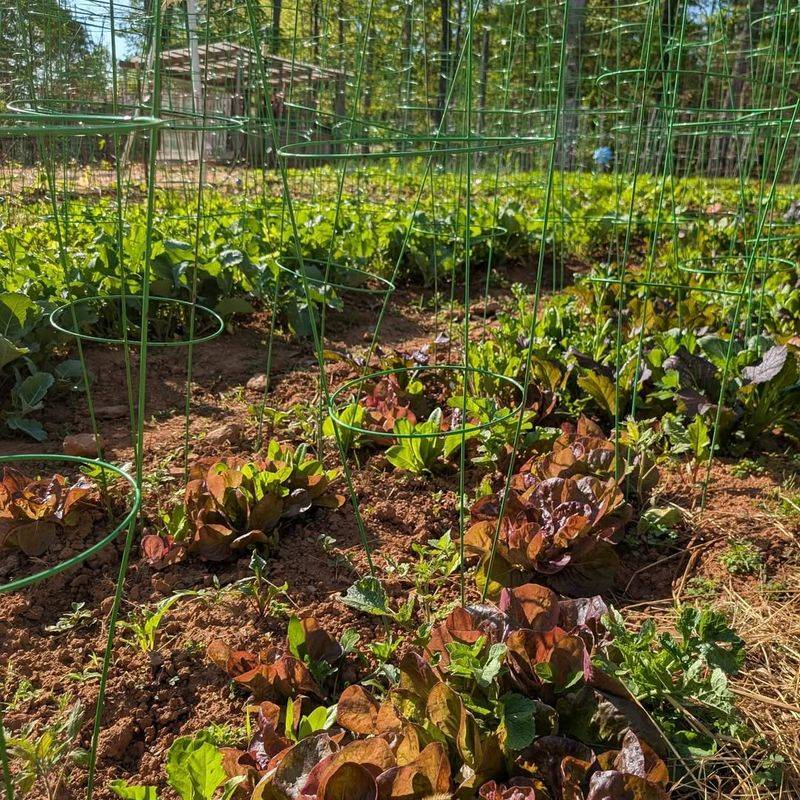
Spring in Michigan can feel short and unpredictable, but that makes it the perfect time to grow lettuce and radishes together. Radishes are one of the fastest-maturing vegetables you can grow, often ready to harvest in as little as three to four weeks.
That speed makes them an ideal partner for lettuce, which takes a bit longer to fill out and form full heads or loose leaves.
Here is how the pairing works so well. When you plant radish seeds alongside lettuce seeds, the radishes sprout quickly and mark your rows clearly.
As they grow, they gently loosen the surrounding soil, which actually helps lettuce roots spread more easily. By the time your radishes are ready to pull, they leave behind nicely aerated soil and extra room for your lettuce to expand and thrive.
Michigan’s cool spring temperatures are ideal for both of these crops. Lettuce and radishes both prefer cooler weather and tend to struggle once summer heat sets in, so planting them together in early April gives you the best window for a successful harvest.
Sow seeds directly into the garden bed and keep the soil consistently moist. You will be pulling fresh radishes within a month and harvesting crisp lettuce leaves shortly after.
Few combinations feel as rewarding as this one for Michigan spring gardeners looking for a quick and satisfying early-season win.
5. Cucumbers And Bush Beans Growing Together
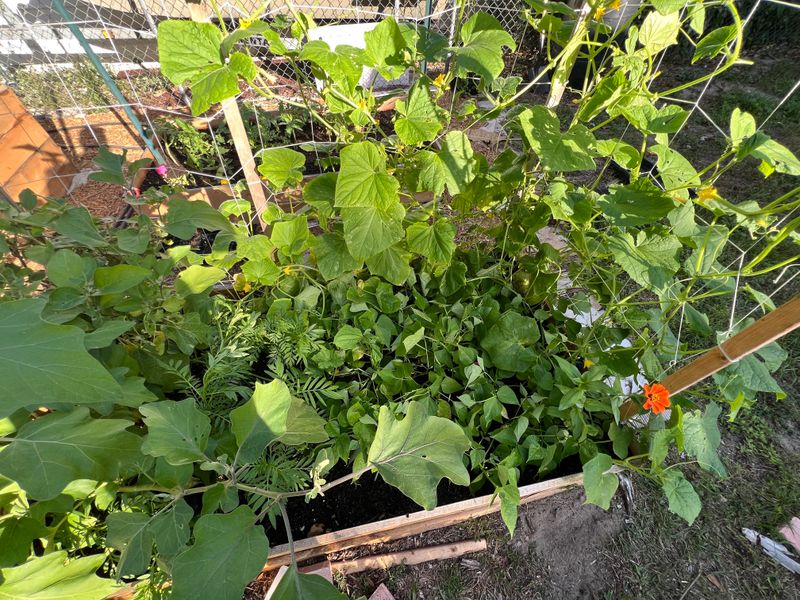
Cucumbers and bush beans are a productive pairing that Michigan gardeners often overlook. Both crops love warm weather, plenty of sun, and consistent moisture, which means you can manage them with the same watering and feeding schedule.
Planting them together simplifies your garden routine and helps you use your growing space more efficiently during Michigan’s warm but brief summer season.
Bush beans are known to add some nitrogen to the soil over time as they grow. While the effect is not dramatic mid-season, it creates slightly better soil conditions that can benefit your cucumbers as the season progresses.
More importantly, both plants have similar spacing needs, so they fit naturally into the same bed without one crowding out the other when planned thoughtfully.
Give your cucumbers a trellis or cage so they grow vertically, which frees up ground space for the bush beans to spread out below. This vertical-plus-horizontal layout makes excellent use of a small Michigan garden bed.
Plant both after Michigan’s last frost, around mid to late May, and make sure the soil is warm before putting seeds in the ground. Cucumbers especially dislike cold soil, so patience pays off here.
Water deeply and regularly throughout the season, and you will have a steady supply of fresh cucumbers and beans to enjoy all summer long without fighting for space in your garden.
6. Peppers And Onions Sharing Tight Garden Space
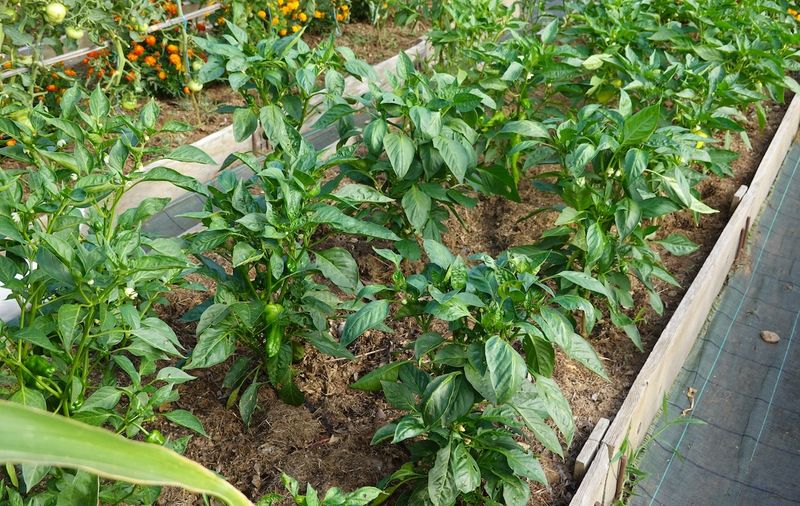
Peppers are one of Michigan’s most popular summer vegetables, but they can take up a lot of space if you are not careful about how you plan your garden. Pairing them with onions is a smart solution that many experienced Michigan gardeners swear by.
Onions grow relatively low to the ground and do not spread wide, making them an easy fit between pepper rows without causing any crowding issues.
Both crops enjoy full sun and warm soil, and they respond well to similar fertilizing and watering routines. That consistency makes managing a mixed bed of peppers and onions genuinely easy.
You do not have to remember different care schedules or worry about one plant’s needs conflicting with the other’s, which saves time and mental energy throughout the busy Michigan growing season.
Spacing is the key to making this pairing work smoothly. Plant peppers about eighteen inches apart and tuck onion sets into the gaps between them.
This arrangement keeps airflow moving through the bed, which helps reduce the risk of fungal issues that can develop in humid Michigan summers.
Start peppers indoors in late February or early March and transplant them outside after mid-May once the soil has warmed up properly.
Onion sets can go in the ground a few weeks earlier. Together, they fill your garden bed efficiently and reward you with two flavorful harvests from one well-organized growing space.
7. Spinach And Peas Thriving In Cool Michigan Springs
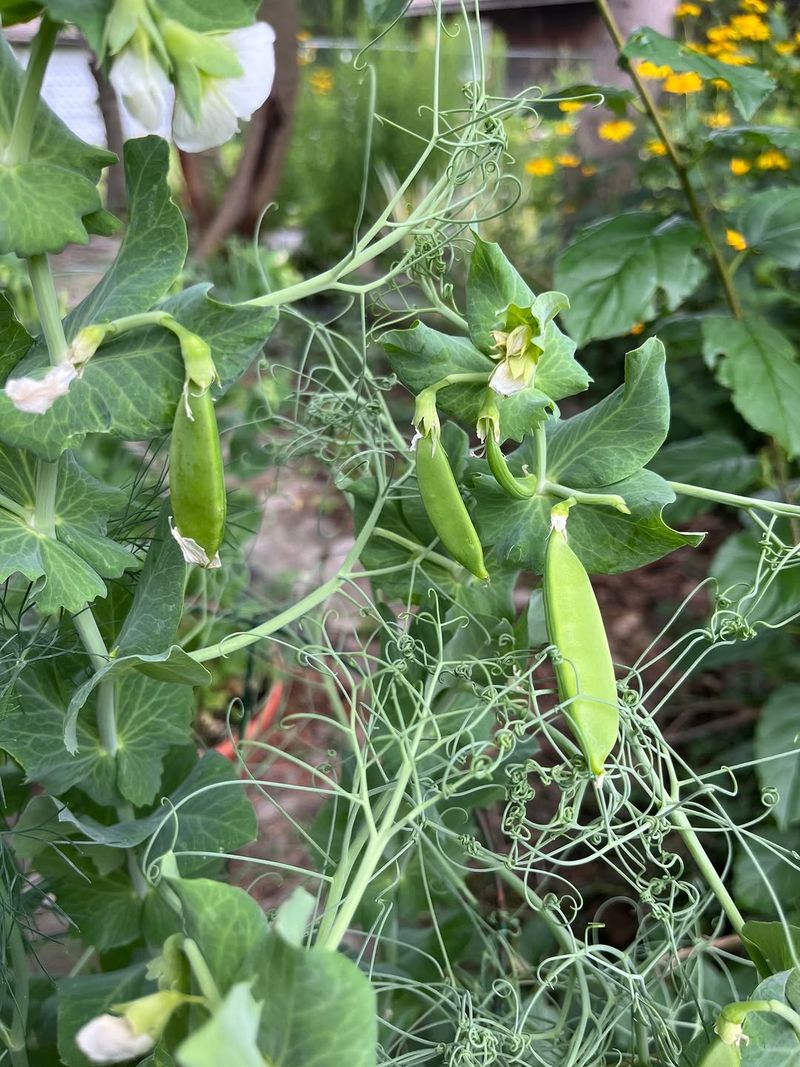
Cool-season gardening in Michigan is an underrated opportunity, and spinach paired with peas is one of the best examples of making the most of early spring conditions.
Both vegetables love the cool, moist weather that Michigan delivers from late March through May, and they can even handle a light frost without any serious trouble.
Getting these two in the ground early gives you a head start on your harvest before summer even begins.
Peas grow upward on a trellis and create light, dappled shade beneath them as the season progresses. That shade turns out to be a real advantage for spinach, which tends to bolt and turn bitter when temperatures climb.
The gentle filtering of sunlight from the pea vines helps keep the soil cooler around spinach roots, extending your harvest window by several valuable weeks in a Michigan spring garden.
Plant peas along a simple trellis or fence and sow spinach seeds directly beneath them in early April. Both germinate well in cool soil, so you do not need to wait for warm weather the way you would with summer crops.
Keep the bed consistently moist and watch both plants take off quickly. By late May or early June, you will have fresh peas and tender spinach leaves ready to harvest at the same time.
It is a combination that feels almost too easy and delivers a genuinely satisfying early-season reward for Michigan gardeners.