7 Plants You Should Divide In Michigan Before May Ends
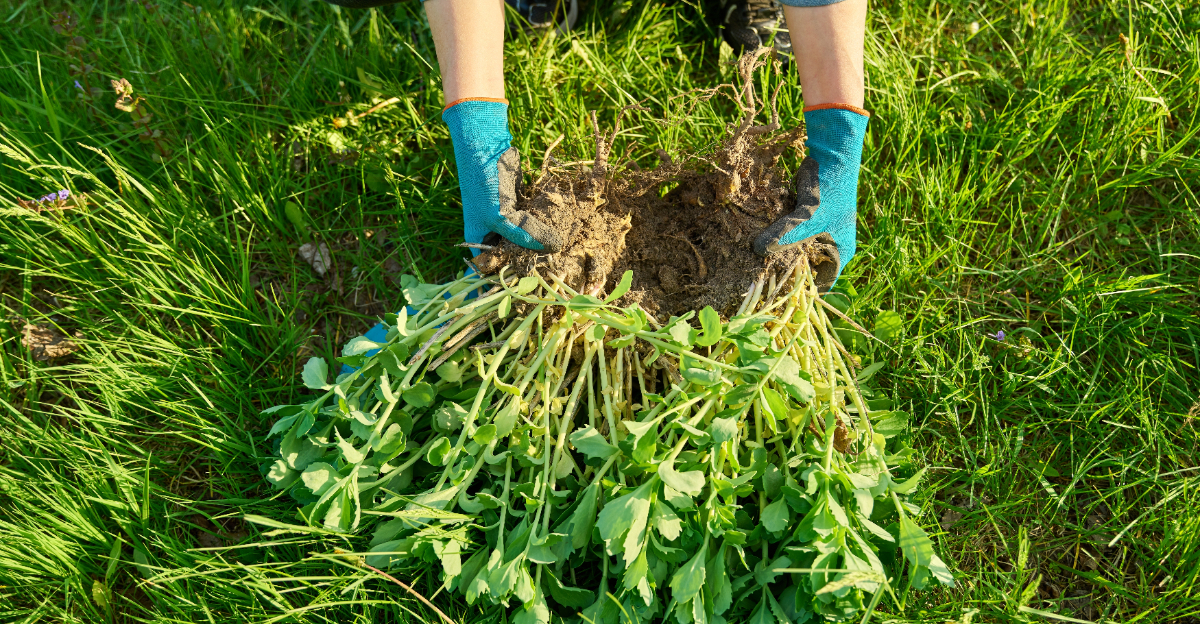
Division is one of those garden tasks that feels optional until the moment you realize it was not. Overcrowded perennials bloom less, lose their vigor, and start declining in ways that look like disease or neglect but trace straight back to plants that simply ran out of room.
Late spring is one of the best windows for dividing many popular garden plants in Michigan, and the end of May marks a point where acting now still gives divisions enough time to establish strong roots before summer heat arrives.
Wait too long and the stress of dividing combines with peak summer conditions in a way that makes recovery harder than it needs to be.
These seven plants are the ones Michigan gardeners most benefit from dividing before May closes out, either because they are actively outgrowing their space, because division now sets up better blooming later, or because this specific timing gives them the strongest possible start heading into the rest of the season.
1. Shasta Daisy (Leucanthemum x superbum)
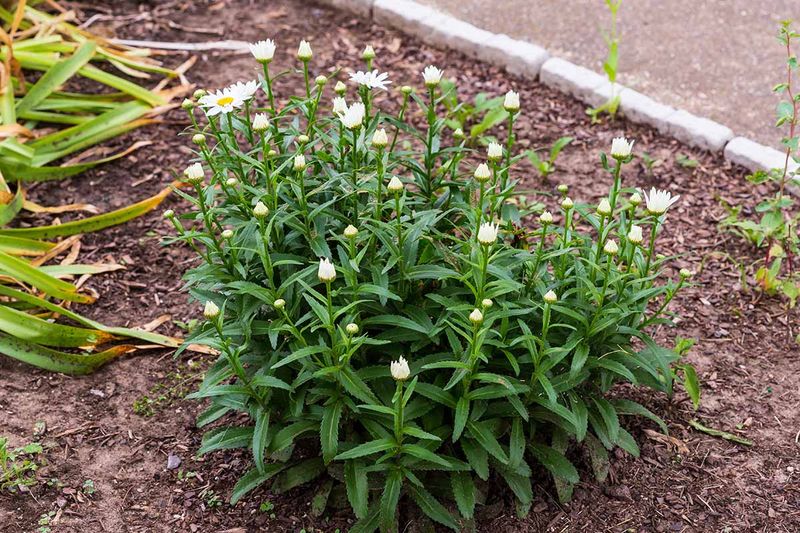
Shasta daisies bring that classic, cottage-garden charm to Michigan yards, with their bold white petals and sunny yellow centers lighting up the landscape all summer long.
What a lot of gardeners do not realize is that these cheerful plants actually need to be divided regularly to keep performing at their best.
Left alone too long, the clumps become overcrowded, and flowering starts to slow down noticeably.
Spring is a great time to tackle this task, and doing it before May ends gives Shasta daisies the full growing season to establish strong roots and produce a healthy flush of blooms.
You will notice the clumps start to look a little tired or hollow in the center when it is time to divide. That hollowing out is a clear sign the plant has outgrown its space and needs to be refreshed.
Lift the entire clump with a garden fork, shake off the excess soil, and pull it apart into smaller sections. Each division should have a good cluster of leaves and a healthy root system.
Replant the outer sections, which tend to be the most vigorous, and compost the older center growth. Michigan gardeners should water new divisions thoroughly and keep the soil consistently moist for the first couple of weeks.
With good care, your Shasta daisies will come back fuller, stronger, and covered in blooms by midsummer.
2. Hosta (Hosta spp.)
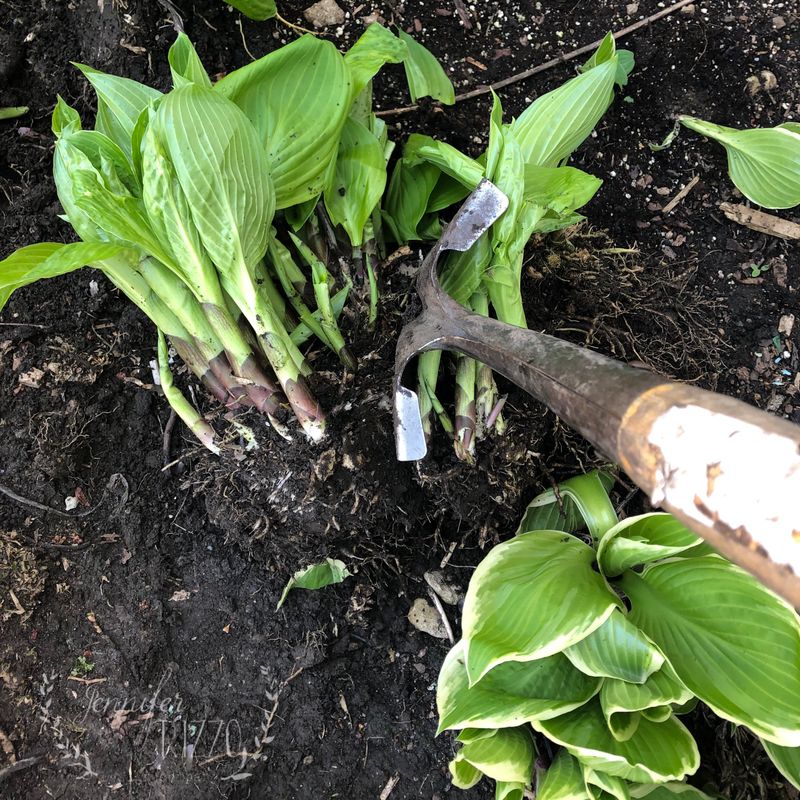
Few plants are as forgiving and rewarding as the hosta, especially when you catch it at just the right moment in spring. As those thick, rounded shoots push up through the Michigan soil, that is your signal to grab a spade and get to work.
Early to mid-spring is the sweet spot for division, and doing it before late May gives the roots plenty of time to settle in before summer heat arrives.
Hostas grow in clumps that get bigger every year, and crowded clumps produce smaller leaves and fewer blooms over time. Dividing them every three to five years keeps them looking full and lush.
Your Michigan Garden Changes Every Week. Your Plan Should Too.
Gardening in Michigan changes quickly throughout the season. Every Friday you’ll receive a simple weekly plan showing exactly what to plant, prune, fertilize, harvest, and protect so you never miss the right timing.
Use a sharp spade or garden fork to lift the entire clump, then slice it into sections, making sure each piece has at least two or three healthy shoots attached.
Michigan shade gardens are basically made for hostas. They thrive under trees, along fences, and in any spot where other plants struggle with low light.
After dividing, replant each section at the same soil depth as before and water it in well. Mulching around the new divisions helps hold moisture and keeps the roots cool as temperatures rise.
Within a few weeks, your new plants will be growing strong and filling in beautifully across the garden bed.
3. Sedum (Hylotelephium spp.)
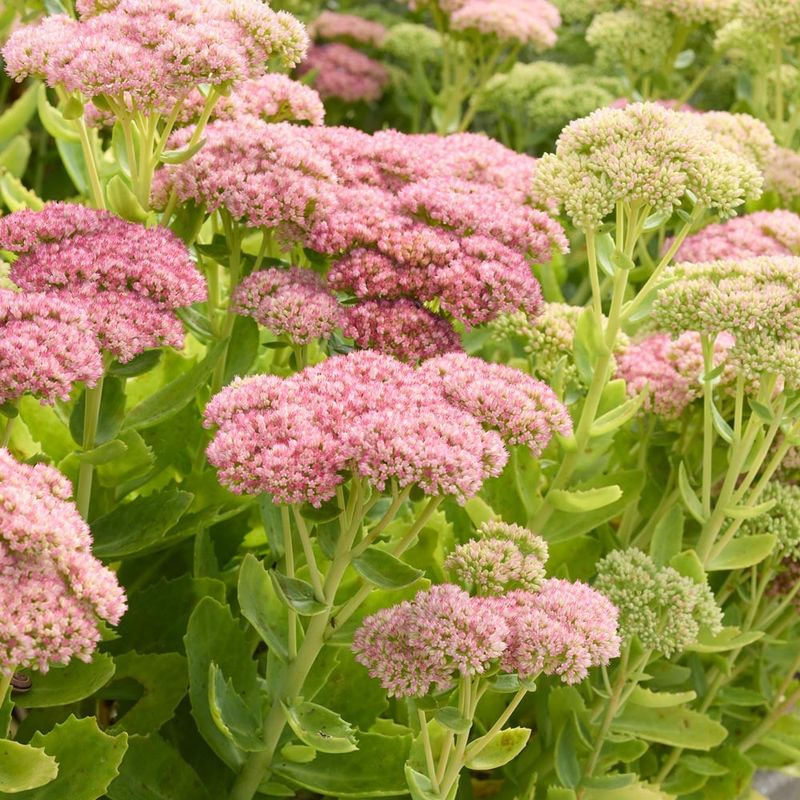
Upright sedums, sometimes called stonecrop or the classic autumn joy variety, are workhorses in the Michigan garden, delivering reliable color from late summer all the way into fall.
What surprises a lot of people is that spring is actually a perfect time to divide them, right as that fresh new growth starts pushing up from the base of the plant.
Dividing sedum in spring, before May wraps up, helps keep the plants compact and well-shaped through the growing season. Older, undivided clumps tend to flop open in the middle by midsummer, which can look messy and reduce the overall visual impact.
Breaking them up every few years prevents that floppy habit and keeps each plant looking neat and upright all season long.
To divide, use a sharp spade to cut straight down through the center of the clump. Lift the sections and replant them immediately, or share extras with fellow Michigan gardeners who want low-maintenance, drought-tolerant plants.
Each division should have several stems with roots attached. Press the divisions firmly into well-draining soil, since sedums do not love sitting in soggy ground.
Water them in after planting, but do not overdo it because these plants are built for dry conditions.
Within a few weeks, your newly divided sedums will be growing strong, and by late summer they will be covered in those gorgeous, flat-topped flower clusters that pollinators absolutely love.
4. Daylily (Hemerocallis spp.)
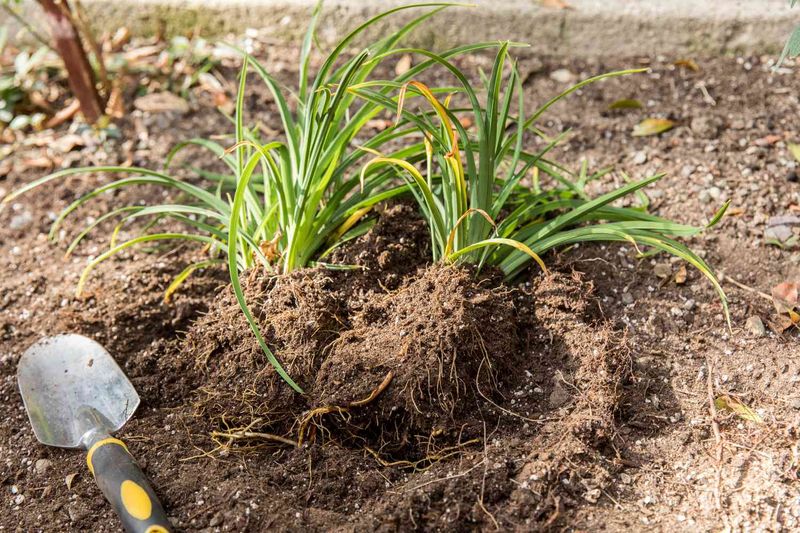
Daylilies are some of the toughest, most cheerful plants you can grow in Michigan, and they reward a little springtime attention with an absolute explosion of color come summer. One of the best things about daylilies is how tolerant they are of being moved and divided.
Even if you accidentally rough up the roots a bit, these plants bounce back fast and keep right on growing.
Splitting your daylily clumps before late May gives them the recovery time they need before the heat of summer settles in. Over time, large clumps become dense and tangled, which actually reduces the number of blooms you get each season.
Dividing them every three to four years keeps the plants vigorous and the flower show impressive.
To divide, use a sharp spade or garden fork to lift the entire clump from the ground. Then pull or cut the clump apart into smaller fans, each with several leaves and a healthy set of roots.
Replant the divisions at the same depth they were growing before, water them in deeply, and add a layer of mulch to help hold soil moisture.
Michigan gardeners will notice new growth within just a couple of weeks, and by midsummer those freshly divided daylilies will be blooming just as beautifully as ever, if not better.
5. Bee Balm (Monarda didyma)
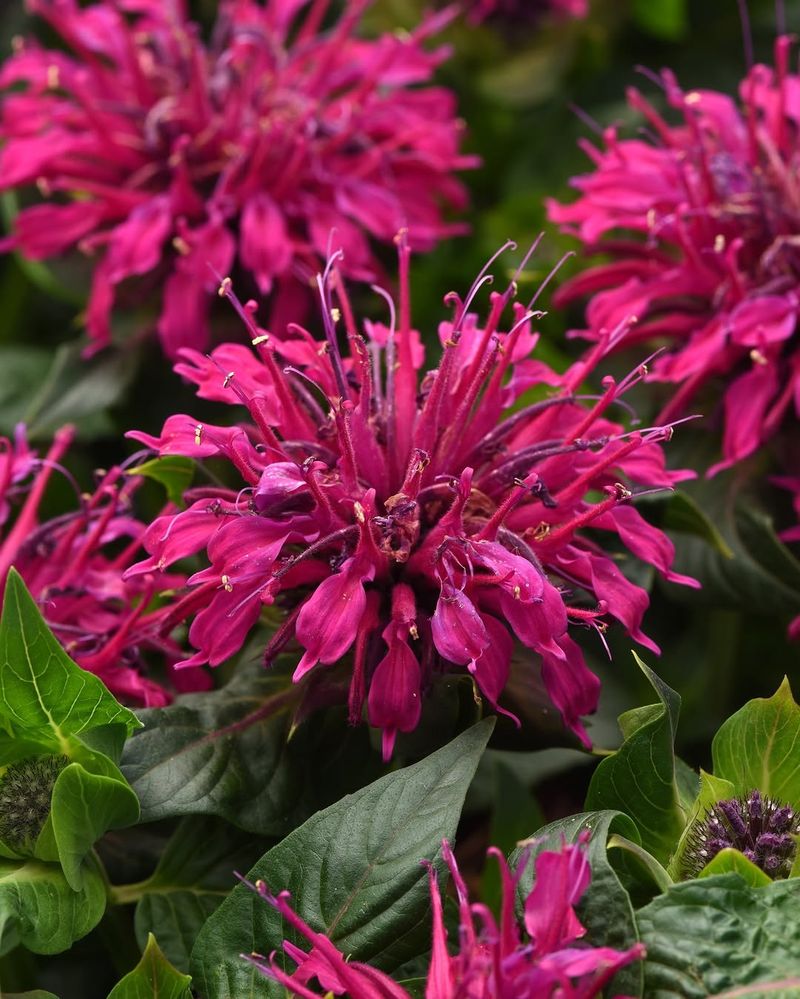
Bee balm is one of those plants that truly earns its spot in any Michigan garden. Hummingbirds love it, bees flock to it, and butterflies cannot stay away from those vivid red, pink, and purple flower heads.
The only catch is that bee balm spreads enthusiastically by underground rhizomes, and if you let it go too long without dividing, it can take over a whole section of your garden bed.
Dividing bee balm before late May is especially smart for Michigan gardeners because of the state’s naturally humid summers. Crowded clumps have poor airflow, which creates the perfect conditions for powdery mildew, a common problem with Monarda.
Breaking the clumps apart every two to three years opens up the plant, reduces disease pressure, and keeps it looking fresh and healthy all season.
Spring division is straightforward with bee balm. The plant spreads outward from the center, and the newer outer growth is always the most productive.
Lift the clump, discard the tired center sections, and replant the healthy outer pieces in amended soil with good drainage. Space the divisions at least 18 inches apart to allow for airflow.
Michigan summers can be warm and sticky, so that breathing room makes a real difference. Water the new divisions regularly until they are established, and you will be rewarded with a stunning, pollinator-packed display from midsummer right through early fall.
6. Bearded Iris (Iris germanica)
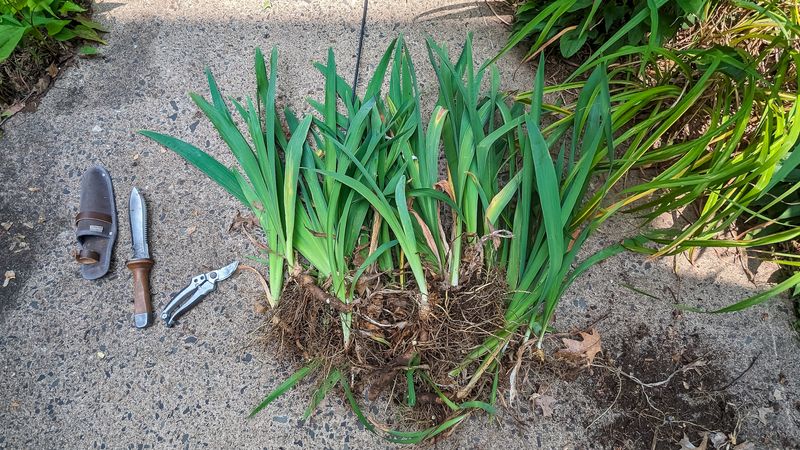
There is something almost magical about a bearded iris in full bloom, with those ruffled, velvety petals standing tall in the Michigan spring sunshine.
While late summer is the most common time to divide bearded iris, splitting them in early spring, well before the end of May, is a perfectly solid option when clumps are getting crowded or bloom quality has started to drop.
Bearded iris grow from thick, fleshy rhizomes that sit just at or slightly below the soil surface. Over time, the center of a clump can get old and woody while the outer edges stay fresh and productive.
Dividing gives you a chance to remove those tired sections and replant only the newest, healthiest rhizomes with strong leaf fans attached.
When you divide in spring, the roots have several weeks to anchor themselves before peak summer temperatures arrive in Michigan.
Lift the clump carefully, separate the rhizomes by hand or with a clean knife, and replant the healthy sections with the top of the rhizome barely exposed to sunlight.
Avoid planting too deeply, as bearded iris actually need that sun exposure to bloom well. Water them in after planting and hold back heavy mulching right over the rhizomes.
With a little patience, your divided iris will reward you with gorgeous blooms in the seasons ahead.
7. Yarrow (Achillea millefolium)
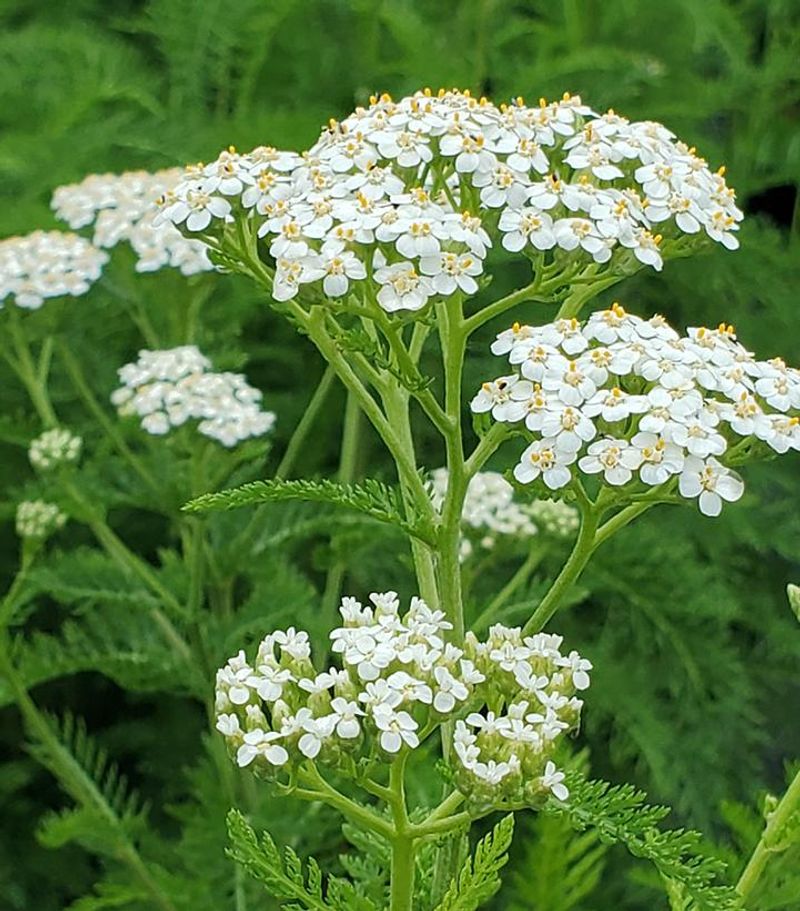
Yarrow has been growing in gardens for centuries, and it is easy to see why. This tough, feathery-leaved perennial thrives in full sun, handles dry conditions like a champ, and produces wide, flat clusters of flowers that come in shades of yellow, white, pink, and red.
Michigan gardeners love it because once it is established, it practically takes care of itself through the season.
Even the most self-sufficient plants need a little help every now and then, and yarrow is no different. After three or four years, the clumps spread wide and the center starts to thin out, producing fewer flowers and less vigorous growth overall.
Dividing before May ends gives the new sections a full growing season to develop strong root systems and put on a great flower show through summer and into fall.
Dig up the entire clump with a garden fork and shake the soil loose from the roots. Pull the clump apart into sections by hand or use a sharp spade if the roots are tightly packed.
Each division should have a healthy set of roots and a good amount of foliage. Replant the divisions in a sunny, well-draining spot, since yarrow does not tolerate wet feet.
Michigan’s spring soil is usually ideal for getting these divisions settled quickly. Water them in after planting, and within a few weeks you will see strong new growth reaching toward the sun, right on schedule.