The Native Michigan Ground Cover That Gets More Beautiful Every Single Year You Ignore It
Most ground covers need a season or two to fill in and show what they can do. The best native Michigan varieties need even less encouragement than that once they feel at home in the right spot.
There is one in particular that operates on a quietly impressive timeline, coming back each year slightly fuller, slightly more established, and noticeably more attractive than the season before, without any intervention from the gardener.
It handles the difficult spots that other plants give up on, spreads at a pace that feels deliberate rather than invasive, and contributes something real to the local ecosystem while it grows.
Michigan winters do not set it back the way they do with non native options, because this plant evolved here and treats cold as part of its natural rhythm rather than a setback to recover from.
For anyone with a shaded slope, a dry patch under trees, or a border that has never quite filled in the way it should, this might be exactly the ground cover worth planting this season.
1. Native To Michigan
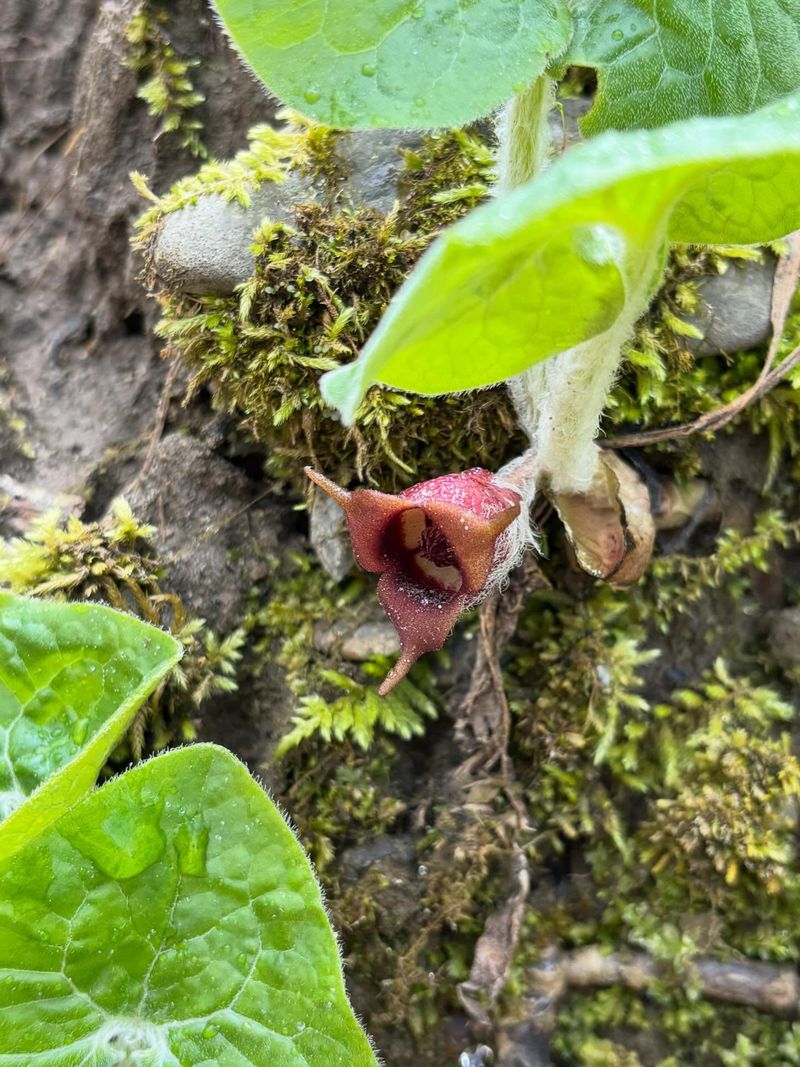
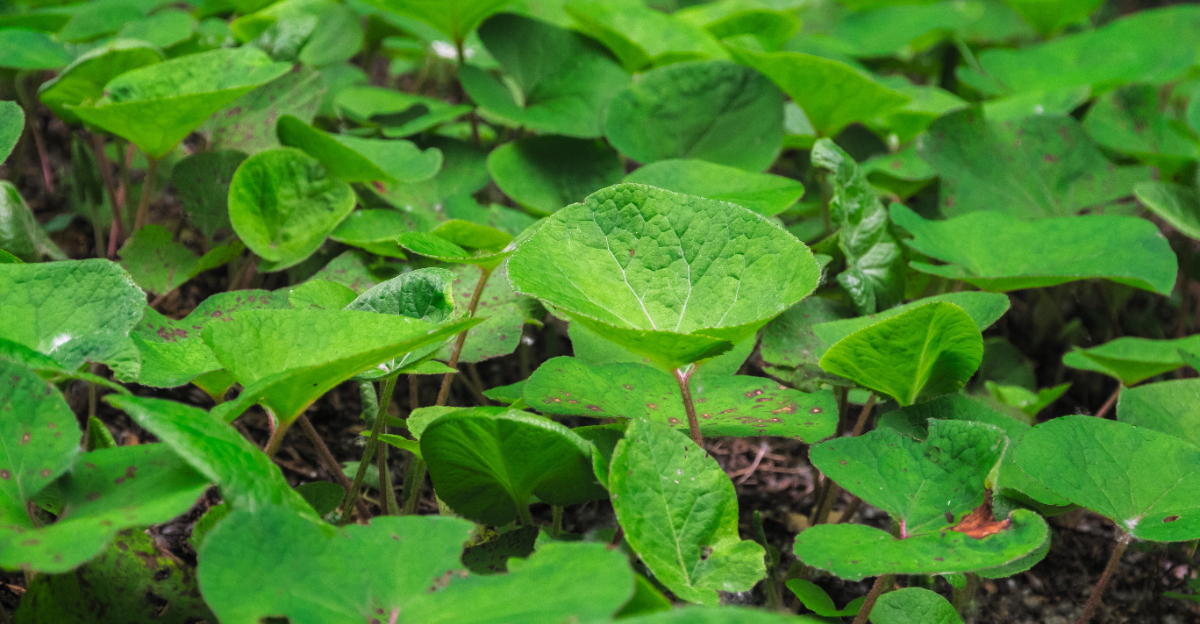
Not every plant belongs in Michigan, but wild ginger absolutely does. Asarum canadense grows naturally across Michigan’s forests, and that nativeness is not just a fun label.
It means the plant is already tuned to Michigan’s cold winters, humid summers, and the kind of rich, shaded soil found under maples and oaks. You are not fighting nature when you plant it. You are working with it.
Wild ginger has been part of Michigan’s woodland ecosystem for thousands of years. Indigenous communities across the Great Lakes region used it for both food flavoring and traditional medicine.
The roots carry a spicy, ginger-like scent, which is exactly where the common name comes from. It is not related to the culinary ginger you find in grocery stores, but the aroma is surprisingly similar.
Planting a native species like this one also benefits local insects and wildlife. Ground beetles, native ants, and woodland creatures all interact with wild ginger as part of a healthy forest floor.
When you add Asarum canadense to your Michigan garden, you are not just filling a bare patch under a tree.
You are plugging a native plant back into the ecosystem it evolved in, and that connection makes your whole yard feel more alive and balanced every single season.
2. How Rhizomes Do The Work
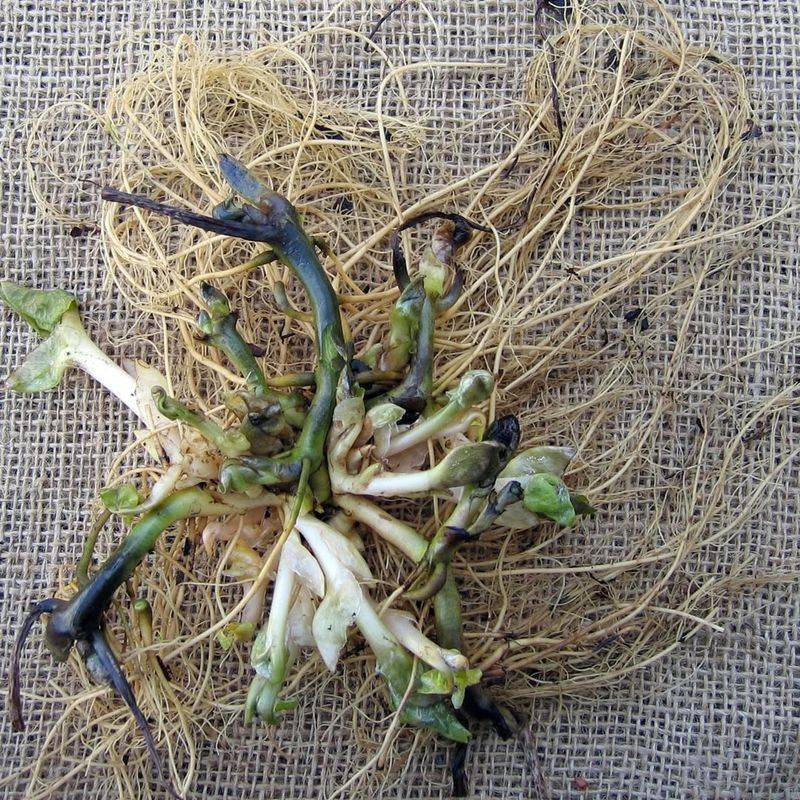
Wild ginger does not spread by throwing seeds across your yard. Instead, it creeps quietly underground using rhizomes, which are horizontal root-like stems that inch outward season after season.
Each year, the colony grows a little wider. The pace is slow and steady, never overwhelming, which makes it one of the most manageable ground covers you can grow in a Michigan shade garden.
Because the spread is predictable, you always know roughly what to expect. A small clump planted near a garden border will stay near that border for years before it finally starts filling in.
This controlled behavior makes wild ginger perfect for spots where you want coverage but do not want a plant taking over the entire bed. Gardeners who have tried aggressive spreaders like English ivy appreciate this quality immediately.
Your Michigan Garden Changes Every Week. Your Plan Should Too.
Gardening in Michigan changes quickly throughout the season. Every Friday you’ll receive a simple weekly plan showing exactly what to plant, prune, fertilize, harvest, and protect so you never miss the right timing.
The rhizome system also makes wild ginger surprisingly tough. Even after a rough Michigan winter with deep frost, the underground network survives and pushes out fresh leaves come spring.
You do not need to replant it or coddle it through cold snaps. The roots simply wait, protected beneath the soil, and then get back to business when warmth returns.
Watching those first heart-shaped leaves push up in April is genuinely one of the most rewarding sights a Michigan gardener can experience each spring.
3. Nature’s Weed Barrier
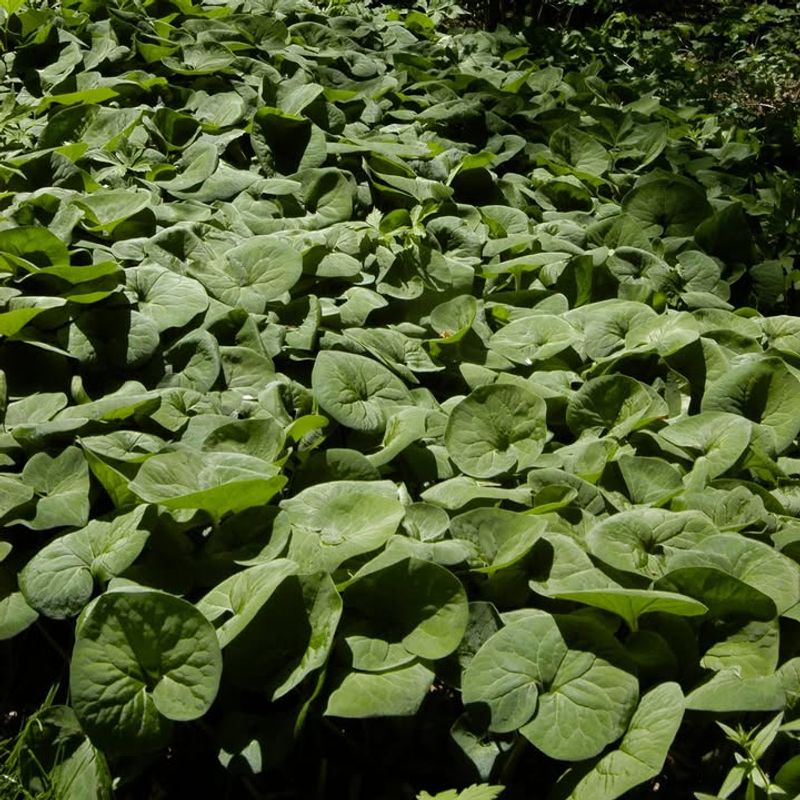
Weeds need light to germinate, and wild ginger knows exactly how to take that light away. As a colony matures over several years, the broad, heart-shaped leaves begin to overlap, creating a thick, continuous layer across the ground.
Once that canopy fills in, very few weed seeds can find enough light to sprout underneath. You end up with a living, breathing weed barrier that looks beautiful while it works.
Most gardeners spend real time and money fighting weeds under trees, where grass struggles and bare soil invites every opportunistic plant around. Wild ginger solves that problem naturally without chemicals or landscape fabric.
The effect builds gradually, so do not expect instant results in year one. By years three or four, though, a well-placed patch in a Michigan garden can dramatically reduce the weeding you do in that area.
The leaf canopy also helps hold soil moisture, which benefits the trees growing above. Shaded, covered soil stays cooler and wetter longer than bare ground, reducing stress on tree roots during dry Michigan summers.
That relationship between wild ginger and the trees it grows under is genuinely mutualistic. The trees provide shade, and the ginger protects the soil beneath them.
Planting this ground cover is one of those rare gardening decisions where everything wins, including your weekend schedule.
4. Shade Is Its Happy Place
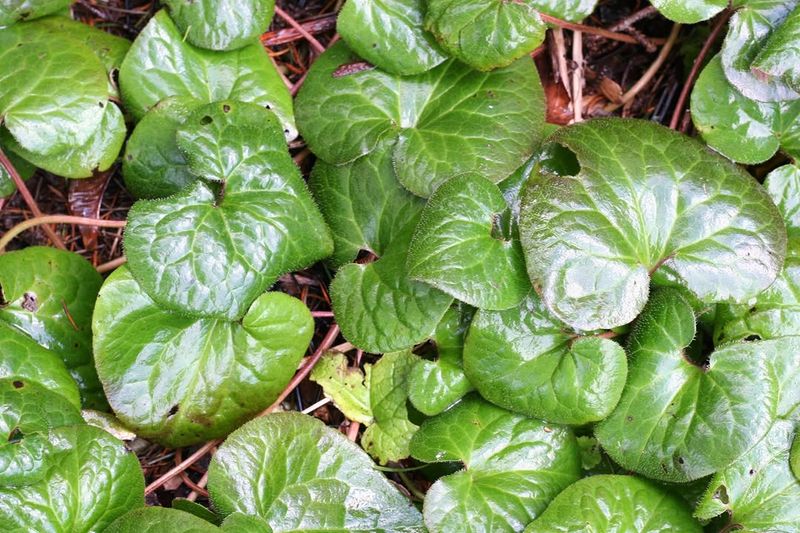
Sun-loving plants get most of the attention in gardening magazines, but wild ginger is proof that shade has its own magic.
Asarum canadense performs best in part shade to full shade, making it one of the few ground covers that actually thrives in those tricky spots under dense tree canopies.
If you have a dark corner in your Michigan yard where nothing seems to grow, wild ginger is genuinely worth trying.
Soil matters more than most people realize with this plant. Wild ginger prefers moist, well-drained soil that is rich in organic matter, similar to the forest floor it naturally grows on.
Adding compost when you first plant it gives the colony a strong start. After that, it asks for very little.
During dry Michigan summers, occasional deep watering keeps the leaves looking fresh, but established patches handle short dry spells on their own without much complaint.
One of the nicest things about growing wild ginger is what you do not have to do. No fertilizing, no pruning, no staking, and no complicated care routines.
The plant figures most things out by itself once it settles in. Mulching lightly around new plants in the first year helps retain moisture and keeps the soil temperature steady.
After that first season, wild ginger essentially manages itself, freeing up your time for other parts of the garden you actually enjoy fussing over.
5. Better Every Year (Why Patience Pays Off)
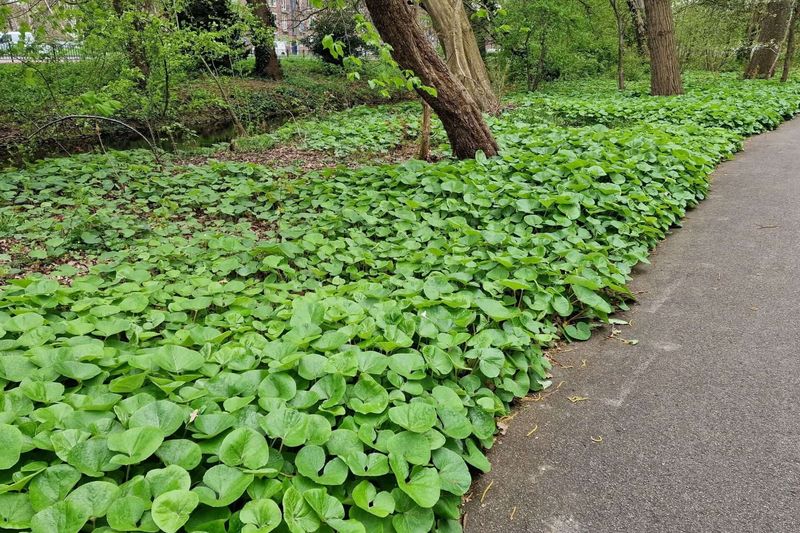
Some plants look their best the moment you put them in the ground. Wild ginger is not one of those plants, and that is honestly part of its charm.
In year one, a small clump might look a little sparse and modest. By year two, you start to notice it filling in.
By year four or five, you have a lush, seamless carpet of deep green leaves that looks like it has always been there, because in a way, it has.
The improvement is cumulative. Every growing season, the rhizomes push outward a few more inches, and the colony becomes more uniform and visually satisfying.
Gaps that once looked unfinished slowly close up on their own. Michigan gardeners who plant wild ginger and then mostly leave it alone consistently report that it becomes one of their favorite parts of the yard over time, simply because of how steadily and quietly it improves.
That annual improvement also means your garden investment grows in value every year without extra spending. You plant it once, and it keeps getting better.
Compare that to annual flowers that need replacing each spring, and the math becomes obvious quickly. Wild ginger rewards a hands-off approach in a way that feels almost like a gift.
The less you interfere, the more stunning it becomes, which is a refreshing reversal of the usual gardening logic most Michigan gardeners are used to following.
6. Leave It Alone
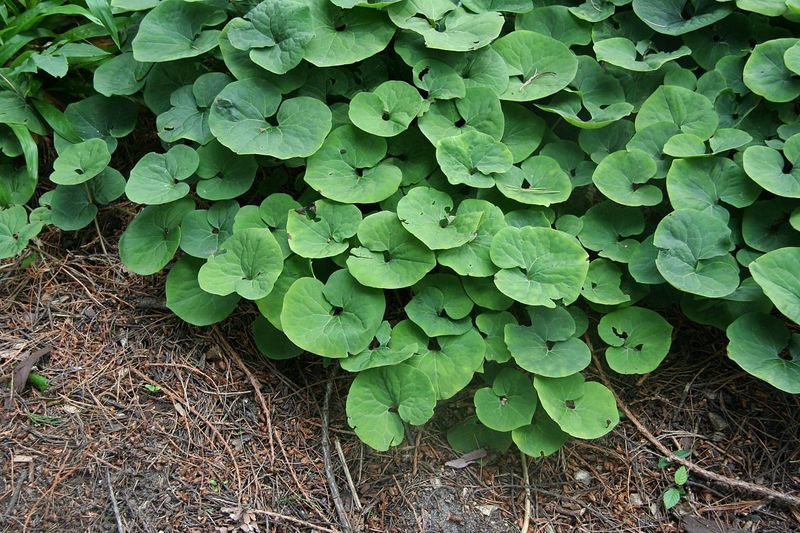
Here is something that surprises a lot of new wild ginger growers: the biggest mistake you can make is trying to help it too much. Frequent digging, dividing, or rearranging the colony disrupts the rhizome network that the plant relies on for spreading.
Every time you dig into that underground system, you set the colony back and force it to spend energy recovering instead of expanding. Patience and restraint are genuinely the best tools you have.
Wild ginger does not need to be divided regularly the way some perennials do. Unlike hostas or daylilies, which benefit from periodic splitting, wild ginger prefers to be left completely undisturbed for years at a time.
If you want to move some to a new spot in your Michigan garden, do it carefully and sparingly, and only in early spring before leaves fully emerge. Even then, expect a short recovery period before the transplanted section starts growing confidently again.
The soil itself matters too. Compaction from foot traffic or heavy digging can slow rhizome movement through the ground.
Try to keep the area around your wild ginger colony free from heavy activity. Installing a simple stepping stone path nearby keeps curious feet off the planting area without making the space feel off-limits.
Once you commit to a hands-off approach, wild ginger almost always responds by spreading more steadily and looking noticeably better each season throughout your Michigan yard.
7. What Wild Ginger Does For Michigan Gardens
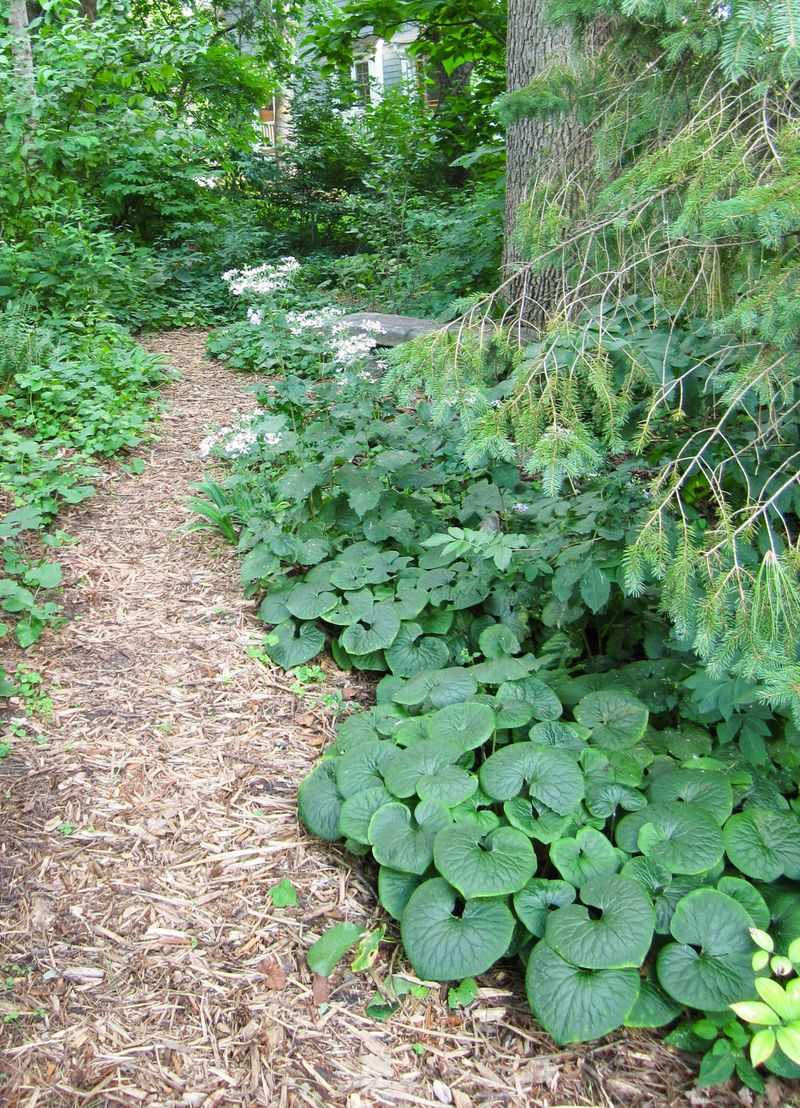
Wild ginger is not just a pretty ground cover. It plays a real, active role in the health of Michigan’s woodland garden ecosystems.
Early in spring, before most other plants have leafed out, wild ginger sends up fresh foliage that provides ground-level cover for beneficial insects and small woodland creatures. That early presence matters in a healthy native planting where timing and layering are everything.
Ants are among the most interesting visitors to a wild ginger patch. The plant produces small, unusual flowers near the ground in spring, and those flowers contain a fatty structure called an elaiosome that ants find irresistible.
Ants collect the seeds and carry them back to their nests, accidentally dispersing them in new locations along the way. It is a slow but genuinely clever seed dispersal system that has been working in Michigan forests long before anyone thought to put it in a garden.
For Michigan gardeners working to create sustainable, low-maintenance native plantings, wild ginger fits naturally under trees where grass struggles and bare soil erodes.
Combining it with other Michigan natives like trillium, Jack-in-the-pulpit, or Solomon’s seal creates a layered woodland garden that practically runs itself.
The result is a yard that looks intentional, feels connected to the local landscape, and supports the kind of biodiversity that makes a Michigan garden genuinely worth spending time in every single season of the year.