The Best Fruits And Vegetables That Thrive In Hanging Baskets In A Michigan Garden
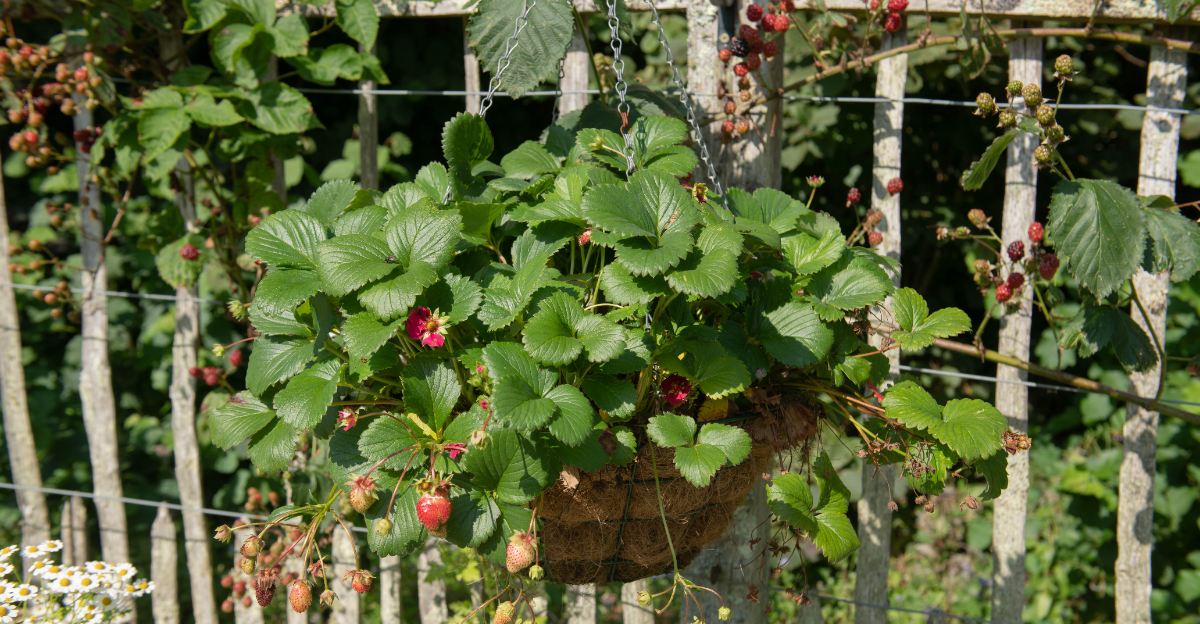
Hanging baskets are not just for petunias and trailing flowers. A growing number of Michigan gardeners are discovering that certain fruits and vegetables perform surprisingly well when grown off the ground, and the results are both practical and visually interesting.
Vertical growing in baskets solves real problems in smaller yards, keeping edible plants accessible, improving air circulation around foliage, and freeing up ground space for crops that actually need it.
Michigan’s warm summers give hanging basket edibles plenty of growing time to produce meaningful harvests, and the right varieties settle into containers with minimal fuss.
The key is matching the plant to the basket rather than trying to force traditional ground crops into a setup that does not suit them.
Some fruits and vegetables were practically made for this kind of growing, staying compact, producing steadily, and looking attractive while they do it.
These are the varieties worth trying in Michigan this season and what each one needs to produce well above the ground.
1. Cherry Tomatoes (Solanum lycopersicum Small Varieties)
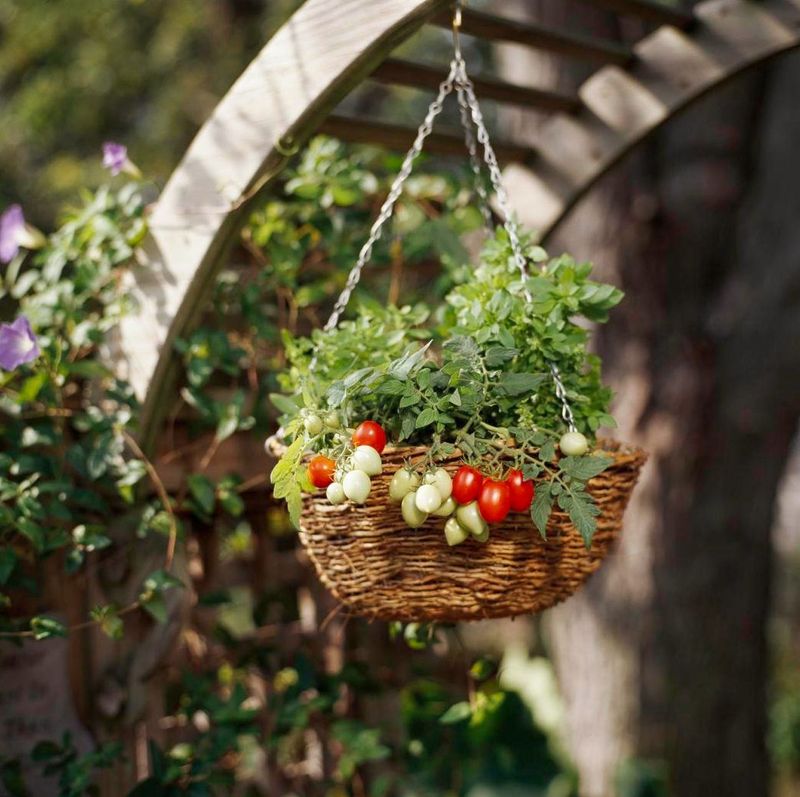
Imagine stepping outside on a warm Michigan afternoon and plucking a handful of sweet cherry tomatoes straight from your hanging basket. It sounds like a dream, but it is completely doable with the right variety.
Compact and trailing types like Tumbling Tom or Tiny Tim were practically made for container growing.
Full sun is non-negotiable for cherry tomatoes. You want at least eight hours of direct sunlight each day, especially during Michigan’s peak summer months.
Daily watering is also essential because tomatoes in hanging baskets use up moisture quickly, and inconsistent watering can cause fruit cracking or blossom drop.
Because mature tomato plants loaded with fruit can get surprisingly heavy, make sure your hanging bracket or hook is rated to hold the weight safely. A strong, well-mounted support will save you a lot of headaches later in the season.
Feed your plants with a tomato-specific fertilizer every ten to fourteen days to encourage steady fruit production.
The payoff is absolutely worth it because a single basket can produce dozens of bite-sized tomatoes that are perfect for salads, snacking, and sharing with neighbors right here in Michigan.
2. Strawberries (Fragaria x ananassa)
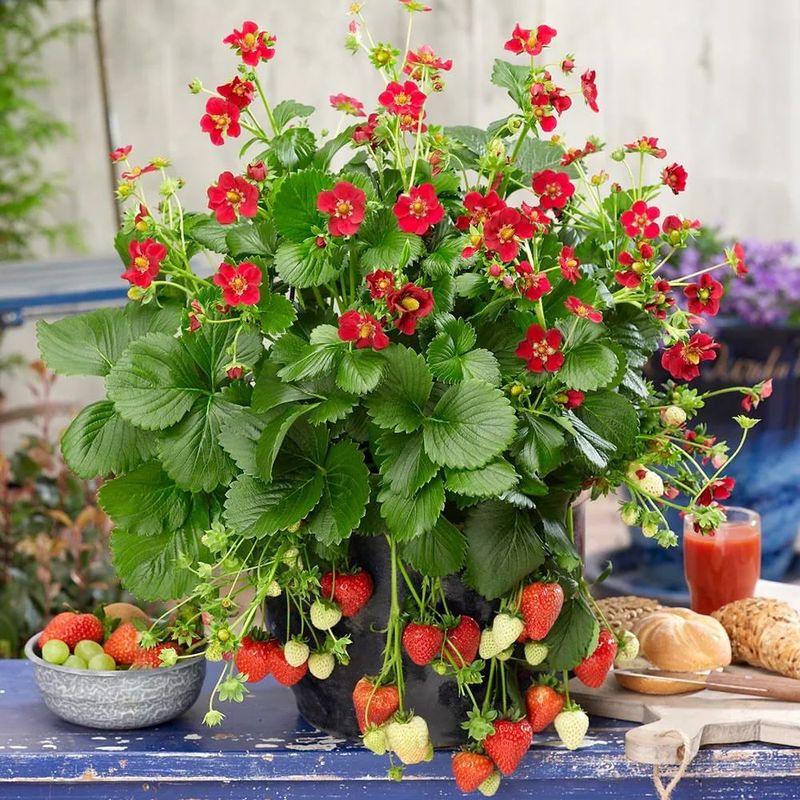
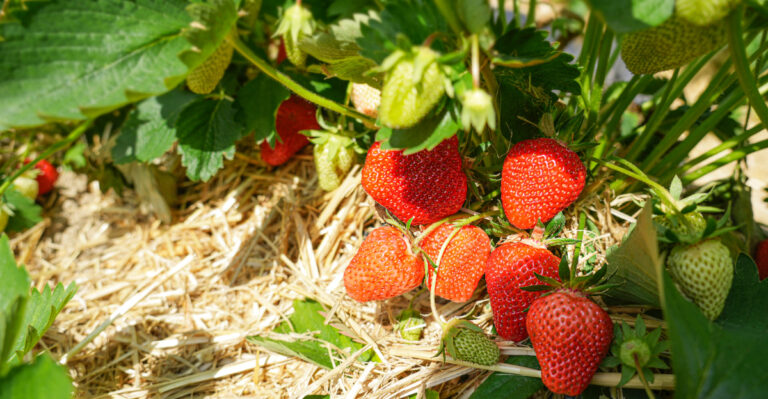
Few things beat the joy of picking a sun-warmed strawberry right from your own hanging basket. Strawberries are one of the most rewarding fruits you can grow in Michigan, and they absolutely shine in containers.
Their naturally trailing habit means the vines spill beautifully over the sides of the basket, making them as pretty as they are productive.
Choose everbearing varieties like Quinault or Seascape for a longer harvest window throughout the Michigan growing season. Full sun is a must, so hang your basket somewhere that gets at least six hours of direct sunlight each day.
Consistent watering is just as important because the soil in hanging baskets dries out faster than in-ground plots.
Feeding your strawberry basket with a balanced liquid fertilizer every two weeks will keep the plants producing strong and healthy fruit. Michigan winters can be tough on outdoor baskets, so bring them inside or replant fresh runners each spring to stay ahead of the cold.
Your Michigan Garden Changes Every Week. Your Plan Should Too.
Gardening in Michigan changes quickly throughout the season. Every Friday you’ll receive a simple weekly plan showing exactly what to plant, prune, fertilize, harvest, and protect so you never miss the right timing.
With just a little care, you will have sweet, juicy strawberries to enjoy from early summer right through fall.
3. Bush Cucumbers (Cucumis sativus Compact Varieties)
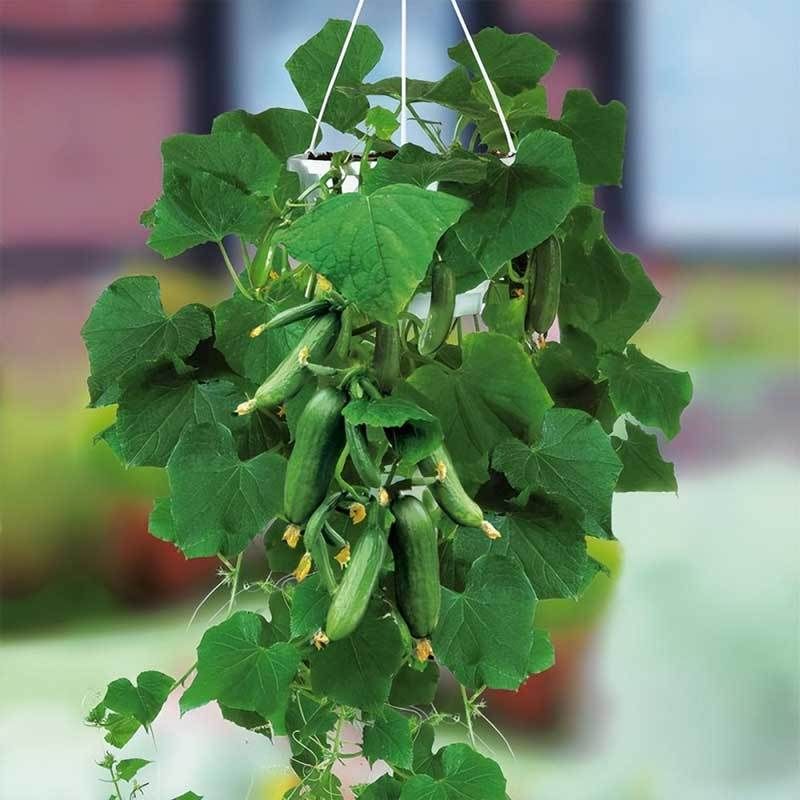
Cucumbers in a hanging basket might sound surprising, but bush varieties make it work beautifully. Unlike sprawling vining types, compact cucumber varieties like Bush Pickle or Spacemaster stay manageable and still put out a solid harvest.
Michigan gardeners who are short on ground space will find this a clever and practical solution.
Selecting the right variety is everything here. Always look for labels that say bush-type or container-friendly, because standard cucumber vines will quickly outgrow a basket and become unmanageable.
Once you have the right plant, place the basket in a spot that receives full sun throughout the day for the best fruit development.
Frequent watering is critical because cucumbers are thirsty plants and hanging baskets lose moisture fast in Michigan’s warm summer air. Check the soil daily and water thoroughly whenever the top inch feels dry.
As the cucumbers develop, the basket will get noticeably heavier, so always make sure your hanging support is strong and secure before planting. A slow-release fertilizer mixed into the potting soil at the start of the season gives the plants a steady nutrient boost.
Fresh homegrown cucumbers from your own basket are crisp, cool, and absolutely worth the extra attention.
4. Lettuce (Lactuca sativa)
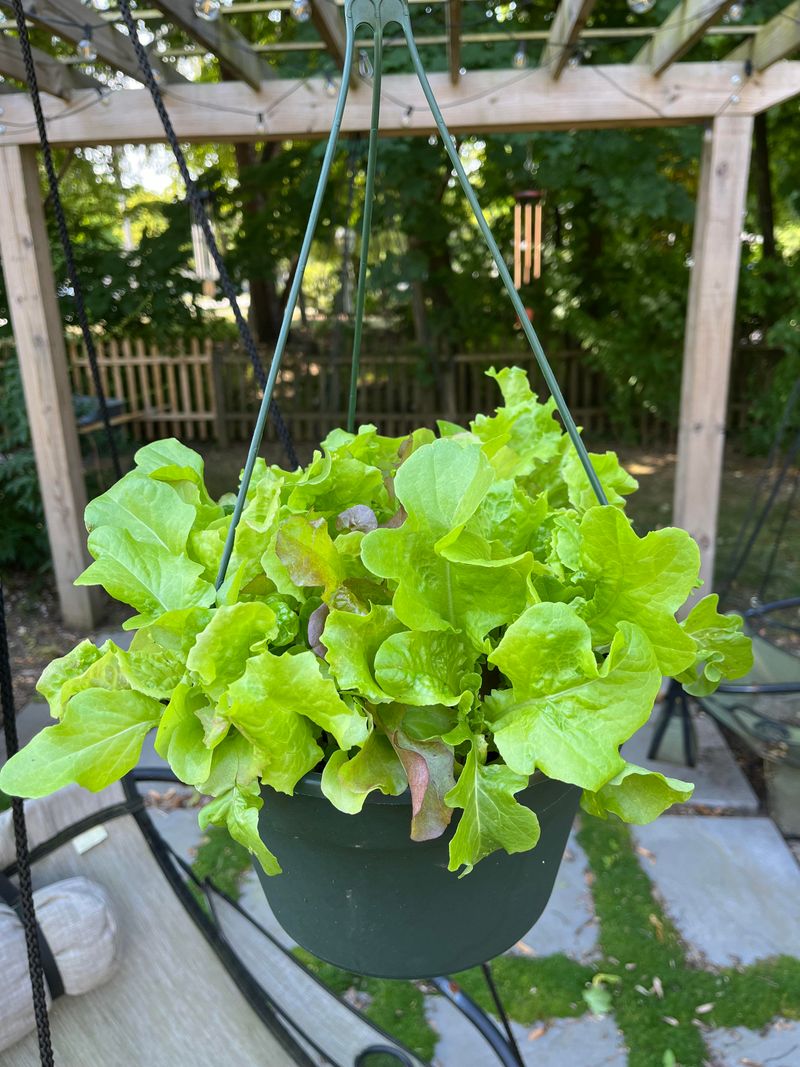
Lettuce is the ultimate spring basket crop for Michigan gardeners, and it is hard to find anything easier or faster to grow. With shallow roots and a quick growth cycle, it settles into a hanging basket like it was born for it.
You can go from seed to salad in as little as four to six weeks, which makes it incredibly satisfying for beginners and experienced growers alike.
Loose-leaf varieties like Black Seeded Simpson or Oak Leaf are especially well-suited to baskets because you can snip outer leaves as you need them without pulling up the whole plant. This cut-and-come-again method keeps your basket producing fresh greens for weeks on end.
Spring and early summer are prime time for lettuce in Michigan before the heat of July rolls in.
Lettuce prefers cooler temperatures and will bolt, turning bitter and going to seed, once the weather gets really hot. To extend your harvest, try hanging the basket somewhere that gets a little afternoon shade during the hottest part of the day.
A second planting in late summer takes advantage of Michigan’s cooler fall temperatures and gives you a fresh round of crisp, homegrown salad greens just when you thought the season was winding down.
5. Spinach (Spinacia oleracea)
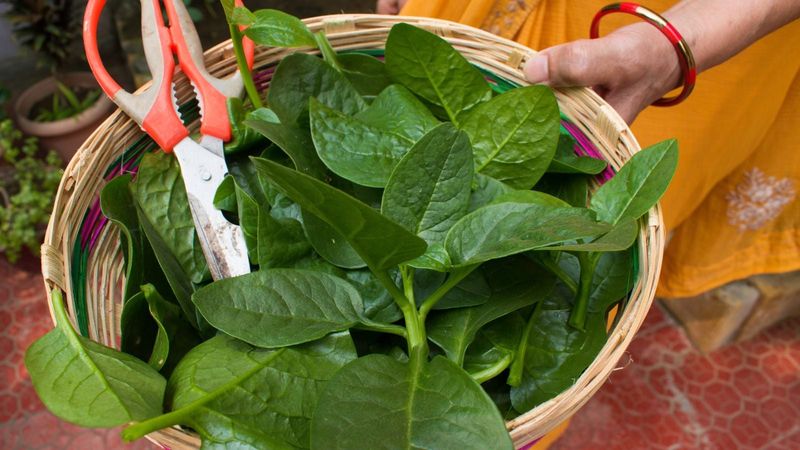
Spinach is the cool-weather champion of the hanging basket world, and Michigan’s spring and fall seasons are basically made for it.
This nutrient-packed leafy green thrives when temperatures stay between 35 and 65 degrees Fahrenheit, which lines up perfectly with Michigan’s shoulder seasons.
Planting spinach early in April or again in late August gives you two solid harvests per year.
Varieties like Bloomsdale Long Standing or Tyee hold up especially well in containers and resist bolting longer than standard types. Because spinach roots stay relatively shallow, even a medium-sized hanging basket gives the plant plenty of room to grow.
Make sure your potting mix drains well so the roots never sit in soggy soil, which can cause rot and slow growth.
Watering consistently is key because spinach likes evenly moist soil at all times. In Michigan’s unpredictable spring weather, you may need to water every day or skip a day depending on rainfall and temperature.
Harvest leaves when they reach a good size but before the plant starts sending up a flower stalk. Once spinach bolts in the summer heat, the leaves turn bitter quickly.
Keeping your basket in a cooler, partially shaded spot during warmer spells can buy you extra weeks of tender, flavorful leaves that are perfect for smoothies, sautees, and fresh salads.
6. Herbs: Basil, Parsley, And Thyme
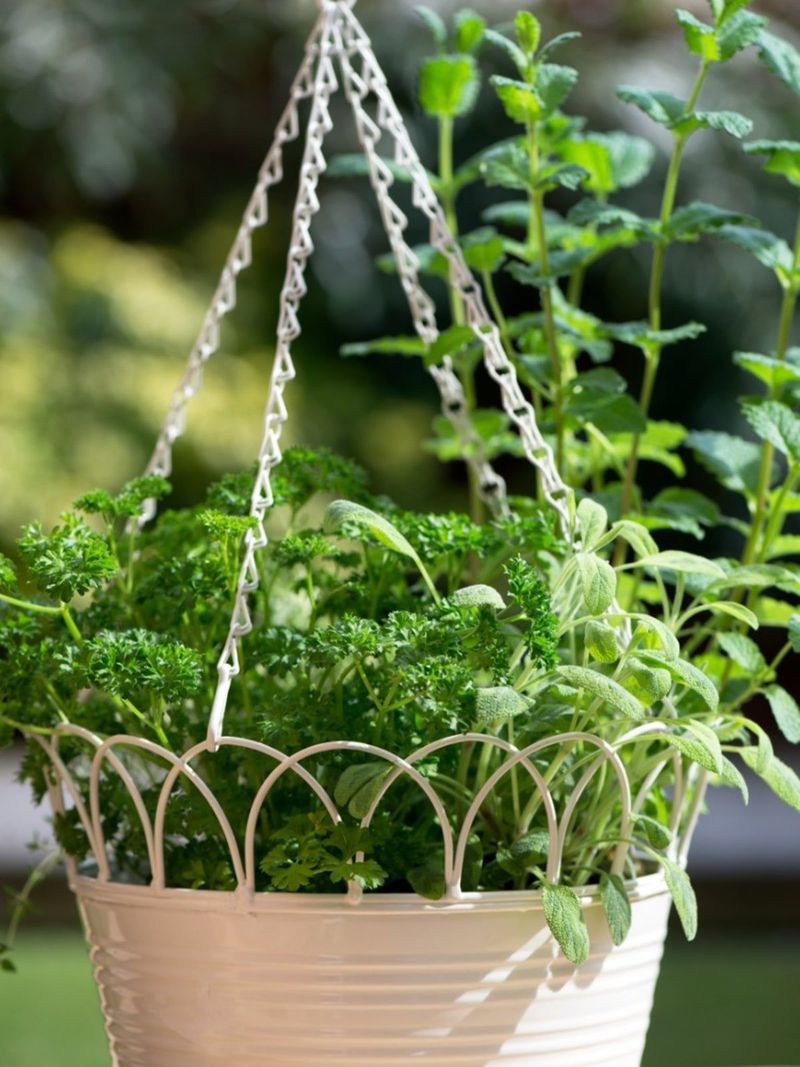
Herbs might be the most underrated thing you can grow in a hanging basket, and Michigan gardeners are missing out if they skip them. A single basket planted with basil, parsley, and thyme gives you a ready-made kitchen garden right outside your back door.
Fresh herbs make everything taste better, and growing your own saves money while keeping your cooking full of flavor all season long.
Basil is a sun-lover that thrives in Michigan’s warm summer months, so hang it where it gets at least six to eight hours of direct light. Parsley and thyme are a bit more flexible and can handle some light afternoon shade without losing their punch.
Mixing all three in one basket creates a gorgeous, fragrant display that looks as good as it smells.
Regular harvesting is the secret to keeping herb baskets productive all season. Pinching back basil before it flowers keeps the leaves coming in thick and flavorful.
Thyme is wonderfully low-maintenance and actually prefers slightly drier soil, so be careful not to overwater the basket just for the sake of the basil. A well-draining potting mix helps balance these different moisture needs.
Michigan gardeners who try a mixed herb basket almost always come back for more the following year because the convenience and flavor are simply hard to beat.
7. Alpine Strawberries (Fragaria vesca)
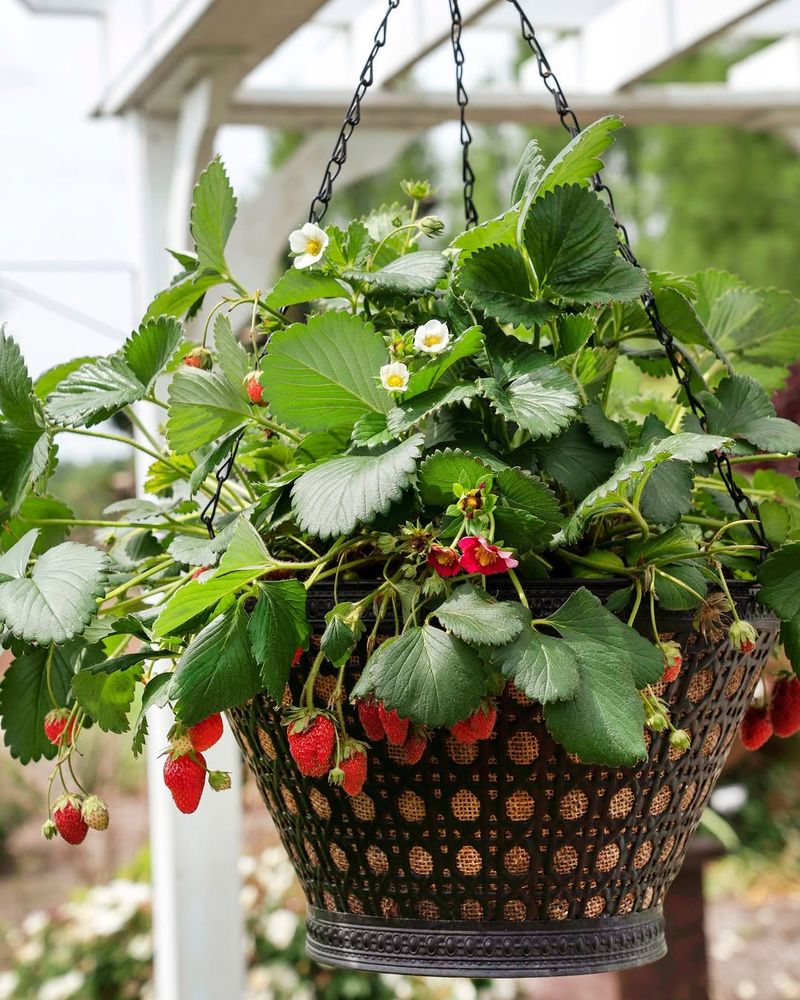
Alpine strawberries are the quiet overachievers of the hanging basket world. Smaller and more delicate-looking than their standard cousins, these little berries pack an intense, almost perfume-like sweetness that regular grocery store strawberries can never match.
They have been grown in European gardens for centuries, and Michigan gardeners are now discovering just how well they perform in containers.
One of the biggest advantages of alpine strawberries is their cold tolerance. They handle Michigan’s cooler spring and fall temperatures much better than standard varieties, which means a longer productive season with less fuss.
Varieties like Alexandria and Mignonette are popular choices that produce fruit reliably from late spring through early fall without needing much coddling.
Alpine strawberries do not send out runners the way standard types do, which actually makes them tidier and easier to manage in a basket. They prefer a spot with morning sun and light afternoon shade, especially during the hottest Michigan summer weeks.
Keep the soil consistently moist but never waterlogged, and feed the plants with a diluted balanced fertilizer every two to three weeks during the growing season.
The berries are small, so you will not be filling buckets, but popping a handful of these intensely sweet gems straight from the basket on a warm Michigan afternoon is one of summer’s simple, unforgettable pleasures.
8. Dwarf Peppers (Capsicum annuum Compact Varieties)
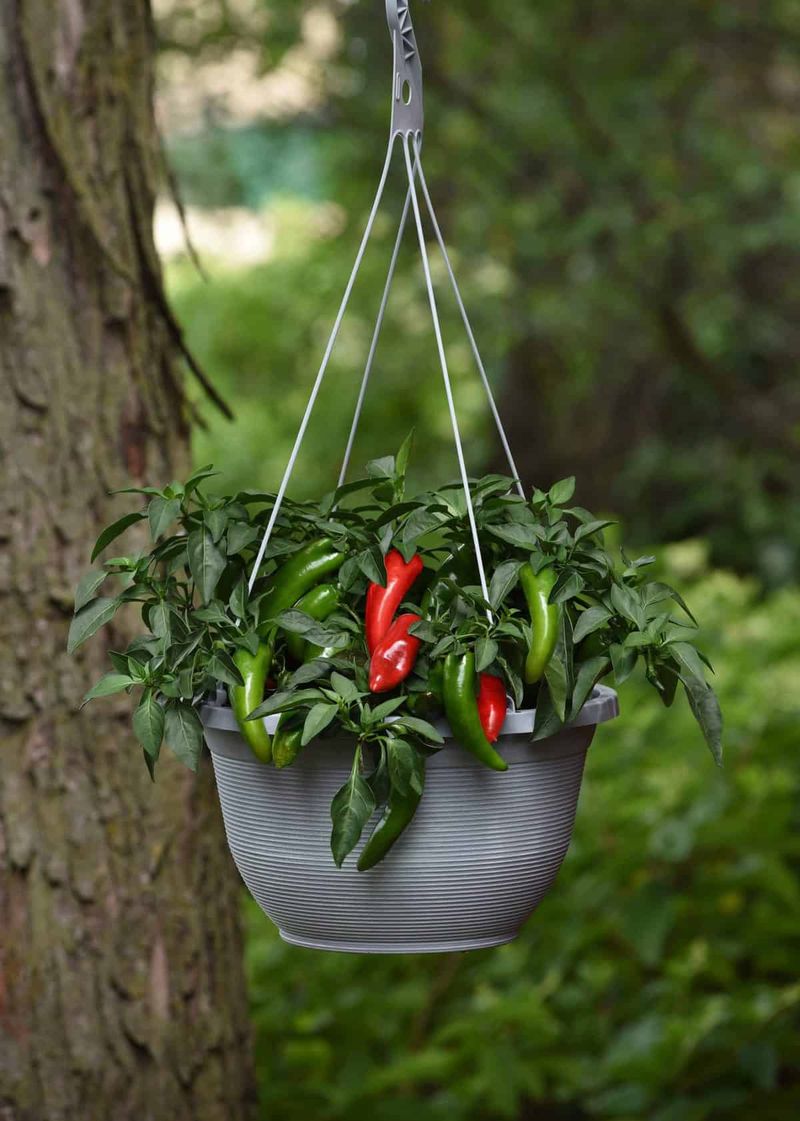
Peppers in a hanging basket are a bold move, and dwarf varieties pull it off with style. Compact cultivars like Lunchbox, Pot-a-Peno, or Little Dipper were bred specifically for container growing, and they bring a splash of color to any Michigan porch or patio.
The glossy fruits shift from green to red, orange, or yellow as they ripen, turning your basket into a living piece of art.
Full sun is absolutely essential for peppers. Plant them in a spot that gets at least eight hours of direct sunlight each day, which is easy to find during Michigan’s long summer days.
Consistent moisture matters too, but good drainage is equally important because peppers hate sitting in wet soil for too long. A quality potting mix with perlite mixed in keeps things well-balanced.
Yields from hanging basket peppers will naturally be smaller than what you would get from an in-ground plant, but the flavor is just as good and the convenience factor is hard to argue with.
Fertilize every two weeks with a balanced or slightly phosphorus-rich formula to encourage flower and fruit production.
In Michigan, start your dwarf pepper seedlings indoors about eight to ten weeks before the last frost date, then move the basket outside once nighttime temperatures stay consistently above 50 degrees.
The result is a productive, colorful basket that keeps delivering right through the end of summer.