Small Trees That Bring Big Charm To Wisconsin Yards
Choosing the right tree for your yard isn’t just about beauty. It’s about survival and long-term growth.
Smart Wisconsin gardeners are choosing small trees with charm. They are perfect for limited spaces, urban yards, or as accent pieces. Not every yard has room for a towering tree and honestly, that’s perfectly fine.
Small trees offer shade, color, and seasonal interest in a way that feels balanced and manageable. So, don’t go bigger.
Go smarter! They fit into real-life spaces and real-life schedules, making them ideal for busy homeowners or smaller lots.
Through Wisconsin’s changing seasons, they quietly do their thing, brightening spring with petals and adding warmth with fall color, without asking for much in return. In the end, smaller trees aren’t just a compromise, they’re often the more thoughtful, practical, and sustainable choice.
1. Downy Serviceberry
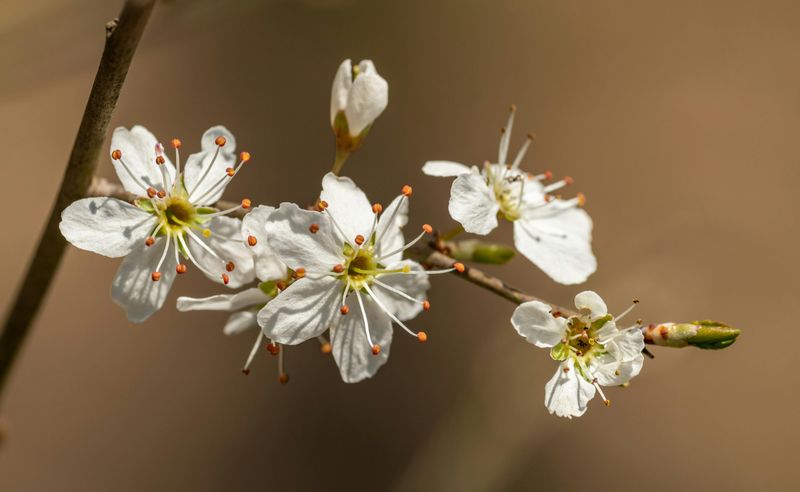
White flowers explode across this native beauty before most trees even wake up from winter.
The blooms arrive in early spring, creating clouds of delicate petals that make your yard look like something from a fairytale.
Pollinators mob these flowers like teenagers at a concert.
But the show doesn’t stop there. By June, purple-black berries appear, and here’s where things get interesting.
Birds will fight over these fruits, providing free entertainment while you sip morning coffee.
You can snag some berries yourself for pies or jams if you’re quick enough.
Fall brings another surprise when leaves turn brilliant orange and red.
The multi-season interest means your yard never looks boring.
Growth habits make this serviceberry perfect for smaller spaces. It tops out around 15 to 25 feet, staying manageable without constant pruning.
The natural form grows gracefully, sometimes as a single trunk or multiple stems.
Wisconsin’s climate suits this tree perfectly since it’s native to the region.
Cold winters don’t faze it one bit. Adaptable to various soil types, it handles clay or sand equally well.
Morning sunlight makes those spring flowers glow like lanterns. Afternoon shade helps in southern Wisconsin’s hotter spots.
Space it at least 10 feet from structures to let the canopy spread naturally.
Your yard gets four-season beauty without overwhelming your property lines or blocking out the sun completely.
2. American Plum
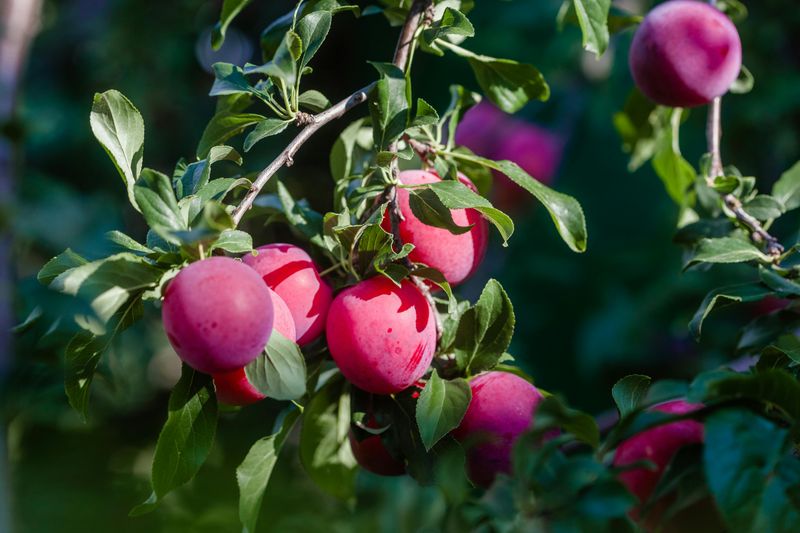
Fragrance hits you before you even see the flowers.
American Plum announces spring with blooms that smell like honey mixed with vanilla, drifting across entire yards. Neighbors will actually ask what that amazing scent is.
This scrappy native thrives where fancy ornamentals throw tantrums.
Poor soil? No problem.
Dry spells? It shrugs them off.
The American Plum has adapted beautifully to Wisconsin’s challenging conditions, becoming remarkably resilient and dependable once it is well established.
The fruit situation gets interesting around late summer.
Small red or yellow plums appear, tasting tart enough to pucker your lips. Wildlife devours them, but you can make spectacular jellies if you beat the animals to harvest.
My aunt made plum preserves once that disappeared faster than Halloween candy.
Your Illinois Garden Changes Every Week. Your Plan Should Too.
Gardening in Illinois changes quickly throughout the season. Every Friday you’ll receive a simple weekly plan showing exactly what to plant, prune, fertilize, harvest, and protect so you never miss the right timing.
Growth pattern creates natural thickets through root suckers.
This can work beautifully for erosion control or privacy screens.
Just plant where spreading won’t invade flower beds. Some gardeners prune suckers to maintain single-trunk form.
Height stays reasonable at 15 to 20 feet with similar spread.
The branching creates dense coverage, useful for blocking unsightly views or creating windbreaks.
Thorny branches discourage deer browsing, a major bonus in rural Wisconsin areas.
White flower clusters appear in April or May, covering branches before leaves emerge.
This creates stunning visual impact against dark bark.
Fall foliage turns yellow to red, adding another seasonal display.
Plant in full sun for best flowering and fruiting.
Space multiple trees 12 feet apart for thicket formation or keep single specimens 15 feet from other plants.
American plum spreads through root suckers, so it works best in looser, natural-style yards, borders, or privacy screens rather than tightly manicured spaces.
Tolerates urban pollution better than many ornamentals, making it great for town yards.
3. Pagoda Dogwood
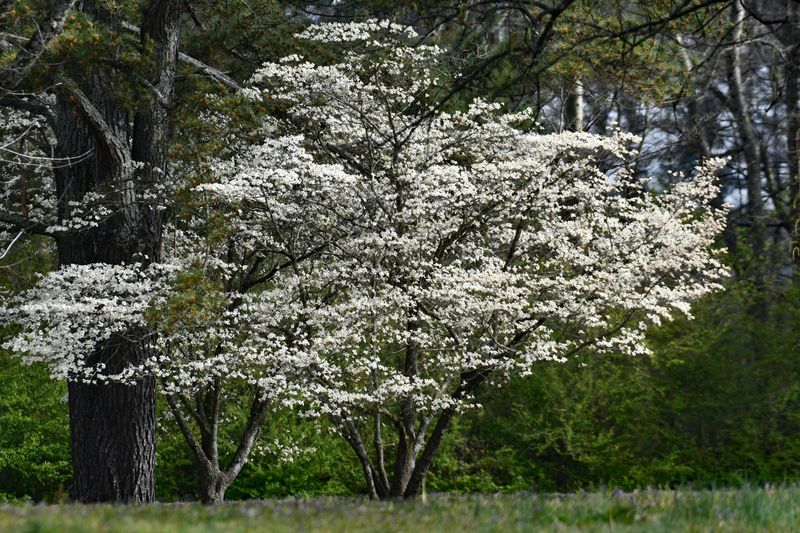
Architectural branching makes this dogwood look like nature hired a designer.
Horizontal tiers spread in distinct layers, creating a pagoda-like silhouette that gives this tree its name.
Even in winter, the structure provides visual interest that most trees can’t match.
Creamy white flower clusters bloom in late spring, but they’re subtler than showy dogwood cousins.
The real magic happens with blue-black berries on bright red stems come summer.
Birds throw parties in these branches, and watching them feast beats television hands down.
Foliage creates dense shade without feeling oppressive.
Leaves emerge with subtle red tints, mature to deep green, then explode into purple-red fall colors.
The progression keeps things interesting throughout growing season.
This Wisconsin native handles shade better than most ornamental trees.
Plant it under taller trees or on the north side of buildings where other species struggle.
It actually prefers some afternoon shade in southern Wisconsin’s heat.
Size stays modest at 15 to 25 feet tall with similar width. The layered branching spreads wider than tall, creating a distinctive profile.
Growth rate stays moderate, avoiding the rapid expansion that causes spacing nightmares later.
Soil preferences lean toward moist, well-drained conditions.
It tolerates clay better than sandy soils, making it perfect for many Wisconsin properties. Mulching helps retain moisture during dry spells.
Use it as an understory tree beneath oaks or maples.
Plant 12 feet from structures to showcase the horizontal branching pattern.
The unique form makes it an instant conversation piece.
Position where you can see the winter silhouette against snow or sky for year-round enjoyment.
4. American Witch Hazel
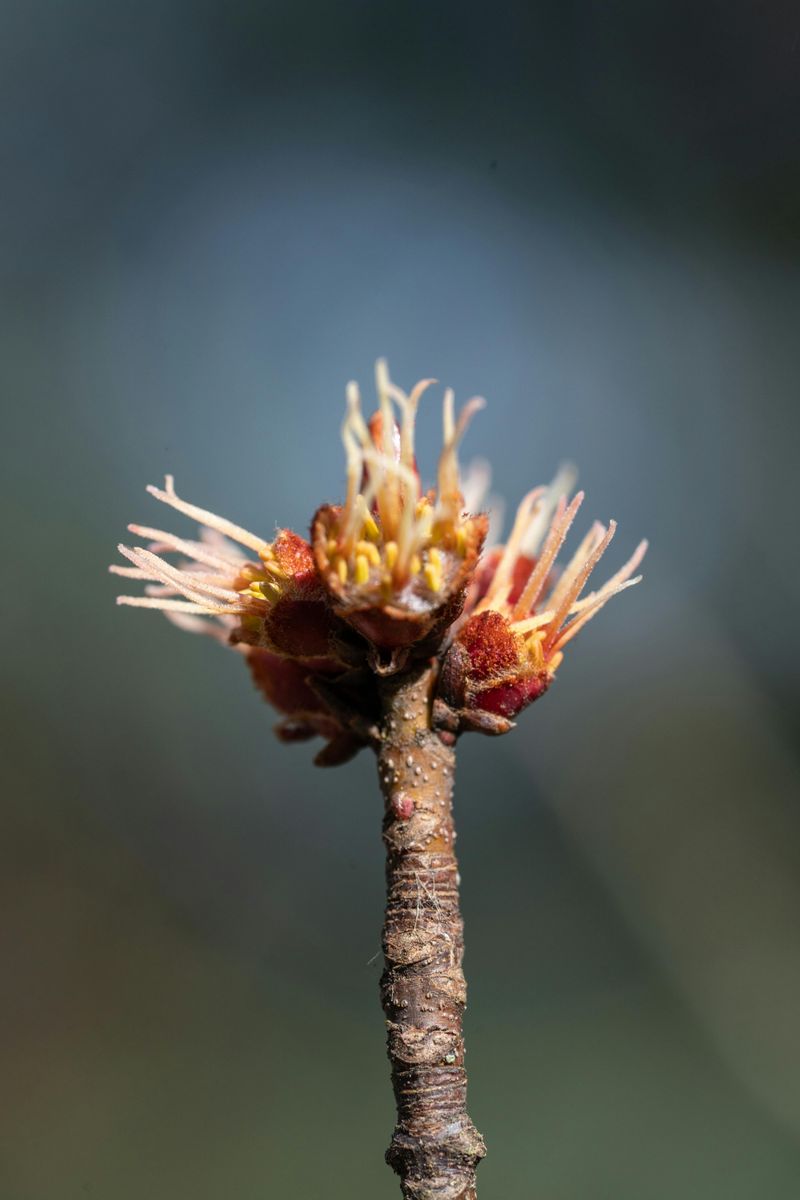
Flowers appear when everything else has quit for the year.
October through December, this oddball produces twisted yellow ribbons that look like party streamers caught in branches.
Blooming during the first snowfalls creates absolutely surreal scenes.
The timing defies everything you think you know about trees.
While other plants hunker down for winter, witch hazel throws a late-season celebration.
Fragrance carries on cold air, subtle but distinctly spicy.
Leaves turn brilliant yellow in fall before dropping, providing conventional autumn color first.
Then the surprise bloom show begins.
Size classification varies since witch hazel grows as large shrub or small tree.
Expect heights between 15 to 20 feet with irregular, spreading form.
The multi-stemmed growth habit creates natural, wild appearance rather than formal structure.
Native range includes Wisconsin, meaning cold hardiness never becomes an issue.
Adaptable to various soil types, it prefers moisture but tolerates periodic dryness once established. Understory origins mean it handles part shade beautifully.
Wildlife interest peaks in fall when late pollinators desperately search for food.
The unusual blooms provide nectar when almost nothing else does.
This makes witch hazel an important ecological player despite its modest appearance.
Practical uses include extracts from bark and leaves, traditionally used for skin treatments.
The name comes from divining rod use by water witchers, though planting it won’t help you find underground springs.
Site it near walkways or patios where winter blooms can be appreciated up close.
Morning light illuminates the yellow flowers beautifully.
Avoid windy spots that shred the delicate petals.
This tree rewards patient gardeners willing to embrace unconventional timing.
5. Japanese Tree Lilac
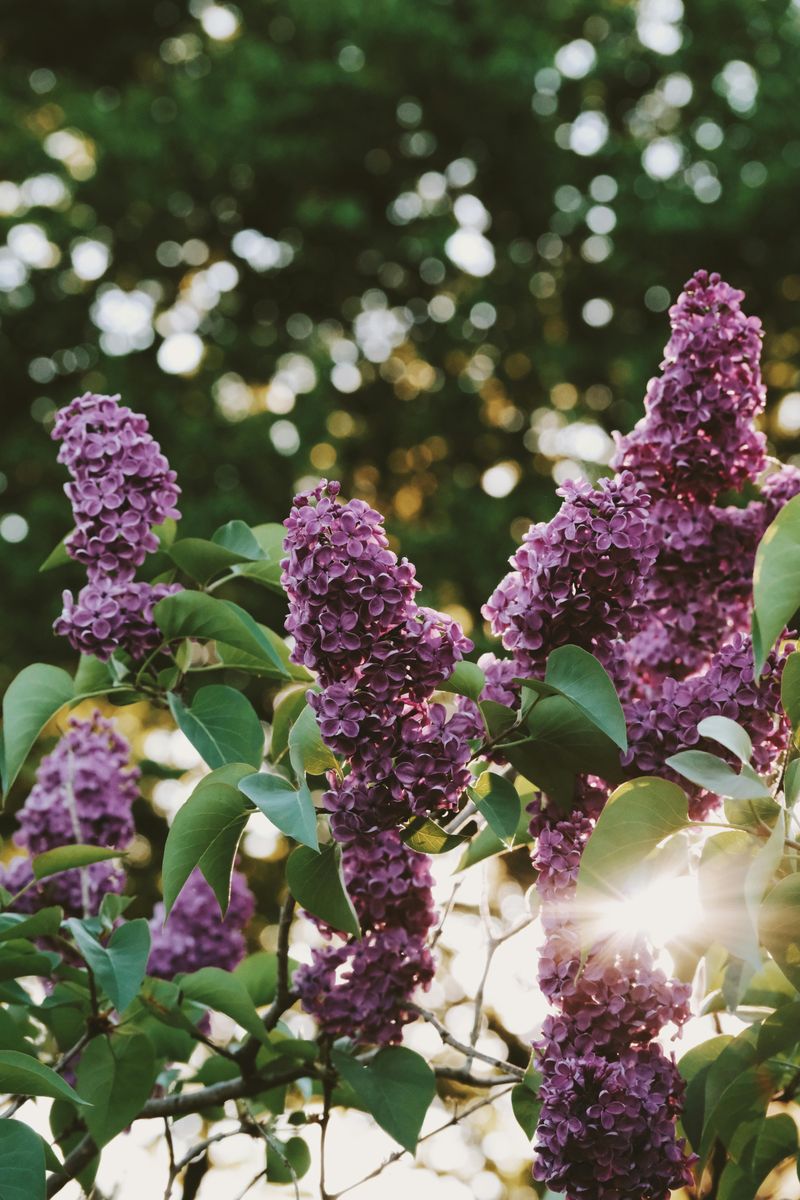
Imagine regular lilacs but supersized into tree form.
That’s basically what you get here, minus the annoying powdery mildew problems that plague shrub lilacs. Creamy white flower panicles explode across the canopy in June, creating spectacular displays.
Fragrance differs from traditional lilacs, leaning more toward privet than classic lilac perfume.
Some people love it, others find it odd. Either way, the visual impact compensates for any scent debates.
Bloom timing fills the gap between spring flowering trees and summer perennials.
This makes Japanese Tree Lilac valuable for extending seasonal interest.
The flowers last several weeks, providing longer shows than many ornamentals.
Growth habit stays tidy and compact, reaching 20 to 30 feet tall with rounded crown.
The smooth, cherry-like bark adds winter interest with horizontal lenticels that catch light beautifully.
Young bark shows bronze tones that mature to gray-brown.
Disease resistance sets this tree apart from finicky flowering ornamentals.
It laughs at powdery mildew, handles pests without drama, and rarely needs intervention.
This low-maintenance attitude suits busy homeowners perfectly.
Wisconsin winters pose little challenge to this hardy tree once it is well established. Hardy to zone 3, it handles whatever our climate throws at it.
Pollution tolerance makes it suitable for urban settings where other flowering trees struggle.
Soil requirements stay flexible, accepting clay, loam, or slightly sandy conditions.
It prefers well-drained sites but adapts to less-than-perfect drainage better than many trees.
Drought tolerance improves with age.
Plant in full sun for best flowering, though it tolerates light shade.
Space at least 15 feet from buildings and other trees.
Use it as a specimen tree in front yards or along property lines.
The compact size prevents it from overwhelming smaller lots while still providing impressive presence.
6. Ironwood
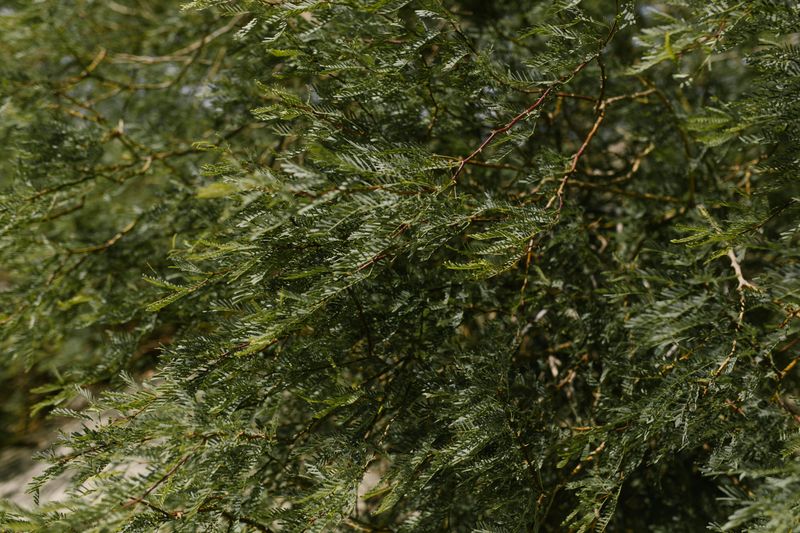
Muscles ripple down this tree’s trunk like a bodybuilder’s arms.
The fluted, sinewy bark creates incredible texture that makes ironwood instantly recognizable.
Run your hand along it and feel the ridges that give it such distinctive character.
The common name comes from exceptionally hard, dense wood.
Early settlers used it for tool handles and fence posts that outlasted everything else.
Today, that toughness translates into a tree that shrugs off ice storms and wind damage.
Wisconsin natives know this tree as American Hophornbeam, though ironwood sounds way cooler.
It grows naturally in our forests, making it perfectly adapted to local conditions.
No coddling required, no special treatments needed.
Size stays reasonable at 25 to 40 feet tall, though growth happens slowly.
Patience pays off with a tree that lives for decades without causing problems.
The pyramidal to rounded crown provides nice shade without overwhelming small yards.
Hop-like seed clusters dangle from branches in summer, giving the hophornbeam name. These papery structures add textural interest and feed various wildlife species.
Fall brings yellow to brown foliage, nothing spectacular but pleasant enough.
Shade tolerance ranks among the best for small trees.
Plant ironwood where other species fail, like under mature oaks or maples.
It actually prefers some shade, making it perfect for woodland edges or north-facing exposures.
Pest and disease problems are generally minimal and only occur occasionally.
This tree evolved toughing it out in competitive forest environments.
Once established, it practically maintains itself.
Soil adaptability covers clay, loam, and sandy conditions.
It handles dry shade better than most ornamentals, solving one of landscaping’s trickiest challenges.
Plant 15 feet from structures, closer to existing tree canopies. The slow growth and modest size make ironwood ideal for patient gardeners wanting long-term, trouble-free beauty.
7. Crabapple
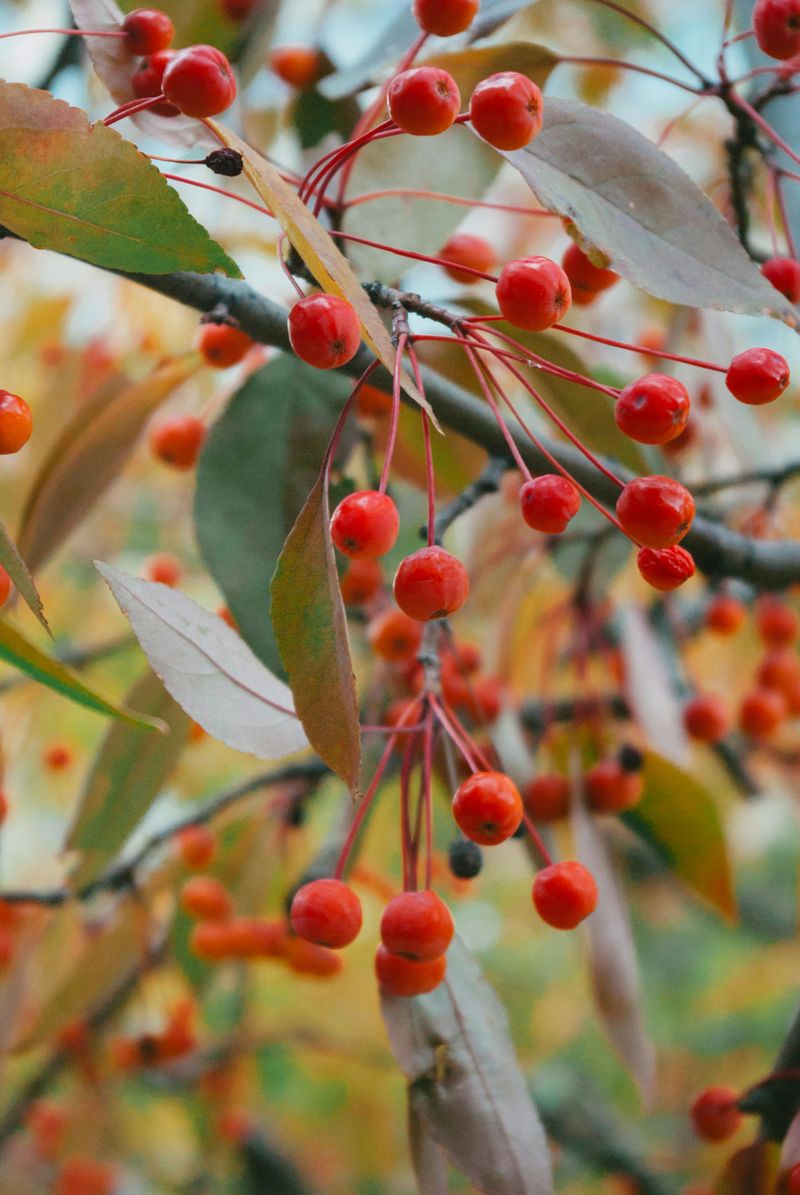
Everyone assumes crabapples mean messy fruit disasters, but modern varieties flip that script completely. Newer cultivars produce tiny fruits that birds devour before they hit the ground.
Problem solved, beauty delivered.
Spring bloom shows rival cherry trees without the finicky care requirements.
Flowers range from white to deep pink, covering branches in spectacular clouds of color.
The display lasts two to three weeks, creating neighborhood-stopping scenes.
Fruit size matters when choosing varieties.
Anything under half-inch diameter gets classified as persistent, meaning birds eat them quickly.
Larger fruits create the mess everyone worries about. Ask nurseries specifically for persistent-fruit varieties.
Disease resistance transformed crabapple reputations in recent decades.
Older varieties suffered from apple scab, powdery mildew, and fire blight.
Modern disease-resistant selections avoid these problems entirely, maintaining clean foliage all summer.
Size options range dramatically depending on variety chosen.
Dwarf types stay under 10 feet while standard forms reach 25 feet.
This flexibility lets you match tree size perfectly to available space. Width usually equals height, so plan accordingly.
Wisconsin’s climate suits crabapples perfectly, with cold winters they actually need for best flowering.
Zone 3 to 4 hardiness handles our worst weather without drama.
Urban pollution tolerance makes them excellent street trees.
Fall interest includes colorful foliage on many varieties, though fruit display steals the show.
Red, yellow, or orange fruits persist into winter, providing food for desperate birds during harsh weather. This wildlife value adds ecological benefits beyond pure ornamental appeal.
Plant in full sun for best flowering and disease resistance. Space according to mature size, usually 15 to 20 feet apart.
Choose disease-resistant, persistent-fruit varieties specifically.
The right crabapple transforms yards with four-season interest and very little mess headaches