10 Pro Tips For Growing Big, Juicy Strawberries In California
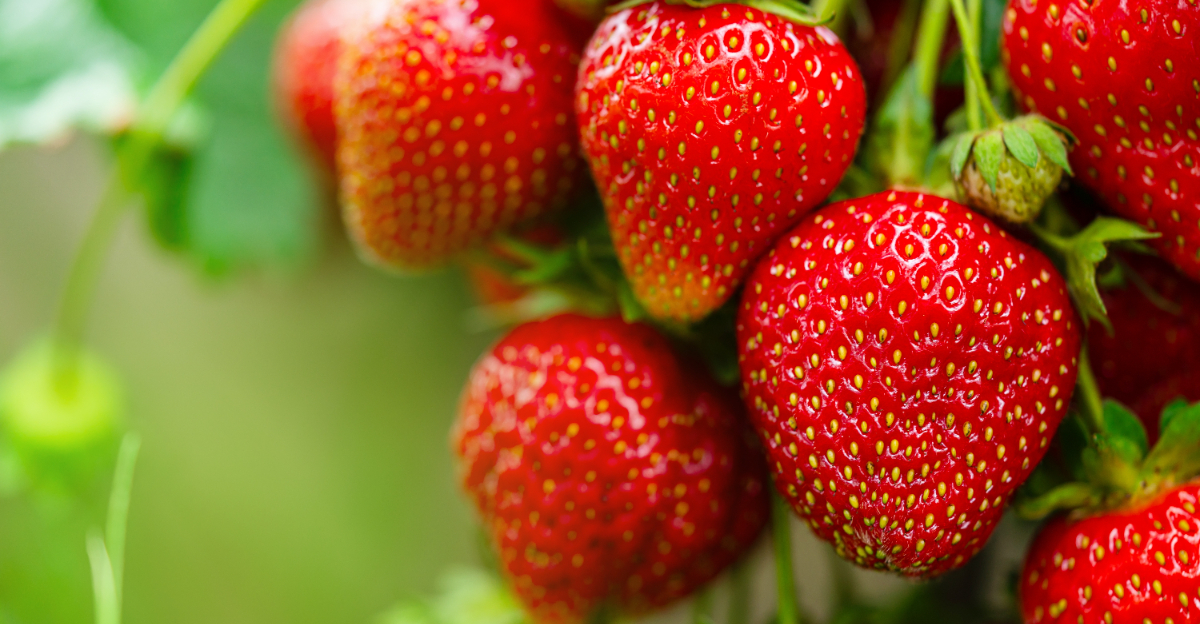
There is nothing better than a strawberry picked straight from your own garden. Sweet, warm from the sun, and so far ahead of anything you’ll find at a grocery store it’s almost not a fair comparison.
California gardeners have a serious advantage when it comes to growing them too. But there’s a big difference between plants that produce and plants that absolutely deliver.
Most people throw strawberry plants in the ground, water them occasionally, and hope for the best. That approach gets you fruit.
These tips get you the kind of big, deeply colored, ridiculously juicy strawberries that make people stop and ask what your secret is.
Small adjustments in how you plant, feed, and care for them add up fast, and California’s long growing season means you’ve got plenty of time to put every single one of them to work. Your best strawberry harvest yet is closer than you think.
1. Pick California-Friendly Varieties
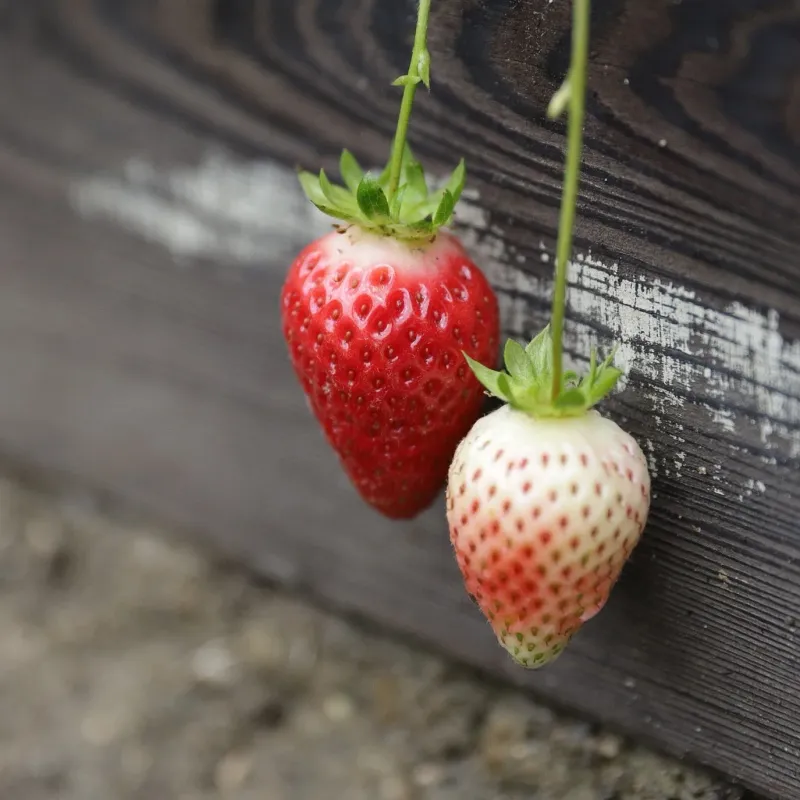
Not all strawberries are created equal, and choosing the right variety makes a huge difference in California. The good news is that California growers have a lot of great options to work with.
Varieties like Albion, Seascape, and Chandler were practically made for California’s climate.
Albion is a day-neutral variety, which means it produces fruit no matter how long or short the days are. That makes it a fantastic choice for gardeners across the state, from the Central Valley to coastal regions.
Seascape is another crowd favorite because it handles heat well and keeps producing through summer.
Chandler is beloved by California strawberry farms for a reason. It grows big, beautiful berries with that classic sweet flavor everyone loves.
If you are in a cooler coastal area, look into varieties like Camarosa, which thrives in mild, foggy climates.
Buying certified disease-free plants from a local nursery is always a smart move. Local nurseries in California often carry varieties suited specifically to your region.
Ask the staff which ones do best in your zip code. Starting with the right variety sets the tone for everything that follows in your garden.
2. Give Them Full Sun
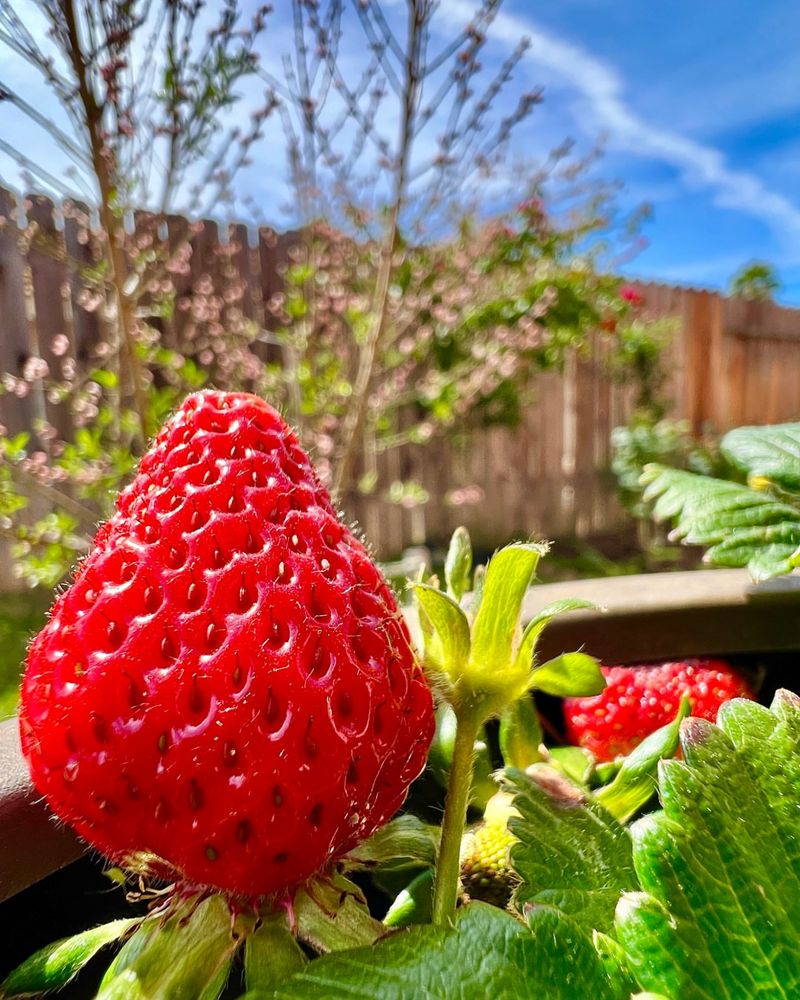
Strawberries are sun lovers through and through. To grow big, sweet berries, your plants need at least six to eight hours of direct sunlight every single day.
In California, that is usually not hard to come by, which is one reason this state is such a strawberry paradise.
Pick the sunniest spot in your yard or garden. South-facing beds tend to get the most consistent light throughout the day.
Avoid planting near tall fences, trees, or structures that cast shade during peak daylight hours.
More sun means more energy for the plant to make sugar, and more sugar means sweeter berries. It really is that simple.
Strawberries grown in partial shade tend to produce smaller fruit and are more likely to develop mold or disease because of poor air circulation.
If you are growing in containers on a patio or balcony, move them around to chase the sun if needed. Container gardening gives you that flexibility.
Your California Garden Changes Every Week. Your Plan Should Too.
Gardening in California changes quickly throughout the season. Every Friday you’ll receive a simple weekly plan showing exactly what to plant, prune, fertilize, harvest, and protect so you never miss the right timing.
In hotter inland parts of California, a little afternoon shade during the peak of summer can actually prevent sunscald on the berries. But in most cases, more sun is always better for your strawberry harvest.
3. Start With Rich Soil
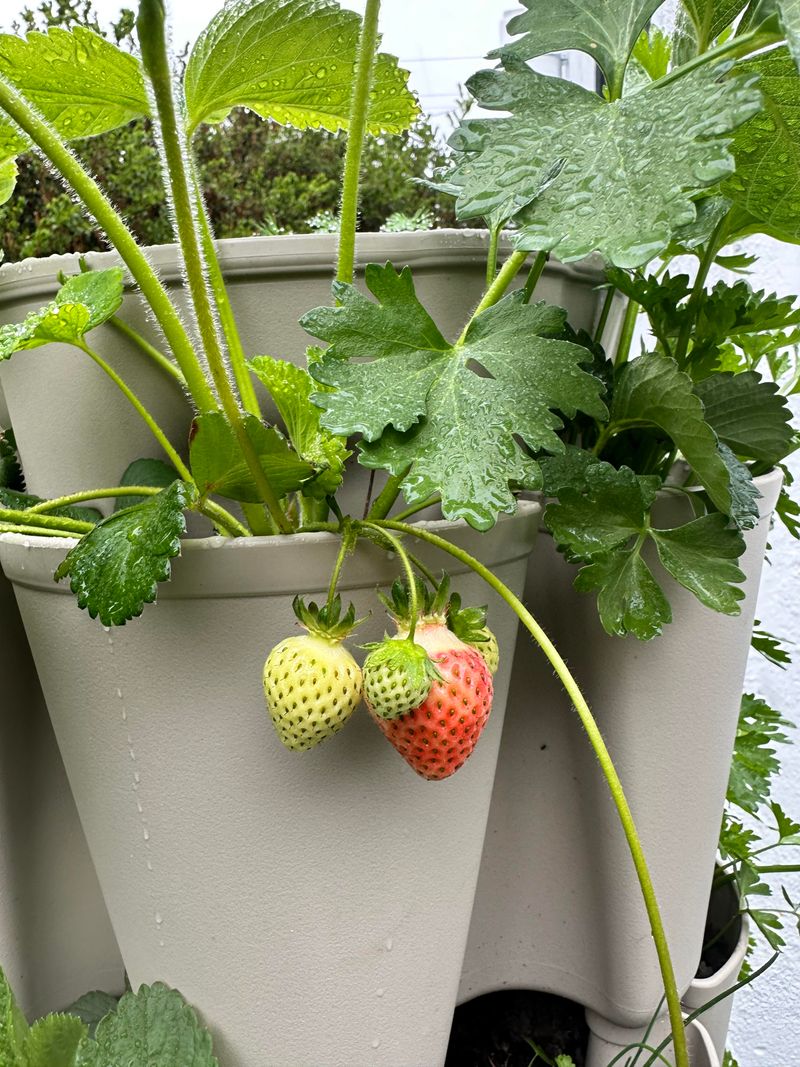
Good soil is the foundation of a great strawberry harvest. Strawberries love well-draining, slightly acidic soil with a pH between 5.5 and 6.5.
If your soil is too heavy or too alkaline, your plants will struggle no matter how well you care for them.
Before planting, work in a generous amount of compost or aged manure. This improves drainage, adds nutrients, and helps the soil hold just the right amount of moisture.
Sandy loam soil is ideal for strawberries, and many parts of California naturally have it.
If you have clay-heavy soil, raised beds are a game changer. Fill them with a high-quality mix of topsoil, compost, and perlite to create the perfect growing environment.
Raised beds also warm up faster in spring, which gives your plants a head start on the season.
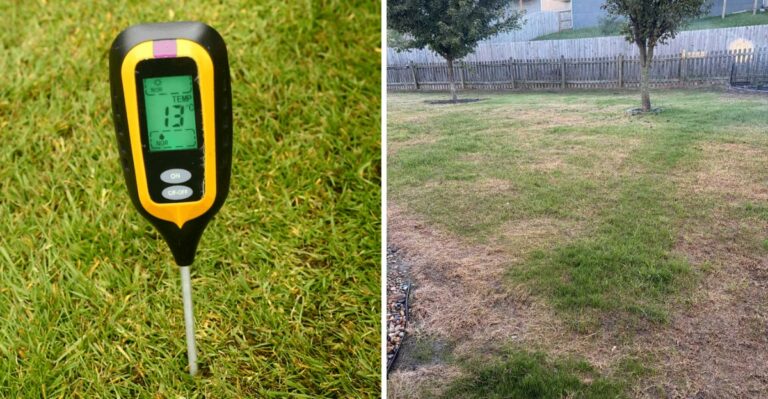
Getting a simple soil test before planting is worth the effort. Many California cooperative extension offices offer affordable testing kits.
If your pH is off, you can add sulfur to lower it or lime to raise it. Taking the time to prepare your soil properly before the first plant goes in the ground pays off with bigger, healthier berries all season long.
4. Plant Crowns Correctly
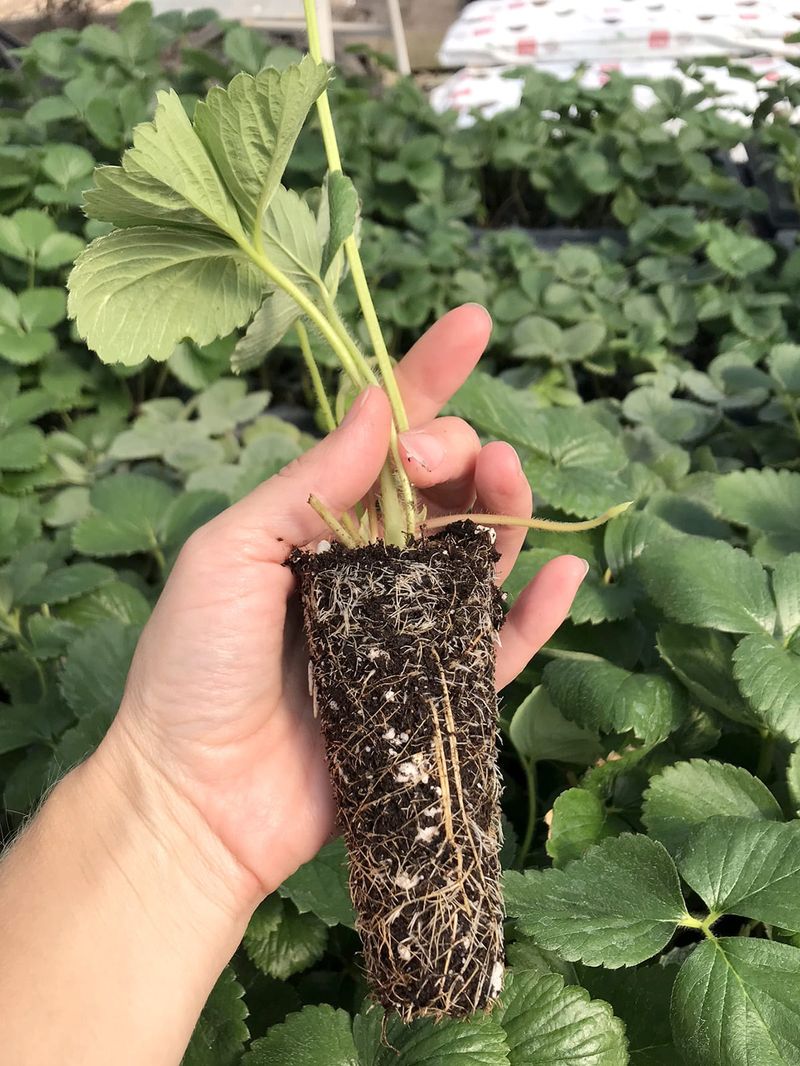
Planting depth is one of the most overlooked details in strawberry growing, and getting it wrong can seriously hurt your harvest. The crown of the strawberry plant, which is the thick central stem where the leaves emerge, needs to sit right at the soil surface.
Not above it, not buried beneath it.
If the crown is buried too deep, it can rot. If it sticks up too high above the soil, the roots dry out and the plant struggles to anchor itself.
It is a narrow sweet spot, but once you see it, it becomes second nature.
Space your plants about twelve to eighteen inches apart. Strawberries send out runners, which are long stems that grow along the ground and produce new plants.
Giving them enough room prevents overcrowding and keeps air flowing between plants, which reduces disease.
In California, you can plant strawberries in fall for a spring harvest or in early spring for summer fruit. Fall planting is especially popular in warmer parts of the state because the mild winters allow plants to establish roots without the stress of freezing temperatures.
Take your time during planting day. A few extra minutes spent placing each crown at the perfect depth can mean the difference between a thriving patch and a disappointing one.
5. Water For Juicy Fruit
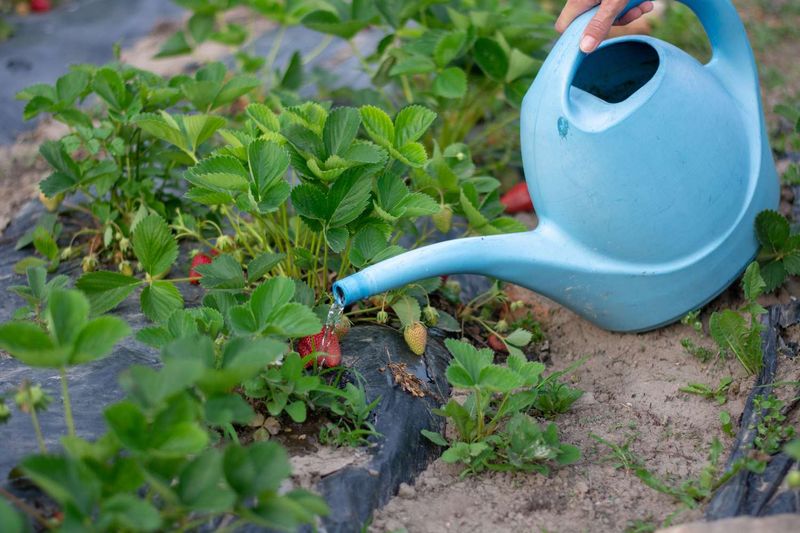
Water is what makes strawberries juicy, so getting your watering routine right is absolutely essential. Strawberry plants need about one to two inches of water per week, and they prefer consistent moisture rather than big, infrequent soaks.
Irregular watering leads to cracked fruit and uneven ripening.
Drip irrigation is the gold standard for strawberry growers in California. It delivers water directly to the root zone without wetting the leaves or fruit, which cuts down on mold and disease.
Many California gardeners use drip systems on timers to keep watering consistent even during busy weeks.
Avoid overhead sprinklers if you can. Wet leaves and fruit sitting in moisture create the perfect conditions for gray mold, which is a common problem in strawberry patches.
Water in the morning if you must use sprinklers, so plants have time to dry before nightfall.
During California’s hot summer months, you may need to water more frequently. Check the top inch of soil regularly.
If it feels dry, it is time to water. Mulching around your plants, which we will cover later, also helps the soil hold moisture longer between waterings.
Consistent, smart watering is one of the easiest ways to boost berry size and flavor in your California garden.
6. Mulch The Berry Bed
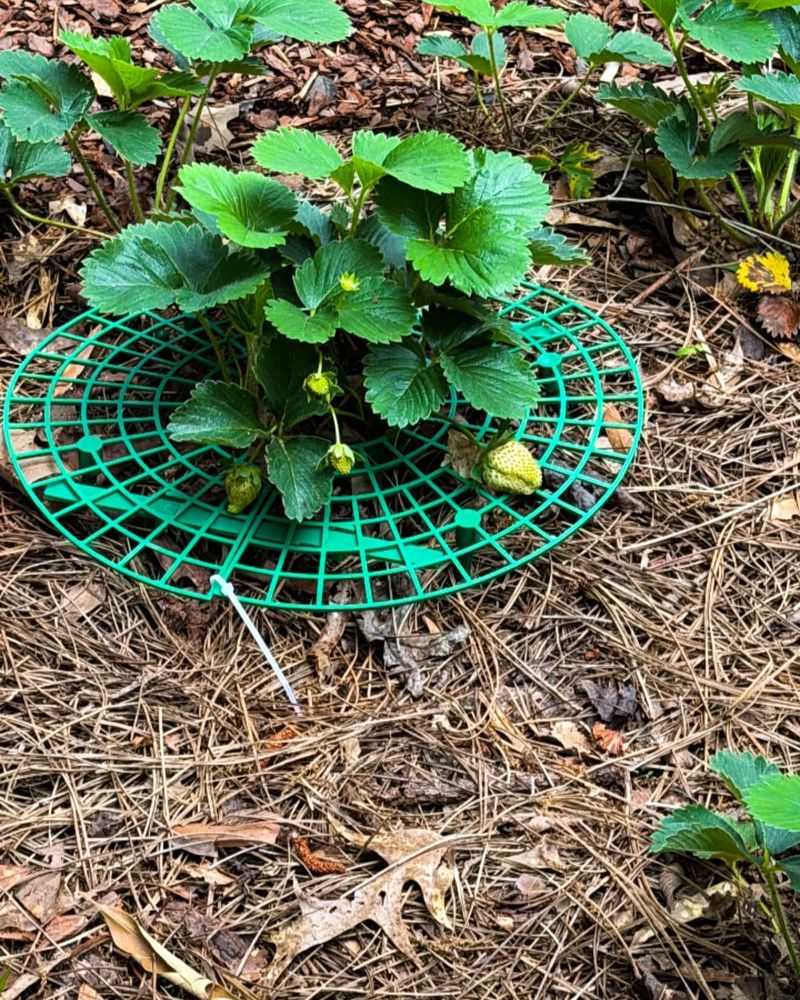
Straw mulch and strawberries go together like sunshine and summer. Spreading a layer of straw around your plants does more than just look tidy.
It keeps soil moisture in, regulates soil temperature, and keeps the berries off the dirt so they stay clean and rot-free.
Apply about two to three inches of straw around each plant after planting. Make sure to keep the mulch away from the crown itself so it does not trap moisture against the stem.
Pull it back slightly from the base of each plant to allow airflow.
In California’s warmer inland regions, mulch is especially valuable during summer. It can keep soil temperatures several degrees cooler, which reduces stress on the roots and helps plants focus their energy on producing fruit instead of just surviving the heat.
Besides straw, you can also use shredded leaves, pine needles, or even landscape fabric as mulch. Pine needles are a popular choice because they are slightly acidic, which strawberries love.
Landscape fabric works well in raised beds and helps suppress weeds at the same time. Whatever you choose, refreshing your mulch layer each season keeps it doing its job effectively.
A well-mulched strawberry bed is a happy, productive one all year long.
7. Feed Lightly, Fruit Heavily
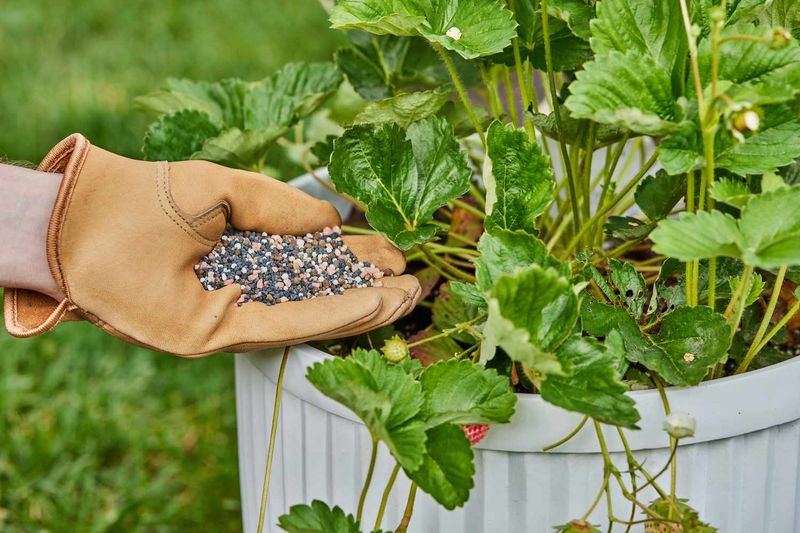
Feeding your strawberry plants the right way can mean the difference between a modest harvest and a berry bonanza. Strawberries are not heavy feeders, but they do need the right nutrients at the right time.
Too much fertilizer, especially nitrogen, pushes plants to grow big leafy greens instead of fruit.
Use a balanced fertilizer with equal parts nitrogen, phosphorus, and potassium when plants are getting established. Once flowering begins, switch to a fertilizer that is lower in nitrogen and higher in phosphorus and potassium.
This shift encourages the plant to put its energy into developing berries rather than leaves.
Organic options like fish emulsion or compost tea work wonderfully for strawberries. They feed the plants slowly and steadily without the risk of burning the roots.
Many California gardeners swear by organic fertilizers for growing tastier, more flavorful fruit.
Feed your plants every three to four weeks during the growing season, but always follow the package directions. Over-fertilizing is a real problem and can actually reduce your harvest.
A light, consistent feeding schedule keeps plants healthy without pushing them into overdrive. Think of it like seasoning food.
A little goes a long way, and knowing when to stop is just as important as knowing when to start.
8. Pinch Early Flowers
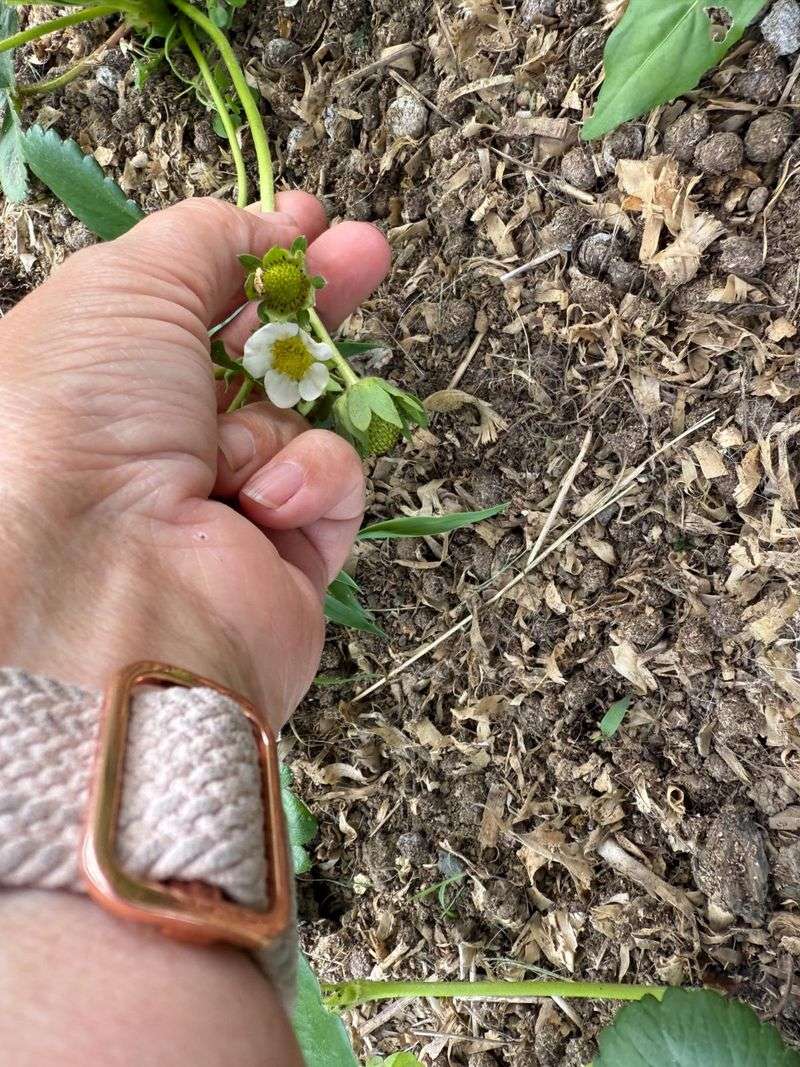
It sounds counterintuitive, but pinching off the first flowers that appear on your strawberry plants is one of the best things you can do for your harvest. When you remove those early blooms, you are telling the plant to invest its energy into building a stronger root system instead of making fruit right away.
Stronger roots mean a healthier, more productive plant later in the season. Skipping this step might get you a few berries early on, but the overall harvest will be smaller and the plants will wear out faster.
A little patience in the beginning pays off big later.
For June-bearing varieties, pinch all flowers during the first year. For day-neutral varieties like Albion, which are very popular in California, pinch flowers for the first four to six weeks after planting.
After that, let the plant bloom and fruit freely.
Use clean scissors or just your fingers to remove the flowers at the stem. Do not feel bad about it.
Your plants will thank you by producing a much more impressive crop. Gardeners across California who follow this tip often report noticeably larger and more flavorful berries compared to those who let every flower go.
It is a small act that makes a surprisingly big difference in your final harvest.
9. Protect Berries From Pests
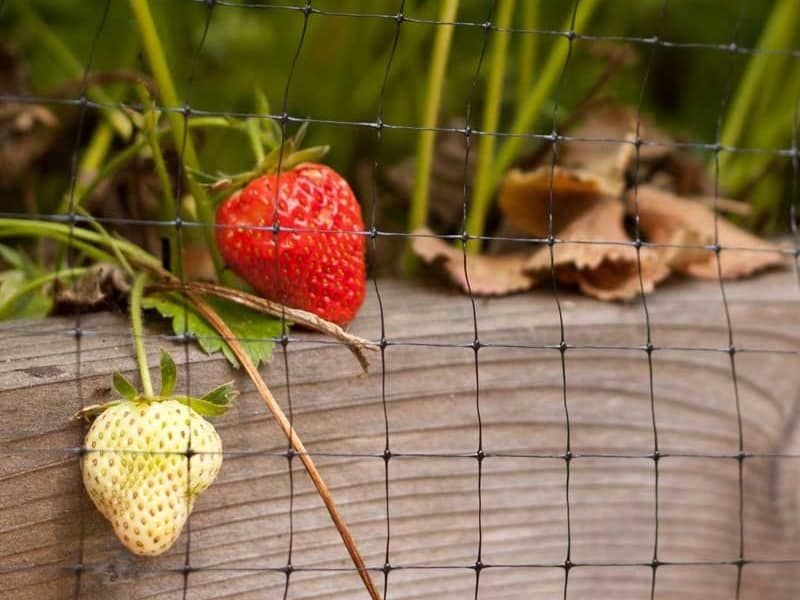
Anyone who has grown strawberries knows the frustration of walking out to the garden and finding half-eaten berries on the ground. Birds are some of the biggest culprits, and they are fast.
One morning without protection and your best berries can disappear before you even get a chance to pick them.
Bird netting is the most effective and affordable solution. Drape it over your plants and secure the edges with stakes or rocks to keep birds from sneaking underneath.
It lets sunlight and rain through while keeping hungry visitors out.
Slugs and snails are another common problem, especially in the coastal parts of California where moisture lingers longer. They love to munch on ripe berries at night.
Placing copper tape around raised beds or using iron phosphate-based slug bait are safe and effective methods that will not harm other wildlife.
Aphids and spider mites can also bother strawberry plants, particularly during dry California summers. A strong spray of water from a garden hose can knock aphids off the leaves.
For more stubborn infestations, neem oil is a natural option that works well without harsh chemicals. Staying on top of pests early makes a big difference.
A quick daily check of your plants keeps small problems from turning into big ones.
10. Refresh Tired Plants
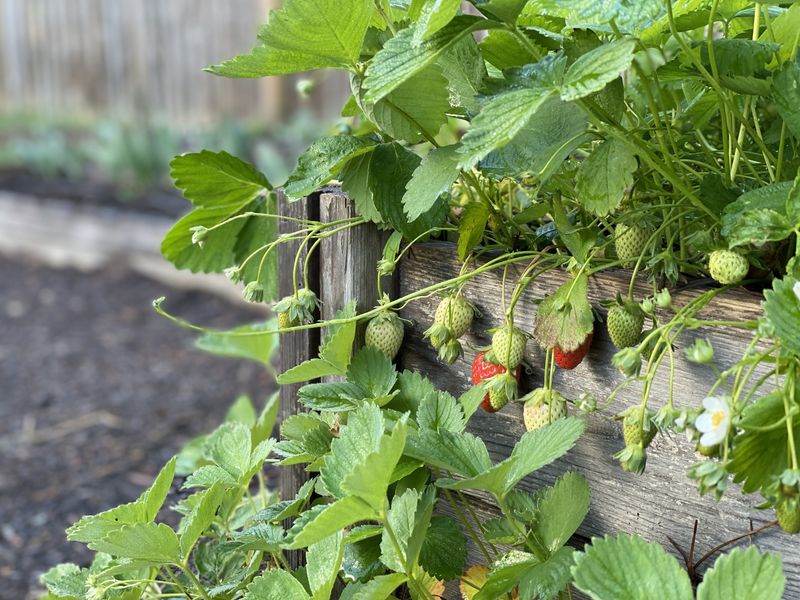
Strawberry plants do not last forever, and knowing when to refresh your patch is just as important as knowing how to grow it. Most strawberry plants are at their best during years one and two.
By year three or four, production tends to drop off noticeably and the fruit gets smaller.
The good news is that strawberries naturally make their own replacements through runners. These are the long, thin stems that grow out from the mother plant and root themselves nearby.
You can train these runners into empty spots in your bed to fill in gaps with fresh, young plants.
Every two to three years, consider doing a full renovation of your strawberry patch. Remove the oldest plants and replace them with new transplants or the healthiest runners from your current crop.
This keeps the bed productive and full of vigorous, fruit-bearing plants.
In California, fall is a great time to renovate your strawberry bed. The cooler temperatures help new plants get established without heat stress.
Add fresh compost to the bed when you replant to give the new plants a nutrient boost right from the start. Refreshing your patch regularly is the secret that experienced California strawberry growers use to keep their gardens producing big, beautiful berries year after year without missing a beat.