Native Ohio Groundcovers To Plant In May Before Weeds Take Over
May is when Ohio garden beds start making their intentions known. Bare patches that looked harmless in April can suddenly turn into prime real estate for every opportunistic weed in the neighborhood.
Not ideal. That is why this month is such a smart time to get native groundcovers in the ground.
As the weather warms up, these low-growing plants can begin settling into shady corners, sunny slopes, and those awkward in-between spaces that never seem to stay tidy on their own. Better yet, they do more than just cover soil.
Native groundcovers can add texture, soften hard edges, and make a landscape feel more connected to Ohio’s natural character. That is a pretty nice upgrade for plants that stay close to the ground.
Give them a full growing season to get comfortable, and they can start turning open, messy-looking spots into parts of the yard that feel fuller, calmer, and much more finished.
1. Wild Ginger Fills Shade With Quiet Texture
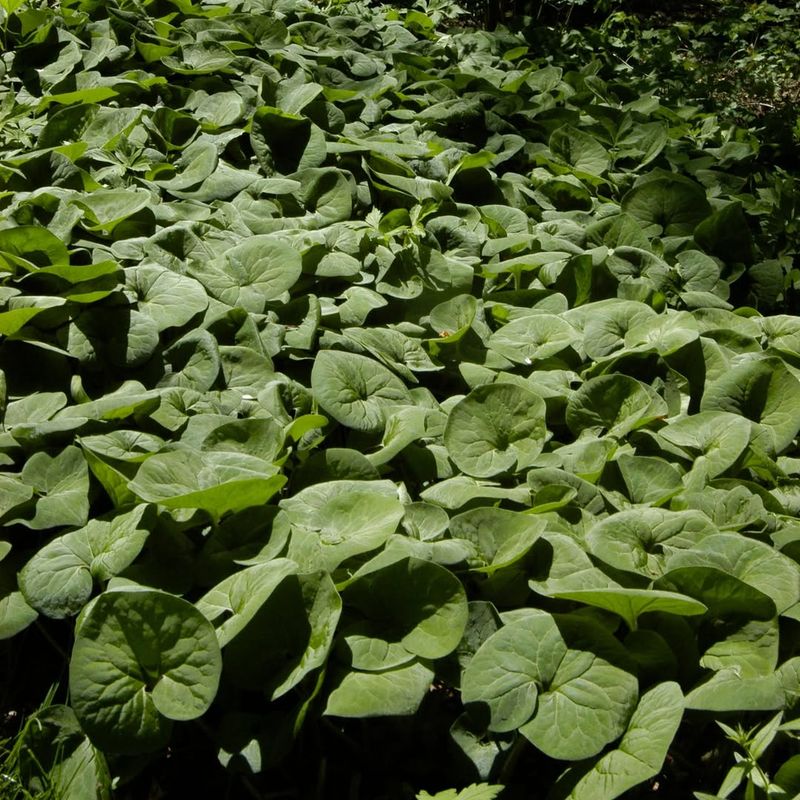
Bare soil under a canopy of trees can look rough and unfinished well into May, and wild ginger is one of the most reliable native Ohio groundcovers for fixing that problem.
Its large, heart-shaped leaves grow low to the ground and form a dense, lush mat that softens the look of shady beds without requiring much attention once it gets going.
The effect is calm, full, and woodsy in the best possible way. It can make even a difficult shady corner look far more settled and inviting.
Wild ginger, known botanically as Asarum canadense, is native to Ohio woodlands and thrives in moist, well-drained soil with moderate to deep shade.
It spreads gradually by rhizomes, slowly filling in open patches over a few seasons rather than taking over aggressively.
That steady, manageable spread makes it a practical choice for foundation beds, side yards, and shaded borders near tree roots.
Planting in May gives wild ginger enough warm weeks to establish before summer heat arrives. The foliage stays attractive through the growing season, providing a consistent green texture that helps a shady bed look full and intentional.
It does not produce showy blooms, but the rich leaf color and ground-hugging habit more than make up for that in a shade garden setting.
2. Foamflower Brings Soft Spring Beauty
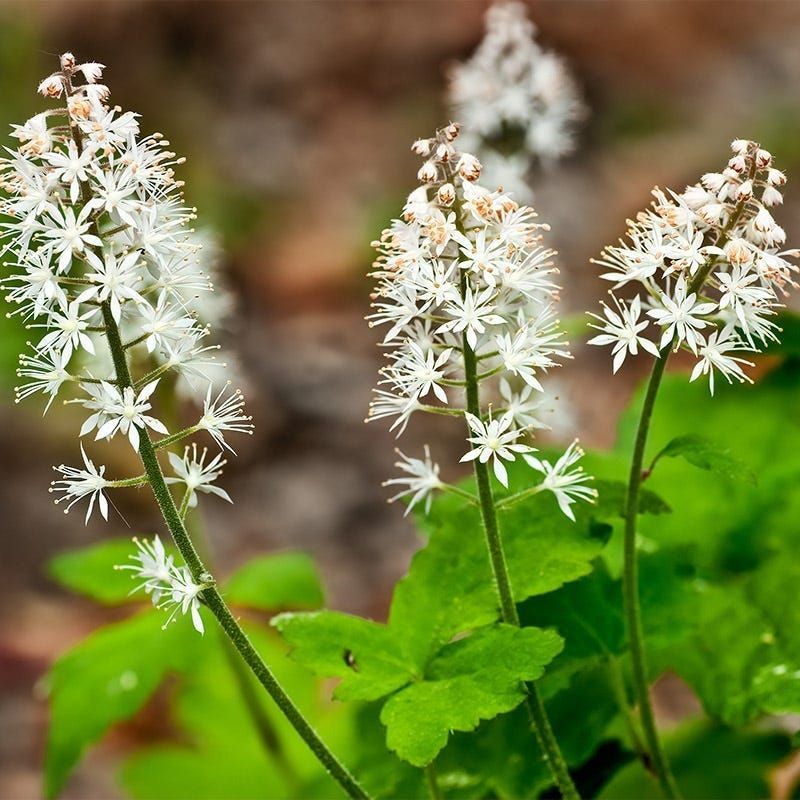
Few native Ohio groundcovers look as quietly beautiful in spring as foamflower.
The plant gets its common name from the frothy clusters of small white flowers that rise on slender stalks above the foliage in April and May, creating a soft, cloud-like effect in shaded beds.
That bloom display is one of the most charming sights an Ohio shade garden can offer during early spring. It also helps shady spaces feel brighter and more alive at a time when many beds still look a little flat.
Tiarella cordifolia, as it is formally known, is native to Ohio woodlands and grows well in moist, humus-rich soil under partial to full shade.
It spreads by runners and slowly forms attractive colonies over time, making it useful for filling in beneath shrubs, along shaded walkways, or in woodland-style borders where bare ground tends to look weedy.
Your Ohio Garden Changes Every Week. Your Plan Should Too.
Gardening in Ohio changes quickly throughout the season. Every Friday you’ll receive a simple weekly plan showing exactly what to plant, prune, fertilize, harvest, and protect so you never miss the right timing.
May planting works well for foamflower because the soil is warm enough to encourage root development before summer arrives. Even after the flowers fade, the lobed, slightly mottled leaves remain attractive through the season.
The foliage adds a gentle layer of texture that keeps a shaded bed looking finished and cared for even when nothing else is actively blooming nearby.
3. Wild Geranium Adds Easy Woodland Color
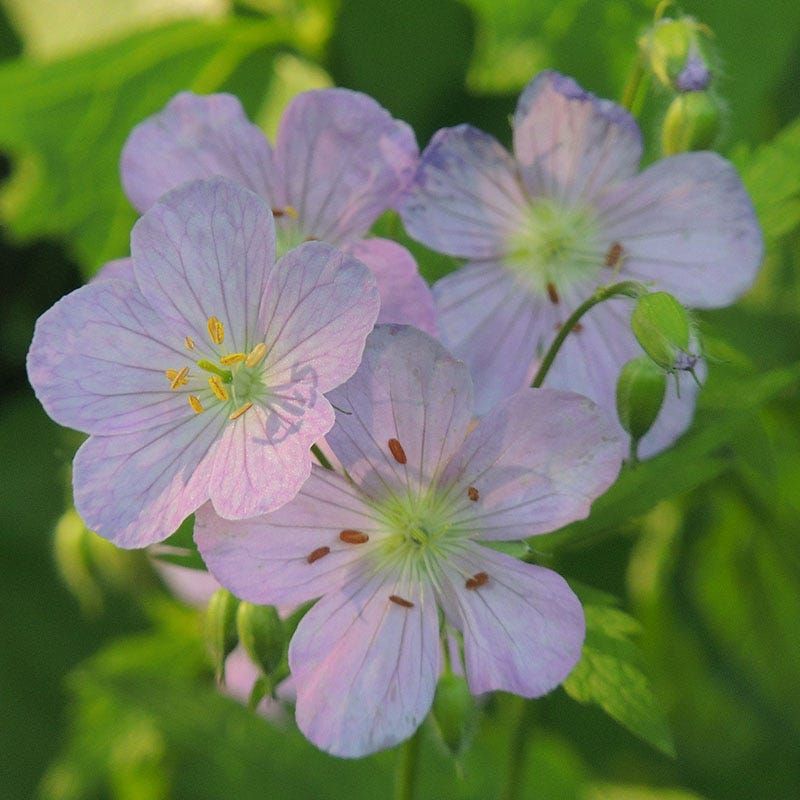
Open spots along the edge of a woodland border or shaded flower bed can look surprisingly dull in May, even when everything else around them is greening up.
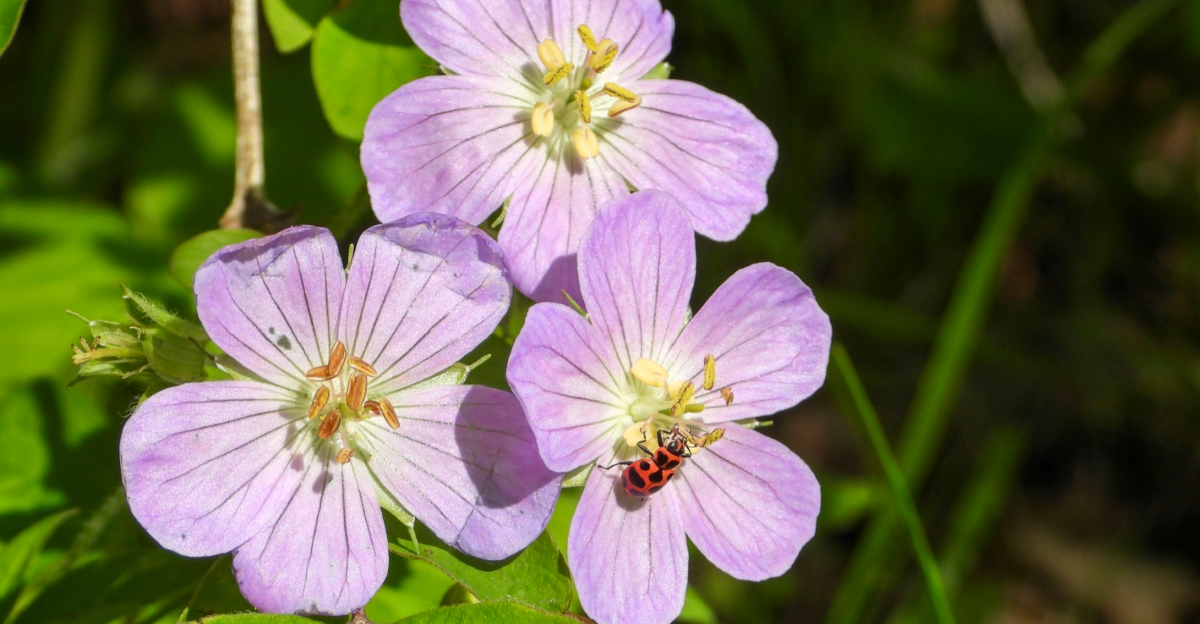
Wild geranium changes that quickly with its cheerful pink-purple blooms and neatly divided leaves that give a bed a lush, layered appearance right when the season starts picking up.
It adds the kind of easy spring color that helps a shady bed feel finished much sooner.
Geranium maculatum is a true Ohio native that grows naturally in open woodlands, forest edges, and shaded roadsides across the state. It does well in partial shade but can handle a bit more sun if the soil stays reasonably moist.
The plant reaches about one to two feet tall and spreads slowly from clumps, making it easy to manage in a typical home flower bed.
Planting wild geranium in May gives it time to anchor its roots while the weather is still mild. It tends to bloom from mid-spring into early summer, offering several weeks of soft color before going semi-dormant later in the season.
The foliage still looks decent through summer, and the plant reliably returns each year, gradually filling in and reducing the bare patches that often invite weeds to move in.
4. Wild Blue Phlox Freshens Beds In Spring
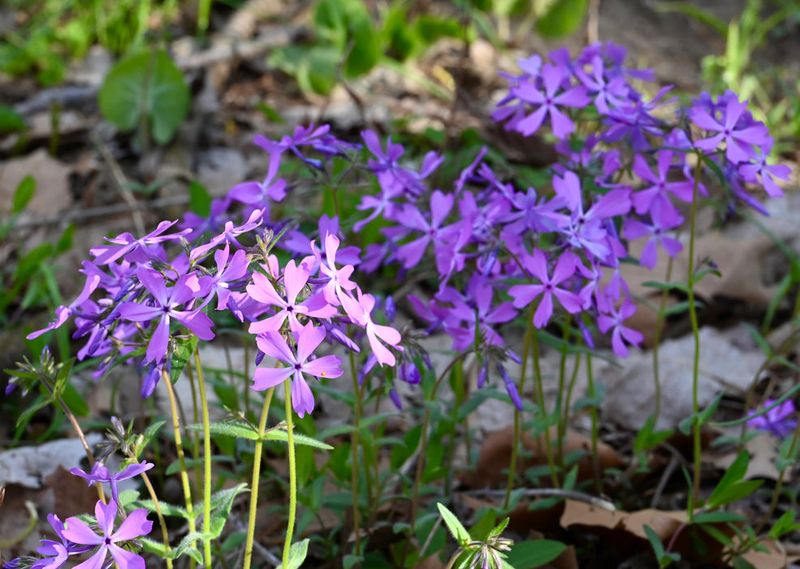
Walking past a bed full of wild blue phlox in May feels like stumbling onto something unexpectedly lovely.
The soft blue-lavender flowers appear in loose clusters just above the foliage, filling shaded and partly sunny beds with a light, airy color that stands out without overpowering the rest of the planting.
Phlox divaricata is native to Ohio and found naturally in moist woodlands, stream edges, and shaded slopes throughout the state.
It grows best in partial shade with consistent moisture but adapts reasonably well to drier conditions once it has had a season to settle in.
The plant stays fairly low, reaching about ten to fifteen inches in height, and gradually spreads to form loose, informal patches.
May is a good time to get wild blue phlox in the ground because it roots quickly in warm spring soil and can take advantage of the remaining cool nights before summer fully sets in.
After the spring bloom period ends, the semi-evergreen foliage continues to provide a low layer of green coverage that keeps beds looking tidy.
For Ohio gardeners trying to reduce bare spots in shaded or partly shaded areas, wild blue phlox offers both seasonal color and practical ground coverage.
5. Creeping Phlox Spreads Color Across Sunny Ground
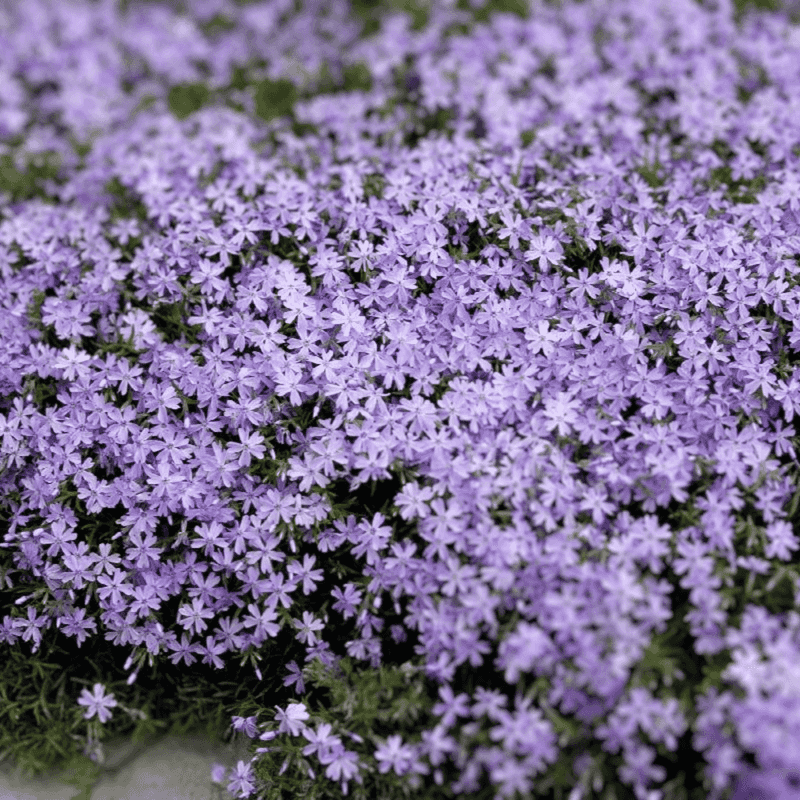
Sunny slopes, rock garden edges, and open front yard beds in Ohio can look flat and bare in early May, especially before warm-season plants start filling in.
Creeping phlox is one of the most dependable native-adjacent groundcovers for those exposed, sun-drenched spots, and when it blooms in spring, it covers the ground in a dense sheet of pink, lavender, or white flowers that stops people in their tracks.
Phlox subulata grows naturally in rocky, well-drained soils across parts of Ohio and the broader eastern United States.
It handles full sun and dry conditions better than most low-growing native options, making it especially useful on slopes or along sunny borders where other plants tend to struggle.
The needle-like evergreen foliage stays green year-round, giving the bed a finished look even outside of bloom season.
Getting creeping phlox in the ground during May allows the plant to root into warm soil and start spreading before the heat of summer settles in.
It grows outward steadily over time, gradually covering bare ground and reducing the open patches where weeds tend to move in first.
For Ohio homeowners dealing with a sunny, difficult-to-maintain slope, creeping phlox is a low-effort plant that earns its place year after year.
6. Christmas Fern Keeps Shady Beds Looking Full
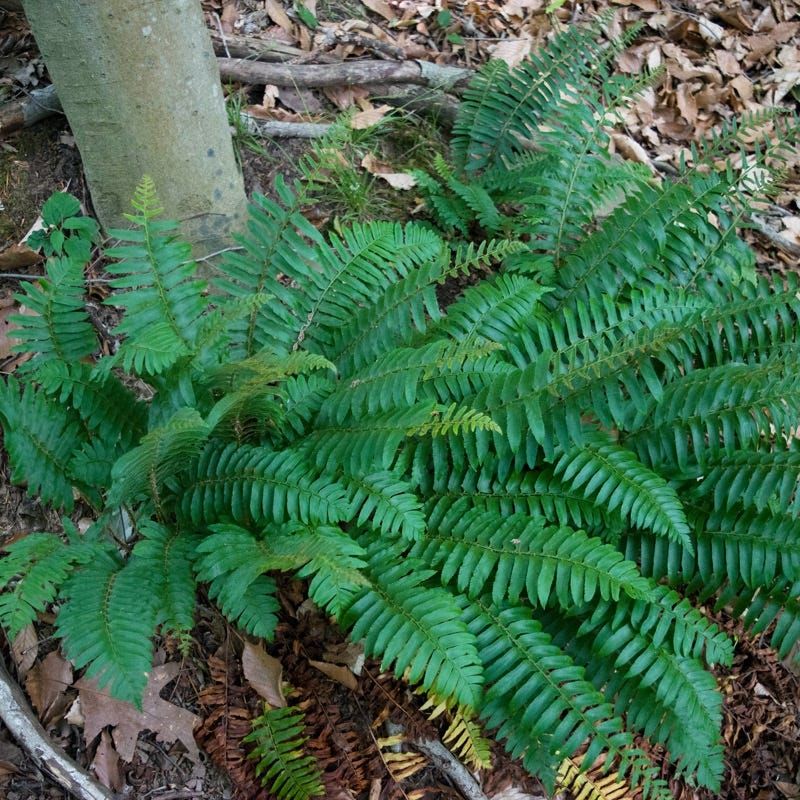
Some of the trickiest spots in an Ohio yard are the deeply shaded areas under mature trees where grass refuses to grow and most flowering plants give up.
Christmas fern handles those conditions with ease, offering a dependable presence in spots that would otherwise stay bare and weedy through the entire growing season.
Polystichum acrostichoides is one of Ohio’s most widely distributed native ferns, found growing naturally in shaded ravines, woodland slopes, and forest edges across the state.
Its dark, leathery fronds arch outward in a graceful vase shape and stay green well into winter, which is how the plant earned its common name.
That extended green season makes it especially useful in beds that need to look attractive outside of the typical spring-to-fall window.
Planting Christmas fern in May gives the roots time to establish in moist, shaded soil before the heat of summer arrives.
It grows in clumps rather than spreading aggressively, so it works well in more structured beds where a tidy appearance matters.
Over several seasons, established clumps fill in nicely and help a shaded bed look intentional and full rather than sparse. For Ohio gardeners working with deep shade, it is one of the most reliable native options available.
7. Jacob’s Ladder Adds Blue To Spring Shade
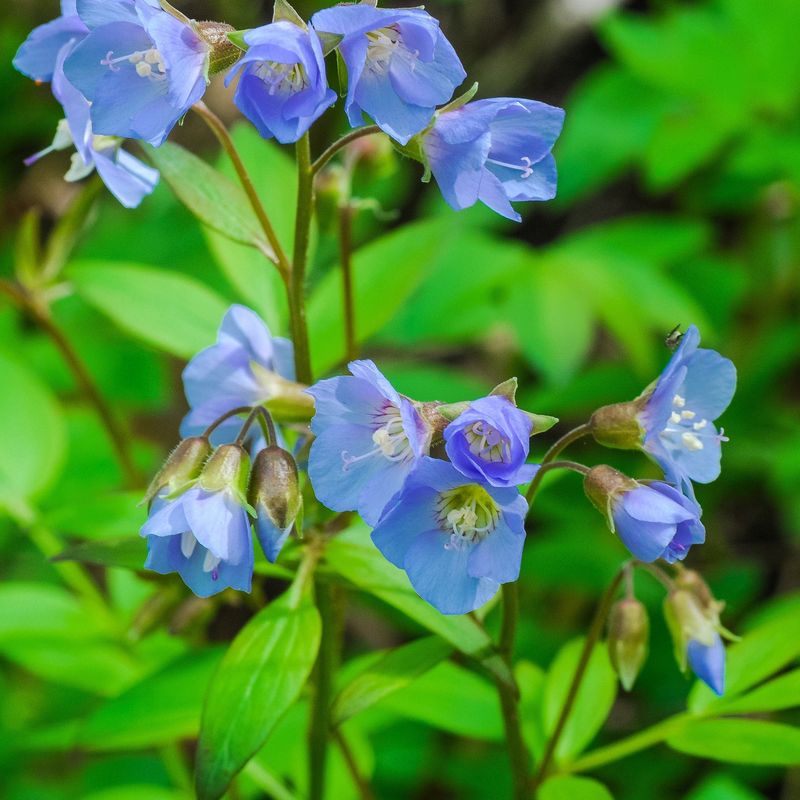
Cool blue flowers are not always easy to find among native Ohio plants, which makes Jacob’s ladder a genuinely useful addition to any shaded spring bed.
The clusters of small, bell-shaped blue-purple blooms appear in April and May, rising above the delicate compound leaves that give the plant its memorable common name.
Polemonium reptans is native to moist Ohio woodlands and shaded stream banks, and it tends to do best in partial to full shade with consistently moist, fertile soil.
The foliage has a fine, feathery texture made up of paired leaflets arranged along each stem like the rungs of a ladder.
That detail alone makes the plant interesting even before the flowers open, giving a bed a layered, textural quality that feels natural and unhurried.
May planting works well for Jacob’s ladder because the soil is warm and the plant can root in quickly before summer temperatures arrive. It grows in a clumping habit and spreads modestly, sometimes self-seeding gently in favorable spots.
For Ohio gardeners trying to fill shaded corners with something that offers both color and structure, Jacob’s ladder brings a quiet elegance that complements other native woodland plants like wild ginger, foamflower, and wild geranium without competing with them visually.