8 Plants Making Shady Virginia Yards Look Amazing
That dark corner of my yard mocked me for two solid years.
I tried everything, cheerful annuals, hopeful perennials, even a decorative rock arrangement that fooled nobody.
Everything either struggled, sulked, or simply gave up.
Living in Virginia means dealing with dense tree canopy, humid summers, and soils that range from rich and loamy to stubbornly clay-heavy.
Shade gardening here feels like a puzzle with missing pieces, until you finally find the plants that were practically born for exactly these conditions.
Virginia actually has an incredible lineup of shade-loving plants that bring genuine color, texture, and personality to the darkest corners of any yard.
Some are native wildflowers, some are bold leafy statement makers, and some are quiet overachievers that bloom when nothing else bothers to.
Your dark corner does not need more sunlight. It just needs the right plants.
1. Joe Pye Weed
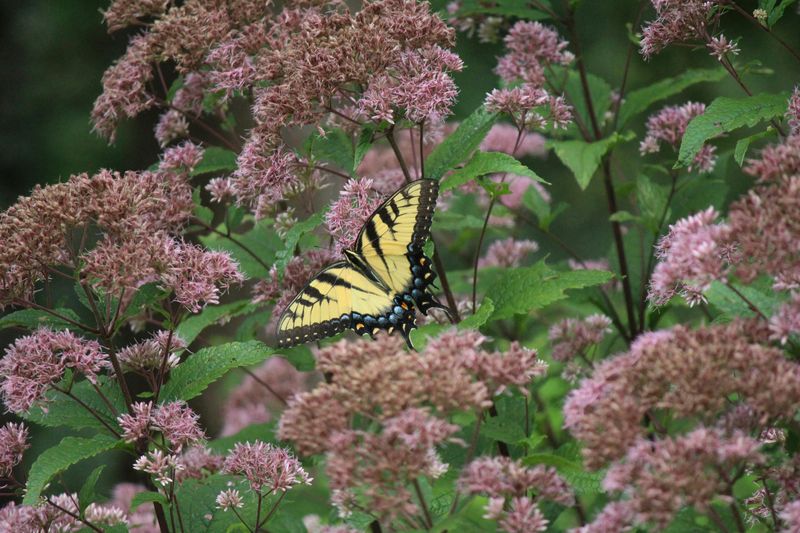
Towering above most garden plants, Joe Pye weed is the kind of plant that makes neighbors stop and stare.
Native to the eastern United States, including Virginia, this bold beauty can grow six to eight feet tall.
It produces large, dome-shaped clusters of dusty pink to purple flowers from mid-summer into fall, giving your garden a dramatic finale that most plants simply cannot match.
It thrives in partial shade, making it a top pick for those tricky spots where other plants struggle.
One of the best things about Joe Pye weed is how much wildlife it attracts.
Butterflies, especially swallowtails and monarchs, flock to its blooms in huge numbers.
Bees and other pollinators love it too, so planting it in your Virginia yard is basically rolling out a welcome mat for beneficial insects.
Joe Pye weed prefers moist, well-drained soil and does especially well near rain gardens or low-lying areas where water tends to collect.
Once established, it needs very little care and comes back stronger every year.
Just cut it back in late fall or early spring, and it will reward you with an even fuller display the next season.
The plant is said to be named after a Native American healer named Joe Pye, who reportedly used it to treat fevers.
True or not, that story adds a layer of charm to an already impressive plant.
For Virginia gardeners looking to add height, drama, and wildlife value to a shaded area, Joe Pye weed is a standout choice.
It does have one preference worth noting though. Dry, deep shade is not its happy place.
Give it a moist, partially shaded spot near a rain garden or low-lying area and it will absolutely deliver.
If a plant this tall, this beautiful, and this good for wildlife can thrive in your shadiest corner, why would you ever settle for anything less?
2. Goldenrod
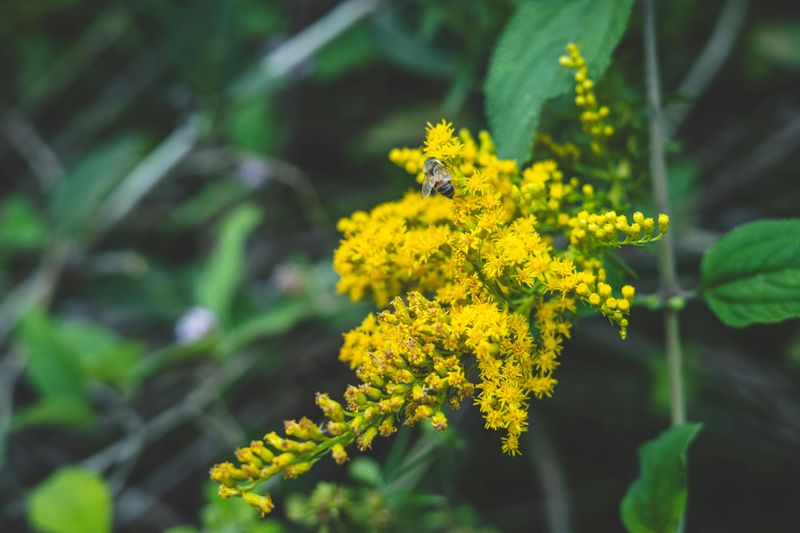
Goldenrod gets a bad reputation, and honestly, it does not deserve it.
Many people blame it for fall allergies, but the real culprit is ragweed, which blooms at the same time.
Goldenrod actually has heavy pollen that bees carry away, not the kind that floats through the air and bothers your nose.
Your Illinois Garden Changes Every Week. Your Plan Should Too.
Gardening in Illinois changes quickly throughout the season. Every Friday you’ll receive a simple weekly plan showing exactly what to plant, prune, fertilize, harvest, and protect so you never miss the right timing.
Native to Virginia and much of North America, goldenrod is a true powerhouse.
It floods shaded and semi-shaded areas with gold and yellow color from late summer through October.
Who said shade gardens have to be quiet and understated?
This plant did not get that memo, and your garden is better off for it.
Some varieties, like zigzag goldenrod, are specially adapted to grow in deeper shade, making them perfect for spots under trees where most sun-loving plants would fade away.
The arching stems covered in tiny bright flowers create a soft, feathery look that feels both wild and welcoming.
Virginia gardeners will appreciate how low-maintenance goldenrod really is.
Plant it in average to moist soil, water it while it gets established, and then mostly leave it alone.
It spreads gradually over time, filling in gaps and creating a natural, layered look that works beautifully with other native plants.
Ecologically, goldenrod is one of the most valuable native plants you can grow.
More than 100 species of bees depend on it as a late-season food source before winter arrives.
Songbirds also eat the seeds through the colder months.
Adding goldenrod to a shaded Virginia yard means you are not just growing a pretty plant.
You are creating a mini habitat that supports an entire community of wildlife right outside your door.
3. Blue Wood Asters
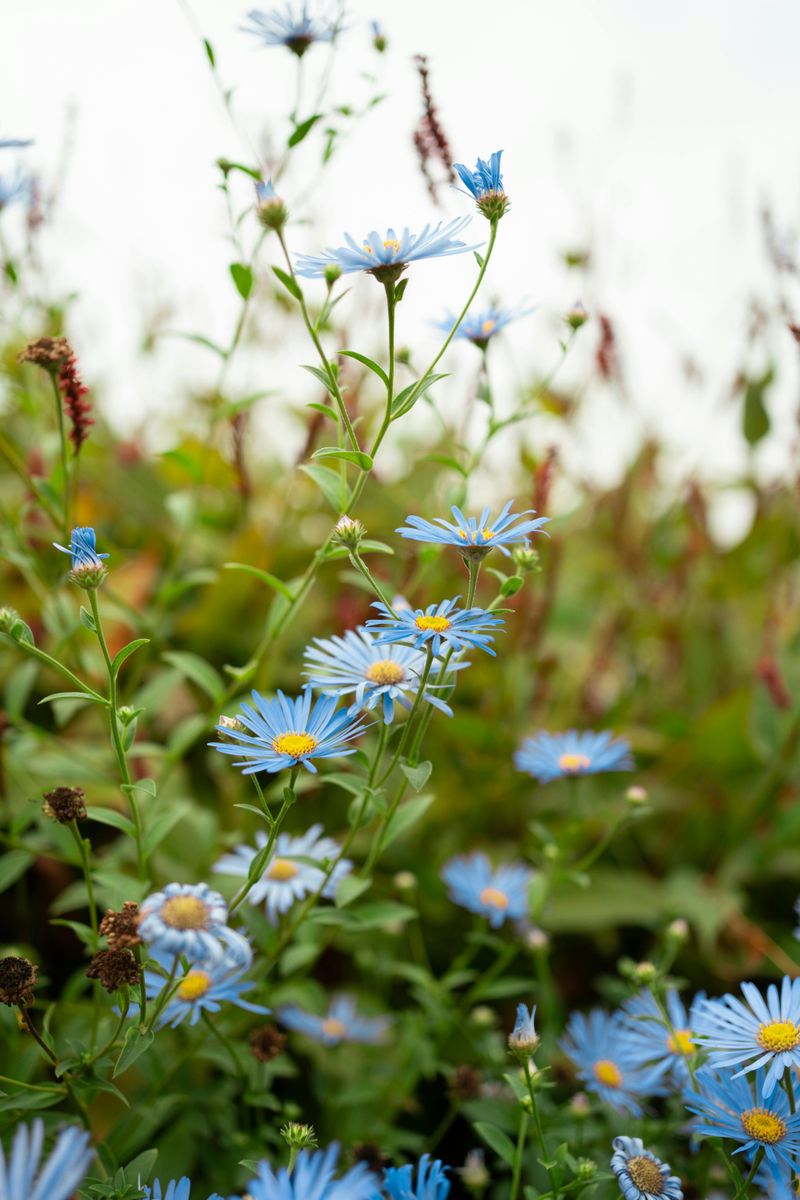
Tucked beneath a canopy of trees, blue wood asters bring a soft, dreamy quality to any shaded Virginia yard.
Their small, star-shaped flowers range from pale lavender to a true sky blue, and they bloom from late summer all the way into November.
Few native plants can match their ability to keep color going when everything else is winding down.
What makes blue wood asters especially remarkable is how well they handle dry shade.
Many shade plants want moist conditions, but this one is tough enough to survive under mature trees where roots compete for water and the soil can get pretty dry.
For Virginia gardeners dealing with challenging spots under oaks or maples, blue wood asters are a genuine solution worth trying.
The plant spreads by seed and by creeping roots, gradually forming a loose, natural-looking colony over time.
You can let it do its thing, or gently pull extra plants if it starts spreading beyond where you want it.
Either way, it creates a beautiful, layered ground cover effect that feels like a wild woodland floor.
Pollinators absolutely love blue wood asters.
Bees, butterflies, and skippers visit the blooms regularly, and birds feed on the seeds after flowering ends.
Growing this plant in your Virginia yard means you are extending the season for pollinators at a time when food sources are getting scarce.
It is a small act with a surprisingly big positive impact on your local ecosystem.
4. Bee Balm
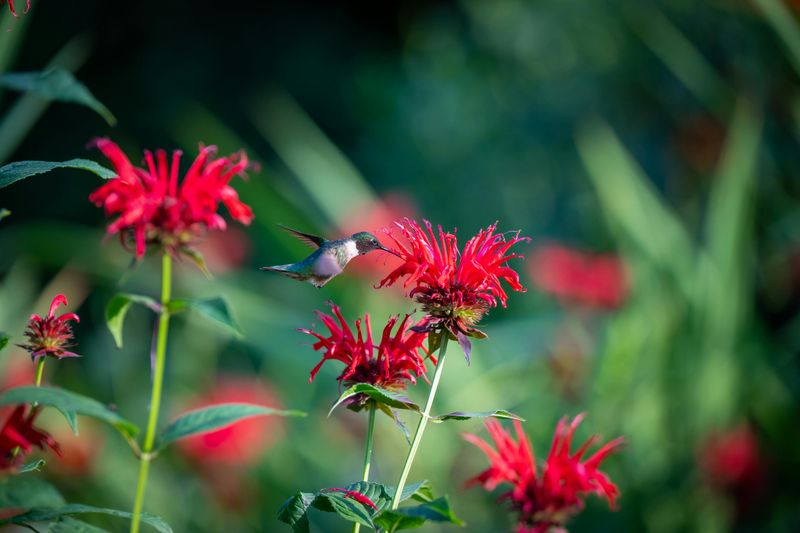
Few plants bring as much energy and excitement to a shaded garden as bee balm.
With its wild, spiky blooms in shades of red, pink, purple, and white, it looks like something straight out of a botanical fireworks show.
Native to Virginia and the eastern United States, bee balm thrives in partial shade and never fails to turn heads.
Its flowers in mid-summer through early fall practically glow against a backdrop of green leaves like someone left the lights on in the garden.
Have you ever seen a plant that makes a shaded corner look that good?
Hummingbirds are crazy about bee balm’s tubular red flowers, which are shaped perfectly for their long beaks.
Bumblebees, butterflies, and sphinx moths also visit regularly, turning your shaded garden corner into a buzzing, fluttering celebration of life.
If attracting wildlife to your Virginia yard is a goal, few plants deliver results as quickly and dramatically as this one.
Bee balm grows best in moist, well-drained soil with good air circulation.
One thing to keep in mind is that it can be prone to powdery mildew, especially in humid Virginia summers.
Choosing mildew-resistant varieties helps keep the plant looking healthy all season long.
Historically, Native American tribes used bee balm leaves to make tea and as a medicinal herb, and its leaves still carry a strong, fresh minty scent today.
You can even use the fresh or dried leaves to brew a fragrant herbal tea at home.
Planting bee balm in your Virginia yard means you get beauty, wildlife value, and a little bit of living history all wrapped up in one stunning, easy-care plant.
5. Coneflower
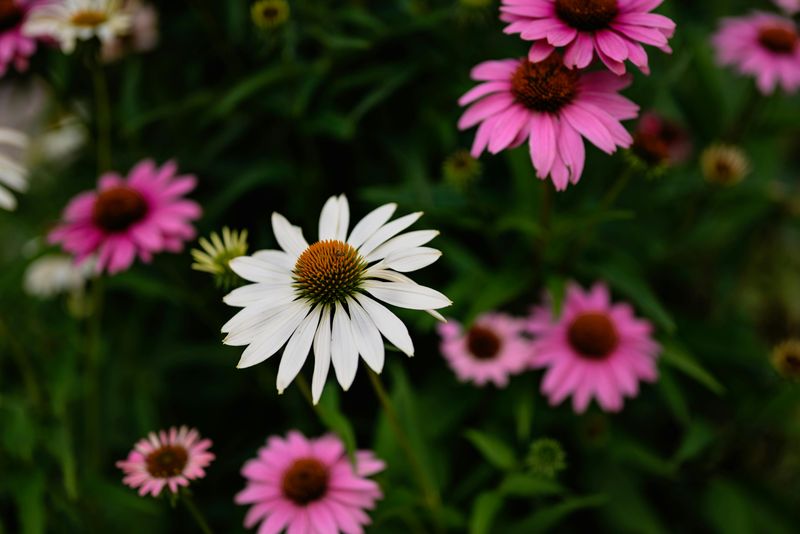
Coneflower is one of those plants that just about every gardener in Virginia already knows and loves.
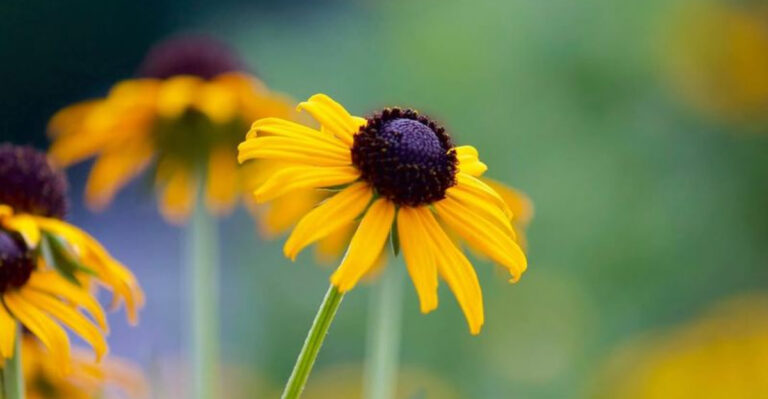
With its cheerful, daisy-like blooms in shades of purple, pink, and white, it brings reliable summer color to spots that get partial shade.
The raised, spiky center cone gives it a bold, distinctive look that stands out even on cloudy days when the garden needs a little lift.
Beyond good looks, coneflower is practically built for the Virginia climate.
Once established, it handles summer heat and humidity without much fuss, and it comes back reliably year after year.
It actually prefers well-drained soil, so avoid planting it in areas that stay soggy, but most average Virginia garden soils suit it just fine.
The ecological value of coneflower is hard to overstate.
Bees and butterflies swarm the blooms from June through August, and when flowering ends, the seed-filled cones become a critical food source for goldfinches and other songbirds through fall and winter.
Leaving the spent flower heads standing through the colder months is one of the best things you can do for local birds.
Did you know that it has been used in herbal medicine for centuries?
Native American tribes across North America used various parts of the plant to treat colds, wounds, and infections.
Today it is still sold in health stores as an immune-boosting supplement.
Adding this flower to your Virginia yard means bringing home a plant with deep roots in both natural history and everyday life.
Coneflower loves a sunny spot. But it handles partial shade surprisingly well too.
Give it at least four to five hours of light a day and it will not disappoint.
6. Lady Fern
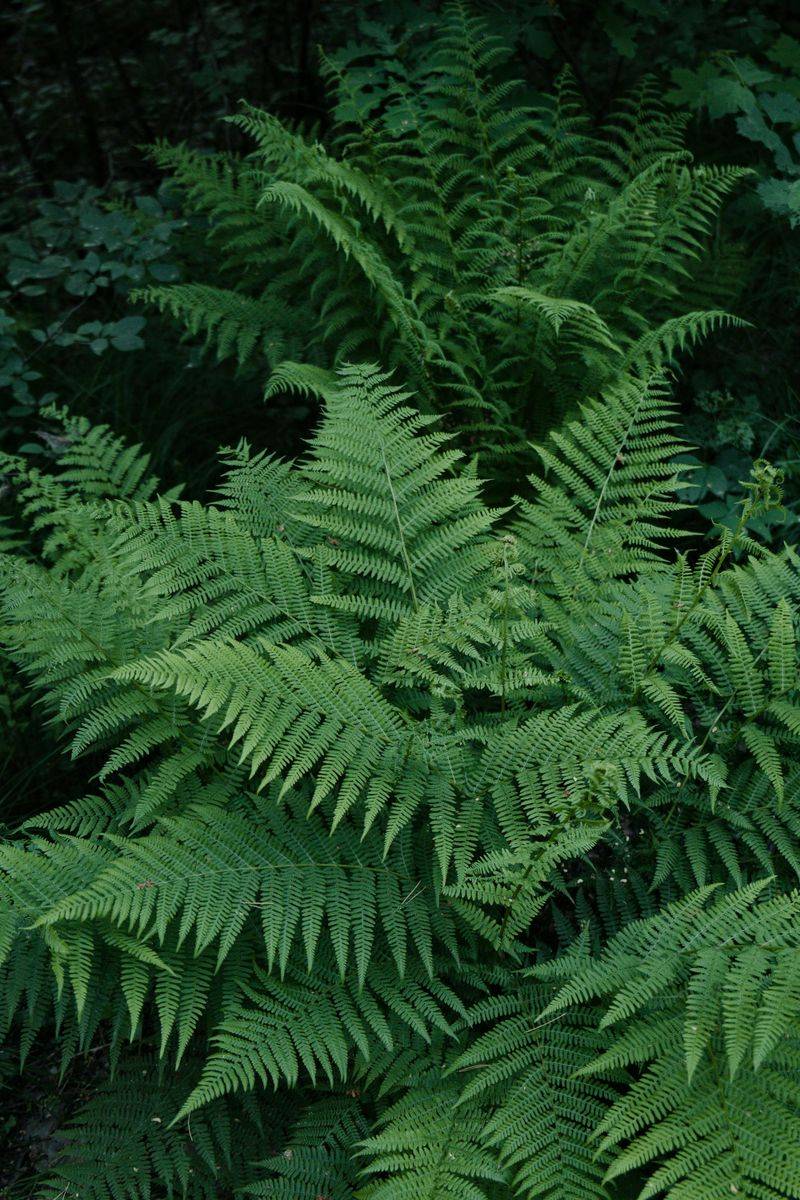
Some plants brighten a shaded yard not with flowers, but with texture, and lady fern is the master of that trick.
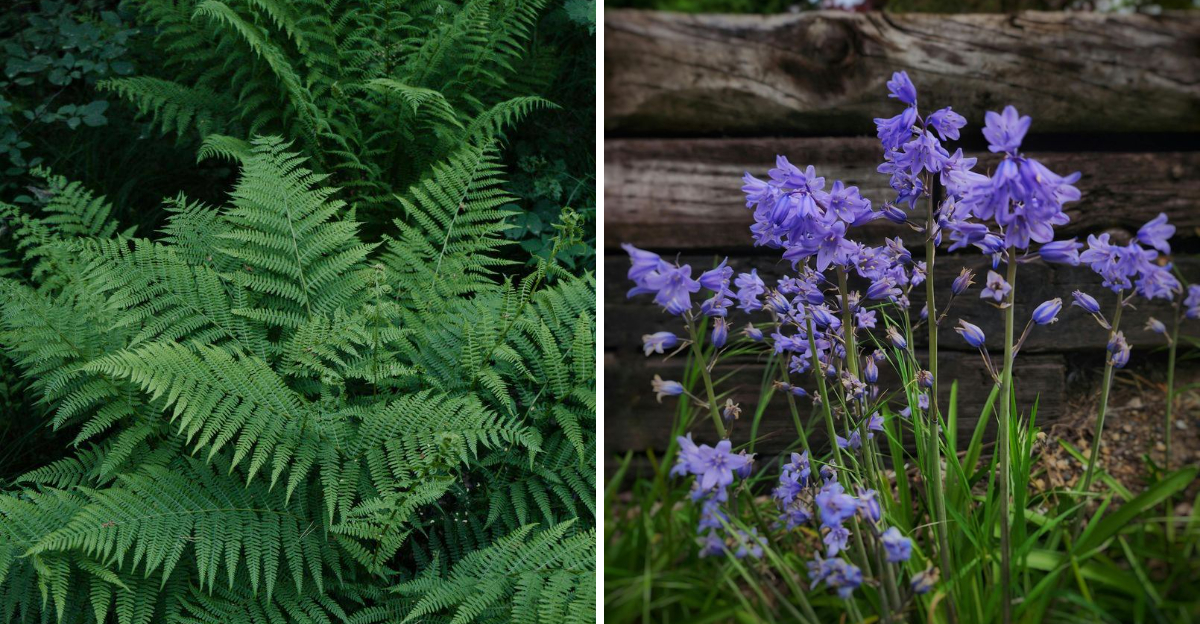
Its long, feathery fronds arch gracefully outward in a vase-like shape, creating layers of soft green that make any shaded corner feel lush and alive.
Lady fern is one of the most elegant and easy-to-grow ferns you can find.
Lady fern loves moisture and shade, making it a perfect choice for spots near streams, ponds, or areas where water drains slowly after rain.
It grows best in rich, slightly acidic soil with plenty of organic matter, which is easy to achieve by mixing in compost when planting.
Once settled in, it spreads slowly to form beautiful colonies that look like they have always belonged there.
One thing that sets lady fern apart from other ferns is how quickly it recovers from stress.
If a dry spell causes the fronds to brown a bit, fresh green growth comes back fast once moisture returns.
This resilience makes it a forgiving choice for gardeners in Virginia who are still figuring out the quirks of their shaded spots.
Lady fern also plays a quiet but important role in the garden ecosystem.
Small animals like salamanders and toads shelter beneath its fronds, and birds sometimes use the dried fronds as nesting material.
Pairing lady fern with flowering natives like Virginia bluebells or bee balm creates a layered, natural-looking garden that feels more like a woodland retreat than a backyard.
7. Eastern Red Columbine
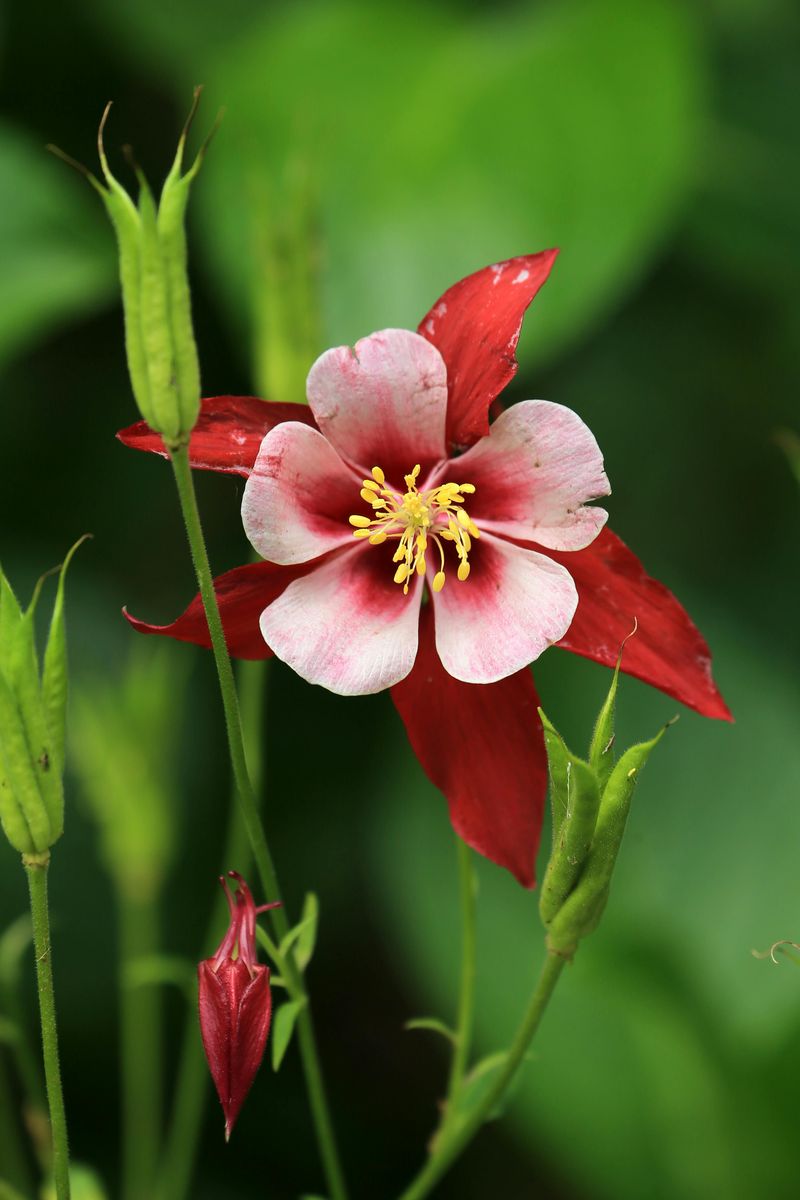
Eastern red columbine is one of the most charming wildflowers native to Virginia.
It blooms in spring, typically from April through June, filling shaded spots with color at a time when most other plants are just waking up.
The unique spurred flowers, which look like a cluster of tiny trumpets, are unlike anything else in the native plant world.
Hummingbirds returning to Virginia in spring zero in on eastern red columbine almost immediately.
The long, nectar-filled spurs are perfectly designed for a hummingbird’s beak, and watching these tiny birds hover around the blooms is one of the genuine joys of spring gardening.
Bumblebees also visit regularly, though they sometimes cheat by biting through the spurs to reach the nectar directly.
Eastern red columbine grows best in partial to full shade with well-drained, rocky, or sandy soil.
Unlike many shade plants, it actually prefers leaner soil and can struggle if given too much fertilizer.
It self-seeds freely, so once you plant it, expect it to pop up in new spots around your yard in future years, which feels like a happy surprise every spring.
The plant stays relatively compact, reaching about one to three feet tall, which makes it ideal for the front or middle of a shaded border.
Pairing it with lady fern or virginia bluebells creates a stunning spring display that feels genuinely wild and natural.
For any Virginia gardener wanting early color and hummingbird visits, eastern red columbine earns its spot every single year.
8. Virginia Bluebells
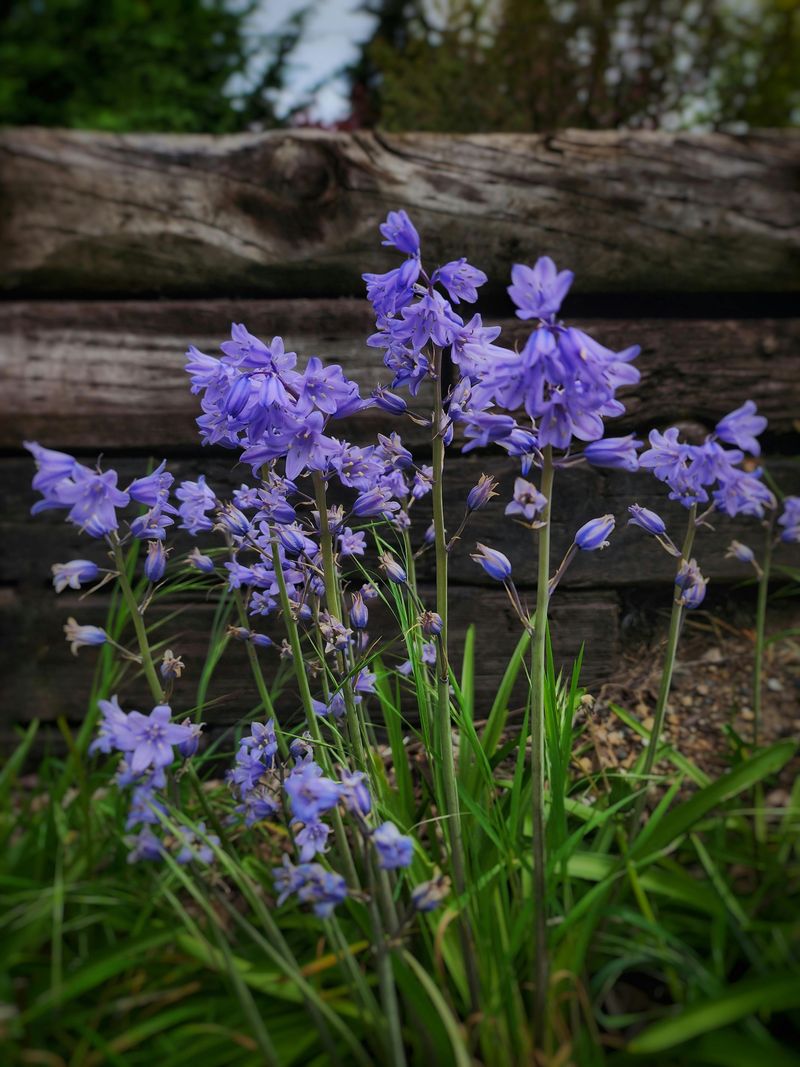
There is nothing quite like the moment Virginia bluebells come into bloom.
From March through May, this native wildflower transforms shaded Virginia gardens into something that looks like a painting, with soft clusters of sky-blue, trumpet-shaped flowers.
They sway gently above smooth, blue-green leaves.
The color is so pure and vivid that even people who do not usually pay attention to plants tend to stop and take notice.
Virginia bluebells are what botanists call a spring ephemeral, meaning they emerge, bloom, and then go completely dormant by early summer.
The foliage fades away entirely, leaving open space in the garden that summer plants can fill in.
Planting them alongside ferns or hostas works beautifully because those plants leaf out just as the bluebells disappear, seamlessly covering the gap.
In their natural habitat across Virginia, these plants grow along stream banks and in moist, rich woodland soils.
Replicating those conditions in your yard means choosing a spot with partial to full shade and keeping the soil consistently moist and well-amended with compost.
They are not the easiest plant to establish from seed, so starting with nursery-grown transplants gives you the best chance of success in your first season.
Pollinators, especially long-tongued bees and early butterflies, depend on Virginia bluebells as one of the first reliable nectar sources of the year.
Planting a mass of them under trees or along a shaded path creates a breathtaking spring display that also supports wildlife during a critical early season window.
For anyone gardening in Virginia, this plant is an absolute must-have that delivers beauty and ecological value in equal measure.