Ohio Gardeners, These 8 Herbs Grow Best When Started In May
May has a way of making herb gardeners feel very optimistic, and honestly, that optimism is usually justified. The soil is warmer, the days are longer, and by the middle of the month most of Ohio is finally ready to move past the frost drama.
That is great news for anyone eager to start planting herbs that love a little warmth and give plenty back in return.
Fresh basil, fragrant rosemary, lively mint, snips of chives for dinner – it is a pretty satisfying setup.
Herbs planted in May often settle in fast and start putting on real growth before summer hits full speed. That gives Ohio gardeners a nice head start on months of flavor, fragrance, and leafy goodness.
Even a small space can pull this off, which is part of the charm. A sunny raised bed, a few porch pots, or one cheerful kitchen garden patch can suddenly start feeling a lot more delicious.
1. Basil Brings Summer Flavor In A Hurry
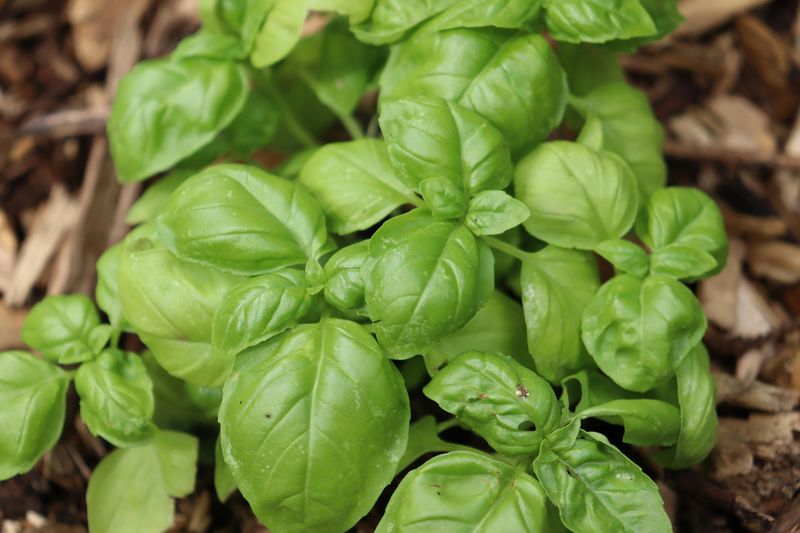
Few herbs respond to warm Ohio soil quite like basil does. Once nighttime temperatures stay reliably above 50 degrees Fahrenheit, basil takes off with surprising speed, producing those wide, fragrant leaves that home cooks look forward to all year.
May is a solid window for starting basil in Ohio because the warmth it craves is finally consistent enough to support steady growth rather than stalled seedlings.
Basil does best in a spot with full sun, meaning at least six hours of direct light each day. It fits nicely in raised beds, container gardens on a sunny porch, or a small in-ground herb patch near the kitchen door.
Keeping the soil moist but not soggy helps it grow more vigorously without becoming stressed during Ohio’s occasionally dry summer stretches.
Pinching off the flower buds as they form is one of the most useful habits you can build with basil.
When you remove those early blooms, the plant puts its energy back into leafy growth instead of going to seed, which means you get more harvests through the season.
Fresh basil pairs beautifully with tomatoes, which are often ripening in Ohio gardens around the same time the herb hits its stride. Starting basil in May gives it enough runway to become a reliable, productive part of your summer herb collection.
2. Parsley Keeps Beds Looking Fresh And Useful
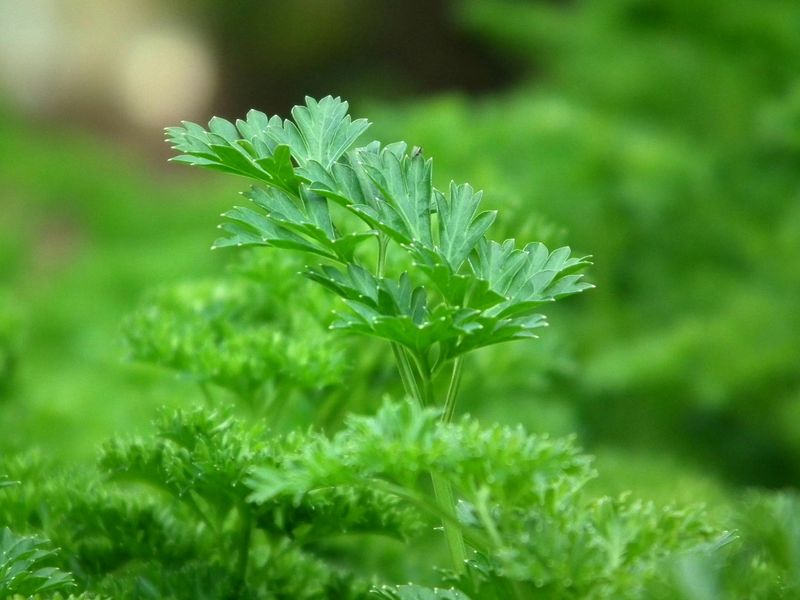
Parsley has a reputation for being slow to get going, but starting it in May in Ohio gives it the warmer soil temperatures it needs to germinate more reliably and establish a strong root system before summer heat arrives.
Both curly and flat-leaf varieties work well in Ohio gardens, and each brings a slightly different texture and flavor to the table.
Flat-leaf parsley tends to have a bolder taste, while curly parsley adds a decorative edge to the garden bed.
One thing worth knowing about parsley is that it is a biennial, meaning it completes its life cycle over two years rather than one. In Ohio, most gardeners treat it as an annual, starting fresh each season.
Your Ohio Garden Changes Every Week. Your Plan Should Too.
Gardening in Ohio changes quickly throughout the season. Every Friday you’ll receive a simple weekly plan showing exactly what to plant, prune, fertilize, harvest, and protect so you never miss the right timing.
May planting gives it plenty of time to produce an abundance of leaves through summer and into fall before cooler weather slows things down.
Parsley works well as an edging plant in herb beds or raised boxes because its tidy, mounded shape stays compact and attractive throughout the season. It also does fine in containers with good drainage.
From a kitchen standpoint, fresh parsley adds brightness to soups, sauces, and salads in a way that dried parsley simply cannot match.
Ohio gardeners who start parsley in May often find they have more than enough to use fresh and share with neighbors through the warmer months.
3. Thyme Packs Plenty Of Flavor Into Small Spaces
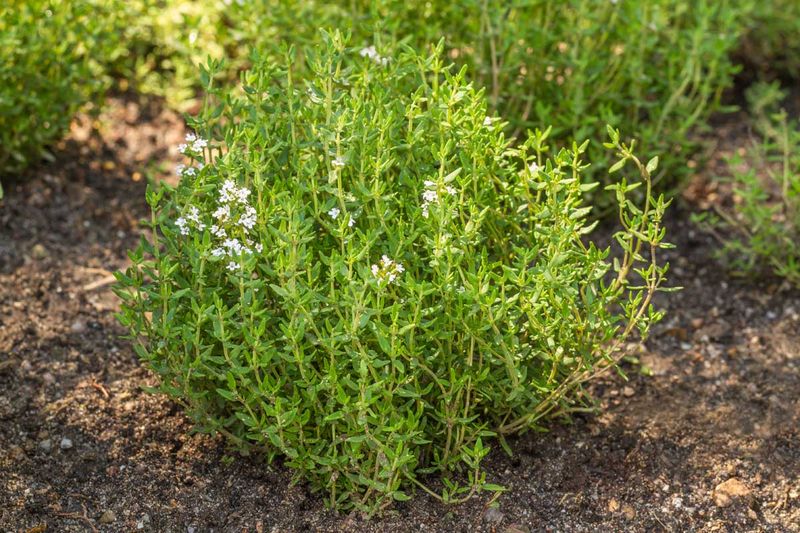
Compact, fragrant, and surprisingly tough, thyme is one of those herbs that earns its place in an Ohio garden without asking for much in return.
Starting it in May allows the plant to establish roots while the soil is warm and workable, setting it up for a productive stretch through summer and even into early fall.
Thyme is a perennial in much of Ohio, so a plant you start in May may come back reliably for several seasons with minimal fuss.
It handles dry spells reasonably well once established, which makes it a practical choice for Ohio gardeners who want low-maintenance herbs that hold up during hot, occasionally dry summers.
Full sun and well-drained soil are the two conditions thyme genuinely appreciates.
Avoid spots where water tends to pool, since overly wet soil can weaken the plant over time.
Thyme fits naturally along the edges of herb beds, in between stepping stones, or tucked into containers on a sunny patio. Its small but intensely flavored leaves work in roasted vegetables, marinades, soups, and grilled meats.
English thyme is among the most commonly grown varieties in Ohio home gardens and tends to be reliably hardy in most of the state.
Harvesting regularly by snipping stem tips actually encourages the plant to branch out and stay bushy, which means more flavor for your kitchen throughout the growing season.
4. Oregano Settles In Fast For Summer Harvests
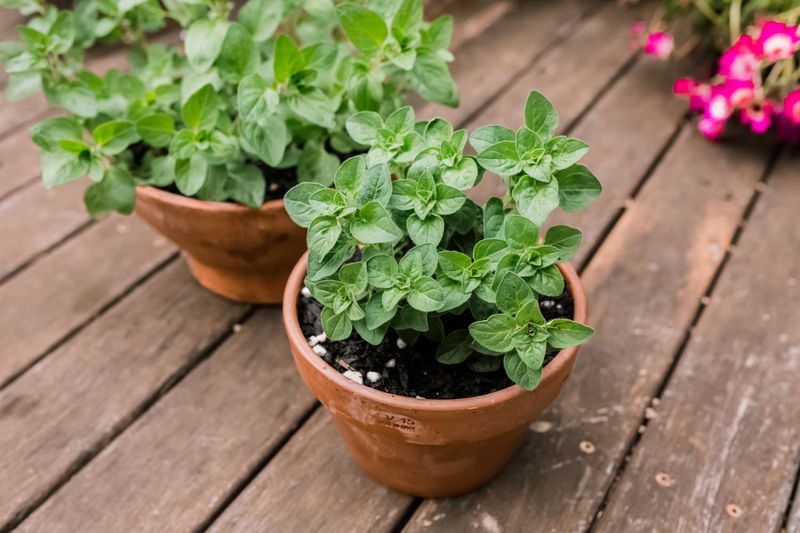
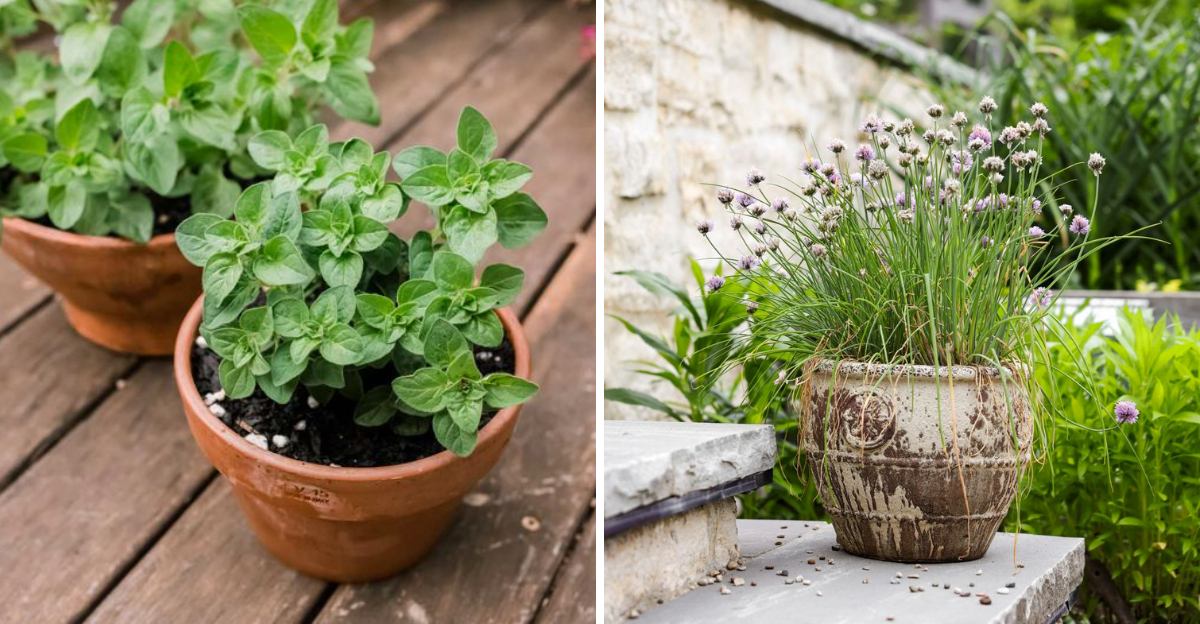
Warm soil is exactly what oregano is waiting for, and May in Ohio tends to deliver just that across most of the state.
Once planted in a sunny spot, oregano moves quickly from a small transplant or seedling into a full, bushy plant that starts producing harvestable leaves within a few weeks.
That fast establishment is one reason May is such a good time to get it in the ground or into a container.
Greek oregano is among the most popular varieties for Ohio home gardens because of its strong, familiar flavor and its ability to handle Ohio’s summer heat without much complaint.
It is also a perennial in most Ohio growing zones, meaning a healthy plant started in May could return year after year with some basic winter care.
The plant spreads gradually over time, so giving it a little room to grow pays off as the seasons progress.
Oregano is a natural fit for raised beds, in-ground herb patches, or sunny patio containers. It pairs well with basil and thyme in a mixed herb planter, and all three tend to have similar light and water needs, which makes managing them easier.
In the kitchen, fresh oregano adds depth to pasta sauces, pizza, grilled meats, and roasted vegetables. Ohio gardeners who start oregano in May often find it becomes one of the most productive and useful herbs in the summer garden.
5. Rosemary Brings Fragrance And Flavor To Sunny Pots
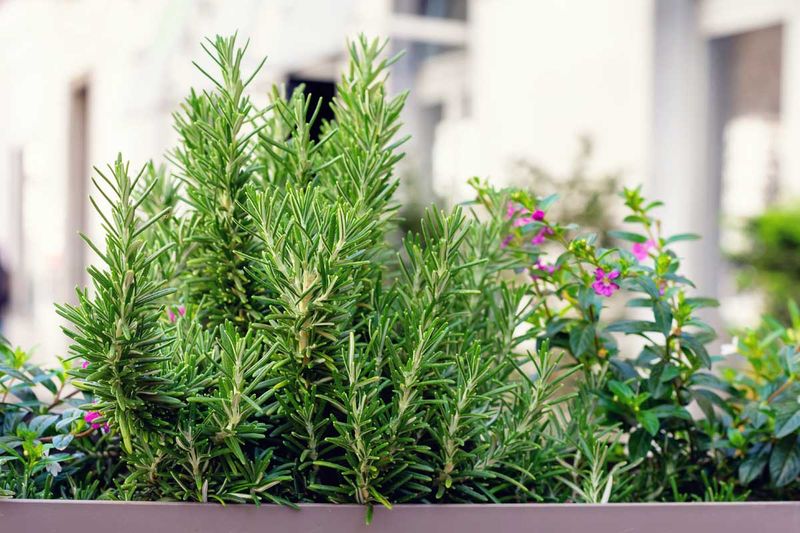
Walking past a pot of rosemary on a warm May morning in Ohio is a genuinely pleasant experience.
The sharp, piney fragrance hits before you even reach for a sprig, and that sensory reward is part of why so many Ohio gardeners make room for it on their patios or in their sunniest garden corners.
May is a good time to get rosemary established outdoors because the warming temperatures help it adjust and start putting on new growth.
Rosemary is not reliably winter-hardy in all parts of Ohio, which is one reason containers are such a practical choice for growing it here.
A pot on a sunny porch or deck can be moved indoors when fall temperatures drop, allowing the plant to continue over winter near a bright window.
This approach lets Ohio gardeners enjoy rosemary year-round without starting from scratch each spring.
When growing rosemary in Ohio, choose a container with good drainage and use a well-draining potting mix, since rosemary strongly dislikes sitting in wet soil for extended periods.
Full sun is non-negotiable for this herb.
At least six to eight hours of direct light each day keeps the plant healthy and flavorful. In the kitchen, rosemary works beautifully with roasted potatoes, chicken, lamb, and bread.
Starting it in May gives it a full Ohio summer to develop strong, aromatic growth before cooler weather arrives.
6. Sage Adds Soft Texture And Strong Flavor
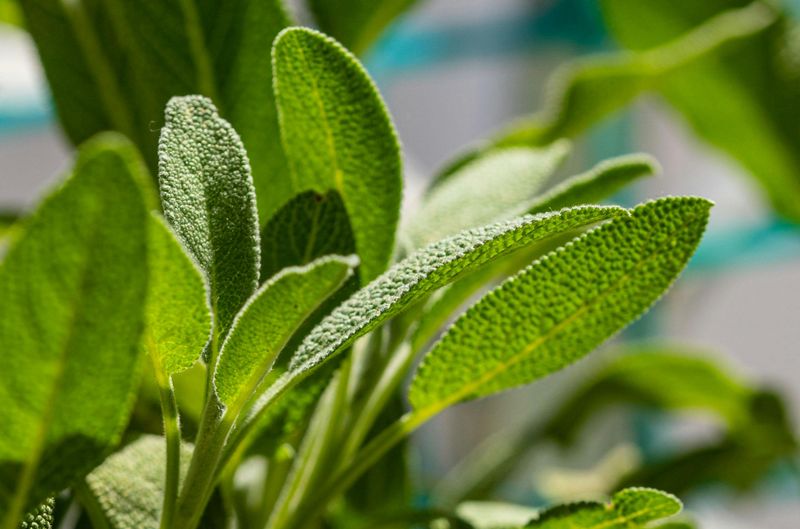
There is something almost velvety about the look and feel of sage leaves, and that soft, silvery-green texture makes it one of the more visually interesting herbs you can add to an Ohio garden.
Beyond its appearance, sage brings a bold, earthy flavor to cooking that stands up well to roasting, braising, and butter-based sauces.
Starting sage in May gives it a warm, welcoming environment to establish roots and begin producing those distinctive aromatic leaves.
Sage is a perennial herb that can survive Ohio winters in many parts of the state, especially in more sheltered spots or with a light layer of mulch during colder months.
A plant started in May has the rest of the growing season to build a sturdy root system, which improves its chances of coming back the following spring.
That long-term value makes sage a worthwhile investment in an Ohio herb garden.
In terms of placement, sage prefers full sun and well-drained soil. It works well in raised beds, along the edges of herb borders, or in patio containers that get plenty of direct light.
Avoid overwatering, as sage is more tolerant of dry conditions than soggy ones. Harvesting leaves regularly through the summer keeps the plant from becoming too woody and encourages fresh, flavorful new growth.
Ohio gardeners who grow sage often find it becomes a kitchen staple, especially during the fall cooking season when its warm, savory notes feel especially fitting.
7. Chives Bring Easy Growth And Mild Onion Flavor
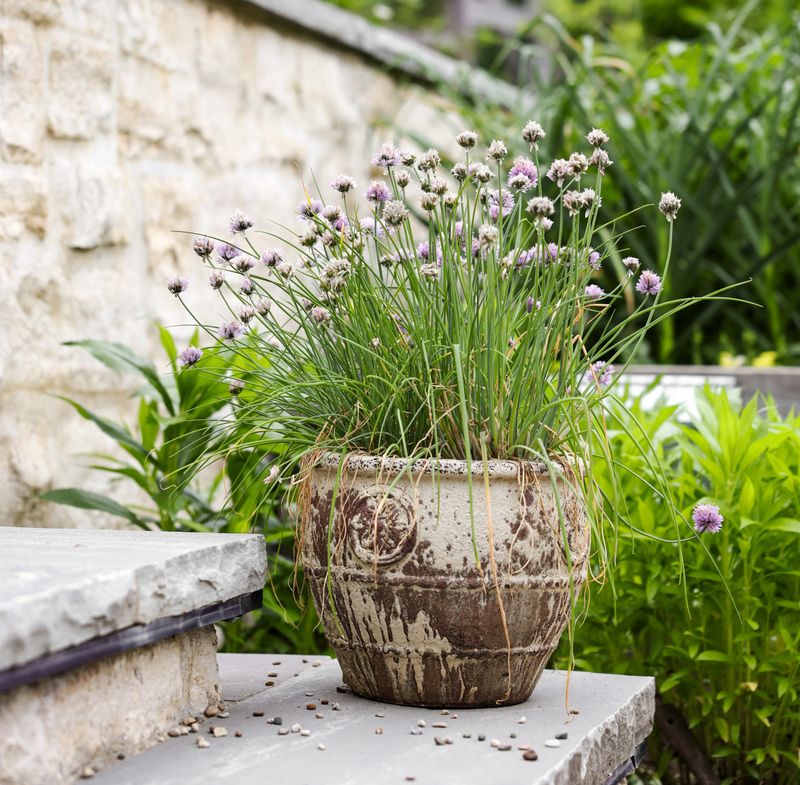
If you have ever pulled a slender green chive stem from a pot on your porch and snipped it directly into a bowl of soup or scrambled eggs, you already know why this herb earns a spot in so many Ohio home gardens.
Chives are among the most low-effort herbs you can grow, and starting them in May takes advantage of the mild temperatures and increasing daylight that help them establish quickly and grow with real momentum.
Chives are a perennial, which means a clump you plant in May can return season after season with minimal intervention.
They form tidy grass-like mounds that fit naturally in raised beds, along garden borders, or in containers on a sunny balcony or porch.
Their small purple blooms in late spring and early summer add a decorative touch that goes beyond the typical herb garden look, and those edible flowers can even be scattered over salads for a mild, oniony pop of flavor.
In terms of care, chives are fairly forgiving. They prefer full sun but tolerate partial shade reasonably well, which gives them flexibility in Ohio yards where full sun spots may be limited.
Regular harvesting by snipping stems down to about an inch above the soil keeps the plant productive and tidy. Chives pair well with eggs, potatoes, cream cheese, and light soups.
Ohio gardeners who start a clump in May often find it becomes one of the most-used herbs in their summer kitchen routine.
8. Mint Grows Fast And Stays Handy In Pots
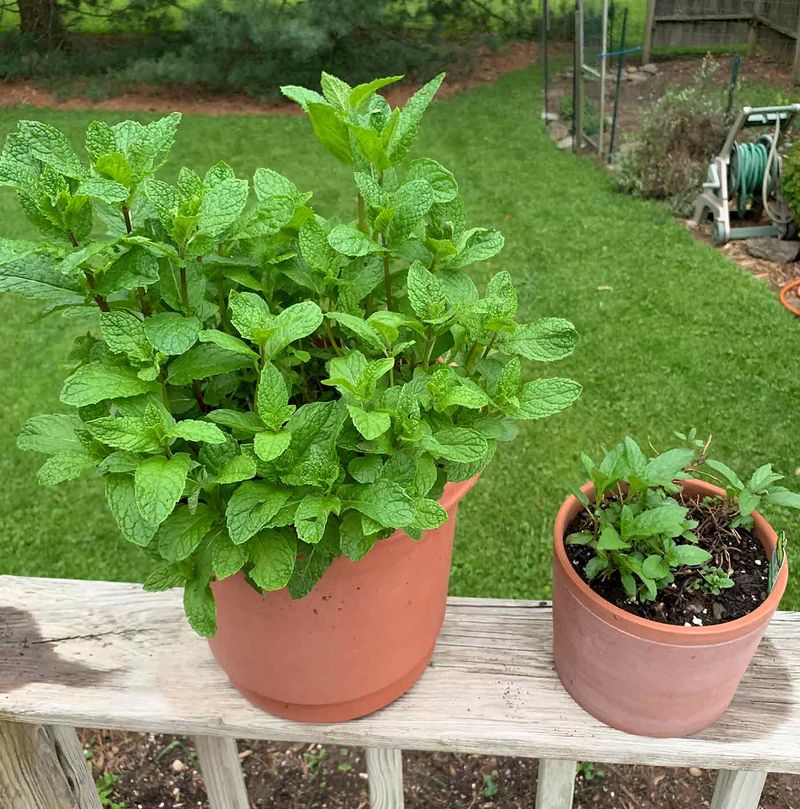
Mint has a well-earned reputation for growing with enthusiasm, and once Ohio’s May warmth settles in, it does exactly that. The challenge with mint is not getting it to grow but rather keeping it from spreading beyond where you want it.
That is why containers are widely recommended for growing mint in Ohio home gardens. A pot on the porch or patio gives you easy access to fresh leaves while keeping the plant’s spreading habit in check.
Starting mint in a container in May sets it up for a highly productive summer. It grows quickly, fills out within a few weeks, and begins producing harvestable leaves before long.
Spearmint and peppermint are the most commonly grown types in Ohio home gardens, and both work well in containers with regular moisture and a reasonably sunny location.
Mint tolerates partial shade better than many other herbs, which makes it a flexible choice for porches or spots that get filtered light.
From a kitchen standpoint, fresh mint is one of those ingredients that makes summer drinks, desserts, and salads feel instantly more refreshing. Iced tea, lemonade, fruit salads, and lamb dishes all benefit from a handful of freshly snipped leaves.
Ohio gardeners who keep a pot of mint near the back door tend to reach for it more often than they expect.
Starting it in May gives the plant a full season to grow strong, branch out, and keep your kitchen stocked with bright, fragrant leaves through summer.