This Is The Best Way To Grow Ornamental Onion In Your Ohio Garden
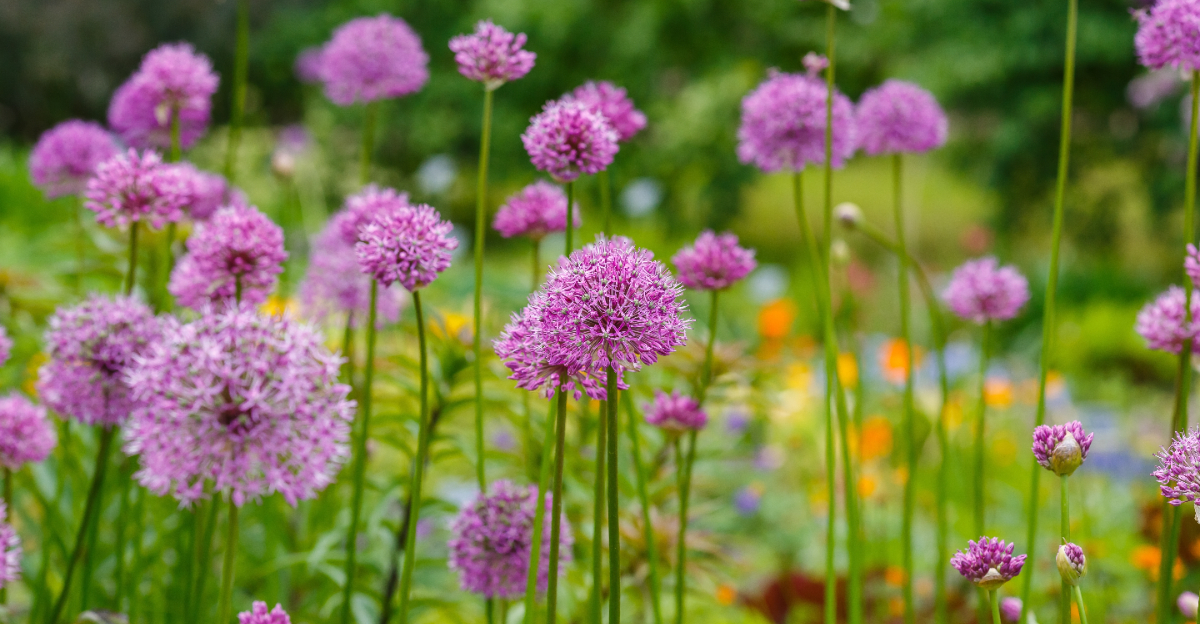
Ornamental onion might be the most underrated bulb in Ohio gardening. While everyone else is planting the same tulips and daffodils their neighbors already have, the gardeners who discover allium tend to become quietly obsessed with it.
Big spherical blooms on tall straight stems, colors ranging from soft lavender to deep purple, and a late spring show that bridges the gap between early bulbs and summer perennials beautifully. Ohio’s climate actually suits ornamental onion quite well.
Cold winters give the bulbs the chill period they want. Spring soil temps warm up at just the right pace.
The bigger challenge for most gardeners is not the growing conditions but the small decisions around planting depth, drainage, and placement that separate a decent display from a genuinely spectacular one.
Get those details right and allium practically takes care of itself.
This guide walks through exactly what works in Ohio gardens, from bulb selection and soil prep straight through to the moment those perfect globes open up above your beds.
1. Plant Ornamental Onion In Full Sun For The Strongest Bloom
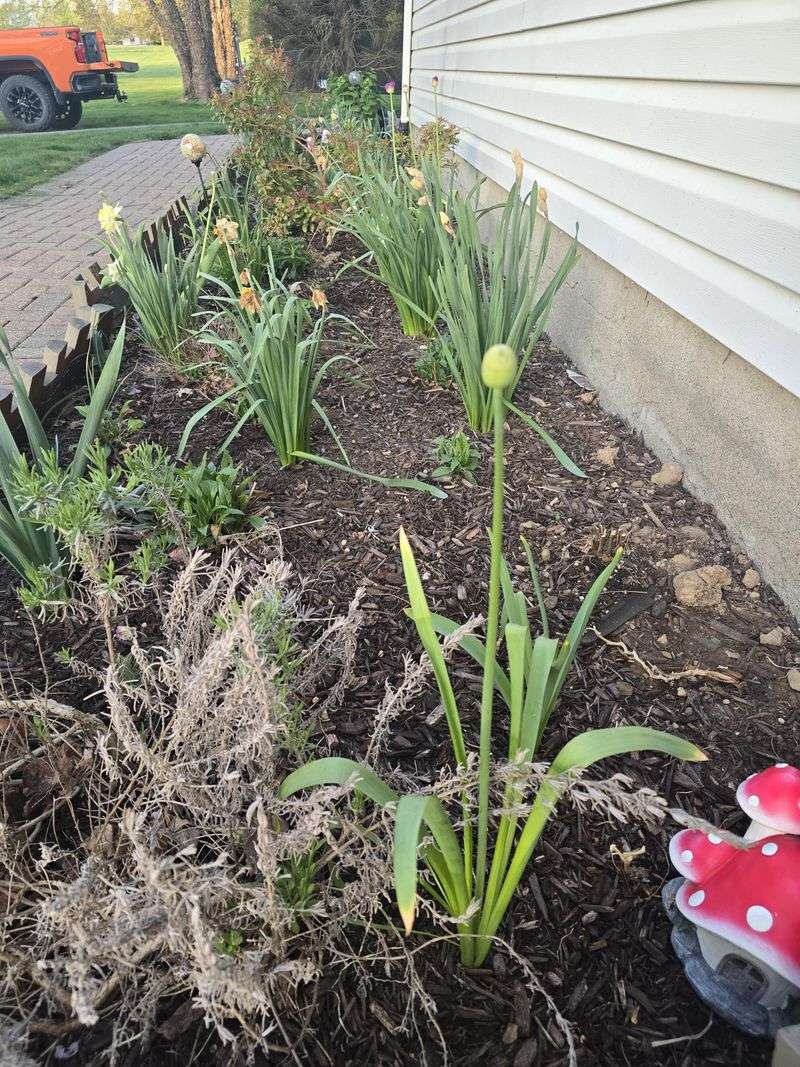
Sunny borders in Ohio have a real advantage when it comes to growing ornamental onion well. Most ornamental allium species bloom with the most vigor, the sturdiest stems, and the richest flower color when they receive at least six hours of direct sunlight each day.
Allium giganteum and Allium aflatunense, two popular choices for Ohio gardens, consistently perform better in open, unshaded spots than in areas blocked by structures or dense overhead canopies.
Some gardeners worry that a little afternoon shade might protect their plants during hot Ohio summers, but the bloom period for most ornamental alliums actually wraps up before intense summer heat arrives.
Shade, especially from trees that have not fully leafed out yet in early spring, may seem harmless at first.
However, too much shade during the active growing period can lead to weaker stems that lean or flop and flowers that never fully develop their characteristic globe shape.
South-facing and west-facing garden beds are solid choices across Ohio because they capture the strongest spring sun. Open perennial borders, sunny front-yard beds, and edges along fences or driveways with no overhead obstruction work especially well.
One practical trick many Ohio gardeners use is planting taller alliums like Allium giganteum so they rise up through shorter perennials such as catmint or salvia.
The surrounding plants give the stems a natural support structure while the allium heads catch full light above the foliage crowd.
Choosing the right spot from the start is the single easiest way to set your ornamental onion up for a strong season of bloom year after year.
2. Give Allium Bulbs Loose Soil That Drains Fast

Heavy clay is one of the most common challenges Ohio gardeners face, and ornamental allium bulbs are particularly sensitive to it.
When soil holds water around the bulb for extended periods, especially during Ohio’s wet spring season, the bulb is far more likely to rot or fail to develop properly.
Your Ohio Garden Changes Every Week. Your Plan Should Too.
Gardening in Ohio changes quickly throughout the season. Every Friday you’ll receive a simple weekly plan showing exactly what to plant, prune, fertilize, harvest, and protect so you never miss the right timing.
Loose, well-drained soil is genuinely more important for ornamental alliums than rich fertility, so resist the urge to pile on fertilizer if your drainage is still poor.
The good news is that Ohio gardeners can improve almost any planting bed without a full overhaul. Start by loosening the soil in the planting area to a depth of about 12 inches.
Work in a few inches of compost to improve soil structure and help water move through more freely.
Compost adds enough organic matter to support root development without pushing excessive leafy growth, which heavy nitrogen fertilizers can sometimes cause in bulb plants.
Avoid low spots in the yard where water collects after rain. Ohio springs can bring heavy rainfall events, and a bulb sitting in a puddle for days is a bulb that struggles to thrive.
Raised beds, gentle slopes, and berms are excellent solutions for gardens with naturally poor drainage. Even a slight elevation of just a few inches above the surrounding grade can make a meaningful difference in how well water moves away from the root zone.
Gardeners in areas with persistently heavy or compacted soil may find that a raised or mounded bed is the most reliable long-term fix for growing ornamental onion with confidence each season.
3. Plant In Fall So Roots Set Before Ohio Winter
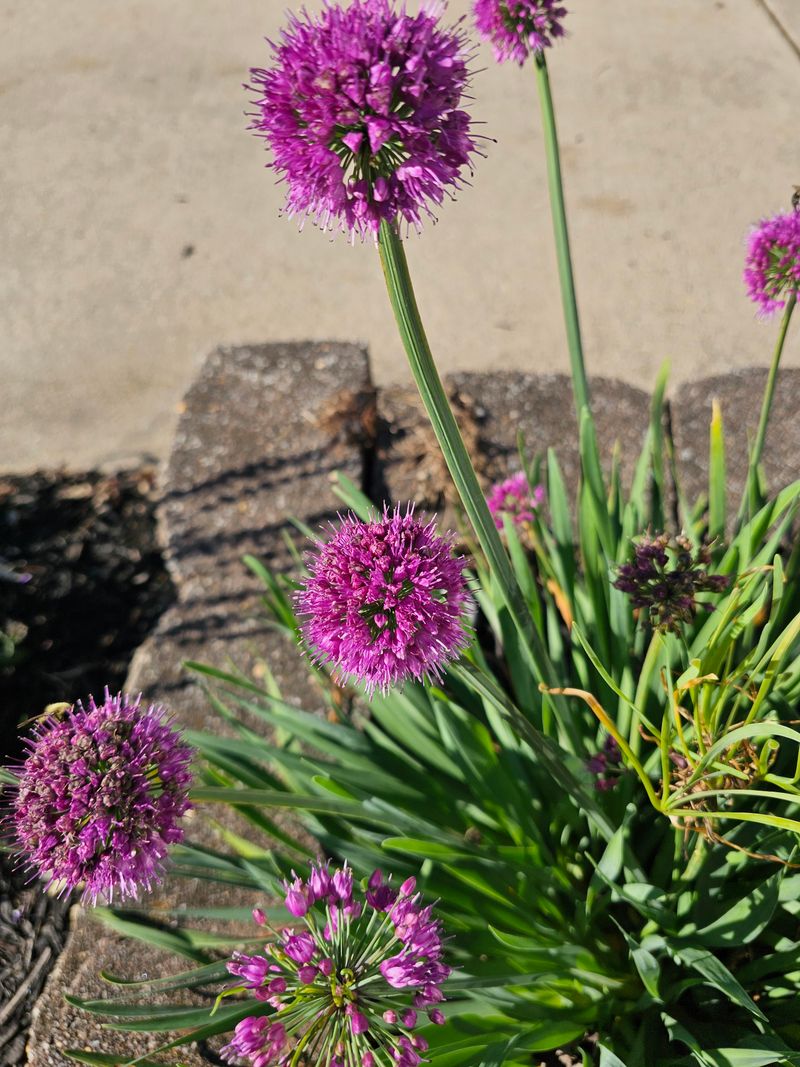
Fall planting is the classic approach for most ornamental allium bulbs, and there is a straightforward reason why it works so well.
When bulbs go into the ground after summer heat fades but before the soil freezes solid, they have time to develop roots without pushing up foliage or flowers.
Those early roots anchor the bulb, help it absorb soil moisture through winter, and prepare it for the energy burst that produces spring and early summer blooms.
Ohio gardeners in the northern part of the state, including areas around Cleveland, Toledo, and Akron, generally want to get bulbs in the ground earlier in fall than gardeners in southern Ohio near Cincinnati or the Ohio River valley.
Northern Ohio soils cool faster and freeze sooner, so waiting too long can mean planting into ground that is already too hard to work comfortably.
Southern Ohio gardeners often have a longer planting window, but the goal is the same: get bulbs in while the soil is still workable and temperatures have dropped from summer highs.
Spring-planted container alliums are available at some Ohio garden centers and can be used to fill gaps, but they may not establish as reliably or bloom as fully in their first season compared to fall-planted bulbs.
Ornamental alliums such as Allium cristophii and Allium schubertii, known for their wide, airy flower heads, are typically sold as dry bulbs in fall alongside tulips and daffodils.
Buying and planting them at that same time makes the whole process straightforward and fits naturally into the rhythm of an Ohio fall garden routine.
4. Set Bulbs Deep Enough To Handle Freeze And Thaw
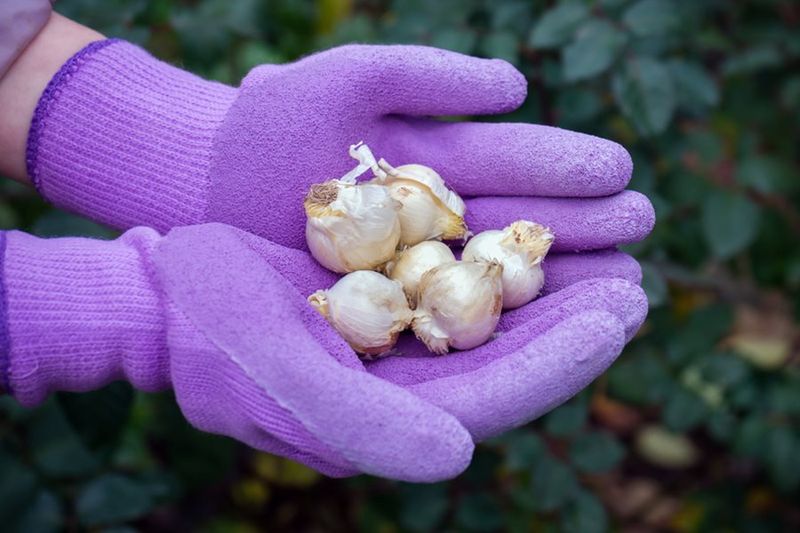
Ohio winters bring a cycle of freezing and thawing that can push shallowly planted bulbs right out of the soil.
Frost heaving is a real concern in Ohio gardens, particularly in late winter and early spring when temperatures swing above and below freezing within the same week.
Planting ornamental onion bulbs at the right depth is one of the most reliable ways to protect them from that stress and keep them stable through the season.
A commonly cited guideline for bulbs is to plant them at a depth roughly two to three times the height of the bulb itself, though you should always check the label or packaging that comes with your specific allium variety since sizes vary widely.
Allium giganteum bulbs are considerably larger than Allium caeruleum bulbs, for example, and they need more depth accordingly.
When placing bulbs in the hole, set them with the pointed end facing up if you can see a clear tip. That pointed end is where the stem and leaves will emerge.
Spacing matters as much as depth for visual results. Planting ornamental alliums in groups of five, seven, or more rather than in single-file rows creates the kind of clustered, naturalistic display that looks intentional and full.
Clumps of Allium aflatunense or Allium cristophii spaced a few inches apart will fill in beautifully and create a much stronger visual impression than isolated single bulbs scattered across a bed.
An added bonus of the onion-scented foliage is that deer and rabbits tend to avoid alliums, though results can vary by location and animal pressure in your specific neighborhood or yard.
5. Water Lightly After Planting And Avoid Soggy Soil
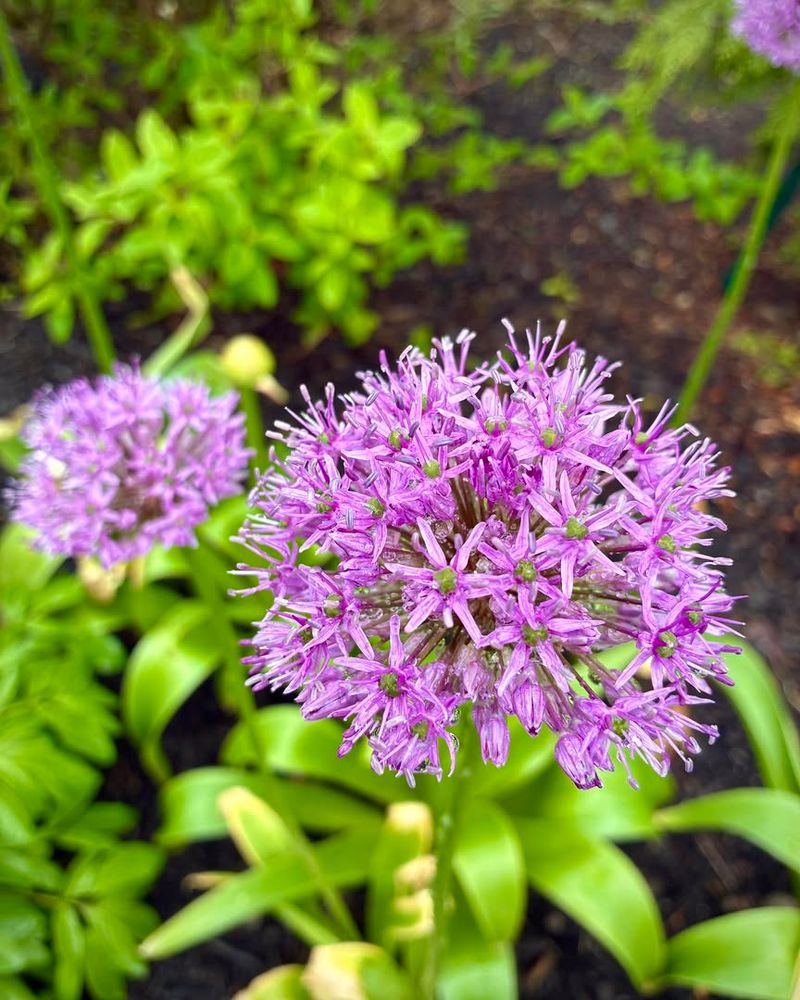
Right after you tuck your allium bulbs into the ground, give the bed a good drink of water. That first watering helps settle the soil around the bulbs and starts the process of encouraging root contact with the surrounding ground.
However, this is one of those moments where more is not better. Ornamental allium bulbs need moisture to begin rooting, but they should never sit in soil that stays wet for days at a time.
Ohio’s fall and spring seasons often bring enough natural rainfall to meet the needs of newly planted and actively growing allium bulbs. Rather than watering on a fixed schedule, check the soil moisture by pressing a finger an inch or two into the ground near your planting area.
If the soil feels damp, hold off. If it feels dry and crumbly, a light watering is appropriate.
This simple habit helps you avoid overwatering, which is a far more common problem with allium bulbs than underwatering in Ohio’s climate.
Once your ornamental alliums are established and blooming, many varieties handle average to slightly dry conditions quite well. Species like Allium cristophii and Allium schubertii actually come from regions with dry summers, so they are reasonably well-suited to Ohio summers after their spring bloom is finished and foliage begins to fade.
Container-grown alliums need closer attention to moisture because pots dry out faster than garden beds, but drainage holes in the container are non-negotiable.
Standing water in a container is just as problematic as standing water in a clay garden bed, so choose pots with multiple drainage holes and a gritty, fast-draining potting mix.
6. Let The Leaves Feed The Bulb Before Cutting Back
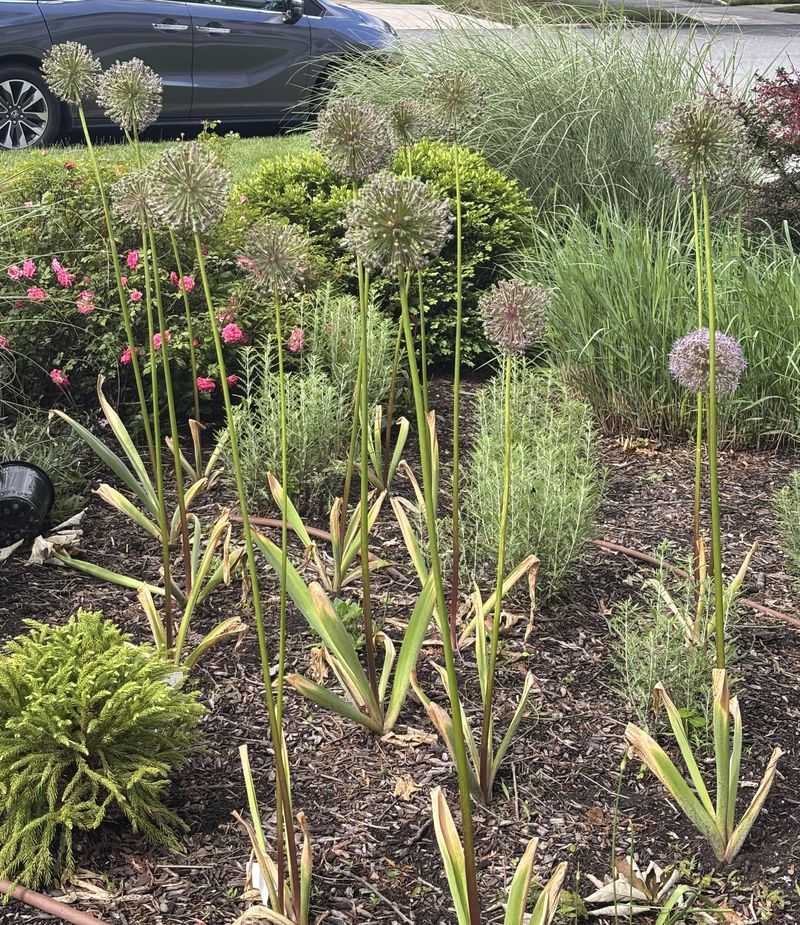
One of the most common frustrations with ornamental onion is the look of the leaves during and right after bloom time.
The foliage of many ornamental allium species, including Allium aflatunense and Allium giganteum, begins to yellow and flop while the flowers are still looking their best at the top of the stem.
It can feel counterintuitive to leave that untidy lower growth in place, but cutting it back too early shortchanges the bulb in a meaningful way.
Allium leaves are doing critical work even as they yellow. Through photosynthesis, the remaining green tissue sends energy back down into the bulb underground, rebuilding the reserves that will fuel next year’s growth and bloom.
Removing the leaves before they have fully faded and dried disrupts that process and can result in weaker flowering the following season.
The general rule many horticulture resources support is to wait until the foliage has turned completely yellow or brown and pulls away from the bulb easily before removing it.
The good news is that the flower stems themselves are worth keeping around even after the petals drop. Ornamental allium seed heads, the skeletal globe structures that remain after bloom, hold their shape well and add interesting texture to the summer garden.
Many Ohio gardeners leave them standing through summer as a structural element, and they can also be cut and used in dried flower arrangements indoors.
If clumps begin producing noticeably fewer flowers over several seasons, that is a signal that division may help.
Lift and separate crowded bulbs while the plant is dormant, replant at proper depth, and give each division room to rebuild its energy cycle.
7. Pair Alliums With Perennials That Hide Fading Foliage
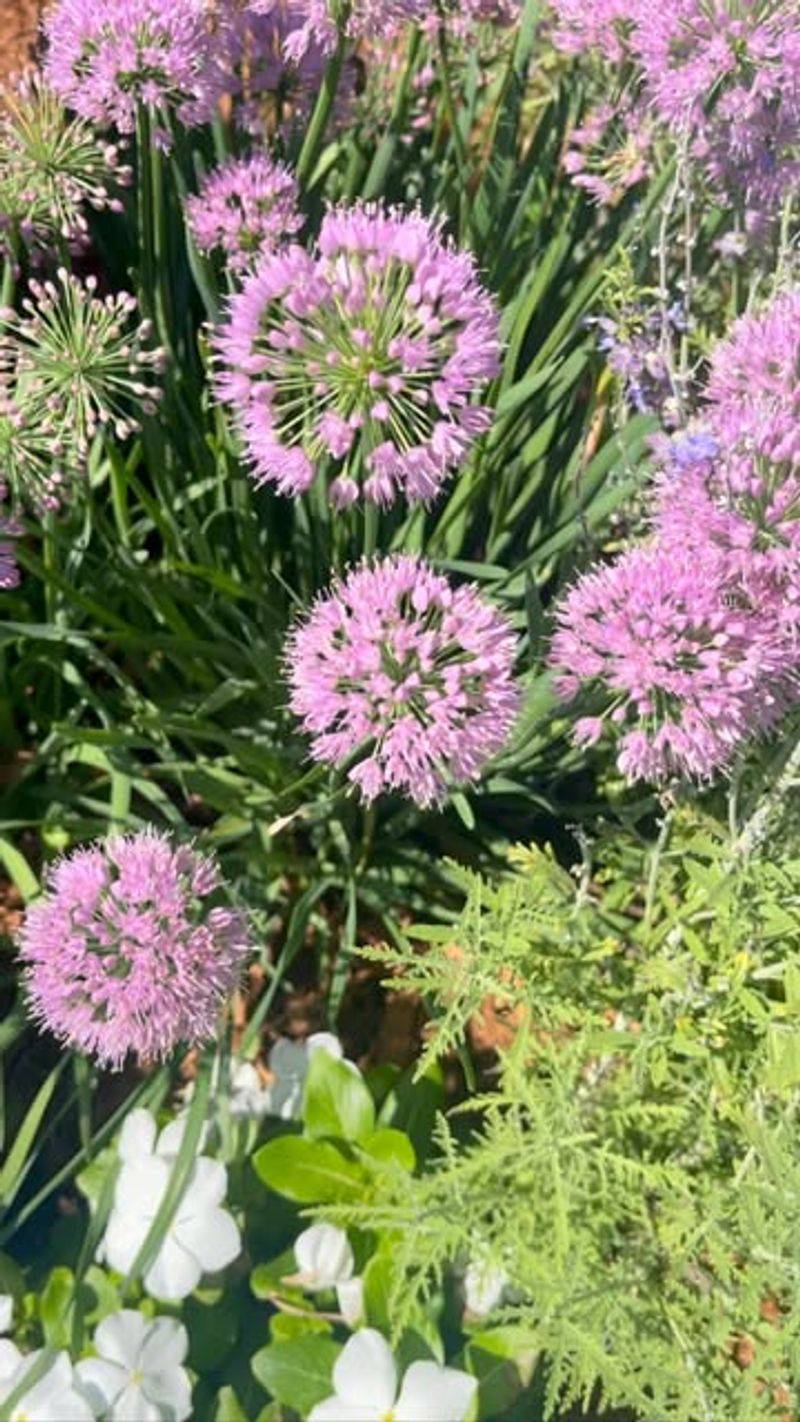
Savvy Ohio gardeners figured out a long time ago that the secret to making ornamental onion look polished from spring through summer is choosing the right neighbors.
Because allium foliage tends to fade and yellow while the flowers are still blooming, surrounding plants that fill in at the base can cover that messiness naturally without any extra effort from the gardener.
Companion planting is not just about looks, though. Good companions also share similar sun and soil needs so the whole bed stays healthy.
Catmint, which is Nepeta, is one of the most recommended companions for ornamental alliums in Ohio gardens. Its soft blue-purple flowers and mounding, spreading habit fill in around allium stems beautifully, and the bloom times overlap in a way that creates a layered, cohesive look.
Salvia, hardy geranium, and low-growing sedges are other strong options that provide ground-level coverage while the allium stems rise above. Daylilies work well too because their expanding clumps cover ground quickly as the season moves into summer.
For gardeners who prefer a wilder, more naturalistic style, native perennials like black-eyed Susan and purple coneflower make compatible companions.
Both thrive in full sun with well-drained soil, conditions that ornamental alliums also prefer, and their daisy-shaped flowers contrast visually with the round allium blooms in a satisfying way.
Fine-textured ornamental grasses like feather reed grass add vertical movement that complements the upright allium stems without competing for attention.
Avoid pairing alliums with plants that need consistently moist soil or heavy shade, since those conditions conflict with what most ornamental allium species need to perform at their best across Ohio’s varied growing regions.