10 Tips For Growing Lavender In Pots Successfully In Oregon
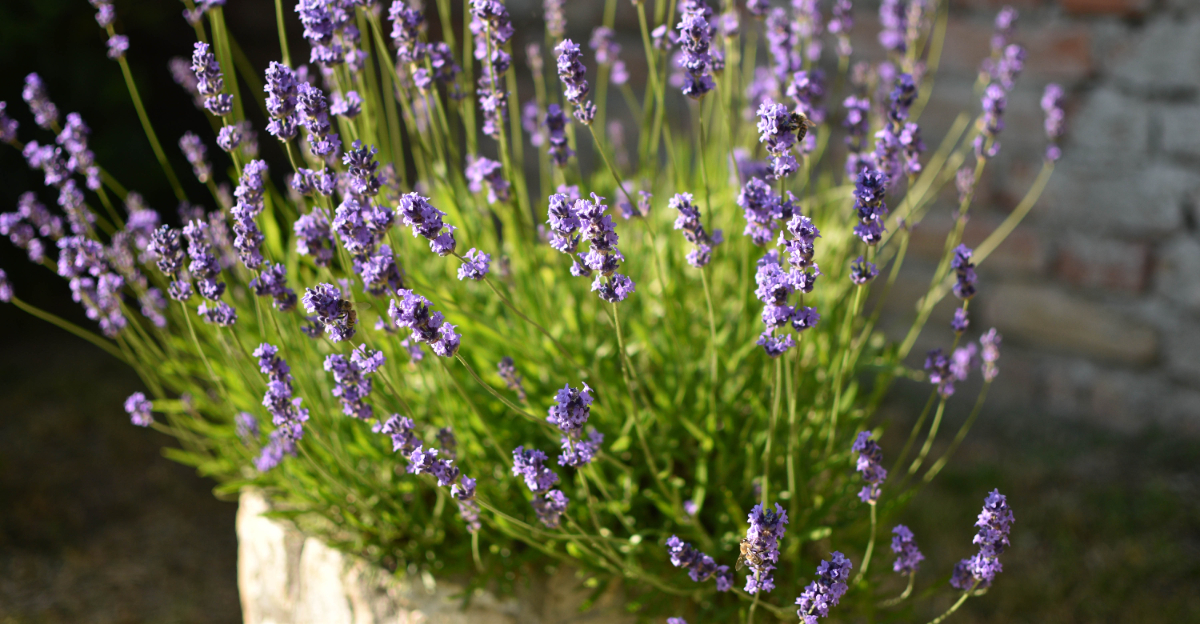
Lavender in a pot sounds simple enough until it isn’t. One minute you’ve got a fragrant, silvery-green plant that looks like it belongs on a Provence postcard, and the next you’re dealing with yellowing stems, root rot, and a general vibe of a plant that has given up entirely.
Growing lavender in containers is absolutely doable, but it has a few very specific rules that it takes seriously.
The good news is that once you crack the code, potted lavender is one of the most rewarding plants you can grow in an Oregon garden.
It’s flexible enough to go on a patio, a balcony, or right next to the front door where it smells incredible every time someone walks past. Bees lose their minds over it.
It looks great basically year round. And a healthy, well-maintained lavender plant in a pot can thrive for years without needing much from you at all. Getting there just takes knowing exactly what you’re doing from the start.
1. Choose A Sunny Spot
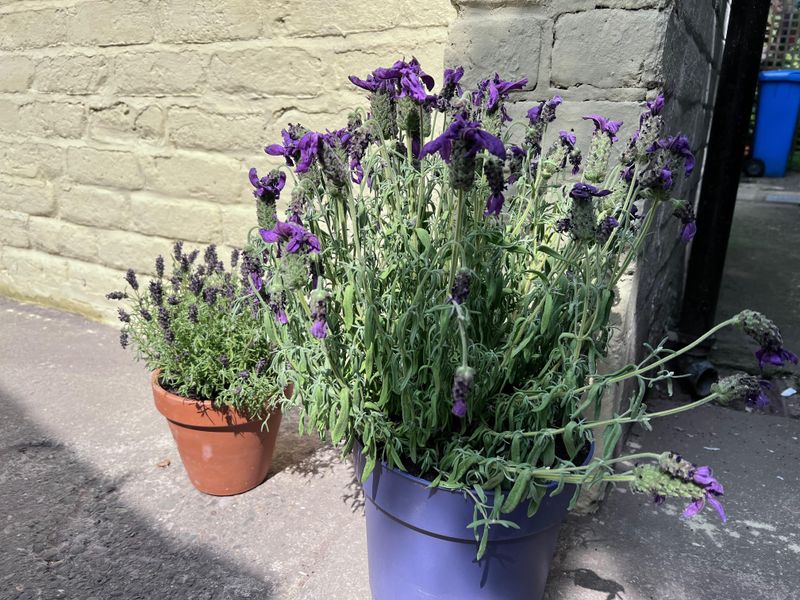
Lavender is a sun lover through and through. If you want your potted lavender to thrive in Oregon, you need to give it at least six to eight hours of direct sunlight every day.
South-facing patios, porches, or windowsills are perfect spots to start.
Oregon can have cloudy stretches, especially in spring and fall. During those times, move your pot to the brightest spot available.
Even a few extra minutes of sun each day can make a big difference in how well your plant grows and blooms.
Avoid spots shaded by fences, trees, or overhangs. Lavender that sits in shade too long will grow leggy, produce fewer flowers, and become more vulnerable to root problems.
In cities like Portland or Salem, check where the sun hits longest during the day before you set your pot down.
Rotating your pot every week or two also helps. It ensures all sides of the plant get even light exposure.
Lavender that gets balanced sunlight tends to grow fuller and more upright. A sunny spot is truly the foundation of success for growing lavender in pots anywhere in Oregon.
2. Use Fast-Draining Soil
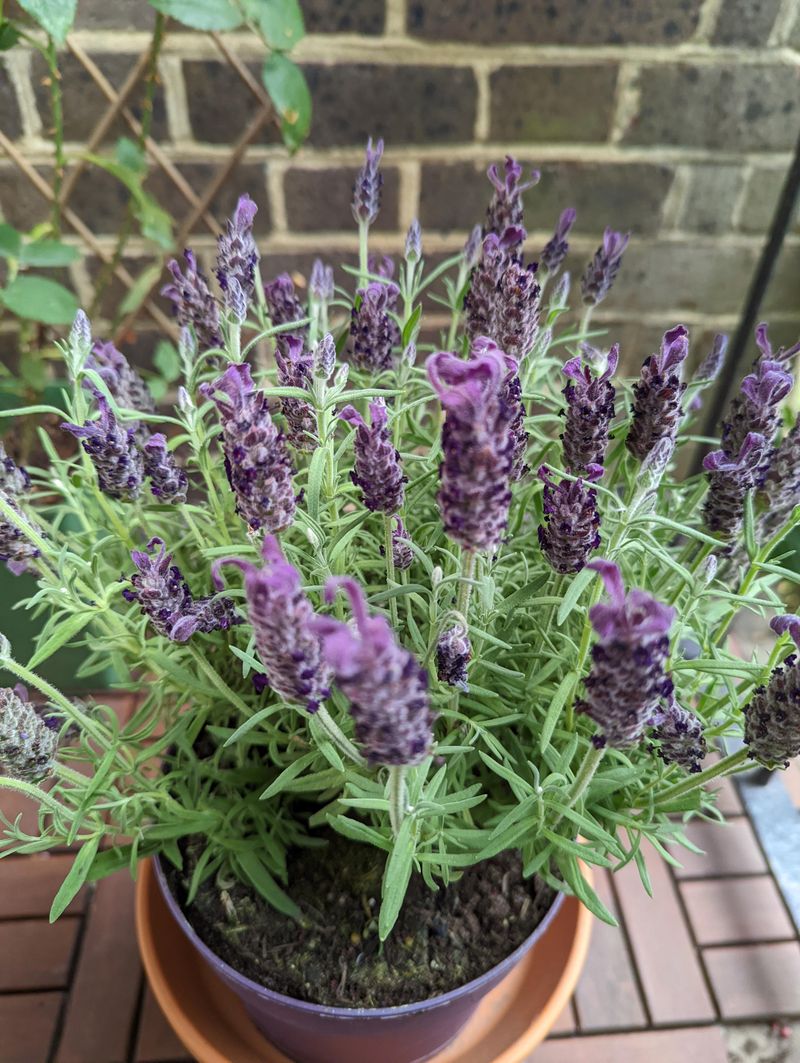
Soil choice can make or break your lavender plant. Lavender hates sitting in wet, soggy soil.
In Oregon, where rainfall is frequent, using fast-draining soil is one of the most important steps you can take.
Skip regular potting mix on its own. Instead, mix it with perlite, coarse sand, or fine gravel.
A good ratio is about half potting mix and half gritty material. This creates air pockets that let water drain quickly and roots breathe easily.
Some Oregon gardeners also add a small amount of lime to their mix. Lavender prefers slightly alkaline soil, and Oregon’s native soil tends to lean acidic.
A teaspoon of garden lime per gallon of mix can help balance the pH and keep your plant healthier over time.
Avoid mixes that contain a lot of peat or moisture-retaining crystals. Those products are great for many plants but terrible for lavender.
Your Oregon Garden Changes Every Week. Your Plan Should Too.
Gardening in Oregon changes quickly throughout the season. Every Friday you’ll receive a simple weekly plan showing exactly what to plant, prune, fertilize, harvest, and protect so you never miss the right timing.
The goal is soil that drains fast and stays loose. When you water and it runs through the bottom of the pot in seconds, you know you have the right mix.
Fast-draining soil gives Oregon lavender the dry feet it craves.
3. Pick The Right Pot
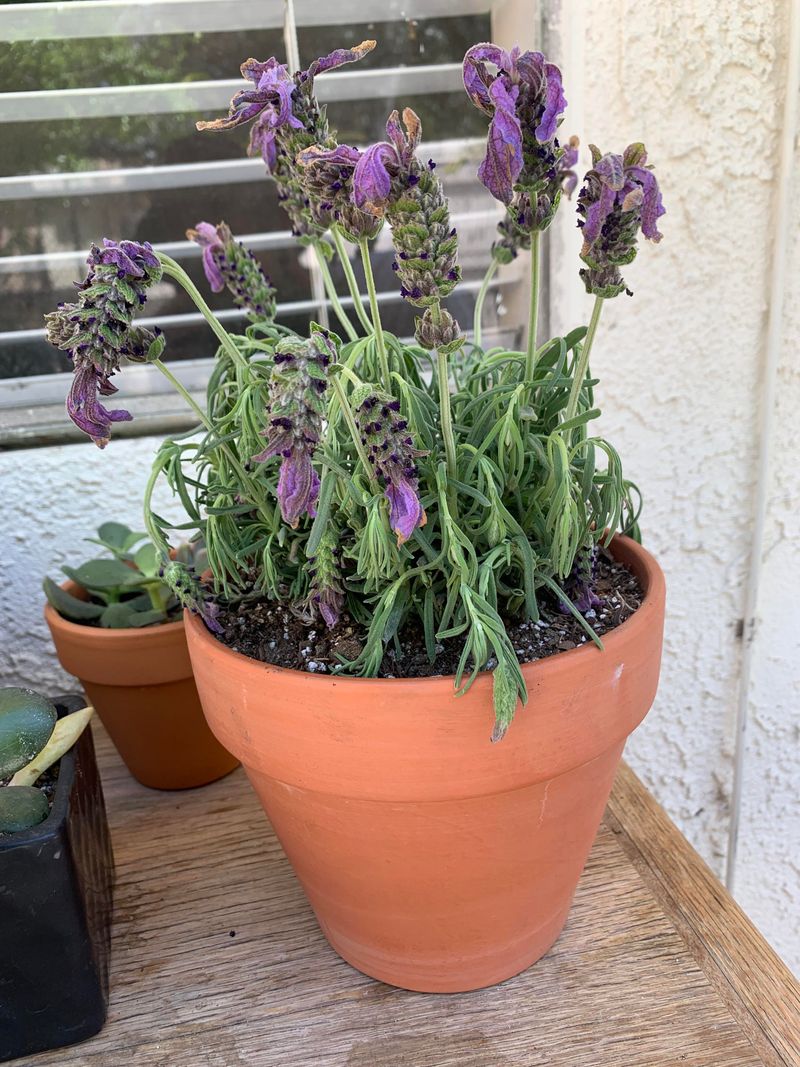
Not all pots are created equal when it comes to growing lavender. The material of your container matters just as much as the size.
In Oregon’s wet climate, terracotta and unglazed clay pots are your best friends.
These materials are porous, which means they allow moisture to evaporate through the sides. That extra evaporation keeps roots from sitting in water too long.
Plastic and glazed ceramic pots hold moisture much longer, which can cause problems during Oregon’s rainy season.
Make sure your pot has at least one drainage hole at the bottom. Without drainage, water collects and roots suffer.
Some gardeners add a layer of gravel at the bottom of the pot to help water move through faster, though good soil mix matters more than the gravel trick.
A pot that is roughly 12 to 16 inches wide works well for most lavender varieties. That size gives roots enough room to spread without holding too much excess moisture.
Heavy pots can also help anchor your plant on windy Oregon days. Choosing the right pot from the start sets your lavender up for a long, healthy life on your patio or deck.
4. Avoid Oversized Containers
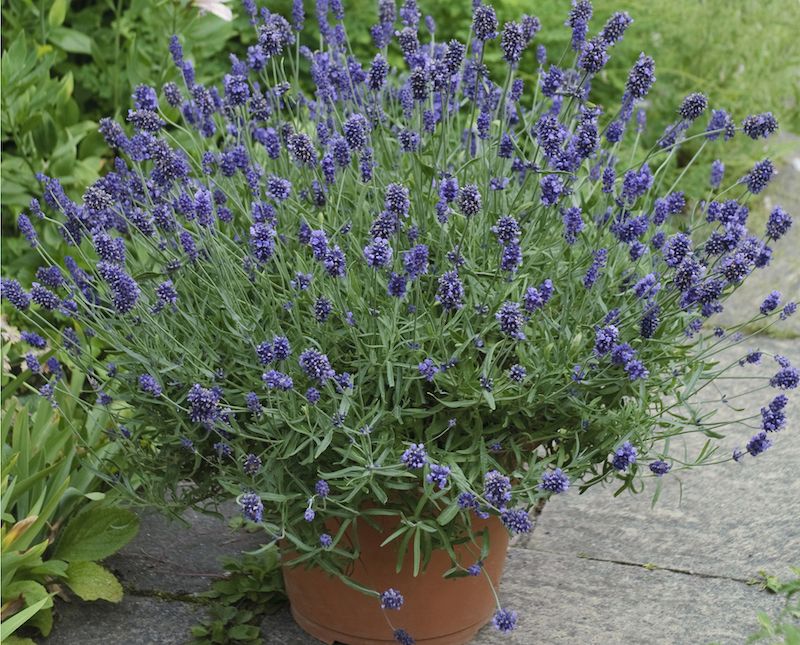
Bigger is not always better when it comes to pots for lavender. Planting in an oversized container is a mistake many new gardeners make.
When a pot is too large, the extra soil holds moisture that roots cannot absorb quickly enough.
That leftover moisture around the roots is a big problem in Oregon, especially during fall and winter when rain is constant. Wet roots for extended periods weaken the plant and can cause root rot.
A container that fits your plant snugly is a much smarter choice.
As a general rule, choose a pot that is only about two inches wider than the plant’s root ball. That small buffer gives roots room to grow without drowning in unused, wet soil.
As your lavender grows, you can move it up to a slightly larger pot.
Think of it like wearing shoes that fit. Too tight is uncomfortable, but too loose causes its own problems.
Matching pot size to plant size is one of those simple details that experienced Oregon gardeners swear by. It keeps moisture levels balanced and helps your lavender stay strong through the long, wet Pacific Northwest winters.
Getting this right early saves a lot of trouble later on.
5. Water Deeply, Then Wait
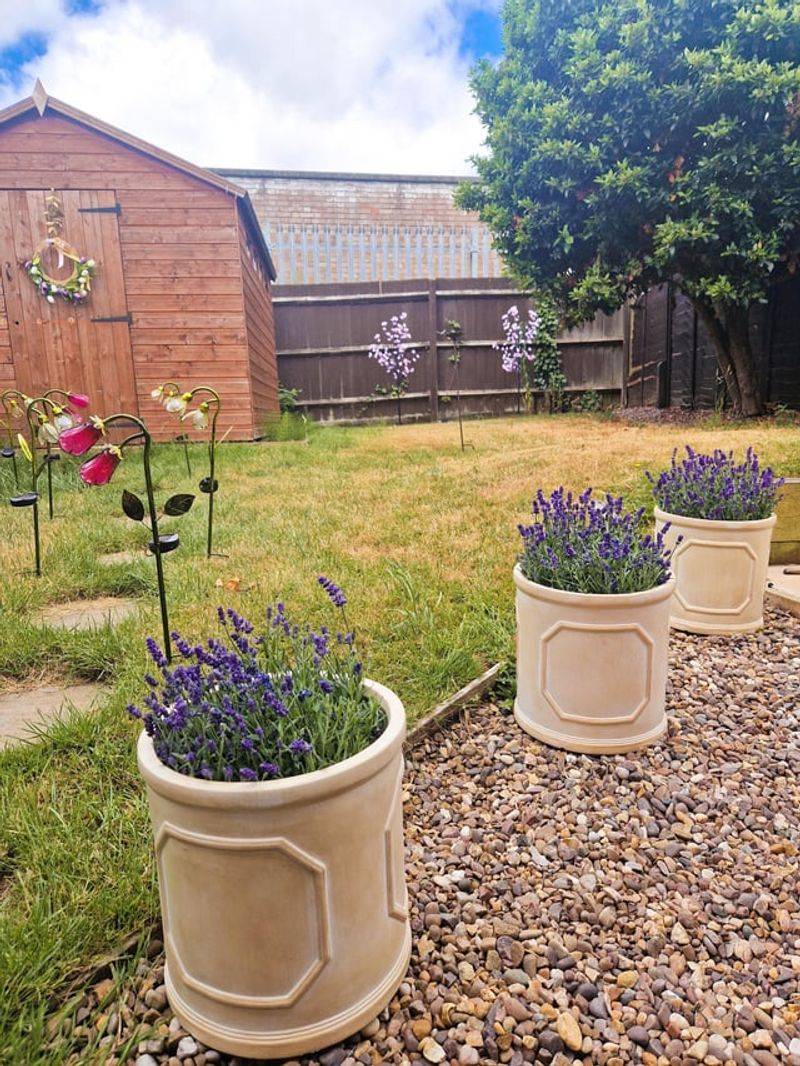
Lavender is drought-tolerant once it gets established, but it still needs water done the right way. The trick is to water deeply and then wait until the soil is almost completely dry before watering again.
This approach mimics the natural dry summers lavender loves in its native Mediterranean homeland.
When you water, soak the soil thoroughly until water runs freely from the drainage holes. Then leave it alone.
Stick your finger about two inches into the soil. If it still feels damp, wait another day or two before watering again.
In Oregon, summer months like July and August are usually dry and warm, which is ideal for lavender. During those months, you might water once every one to two weeks.
In spring and fall when rain returns, you may not need to water at all.
Overwatering is one of the top reasons potted lavender struggles in the Pacific Northwest. Gardeners often feel the urge to water more during cloudy days, but lavender does not need it.
Trust the soil, not the weather. Deep, infrequent watering builds strong roots and keeps your Oregon lavender looking lush and vibrant all season long.
6. Keep Crowns Dry
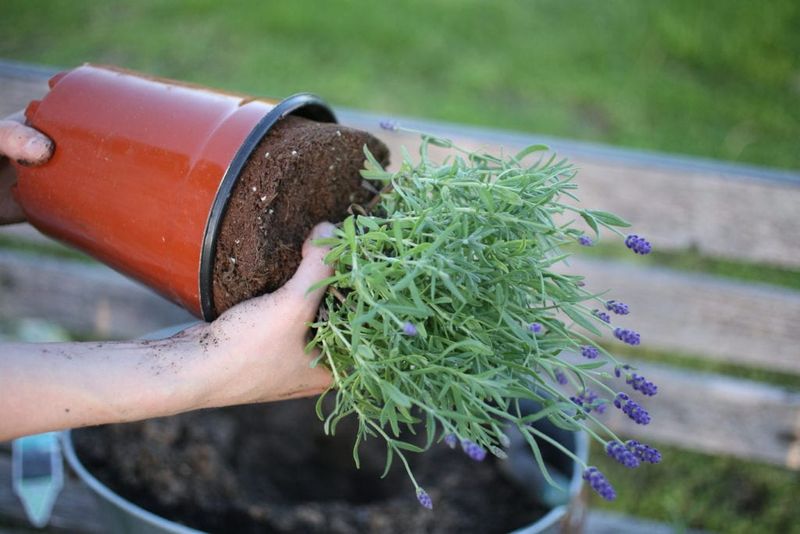
The crown of a lavender plant is where the stems meet the roots, right at soil level. Keeping that area dry is absolutely critical, especially in wet Oregon winters.
Moisture that collects around the crown can cause rot that spreads fast and weakens the entire plant.
One easy way to protect the crown is to add a thin layer of coarse gravel or grit on top of the soil, right around the base of the plant. This layer helps water drain away quickly and keeps the crown from sitting in puddles after rain or watering.
Make sure you are not burying the crown too deep when you first pot your lavender. Plant it so the crown sits just at or slightly above the soil surface.
A crown that is buried even an inch too deep holds extra moisture and becomes a problem waiting to happen.
Oregon gardeners who move their pots under a covered porch or overhang during heavy rain seasons have great results. That simple step reduces how much water hits the soil and crown directly.
It is a small habit that pays off in a big way. Dry crowns mean healthier plants that come back strong year after year in the Pacific Northwest.
7. Feed Lightly In Spring
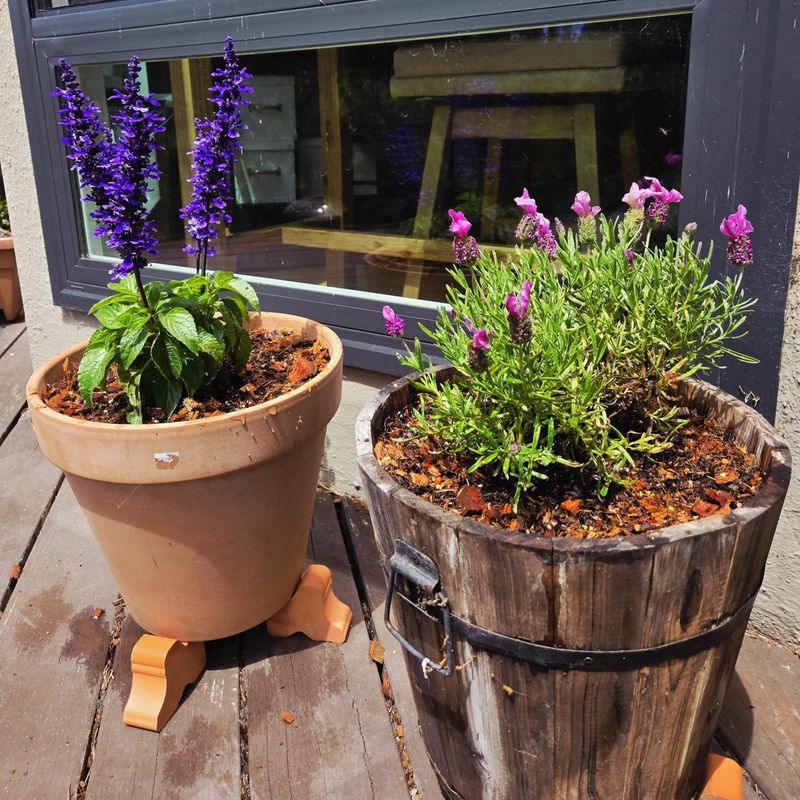
Lavender is not a heavy feeder, and that is actually good news for busy gardeners. Too much fertilizer pushes the plant to grow lots of soft, leafy green growth instead of the woody stems and fragrant blooms you really want.
Less is truly more when it comes to feeding lavender.
Once in spring, when you start to see new growth appearing, give your potted lavender a light boost. A slow-release granular fertilizer with low nitrogen works well.
Sprinkle a small amount on top of the soil and water it in gently. That single spring feeding is usually all the plant needs for the whole growing season.
Avoid high-nitrogen fertilizers completely. Those products are designed for leafy plants like lettuce or grass.
For lavender, high nitrogen leads to floppy, weak stems and a plant that is more likely to struggle through Oregon’s wet winters.
Some Oregon growers skip synthetic fertilizer entirely and use a small amount of compost mixed into the soil at repotting time. That gentle, natural approach provides slow nutrients without the risk of overfeeding.
Whichever method you choose, remember that lavender thrives on a little neglect. Feed lightly in spring and let the plant do the rest of the work on its own.
8. Prune After Flowering
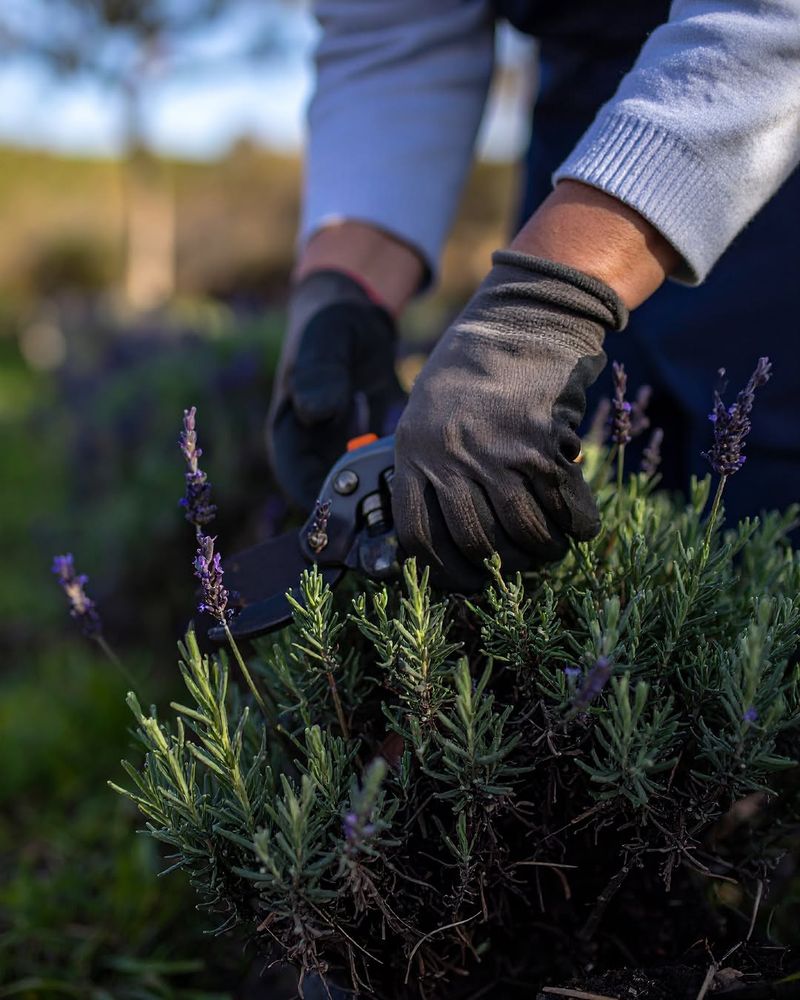
Pruning is one of the best things you can do to keep potted lavender looking its best year after year. Many gardeners skip this step, and over time, their plants become woody, sprawling, and produce fewer flowers.
A good trim after blooming changes everything.
Wait until the flowers start to fade and turn brown, usually in late summer here in Oregon. Then use clean, sharp pruning shears to cut back about one-third of the plant’s total height.
Always cut into the leafy green growth, never into the bare woody stems below.
Cutting into old wood is a common mistake. Lavender does not regrow well from bare wood, so leaving some green growth on every stem is important.
Think of it as a light haircut rather than a dramatic chop. The goal is a tidy, rounded shape that encourages fresh new growth.
After pruning, your lavender will push out fresh stems and may even bloom again lightly before Oregon’s fall rains arrive. Regular pruning also keeps the plant compact and well-suited to container life.
Skipping pruning for several years leads to an open, woody plant that is hard to recover. A few minutes with shears each season keeps lavender thriving beautifully in your Oregon garden.
9. Protect From Winter Wet
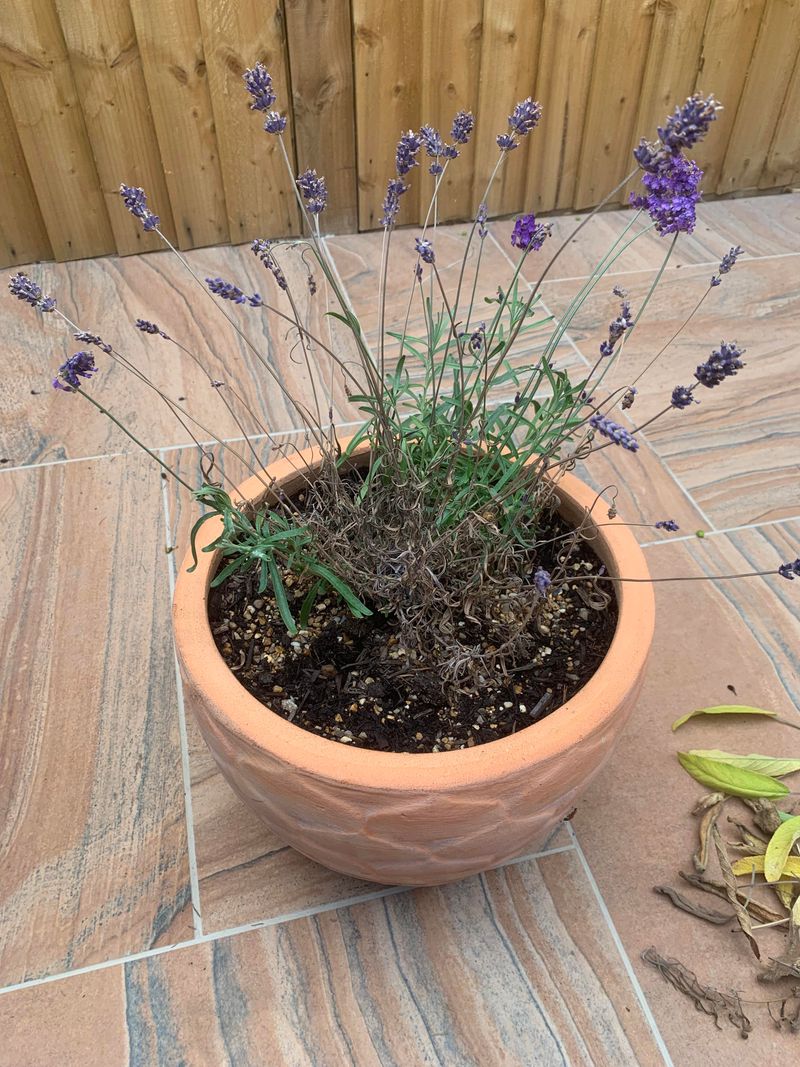
Oregon winters are the biggest challenge for potted lavender. It is not the cold that causes the most trouble.
It is the constant rain and soggy conditions that can weaken even the toughest lavender varieties. Taking steps to protect your plants from winter wet is one of the smartest moves an Oregon gardener can make.
Move your pots to a covered area during the wettest months, typically from November through February. A covered porch, garage with natural light, or cold frame works really well.
The goal is to reduce how much rain falls directly onto the soil and crown.
Even just propping your pot up on pot feet or a small stand helps. Lifting the pot off the ground improves drainage and keeps the bottom from sitting in puddles.
That small elevation makes a noticeable difference in how dry the roots stay during a rainy Oregon winter.
English lavender varieties like Hidcote and Munstead tend to handle wet Oregon winters better than French or Spanish types. If you are new to growing lavender in the Pacific Northwest, starting with one of those hardy varieties is a wise choice.
Protecting your plant through winter means a stronger, fuller plant ready to bloom beautifully when Oregon spring finally arrives.
10. Repot Before Roots Crowd
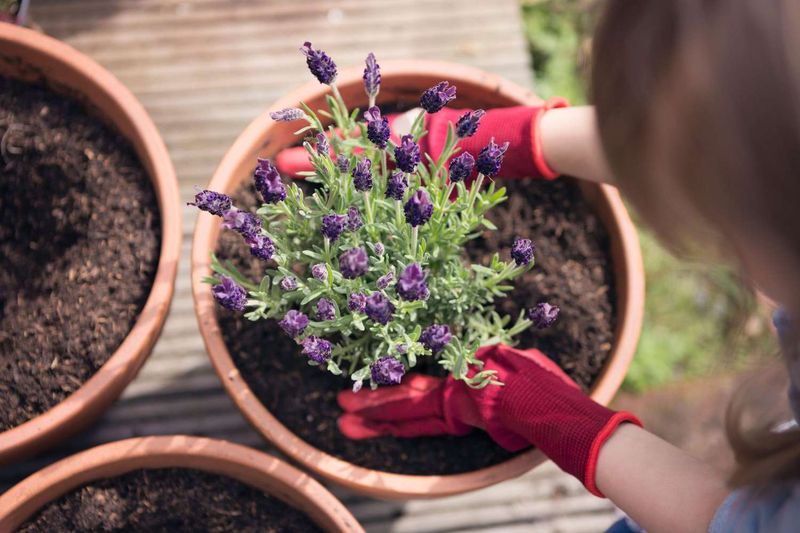
Every potted plant eventually outgrows its home, and lavender is no different. When roots start circling the inside of the pot or poking out of the drainage holes, it is a clear sign that your plant needs more space.
Waiting too long to repot stresses the plant and limits its growth.
Spring is the best time to repot lavender in Oregon, just as new growth begins to appear. Gently tip the pot on its side and ease the plant out.
If the roots are tightly packed in a solid mass, loosen the outer edges gently with your fingers before placing it in the new container.
Move up only one pot size at a time. Going from a six-inch pot to a twelve-inch pot all at once gives the roots too much extra wet soil to deal with, which circles back to the oversized container problem.
Gradual upsizing keeps moisture levels manageable.
Fresh soil at repotting time also gives your lavender a nutrient boost without extra fertilizer. Use the same fast-draining mix you started with and make sure the new pot has good drainage holes.
Repotting every two to three years keeps your Oregon lavender vigorous, blooming well, and growing strong for many seasons to come.