Why Florida Most Popular Landscaping Plants Are Slowly Being Swapped For Natives
Florida homeowners just figured out they’ve been doing it all wrong. For years, the standard playbook called for thirsty exotic plants, constant irrigation, and enough fertilizer to keep a small farm alive, and nobody questioned it.
The whole thing was a money pit dressed up in green. Now?
The script is getting flipped from Tampa to Tallahassee, and the plants that ruled Florida yards for generations are getting shown the door.
Native plants are muscling their way in, and once you understand why, you’ll never look at a row of Indian Hawthorn the same way again.
Skyrocketing water bills, struggling lawns after one dry summer, landscapes that need more attention than a newborn, Florida homeowners finally hit their breaking point. So what pushed them over the edge, and is your yard already behind the curve?
Stick around, because the answer might just save you a fortune.
1. Florida Yards Are Breaking Up With Thirsty Ornamentals
Watering bills do not lie. Across Florida, homeowners are spending serious time and money keeping landscape plants alive through dry spells that seem to get longer every year.
Sandy soils drain fast, the sun is relentless, and many popular ornamentals were simply not designed for those conditions.
UF/IFAS Florida-Friendly Landscaping guidance makes it clear: the single most effective step a homeowner can take is choosing the right plant for the right place.
That means matching plants to the local soil type, sun exposure, moisture level, and regional climate before anything else.
A plant that thrives in Georgia may struggle in a Central Florida yard with fast-draining, low-nutrient soil and full afternoon sun.
Many traditional foundation shrubs, lawn borders, and repeated annual beds need frequent irrigation to stay looking good. Water management districts throughout Florida have imposed watering restrictions in recent years, making high-water landscapes harder to maintain legally.
Replacing even one thirsty bed with a region-appropriate native or Florida-Friendly planting can reduce outdoor water use noticeably.
Practical swap ideas include trading out repeated impatiens beds for native wildflower patches, swapping non-native foundation shrubs for Simpson’s stopper or Walter’s viburnum, and replacing high-water lawn edges with drought-tolerant groundcovers.
Starting small makes the transition manageable and rewarding without overhauling the whole yard at once.
2. Native Plants Are Taking Back The Sunshine State
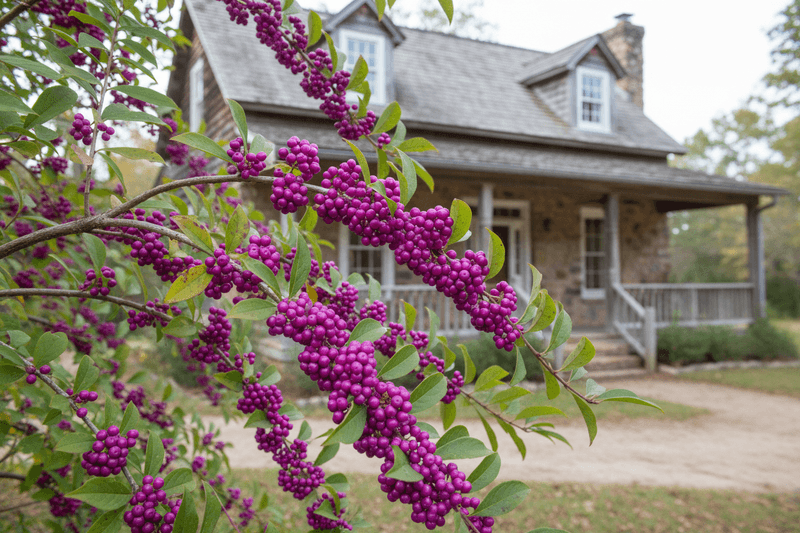
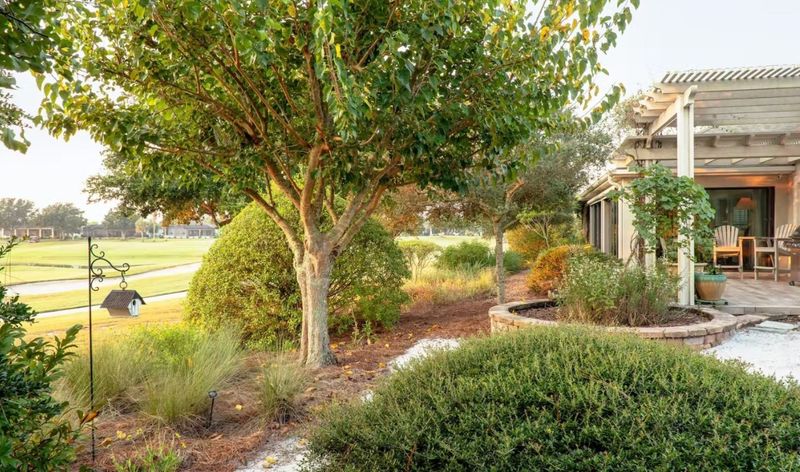
Something beautiful is happening in Florida yards. More homeowners are planting landscapes that look intentional and colorful while actually supporting the ecosystems around them.
Native plants are driving that change, and the results can be genuinely stunning.
Florida native plants evolved alongside local insects, birds, soils, and seasonal rain patterns over thousands of years. That shared history means they are already adapted to what Florida throws at them.
According to UF/IFAS Gardening Solutions, native plants generally require less supplemental irrigation once established and tend to need fewer pesticide applications than many non-native ornamentals.
The plant palette is far from boring. American beautyberry produces bright purple berries that birds love.
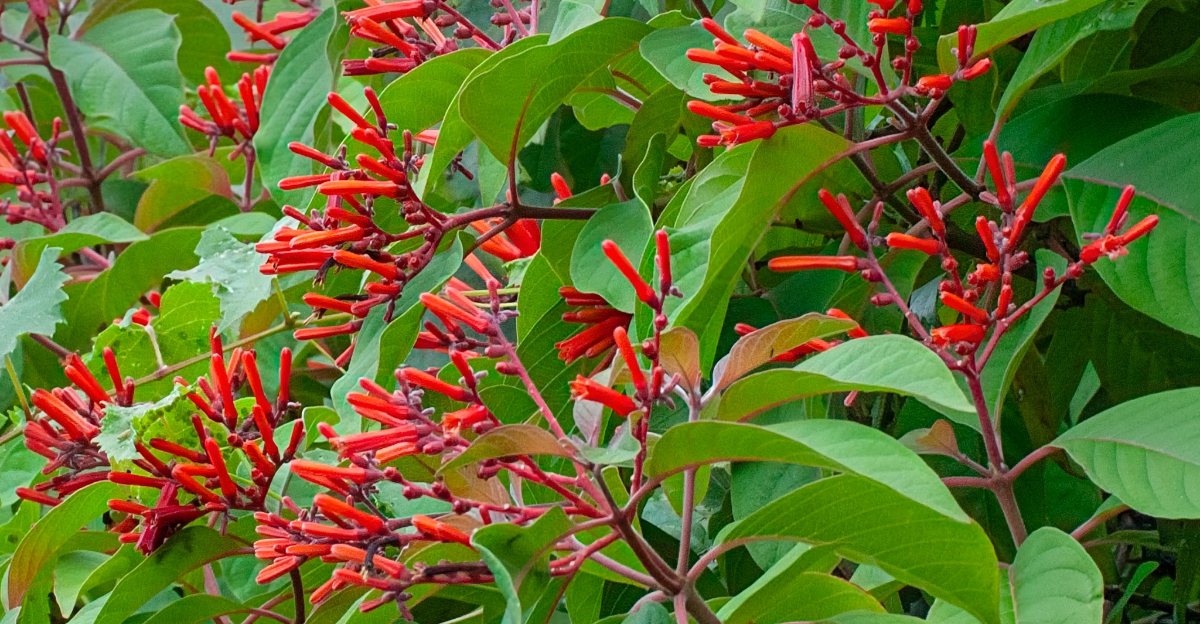
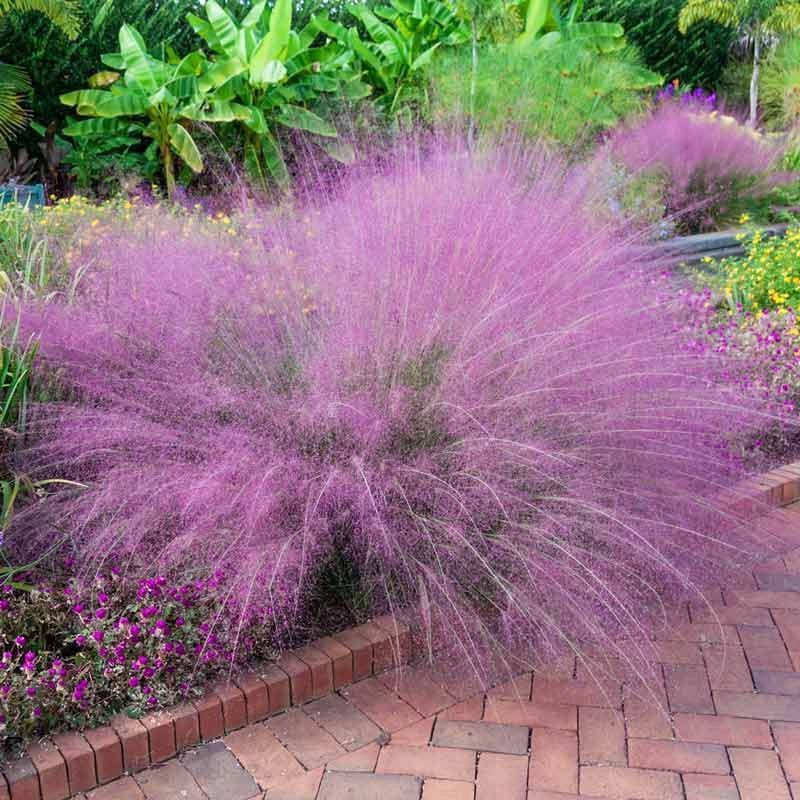
Muhly grass turns a soft pink in fall and sways beautifully in the breeze. Firebush blazes with orange-red blooms that hummingbirds and butterflies cannot resist.
Your Florida Garden Changes Every Week. Your Plan Should Too.
Gardening in Florida changes quickly throughout the season. Every Friday you’ll receive a simple weekly plan showing exactly what to plant, prune, fertilize, harvest, and protect so you never miss the right timing.
Coontie, Florida’s only native cycad, works well as a low, tidy groundcover. Saw palmetto adds structure and provides critical wildlife habitat.
Simpson’s stopper works as a dense, attractive hedge with white flowers and orange berries.
A well-designed native yard does not look wild or neglected. With thoughtful plant selection, layering, and spacing, native landscapes can look just as polished as any traditional yard while asking far less from the homeowner in return.
The Sunshine State belongs to these plants, and they show it.
3. Skip The Showy Imports, And Plant What Belongs
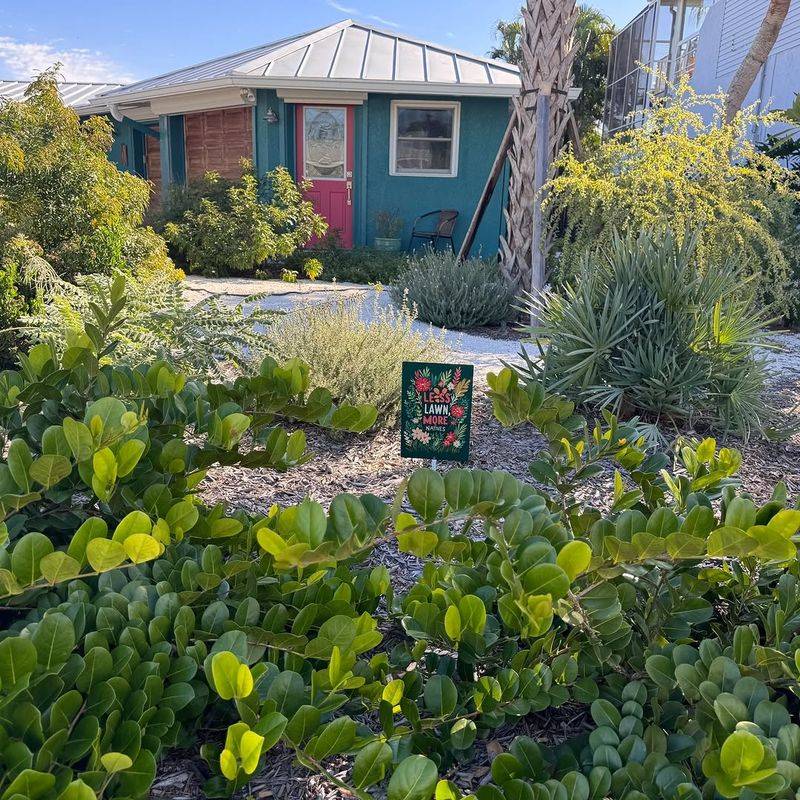
A plant being pretty does not automatically make it a good neighbor. Florida nurseries have long sold ornamental plants from other parts of the world that look great in a pot at the garden center but can cause real problems once they settle into a yard near natural areas.
The UF/IFAS Assessment of Non-native Plants in Florida’s Natural Areas categorizes plants based on their invasion risk in Florida’s ecosystems. Some non-native plants stay put and cause no harm.
Others spread aggressively into natural areas through seeds carried by birds, water, or wind. The difference between a non-native plant and an invasive one matters, and it is worth checking before buying.
Non-native simply means the plant is not originally from Florida. Invasive means it spreads and causes harm beyond the yard.
Florida-Friendly means the plant, whether native or not, has been evaluated and meets the standards set by UF/IFAS for low maintenance, water efficiency, and minimal environmental risk in Florida conditions.
Before buying a new plant, homeowners can check the UF/IFAS Assessment database or contact their county Extension office for guidance. The Florida Exotic Pest Plant Council also maintains a list of invasive species by category.
Choosing plants that are cleared for use in your specific region of Florida is a simple step that protects both your yard and the natural areas nearby.
4. Less Water, More Wildlife, Better Florida Yards
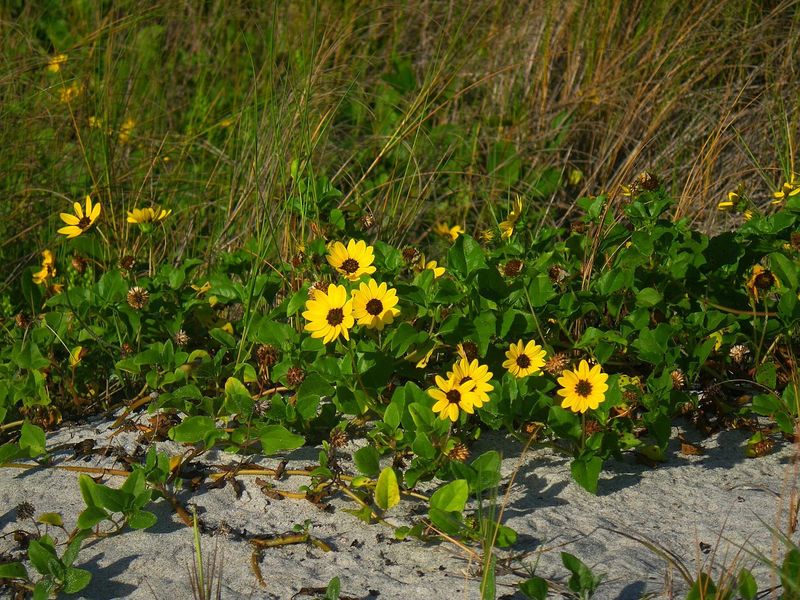
Cutting back on irrigation and watching more butterflies show up in the same season sounds like a trade most Florida homeowners would happily make. That is exactly what can happen when native plants replace high-water ornamentals in the landscape.
Native plants provide food, shelter, and host plants for local wildlife in ways that most non-native ornamentals simply cannot match.
According to the Florida Fish and Wildlife Conservation Commission, native plants support pollinators, songbirds, butterflies, and beneficial insects by offering the right berries, seeds, nectar, and cover at the right times of year.
Many caterpillars, for example, can only feed on specific native host plants.
Smart design choices make wildlife-friendly yards work even better. Mixing plants with different bloom times keeps something flowering across multiple seasons.
Layering low groundcovers, mid-height shrubs, and taller accent plants creates habitat structure that different species rely on. Leaving a little natural texture, like seed heads or hollow stems, gives insects and birds extra resources through winter.
Water savings come alongside the wildlife benefits. Once established, many native plants draw on Florida’s seasonal rainfall patterns without needing supplemental irrigation beyond the first growing season.
Grouping plants with similar water needs, as recommended by UF/IFAS Florida-Friendly Landscaping principles, reduces waste and makes the whole yard easier to manage. Less work, more life.
That combination is hard to argue with.
5. The Old Landscaping Favorites Are Losing Their Shine
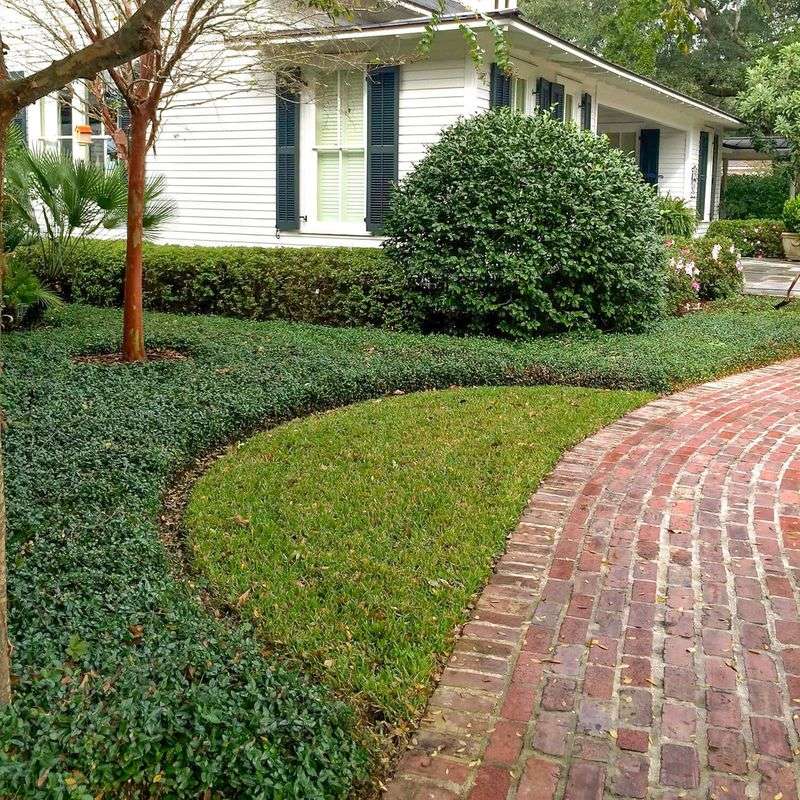
For decades, certain plants showed up in almost every Florida yard. Podocarpus hedges, Asian jasmine groundcover, Indian hawthorn shrubs, and liriope borders became the default choices for builders and landscapers across the state.
They were familiar, widely available, and they worked, at least for a while.
Now many of those same staples are being looked at more critically. Pest pressure is one reason.
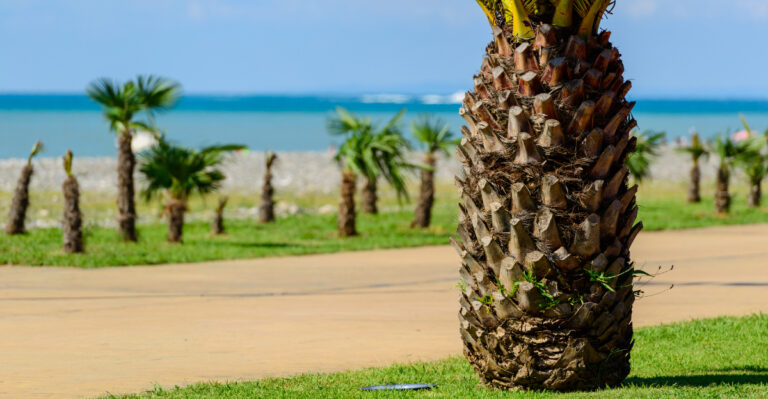
Cycad aulacaspis scale has devastated many sago palms, which remain one of the most commonly planted ornamentals in Florida despite being a non-native cycad. Laurel wilt has impacted redbay and some other trees.
Certain popular shrubs are prone to fungal issues in Florida’s humid summers and may need repeated pesticide applications to stay healthy, according to UF/IFAS plant pathology resources.
Storm damage is another factor. Plants that are brittle, shallow-rooted, or not adapted to Florida’s wind patterns can suffer heavily during hurricane season.
Pruning demands and fertilizer requirements add up over time, both in cost and in effort. Some plants that look polished in a showroom photo need constant shaping just to stay presentable in a real Florida yard.
Depending on the site, soil conditions, and regional climate, a plant that works fine in one part of Florida may struggle in another.
Homeowners are simply growing more aware that low-maintenance does not mean no maintenance, and that the right plant makes all the difference from the start.
6. Florida Homeowners Are Trading Fuss For Resilience
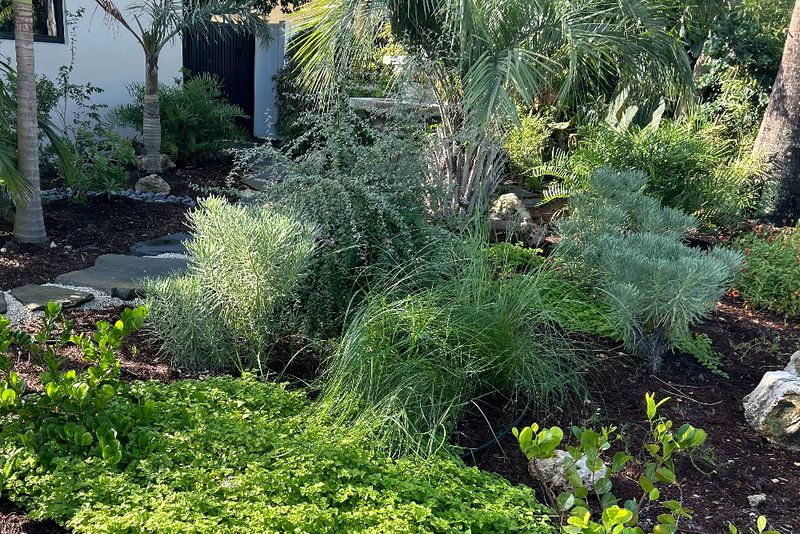
Florida yards face a lineup of challenges that would test any landscape.
Summer heat that rarely lets up, afternoon thunderstorms that drop inches of rain in an hour, months of drought between wet seasons, salt air along the coasts, hurricane-force winds, and soils that range from pure sand to compacted clay depending on where you live.
Landscaping that cannot handle that list will always feel like a battle.
Resilience is the word more Florida homeowners are reaching for when they describe what they want from their yards. Plants that recover after a storm.
Shrubs that do not need weekly trimming. Groundcovers that fill in without constant irrigation.
According to UF/IFAS Florida-Friendly Landscaping principles, one of the best ways to build a resilient yard is to group plants by water needs, choose species suited to mature size, and use mulch to protect roots and retain soil moisture.
Wind-tolerant native shrubs like beautyberry, wild coffee, and native muhly grass hold up well in exposed yards. Coastal homeowners have options too, including sea oats, beach sunflower, and saltmeadow cordgrass for salt-tolerant spots.
Planting for mature size means less trimming over time and fewer plants getting crowded out or damaged.
Building a resilient yard does not mean sacrificing beauty. It means making smarter choices upfront so the yard does more of the work on its own.
That shift in thinking is what is quietly changing Florida landscaping one yard at a time.
7. Invasive Beauties Are Getting Pushed Off The Guest List
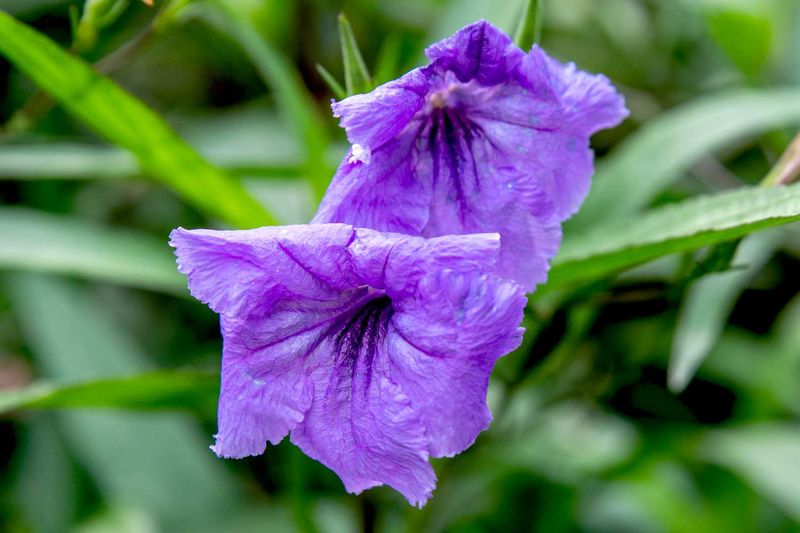
Some of the prettiest plants at the garden center have a complicated backstory in Florida. Mexican petunia blooms in cheerful purple all summer long.
Air potato vine covers a fence fast. Coral ardisia produces bright red berries through winter.
They photograph well, they sell well, and for years they were planted widely across the state without much concern.
The problem is what happens next. Birds eat those bright berries and carry seeds into natural areas.
Vines spread through drainage ditches and into neighboring preserves. Some plants produce so many seeds or runners that they crowd out native vegetation in parks, forests, and wetlands.
The Florida Exotic Pest Plant Council lists Mexican petunia and air potato as Category I invasive plants, meaning they are already altering native plant communities in documented Florida habitats.
The UF/IFAS Assessment of Non-native Plants in Florida’s Natural Areas gives homeowners a practical tool to check any plant before buying. A plant does not have to be on a banned list to be worth reconsidering.
If it has a high invasion risk rating in your region of Florida, a better alternative almost always exists.
Swapping out invasive ornamentals does not mean giving up color or curb appeal. Pineland lantana, native salvia, and blue porterweed offer similar visual impact with far less risk to surrounding natural areas.
Checking before planting is a small habit that adds up to a big difference across entire neighborhoods.
8. Make Room For Beautyberry, Muhly Grass, Coontie, And More
Starting a native plant yard does not require tearing everything out and beginning from scratch. One bed, one border, or one replacement shrub is enough to get going.
The trick is picking plants that match the specific conditions of your yard rather than just grabbing whatever looks good at the nursery.
American beautyberry thrives in partial shade and produces those iconic purple berries that mockingbirds and cardinals love in fall. Muhly grass grows best in full sun with well-drained soil and puts on a spectacular pink show in October.
Coontie, verified by UF/IFAS as Florida’s only native cycad, works well as a low, tidy groundcover in sun or partial shade and serves as the only larval host plant for the atala butterfly. Blanket flower brings long-season color in dry, sunny spots.
Firebush handles heat and draws hummingbirds from spring through fall.
For privacy screens, Simpson’s stopper and Walter’s viburnum both offer dense growth, attractive flowers, and fruit that wildlife enjoy. In wet or low-lying areas, swamp fern or blue flag iris can handle seasonal flooding that would stress most ornamentals.
Small native trees like dahoon holly or sweetbay magnolia add height, structure, and year-round interest without overwhelming a typical residential lot.
County Extension offices across Florida can recommend specific natives suited to your region, soil type, and yard size.
The Florida Native Plant Society also offers regional plant lists and local chapter resources to help homeowners make confident, well-matched choices from the very first planting.