Maryland Front Yards Look Better With These Easy Plant Choices
Your front yard is making an impression whether you like it or not. The question is what kind.
Maryland’s climate doesn’t exactly make things easy. Summers feel subtropical, winters can’t commit, and a humidity level has opinions about everything you plant.
But here’s the thing: the right plants don’t just survive all that, they use it. There are shrubs, perennials, and groundcovers that were practically made for Maryland conditions, thriving in the heat, shrugging off the cold, and looking good doing both.
No babysitting required, no crossed fingers every spring. Whether your front yard gets full sun, deep shade, or that awkward in-between light that confuses everything, the plants on this list will make your neighbors slow down and wonder what your secret is.
1. Viburnum (Viburnum Spp.)
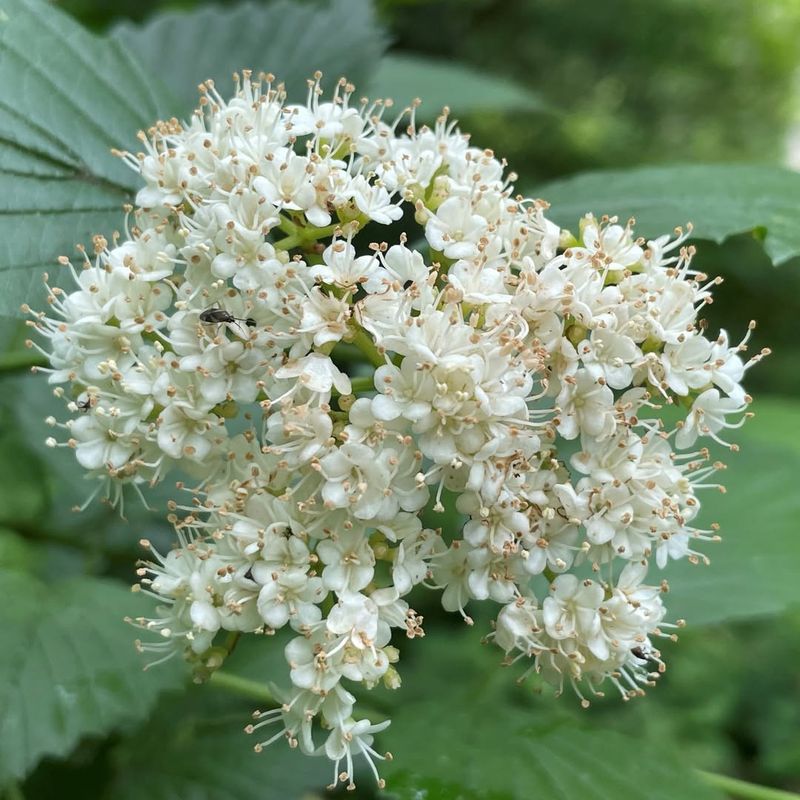
Few shrubs can match the all-season showmanship of viburnum.
In spring, clusters of white or pink blooms cover the branches and fill the air with a light, sweet fragrance.
By fall, the berries turn deep shades of red, blue, and black, giving birds a reason to visit your yard regularly.
Viburnum shrubs are incredibly adaptable to Maryland’s climate.
They handle both heat and cold without much fuss, and most varieties grow well in both full sun and partial shade.
Once established, they need very little watering, making them a smart pick for busy homeowners.
Planting viburnum along a front walkway or near the foundation creates a polished, welcoming look.
They come in many sizes, from compact three-foot varieties to tall eight-foot specimens. There is one to fit nearly every space.
Pruning is rarely needed, but a light trim after flowering keeps things tidy.
Fun fact: Some viburnum species have been used in traditional herbal remedies for centuries, proving they are as tough as they are beautiful.
2. Hydrangea (Panicle / Smooth)
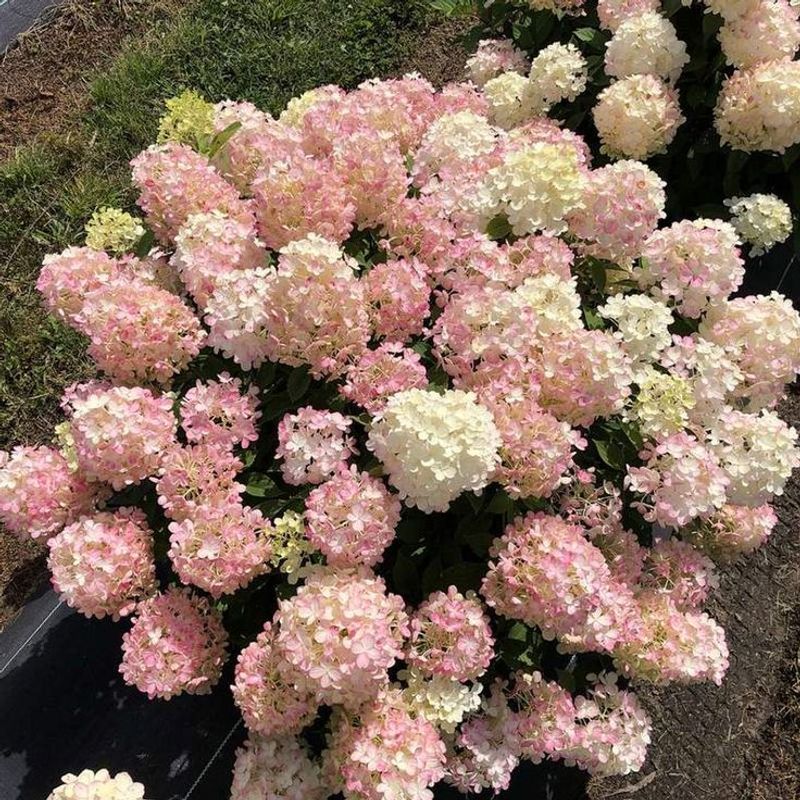
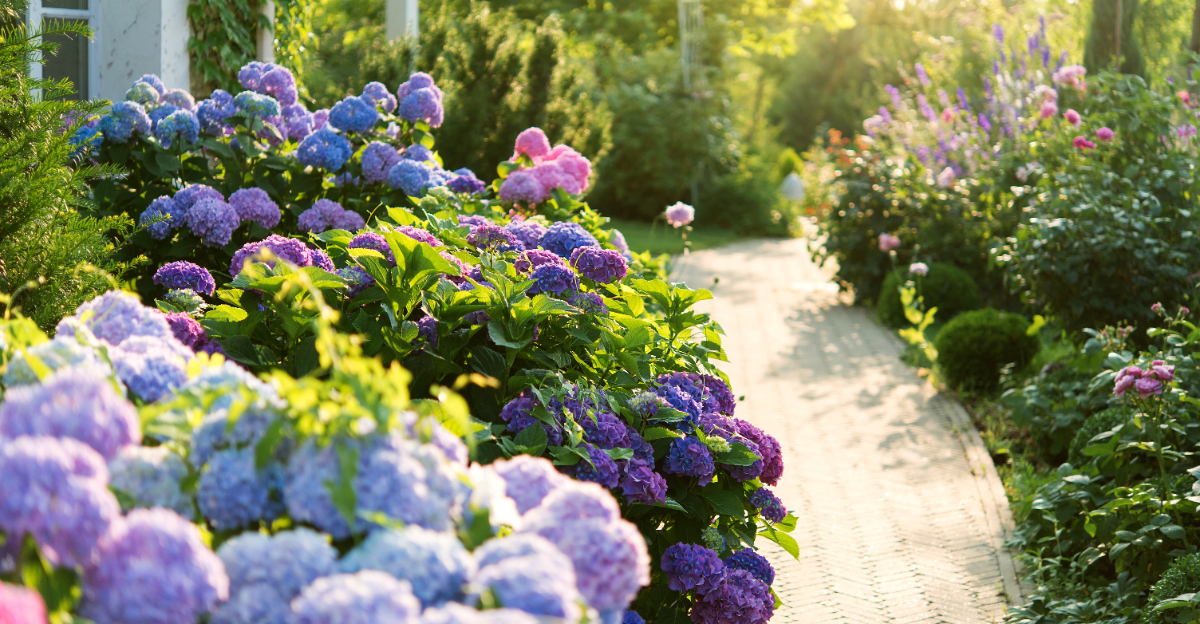
Walk down almost any Maryland street in midsummer and you will likely spot hydrangeas stealing the show.
Panicle hydrangeas love full sun, while smooth hydrangeas do well with some afternoon shade. Either way, there is an option to suit your yard.
Smooth hydrangeas, like Annabelle, offer giant round white flower heads that look almost too perfect to be real.
Both types are excellent choices for Maryland front yards because they handle the state’s humidity and temperature swings with ease.
Panicle hydrangeas love full sun, while smooth hydrangeas do well with some afternoon shade, giving you flexibility depending on your yard’s layout.
Neither type requires complicated care once planted in well-drained soil.
Water them deeply once a week during dry spells, and they will reward you with blooms from July through September.
Cutting the dried flower heads in late winter encourages fresh, vigorous growth the following season.
Hydrangeas also make stunning cut flowers, so you can bring some of that front yard beauty indoors.
With their bold, showy nature, hydrangeas bring a cottage-garden charm that makes any front yard feel warm and inviting.
3. Spirea (Spiraea Japonica)
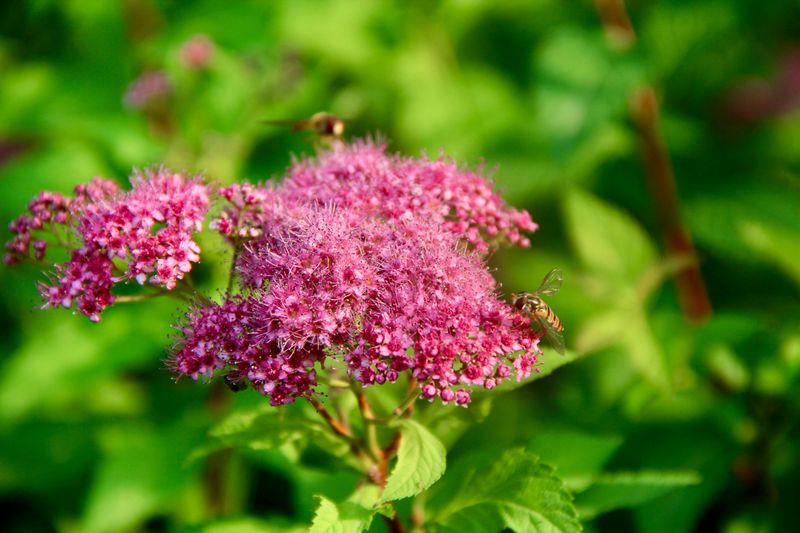
If you want a shrub that earns its keep from spring through fall, spirea deserves a serious look.
Your Kentucky Garden Changes Every Week. Your Plan Should Too.
Gardening in Kentucky changes quickly throughout the season. Every Friday you’ll receive a simple weekly plan showing exactly what to plant, prune, fertilize, harvest, and protect so you never miss the right timing.
Japanese spirea bursts into clusters of tiny pink, red, or white flowers in late spring, and many varieties put on a second round of blooms in late summer.
The foliage itself is a standout feature, with shades ranging from bright gold to deep burgundy depending on the variety you choose.
Spirea is practically built for Maryland gardens.
It thrives in full sun and tolerates the mid-Atlantic heat without wilting, and it handles Maryland’s occasional dry spells better than many other flowering shrubs.
Plants stay compact, usually topping out between two and four feet, which makes them easy to manage near walkways, mailboxes, or front steps.
Pruning spirea is straightforward: cut it back by about one-third right after the first round of blooms fades, and you will often trigger a second flowering.
This shrub also plays well with other plants, pairing beautifully with ornamental grasses or coneflowers for a layered, textured look.
Spirea is drought-tolerant once established and rarely bothered by pests. Few shrubs offer this much impact for this little effort.
4. Inkberry Holly (Ilex Glabra)
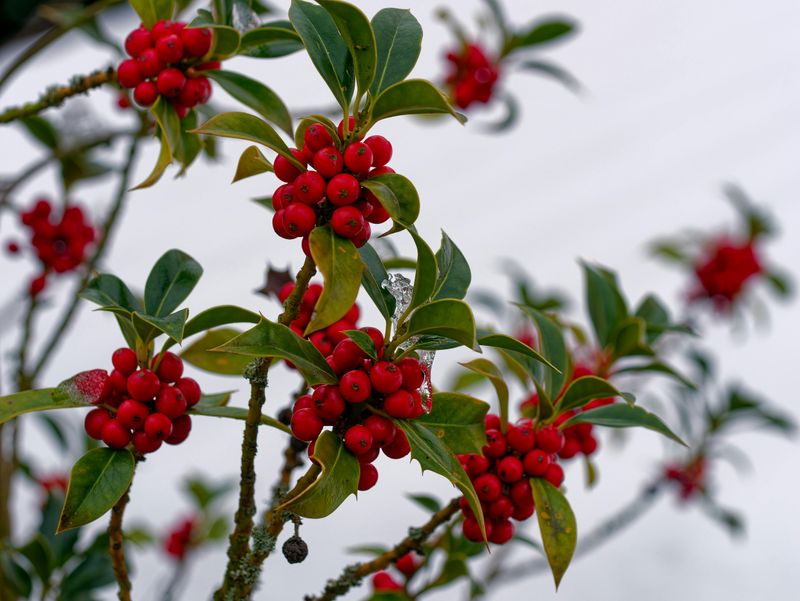
Not every front yard gets full sun all day, and that is exactly where inkberry holly steps in to save the day.
This native Maryland shrub thrives in everything from full sun to deep shade. Few plants handle that range so reliably.
Its glossy, dark green leaves stay on the plant year-round, giving your front yard a clean, structured look even in the middle of January.
Inkberry holly is also a powerhouse for local wildlife.
The small black berries that appear in fall and persist through winter provide an important food source for songbirds, including robins, catbirds, and cedar waxwings.
Planting native species like inkberry holly supports the local ecosystem while keeping your yard looking sharp.
This shrub grows naturally in Maryland’s wet areas, so it is one of the few ornamental plants that actually tolerates soggy soil near downspouts or low-lying spots.
It still does fine in average, well-drained garden beds, giving it a wide range of usefulness.
Most varieties stay between four and six feet tall and spread at a moderate pace.
A little shaping in early spring keeps inkberry holly looking neat and intentional rather than wild.
5. Coneflower (Echinacea)
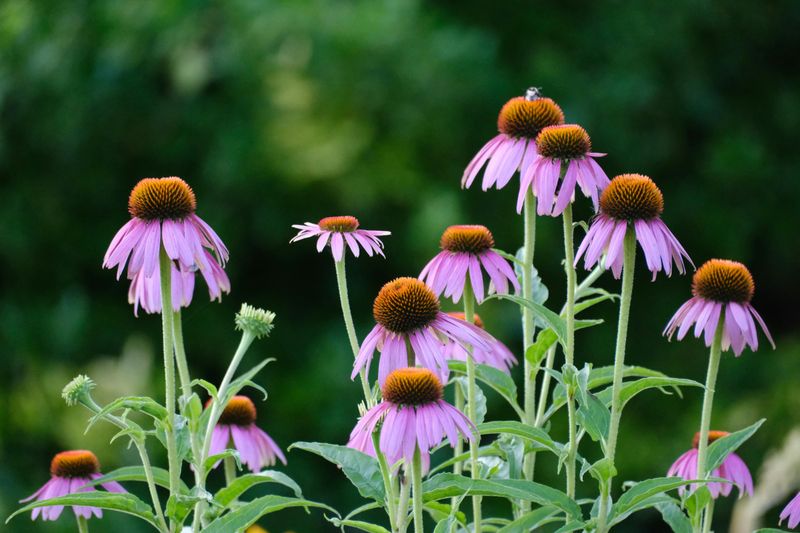
Purple coneflowers are basically a welcome mat for pollinators.
Bees, butterflies, and goldfinches are drawn to the bold, daisy-like blooms that appear from midsummer all the way through early fall.
Few plants deliver that level of wildlife activity while also looking so effortlessly beautiful in a front yard setting.
Echinacea is native to North America, and it is perfectly adapted to Maryland’s climate.
It loves full sun and actually prefers slightly lean soil, meaning you do not need to fertilize it heavily or fuss over it.
Once established after the first season, coneflowers are remarkably drought-tolerant and come back stronger each year without needing to be replanted.
The color range has expanded dramatically in recent years.
Beyond the classic purple, you can now find coneflowers in shades of orange, yellow, red, white, and even coral, so there is something to suit every color scheme.
Leaving the seed heads standing through winter adds visual interest to your yard during the colder months and provides food for birds.
Fun fact: Echinacea has been used in herbal medicine for hundreds of years, long before it became a garden favorite, which gives this tough little plant a rich and fascinating history.
6. Black-Eyed Susan (Rudbeckia)
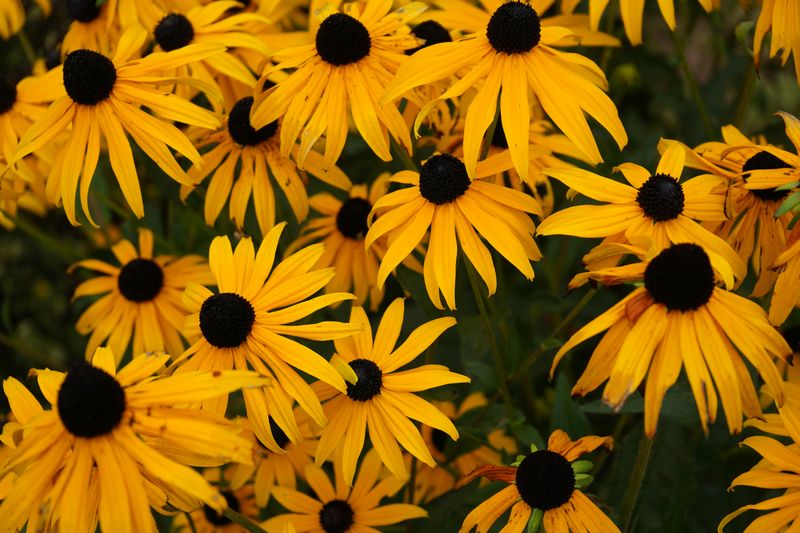
Maryland actually named the black-eyed Susan its official state flower, and honestly, it is easy to see why.
Those cheerful golden-yellow petals surrounding a dark brown center are instantly recognizable and bring a warm, sunny energy to any front yard.
They bloom from June through October, giving you months of consistent color when many other plants have already finished their show.
Rudbeckia is one of the toughest plants you can put in a Maryland front yard.
It tolerates heat, humidity, poor soil, and dry conditions without losing its charm.
Once you plant it, black-eyed Susan tends to spread and naturalize on its own, gradually filling in gaps in your garden bed with very little help from you.
It pairs especially well with purple coneflowers and ornamental grasses, creating a meadow-style planting that looks both relaxed and intentional.
Butterflies and bees love the blooms, and goldfinches flock to the seed heads in fall, making your yard a lively spot all season long.
Black-eyed Susan works well as a border plant, in mass plantings, or tucked into mixed garden beds.
For a truly low-maintenance front yard with maximum color impact, this Maryland native is hard to beat.
7. Coreopsis (Tickseed)
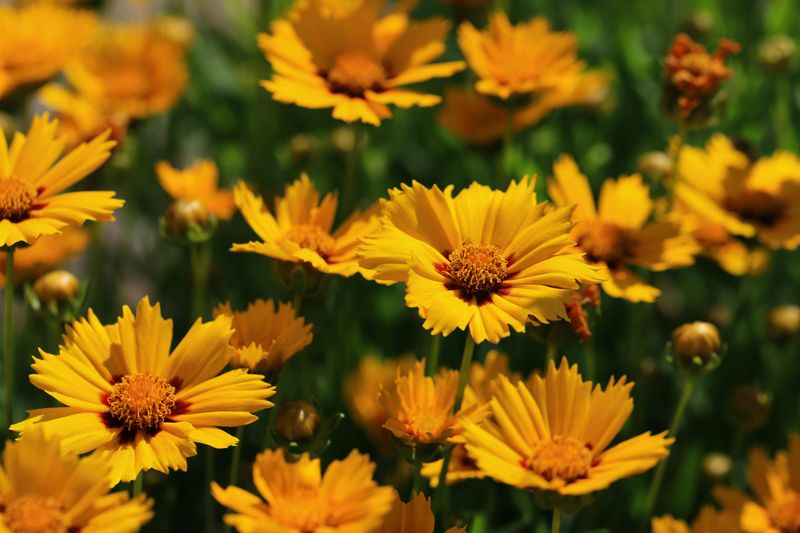
Coreopsis might just be the most cheerful plant you can add to a Maryland front yard.
Commonly called tickseed, this perennial produces a non-stop parade of bright yellow, gold, or pink daisy-like flowers from late spring through early fall.
It blooms so freely and consistently that it often outperforms other flowering perennials in terms of sheer visual impact over the course of the season.
Heat, drought, and poor soil are no match for coreopsis.
It thrives in full sun and actually performs better when it is not over-watered or over-fertilized, which makes it an ideal plant for Maryland homeowners who want beauty without the extra work.
Deadheading spent blooms encourages even more flowers, but the plant will keep blooming even if you skip that step.
Coreopsis stays relatively compact, usually between one and two feet tall, making it a great choice for the front of a garden border or along a walkway edge.
It combines beautifully with black-eyed Susans, salvia, and ornamental grasses for a layered, colorful planting that looks professionally designed.
Pollinators absolutely love it, so expect regular visits from bees and butterflies all summer long.
For a plant that asks for almost nothing and gives back so much, coreopsis is a true front yard gem.
8. Juniper (Juniperus Spp.)
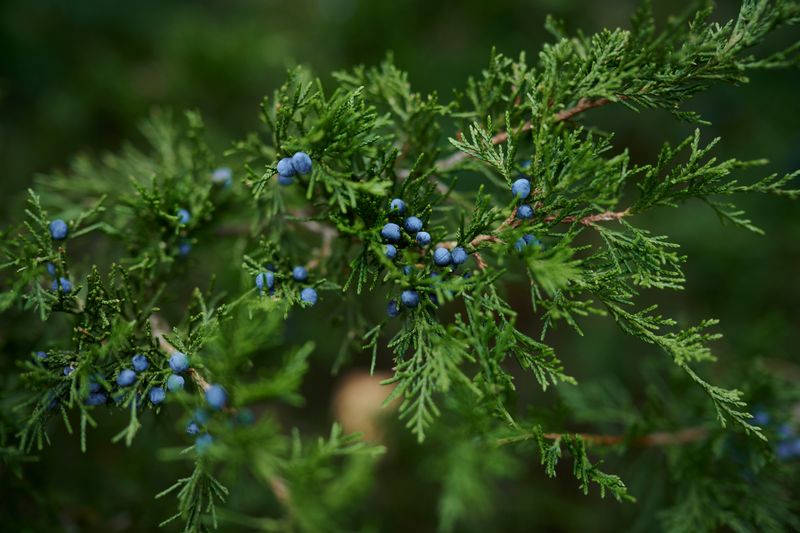
Junipers are the unsung heroes of the Maryland front yard.
While flashier plants grab attention with seasonal blooms, junipers quietly do their job year-round, providing evergreen structure, texture, and color even when everything else has gone dormant for winter.
Their silvery-blue, green, or golden foliage holds its color through snow, ice, and cold winds without missing a beat.
There is a juniper variety for nearly every front yard situation.
Low-spreading types like Blue Rug stay under a foot tall and spread wide, making them perfect for covering slopes or filling large open areas near the foundation.
Upright columnar varieties like Skyrocket add vertical drama without taking up much horizontal space, which is great for framing a front door or driveway entrance.
Junipers are extremely drought-tolerant once established and rarely need supplemental watering after their first season.
They prefer full sun and well-drained soil, both of which are easy to provide in most Maryland front yards.
Pests and diseases rarely bother healthy junipers, and they require almost no pruning to stay looking sharp.
Fun fact: Juniper berries are actually small cones, not true berries, a botanical quirk that makes them one of the most distinctive plants in any landscape.
9. Astilbe
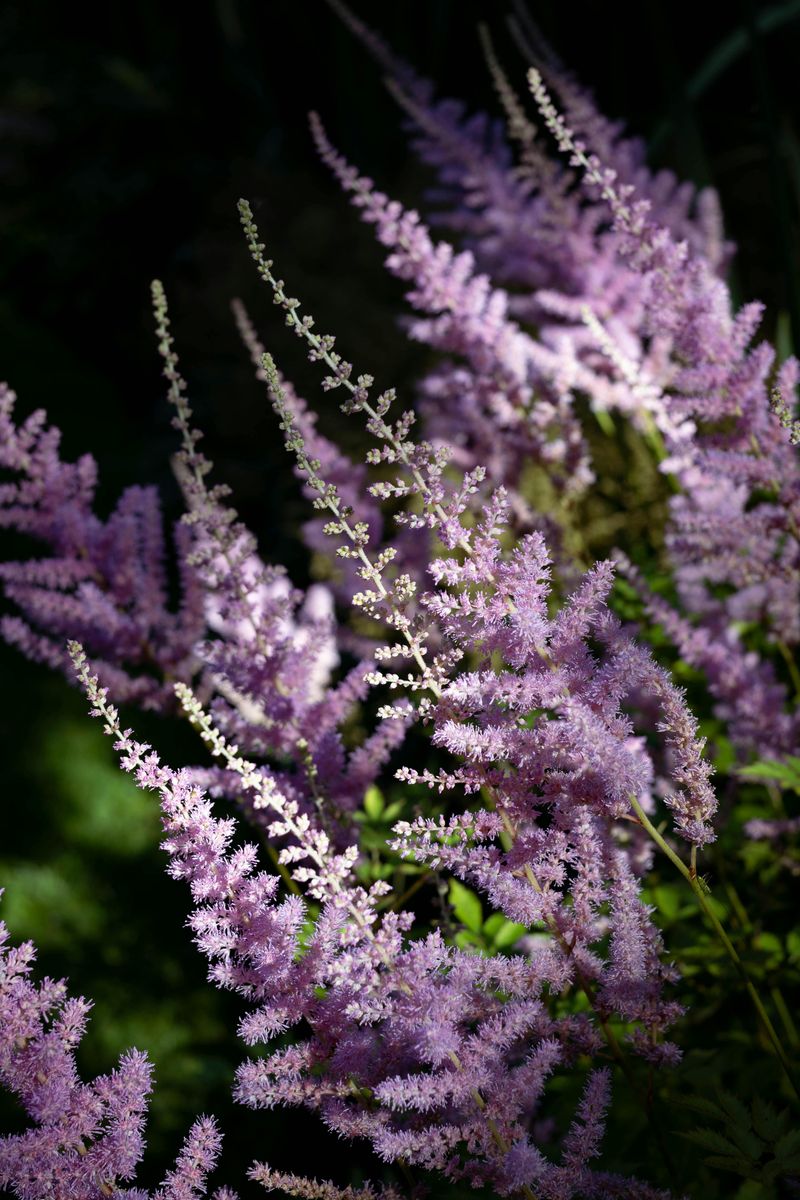
Shady front yards can feel like a design challenge, but astilbe turns that challenge into a genuine advantage.
This perennial produces tall, feathery plumes in shades of pink, red, white, lavender, and peach. They rise dramatically above deeply cut, fern-like foliage.
The combination of bold flower spikes and lush greenery creates a look that feels both elegant and lush, even in spots where most sun-loving plants would struggle.
Astilbe thrives in partial to full shade and moist, rich soil, conditions that are common in Maryland yards shaded by mature trees.
It blooms from late spring through midsummer depending on the variety, and planting a mix of early, mid, and late-blooming types extends the color show across several months.
The foliage remains attractive even after the blooms fade, keeping your garden bed looking full and tidy.
Dividing astilbe clumps every three to four years keeps plants vigorous and encourages more abundant blooming.
Pairing astilbe with hostas, ferns, and heuchera creates a layered shade garden that looks rich and intentional from the street.
Hummingbirds and pollinators occasionally visit the blooms, adding a lively touch to quieter shaded areas.
For anyone who has struggled to find color-producing plants for a shady front yard, astilbe is genuinely one of the best solutions available.
10. Boxwood (Buxus)
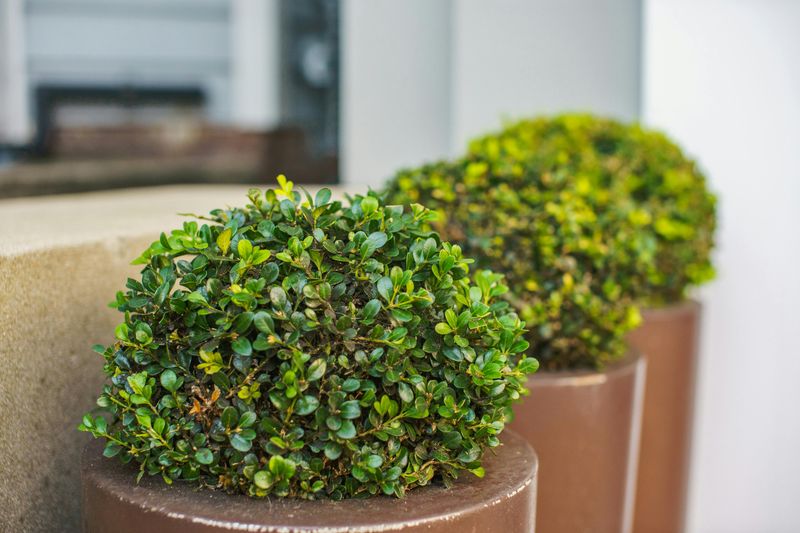
Boxwood has been a staple of formal American gardens for centuries, and its popularity shows no signs of slowing down.
The dense, fine-textured evergreen foliage holds its shape beautifully when trimmed, making it the go-to choice for clean hedges, geometric borders, and framing front entrances with a polished, classic look.
Few plants bring that same sense of structure and formality to a front yard quite as effortlessly.
For Maryland gardeners, choosing the right variety matters more than it used to.
Some older boxwood types have faced pressure from boxwood blight in recent years, but newer disease-resistant varieties like NewGen Independence and ScentAThon offer the same great look with significantly improved toughness.
These newer selections hold up well against Maryland’s humid summers, exactly when disease pressure tends to peak.
Boxwoods grow slowly, which means less frequent pruning and a longer-lasting tidy appearance between maintenance sessions.
They perform best in well-drained soil with partial to full sun and benefit from a layer of mulch to keep their shallow roots cool and moist during hot Maryland summers.
Avoid planting them in low spots where water collects, as consistently wet roots weaken the plants over time.
Boxwood is a classic and reliable evergreen for Maryland front yards, though it is worth choosing a blight-resistant variety to stay ahead of common disease issues in the region.