Why Oregon Gardeners Get Moles In Spring And How To Stop The Damage

You walk outside one morning, coffee in hand, ready to enjoy your garden, and instead you find a fresh trail of raised ridges cutting straight through your lawn like something small and furious just tunneled through overnight.
Because something small and furious absolutely did. Moles are back, and they have zero respect for the work you put into your yard last fall. Spring brings moles out in force across Oregon, and it’s not random.
There’s a very specific reason these little underground wrecking balls become so active right when your garden is finally waking up and looking its best.
Understanding what’s driving them to the surface is actually the key to stopping the damage before it gets out of hand.
The good news is that you don’t have to resign yourself to a yard full of molehills and ruined root systems. There are real, effective ways to discourage moles and protect your garden, and none of them require you to declare all-out war on your own lawn.
1. Spring Soil Brings Moles Up
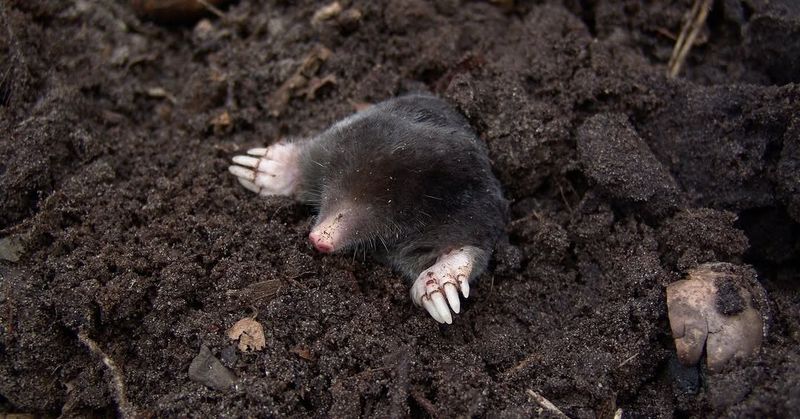
After months of cold, hard ground, Oregon soil softens up fast once spring rains arrive. That change in the soil is exactly what pulls moles closer to the surface.
They spend winter burrowing deeper to stay warm, but when the ground thaws and loosens, they move up to hunt for food in the top few inches of earth.
Oregon gets a lot of spring rain, which keeps the soil damp and easy to push through. Moles are strong diggers.
Their wide, paddle-like front paws can move through soft ground at a surprising speed. A single mole can dig up to 18 feet of new tunnel in just one hour.
Most Oregon gardeners start noticing damage between March and May. That lines up perfectly with when the soil reaches the right texture and temperature for moles to work near the surface.
The good news is that catching the problem early gives you the best chance to limit the mess. Once you spot the first raised ridge or mound in your yard, it is time to take action before more tunnels spread across your lawn.
2. Grubs And Worms Draw Them In
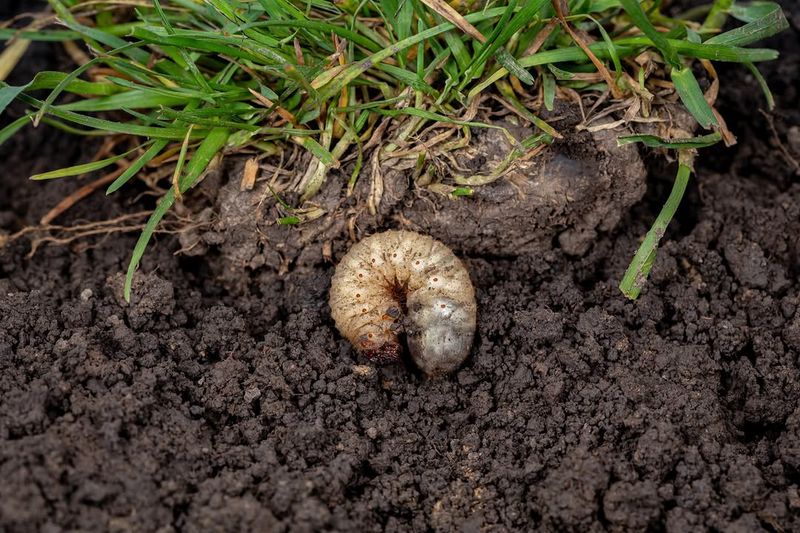
Moles are not after your plants or flower bulbs. They are hunters, and their favorite prey lives right under your lawn.
Earthworms and grubs are the main reasons moles move into Oregon yards every spring. As temperatures rise, these food sources become more active near the soil surface, and moles follow them up.
Oregon lawns are especially attractive to moles because the wet climate creates perfect conditions for large earthworm populations. More worms mean more food, and more food means moles stick around longer.
Grubs from beetles also hatch and grow in the top layer of soil during spring, adding another reason for moles to tunnel through your yard.
One practical way to reduce mole activity is to treat your lawn for grubs in late summer or early fall. Fewer grubs in the soil means less reason for moles to visit.
Your Oregon Garden Changes Every Week. Your Plan Should Too.
Gardening in Oregon changes quickly throughout the season. Every Friday you’ll receive a simple weekly plan showing exactly what to plant, prune, fertilize, harvest, and protect so you never miss the right timing.
You can also avoid overwatering, since soggy lawns attract more worms to the surface. Cutting back on irrigation during dry spells keeps the soil from becoming a buffet for hungry moles.
Reducing their food supply is one of the most effective long-term strategies Oregon gardeners can use.
3. Moist Lawns Show More Tunnels
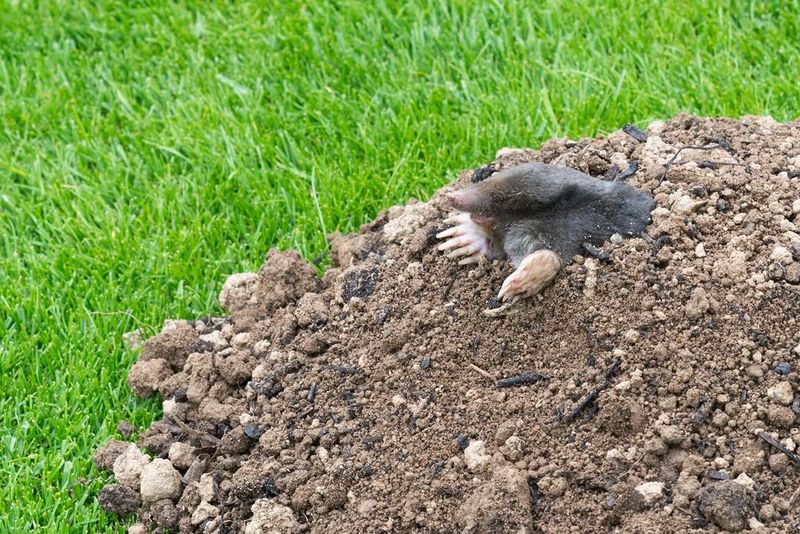
Walk across an Oregon lawn after a few days of rain, and you might feel the ground shift slightly under your feet. That spongy feeling often means mole tunnels are running just below the surface.
Wet soil is much easier to move through, so moles tunnel faster and cover more ground when conditions are damp.
Oregon is one of the rainiest states in the country, especially west of the Cascades. Cities like Portland, Eugene, and Corvallis see heavy spring rainfall that keeps lawns saturated for weeks.
That moisture creates ideal digging conditions, which is why the Willamette Valley tends to see more mole activity than drier parts of the state.
Improving drainage in your yard can slow mole tunneling. Aerating your lawn helps water move deeper into the soil instead of pooling near the surface.
Adding compost or sand to heavy clay soil also improves drainage over time. Installing French drains in particularly wet areas of your yard is another option.
While you cannot control Oregon rain, you can manage how much moisture stays in your lawn. Drier surface soil is less appealing to moles and makes tunneling harder for them throughout the season.
4. Mole Hills Can Smother Grass

Those small piles of dirt scattered across your yard are called molehills, and they cause more damage than most people realize. When a mole digs a tunnel, it pushes excess soil up through a vertical shaft to the surface.
The result is a cone-shaped mound that can range from a few inches to nearly a foot tall.
Molehills block sunlight from reaching the grass underneath. Over time, that smothered grass turns yellow and weak.
If you have several molehills close together, patches of your lawn can look bare and patchy by mid-summer. In Oregon, where homeowners work hard to keep lawns green through the rainy season, this kind of damage is especially frustrating.
Dealing with molehills quickly limits the long-term impact. Use a flat shovel or the back of a rake to spread the loose soil evenly across the surrounding lawn.
Do not just leave the mound sitting there, because the longer it stays, the more it smothers the grass below. After spreading the soil, press it down lightly with your foot and water the area.
In most cases, the grass recovers within a few weeks once sunlight and airflow return to normal.
5. Flatten Tunnels Before Mowing
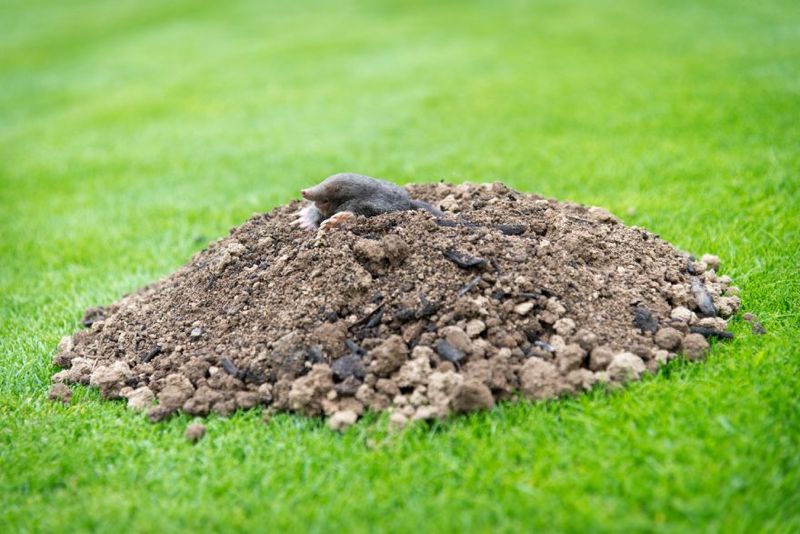
Running a lawn mower over raised mole tunnels is a recipe for uneven cuts, scalped grass, and a bumpy yard that looks worse than before. Before you mow in spring, take a walk across your lawn and press down any raised ridges with your foot or a lawn roller.
This simple step protects both your grass and your mower blades.
Flattening tunnels also helps you spot which ones are still active. After pressing a tunnel down, check it again in a day or two.
If it has popped back up, a mole is still using it. Active tunnels are the best spots to place traps or other control methods.
Inactive tunnels that stay flat are abandoned, so you can focus your energy on the live ones.
Oregon gardeners dealing with large yards may find a lawn roller especially helpful. You can rent one from most local garden centers or equipment rental shops in the Portland, Salem, or Medford areas.
Fill it with water to add weight, then roll slowly across the lawn before each mow. It takes just a few minutes but saves a lot of frustration.
Keeping the surface level also makes it easier to reseed any bare spots left behind by mole activity.
6. Skip Gimmicky Repellents
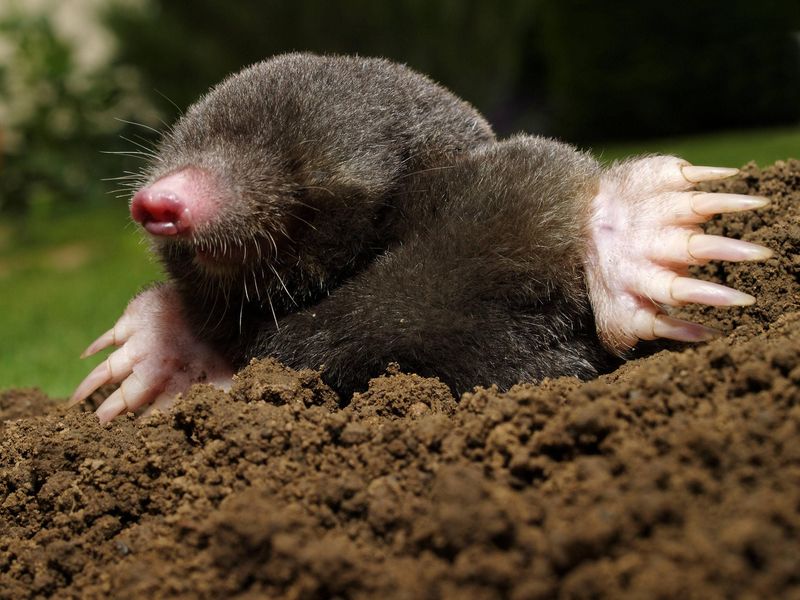
Garden stores and online shops sell all kinds of products that claim to chase moles away. Pinwheels, ultrasonic sound stakes, human hair, and even predator urine are popular options that many Oregon gardeners have tried.
The honest truth is that most of these products do very little to actually move moles out of your yard.
Moles have poor eyesight and rely mostly on touch and smell to navigate underground. Vibrations from spinning pinwheels or ultrasonic devices rarely penetrate deep enough to bother them.
Studies from Oregon State University Extension have found that moles quickly get used to vibrations and simply tunnel around them. Castor oil sprays can cause temporary disruption, but moles often return within a few weeks once the scent fades.
Instead of wasting money on products that do not deliver, focus on methods with a proven track record. Live traps and spring-loaded tunnel traps are the most reliable ways to remove moles from Oregon yards.
Trapping takes a little patience, but it works. Place traps in active tunnels identified by the pop-back test described earlier.
Check them daily and reset as needed. If the problem feels overwhelming, contact a local Oregon pest control professional who specializes in wildlife management for targeted, effective help.
7. Protect Beds With Barriers
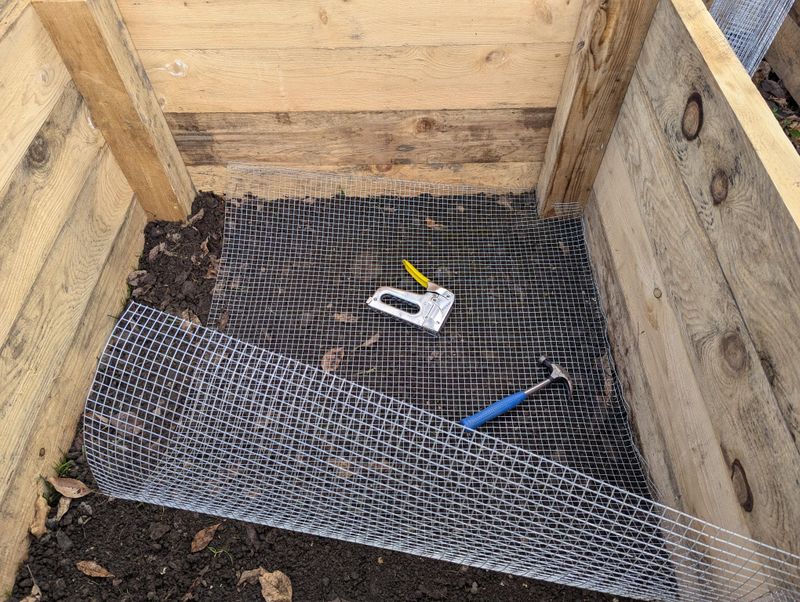
Raised garden beds and flower borders are some of the most vulnerable spots in an Oregon yard. Soft, amended soil is incredibly easy for moles to push through, and their tunneling can disturb plant roots without you even seeing it happen above ground.
Building a physical barrier underground is one of the most reliable ways to protect these areas.
Hardware cloth with a quarter-inch mesh is the best material for the job. When building a new raised bed, line the bottom with a layer of hardware cloth before adding soil.
For existing beds, you can dig a trench around the perimeter about 12 inches deep and bury a strip of hardware cloth vertically along the edge. This creates a wall that moles cannot push through.
Oregon gardeners who grow vegetables, strawberries, or ornamental perennials find this method especially worth the effort. The upfront work pays off season after season without any ongoing cost or maintenance.
You can also use wire mesh baskets around individual bulbs or root vegetables for extra protection in heavily affected areas. Hardware cloth is available at most Oregon home improvement stores and garden supply shops.
It holds up well in the damp Pacific Northwest climate without rusting or breaking down quickly over time.