Plant This Native Texas Flower And Hummingbirds Will Find You Every Summer
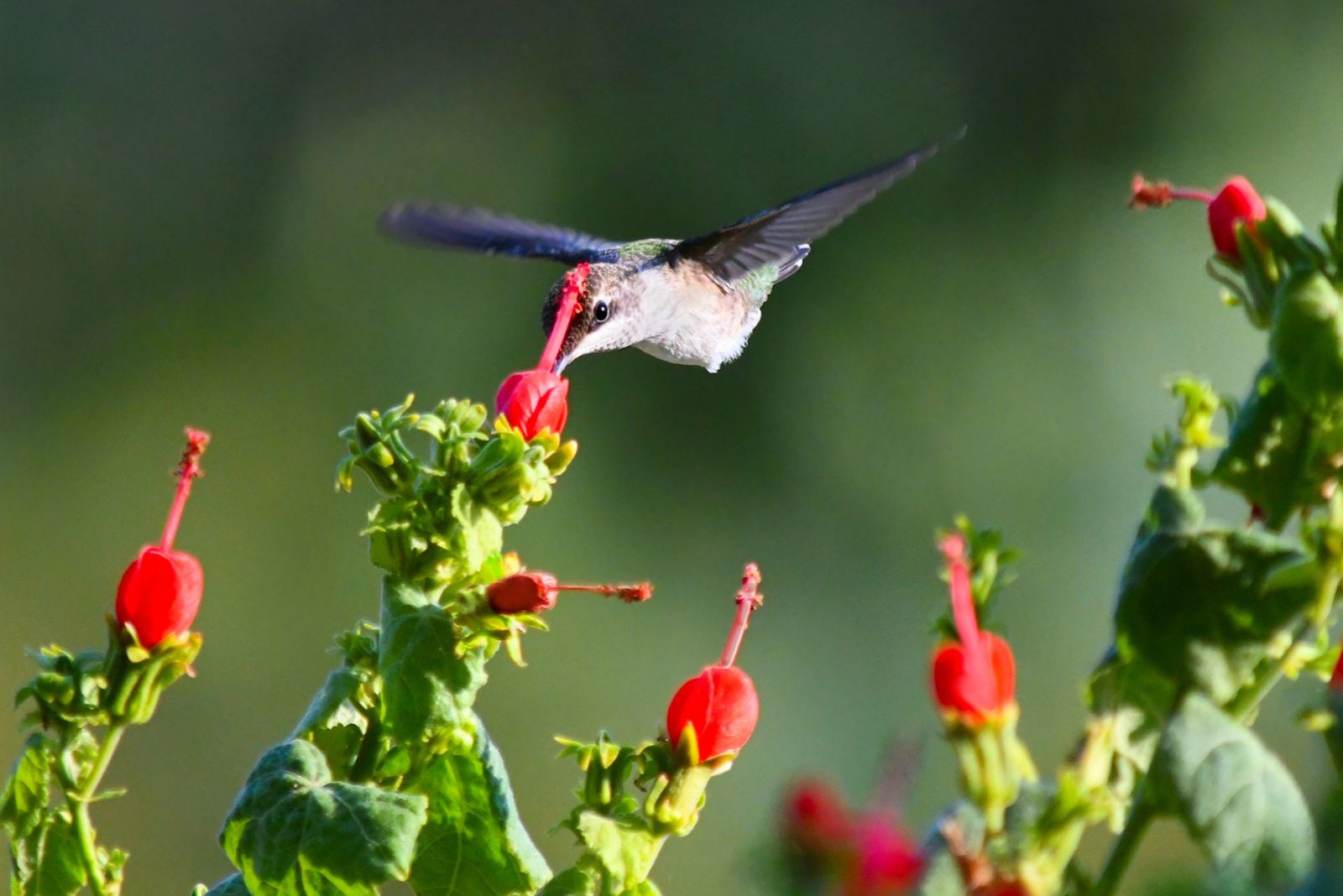
There’s something genuinely special about the moment a hummingbird finds your garden for the first time.
One second you’re just going about your day outside, and the next there’s this tiny, impossibly fast creature hovering inches from a flower, wings beating so quickly they’re practically invisible, acting like your garden is exactly where it was always supposed to be.
It stops you every single time, no matter how many times you’ve seen it before. Attracting hummingbirds consistently isn’t about luck or living in the right neighborhood.
It comes down to having the right plants, and one native Texas flower in particular has a reputation for bringing hummingbirds back season after season with a reliability that imported ornamentals rarely match.
It’s adapted to Texas conditions, it blooms during the periods when hummingbirds need nectar most, and once it’s established in your garden, the summer visits practically guarantee themselves. Your yard is about to become a regular stop on the hummingbird circuit.
The Native Texas Plant Hummingbirds Can’t Resist
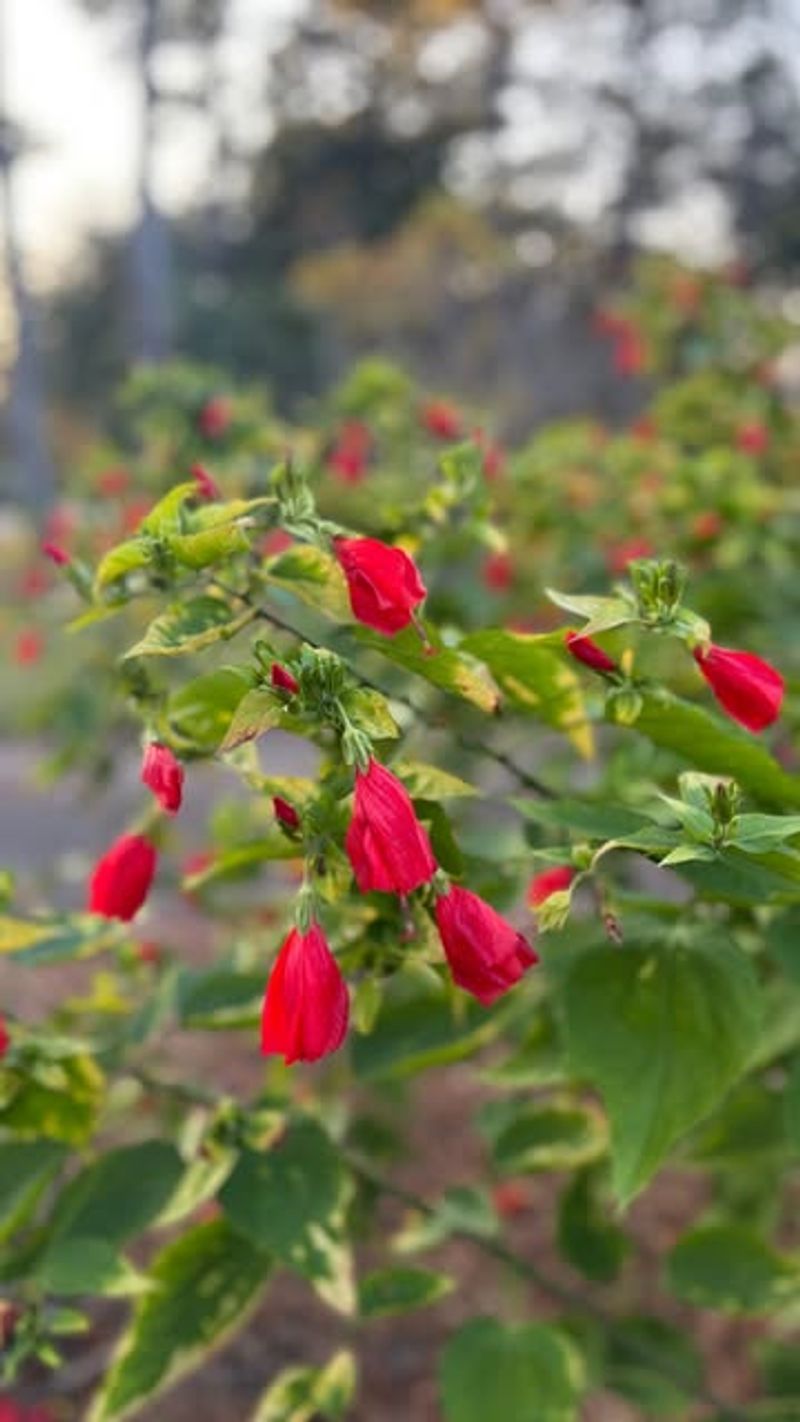
Tucked into wooded edges and shady garden beds across Texas, Turk’s Cap has been quietly earning its reputation as one of the best hummingbird plants in the state. Known by its scientific name Malvaviscus arboreus var. drummondii, this native Texas perennial is a member of the hibiscus family.
Its bright red blooms are shaped like a little turban or cap, which is exactly where the fun name comes from.
What makes Turk’s Cap stand out in Texas gardens is how naturally it belongs here. It did not need to be imported or carefully coaxed into growing.
It already knows how to survive Texas summers, Texas soil, and Texas weather. That kind of resilience is rare and incredibly valuable for gardeners who want results without constant maintenance.
Hummingbirds have been visiting this plant long before people started planting it in their yards. In the wild, you can find Turk’s Cap growing along creek banks, under oak trees, and along the edges of forests from East Texas all the way to Central Texas.
Birds follow it wherever it grows. When you bring it into your own garden, you are basically rolling out a welcome mat for hummingbirds every single season.
Gardeners across Houston, Austin, and San Antonio have all discovered that once Turk’s Cap is established in a yard, the hummingbirds show up reliably year after year. It is one of those rare plants that delivers on its promise every time.
Why Hummingbirds Love Turk’s Cap So Much
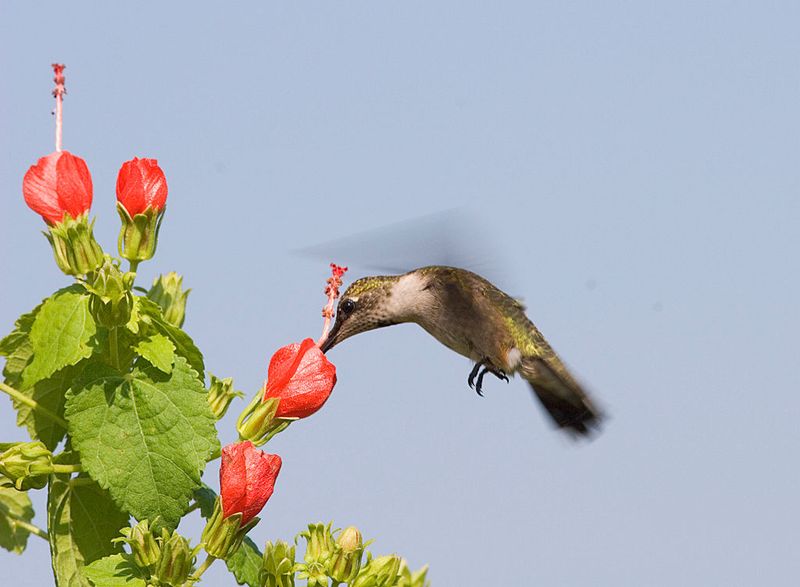
Hummingbirds are not random visitors. They show up where the food is good, and Turk’s Cap delivers some of the best nectar around.
The flowers are a rich, deep red, which is the color hummingbirds are most strongly attracted to. Red acts like a signal flare to these tiny birds, pulling them in from surprisingly long distances.
Once they find your garden, they will come back again and again throughout the season. The blooming season for Turk’s Cap is one of its biggest advantages. Most flowering plants put on a short show and then fade.
Your Texas Garden Changes Every Week. Your Plan Should Too.
Gardening in Texas changes quickly throughout the season. Every Friday you’ll receive a simple weekly plan showing exactly what to plant, prune, fertilize, harvest, and protect so you never miss the right timing.
Turk’s Cap starts blooming in late spring and keeps going strong through summer and well into fall. That means hummingbirds have a reliable food source in your Texas yard for months at a time, not just a few weeks.
During the peak of summer heat, when many other plants slow down, Turk’s Cap keeps pumping out fresh blooms.
The shape of each flower is also perfectly designed for hummingbird feeding. The petals twist together into a tight tube that stays partially closed, which protects the nectar inside from rain and insects.
Hummingbirds have long, slender beaks that fit right into that narrow opening. Butterflies and bees can also visit, but hummingbirds are the plant’s most effective pollinators.
It is a relationship that has developed over thousands of years right here in Texas. Planting Turk’s Cap means you are supporting that natural partnership and giving local hummingbirds exactly what they need to thrive during their seasonal visits.
Built For Texas Heat And Tough Conditions
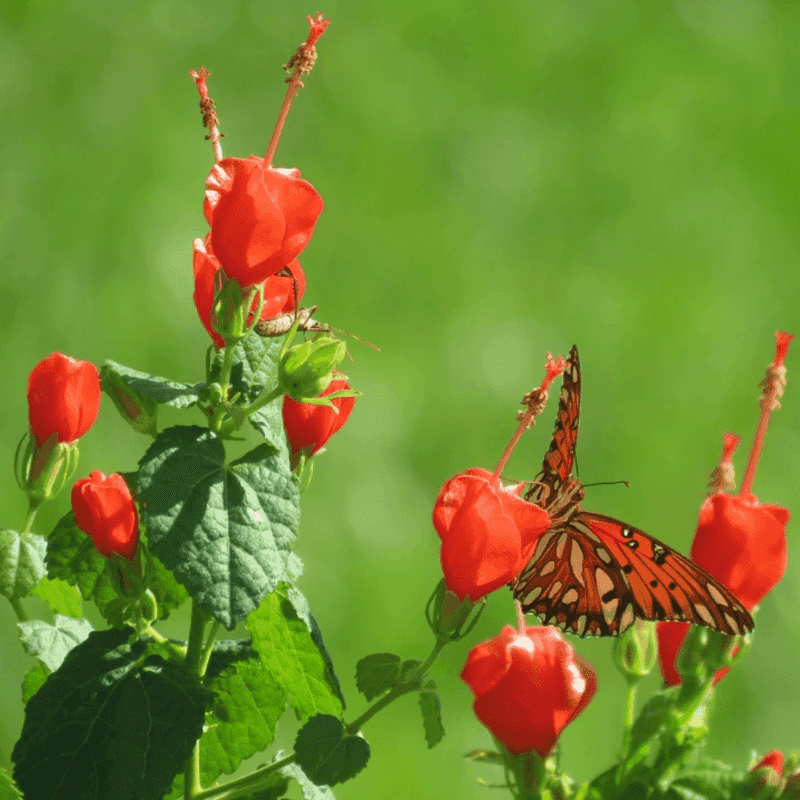
Most gardeners in Texas know the struggle of planting something beautiful only to watch it wilt by mid-July. The combination of blazing heat, high humidity in some areas, and long stretches without rain can be brutal on plants that were not meant for this climate.
Turk’s Cap was born for exactly these conditions, and that makes all the difference. Being a true Texas native means this plant has spent thousands of years adapting to local conditions. Its roots go deep to find moisture.
Its leaves know how to handle intense summer sun. It tolerates heavy clay soils common in Central Texas and the sandy soils found in other parts of the state.
You do not need to baby it or create special conditions for it to succeed. It is genuinely built to handle what Texas throws at it.
Once Turk’s Cap is fully established, usually after its first growing season, it becomes remarkably drought tolerant. You may need to water it during dry spells in that first year, but after that, rainfall is often enough to keep it going.
It also handles partial shade really well, which is a bonus in Texas yards where big live oaks block the afternoon sun. In fact, Turk’s Cap often performs better with some shade protection during the hottest parts of the day.
Whether your yard is in the humid corners of Houston or the drier landscape around San Antonio, this plant will adapt and keep blooming without asking much from you in return. That kind of toughness is exactly what Texas gardeners need.
Where To Plant It For The Best Results
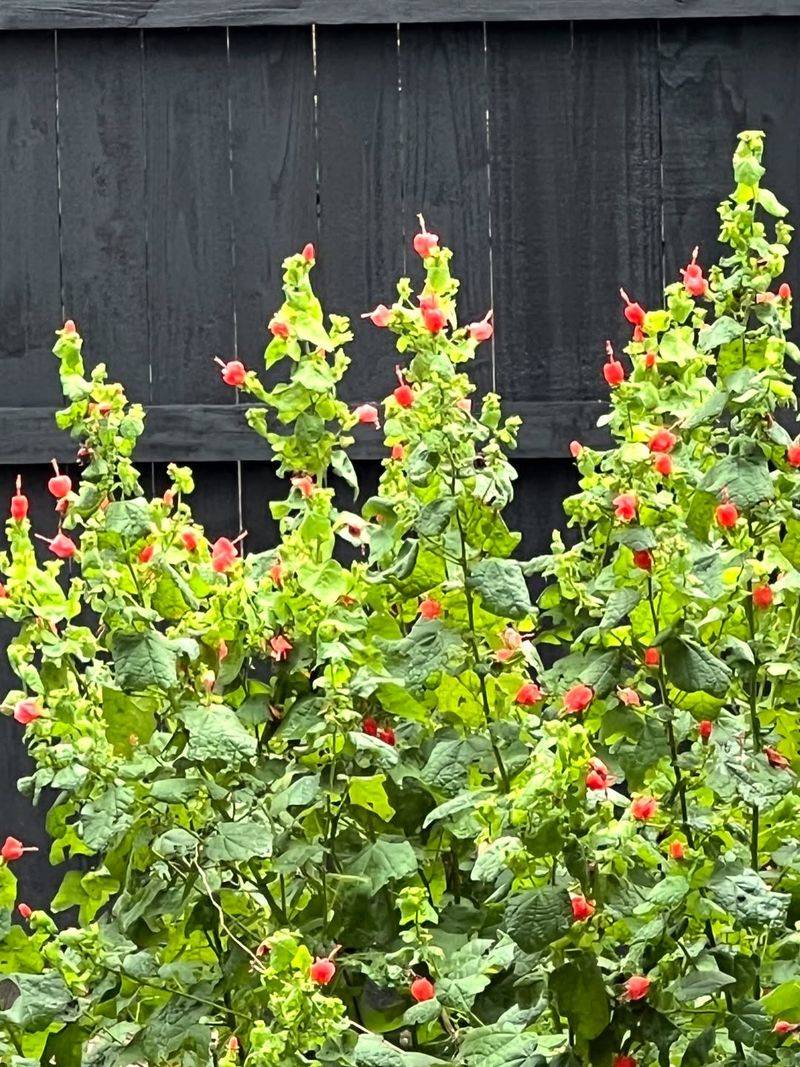
Location matters when you want Turk’s Cap to really shine. The good news is that this plant is flexible enough to work in many different spots around a Texas yard.
It grows well along fence lines, under the canopy of trees, along the edges of garden beds, or even in large containers on a covered porch or patio. Think of it as a plant that fits into your space rather than demanding a specific one.
When it comes to sunlight, Turk’s Cap does best in partial shade to full sun. In hotter parts of Texas like the Hill Country or the San Antonio area, afternoon shade helps the plant stay fresh and keep blooming during the most intense heat of the day.
In shadier yards, especially in East Texas where tree cover is heavier, Turk’s Cap still performs well and continues to attract hummingbirds. It is one of the few hummingbird plants that genuinely tolerates low-light conditions.
For gardeners who want to create a pollinator or cottage garden, Turk’s Cap is a natural anchor plant. Its medium to large size, often reaching three to five feet tall, gives the garden structure and height.
Pair it with other Texas natives like salvia, lantana, or black-eyed Susan for a layered look that supports hummingbirds, butterflies, and bees all season long. Planting it near a window or seating area is a smart move so you can enjoy watching hummingbirds up close.
Once you find the right spot in your Texas yard, this plant will reward you with color and wildlife activity for many seasons to come.
How To Keep Turk’s Cap Healthy And Blooming
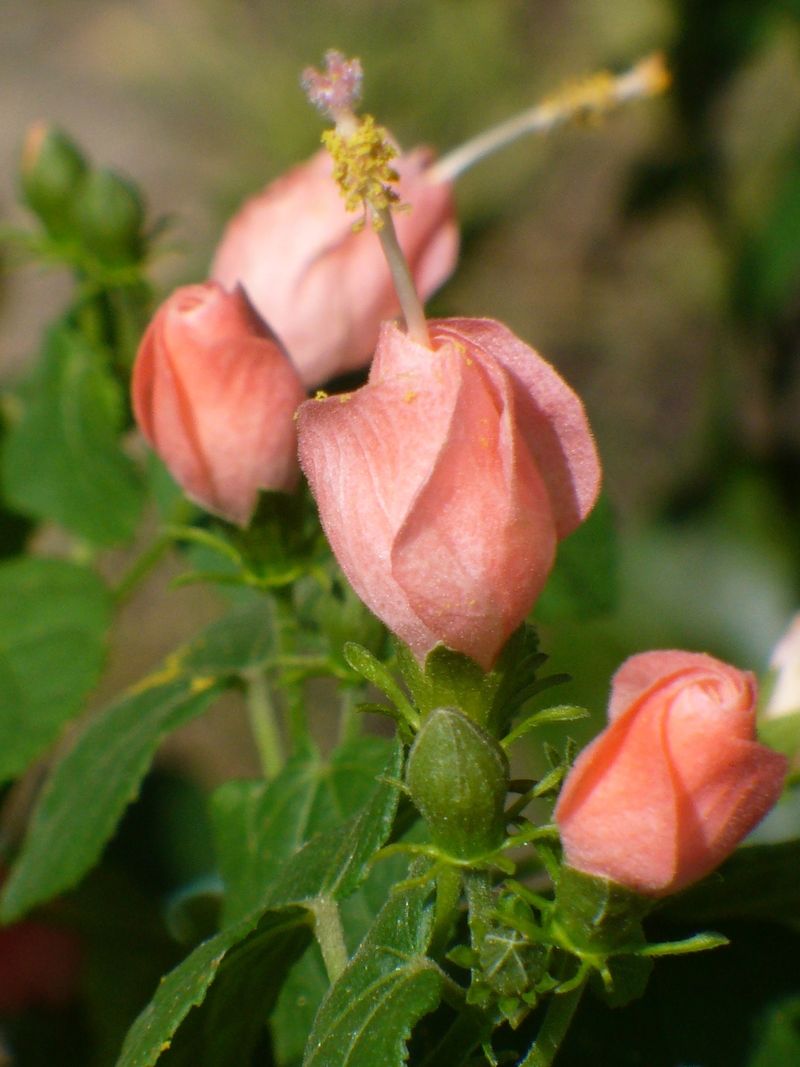
Caring for Turk’s Cap is refreshingly simple compared to many garden plants. The most important time to pay attention is during the first growing season after planting.
While the roots are getting established, the plant needs regular watering, especially during hot and dry stretches. Water deeply once or twice a week rather than giving it a little water every day.
Deep watering encourages the roots to grow down into the soil, which makes the plant stronger over time.
Pruning is one of the easiest ways to keep Turk’s Cap looking neat and blooming at its best. In late winter or very early spring, cut the stems back hard, down to about six to twelve inches from the ground.
This might feel drastic the first time you do it, but the plant bounces back fast and comes in fuller and bushier each season.
Removing dry or leggy stems during the growing season also helps encourage fresh blooms to form. You do not need any special tools, just a good pair of garden shears.
Soil preparation is not complicated with this plant, but a few basics go a long way. Turk’s Cap prefers well-draining soil, so if your Texas yard has heavy clay, mixing in a little compost at planting time helps.
Adding a two to three inch layer of mulch around the base keeps moisture in the soil, regulates temperature, and reduces weeds. Organic mulches like shredded leaves or wood chips work great and break down over time to feed the soil.
With these simple steps, your Turk’s Cap will stay healthy and keep producing blooms that hummingbirds cannot pass up.
Why This Plant Makes Texas Gardens Feel More Alive
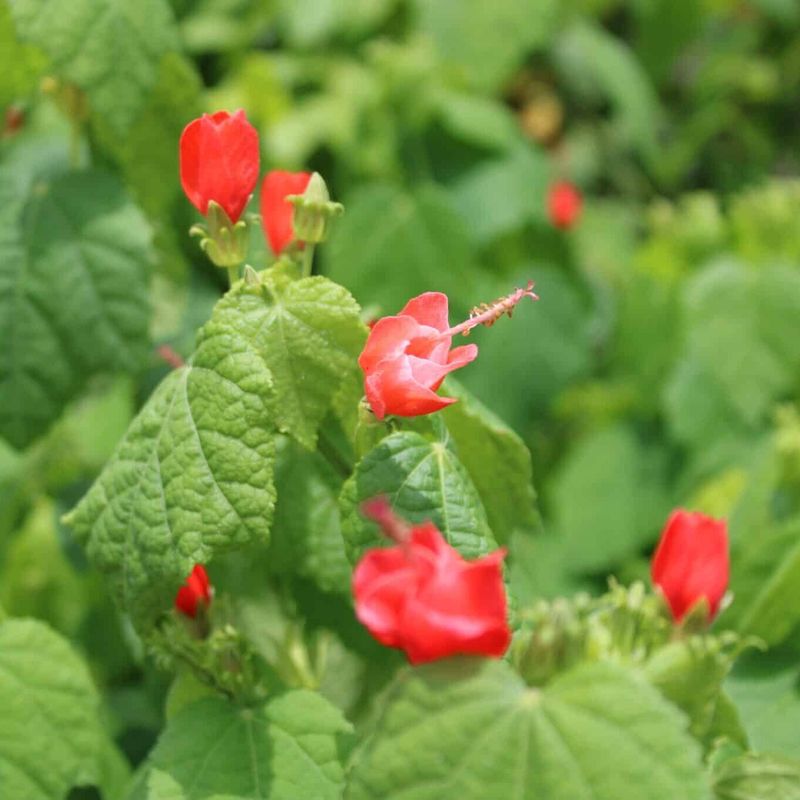
There is something special that happens in a garden when wildlife starts showing up regularly. A hummingbird darting between red blooms, a monarch butterfly resting on a leaf, a bumblebee working its way through the flowers.
These moments make a yard feel connected to something bigger than just grass and plants. Turk’s Cap has a way of turning an ordinary Texas backyard into a place that feels genuinely alive.
Beyond hummingbirds, Turk’s Cap supports a wide range of pollinators throughout its long blooming season. Butterflies are drawn to the nectar, and native bees find the flowers useful too.
In fall, the plant produces small red fruits that birds like mockingbirds and thrashers enjoy eating. So even after the hummingbirds leave for warmer climates, the plant continues to serve the local wildlife community.
That kind of year-round value is hard to find in a single plant. Adding Turk’s Cap to a Texas yard also means choosing a more natural and wildlife-friendly style of landscaping. You are working with the local ecosystem rather than against it.
Native plants like this one require fewer resources, less water, and less maintenance than non-native species. Over time, a garden built around Texas natives becomes more self-sustaining and more beautiful in a way that feels authentic to the land.
Whether you are in Dallas, Houston, or a small town in the Hill Country, planting Turk’s Cap is a simple and rewarding choice. It adds color, supports wildlife, and gives your garden a personality that is rooted right here in Texas.