Rosemary Thrives In North Carolina But Never Plant It Next To These 7 Plants
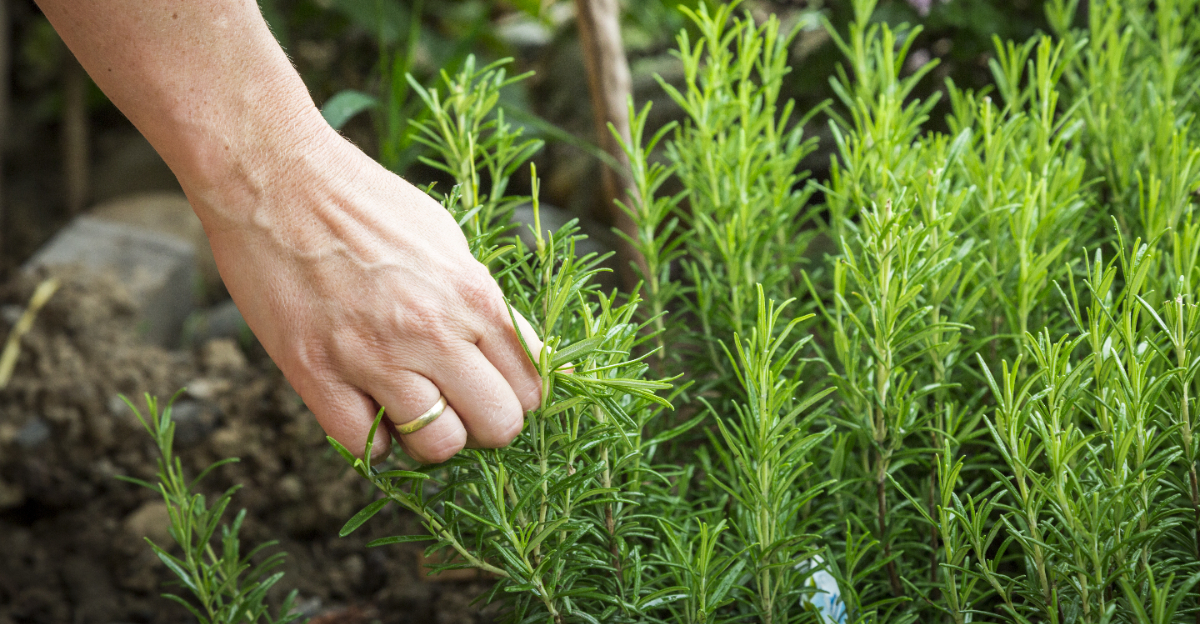
Rosemary is one of the most naturally suited herbs you can grow in North Carolina. The heat suits it, the drainage requirements line up well with the right soil choices, and once it gets established it practically takes care of itself through most of the season.
That reliability can make it easy to drop into any available garden space without much thought about what is already growing nearby. That is where things can quietly go wrong.
Rosemary has specific preferences about its neighbors, and planting it next to the wrong companions creates problems that are not always obvious right away.
Crowded airflow, competing moisture needs, and chemical compounds released by certain plants can slow rosemary’s growth, affect its flavor, or create conditions that invite disease over time.
These plants in particular are worth keeping at a real distance from rosemary in North Carolina gardens, and a few of them are common enough that the pairing happens regularly without gardeners realizing the connection between proximity and poor performance.
1. Mint (Mentha Spp.)
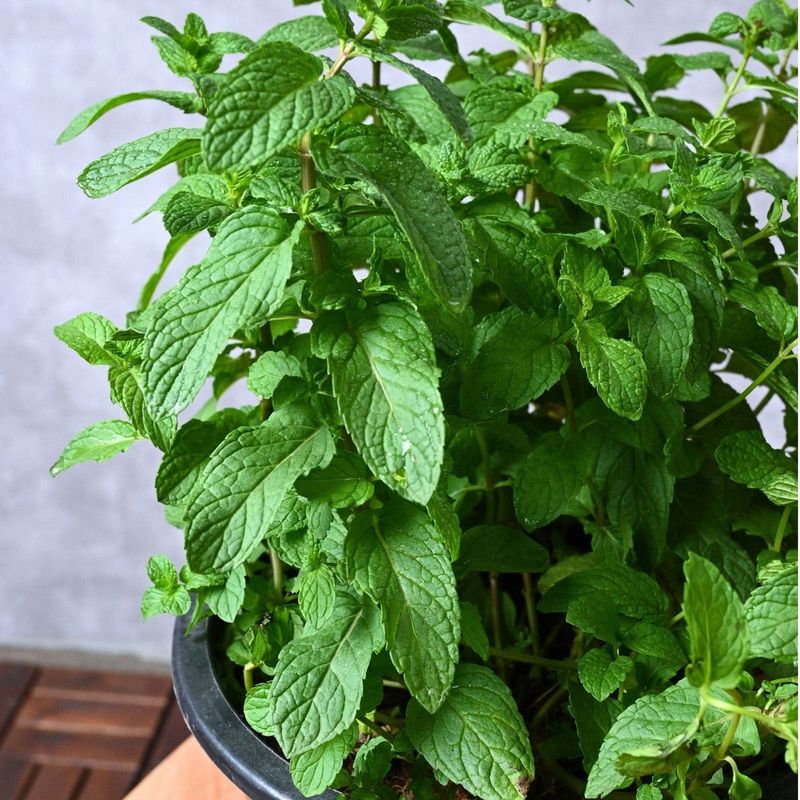
Mint is one of those plants that seems friendly at first but quickly becomes a garden bully. Anyone who has grown mint knows it spreads fast, sending runners in every direction without asking permission.
In North Carolina gardens, where summer heat and humidity already push plants to their limits, mint takes over surprisingly quickly.
Rosemary needs open, airy space with dry, well-drained soil to stay healthy. Mint does the opposite by hogging moisture and crowding out everything around it.
When these two plants share a bed, the soil moisture stays far too high for rosemary, which much prefers conditions that lean toward the dry side rather than the soggy side.
Mint also tends to create dense, low ground cover that traps humidity near the soil surface. In North Carolina’s warm and often humid climate, that extra moisture around rosemary’s roots is a real problem that can lead to root rot and poor growth.
The competition for nutrients is another issue, since mint is a fast, hungry feeder.
Keeping mint in its own container is honestly the smartest move any North Carolina gardener can make, giving both plants the exact growing conditions they need without one interfering with the other.
2. Basil (Ocimum Basilicum)
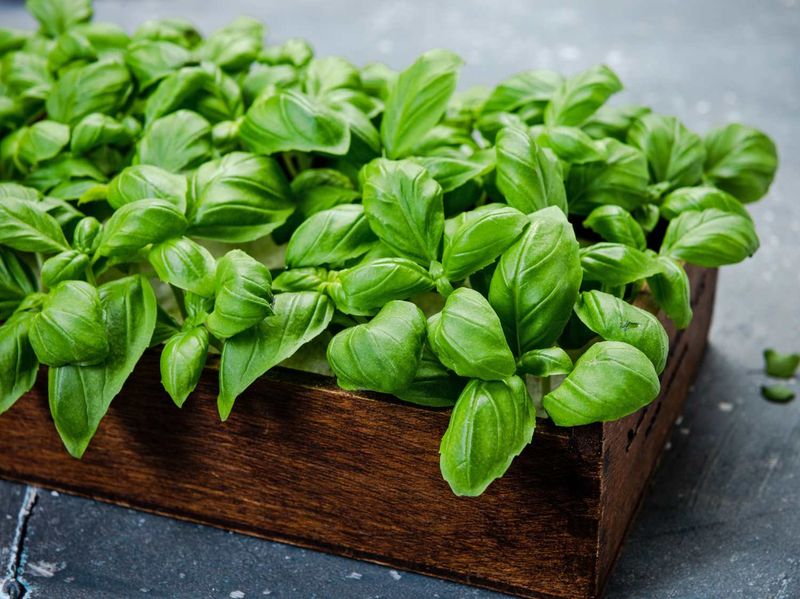
Basil and rosemary look like a natural pair on paper, and plenty of gardening beginners assume they belong together. Both are popular culinary herbs, both love warm weather, and both do well in North Carolina’s long growing season.
The problem shows up the moment you start watering, because these two plants want very different things from the soil.
Basil genuinely loves moisture and performs best in rich, fertile soil that stays consistently damp. Rosemary, on the other hand, thrives in lean, gritty, well-drained soil and actually prefers to dry out a bit between waterings.
When you try to keep them both happy in the same bed, you end up compromising for one or the other, and usually neither plant wins that situation.
Your North Carolina Garden Changes Every Week. Your Plan Should Too.
Gardening in North Carolina changes quickly throughout the season. Every Friday you’ll receive a simple weekly plan showing exactly what to plant, prune, fertilize, harvest, and protect so you never miss the right timing.
North Carolina summers bring intense heat and periodic heavy rain, which makes managing soil moisture even trickier. Giving basil the water it craves means overwatering your rosemary, which stresses the plant and weakens its root system over time.
Giving rosemary the dry conditions it loves means your basil wilts and struggles to produce those big, flavorful leaves. Growing them in separate containers or different garden sections solves the problem completely.
Both plants will reward you with better flavor, stronger growth, and far fewer headaches throughout the season.
3. Cucumbers (Cucumis Sativus)
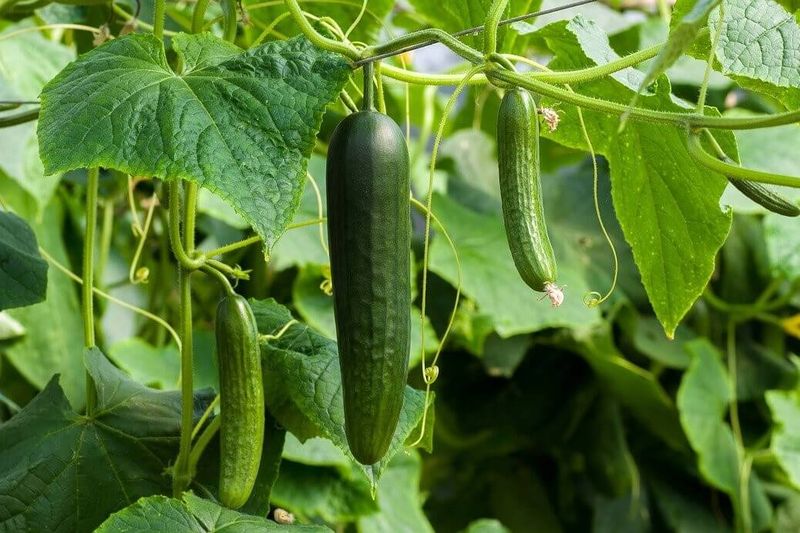
Cucumbers are one of the most popular vegetables in North Carolina home gardens, and for good reason. They grow fast, produce generously, and love the warm temperatures that the state delivers from late spring through summer.
But pairing cucumbers with rosemary is a combination that causes headaches for both plants pretty quickly.
Cucumbers are thirsty plants that need consistently moist, rich soil and regular feeding to keep producing well.
Rosemary sits on the complete opposite end of that spectrum, preferring sharp drainage, minimal fertilization, and soil that dries out between watering sessions.
Trying to meet the needs of both plants in the same garden space creates an impossible balancing act that usually ends with one plant suffering noticeably.
North Carolina summers can bring stretches of high humidity combined with heavy rainfall, and cucumbers already encourage a moist microclimate with their large, broad leaves.
That extra humidity and soil moisture hovering around rosemary’s roots creates conditions where the herb becomes stressed and growth slows considerably.
Cucumbers also tend to sprawl and vine aggressively, sometimes shading neighboring plants and reducing the airflow that rosemary absolutely depends on in humid climates.
Give your cucumbers a dedicated, well-watered bed and let your rosemary enjoy its sunny, dry corner of the North Carolina garden for the best results from both.
4. Hydrangeas (Hydrangea Spp.)

Hydrangeas are practically a symbol of Southern gardening, and North Carolina yards are full of them for very good reason. Their massive, colorful blooms are hard to resist, and they add serious curb appeal from early summer right through fall.
The trouble starts when gardeners try to tuck rosemary nearby to fill in space around these gorgeous shrubs.
Hydrangeas are moisture lovers through and through. They need consistently watered, rich soil and often benefit from a bit of shade during the hottest parts of North Carolina afternoons.
Rosemary wants the complete opposite experience: full sun all day long, lean and gritty soil, and watering only when the ground has dried out nicely between sessions.
When these two plants end up side by side, the watering schedule becomes a real conflict. Water enough to keep your hydrangeas blooming beautifully, and your rosemary sits in soggy conditions that stress its roots and reduce its vigor.
Pull back on watering to keep rosemary comfortable, and your hydrangeas start to droop and struggle during North Carolina’s hot summer months. Beyond watering, hydrangeas can grow quite large and cast shade over nearby plants, which rosemary strongly dislikes.
Keeping these two beautiful but incompatible plants in separate areas of your yard gives both the best possible chance to truly shine throughout the growing season.
5. Bee Balm (Monarda Didyma)
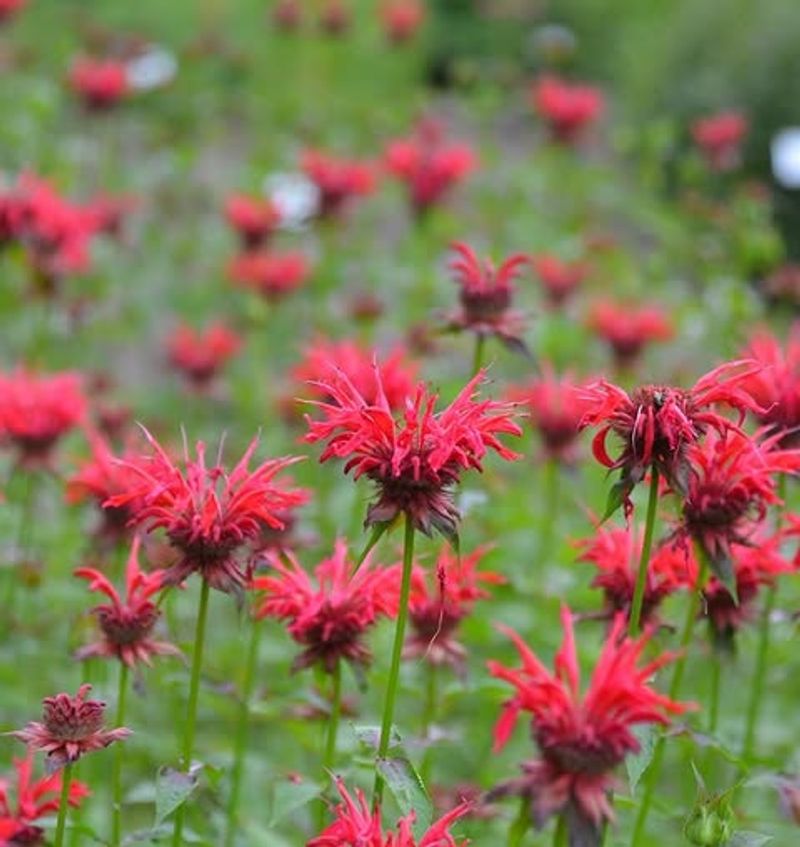
Bee balm is a stunning native plant that brings brilliant color and a parade of pollinators into any North Carolina garden. Hummingbirds, bees, and butterflies absolutely love it, and gardeners who grow it tend to become devoted fans very quickly.
For all its charm though, bee balm is not a plant you want growing right next to your rosemary.
Native bee balm naturally grows in environments with consistently moist, evenly watered soil, which puts it squarely at odds with rosemary’s preference for dry, well-drained conditions.
More importantly, bee balm develops into thick, dense clumps of foliage that reduce airflow significantly in the surrounding area.
In North Carolina, where summer humidity can already feel overwhelming, that reduced airflow around rosemary creates conditions where the herb really struggles to stay healthy and vigorous.
Poor air circulation is one of the biggest enemies of rosemary in humid climates, and bee balm essentially makes that problem worse by acting as a wall of dense greenery.
Rosemary needs good air movement around its stems and foliage to stay in top shape through the long North Carolina summer.
Bee balm also spreads steadily each year, gradually encroaching on neighboring plants and competing for soil nutrients. Giving bee balm its own dedicated, moist garden area keeps it thriving while protecting your rosemary from unnecessary stress and competition.
6. Tomatoes (Solanum Lycopersicum)
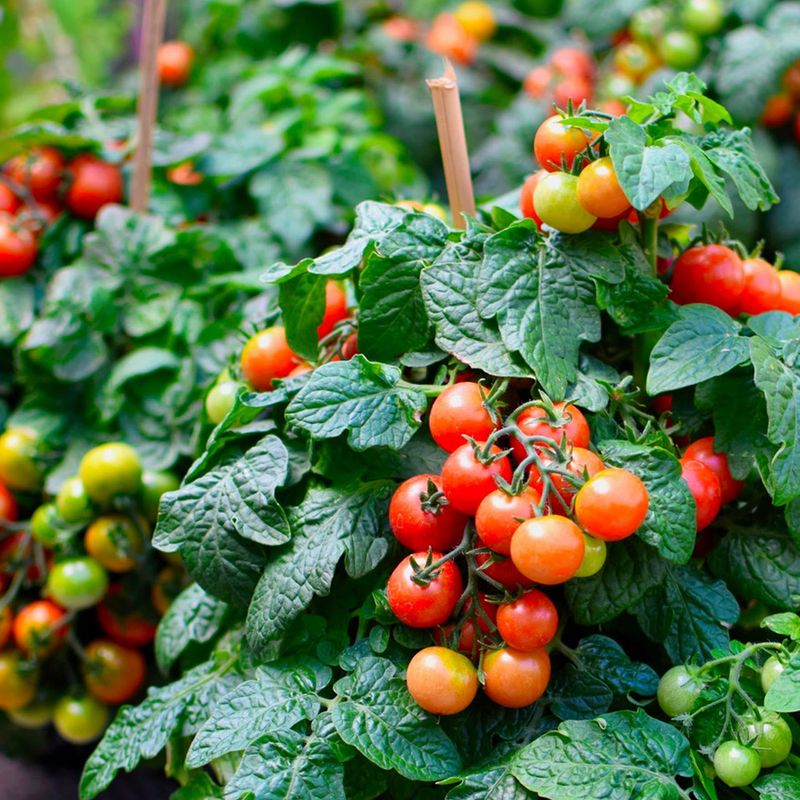
Tomatoes are the crown jewel of so many North Carolina vegetable gardens, and it is easy to see why. They are productive, delicious, and deeply satisfying to grow from a small seedling into a plant loaded with ripe fruit.
But placing tomatoes right next to rosemary is a pairing that creates problems for both plants as the season moves along.
Tomatoes are heavy feeders that require rich, consistently moist soil and regular fertilizing to produce a strong harvest. Rosemary thrives in lean, dry, well-drained conditions where it barely needs fertilizer at all.
When these two plants share close garden space, watering and feeding routines become a constant compromise that leaves at least one plant performing well below its potential throughout the season.
Tomato plants also grow quite large and bushy, with sprawling foliage that can shade out neighboring plants and significantly reduce airflow in the surrounding area.
In North Carolina’s warm, humid summers, rosemary absolutely needs good air circulation to stay healthy and prevent moisture-related stress.
Dense tomato growth cutting off that airflow puts rosemary in a tough spot very quickly. Add in the fact that tomato beds typically stay quite moist from regular deep watering, and you have created conditions that rosemary genuinely dislikes.
Planting your tomatoes in their own dedicated, well-fertilized bed and giving rosemary a drier, sunnier spot nearby keeps both plants performing at their very best.
7. Impatiens (Impatiens Walleriana)

Impatiens are a go-to choice for gardeners who want a burst of color in shady spots, and they are incredibly popular across North Carolina landscapes every spring and summer.
Their cheerful blooms in pink, red, purple, and white make them hard to resist at the garden center.
The issue is that impatiens and rosemary are practically opposites in terms of what they need to grow well.
Impatiens genuinely prefer shaded or partially shaded locations with moist, rich soil that stays consistently damp. Rosemary wants the exact opposite: full sun exposure all day, lean and fast-draining soil, and minimal watering once it gets established in the garden.
Putting these two plants anywhere near each other means one of them will always be unhappy with the conditions.
If you water enough to keep impatiens looking lush and colorful, the surrounding soil stays far too wet for rosemary to tolerate comfortably.
If you scale back to give rosemary the dry conditions it prefers, impatiens quickly wilt and lose their vibrant appearance in North Carolina’s summer heat.
Beyond watering conflicts, impatiens planted close together create a dense, low canopy that traps moisture and limits airflow near the soil, which is the last thing rosemary needs in a humid climate.
Planting impatiens in shaded borders and letting rosemary claim a sunny, open garden spot gives both plants exactly the environment where they can truly flourish.