The Texas May Vegetable Planting Calendar Every Gardener Needs
May in Texas is a month that demands a clear vegetable planting strategy, and winging it rarely works out the way gardeners hope.
The window between manageable spring temperatures and the kind of summer heat that shuts down certain crops is narrower than most people account for, and what you plant in the first week of May versus the last week can mean completely different outcomes by the time July rolls around.
The challenge is that Texas doesn’t follow the same vegetable planting rules that apply in most of the country.
National planting guides and seed packet instructions are often calibrated for more moderate climates, which means following them too literally in Texas leads to planting things at the wrong time, in the wrong conditions, with predictably disappointing results.
A planting calendar built specifically for Texas in May takes the guesswork out of the whole thing and gives every vegetable you put in the ground the best possible shot at a real harvest.
Why May Is A Critical Month For Texas Vegetable Gardens
Most gardeners across the country think of May as a gentle transition into summer. In Texas, it is something else entirely.
Temperatures can jump from pleasant to blazing within just a few weeks, and the soil heats up faster here than in almost any other state. That shift changes everything for your vegetable garden.
Timing your planting correctly in May is one of the most important decisions a Texas gardener can make all year. Cool-season crops that survived the spring are starting to struggle.
Heat-loving vegetables are ready to go in the ground. Missing that window by even a week or two can seriously hurt your harvest.
Texas also has wide regional differences that affect planting schedules. South Texas may already be dealing with summer-like temperatures by early May.
North Texas might still have some mild days left. Central Texas sits somewhere in between, with unpredictable swings that keep gardeners on their toes.
Soil temperature matters just as much as air temperature. Most warm-season vegetables need soil that has reached at least 60 to 65 degrees Fahrenheit before they will grow well. In Texas during May, many areas are already there or close to it.
Planning ahead is the key. Knowing what to plant, what to pull out, and how to protect young seedlings from the upcoming heat will give your garden a strong foundation.
May is not just another month in Texas. It is a turning point, and the choices you make right now will shape your entire summer garden.
The Best Heat-Loving Vegetables To Plant In May
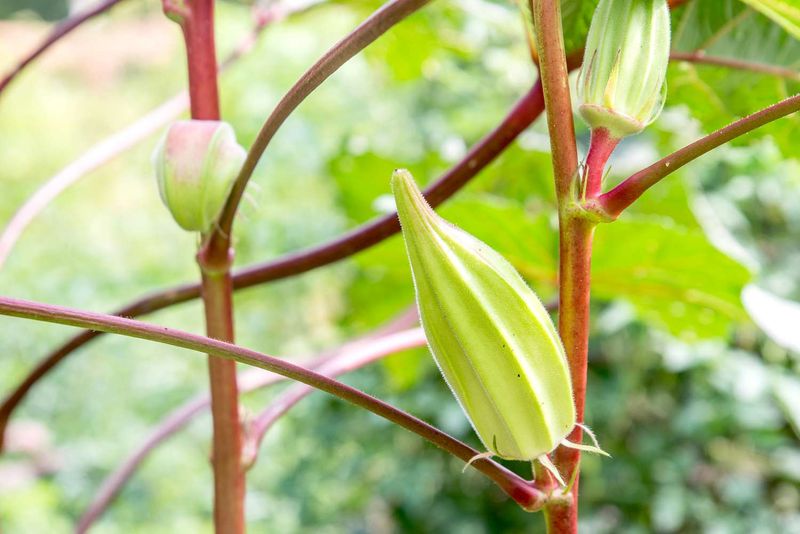
Okra is practically made for Texas summers. It loves the heat, handles dry spells better than most vegetables, and produces heavily through the hottest months.
Planting okra in May gives it the warm soil it needs to sprout quickly and grow strong before peak summer arrives.
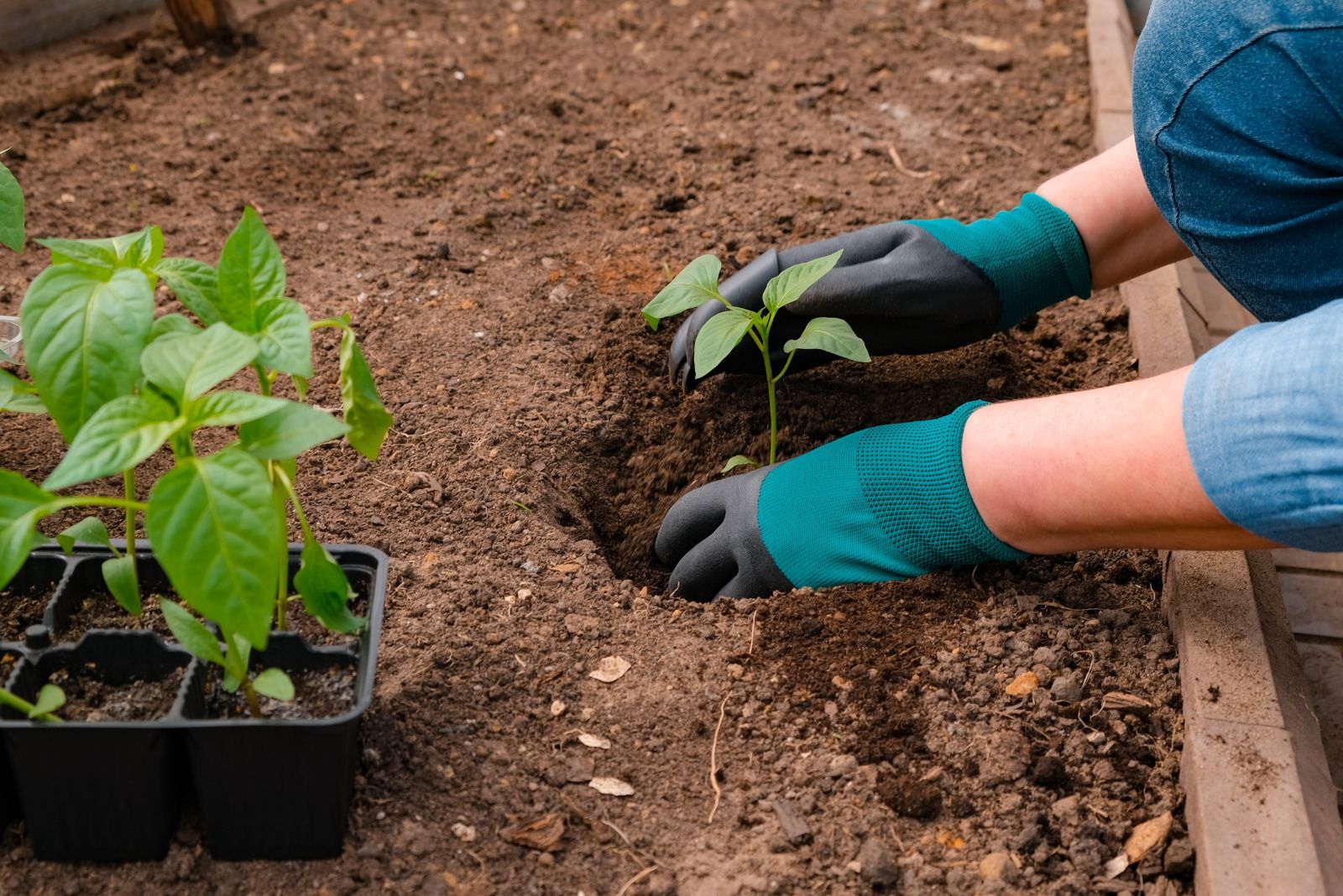
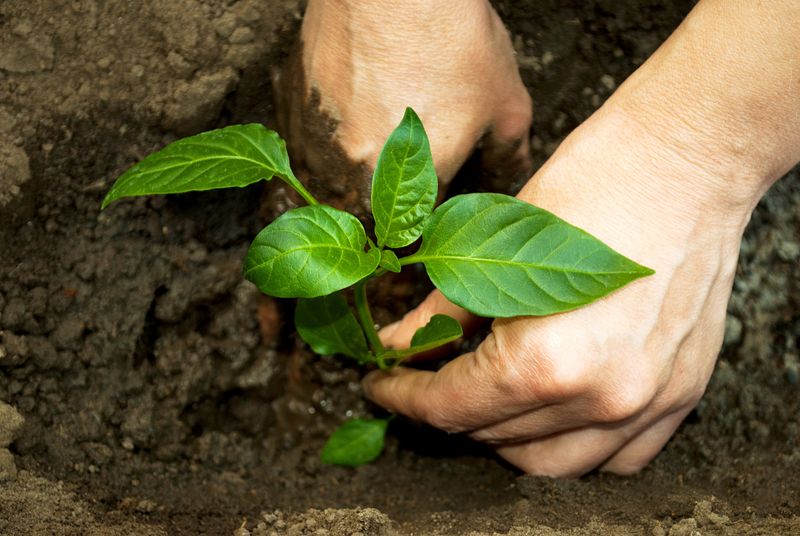
Peppers are another excellent choice for Texas gardeners this month. Both sweet and hot varieties thrive when temperatures stay above 70 degrees.
Your Texas Garden Changes Every Week. Your Plan Should Too.
Gardening in Texas changes quickly throughout the season. Every Friday you’ll receive a simple weekly plan showing exactly what to plant, prune, fertilize, harvest, and protect so you never miss the right timing.
They do best when transplants go into the ground after the last cool nights have passed, which in most parts of Texas happens right around May.
Southern peas, sometimes called cowpeas or black-eyed peas, are a traditional Texas garden crop for good reason. They are drought-tolerant, heat-resistant, and incredibly productive.
Planting them directly from seed in May works perfectly because the warm soil speeds up germination.
Sweet potatoes are one of the smartest choices a Texas gardener can make in May. They need a long, hot growing season to produce well, and planting slips in early to mid-May gives them enough time to develop before fall.
They also spread across the ground and help shade the soil, which reduces moisture loss. Other strong options for May planting in Texas include summer squash, cucumbers, and yard-long beans.
All of these crops enjoy the rising temperatures and reward gardeners with big harvests when given the right start.
Choosing vegetables that actually enjoy Texas heat is the smartest strategy for a successful summer garden.
What Texas Gardeners Should Stop Planting By May
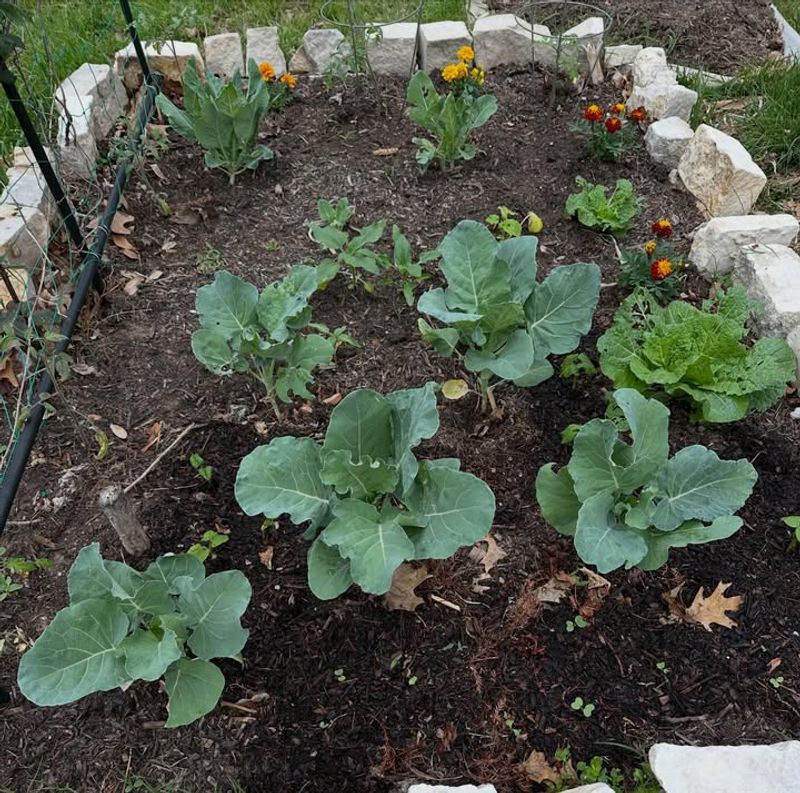
Not every vegetable belongs in a Texas garden come May. Cool-season crops like lettuce, spinach, broccoli, and kale have had their moment.
Once temperatures consistently climb above 80 degrees, these plants start to bolt, which means they shoot up a flower stalk and turn bitter almost overnight.
Bolting is the plant’s natural response to heat and longer daylight hours. It signals that the plant is focused on making seeds rather than producing edible leaves or heads.
For gardeners, it means the harvest window has closed. Trying to keep cool-season crops alive through a Texas May is usually a losing battle.
One of the most common mistakes Texas gardeners make this time of year is holding on too long. It feels wasteful to pull out plants that still look somewhat okay.
But leaving struggling cool-season crops in the ground takes up valuable space that could be used for productive summer vegetables.
Peas, cilantro, and carrots are other crops that tend to fade fast as May heats up in Texas. Cilantro bolts almost as soon as temperatures rise.
Carrots become tough and woody in warm soil. Planting any of these after mid-spring is generally not worth the effort.
Clearing out spent cool-season plants also improves airflow and reduces pest pressure in the garden. Old, stressed plants attract insects and can harbor fungal problems.
Pulling them out and refreshing the bed with compost sets the stage for a much healthier summer planting. Knowing when to let go is just as important as knowing what to plant.
How Planting Times Change Across Texas
Texas is a massive state, and that size creates real differences in gardening conditions from one region to another. A planting schedule that works perfectly in South Texas can be completely off for a gardener in the Dallas area.
Understanding regional differences is essential for getting your timing right in May.
South Texas, including areas around San Antonio and the Rio Grande Valley, often feels like full summer by early May. Soil temperatures are already warm, and the window for planting heat-lovers like okra and southern peas may already be open.
Gardeners in this region should also be thinking about shade cloth and water management to protect plants from intense afternoon heat.
Central Texas, including the Austin area, sits in a middle zone. May brings warm days but can still have some cooler nights in early weeks.
This region has a slightly longer window for getting warm-season crops established before the most brutal heat arrives in late June and July.
North Texas, including the Dallas-Fort Worth area, generally runs about two to three weeks behind South Texas in terms of soil temperature and heat buildup.
Gardeners there may still have a few extra days to plant certain crops that need a bit more moderate conditions to get started.
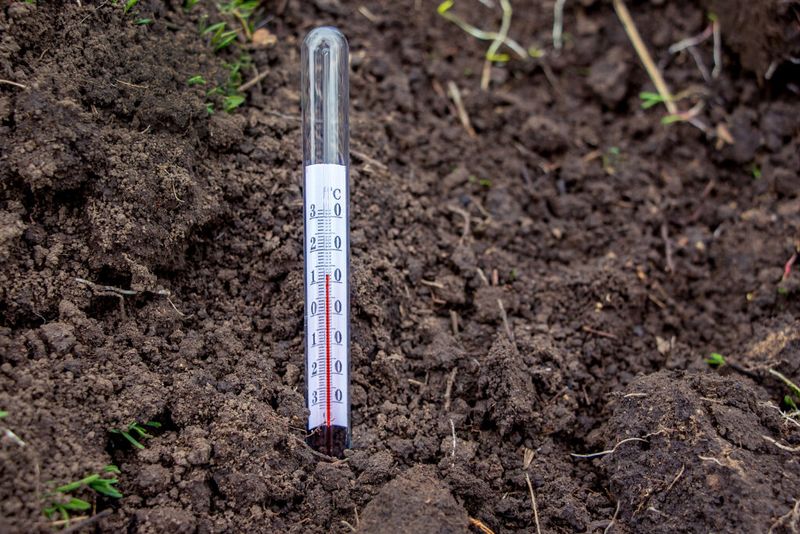
Soil temperature is a more reliable guide than the calendar alone. Using an inexpensive soil thermometer to check conditions before planting saves a lot of guesswork.
Across all of Texas, the goal is the same: match your planting decisions to your local conditions rather than following a one-size-fits-all schedule that was not designed for this state.
The Watering And Mulching Steps That Matter Most Right Now
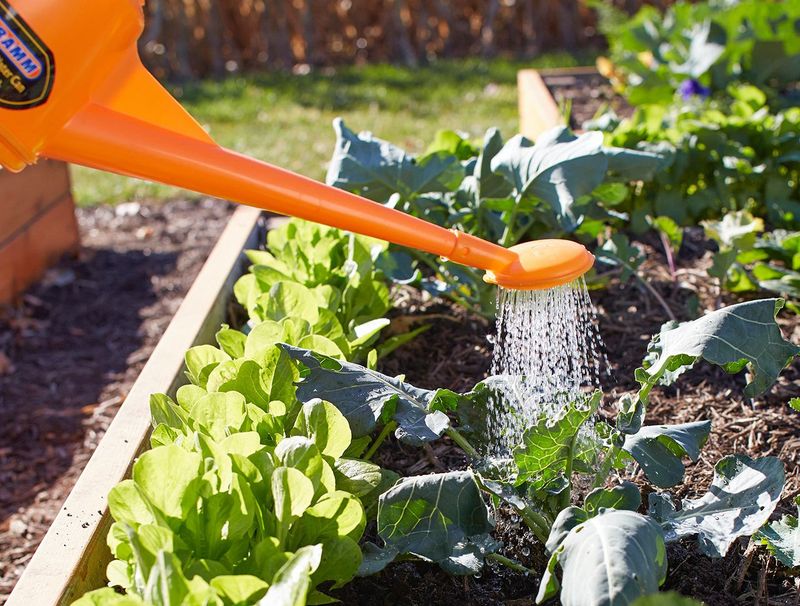
Young vegetable plants are vulnerable. When they first go into the ground in May, their root systems are still small and shallow.
A few days without enough water during a Texas heat wave can set them back significantly. Getting your watering routine right from the start is one of the best things you can do for your garden this month.
Deep, infrequent watering is far better than light daily sprinkles. When you water deeply, moisture reaches further down into the soil, which encourages roots to grow deeper.
Deeper roots help plants access water even when the top layer of soil dries out quickly in the Texas heat. Aim for at least one inch of water per week, more during hot spells.
Mulch is one of the most powerful tools a Texas gardener has in May. Spreading a two to four inch layer of straw, wood chips, or shredded leaves around your vegetable plants does several important things at once.
It slows moisture evaporation, keeps soil temperatures cooler, and reduces weed competition.
Applying mulch before the peak summer heat arrives is much more effective than waiting until the soil is already baked and dry. Think of mulch as a protective blanket that buffers your garden from temperature extremes.
In Texas, where June and July can be relentless, getting mulch down in May makes a measurable difference.
Drip irrigation or soaker hoses are worth considering if you do not already use them. They deliver water directly to the root zone and reduce the amount lost to evaporation. This is especially valuable during the dry, hot stretch that often follows a Texas May.
Simple Ways To Set Up A Better Summer Harvest
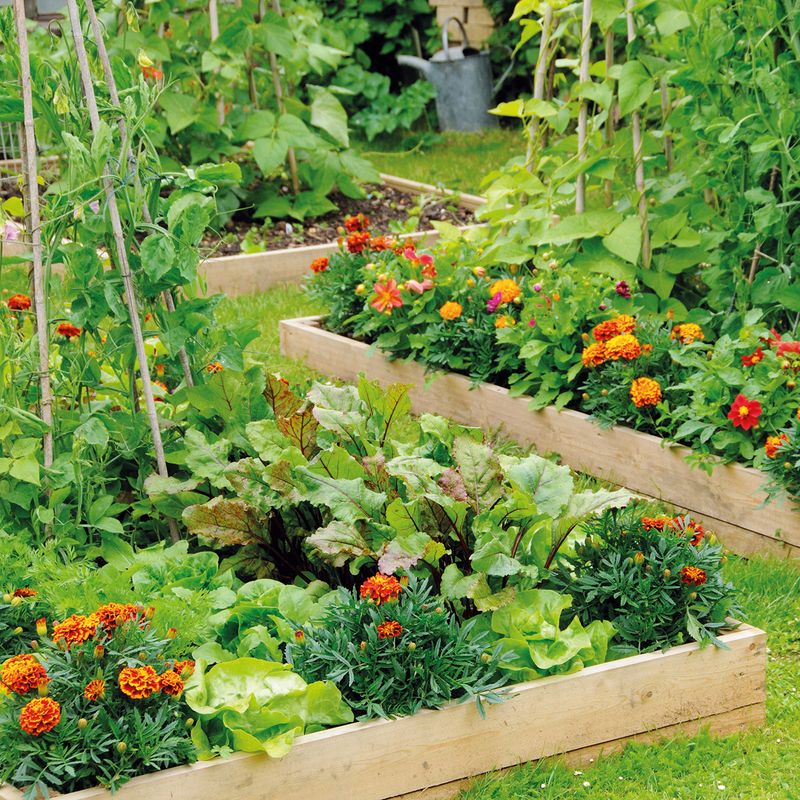
Succession planting is one of the smartest habits a Texas gardener can develop. Instead of planting everything at once, you stagger your plantings every two to three weeks.
This spreads out your harvest over a longer period and reduces the risk of everything ripening at the same time and going to waste.
For example, rather than planting all your okra or summer squash seeds on the same day, plant a small batch, then another batch two weeks later.
By the time your first planting is producing heavily, your second round is just getting started. This keeps fresh vegetables coming to your table all summer long.
Pollinators play a huge role in vegetable garden success. Crops like peppers, squash, cucumbers, and beans all depend on bees and other insects to transfer pollen between flowers.
Without that, fruit production drops sharply. Planting a few flowering herbs or companion flowers near your vegetable beds, like basil, marigolds, or zinnias, attracts pollinators and keeps them coming back.
Small daily habits also add up over time. Checking your plants each morning takes only a few minutes, but it helps you catch pest problems early, spot signs of disease, and notice when plants need water or support.
Catching issues early almost always leads to better outcomes than waiting until a problem becomes serious.
Texas gardening in May and beyond rewards preparation and consistency. Keeping your beds weeded, your soil fed with compost, and your plants properly spaced gives every vegetable the best possible chance to produce a big, healthy harvest all the way through summer.