These Underrated Native North Carolina Perennials Outperform Daylilies On Any Steep Sunny Slope
Daylilies are the default answer for a steep sunny slope in North Carolina, and it is not hard to see why. They spread, they handle neglect, and they bloom reliably without much input.
The problem is that default answers are not always the best ones, and on a genuinely challenging slope with full sun, poor drainage, and soil that erodes under heavy rain, there are native North Carolina perennials that hold the ground better.
They also support local wildlife more meaningfully, and bring more visual interest across a longer season.
These plants evolved here, which means they are not simply tolerating those difficult slope conditions.
They are suited for them in a way that imported standbys never quite match. Once established, they spread with purpose and anchor the soil through the kind of summer downpours that send loose hillside dirt washing into the yard below.
If your slope has always felt like a problem you managed rather than a space you actually enjoyed, these natives are worth reconsidering from the ground up.
1. Butterfly Weed (Asclepias tuberosa)
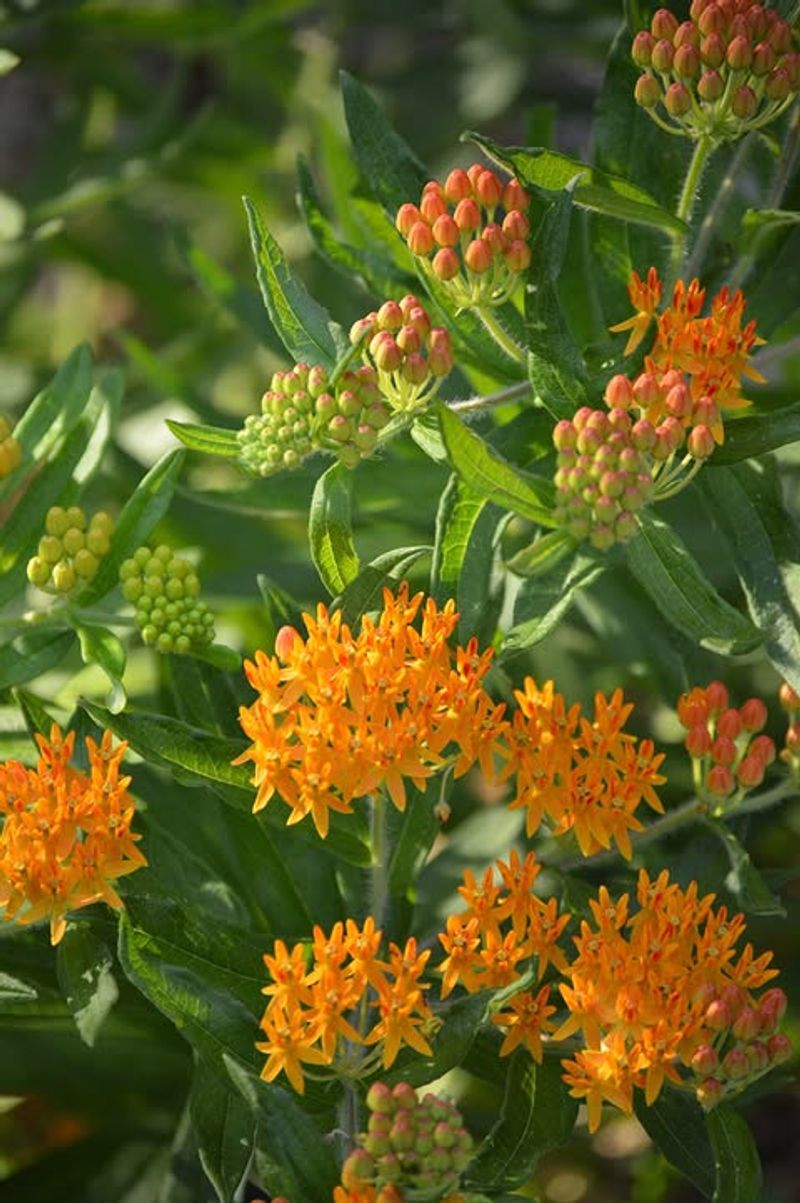
Bright orange clusters of flowers on a dry, baking hillside might sound too good to be true, but Butterfly Weed pulls it off every single summer. This native North Carolina wildflower grows a deep taproot that anchors itself firmly into slopes where other plants give up.
Once it settles in, heat and drought barely slow it down.
Butterfly Weed thrives in lean, well-drained soil, which makes it a perfect match for those tough sunny slopes where nothing else wants to grow. Rich soil actually works against it, so skip the fertilizer and let it do its thing naturally.
It blooms from late spring through midsummer, bringing vivid color right when your hillside needs it most.
Beyond its good looks, this plant is a powerhouse for pollinators. Monarch butterflies depend on Asclepias species as their primary host plant, so planting it in your North Carolina garden directly supports their migration.
Bees and other native insects flock to it too. Butterfly Weed stays compact and tidy, growing roughly one to two feet tall, which means it never overwhelms a slope the way sprawling daylilies tend to do.
Give it full sun and good drainage, and it will reward you with reliable blooms and wildlife action year after year without complaint.
2. Little Bluestem (Schizachyrium scoparium)
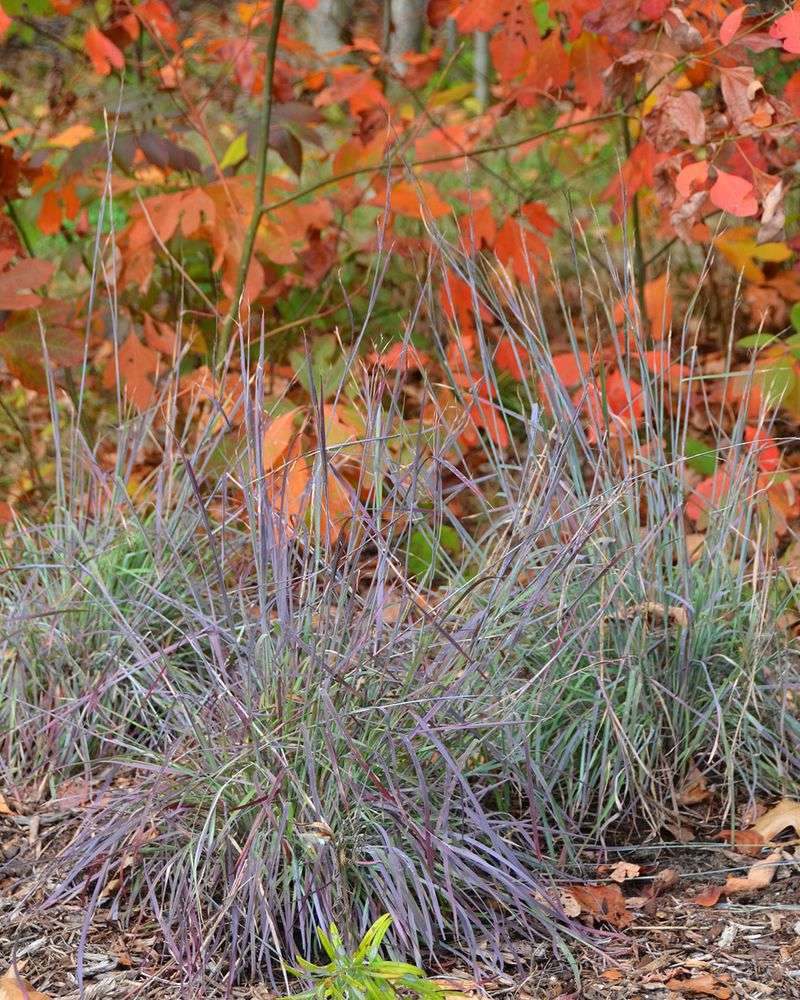
Few plants can match Little Bluestem when it comes to holding a steep North Carolina slope together through summer heat, drought, and thin soil. This warm-season native grass forms dense clumps with roots that dig deep and grip the ground with serious strength.
Erosion on your hillside becomes much less of a problem once this grass gets established.
During summer, the upright blue-green blades add real texture to a slope that might otherwise look flat and boring. Then fall arrives and everything changes.
The foliage shifts into shades of copper, burgundy, and bronze that rival any ornamental grass you could buy at a garden center. The fluffy seed heads catch morning light in a way that looks almost magical on a sunny slope.
Your North Carolina Garden Changes Every Week. Your Plan Should Too.
Gardening in North Carolina changes quickly throughout the season. Every Friday you’ll receive a simple weekly plan showing exactly what to plant, prune, fertilize, harvest, and protect so you never miss the right timing.
Little Bluestem grows best in lean, well-drained soil and actually performs worse when you add fertilizer or water too frequently. That lean-soil preference is exactly what makes it such a smart swap for daylilies on tough North Carolina hillsides.
It grows two to four feet tall and stays in tidy clumps rather than spreading aggressively. Birds love the seed heads through winter, so your slope stays interesting even after the growing season wraps up.
Plant it in full sun and step back because this grass truly handles itself.
3. Purple Coneflower (Echinacea purpurea)
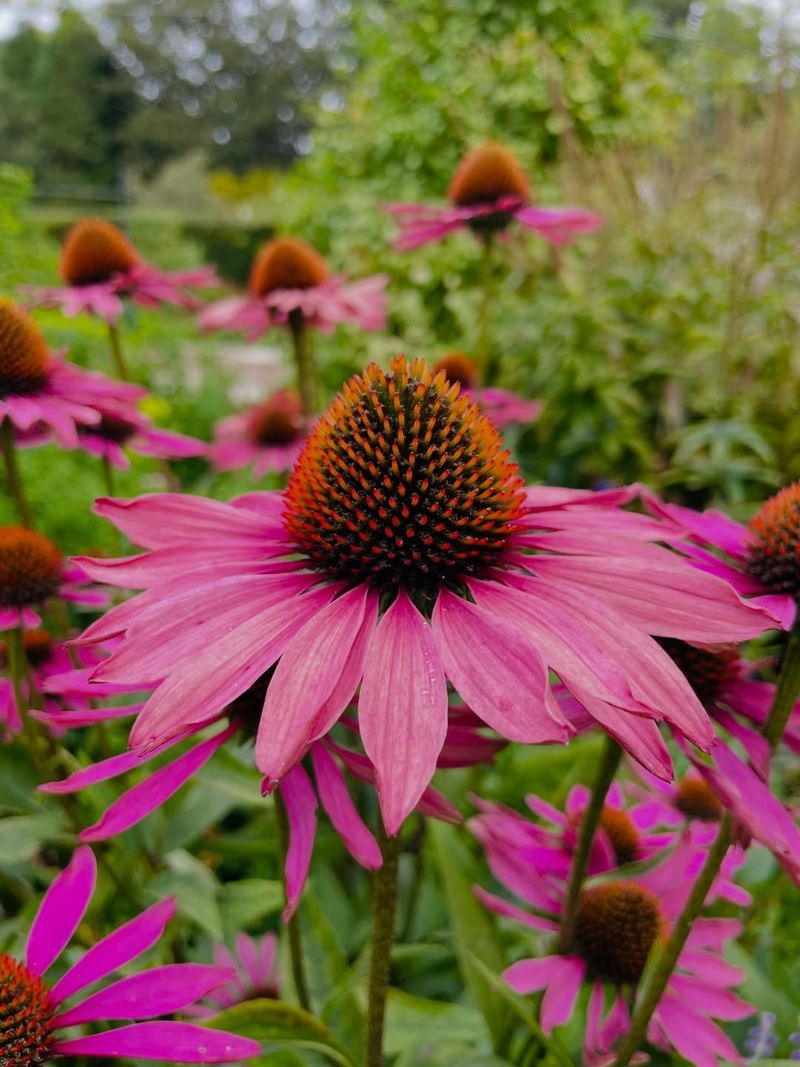
Purple Coneflower has been growing in eastern North American gardens for centuries, and there is a very good reason it never goes out of style.
The bold pink-purple petals surrounding a spiky orange-brown cone make it one of the most recognizable wildflowers in any North Carolina landscape.
Plant it on a sunny slope and watch it become the centerpiece of your whole yard.
What makes Echinacea purpurea such a smart choice for hillsides is its adaptability. It handles the heat, tolerates dry spells once established, and performs well in the kind of well-drained soil that steep slopes naturally have.
Unlike daylilies, it does not spread in ways that take over neighboring plants or crowd out everything around it.
Pollinators absolutely love this plant. Bumblebees, goldfinches, and a wide variety of native bees visit the flowers and seed heads from midsummer straight through fall.
Even after the petals fall off, the seed cones remain standing and feed birds well into winter, giving your North Carolina slope visual interest across multiple seasons.
Purple Coneflower grows two to four feet tall and looks great when planted in groups of three or more.
It pairs beautifully with Little Bluestem grass and Butterfly Weed for a layered, naturalistic slope planting that works hard without asking much from you.
4. Coreopsis (Coreopsis lanceolata)
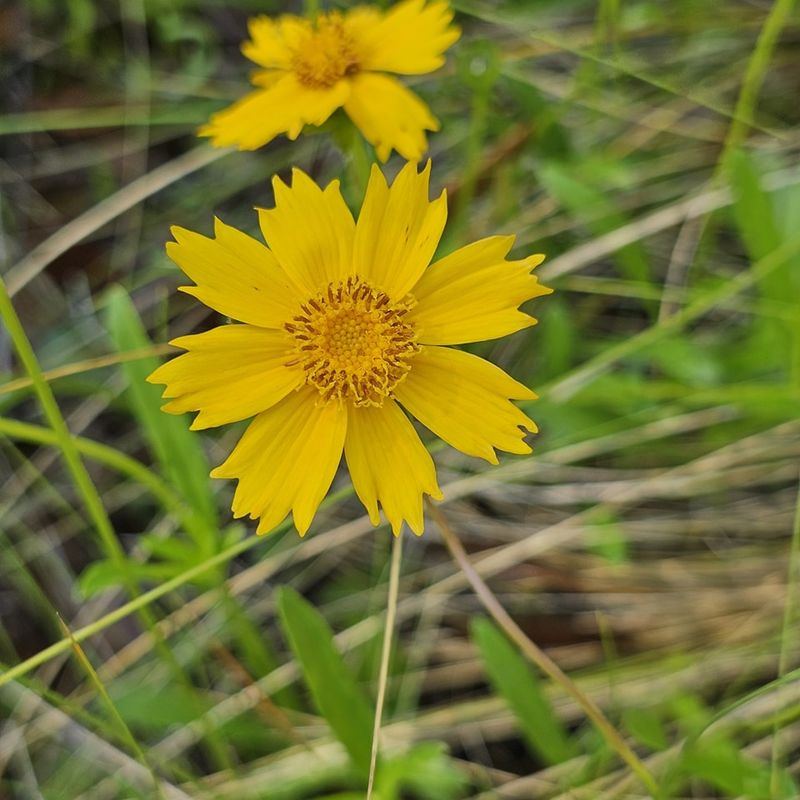
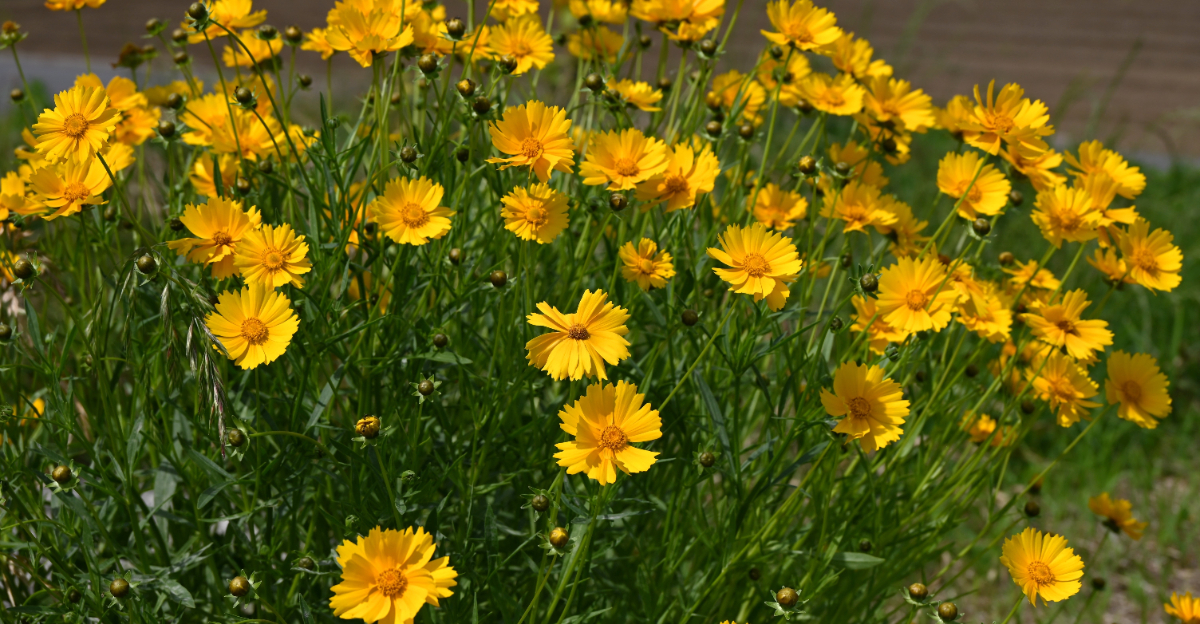
Sunshine yellow flowers covering a steep slope from late spring well into summer is exactly what Coreopsis lanceolata delivers, and it asks for almost nothing in return.
This cheerful North Carolina native is practically built for the kind of hot, dry, well-drained hillsides that send most garden plants into a slow decline. Lean soil is not a challenge for Coreopsis, it is actually a preference.
Here is something most gardeners do not realize until they try it: adding compost or fertilizer to Coreopsis plantings often reduces blooming rather than improving it. Rich soil encourages leafy growth at the expense of flowers.
Plant it in your natural slope soil, give it full sun, and the blooms come in thick and bright without any extra effort on your part.
Coreopsis lanceolata stays relatively low, usually around one to two feet tall, which makes it excellent for massing across a slope without blocking views or overwhelming smaller neighboring plants.
The daisy-like yellow flowers attract native bees and butterflies throughout the blooming season, adding real wildlife value to your North Carolina hillside.
It also reseeds modestly, which means your planting gradually fills in over time in a natural-looking way. For gardeners who want maximum color with minimum maintenance on a tough slope, Coreopsis is one of the smartest native choices available anywhere in the state.
5. Narrowleaf Mountain Mint (Pycnanthemum tenuifolium)
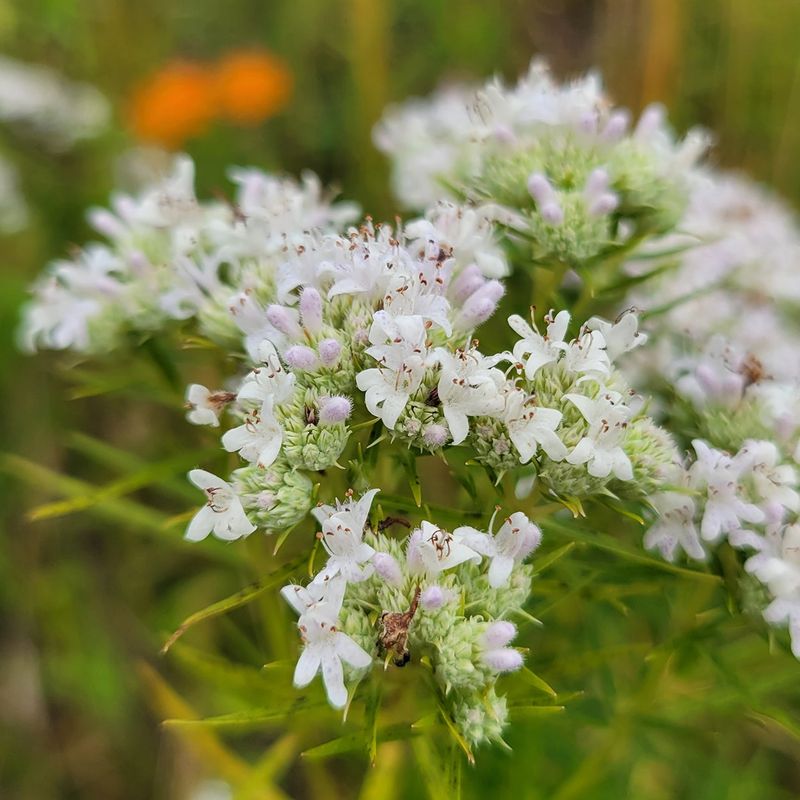
Walk past a patch of Narrowleaf Mountain Mint on a warm North Carolina afternoon and the clean, fresh scent hits you before you even see the plant. That fragrance is not just pleasant for people, it is absolutely irresistible to pollinators.
On a good summer day, a single clump can host dozens of native bees, wasps, and butterflies all at once.
Pycnanthemum tenuifolium handles sunny, well-drained slopes with ease, which is exactly the kind of tough spot where many gardeners struggle to find attractive options. The fine, needle-like foliage gives the plant a delicate appearance, but do not be fooled.
This plant is tough, heat-tolerant, and drought-resistant once it settles into your hillside. It grows two to three feet tall and spreads modestly over time, gradually filling gaps without becoming a problem.
One thing that sets Mountain Mint apart from daylilies is its incredible value to native pollinators. Research has shown that Pycnanthemum species support more bee diversity than almost any other native plant group in the eastern United States.
Planting it on your North Carolina slope means you are actively supporting the local ecosystem while also getting a good-looking, low-maintenance plant.
The tiny white flowers bloom from midsummer into early fall, bridging the gap between your early-season bloomers and your fall plants beautifully. Full sun and decent drainage are all it needs to perform well season after season.
6. Aromatic Aster (Symphyotrichum oblongifolium)
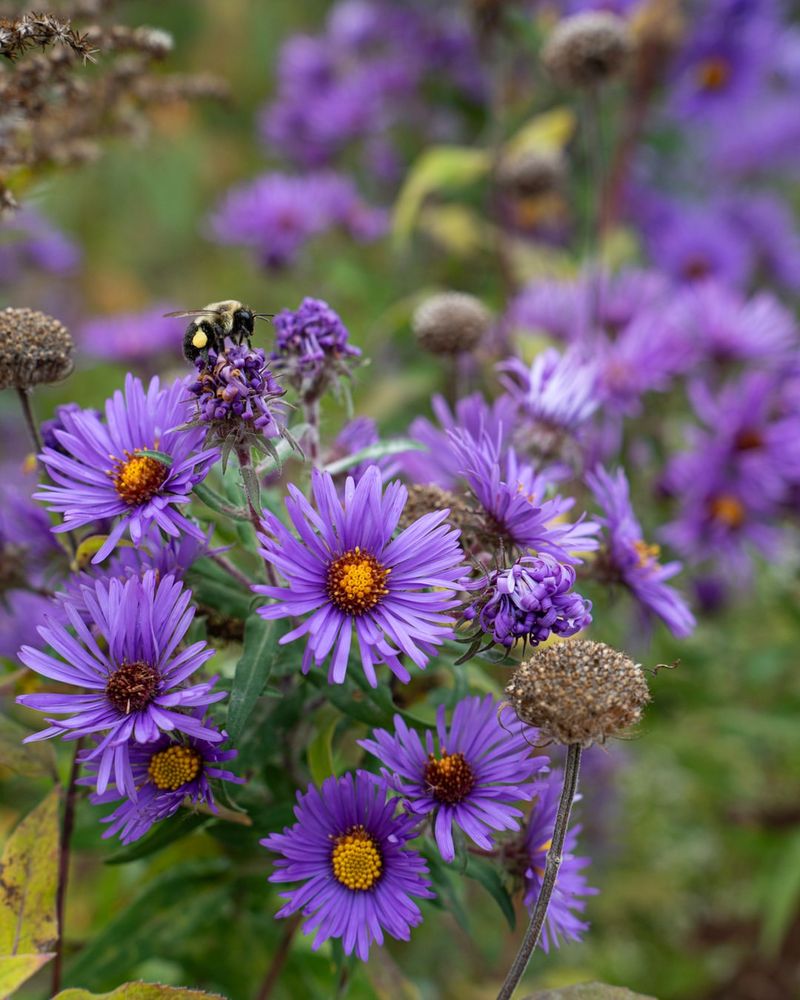
When most of your slope plants are winding down for the season, Aromatic Aster is just getting started.
This fall-blooming native puts on one of the most spectacular late-season shows in the entire North Carolina landscape, covering itself in small purple-blue daisy-like flowers right when the garden needs color the most.
Monarchs and native bees depend heavily on late-season bloomers like this one during their fall migration and feeding frenzy.
Symphyotrichum oblongifolium is native to the southeastern and central United States and performs exceptionally well on sunny, dry slopes with good drainage.
It handles heat, drought, and lean soil without complaint, making it a genuinely reliable performer in situations where daylilies often look tired and ragged by late summer.
The low, spreading mounding habit also makes it excellent for slope stabilization.
Aromatic Aster earned its name from the pleasant scent released when you brush against the foliage, which adds a sensory bonus to your North Carolina hillside planting.
It typically grows one to three feet tall and spreads gradually into a full, rounded mound that looks polished even without any pruning.
For best results, plant it in full sun and avoid overwatering. Cutting it back by half in early June encourages a bushier, more compact shape and even more flowers come fall.
Pair it with Little Bluestem for a stunning late-season combination that looks effortlessly beautiful.
7. Prairie Dropseed (Sporobolus heterolepis)
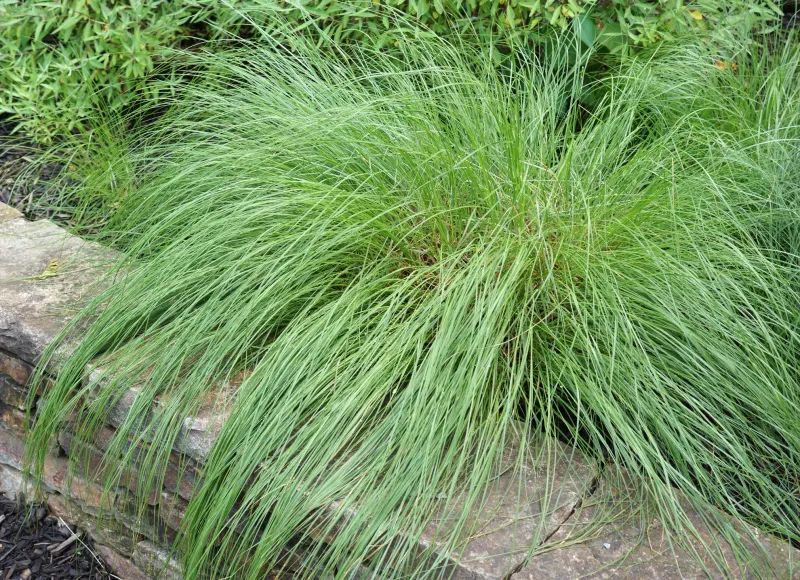
Prairie Dropseed is the kind of plant that rewards patient gardeners in a big way. It takes a season or two to fully establish, but once it roots into your North Carolina hillside, it becomes one of the most durable, elegant, and low-maintenance plants on the entire slope.
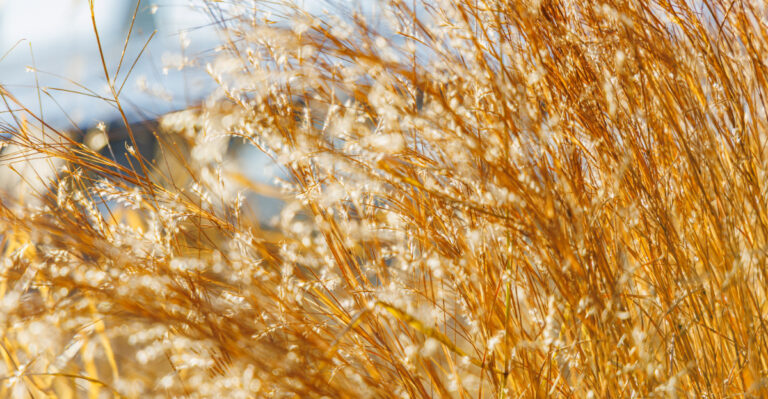
The fine-textured, arching foliage creates a soft, fountain-like appearance that looks beautiful in both summer and fall.
What makes this native grass especially useful on steep sunny slopes is its combination of deep roots and tidy clumping habit. It does not spread aggressively or send runners into neighboring plants, so you stay in control of your planting.
Sporobolus heterolepis handles full sun, drought, and lean soil far better than most flowering perennials, and it holds slopes firmly once established.
The delicate seed heads that appear in late summer carry a light, sweet fragrance that surprises most first-time growers.
Prairie Dropseed grows native in parts of North Carolina and fits beautifully into a mixed slope planting alongside Aromatic Aster, Coreopsis, or Purple Coneflower. It stays compact at roughly two feet tall and wide, making spacing and planning straightforward.
Fall color brings warm golden and orange tones that keep the slope looking rich well into the cooler months.
For North Carolina gardeners who want structure, texture, and long-term reliability on a tough sunny hillside, Prairie Dropseed is a plant worth every bit of the wait during those early establishment months.