Florida Plants You Should Put In The Ground This Week Before It Gets Too Hot
Florida has a short window for planting and most homeowners consistently miss it.
The heat comes fast here, no warning, no grace period, just one week of decent temperatures followed by months of brutal sun that will stress out anything that has not had time to settle its roots.
Smart Florida gardeners know the clock is ticking right now, and they are already at the nursery picking out their favorites. The plants going in the ground this week have a real shot at thriving all year long.
Wait another month? You are basically setting your money on fire.
Florida’s planting calendar plays by its own rules, and once you crack the code, your yard starts looking like the one everyone slows down to stare at. So which plants are worth your time and your soil right now?
You are about to find out exactly what belongs in your cart.
1. Plant Sweet Potatoes Before Summer Takes Over
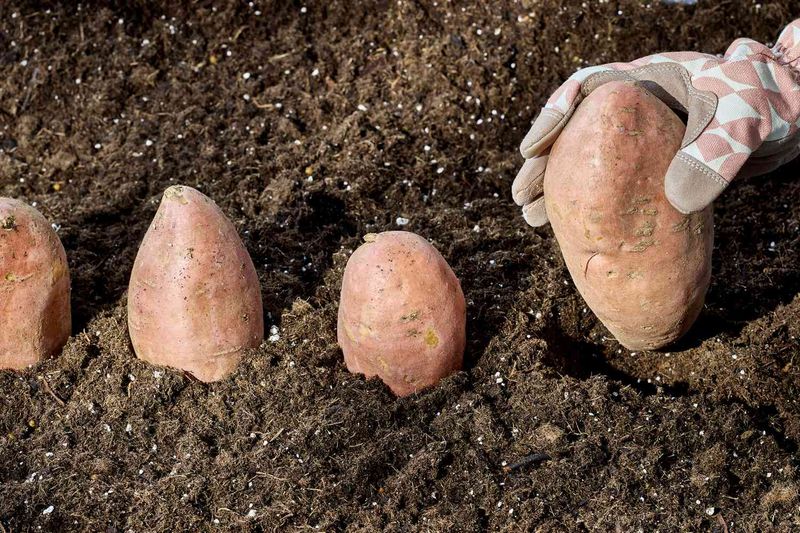
A warm sandy bed, healthy slips, careful watering, and good drainage give sweet potatoes a much better start in a Florida garden.
UF/IFAS lists sweet potatoes as a May option to transplant with care in North, Central, and South Florida, though early May can still be a more forgiving window for Central and North Florida gardeners while soil temperatures are climbing and the rainy season has not fully settled in.
South Florida gardeners should check their local UF/IFAS Extension calendar because the best planting window there can be earlier in the year or may shift depending on local heat and wet-season timing.
Sweet potatoes love full sun, loose well-drained soil, and room to spread their vines. In Florida’s sandy soils, mixing in compost before planting can help with moisture retention without creating soggy conditions that stress young roots.
Raised beds work well if your yard has drainage issues or compacted soil.
Plant slips about 12 to 18 inches apart and water consistently while they establish. Once roots settle in, sweet potatoes handle Florida heat and brief dry spells reasonably well.
Avoid low spots where water pools after afternoon thunderstorms. The growing season runs roughly 100 to 120 days, so plants started now can be ready before fall.
Check your county Extension office for variety recommendations suited to your part of Florida.
2. Give Okra A Head Start While The Soil Is Warm
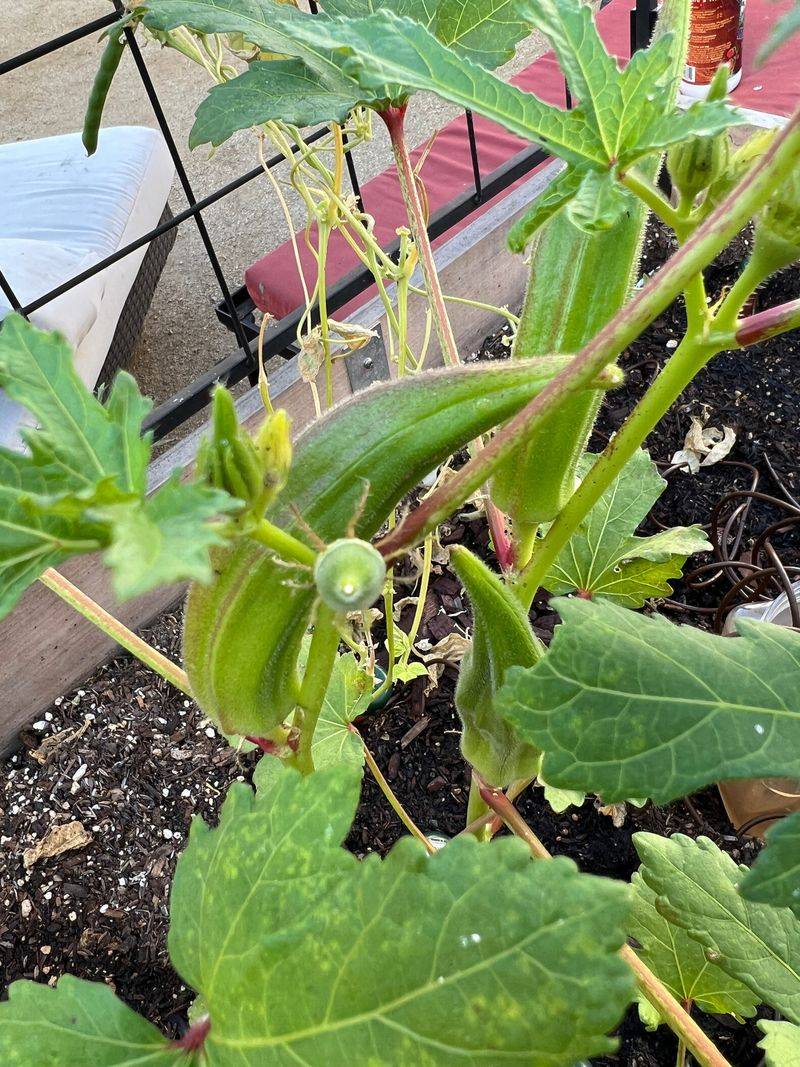
Few vegetables are as well-matched to a Florida summer as okra. UF/IFAS lists okra as a May crop to start from seed in North and Central Florida, where warm soil helps it germinate and grow quickly.
South Florida gardeners may find their best planting window falls a bit earlier in the year, so checking a local Extension planting calendar is a smart move before you head to the garden center.
Okra wants full sun and good drainage. It can handle Florida’s intense heat far better than most cool-season crops, but freshly sprouted seedlings still need consistent moisture while they get established.
Letting the soil dry out completely during the first few weeks can slow early growth significantly. Water at the base of the plant rather than overhead to reduce moisture-related issues on the leaves.
Your Florida Garden Changes Every Week. Your Plan Should Too.
Gardening in Florida changes quickly throughout the season. Every Friday you’ll receive a simple weekly plan showing exactly what to plant, prune, fertilize, harvest, and protect so you never miss the right timing.
Space okra plants about 18 to 24 inches apart so air can move freely between them. Pods grow fast in warm weather, sometimes reaching harvest size in just a few days, so check plants often.
Harvest pods while they are still tender, usually under four inches long, because pods left too long become tough and fibrous. Taller okra plants can shade nearby shorter crops, so think about placement before you plant.
A single row along a sunny fence or the north edge of your vegetable bed works well for most Florida home gardens.
3. Plant Southern Peas For A Tough Summer Harvest
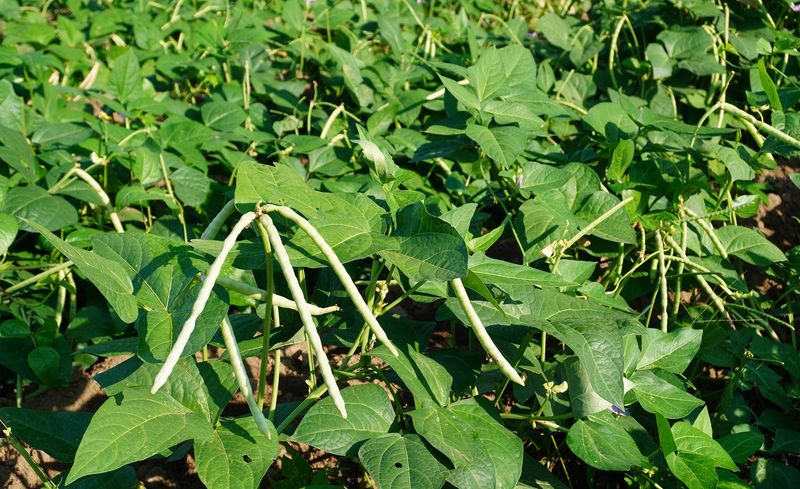
Cowpeas, crowder peas, black-eyed peas, and other Southern peas are some of the most underrated vegetables a Florida gardener can grow.
UF/IFAS lists Southern peas as a May crop to start from seed in North and Central Florida, while South Florida gardeners may have better guidance for Southern peas in other warm-season windows.
North and Central Florida gardeners often have a solid spring and early summer window for planting, while South Florida gardeners should check local UF/IFAS guidance because May planting calendars can differ there.
One of the biggest advantages of Southern peas is their ability to handle sandy, lower-fertility soil better than most vegetables. They fix nitrogen in the soil naturally, which can benefit whatever you plant in that bed next season.
Once plants are established, they tolerate dry spells reasonably well, though steady moisture during flowering and pod fill improves your harvest.
Give plants full sun and good drainage. Space them according to the variety, since some types sprawl and others stay more compact.
You can harvest pods fresh as snap peas, shell them while still green, or let them dry fully on the vine for dried peas to store. Either way, Southern peas give Florida gardeners a productive return even when summer heat pushes other crops to their limits.
Ask your county Extension office about varieties that perform well locally.
4. Tuck In Basil Before The Afternoon Heat Gets Brutal
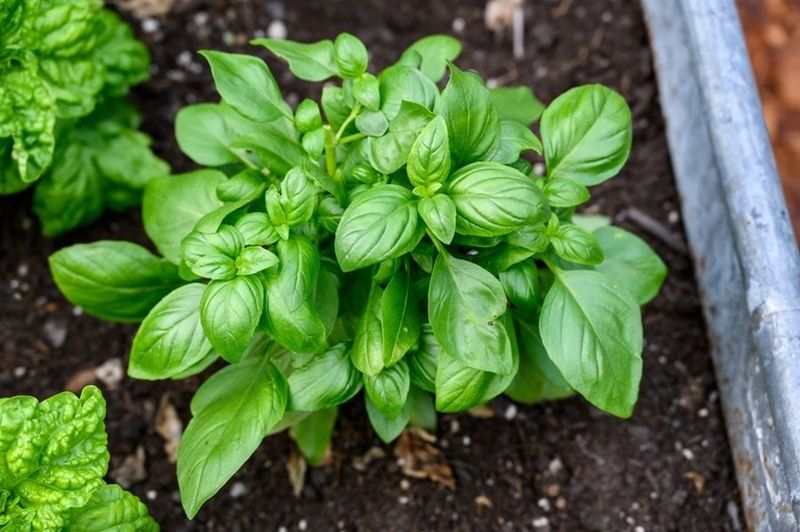
Basil is one of those herbs that seems made for Florida in spring, filling the garden with fragrance and growing fast once temperatures climb.
UF/IFAS calendar guidance includes heat-loving herbs such as basil for May in parts of Florida, but regional differences still matter.
In North and Central Florida, early May can be a genuinely good time to get basil into the ground before summer’s harshest heat and disease pressure build.
South Florida gardeners may find that basil needs afternoon shade, very consistent moisture, or a slightly different planting schedule depending on local heat and humidity levels.
Basil grows best in full sun to part sun, with well-drained soil that holds some moisture without staying soggy. Water at the base of the plant and avoid wetting the leaves, which can encourage fungal issues in Florida’s humid air.
Sandy Florida soil benefits from added compost to help with moisture retention around basil roots.
Pinch off flower buds as soon as they appear to keep plants producing flavorful leaves rather than going to seed. Overcrowding basil plants reduces airflow and increases the chance of disease, so space them at least 12 inches apart.
Containers work well for basil on patios or in spots with good drainage. If you see yellowing leaves or dark spots, adjust watering and airflow before conditions worsen.
A small basil planting started now can supply fresh leaves for cooking for weeks or months if heat, humidity, watering, and disease pressure stay manageable.
5. Add Salvia For Color That Can Handle The Heat
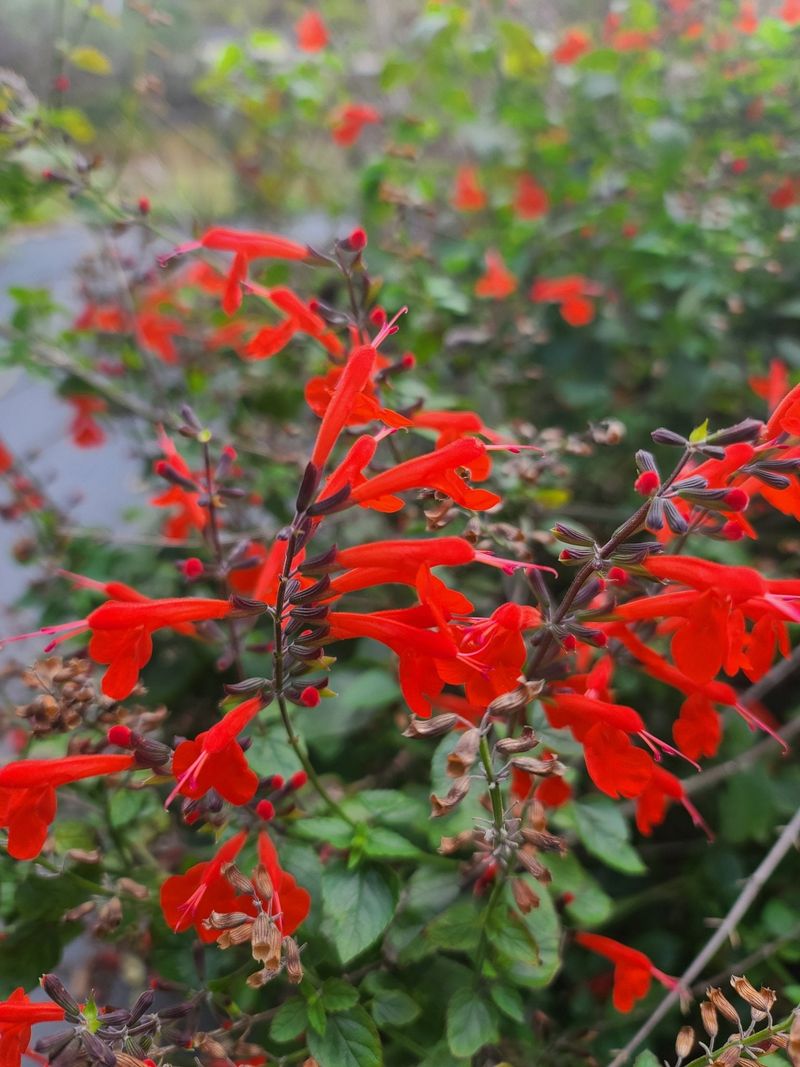
Imagine a flower bed that stays colorful even when July temperatures push past 90 degrees and afternoon storms roll through every day. Salvia can be that plant.
Many salvias are used in Florida landscapes as warm-season color plants, and May can be a reasonable time to establish the right type in a sunny, well-drained bed before peak summer stress arrives.
The key is choosing varieties suited to your specific region of Florida.
Some salvias perform well in many Florida landscapes, while others respond differently based on whether you are gardening in North, Central, or South Florida.
Winter temperatures, humidity levels, drainage, and site conditions all influence how a particular salvia behaves over time.
Ask your local Extension office or a reputable Florida nursery which types are best matched to your area before buying.
Salvia generally wants full sun and well-drained soil. New plantings need consistent watering until roots are established, after which many types handle dry spells with less irrigation.
Pollinators, including bees and butterflies, are strongly attracted to salvia flowers, making it a rewarding addition to a pollinator bed or sunny foundation planting. Use it along borders, in groupings, or mixed with other warm-season flowering plants for a layered look.
Space plants according to the mature size of the variety you choose, and avoid planting in low spots where water collects after Florida’s frequent afternoon thunderstorms.
6. Start Firebush Before The Hottest Weeks Arrive
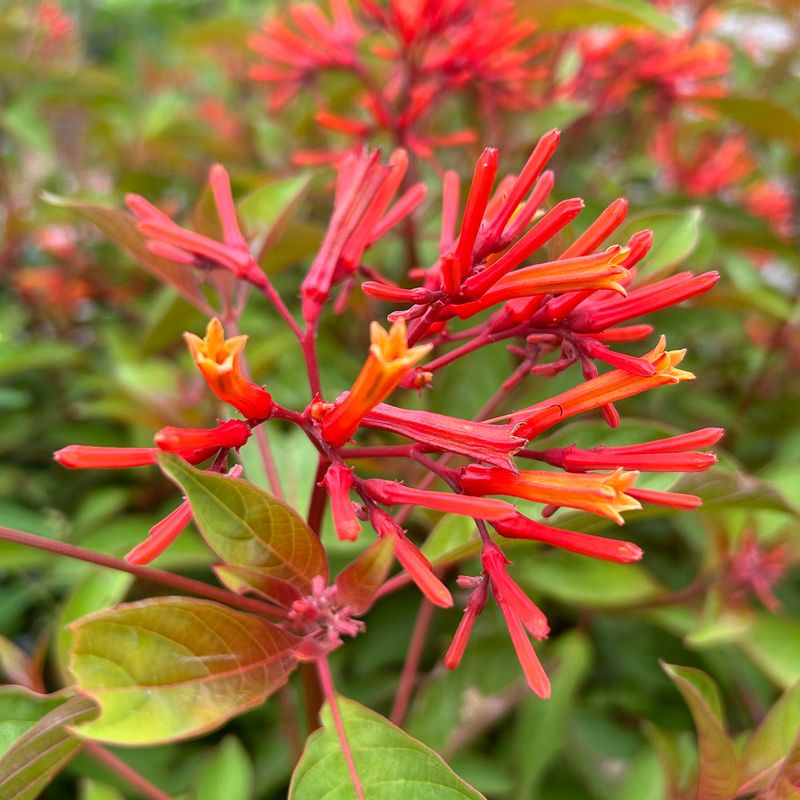
Firebush earns its name with clusters of bright orange-red tubular flowers that attract hummingbirds and butterflies from the moment blooms open.
UF/IFAS says firebush can be planted in late spring or summer in much of Florida, and getting it into the ground in early May gives gardeners time to water it carefully while roots begin to settle.
Regional behavior does vary in meaningful ways, though.
In South Florida, firebush can grow into a large, somewhat evergreen shrub that fills a bed quickly. In Central Florida, it puts on strong growth through the warm months but can be affected by cold snaps in winter, often coming back from the roots if tops are damaged.
In North Florida, firebush may behave more like a tender perennial, needing extra protection during cold winters or sometimes restarting from the base in spring.
Understanding how your region affects its growth helps you plan spacing and placement realistically.
Plant firebush in full sun with well-drained soil and water consistently while it establishes. Once roots are settled in the right site, firebush can handle Florida heat and short dry periods reasonably well.
Give it enough room to reach its mature size, which can be substantial in warmer parts of the state. The dark berries that follow the flowers attract birds, adding another layer of wildlife value to your yard.
Firebush is recognized as a Florida-Friendly Landscaping plant and works well in naturalistic borders and wildlife gardens.
7. Plant Zinnias Now For Fast Summer Color
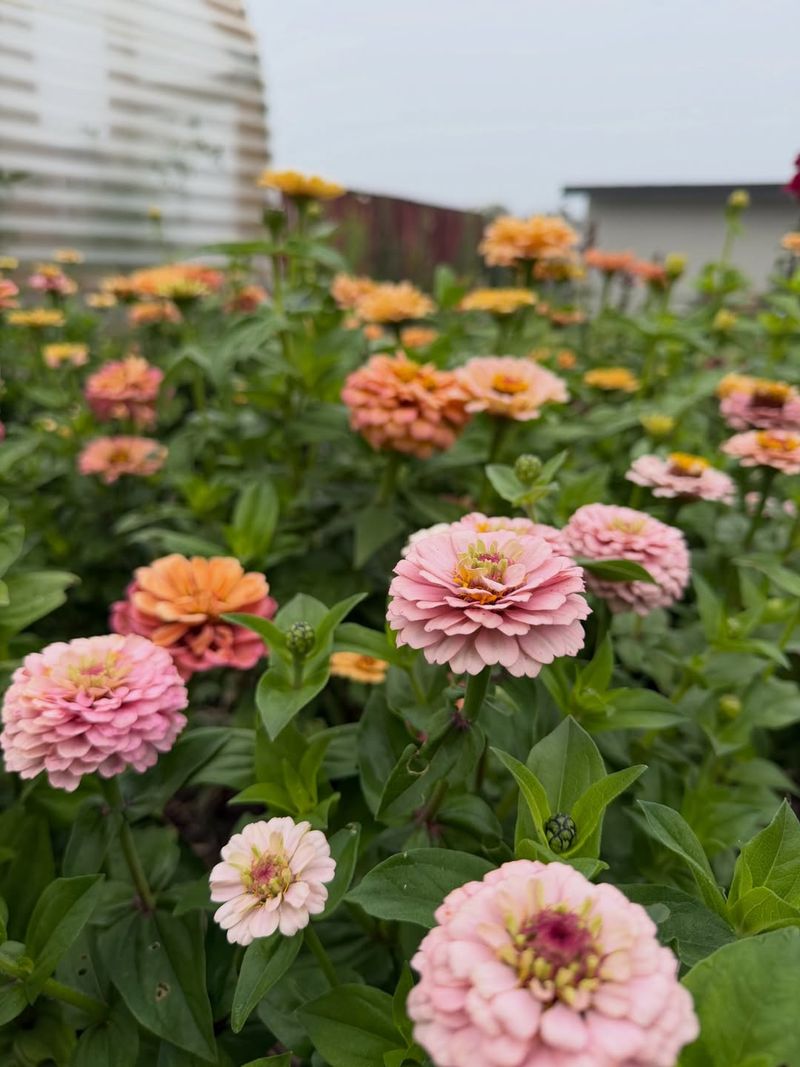
Few flowers deliver summer color as quickly and cheerfully as zinnias. Zinnias often bloom quickly from seed, which means an early May planting can bring color fast when the site is sunny, warm, and well drained.
UF/IFAS supports spring planting of zinnias throughout Florida, though performance can vary by region and conditions.
North and Central Florida gardeners are often in a good position to plant zinnias in May for strong early-summer color. South Florida gardeners may need to pay closer attention to intense heat, high humidity, and disease pressure, which can shorten zinnia performance.
In South Florida, there may be better planting windows depending on local seasonal patterns, so checking with a local Extension office or experienced Florida nursery is worth the effort.
Zinnias need full sun and well-drained soil. Space plants generously so air moves freely between them, which helps reduce the powdery mildew that can be a problem in Florida’s humid summers.
Water at the base rather than overhead, and remove faded flowers regularly to encourage new blooms. Choosing mildew-resistant varieties when available gives plants a better chance through the humid stretch of summer.
Zinnias also attract butterflies in impressive numbers, making them a natural fit for a pollinator bed. They work beautifully in containers too, as long as drainage is good and the pot sits in a full-sun spot.
8. Try Vinca For Bright Blooms Through The Heat
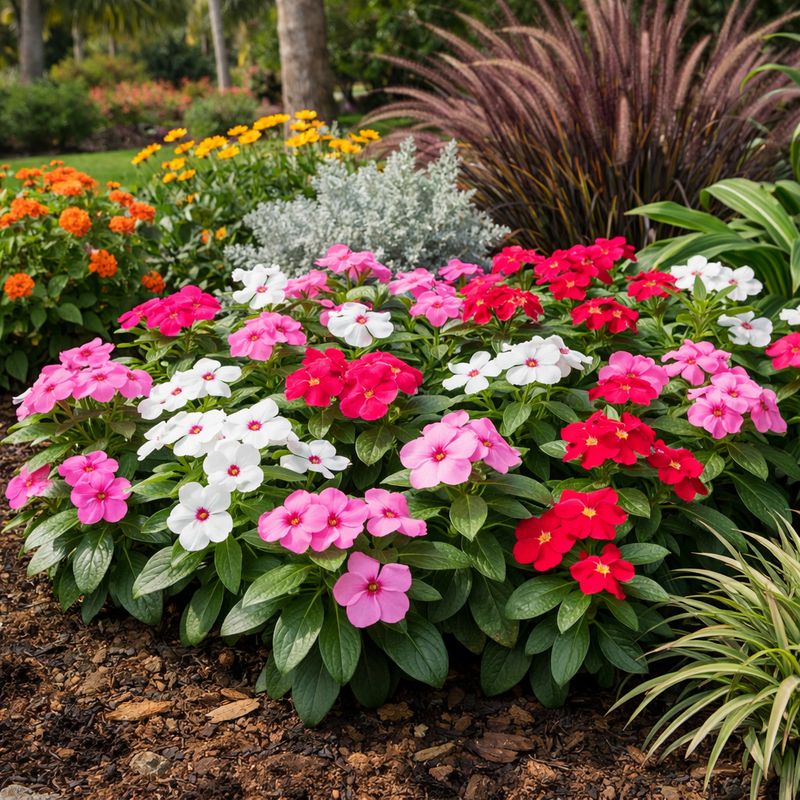
Annual vinca, sometimes called annual periwinkle, is one of the better annuals for hot, sunny Florida beds when drainage is excellent.
Where more delicate annuals struggle once June heat arrives, vinca can keep blooming in hot, sunny sites if the soil drains well and plants are not overwatered.
UF/IFAS gardening calendar guidance lists vinca among annuals that can take full sun during hot summer months, and May can be a reasonable time to get transplants established in sunny, well-drained beds.
South Florida gardeners can also have success with vinca in sunny, well-drained spots, but the wet season brings extra moisture that can cause problems if drainage is not excellent.
Vinca is particularly sensitive to overwatering and soggy soil, which can lead to root and stem issues quickly in Florida’s humid conditions.
Space plants to allow airflow between them, and avoid overhead watering whenever possible.
Choose a site with full sun and excellent drainage, whether that is a raised bed, a sloped border, or a container on a sunny patio.
Vinca works well in spots where other annuals have struggled, including hot pavement edges, sunny foundation plantings, and areas with reflected heat.
Select varieties labeled as disease-resistant when available, since some newer cultivars handle Florida’s humidity better than older types.
Once established in well-drained soil, vinca often needs less frequent irrigation than many more delicate annuals, making it a practical choice for gardeners trying to water carefully.